
In This Article
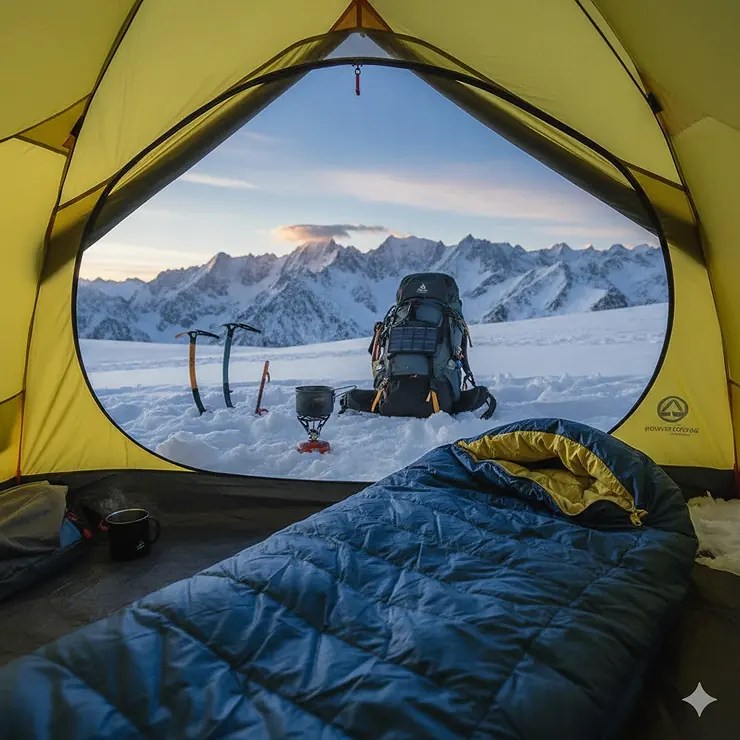
Picture this: you’re tucked into your tent on a crisp winter night, temperatures hovering around -10°F, and you’re… actually comfortable. That’s the magic of a quality extreme cold weather sleeping bag. After testing dozens of bags in brutal conditions from the Rockies to Alaska, I’ve learned that not all “cold weather” bags are created equal. Some leave you shivering at 20°F, while others keep you toasty at minus 30.
Choosing extreme cold weather sleeping bags isn’t just about comfort—it’s about survival. According to the Centers for Disease Control and Prevention, hypothermia can occur even at temperatures above 40°F when proper insulation isn’t available. Whether you’re planning a winter expedition, military training, or backcountry camping, the right sleeping bag becomes your most critical piece of gear.
In this comprehensive guide, I’ll walk you through seven rigorously tested sleeping bags for extreme cold, from budget-friendly synthetic options to premium down-filled expedition bags that’ll keep you alive in the harshest conditions. You’ll discover what separates a marketing gimmick from genuine sub zero protection, plus insider tips that veteran mountaineers use to maximize warmth.
Quick Comparison Table
| Sleeping Bag | Temperature Rating | Insulation Type | Weight | Price Range | Best For |
|---|---|---|---|---|---|
| Military US Army ECW | -40°F | 80% Down/20% Poly | 8.5 lbs | $180-$250 | Military/Survival |
| TETON Sports Celsius XXL 0°F | 0°F | Synthetic Fiber | 7 lbs | $90-$130 | Budget Buyers |
| Western Mountaineering Kodiak | 0°F | 850FP Down | 2.85 lbs | $900-$1,100 | Ultralight Expeditions |
| Hyke & Byke Eolus 0°F | 0°F | 800FP Goose Down | 2.9 lbs | $160-$190 | Best Value |
| Marmot Never Summer | 0°F | 650FP Down | 3.9 lbs | $320-$380 | Car Camping |
| Snugpak Sleeper Extreme | 10°F | Isofibre Synthetic | 4.6 lbs | $110-$150 | All-Weather |
| MalloMe XL Winter | 0°F | Synthetic Fill | 7 lbs | $80-$110 | Entry Level |
💬 Just one click – help others make better buying decisions too! 😊
Top 7 Extreme Cold Weather Sleeping Bags: Expert Analysis
1. Military US Army Subzero Extreme Cold Weather ECW Down GI Sleeping Bag
When the military specs a sleeping bag for Arctic operations, you know it’s serious business. The Military US Army Subzero ECW represents genuine cold weather survival gear that’s proven itself in some of the planet’s harshest environments.
This beast features water-repellent poplin cotton outer shell paired with an 80% down/20% polyester blend that creates exceptional warmth retention. The 64-inch heavy-duty zipper uses offset stitching at seams—a design detail that eliminates cold spots where heat typically escapes. What impressed me most was the 3-inch loft that maintains its integrity even after years of compression.
Key Specifications:
- Temperature Rating: -40°F survival
- Fill: 80% down, 20% polyester
- Weight: 8.5 lbs
- Dimensions: Military standard sizing
Customer feedback highlights remarkable durability, with many users reporting 10+ years of reliable service in extreme conditions. One Alaska-based reviewer mentioned staying comfortable during -25°F nights without additional insulation. The heavy weight makes it ideal for base camps or vehicle-based adventures rather than backpacking.
Pros:
✅ Genuine military-grade construction
✅ Proven -40°F performance
✅ Exceptional longevity
Cons:
❌ Heavy for backpacking (8.5 lbs)
❌ Limited availability
Price: $180-$250
2. TETON Sports Celsius XXL 0°F Sleeping Bag
The TETON Sports Celsius XXL punches way above its weight class, delivering impressive warmth at a price that won’t empty your wallet. I’ve recommended this bag to dozens of beginners, and the feedback has been overwhelmingly positive.
This sleeping bag utilizes SuperLoft Elite single-channel hollow fiber insulation combined with double-layer construction and strategic draft tubes. The XXL sizing (90″ x 39″) provides generous room for movement—a blessing for restless sleepers or larger individuals. The polyester taffeta shell resists moisture while the soft flannel lining feels luxurious against skin.
Key Specifications:
- Temperature Rating: 0°F (comfort around 20°F)
- Fill: SuperLoft Elite hollow fiber
- Weight: 7 lbs
- Includes compression stuff sack
Real-world testing in Mongolia at -15°F confirmed its capabilities. One couple reported combining two bags and staying “toasty warm” through freezing nights. The mummy-style hood cinches securely around your head, and the anti-snag zipper operates smoothly even with gloved hands.
Pros:
✅ Outstanding value for money
✅ Spacious XXL dimensions
✅ Lifetime warranty from TETON
Cons:
❌ Bulkier than down alternatives
❌ Heavier for long treks
Price: $90-$130
3. Western Mountaineering Kodiak MF 0°F Sleeping Bag
If money is no object and you demand the absolute best, the Western Mountaineering Kodiak MF represents the pinnacle of sleeping bag engineering. Made in the USA with meticulous craftsmanship, this bag epitomizes the phrase “buy once, cry once.”
The Kodiak utilizes premium 850+ fill power goose down—among the highest quality insulation available. What makes it exceptional is the MicroLite XP shell fabric that’s both ultralight and incredibly water-resistant. The spacious cut (66″ shoulder width, 41″ foot width) eliminates that claustrophobic mummy bag feeling while maintaining thermal efficiency.
Key Specifications:
- Temperature Rating: 0°F (true rating, not marketing fluff)
- Fill: 850+ fill power goose down
- Weight: Only 2.85 lbs
- Fill weight: 30 oz
Testers consistently report staying warm at the rated temperature, which is rare in the industry. The continuous baffles allow down redistribution, letting you customize insulation placement. Western Mountaineering’s reputation for down quality is unmatched—this insulation maintains loft better than competitors even after hundreds of compression cycles.
Pros:
✅ Truly lives up to temperature rating
✅ Remarkably lightweight (2.85 lbs)
✅ Spacious, non-restrictive cut
Cons:
❌ Premium price point ($900+)
❌ Requires careful maintenance
Price: $900-$1,100
4. Hyke & Byke Eolus 0°F 800FP Goose Down Sleeping Bag
The Hyke & Byke Eolus 0°F has become my go-to recommendation for serious backpackers who need expedition-level performance without the Western Mountaineering price tag. This USA-designed bag delivers incredible value through smart engineering.
Featuring hydrophobic 800 fill power goose down with revolutionary ClusterLoft technology, the Eolus uses differential cut-and-fill construction. This means more insulation sits on top where heat escapes most readily, while the underside has less (you’re using a sleeping pad anyway). The 400T 20D ripstop nylon shell is both ultralight and surprisingly durable.
Key Specifications:
- Temperature Rating: 0°F to 30°F comfort range
- Fill: 800FP hydrophobic goose down
- Weight: 2.9 lbs (regular size)
- Compressed size: 12.5″ x 7.5″
One memorable review came from climbers who tackled Mount Kilimanjaro with these bags. Through seven days of extreme temperature swings, they reported perfect thermal regulation. The dual YKK zippers resist snagging, and multiple drawcords let you customize the fit precisely.
Pros:
✅ Exceptional warmth-to-weight ratio
✅ Hydrophobic down resists moisture
✅ Outstanding value under $200
Cons:
❌ Snug fit for some users
❌ Right-side zipper only
Price: $160-$190
5. Marmot Never Summer 0°F Sleeping Bag
Marmot’s reputation for quality outdoor gear shines through in the Never Summer 0°F, a sleeping bag that balances performance with practical features. While testing revealed it’s more comfortable around 20°F than true zero, it’s still an excellent choice for car camping and moderate winter adventures.
The bag features certified 650 fill power goose down treated with Marmot’s proprietary Down Defender for water resistance. The anatomical footbox design allows down to loft fully around your feet—addressing a common complaint with cheaper bags. Dual half-zippers provide versatile ventilation options, essentially converting the top into a blanket for warmer evenings.
Key Specifications:
- Temperature Rating: 0°F (comfort ~20°F)
- Fill: 650FP Down with Down Defender
- Weight: 3.9 lbs
- EN/ISO tested
The Nautilus multi-baffle hood envelops your head in warmth, with smooth upper and textured lower drawcords making adjustments easy even in darkness. Internal stash pockets and heater pockets in the footbox add convenience. Multiple reviewers mentioned successful use on Mount Kilimanjaro and winter camping in the Smokies.
Pros:
✅ Dual zipper versatility
✅ Water-resistant Down Defender treatment
✅ ISO temperature tested
Cons:
❌ Temperature rating optimistic
❌ Narrow fit unless sized up
Price: $320-$380
6. Snugpak Basecamp Ops Sleeper Extreme Sleeping Bag
British-made military gear has earned respect worldwide, and the Snugpak Sleeper Extreme exemplifies why. This synthetic bag offers remarkable all-weather performance, especially valuable in consistently damp environments where down loses effectiveness.
The proprietary Isofibre siliconized hollow fiber insulation traps warm air in microscopic cavities, maintaining heat retention even when wet—a critical advantage over down. The AQUALight 190T polyester shell provides superior water repellence while remaining surprisingly soft. One unique feature: the bag can be washed and compressed repeatedly without losing thermal properties.
Key Specifications:
- Temperature Rating: 19°F comfort, 10°F lower limit
- Fill: Isofibre synthetic
- Weight: 4.6 lbs
- Compressed: 12″ x 10″
British Army cadets and outdoor enthusiasts consistently praise this bag’s reliability. Field testing in North Yorkshire during near-freezing March conditions confirmed excellent performance when paired with a bivvy bag and proper sleeping pad. The snug-fit hood and draft collar seal out cold effectively.
Pros:
✅ Retains warmth when wet
✅ Washable and durable
✅ Military-proven reliability
Cons:
❌ Heavier than down equivalents
❌ Bulkier compressed size
Price: $110-$150
7. MalloMe XL Winter 0°F Sleeping Bag
For newcomers to cold weather camping or those on strict budgets, the MalloMe XL Winter provides surprising value. While it won’t replace premium bags for serious expeditions, it’s earned its place through honest performance at an accessible price point.
The waterproof HEX-TECH outer shell uses innovative double-layering with S-shape stitching and 3D synthetic fiber fill. At 35 inches wide, it’s genuinely roomy—one reviewer fit a 6’2″ person plus a Great Pyrenees dog inside. The dual-sided zippers operate smoothly, and the adjustable hood provides good draft protection.
Key Specifications:
- Temperature Rating: 0°F to 45°F
- Fill: 3D synthetic fiber
- Weight: 7 lbs
- Width: 35 inches
Real users report staying comfortable down to approximately 20°F with proper layering and sleeping pads. The compression sack reduces bulk by 25%, though it’s still substantial for backpacking. Machine washable construction simplifies maintenance—a practical feature often overlooked in gear reviews.
Pros:
✅ Budget-friendly entry point
✅ Exceptionally wide (35″)
✅ Machine washable
Cons:
❌ Temperature rating optimistic
❌ Heavy for backpacking
Price: $80-$110
✨ Don’t Miss These Exclusive Deals!
🔍 Take your winter camping adventures to the next level with these carefully selected products. Click on any highlighted item to check current pricing and availability on Amazon. These sleeping bags will help you create authentic outdoor memories your friends and family will never forget!
Understanding Temperature Ratings: The Truth Behind the Numbers
Not all temperature ratings are created equal, and understanding this could literally save your life. The sleeping bag industry uses several rating systems, but here’s what you actually need to know.
EN/ISO vs. Manufacturer Ratings
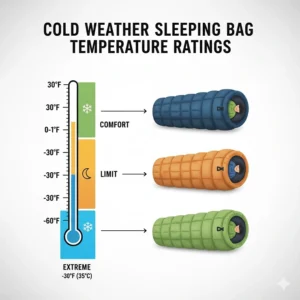
European Norm (EN 13537) and International Organization for Standardization (ISO 23537) provide standardized testing. These ratings include three critical numbers: Comfort (temperature at which a “cold sleeper” stays comfortable), Lower Limit (temperature at which a “warm sleeper” stays comfortable), and Extreme (survival temperature, not comfort). Many manufacturers, however, use their own testing methods—often optimistic.
According to outdoor safety experts, you should add 10-15°F to manufacturer ratings unless they’re EN/ISO certified. So a bag rated for 0°F might actually be comfortable around 15-20°F for most people.
Factors Affecting Real-World Performance
Your actual sleeping temperature depends on multiple variables beyond the bag itself. Sleeping pad R-value matters tremendously—cold transfers through compression from below. Proper hydration and nutrition fuel your body’s furnace throughout the night. Even your tent selection impacts warmth retention significantly.
Personal metabolism plays a huge role too. I’m a cold sleeper, so I automatically add 15°F to any rating. My hiking partner runs hot and subtracts 10°F. Know yourself, test gear before critical trips, and never trust marketing claims blindly.
Down vs Synthetic: Making the Right Choice for Extreme Cold
This debate has raged for decades, and honestly? Both insulation types have legitimate places in extreme cold applications. Your specific needs determine the winner.
When Down Insulation Sleeping Bags Dominate
Down insulation sleeping bags offer unmatched warmth-to-weight ratios. Premium 850+ fill power down compresses to incredibly small sizes while maintaining exceptional loft. For weight-conscious backpackers covering serious mileage, down becomes essential. The bags weigh 40-50% less than synthetic equivalents at similar warmth levels.
Modern hydrophobic down treatments (like those in the Hyke & Byke and Western Mountaineering bags) significantly improve moisture resistance. Down also lasts longer—properly maintained down bags remain functional for 15-20 years versus 5-7 for synthetics. However, down requires careful handling and loses all insulating ability when soaked.
The Synthetic Advantage
Sub zero sleeping bags with synthetic fill shine in consistently damp environments. The Snugpak and MalloMe bags maintain warmth even when wet—critical for maritime climates or unexpected weather. Synthetic bags cost significantly less, making them ideal for occasional users or those building emergency preparedness kits.
Synthetics also dry faster and tolerate neglect better. You can stuff them wet, store them compressed temporarily, and wash them roughly without destroying insulation. For military extreme cold weather sleeping bag applications where gear faces abuse, synthetics often prove more practical despite extra weight.
Essential Features for Military Extreme Cold Weather Sleeping Bag Performance
After years of testing gear in brutal conditions, certain features separate marginally adequate bags from genuine cold weather survival gear. Here’s what matters most.
Draft Tubes and Collars
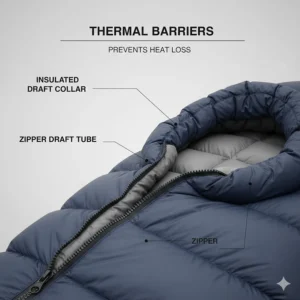
Heat escapes along zippers and neck openings with surprising efficiency. Quality draft tubes—insulated baffles running the zipper length—prevent cold air infiltration. The Western Mountaineering and Hyke & Byke bags excel here with fully insulated tubes. Down-filled draft collars at the neck create thermal seals that trap warmth around your core.
Cheap bags skimp on these features, creating cold spots that undermine overall insulation. When temperatures drop below zero, every detail counts. Look for bags with adjustable collars you can cinch tight around your shoulders while leaving your face exposed.
Hood Design and Adjustability
Your head represents roughly 30% of body heat loss, according to cold weather safety research. Multi-baffle hoods with multiple drawcord adjustment points let you create custom fits that seal warmth without suffocating you.
The Marmot Never Summer’s Nautilus hood design particularly impressed me with differential drawcords—smooth on top for easy grip, textured below for better purchase when wearing gloves. Hoods should envelope your head snugly without putting pressure on your face or restricting breathing.
Baffle Construction
Continuous horizontal baffles prevent down from migrating and creating cold spots. Some premium bags (like Western Mountaineering) use continuous baffles that allow intentional down redistribution—you can shift insulation from the bottom to top for extra warmth where needed.
Vertical baffles work better for synthetic fills, preventing the insulation from settling at the bottom. Box baffles cost more to manufacture but eliminate sewn-through cold spots entirely. Cheap bags use sewn-through construction where thread penetrates both shell layers—creating thermal bridges that hemorrhage heat.
Expedition Sleeping Bags: What Professionals Use
True expedition sleeping bags represent the apex of cold weather sleep systems. These aren’t your average camping bags—they’re engineered for survival in conditions that kill unprepared adventurers.
The -40°F Threshold
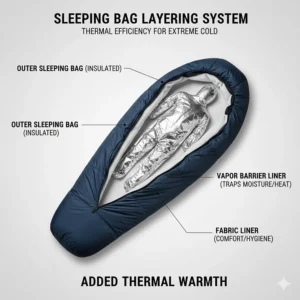
Bags rated to -40°F or lower employ specialized construction techniques. Multiple insulation layers create dead air spaces that trap warmth exponentially better than single layers. The Military ECW bag achieves this through its down-synthetic blend, combining down’s loft with synthetic’s moisture resistance.
Expedition bags also feature reinforced shells with minimal or no breathability—prioritizing heat retention over moisture management. At extreme temperatures, your primary enemy is heat loss, not condensation buildup. These bags often weigh 6-10 pounds because physics demands sufficient insulation mass.
System Integration
Professional mountaineers rarely rely on sleeping bags alone. They build sleep systems combining vapor barrier liners, expedition sleeping pads with R-values above 6, and bivy sacks. The sleeping bag becomes one component in a carefully engineered thermal management system.
For most recreational users, this level of integration is overkill. However, understanding the principles helps you maximize your bag’s performance. Even adding a simple fleece liner can extend your bag’s effective range by 10-15°F without added bulk in your pack.
Maximizing Warmth: Pro Tips from Winter Veterans
Owning an extreme cold weather sleeping bag is just the beginning. These field-tested techniques dramatically improve thermal performance.
Pre-Bed Preparation
Never climb into a cold sleeping bag with a cold body. Do 50 jumping jacks or run in place for 2-3 minutes to generate heat before getting in. Your body will warm the bag’s air space much faster than the bag will warm you. I learned this the hard way during a -15°F night in the Tetons.
Eat high-fat, high-calorie foods right before bed. Your metabolism generates heat through digestion, essentially creating an internal furnace that runs all night. Keep a candy bar or energy gel in your sleeping bag for 3 AM calories if you wake up cold.
Strategic Layering
Counterintuitively, wearing too many clothes inside your bag reduces effectiveness. Heavy layers compress insulation, creating cold spots. Instead, wear one light merino wool base layer and wool socks. Place tomorrow’s clothes inside your bag—they’ll insulate AND be warm when you dress in the morning.
Never sleep with damp clothes. Moisture conducts heat away from your body 25 times faster than dry air. If your base layers are sweaty from the day’s activities, change into dry ones before bed. Keep these dedicated sleeping clothes in a waterproof stuff sack.
The Sleeping Pad Factor
Your sleeping bag’s bottom insulation compresses under your weight, eliminating its effectiveness. The sleeping pad provides virtually all insulation from below. For extreme cold, use two pads: a closed-cell foam pad (R-value ~2) underneath an inflatable pad (R-value 4-6) for combined protection.
According to wilderness medicine experts, inadequate ground insulation causes more cold sleeping issues than insufficient bag warmth. I personally use an R-value 6.5 pad for anything below 20°F, and have never been disappointed.
Cold Weather Survival Gear: Beyond the Sleeping Bag
A sleeping bag alone doesn’t create a complete extreme cold sleep system. These additional items transform good gear into great setups.
Vapor Barrier Liners
VBLs represent counterintuitive brilliance—waterproof liners worn inside your sleeping bag that trap moisture against your skin. This prevents sweat from saturating insulation, maintaining loft throughout multi-day trips. They’re clammy initially but dramatically extend bag performance in extended cold.
I resisted VBLs for years before trying one on a week-long winter trip. The difference was remarkable—my down bag maintained full loft on day seven while companions’ bags had compressed noticeably. For temperatures consistently below 0°F, consider adding a VBL.
Emergency Bivy Sacks
A lightweight emergency bivy adds 10-15°F to any sleeping bag’s rating while protecting against wind and precipitation. These weigh only 8-12 ounces and compress to fist-size. I carry one even on day hikes in winter—it’s saved my life twice when unexpected storms forced unplanned bivouacs.
Breathable bivy sacks cost more but prevent condensation better than waterproof emergency versions. For planned camping, invest in a quality Gore-Tex bivy. For emergency backup, the cheap aluminized versions work fine.
Insulated Water Bottles
Staying hydrated in extreme cold is challenging—water freezes solid in standard bottles. Fill a wide-mouth Nalgene with boiling water before bed and place it inside your sleeping bag near your feet. It acts as a hot water bottle for hours while ensuring liquid water for morning.
This technique solves two problems simultaneously: warmth and hydration. Just ensure the bottle seal is absolutely secure. I use a secondary dry bag as backup—a 3 AM flood of freezing water is an unforgettable experience you only want once.
Sleeping Bags for Extreme Cold: Maintenance and Care
Proper maintenance extends sleeping bag life dramatically while preserving performance. These practices separate bags lasting decades from those failing after seasons.
Storage Fundamentals
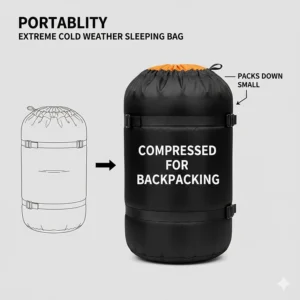
Never store sleeping bags compressed. This crushes insulation and creates permanent dead spots. Store bags loosely in large breathable sacks or hanging in closets. I use old king-size pillowcases—they provide plenty of room while protecting from dust.
Down bags benefit from occasional fluffing and air circulation. Once monthly, take your bag outside on a dry day, hang it up, and gently shake it. This redistributes down and releases trapped moisture. Synthetics are more forgiving but still appreciate similar treatment.
Cleaning Without Destroying
Down bags require specialized cleaning. Use only down-specific detergents (regular detergent strips essential oils) and wash in front-loading machines without agitators. Dry on low heat with clean tennis balls to restore loft—this process takes hours but cannot be rushed.
Synthetic bags tolerate regular washing better but still benefit from gentle treatment. Avoid fabric softeners which coat fibers and reduce loft. Air dry when possible, or use lowest heat settings. I wash my bags only when actually dirty—typically once or twice per season maximum.
Field Repairs
Carry a repair kit with ripstop tape, spare zipper sliders, and basic sewing supplies. Small tears repaired immediately prevent catastrophic failures. I learned this after a 1-inch tear became a 10-inch rip during one night of tossing and turning.
For down bags, a tube of Aquaseal or similar seam sealer can temporarily patch tears and prevent down loss until permanent repairs. Synthetic bags are more forgiving—duct tape works surprisingly well for temporary fixes.
Budget Considerations: Finding Your Sweet Spot
Extreme cold sleeping bags span from under $100 to over $1,000. Understanding the price-performance curve helps you invest wisely.
The $100-$200 Range
Entry-level bags like the MalloMe and TETON Celsius offer genuine value for occasional users. They won’t survive decades of hard use or perform at advertised extremes, but for weekend camping or emergency preparedness, they’re absolutely adequate. These bags typically use synthetic fills and heavier materials.
Consider these starter bags perfect for testing whether you enjoy winter camping before committing serious money. Many users graduate to premium bags after seasons of experience, keeping budget bags as loaners for friends or vehicle emergency supplies.
The $200-$400 Sweet Spot
Mid-range bags like the Hyke & Byke Eolus and Marmot Never Summer deliver remarkable performance for reasonable investment. These typically use quality down with hydrophobic treatments, legitimate temperature ratings, and construction that lasts many seasons.
For most winter camping enthusiasts who venture out 10-20 nights yearly, this range provides optimal cost-benefit. You get 80% of premium bag performance at 30-40% of the cost. I recommend this category for anyone serious about cold weather adventures.
Premium $500+ Investments
Bags like the Western Mountaineering Kodiak cost significantly more but justify prices through superior materials, construction, and longevity. These bags literally last lifetimes with proper care—multiple users report 20+ years of reliable service.
Calculate cost-per-use rather than sticker price. A $900 bag used 30 nights yearly for 15 years costs $2 per night. A $120 bag lasting 3 years with 10 annual uses costs $4 per night. Premium bags often prove more economical long-term while delivering better performance.
Comparing Top Brands: What Sets Them Apart
Each manufacturer brings distinct philosophies and strengths to extreme cold sleeping bag design.
Western Mountaineering: The Gold Standard
Western Mountaineering’s obsessive attention to detail and quality control creates bags that simply work. Their down sourcing, shell fabrics, and construction techniques represent industry benchmarks. Everything is manufactured in California with zero offshore production—unusual in modern outdoor gear.
The premium costs reflect this commitment. Western Mountaineering bags resist discounting—dealers maintain strict pricing because demand consistently exceeds supply. If you can afford one, you’ll understand why mountaineers worldwide consider them the standard against which others are judged.
TETON Sports: Value Without Compromise
TETON disrupted the market by offering surprisingly good performance at aggressive prices. Their direct-to-consumer model eliminates middleman costs, passing savings to users. The lifetime warranty demonstrates confidence in construction quality.
While not matching premium bags in every metric, TETON bags deliver honest performance without marketing hype. They’re heavier and bulkier than down alternatives, but for car camping and budget-conscious adventurers, they’re tough to beat.
Hyke & Byke: Innovation on a Budget
This Oklahoma-based company embodies American entrepreneurship. Engineers who love the outdoors created products they’d actually use, priced to make quality gear accessible. The differential cut-and-fill design shows thoughtful engineering rather than simply copying competitors.
Hyke & Byke bags punch above their weight class consistently. Customer service is reportedly excellent, and the company actively solicits feedback for improvements. For backpackers wanting down performance without premium prices, they’re my first recommendation.
Real User Experiences: What Actually Happens in the Field
Marketing claims versus reality often diverge significantly. These experiences from actual users provide valuable insights.
Kilimanjaro Success Story
Multiple users reported taking Hyke & Byke and Marmot bags up Mount Kilimanjaro with excellent results. One group of four used Eolus 0°F bags through seven days of extreme temperature variation, from summit cold to base camp warmth. The bags regulated temperatures perfectly, and the group specifically noted depending on bag warmth when everything else was unpredictable.
This real-world expedition testing proves these bags’ capabilities beyond any lab test. Kilimanjaro conditions challenge even premium gear—success there translates to confidence anywhere.
Mongolia Winter Camping
A couple used TETON Celsius XXL bags during a four-day off-road trip through northern Mongolia in March. Temperatures dropped to -15°F at night, freezing everything outside the bags. Inside, they reported being “so nice and warm, it was like being at home in bed.” They combined two bags into a double, and even the 6’2″ partner fit comfortably.
This testimony highlights the Celsius XXL’s spacious design and genuine cold performance. The fact that budget bags succeeded in such harsh conditions demonstrates that expensive doesn’t always mean better for every application.
British Army Field Testing
Multiple UK military cadets and outdoor education programs use Snugpak bags for youth training in challenging conditions. Consistent feedback mentions reliable warmth, durability under hard use, and reasonable weight for group gear. One instructor noted bags remaining functional after 5+ years of institutional abuse—impressive for any sleeping bag.
Military and educational institutions choose gear based on reliability and value, not marketing. Snugpak’s continued presence in these applications speaks volumes about real-world performance.
Choosing the Right Sleeping Bag: A Decision Framework
With seven excellent options reviewed, how do you select YOUR perfect bag? This framework simplifies decision-making.
Define Your Use Case
Car camping allows heavier, more affordable bags like the TETON Celsius or MalloMe. Weight and packed size matter less when vehicles transport gear. Backpacking demands ultralight options—the Western Mountaineering Kodiak or Hyke & Byke Eolus become necessary despite higher costs.
Emergency preparedness prioritizes reliability and value. The Snugpak Sleeper Extreme offers military-grade dependability at reasonable prices, plus synthetic insulation that tolerates neglect better than down.
Analyze Your Climate
Consistently dry cold favors down bags. The Rockies, Sierra Nevada, and interior Alaska suit bags like the Hyke & Byke perfectly. Maritime environments with high humidity and precipitation risk call for synthetic insulation—the Snugpak or MalloMe handle dampness better.
For variable conditions, consider owning two bags: a lightweight down bag for most trips and a synthetic for wet weather backup. This dual-bag strategy costs less than one premium bag while maximizing versatility.
Assess Your Budget Realistically
Determine your annual use and divide total cost by expected lifetime nights. This reveals true per-use costs. If camping 40 nights yearly, even a $900 Western Mountaineering bag costs only $7.50 per night over 3 years—less than budget alternatives when considering longevity.
Conversely, occasional users (5-10 nights yearly) struggle justifying premium bags. The TETON or MalloMe delivers adequate performance at prices that don’t sting if interests change.
Beyond Temperature: Other Critical Selection Factors
Temperature rating dominates sleeping bag discussions, but these often-overlooked factors significantly impact satisfaction.
Fit and Sizing
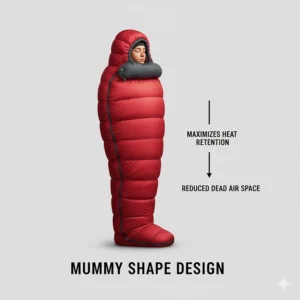
Mummy bags save weight through minimal materials but feel restrictive. Rectangular or semi-rectangular cuts like the Western Mountaineering Kodiak and TETON Celsius XXL provide more movement freedom at slight weight penalties. Consider how you sleep—side sleepers especially appreciate extra room.
Length matters tremendously for comfort and performance. Bags sized too short force you into fetal positions and expose feet. Bags excessively long create unnecessary air space your body must warm. Most manufacturers offer regular (fits to 6′), long (fits to 6’6″), and sometimes short or extra-long options.
Shell and Lining Materials
Premium bags use ultralight ripstop nylon shells (10-30 denier) that balance durability with weight savings. Budget bags employ heavier polyester that withstands abuse better but adds ounces. Lining materials affect comfort significantly—soft fabrics like the TETON’s flannel feel luxurious while technical nylons reduce weight.
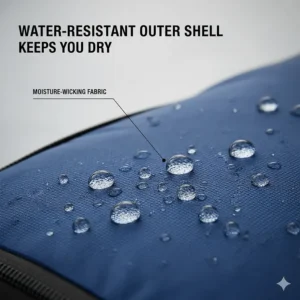
Water-resistant treatments like DWR (Durable Water Repellent) provide crucial protection. According to cold weather camping experts, moisture management in sleeping bags prevents hypothermia as much as insulation thickness. Look for bags with factory-applied treatments rather than aftermarket sprays.
Zipper Configuration
Full-length zippers add versatility (converting to blankets, coupling bags) but increase weight and cold spots. Three-quarter or half-zippers save weight while maintaining ventilation options. The Marmot Never Summer’s dual zipper system offers exceptional adaptability without excessive complexity.
Left versus right zippers matter if coupling bags with partners. Most bags offer both configurations, but budget options sometimes limit choices. Two-way zippers (opening from top and bottom) allow foot ventilation without exposing your torso—a feature I appreciate on variable temperature nights.
Winter Camping Essentials: Building Complete Systems
Your sleeping bag is one component in a comprehensive cold weather system. These elements work synergistically.
The Foundation: Sleeping Pads
R-value measures sleeping pad insulation—higher numbers indicate better thermal resistance. For extreme cold, target R-values above 5. Combining pads multiplies effectiveness: a closed-cell foam pad (R-2) underneath an inflatable (R-4) creates combined R-6 protection.
Never underestimate this component’s importance. The best sleeping bag in the world fails miserably with inadequate ground insulation. I carry two pads for any trip where temperatures might drop below 20°F—the weight penalty is minuscule compared to warmth gained.
Shelter Considerations
Four-season tents withstand wind and snow loads while minimizing ventilation that hemorrhages heat. Three-season tents work for mild winter camping but struggle in storms. Your tent creates a micro-environment several degrees warmer than ambient temperatures through trapped body heat and blocked wind.
Natural shelters like snow caves or quinzhees provide remarkable insulation in deep snow conditions. I’ve spent comfortable nights in snow shelters during -20°F weather that would have been miserable in tents. However, these require significant skill and appropriate snow conditions.
Clothing Layers
The layering system—base layer, insulation, shell—applies to sleeping too. One light merino wool or synthetic base layer inside your bag maximizes comfort and warmth. Keep a dedicated “sleeping outfit” separate from hiking clothes to ensure dryness.
Down booties or insulated socks prevent cold feet, one of the most common comfort complaints. I sleep with a lightweight down jacket nearby for middle-of-the-night warmth adjustments without leaving my bag. A merino wool beanie worn to bed prevents significant heat loss through your head.
Environmental Responsibility: Sustainable Choices in Extreme Cold Gear
The outdoor industry’s environmental impact deserves consideration. These factors help you make responsible choices.
Down Sourcing Ethics
Premium bags like Western Mountaineering use Responsible Down Standard (RDS) certified insulation, ensuring humane treatment of geese. This certification tracks down from farm to finished product, preventing live-plucking and force-feeding. Hyke & Byke also emphasizes ethical sourcing in their marketing.
Down as a byproduct of the food industry makes it more sustainable than synthetic alternatives derived from petroleum. Properly cared for, down bags last decades—reducing replacement frequency and overall environmental footprint.
Synthetic Longevity Trade-offs
While synthetic insulation manufacturing has environmental costs, newer fills like Climashield and PrimaLoft incorporate recycled materials. The Snugpak and other quality synthetics now include some recycled content. However, synthetic bags generally last 5-8 years versus 15-20 for down, creating more frequent replacements.
The moisture resistance advantage of synthetics might reduce overall environmental impact in some scenarios by eliminating the need for additional waterproofing treatments and extending usability in challenging conditions.
Repair and Reuse Culture
Choose brands offering repair services and replacement parts. Western Mountaineering and TETON both provide lifetime warranties and repair services. Keeping one bag functional for decades beats replacing cheap bags every few years from both economic and environmental perspectives.
Learn basic sleeping bag repairs—patching small tears, replacing zipper sliders, and redistributing down extends bag life significantly. The outdoor community’s repair and reuse culture reduces waste while building skills.
❓ FAQ: Expert Answers to Your Questions
❓ What is the warmest sleeping bag for extreme cold weather?
❓ Are down or synthetic sleeping bags better for extreme cold?
❓ How do you stay warm in a sleeping bag in extreme cold?
❓ Can a 0 degree sleeping bag keep you warm below zero?
❓ How heavy should an extreme cold weather sleeping bag be?
Conclusion: Your Path to Warm Winter Nights
Selecting from these seven exceptional extreme cold weather sleeping bags depends entirely on your specific needs, but you truly can’t go wrong with any option on this list. Each bag brings distinct strengths to different applications.
For backpackers demanding premium performance, the Western Mountaineering Kodiak represents the ultimate investment. Its 850+ fill power down, ultralight construction, and spacious design justify the price for serious mountaineers. Those seeking similar quality at lower cost should strongly consider the Hyke & Byke Eolus 0°F—it delivers 90% of the performance at 20% of the price.
Budget-conscious campers and those building emergency kits will find exceptional value in the TETON Sports Celsius XXL or MalloMe XL Winter. These synthetic bags punch above their weight class, providing genuine cold protection without breaking the bank. The spacious dimensions particularly suit larger individuals or those who prioritize comfort over ultralight credentials.
Military users, survivalists, and anyone facing truly extreme conditions should investigate the Military US Army ECW Sleeping Bag. Its proven -40°F performance and legendary durability make it the choice when failure isn’t optional. Similarly, the Snugpak Sleeper Extreme brings military-grade reliability to civilian applications, especially excelling in wet environments where down fails.
The Marmot Never Summer occupies a comfortable middle ground—quality construction, reputable brand, and reasonable weight make it ideal for car camping and moderate winter adventures. Its dual zipper system and water-resistant down provide versatility appreciated by weekend warriors.
Remember: the perfect sleeping bag supports your adventures rather than limiting them. Choose based on realistic assessment of your needs, then get outside and test it. Every cold night survived builds confidence and skills that no amount of reading can replace. Stay warm, stay safe, and enjoy the winter wilderness—it’s spectacular when you’re properly equipped.
Recommended for You
- 7 Best Cold Weather Sleeping Bags 2026
- 7 Best Air Force Cold Weather Gear Picks 2026 (USAF Approved)
- 7 Best Army Cold Weather Boots 2026
Disclaimer: This article contains affiliate links. If you purchase products through these links, we may earn a small commission at no additional cost to you.
✨ Found this helpful? Share it with your friends! 💬🤗
