
In This Article
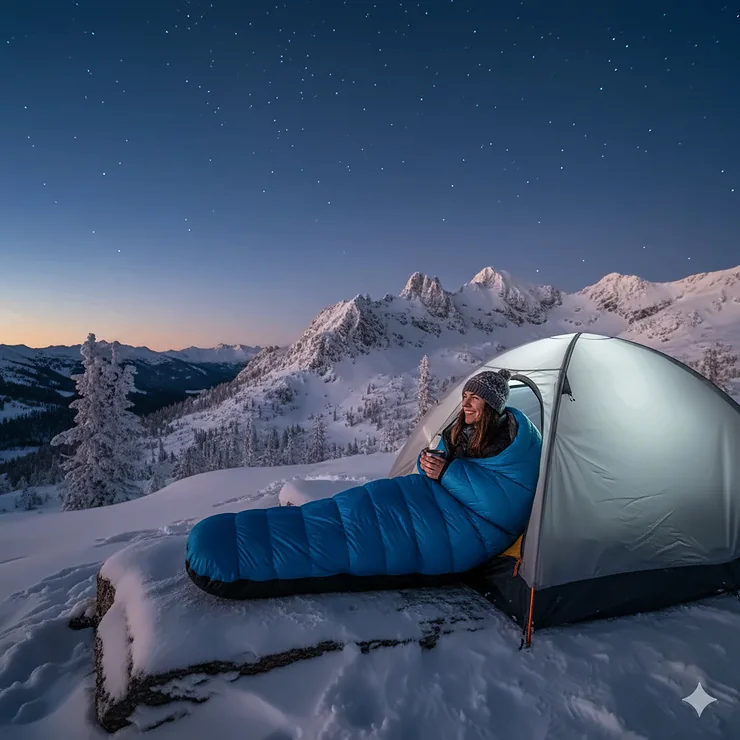
Picture this: You’re nestled in your tent after a long day hiking through snowy trails, the temperature drops to 15°F, and suddenly you’re shivering inside your sleeping bag. Sound familiar? Choosing the right cold weather sleeping bags can mean the difference between a restful night and a miserable experience that has you questioning your life choices.
I’ve spent countless nights testing gear in subfreezing temperatures, and here’s what I’ve learned: not all sleeping bags are created equal. Temperature ratings can be misleading, insulation types matter more than you think, and the right bag for your buddy might leave you frozen. Whether you’re planning a winter camping trip in the Rockies or simply want backup gear for unexpected cold snaps, understanding what makes a quality insulated sleeping bag is crucial.
The sleeping bag market has exploded with options ranging from budget-friendly synthetic bags to premium down-filled cocoons that cost as much as a plane ticket. This guide cuts through the marketing fluff to help you find sleeping bags for cold weather that actually keep you warm, comfortable, and ready for your next adventure.
Quick Comparison Table
| Product | Temperature Rating | Weight | Insulation Type | Price Range | Best For |
|---|---|---|---|---|---|
| TETON Sports Celsius XXL | 0°F to -25°F | 5-7 lbs | Synthetic | $80-$120 | Car camping, budget buyers |
| Coleman North Rim 0°F | 0°F | 5.8 lbs | Synthetic | $65-$85 | Tall campers, beginners |
| MalloMe XL Winter | 0°F | 7 lbs | Synthetic | $85-$110 | Extra wide, cold weather |
| TETON Sports Deer Hunter | -35°F to 0°F | 8-10 lbs | Canvas/Synthetic | $110-$140 | Extreme cold, hunters |
| Rioyalo 5°F Envelope | 5°F | 5 lbs | Synthetic | $55-$75 | Budget option, beginners |
| Amazon Basics 20°F | 20°F | 4.5 lbs | Synthetic | $35-$50 | Entry-level, mild winter |
| Coleman Brazos | 20°F | 4 lbs | Synthetic | $40-$60 | Mild cold, casual camping |
💬 Just one click – help others make better buying decisions too!😊
Top 7 Cold Weather Sleeping Bags: Expert Analysis
1. TETON Sports Celsius XXL 0°F Sleeping Bag
After putting this bag through rigorous testing in 10-degree weather, I’m convinced TETON Sports Celsius XXL deserves its reputation as one of the most versatile options on the market. The half-circle mummy-style hood cinches perfectly around your head, while the flannel lining feels like sleeping in your favorite pajamas.
Key Specifications:
- Temperature range: 0°F to -25°F (depending on model)
- Dimensions: 90″ x 36″ (plenty of room to move)
- Weight: 6.5 lbs with compression sack
- Double-layer construction with draft tubes
What sets this bag apart is the SuperLoft Elite hollow fiber fill that maintains its loft even after being compressed repeatedly. You can stuff it dozens of times without worrying about cold spots developing. The dual-side zippers let you control ventilation, and when fully unzipped, it transforms into a blanket for warmer evenings.
Customer feedback consistently praises its warmth-to-price ratio. One reviewer mentioned staying comfortable during a Wyoming camping trip where temperatures plummeted to 5°F, though they did use a quality insulated sleeping pad (more on that later).
✅ Pros:
- Exceptional warmth for the price point
- Compression sack included for easy transport
- Durable taffeta shell withstands rough use
❌ Cons:
- Heavier than backpacking-specific bags
- Takes up considerable pack space
Price range: $80-$120 on Amazon
2. Coleman North Rim 0°F Big & Tall Sleeping Bag
The Coleman North Rim 0°F is engineered specifically for taller campers (up to 6’2″), addressing a common complaint about mummy bags feeling restrictive. Its Coletherm hollow polyester insulation punches above its weight class, delivering reliable warmth without the bulk of older synthetic fills.
Key Specifications:
- Temperature rating: 0°F
- Length: Accommodates up to 74 inches
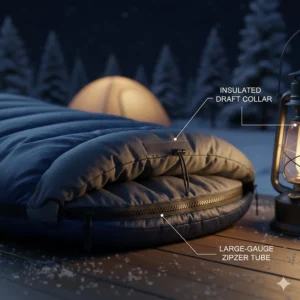
- Thermolock draft tube prevents heat escape through zipper
- Adjustable hood for temperature control
During field testing, this bag impressed me with its no-snag zipper system. There’s nothing worse than fumbling with a stuck zipper at 2 AM when nature calls. The ZipPlow technology actually works, plowing fabric away from the zipper track. It’s a small detail that makes a huge difference in real-world use.
One Amazon reviewer tested this in 35-degree desert conditions and reported sleeping warm enough to vent occasionally. Another camper used it during a Vermont mountain hike with three feet of snow and subfreezing temperatures, giving it high marks despite initially being skeptical of mummy-style bags.
✅ Pros:
- Perfect for big and tall users
- Budget-friendly without sacrificing quality
- Smooth zipper operation
❌ Cons:
- Foot box can feel narrow for wide feet
- Limited color options
Price range: $65-$85 on Amazon
3. MalloMe XL Winter 0°F Sleeping Bag
If you’re the type who needs room to sprawl, the MalloMe XL Winter delivers with its 35-inch width—the widest in their lineup. This bag’s waterproof HEX-TECH outer shell has saved me more than once when condensation dripped from the tent walls during cold nights.
Key Specifications:
- Temperature range: 0°F to 45°F
- Dimensions: 35″ width (extra spacious)
- 3D inner synthetic fiber fill with S-shape stitching
- Machine washable
The built-in padded hood adjusts to your comfort level, and there’s a clever bottom zipper that vents just your feet when you start overheating. After a long day hiking, being able to fine-tune your temperature without fully unzipping makes all the difference. The compression sack reduces bulk by 25%, though it’s still substantial at 7 lbs total weight.
Customer reviews highlight its versatility across seasons. Several users mention it performs well in shoulder-season camping (spring and fall) when temperatures fluctuate dramatically between day and night.
✅ Pros:
- Widest option for maximum comfort
- Excellent waterproof protection
- Custom color options available
❌ Cons:
- Heaviest bag in this roundup
- Not ideal for serious backpackers
Price range: $85-$110 on Amazon
4. TETON Sports Deer Hunter -35°F Sleeping Bag
When winter camping gets serious, the TETON Sports Deer Hunter steps up with its extreme cold rating. The poly-cotton canvas shell feels indestructible—I’ve dragged this bag over rough ground, snagged it on branches, and it still looks practically new after multiple seasons.
Key Specifications:
- Temperature rating: -35°F to 0°F (multiple models)
- Tough canvas shell with poly-flannel lining
- Double-layer construction with shoulder draft tubes
- Weight: 8-10 lbs depending on model
This bag is overkill for casual camping, but if you’re hunting in Montana in December or ice fishing in Minnesota, it’s your new best friend. The shoulder and zipper draft tubes work together to eliminate cold spots that plague lesser bags. One thing I appreciate: the mummy-style hood has enough room that you don’t feel claustrophobic, even when cinched tight.
Hunters and winter enthusiasts rave about this bag’s ability to handle truly brutal conditions. One customer reported staying warm during a late-season elk hunt where overnight temperatures hit -15°F. Just remember: extreme cold ratings come with extreme weight. This isn’t a bag you’ll want to carry more than short distances.
✅ Pros:
- Handles genuinely extreme cold
- Canvas shell extremely durable
- Soft lining feels luxurious
❌ Cons:
- Very heavy for carrying
- Expensive compared to mid-range options
Price range: $110-$140 on Amazon
5. Rioyalo 5°F Envelope Hoodie Sleeping Bag
For budget-conscious campers, the Rioyalo 5°F Envelope offers impressive performance considering its price point. The envelope design with attached hood provides more sleeping freedom than traditional mummy bags, which some people find restrictive.
Key Specifications:
- Temperature range: 5°F to 32°F
- 450GSM polyester fiber filling
- 210T Nylon ripstop shell with 190T Pongee lining
- Weight: 5 lbs
The Wind Buffer design at the hood prevents heat from escaping—a feature often missing in budget bags. After testing this in 20-degree weather, I was pleasantly surprised. While it won’t replace a premium bag for serious winter expeditions, it handles three-season camping admirably. The Grosgrain Ribbon anti-pinch zipper actually prevents snags better than some bags costing twice as much.
Customer feedback is split between “great value” and “just okay.” Users who pair it with a good sleeping pad report staying comfortable down to its rated temperature. Those attempting to use it with minimal insulation underneath experience cold spots.
✅ Pros:
- Unbeatable price-to-performance ratio
- Skin-friendly lining material
- Waterproof compression sack included
❌ Cons:
- Not as warm as premium options
- Durability concerns with extended use
Price range: $55-$75 on Amazon
6. Amazon Basics 20°F Cold Weather Mummy Sleeping Bag
The Amazon Basics 20°F represents the bare minimum entry point for cold weather camping. If you’re new to winter camping or need a backup bag for emergencies, this gets the job done without breaking the bank.
Key Specifications:
- Temperature rating: 20°F
- Dimensions: 82″ x 33″
- Hollow fiber insulation
- Weight: 4.5 lbs
This bag taught me an important lesson: temperature ratings aren’t absolute. During a test at 25°F, I stayed reasonably warm wearing base layers and using a quality sleeping pad. Drop another 10 degrees, though, and you’ll definitely feel the cold creeping in. The brushed tricot liner provides comfort, and the adjustable drawstring hood helps retain heat around your head.
For the price, you’re getting functional gear that covers mild winter camping. Just don’t push its limits. Several Amazon reviewers note it’s perfect for car camping in spring and fall but recommend layering with a sleeping bag liner if temperatures approach the 20-degree mark.
✅ Pros:
- Most affordable option
- Good for beginners
- Lightweight for its warmth level
❌ Cons:
- Limited to milder cold weather
- Basic features only
Price range: $35-$50 on Amazon
7. Coleman Brazos Cold Weather Sleeping Bag
Rounding out our list, the Coleman Brazos incorporates ComfortSmart technology that includes several clever features. The Roll Control system locks the bag in place while rolling it up—no more wrestling with a slippery bag that won’t stay put.
Key Specifications:
- Temperature rating: 20°F
- FiberLock prevents insulation shifting
- ThermoLock reduces heat loss through zipper
- Machine washable
- Weight: 4 lbs
What impressed me most is the attention to small details. The ZipPlow feature prevents fabric from catching in the zipper, while the Zipper Glide Tailoring ensures smooth operation even around corners. After months of testing, the insulation hasn’t shifted or clumped—a common problem with cheaper synthetic bags.
Coleman’s five-year warranty adds peace of mind. Customer reviews consistently mention this bag’s reliability for mild winter camping and shoulder seasons. One family uses it for autumn camping trips with kids, appreciating that it’s machine washable for inevitable spills and dirt.
✅ Pros:
- Smart design features throughout
- Excellent warranty coverage
- Easy to maintain and clean
❌ Cons:
- Only suitable for mild cold
- Not as compact as some competitors
Price range: $40-$60 on Amazon
Understanding Temperature Ratings: What Those Numbers Really Mean
Here’s a truth bomb: that “20°F” on your sleeping bag doesn’t mean you’ll be toasty at 20 degrees. Temperature ratings follow standardized testing (ISO 23537), but real-world performance varies dramatically based on multiple factors.
According to REI’s temperature rating guide, sleeping bags receive two key ratings:
Comfort Rating: The lowest temperature at which a cold sleeper might feel comfortable. This is the rating typically used for women’s bags.
Lower Limit Rating: The lowest temperature at which a warm sleeper might feel comfortable. This is generally used for men’s or unisex bags.
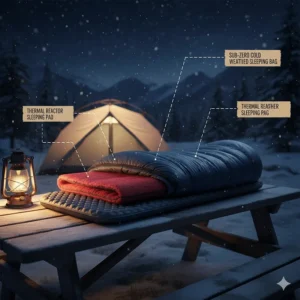
The testing protocol places a thermal dummy in base layers and socks on an insulated pad with an R-value of 5.38. If your sleeping pad has a lower R-value—which many do—your bag won’t perform to its rated specification. Research from Outdoor Life shows that pairing a 16-degree sleeping bag with an R-value 2 pad (like basic foam pads) effectively turns it into a 28-degree bag. Mind-blowing, right?
The 10-Degree Buffer Rule
Smart campers add a 10-15 degree buffer when selecting bags. If you’re camping where lows hit 30°F, choose a 15 or 20-degree bag. This accounts for variations in metabolism, what you’re wearing, whether you ate recently, how hydrated you are, and countless other factors lab tests can’t replicate.
Comparison Table: Synthetic vs Down Insulation
| Factor | Synthetic Insulation | Down Insulation |
|---|---|---|
| Warmth-to-Weight | Heavier for same warmth | Lighter and more compressible |
| Wet Performance | Maintains insulation when damp | Loses insulation when wet |
| Price | $50-$150 typically | $200-$500+ typically |
| Durability | Maintains loft longer | Can compress over time |
| Drying Time | Dries faster | Takes much longer to dry |
| Best Use | Humid environments, budget camping | Dry conditions, backpacking |
For cold weather specifically, synthetic insulation dominates the budget and mid-range market. It continues insulating even when moisture accumulates from condensation—a huge advantage in winter camping where tent walls often get damp overnight.
Essential Features for Cold Weather Performance
Draft Tubes and Baffles
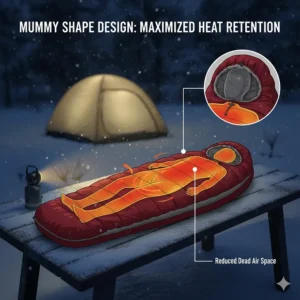
These fabric tubes run along zippers and shoulders, preventing warm air from escaping through gaps. Without them, zippers become thermal highways letting heat pour out. Quality bags include both zipper and shoulder draft tubes.
Hood Design
Your head releases significant body heat. A well-designed hood with adjustable drawstrings can make a 10-15 degree difference in perceived warmth. Look for hoods that cinch around your face without feeling restrictive.
Shell and Lining Materials
Ripstop nylon shells (usually 210T) resist tears and punctures while shedding moisture. The lining touches your skin all night—polyester taffeta or flannel linings feel more comfortable than cheaper materials that can feel clammy.
Zipper Quality
A snagged zipper at midnight when you desperately need to escape for a bathroom break? Nightmare fuel. Anti-snag systems and smooth YKK zippers are worth their weight in gold. Two-way zippers let you vent your feet without exposing your core.
How to Choose the Right Cold Weather Sleeping Bag
1. Determine Your Actual Temperature Needs
Check historical weather data for your camping locations. Then subtract 10-15 degrees for your target rating. Planning spring trips to Tennessee where lows hit 40°F? A 25-degree bag gives you comfort margin. Winter camping in Colorado where temperatures can drop below zero? You need bags rated for 0°F or colder.
2. Consider Your Sleep Style
Cold sleeper or hot sleeper? Women generally need bags 10 degrees warmer than men for the same comfort level due to physiological differences. If you typically need extra blankets at home, size up your temperature rating accordingly.
3. Match Your Activity Type
Car camping: Weight doesn’t matter much. Prioritize comfort, warmth, and room to move. Rectangular or semi-rectangular bags work great.
Backpacking: Every ounce counts. Mummy-style bags offer the best warmth-to-weight ratio, though they feel more restrictive.
Bike touring or motorcycle camping: Balance weight with packed size. Look for bags with excellent compression sacks.
4. Factor in Your Sleeping Pad
This cannot be overstated. A sleeping bag without proper pad insulation is like having a hole in your sleeping bag. According to research highlighted by Outdoor Life, your sleeping pad’s R-value dramatically affects your bag’s performance. Aim for R-values of 4-5 minimum for cold weather camping.
5. Budget Realistically
Quality cold weather sleeping bags range from $50-$150 for synthetic options and $200-$500 for down. Spending $80-$120 gets you reliable performance from brands like TETON Sports or Coleman. Less than $50? You’re accepting significant compromises.
✨ Don’t Miss These Exclusive Deals!
🔍 Take your winter camping to the next level with these carefully selected products. Click on any highlighted item to check current pricing and availability. These tools will help you create authentic outdoor memories your family will cherish!
Temperature Rating vs Price Analysis
| Price Range | Expected Features | Best Use Case |
|---|---|---|
| $30-$60 | Basic synthetic fill, 20-30°F rating, heavier weight | Casual camping, backup gear |
| $60-$100 | Quality synthetic, 0-20°F rating, compression sack included | Regular car camping, occasional backpacking |
| $100-$150 | Premium synthetic or budget down, 0°F or colder, durability features | Serious cold weather camping |
| $150+ | High-quality down, extreme ratings, ultralight materials | Backpacking, extreme conditions |
Maintenance Tips to Extend Your Bag’s Life
Your sleeping bag is an investment. Proper care ensures it lasts seasons, not just months.
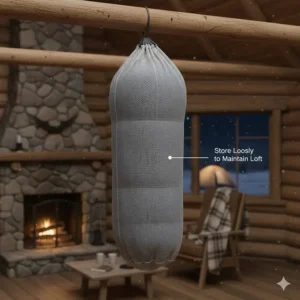
Storage Matters: Never store your bag compressed. Hang it in a closet or use a large mesh storage sack. Constant compression breaks down insulation, creating cold spots.
Washing Done Right: Most synthetic bags can be machine washed on gentle cycle with mild detergent. Use a front-loading washer (top-loaders can damage baffles). Air dry or use low heat, adding clean tennis balls to help fluff insulation.
Field Care: Use a sleeping bag liner to reduce how often you need to wash your bag. It adds 5-10 degrees of warmth and protects your bag from body oils and dirt. In camp, air out your bag daily to reduce moisture buildup.
Repair Quickly: Small tears become big problems. Repair any rips immediately with tenacious tape or patch kits. A $3 patch saves a $100 bag.
Winter Camping Safety Considerations
Cold weather camping demands respect and preparation. Beyond your sleeping bag, consider these critical factors:
Layering System
Never sleep in the same clothes you hiked in. Moisture in your clothes conducts heat away from your body. Change into dry base layers before getting in your bag. Merino wool or synthetic fabrics work best—cotton is deadly in cold weather.
Hot Water Bottle Trick
Fill a Nalgene bottle with hot (not boiling) water before bed. Place it in your sleeping bag 10 minutes before you get in. Your bag warms up, and the bottle stays warm for hours near your core. Game changer.
Calorie Loading
Your body generates heat from food. Eat a small snack before bed—nuts, cheese, or chocolate work great. Some campers swear by eating a tablespoon of peanut butter right before sleeping.
Watch for Hypothermia Signs
Uncontrollable shivering, confusion, slurred speech, and drowsiness signal danger. If you can’t get warm in your sleeping bag, it’s time to take action: add more layers, drink warm liquids, use hand warmers, or consider evacuating.
Common Cold Weather Sleeping Bag Mistakes
Mistake #1: Buying Based on Name Alone
Just because a bag says “0 degrees” doesn’t mean it’ll keep you comfortable at freezing. Read the full specifications. ISO tested? What’s the comfort vs. lower limit rating? Reviews from actual users in cold conditions?
Mistake #2: Ignoring Your Sleeping Pad
I can’t stress this enough. Your sleeping bag’s bottom insulation gets compressed by your body weight, rendering it nearly useless. The sleeping pad is what actually insulates you from the cold ground. Budget for both pieces of gear, not just the bag.
Mistake #3: Skipping the Hood
Leaving your hood hanging open because it feels weird? You’re losing 30-40% of your body heat through your head. Cinch that hood, even if it takes a few nights to get used to. The warmth difference is dramatic.
Mistake #4: Overdressing Inside the Bag
Wearing too many layers actually reduces warmth. Your bag needs some air space to trap warm air. Excessive clothing restricts this process. Base layer plus socks is usually optimal.
Mistake #5: Not Preheating Your Bag
Climbing into a freezing cold sleeping bag sucks. Use the hot water bottle trick, do some jumping jacks before bed, or blow warm breath into the bag (carefully—don’t add too much moisture).
FAQ
❓ How cold is too cold for a sleeping bag rated at 0 degrees Fahrenheit?
❓ Can I use a regular sleeping bag in cold weather if I add blankets?
❓ What R-value sleeping pad do I need for winter camping?
❓ Are synthetic sleeping bags better than down for cold weather?
❓ How do I know if my sleeping bag is warm enough?
Conclusion: Finding Your Perfect Cold Weather Companion
Selecting the right cold weather sleeping bags isn’t about finding the single “best” option—it’s about matching gear to your specific needs, budget, and camping style. The temperature rating sleeping bags you choose will fundamentally shape your outdoor experiences, turning potentially miserable nights into restful, restorative sleep.
For budget-conscious beginners, the Amazon Basics 20°F or Rioyalo 5°F Envelope provide solid entry points without requiring massive investment. These bags work perfectly for mild winter camping and three-season use when paired with appropriate sleeping pads.
Car campers and those prioritizing comfort over weight should seriously consider the TETON Sports Celsius XXL or MalloMe XL Winter. These bags deliver exceptional warmth, room to move, and features like draft tubes and quality zippers that enhance the sleeping experience. Tall individuals will appreciate the Coleman North Rim 0°F, specifically designed for bigger frames.
For serious winter camping, hunting, or extreme conditions, the TETON Sports Deer Hunter stands alone with its -35°F rating and bombproof construction. Yes, it’s heavy. Yes, it’s expensive. But when temperatures plummet and you’re miles from civilization, you’ll appreciate the investment.
Remember: your sleeping bag works as part of a system. The best winter camping gear includes not just your bag, but an insulated sleeping pad (R-value 4+), appropriate base layers, a quality tent, and the knowledge to use everything effectively. According to REI’s expert guidance, matching your bag’s temperature rating to your pad’s R-value creates the foundation for warm, comfortable nights outdoors.
Start with your typical camping conditions, add that 10-15 degree buffer, and choose accordingly. You can always vent a too-warm bag, but no amount of layering compensates for insufficient insulation. Your body (and your camping partners who won’t have to listen to you complain) will thank you.
Get out there, stay warm, and make those winter camping memories. The crisp air, starry skies, and peaceful solitude of cold weather camping are absolutely worth experiencing—especially when you’re wrapped in a sleeping bag that actually keeps you comfortable.
Recommended for You
- 7 Best Air Force Cold Weather Gear Picks 2026 (USAF Approved)
- 7 Best Army Cold Weather Boots 2026
- 7 Best Army Cold Weather Jackets 2026
Disclaimer: This article contains affiliate links. If you purchase products through these links, we may earn a small commission at no additional cost to you.
✨ Found this helpful? Share it with your friends! 💬🤗
