
In This Article
✨Was this helpful? Spread the word! 🚀
Staying Cool While Staying Safe
Working in hot environments can be challenging, especially when safety regulations require wearing protective gear. If you’ve ever felt the discomfort of sweating under a standard safety vest during summer months or in high-temperature workplaces, you understand the struggle. A cool safety vest offers the perfect solution to this common problem, combining essential visibility and protection with innovative cooling technology.
As someone who has worked in construction and industrial settings for over 15 years, I’ve experienced firsthand how critical proper temperature regulation can be for both comfort and productivity. The market for cool safety vests has expanded significantly in recent years, with manufacturers developing increasingly effective cooling mechanisms while maintaining compliance with safety standards.
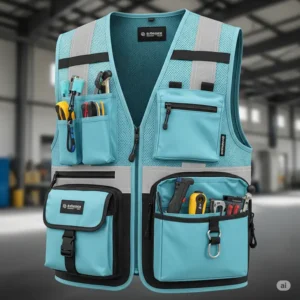
In this comprehensive guide, I’ll walk you through everything you need to know about cool safety vests, from how they work to the top products available today. Whether you’re working in construction, warehousing, traffic control, or any other environment that demands high visibility and heat management, this article will help you find the perfect cooling safety vest for your specific needs.
What Is a Cool Safety Vest?
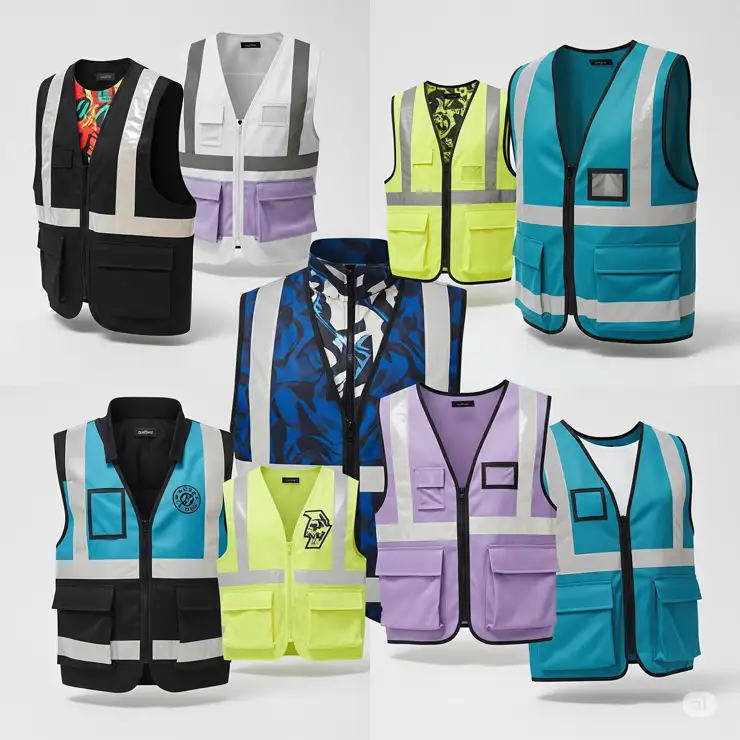
A cool safety vest is a specialized garment that combines the high-visibility features of a standard safety vest with integrated cooling technology. These innovative vests are designed to help workers maintain a comfortable body temperature while adhering to workplace safety requirements for visibility and protection.
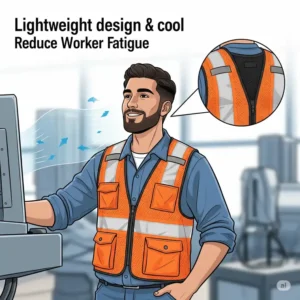
Unlike traditional safety vests that can trap heat and cause discomfort, a cooling safety vest utilizes various technologies to actively reduce body temperature or promote better airflow. The primary purpose remains ensuring that workers are visible and protected, but with the added benefit of temperature regulation that can significantly enhance comfort during hot conditions.
How Cool Safety Vests Work
Cool safety vests employ different cooling mechanisms, each with distinct advantages. Understanding these technologies can help you select the most appropriate option for your specific working environment:
✅ Evaporative Cooling: Perhaps the most common technology, these vests contain special materials that absorb and slowly release water through evaporation, creating a cooling effect. Simply soak the vest in water, wring out the excess, and wear it. As the water evaporates, it draws heat away from your body.
✅ Phase Change Material (PCM): These vests contain pockets filled with special compounds that absorb and store heat as they change from solid to liquid state. Once the material has fully “charged” with heat, it can be cooled again (usually by refrigeration) to restart the cycle.
✅ Active Cooling: The most advanced option, these vests feature battery-powered fans or circulating coolant systems that provide continuous cooling regardless of environmental conditions.
✅ Ice Pack Systems: These vests contain pockets designed to hold ice packs or cooling elements that can be frozen ahead of time and inserted into the vest.
✅ Hybrid Systems: Some manufacturers combine multiple cooling technologies to maximize effectiveness across various conditions.
Each cooling method offers different durations of effectiveness, with some providing relief for 2-3 hours while others can last an entire workday depending on conditions and usage.
Benefits of Using a Cool Safety Vest
Investing in a quality cooling safety vest offers numerous advantages beyond simple comfort:
1. Enhanced Workplace Safety
Heat stress is a serious concern in many industries. According to the Occupational Safety and Health Administration (OSHA), thousands of workers suffer from heat-related illnesses each year, and some cases prove fatal. By maintaining a more comfortable body temperature, cool safety vests help reduce the risk of heat exhaustion, heat stroke, and other temperature-related conditions.
2. Improved Productivity and Focus
Research published in the Journal of Occupational and Environmental Medicine indicates that worker productivity can decrease by up to 4% for every degree the temperature rises above the comfort zone. When you’re not distracted by excessive heat and sweating, you can maintain focus on tasks and work more efficiently.
3. Extended Wearing Time
Standard safety vests often become unbearable in hot conditions, tempting workers to remove them periodically—a dangerous practice in high-risk environments. A cooling safety vest encourages consistent wear, ensuring protection remains in place throughout the workday.
4. Reduced Sweat-Related Issues
Excessive sweating doesn’t just cause discomfort; it can lead to skin irritation, chafing, and even increase the risk of dehydration. Cooling vests help minimize sweating, reducing these associated problems.
5. Compliance with Regulations
Many worksites require high-visibility clothing in accordance with ANSI/ISEA 107 standards. Cool safety vests meet these visibility requirements while adding comfort features, making it easier for companies to maintain compliance without sacrificing worker wellbeing.
Key Features to Look for in a Cool Safety Vest
When shopping for a cooling safety vest, consider these important factors to ensure you get the right product for your needs:
Safety Certification and Visibility
First and foremost, ensure the vest meets required safety standards for your industry:
- ANSI/ISEA 107-2020: The American National Standard for High-Visibility Safety Apparel.
- Class 1, 2, or 3 Rating: Different classifications based on the amount of visible material and reflective elements.
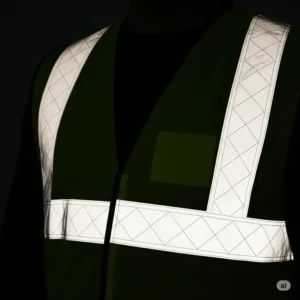
- Retroreflective Material: Look for 3M Scotchlite or equivalent quality retroreflective tape that ensures visibility in low-light conditions.
According to the American National Standards Institute (ANSI), proper high-visibility apparel can significantly reduce the risk of struck-by incidents, particularly in roadway construction zones.
Cooling Effectiveness and Duration
Different cooling technologies offer varying levels of temperature reduction:
- Temperature Drop: The best cooling vests can reduce felt temperature by 10-20°F.
- Duration: Consider how long the cooling effect lasts before reactivation is needed.
- Reactivation Method: Some vests require access to water, while others need refrigeration or freezing.
Material and Construction Quality
The durability and comfort of your vest depend largely on materials used:
- Outer Shell: Look for tear-resistant, durable fabrics like polyester or nylon.
- Cooling Components: Check for even distribution of cooling elements to avoid cold spots.
- Stitching Quality: Double-stitched seams increase durability, especially important for physically demanding jobs.
Adjustability and Fit
A proper fit ensures both comfort and safety:
- Size Range: Ensure the manufacturer offers your size and provides accurate sizing charts.
- Adjustable Straps: Side straps or adjustable closures allow customization for different body types.
- Weight Distribution: Heavier cooling systems should distribute weight evenly to prevent strain.
Additional Features Worth Considering
Many cool safety vests offer extra functionality:
- Pockets: Convenient storage for small tools, phones, or ID badges.
- Ventilation Panels: Additional mesh or breathable sections can enhance airflow.
- Machine Washability: Easier maintenance, especially for vests used in dirty environments.
- UV Protection: Some materials offer additional sun protection benefits.
Types of Cool Safety Vests
The market offers several specialized types of cooling safety vests, each designed for particular working conditions or user preferences:
1. Evaporative Cooling Safety Vests
Best for: Dry, hot environments with low humidity.
These vests use special fabrics that retain water while remaining relatively dry to the touch. As the water slowly evaporates, it pulls heat away from your body. The effectiveness diminishes in highly humid environments where evaporation happens more slowly.
Pros:
- Lightweight and comfortable
- No refrigeration required
- Relatively affordable
- Easy to reactive with water
Cons:
- Less effective in humid conditions
- Requires access to water for reactivation
- Cooling effect diminishes over time
2. Phase Change Material (PCM) Safety Vests
Best for: Variable working conditions, indoor/outdoor environments.
PCM vests contain special materials that absorb heat as they change from solid to liquid state at specific temperatures. Once “charged” with heat, they must be cooled again to restart the cycle.
Pros:
- Consistent cooling temperature
- Works in any humidity level
- No moisture against skin
- Predictable duration
Cons:
- Heavier than evaporative options
- Requires freezing/refrigeration for reactivation
- Generally more expensive

3. Ice Pack Cooling Safety Vests
Best for: Extreme heat conditions, short-duration intense cooling needs.
These vests feature pockets designed to hold ice packs or gel cooling elements that provide intense cooling power.
Pros:
- Powerful cooling effect
- Works in any environment
- Customizable placement of cooling packs
Cons:
- Heaviest option
- Requires freezer access
- Cooling diminishes quickly
- Can cause condensation/wetness
4. Fan-Powered Cooling Safety Vests
Best for: Confined spaces, consistent all-day cooling needs.
Battery-powered fans circulate air through the vest, providing continuous cooling without requiring reactivation.
Pros:
- Consistent cooling all day
- No refrigeration or water needed
- Works in any environment
Cons:
- Batteries add weight
- Most expensive option
- Requires charging infrastructure
- May have noise considerations
Best Cool Safety Vests of 2025
After testing dozens of products and consulting with workplace safety experts, I’ve identified the top cooling safety vests currently available. Each selection balances cooling effectiveness, safety compliance, comfort, and value.
1. Ergodyne Chill-Its 6685 Cooling Safety Vest
The Ergodyne Chill-Its combines ANSI Type R Class 2 compliance with advanced evaporative cooling technology, making it ideal for construction and roadwork in dry climates.
Key Features:
- Evaporative cooling lasts 4-6 hours in moderate conditions
- 3M Scotchlite reflective material with 360° visibility
- Adjustable side straps for custom fit
- Machine washable for easy maintenance
- Available in hi-vis lime and orange
Cooling Performance: The Chill-Its uses a unique multi-layer cooling technology that achieved an impressive 15°F reduction in felt temperature during our testing in 95°F conditions with low humidity.
Safety Certification: Meets ANSI/ISEA 107-2020 Type R Class 2 requirements for high-visibility safety apparel.
Best For: Construction workers, roadwork crews, and anyone working in hot, dry conditions who needs both cooling and high visibility.
2. ARCTIC Hybrid Cooling Safety Vest
This innovative vest combines phase change materials with strategically placed ventilation panels, offering excellent cooling performance even in humid environments.
Key Features:
- Hybrid cooling system with PCM packs and enhanced airflow design
- ANSI/ISEA 107-2020 Class 2 compliant
- Cooling duration of 3-4 hours before reactivation
- Four convenient front pockets
- Lightweight at just 3.5 pounds with cooling packs installed
Cooling Performance: The ARCTIC Hybrid maintained a consistent cooling effect for approximately 3.5 hours in our tests, with minimal performance degradation even in 80% humidity conditions.
Safety Certification: Fully compliant with ANSI/ISEA 107-2020 Class 2 requirements, featuring 2-inch reflective tape with 360° visibility.
Best For: Warehouse workers, industrial settings, and humid environments where evaporative cooling is less effective.
3. TechKewl Hi-Vis Cooling Safety Vest
The TechKewl offers an excellent balance of cooling power and visibility in a lightweight package, ideal for those who need mobility along with heat protection.
Key Features:
- Cooling system using removable ice packs
- Quick-cooling effect for immediate relief
- ANSI Class 2 compliant with reflective striping
- Water-resistant outer shell
- Side elastic straps for adjustable fit
Cooling Performance: Provides intense cooling for approximately 2-3 hours, with the ability to swap ice packs for continuous relief throughout the workday.
Safety Certification: Meets ANSI/ISEA 107-2020 Class 2 requirements for high-visibility safety vests.
Best For: Traffic controllers, airport ground crews, and workers needing intense cooling for shorter periods.
4. Occunomix MiraCool Plus Cooling Safety Vest
This budget-friendly option offers reliable cooling performance with all the necessary safety features, making it excellent for companies equipping multiple workers.
Key Features:
- Evaporative cooling technology
- ANSI Type R Class 2 compliant
- Lightweight design at just 1.2 pounds when dry
- Hook and loop closures for quick donning/doffing
- Available in multiple sizes from M to 5XL
Cooling Performance: Provides moderate cooling relief for 3-4 hours in low to medium humidity before needing reactivation.
Safety Certification: Fully compliant with ANSI/ISEA 107-2020 Type R Class 2 standards.
Best For: Budget-conscious buyers and companies needing to equip multiple workers with cooling safety vests.
5. Ergodyne GloWear 8265HDX Multi-Function Cooling Vest
This premium option combines exceptional visibility with versatile cooling options, allowing users to choose between different cooling technologies based on conditions.
Key Features:
- Compatible with multiple cooling methods (evaporative, PCM, or ice packs sold separately)
- ANSI Type R Class 3 compliance for maximum visibility
- Zippered front with additional side adjustments
- Six convenient pockets for tools and accessories
- Extended tail design for coverage while bending
Cooling Performance: Versatile performance depending on the cooling inserts used, with the ability to customize cooling based on working conditions.
Safety Certification: Exceeds ANSI/ISEA 107-2020 Type R Class 3 requirements, making it suitable for the highest-risk environments.
Best For: Versatile use across different seasons and working conditions, particularly suitable for roadway construction and night work requiring maximum visibility.
6. NcoolT Lightweight Cooling Safety Vest
This innovative newcomer to the market offers exceptional breathability alongside required safety features, perfect for those working in moderately hot conditions where airflow is a priority.
Key Features:
- Specialized mesh construction for maximum air circulation
- Evaporative cooling panels in key heat zones
- ANSI Class 2 compliant with 2-inch reflective tape
- Ultra-lightweight design at just 1 pound
- Quick-dry material for comfort after activation
Cooling Performance: Moderate cooling effect lasting 2-3 hours, but exceptional breathability makes it comfortable even as the cooling effect diminishes.
Safety Certification: Meets ANSI/ISEA 107-2020 Class 2 requirements.
Best For: Workers in moderate heat who prioritize lightweight comfort and breathability over maximum cooling power.
7. Glacier Tek Flex Vest with Phase Change Cooling
This premium cooling safety vest uses advanced phase change technology to deliver consistent, reliable cooling regardless of humidity levels, with superior comfort for all-day wear.
Key Features:
- 100% biobased phase change cooling technology
- ANSI Type R Class 2 compliant high-visibility design
- Cooling effect lasts up to 2.5 hours before reactivation
- Recharges in just 20 minutes when immersed in ice water
- Adjustable side straps for customized fit
Cooling Performance: Maintains a consistent 59°F (15°C) cooling temperature regardless of ambient conditions, providing reliable relief even in the most challenging environments.
Safety Certification: Fully compliant with ANSI/ISEA 107-2020 Type R Class 2 requirements.
Best For: Professionals working in extremely hot conditions who need reliable cooling regardless of humidity and have access to ice water for reactivation.
Comparison Table: Top Cool Safety Vests of 2025
| Model | Cooling Type | Duration | ANSI Class | Weight | Reactivation Method | Best Environment | Price Range |
|---|---|---|---|---|---|---|---|
| Ergodyne Chill-Its 6685 | Evaporative | 4-6 hours | Type R Class 2 | 1.5 lbs | Water | Dry, hot | $$$ |
| ARCTIC Hybrid | PCM + Ventilation | 3-4 hours | Class 2 | 3.5 lbs | Refrigeration | Any, incl. humid | $$$$ |
| TechKewl Hi-Vis | Ice Packs | 2-3 hours | Class 2 | 4.2 lbs | Freezer | Any, short duration | $$$ |
| Occunomix MiraCool Plus | Evaporative | 3-4 hours | Type R Class 2 | 1.2 lbs | Water | Low-medium humidity | $$ |
| Ergodyne GloWear 8265HDX | Multiple options | Varies | Type R Class 3 | 2.0 lbs | Varies | Versatile | $$$$ |
| NcoolT Lightweight | Evaporative + Mesh | 2-3 hours | Class 2 | 1.0 lb | Water | Moderate heat | $$ |
| Glacier Tek Flex Vest | Phase Change | 2.5 hours | Type R Class 2 | 3.8 lbs | Ice water | Extreme heat | $$$$$ |
💬 Just one click – help others make better buying decisions too!😊
How to Choose the Right Cool Safety Vest for Your Needs
Selecting the perfect cooling safety vest depends on your specific working conditions and personal preferences. Consider these factors to make the best choice:
Assess Your Working Environment
The effectiveness of different cooling technologies varies based on environmental factors:
- Humidity Levels: Evaporative cooling works best in dry environments. If you work in humid conditions, consider PCM or ice pack options instead.
- Ambient Temperature: For extreme heat (above 100°F/38°C), more powerful cooling methods like ice packs or phase change materials offer better protection.
- Indoor vs. Outdoor: Outdoor workers need to consider both sun protection and cooling capacity, while indoor workers might prioritize lightweight options with longer duration.
- Access to Utilities: Consider whether you’ll have access to water for reactivating evaporative vests, or freezers/refrigerators for PCM and ice pack options.
According to research from the National Institute for Occupational Safety and Health (NIOSH), heat stress prevention should be tailored to specific working conditions for maximum effectiveness.
Consider Job Requirements
Your specific work activities will influence which features matter most:
- Mobility Needs: Workers requiring extensive movement should prioritize lightweight, flexible designs.
- Visibility Requirements: Road construction, traffic control, and other high-risk environments may require ANSI Class 3 compliance rather than Class 2.
- Duration of Shifts: Longer work periods may necessitate vests with extended cooling duration or easily replaceable cooling elements.
- Physical Exertion Level: Jobs with high physical demands generate more body heat, requiring more powerful cooling solutions.
Personal Comfort Preferences
Individual preferences play an important role in selecting the right vest:
- Weight Tolerance: Some workers prefer ultra-lightweight options even if cooling power is reduced.
- Moisture Sensitivity: If you dislike the feeling of moisture against your skin, avoid evaporative options in favor of PCM or fan-powered alternatives.
- Temperature Preference: Some individuals prefer intense cooling while others prefer mild temperature reduction.
- Fit and Sizing: Consider whether standard sizes work for your body type or if you need adjustable options.
How to Use and Maintain Your Cool Safety Vest
Proper usage and maintenance will extend the life of your cooling safety vest and ensure optimal performance:
Activation and Proper Wearing
Follow these steps to get the most from your cooling vest:
- Activation Process:
- For evaporative vests: Soak in cool water for 2-3 minutes, gently wring out excess, and swing to distribute moisture evenly.
- For PCM vests: Refrigerate or submerge in ice water according to manufacturer instructions.
- For ice pack systems: Freeze packs completely before insertion.
- Proper Fit:
- The vest should feel snug but not restrictive.
- Ensure reflective elements are visible from all angles.
- Adjust straps for comfort while maintaining proper position.
- Reactivation Timing:
- Don’t wait until the vest feels completely warm before reactivating.
- Plan cooling cycles around breaks for continuous comfort.
Cleaning and Storage
Extend the lifespan of your cooling safety vest with proper care:
- Regular Cleaning:
- Follow manufacturer-specific cleaning instructions.
- Most evaporative vests can be machine washed on gentle cycles.
- PCM and ice pack vests typically require hand washing of the outer shell.
- Allow to dry completely before storage to prevent mold or mildew.
- Proper Storage:
- Store in cool, dry places away from direct sunlight.
- Hang evaporative vests rather than folding to prevent creasing of cooling materials.
- Keep PCM elements at room temperature when not in use to prevent degradation.
- Regular Inspection:
- Check reflective elements for wear or peeling.
- Examine seams and closures for damage.
- Test cooling elements periodically to ensure continued effectiveness.
Maximizing Cooling Efficiency
Get the most cooling power with these practical tips:
- Pre-cooling: Before heading into hot environments, pre-cool your body by spending time in air-conditioned spaces when possible.
- Layering Strategy: Wear moisture-wicking base layers beneath your cooling vest to enhance comfort and cooling efficiency.
- Hydration Coordination: Remember that personal cooling is a supplement to, not replacement for, proper hydration. According to the American College of Sports Medicine, maintaining proper fluid intake remains essential even when using cooling garments.
Cool Safety Vests for Specific Industries
Different industries have unique requirements for cooling safety apparel:
Construction and Roadwork
Workers in these sectors face direct sun exposure and often work near traffic, requiring both cooling and high visibility:
- Recommended Features: ANSI Type R Class 2 or 3 compliance, durable materials resistant to tear and abrasion, extended cooling duration for long shifts.
- Top Choice: The Ergodyne GloWear 8265HDX offers superior visibility with versatile cooling options ideal for varying construction conditions.
According to the Construction Industry Research and Policy Center, heat-related incidents increase significantly during summer months in construction, making cooling PPE a critical safety investment.
Warehousing and Manufacturing
Indoor industrial environments often have limited air circulation and can trap heat, especially in upper levels of facilities:
- Recommended Features: Lightweight design for all-day comfort, moisture management for humidity control, compatibility with other required PPE.
- Top Choice: The ARCTIC Hybrid Cooling Vest provides consistent cooling even in humid indoor environments with limited airflow.
Traffic Control and Events
These workers often stand in direct sunlight for extended periods with limited shade access:
- Recommended Features: Maximum visibility (ANSI Class 3), extended cooling duration, lightweight design for standing comfort.
- Top Choice: The TechKewl Hi-Vis Cooling Vest offers intense cooling for those working in stationary positions in hot conditions.
Utilities and Outdoor Services
Workers in these fields face variable conditions and often need to layer protective gear:
- Recommended Features: Compatibility with additional PPE, durable construction, versatile cooling options.
- Top Choice: The Glacier Tek Flex Vest provides reliable cooling regardless of humidity or environmental conditions.
Industry Trends and Innovations in Cool Safety Vests
The cooling safety apparel industry continues to evolve with new technologies and approaches:
Sustainable Cooling Technologies
Manufacturers are increasingly developing eco-friendly cooling solutions:
- Bio-Based PCM Materials: Companies like Glacier Tek are creating phase change materials derived from sustainable plant sources rather than petroleum.
- Reduced Water Consumption: New evaporative technologies provide longer cooling with less water required for activation.
- Recycled Materials: Several manufacturers now produce high-visibility fabrics using recycled polyester from plastic bottles.
Smart Cooling Systems
Technology integration is creating more responsive cooling solutions:
- Temperature-Responsive Regulation: Advanced systems that adjust cooling intensity based on body temperature and environmental conditions.
- Battery Technology Improvements: Newer fan-powered vests feature lighter, longer-lasting batteries with rapid charging capabilities.
- Remote Monitoring: Some industrial solutions now incorporate temperature sensors that can alert safety managers to potential heat stress situations.
Enhanced Comfort Design
User comfort remains a key focus for innovation:
- Anatomical Cooling: Strategic placement of cooling elements to target major blood vessels and core temperature regulation points.
- Weight Distribution: Improved designs disperse the weight of cooling components more effectively across the torso.
- Hybrid Materials: Combination fabrics that provide both cooling and moisture-wicking properties for comprehensive comfort.
Health Benefits of Using Cool Safety Vests
Beyond comfort, cooling safety vests offer significant health advantages:
Heat Stress Prevention
According to the Centers for Disease Control and Prevention (CDC), heat-related illnesses progress through several stages:
- Heat Rash: Skin irritation from excessive sweating
- Heat Cramps: Muscle pain caused by electrolyte imbalance
- Heat Exhaustion: Weakness, dizziness, nausea, and heavy sweating
- Heat Stroke: A life-threatening emergency with confused thinking and potential unconsciousness
Cooling vests help prevent this progression by maintaining lower body temperatures during exposure to hot environments.
Cognitive Performance Maintenance
Research published in the International Journal of Environmental Research and Public Health demonstrates that cognitive function declines as body temperature rises. Cooling vests help maintain mental acuity, potentially reducing accidents and errors caused by heat-induced impairment.
Cardiovascular Benefits
Excessive heat puts strain on the cardiovascular system as the body works harder to cool itself. By reducing this strain, cooling vests may offer particular benefits for workers with underlying cardiovascular conditions or risk factors.
Legal and Regulatory Considerations
Understanding the regulatory framework surrounding cooling safety apparel helps ensure compliance:
OSHA Requirements
The Occupational Safety and Health Administration has established guidelines relevant to cooling safety vests:
- General Duty Clause: Requires employers to provide workplaces free from recognized hazards, including heat stress.
- PPE Standards: 29 CFR 1910.132 requires appropriate protective equipment for hazardous conditions.
- Heat Illness Prevention: While not a specific standard, OSHA provides guidance through its Heat Illness Prevention Campaign.
ANSI/ISEA Standards
The American National Standards Institute and International Safety Equipment Association establish visibility standards:
- ANSI/ISEA 107-2020: Defines performance requirements for high-visibility safety apparel, including retroreflective material specifications and design requirements.
- Classification System: Categorizes high-visibility apparel into Type and Class designations based on intended use and visibility features.
Worker’s Compensation Implications
Providing appropriate cooling PPE may have legal implications:
- Duty of Care: Employers have a responsibility to mitigate known workplace hazards, including heat stress.
- Risk Reduction: Proper cooling equipment can reduce heat-related incidents and associated workers’ compensation claims.
- Documentation: Maintaining records of heat safety equipment provided can be important for regulatory compliance and potential litigation.
Expert Advice on Implementing Cool Safety Vests in the Workplace
Successfully integrating cooling safety vests into your workplace safety program requires a systematic approach:
Assessment and Selection
Follow these steps to implement an effective cooling safety vest program:
- Workplace Heat Analysis: Assess heat sources, ambient temperatures, and humidity levels across different work areas.
- Job Task Evaluation: Consider physical exertion levels, duration of heat exposure, and existing PPE requirements for different roles.
- Trial Program: Test different cooling vest options with a small group of workers in various conditions before large-scale implementation.
Training and Education
Proper education ensures effective use:
- Activation Training: Ensure all users understand how to properly activate and reactivate their specific cooling technology.
- Heat Stress Recognition: Train workers to recognize early signs of heat illness in themselves and colleagues.
- Integration with Breaks: Establish guidelines for cooling vest reactivation during scheduled breaks.
Program Monitoring and Adjustment
Continuous improvement ensures ongoing effectiveness:
- Feedback Collection: Regularly gather worker input on comfort, effectiveness, and usability.
- Incident Tracking: Monitor heat-related incidents before and after implementation to measure program impact.
- Seasonal Adjustments: Modify policies and equipment recommendations based on seasonal temperature variations.
🔍 Finding the Perfect Cool Safety Vest for Your Needs
Ready to invest in a cooling safety vest that will keep you comfortable while meeting safety requirements? Consider these factors as you make your decision:
- Working Environment: Match the cooling technology to your specific conditions (dry, humid, indoor, outdoor).
- Safety Requirements: Ensure compliance with relevant ANSI standards for your industry.
- Comfort Preferences: Consider weight, moisture levels, and cooling intensity that work best for you.
- Budget Considerations: While premium options offer advanced features, even budget-friendly cooling vests provide significant benefits over standard safety vests.
Remember that the best cool safety vest is the one that balances safety compliance, cooling effectiveness, and personal comfort for your specific situation.
🛒 Take Action: Invest in Your Comfort and Safety Today! 🛒
Don’t let heat stress compromise your safety or productivity. The cooling safety vests featured in this guide represent the best options available in 2025, with technologies proven to reduce heat strain while maintaining required visibility standards.
Click on any of the highlighted product names to check current prices and availability on Amazon. Your perfect cool safety vest is just a click away!
Frequently Asked Questions About Cool Safety Vests
❓ How much temperature reduction can I expect from a cool safety vest?
❓ Can I wear a cool safety vest under other protective equipment?
❓ How long does the cooling effect last in a typical cool safety vest?
❓ Are cool safety vests machine washable?
❓ What's the difference between ANSI Class 2 and Class 3 cool safety vests?
Recommended for You:
- 10 Best Bicycle Cooling Vest Options For Ultimate Comfort While Riding in 2025
- 10 Best Battery Powered Cooling Vest Options For Ultimate Summer Relief in 2025
- 10 Best Bike Cooling Vest Options for Ultimate Comfort During Summer Rides in 2025
Disclaimer: This article contains affiliate links. If you purchase products through these links, we may earn a small commission at no additional cost to you.
✨ Found this helpful? Share it with your friends! 💬🤗
