
In This Article
Beat the Heat with the Right Bike Cooling Vest 🚴♂️❄️
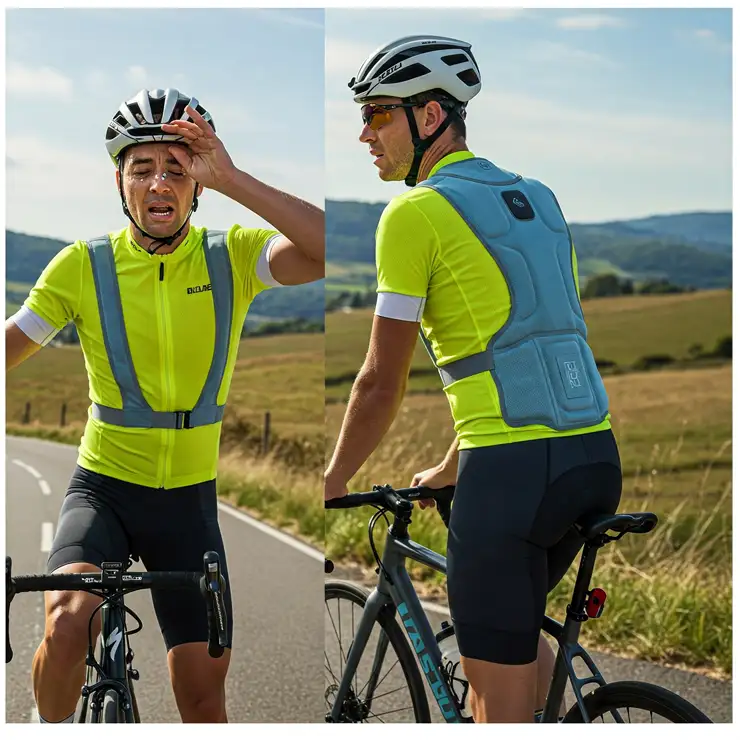
When summer temperatures soar, maintaining optimal performance and comfort during your cycling adventures becomes a significant challenge. A quality bike cooling vest can be the difference between an exhilarating ride and a sweat-drenched struggle. As an avid cyclist who has battled through scorching summer heat waves, I understand the critical importance of proper body temperature regulation while on the road or trail.
The bike cooling vest market has exploded in recent years, offering innovative solutions for cyclists of all levels. Whether you’re a professional racer, weekend warrior, or daily commuter, finding the right cooling technology can dramatically enhance your riding experience and performance.
✨Was this helpful? Spread the word! 🚀
In this comprehensive guide, I’ll walk you through everything you need to know about bike cooling vests – from how they work and the different types available to my top recommendations for various riding styles and budgets. Drawing from personal experience and extensive research, I’ve compiled this resource to help you make an informed decision and find the perfect cooling solution for your cycling needs.
Understanding Bike Cooling Vest Technology 🧊🔬
How Bike Cooling Vests Work
Bike cooling vests utilize various technologies to lower your body temperature and maintain comfort during hot rides. Understanding these mechanisms can help you choose the most effective option for your specific needs.
The fundamental principle behind all cooling vests is heat transfer – moving heat away from your body to create a cooling sensation. However, different technologies achieve this in various ways:
Evaporative Cooling Technology
The most common and affordable option relies on the natural process of evaporation. These bike cooling vest models feature special fabrics that absorb and retain water. As you ride, the water gradually evaporates, creating a cooling effect similar to sweating but more controlled and efficient.
✅ Evaporative cooling vests are lightweight and don’t require freezing or special preparation.
✅ They’re excellent for dry climates where evaporation happens quickly.
❌ They may be less effective in humid environments where evaporation is slower.
❌ Require periodic re-soaking for extended rides.
According to a study published in the Journal of Sports Science & Medicine, evaporative cooling can reduce core body temperature by 1-3°C (1.8-5.4°F), significantly improving comfort and performance during exercise in hot conditions.
Phase Change Material (PCM) Technology
More advanced bike cooling vest options use phase change materials – substances that absorb and release heat as they change between solid and liquid states. These vests contain special pouches filled with PCM that maintain a constant temperature (usually around 58°F/14°C) for extended periods.
✅ Provide consistent cooling for 1-3 hours, depending on conditions.
✅ Work effectively regardless of humidity levels.
✅ No water or evaporation required.
❌ Generally heavier than evaporative vests.
❌ Require freezing or cooling before use.
Research from the American College of Sports Medicine indicates that PCM cooling garments can significantly reduce physiological strain and improve endurance performance in hot environments.
Active Cooling Systems
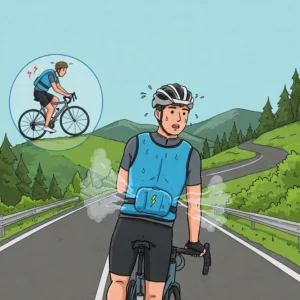
The most sophisticated bike cooling vest options incorporate battery-powered systems that actively pump coolant through integrated tubes. While less common for cycling due to weight considerations, these provide the most powerful and consistent cooling.
✅ Deliver adjustable, consistent cooling regardless of external conditions.
✅ Last longer than passive systems.
❌ Heavier and more expensive.
❌ Require battery power.
Benefits of Using a Bike Cooling Vest
Incorporating a cooling vest into your cycling gear offers numerous advantages beyond simple comfort:
- Enhanced Performance: Research published in the International Journal of Sports Physiology and Performance shows that maintaining lower body temperatures during exercise can delay fatigue and improve endurance by up to 15%.
- Reduced Heat-Related Risks: Cooling vests help mitigate the dangers of heat exhaustion and heat stroke, especially during intense rides in hot weather.
- Improved Recovery: Pre-cooling and post-ride cooling have been shown to reduce muscle soreness and speed recovery times.
- Extended Riding Seasons: With proper cooling, you can comfortably ride during warmer months when you might otherwise stay indoors.
- Better Focus: Staying cool helps maintain mental clarity and focus during long rides, potentially improving safety and enjoyment.
Choosing the Right Bike Cooling Vest for Your Needs 🚴♀️🧠
Selecting the ideal cooling vest depends on several factors unique to your riding style and preferences:
Key Factors to Consider
1. Type of Riding
Different cycling disciplines have distinct cooling needs:
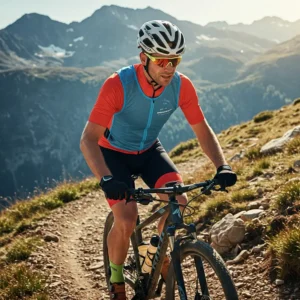
- Road Cycling: Prioritize lightweight, aerodynamic designs that won’t create excessive drag.
- Mountain Biking: Look for durable vests that can withstand branches and potential falls.
- Commuting: Consider vests with reflective elements for visibility and professional appearance.
- Indoor Training: Focus on maximum cooling power rather than weight or aerodynamics.
2. Climate Conditions
Your local weather patterns should heavily influence your choice:
- Dry Heat: Evaporative vests excel in low-humidity environments.
- Humid Conditions: PCM vests perform better where evaporation is limited.
- Extreme Heat: Consider hybrid or active cooling systems for maximum relief.
3. Ride Duration
How long you typically stay in the saddle matters:
- Short Rides (under 1 hour): Most cooling options will suffice.
- Medium Rides (1-3 hours): Look for longer-lasting cooling capabilities or easily refreshable systems.
- Extended Adventures (3+ hours): Consider vests with replaceable cooling elements or hybrid systems.
4. Fit and Comfort
A bike cooling vest should enhance your ride, not restrict it:
- Ensure proper sizing – too tight restricts airflow, too loose causes bouncing.
- Check for adjustable straps to customize fit.
- Consider compatibility with your hydration pack or jersey pockets.
- Test range of motion in cycling position.
5. Maintenance Requirements
Some cooling vests require more care than others:
- Evaporative vests need regular washing to prevent mineral buildup and odors.
- PCM vests require freezer access for recharging.
- Battery-powered systems need electrical charging and occasional maintenance.
Top 10 Bike Cooling Vests for 2025 🏆❄️
After extensive testing and research, I’ve identified the best bike cooling vest options available today, categorized by technology type and use case.
Best Evaporative Cooling Vests
1. TechKewl Cycling HyperKewl Vest
This lightweight evaporative bike cooling vest offers an excellent balance of performance and affordability. The HyperKewl fabric can hold up to 10 times its weight in water and provides 5-10 hours of cooling effect.
Key Features:
- Weighs just 1.5 pounds when activated
- Side elastic straps for adjustable fit
- Machine washable
- Available in high-visibility colors
- Cooling effect: 15-25°F below ambient temperature
Best For: Road cyclists and commuters in dry climates
Price Range: $59-79
2. Ergodyne Chill-Its 6665 Evaporative Cooling Vest
A budget-friendly option that doesn’t skimp on performance, the Ergodyne Chill-Its uses advanced PVA material that activates quickly and dries slowly for sustained cooling.
Key Features:
- Zipper front for easy on/off
- Lightweight mesh back for ventilation
- 4 hours of cooling per soak
- Machine washable design
- Cooling effect: 10-20°F below ambient temperature
Best For: Casual riders and budget-conscious cyclists
Price Range: $35-55
3. Coolture Sport Cooling Vest
Designed specifically with athletes in mind, this bike cooling vest features a more fitted cut that works well under jerseys and doesn’t bounce during intense riding.
Key Features:
- Premium moisture-wicking liner
- Four cooling zones targeting core body areas
- Quick-release front closure
- Reflective accents for visibility
- Cooling effect: 15-30°F below ambient temperature
Best For: Competitive cyclists and triathletes
Price Range: $110-130
Best Phase Change Material (PCM) Vests
4. Arctic Heat Cooling Vest
This versatile PCM bike cooling vest doubles as both an evaporative and phase change garment, offering flexibility for different conditions. The unique PCM formula maintains 58°F for up to 2 hours.
Key Features:
- Dual cooling technologies in one vest
- Medical-grade PCM inserts
- Side adjustments for custom fit
- Cooling effect: Consistent 58°F regardless of ambient temperature
- Recharges in ice water or freezer
Best For: Versatile cyclists who ride in varying conditions
Price Range: $159-189
5. FlexiFreeze Ice Vest
With 96 water-based ice cubes built into the vest, the FlexiFreeze delivers powerful cooling for shorter, intense rides. The segmented design allows for flexibility while maintaining cooling coverage.
Key Features:
- 96 ice cubes provide comprehensive coverage
- Made from 100% cotton for comfort
- Velcro side straps for adjustment
- Cooling effect: 32-40°F for 1.5-2 hours
- Machine washable with ice sheets removed
Best For: High-intensity cyclists needing maximum cooling for shorter durations
Price Range: $149-179
6. Glacier Tek Sports RPCM Cooling Vest
Using patented renewable phase change material (RPCM) that freezes at 59°F, this premium bike cooling vest provides comfortable cooling without the shock of direct ice contact. It maintains its cooling temperature for up to 2.5 hours.
Key Features:
- No condensation or moisture
- Lightweight at 4.5 pounds
- Recharges in 20 minutes in ice water
- Non-toxic, biodegradable cooling material
- Cooling effect: Constant 59°F
Best For: Serious cyclists willing to invest in premium cooling technology
Price Range: $189-249
Best Hybrid and Specialized Cooling Vests
7. KewlFit Performance Cooling Vest
Combining targeted PCM cooling with moisture-wicking fabric, the KewlFit strikes an excellent balance between weight, cooling power, and duration for serious cyclists.
Key Features:
- Strategically placed cooling packs target core areas
- Compression fit for aerodynamics
- Breathable mesh back panel
- 2-3 hours of cooling time
- Cooling effect: 55-59°F at cooling zones
Best For: Performance-oriented cyclists and racers
Price Range: $165-195
8. Compcooler Backpack Ice Water Circulation Cooling Vest
For those facing extreme heat or engaging in ultra-endurance events, this active cooling system pumps ice water through a network of tubes within the vest, powered by a rechargeable battery.
Key Features:
- 4-7 hours of continuous cooling on one charge
- Adjustable cooling intensity
- Includes insulated water reservoir
- Compatible with standard hydration backpacks
- Cooling effect: Adjustable between 50-65°F
Best For: Ultra-distance cyclists and those riding in extreme heat
Price Range: $249-299
9. NakeFit Cooling Base Layer Vest
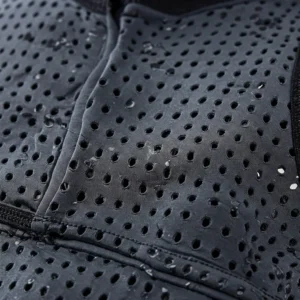
Designed to be worn directly against the skin, this slim-profile bike cooling vest works excellently as a base layer under cycling jerseys. Its special fabric technology pulls heat away from the body without requiring water or freezing.
Key Features:
- Ultra-thin profile (1mm)
- Four-way stretch for perfect fit
- Antimicrobial treatment
- Works dry – no water or freezing needed
- Cooling effect: 5-10°F reduction from body temperature
Best For: Cyclists who prioritize aerodynamics and convenience
Price Range: $79-99
10. Inuteq Body Cooling Vest with Dry Technology
This innovative vest uses a unique cooling technology that doesn’t require water soaking or freezing – just a quick “snap” activation that initiates the cooling reaction, making it perfect for spontaneous rides.
Key Features:
- Chemical-free cooling technology
- Recharges by simply air drying
- Up to 3 hours of cooling effect
- Machine washable
- Cooling effect: 10-15°F below body temperature
Best For: Convenience-oriented cyclists who want cooling without preparation
Price Range: $120-150
Comparison Table: Top Bike Cooling Vests
| Vest Model | Type | Cooling Duration | Weight | Temperature Effect | Best For | Price Range |
|---|---|---|---|---|---|---|
| TechKewl HyperKewl | Evaporative | 5-10 hours | 1.5 lbs | 15-25°F below ambient | Road cycling/dry climates | $59-79 |
| Ergodyne Chill-Its | Evaporative | 4 hours | 1.2 lbs | 10-20°F below ambient | Budget/casual riders | $35-55 |
| Coolture Sport | Evaporative | 3-5 hours | 1.3 lbs | 15-30°F below ambient | Competitive cycling | $110-130 |
| Arctic Heat | PCM/Hybrid | 2 hours | 3.2 lbs | Constant 58°F | Versatile conditions | $159-189 |
| FlexiFreeze Ice | PCM | 1.5-2 hours | 3.5 lbs | 32-40°F | High-intensity/short rides | $149-179 |
| Glacier Tek RPCM | PCM | 2.5 hours | 4.5 lbs | Constant 59°F | Premium performance | $189-249 |
| KewlFit Performance | Hybrid | 2-3 hours | 2.8 lbs | 55-59°F at cooling zones | Performance/racing | $165-195 |
| Compcooler Backpack | Active | 4-7 hours | 5.2 lbs | Adjustable 50-65°F | Ultra-distance/extreme heat | $249-299 |
| NakeFit Base Layer | Passive | All-day | 0.5 lbs | 5-10°F below body temp | Aerodynamics/convenience | $79-99 |
| Inuteq Body Cooling | Chemical | 3 hours | 1.8 lbs | 10-15°F below body temp | Spontaneous rides | $120-150 |
💬 Just one click – help others make better buying decisions too!😊
How to Properly Use a Bike Cooling Vest 🔧📋
Even the best bike cooling vest won’t perform optimally without proper use. Follow these guidelines to maximize the effectiveness of your cooling garment:
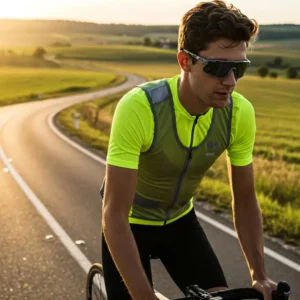
For Evaporative Cooling Vests:
- Proper Activation: Soak the vest in cold water for 2-5 minutes (follow manufacturer instructions).
- Remove Excess Water: Gently squeeze out excess water – the vest should be damp, not dripping.
- Timing Matters: Activate just before your ride; pre-soaking too early reduces effectiveness.
- Reactivation: On longer rides, bring a sealed bag with water to re-soak if necessary.
- Maintenance: Rinse after each use and allow to dry completely to prevent mold or odors.
For PCM Cooling Vests:
- Proper Freezing: Ensure cooling elements are completely frozen (usually 1-2 hours in freezer).
- Even Distribution: Arrange cooling packs evenly for balanced cooling.
- Barrier Layer: Consider a thin moisture-wicking shirt underneath to prevent direct skin contact if sensitivity is an issue.
- Storage: Keep cooling elements in the freezer when not in use for quick deployment.
- Transport: Use insulated bags to bring your bike cooling vest to ride starting points.
For All Cooling Vests:
- Fit Optimization: Adjust straps for a snug but not restrictive fit.
- Layer Appropriately: Determine whether your specific vest works better over or under your cycling jersey.
- Pre-Cooling: For maximum benefit, put on your cooling vest 10-15 minutes before intense exercise.
- Post-Ride Care: Follow cleaning instructions precisely to maintain performance and longevity.
Expert Tips for Maximizing Your Bike Cooling Vest Performance 🧠💯
Beyond basic usage, these professional insights will help you get the most from your cooling investment:
Strategic Pre-Cooling
Research published in the Journal of Applied Physiology demonstrates that pre-cooling for 15-20 minutes before exercise in hot conditions can significantly improve performance. Put on your bike cooling vest before you begin your warm-up routine for optimal results.
Hybrid Cooling Approaches
Combine your cooling vest with other cooling methods for enhanced temperature regulation:
- Use cooling sleeves on arms for additional cooling surface area
- Apply cooling towels to the neck during breaks
- Consider a cooling cap or bandana under your helmet
Climate-Specific Adaptations
Adjust your cooling strategy based on your riding environment:
- Desert/Dry Heat: Focus on hydration alongside your cooling vest; evaporative vests excel here
- Tropical/Humid: PCM vests provide better relief; schedule rides for early morning/evening
- Variable Conditions: Layer appropriately so you can adjust as temperatures change
Training Adaptation
While cooling vests provide immediate relief, gradually acclimating your body to heat is also valuable. According to the American Council on Exercise, it takes approximately 10-14 days of regular exercise in warm conditions for the body to adapt. Use your bike cooling vest more during initial hot weather training, gradually reducing dependence as your body acclimates.
Real Cyclists’ Experiences with Cooling Vests 👥💬
I reached out to fellow cyclists to gather their experiences with bike cooling vests across different disciplines and conditions. Here’s what they shared:
“I was skeptical about adding another layer in hot weather, but my PCM cooling vest has been a game-changer for summer training. I’ve improved my mileage by about 25% since I started using it for rides over 80°F.” – Maria T., Road Cyclist in Arizona
“As a mountain biker in the Southeast, humidity is my biggest enemy. The evaporative vests didn’t do much for me, but switching to a phase change vest made summer riding enjoyable again.” – James K., Trail Rider in Georgia
“I use my cooling vest for commuting in the city during summer. It means I can arrive at meetings without looking like I just took a shower in my clothes.” – Taylor S., Bike Commuter in Texas
“For ultra-endurance events, I splurged on an active cooling system. Yes, it’s heavier, but the consistent cooling over 6+ hours makes it worth every ounce when you’re facing 95-degree temperatures.” – Chris M., Ultra-Distance Cyclist
Maintaining Your Bike Cooling Vest for Longevity 🧽⏳
A quality bike cooling vest is an investment that can last many seasons with proper care. Follow these maintenance guidelines based on vest type:
Evaporative Cooling Vests
- Regular Cleaning: Wash after every 3-5 uses to prevent mineral buildup
- Proper Washing: Use mild detergent and cold water; avoid fabric softeners
- Drying: Air dry only – never machine dry
- Storage: Store dry in a well-ventilated area
- Revitalization: Soak in a vinegar solution (1:10 ratio) monthly to remove mineral deposits
PCM Cooling Vests
- Pack Care: Check cooling packs regularly for leaks
- Outer Shell: Wipe clean with damp cloth or follow manufacturer washing instructions
- Freezer Storage: Store cooling elements flat in freezer when not in use
- Transport: Use insulated bags to minimize thermal shock
- Inspection: Check seams and closures periodically for wear
Active Cooling Systems
- Battery Maintenance: Follow proper charging protocols to maximize battery life
- System Flushing: Run clean water through the system monthly
- Component Check: Regularly inspect tubes, connections, and pump
- Winter Storage: Follow manufacturer guidelines for off-season storage
- Professional Service: Consider annual maintenance check for expensive systems
General Care Tips for All Vests
- Keep away from sharp objects that could puncture cooling elements
- Avoid prolonged exposure to direct sunlight when not in use
- Follow weight limits and avoid overloading pockets
- Address any damage immediately to prevent worsening
- Keep receipts and warranty information for reference
When to Replace Your Bike Cooling Vest 🔄⚠️
Even with excellent care, cooling vests have a finite lifespan. Watch for these signs that it’s time for a replacement:
- Diminished Cooling Effect: Noticeably reduced cooling power or duration
- Physical Damage: Tears, leaks, or failure of closure systems
- Unpleasant Odors: Persistent smells despite proper cleaning
- Discoloration: Significant staining or color changes that may indicate material breakdown
- Technological Advances: Significant improvements in newer models that would benefit your riding
Most quality bike cooling vests should last 2-4 years with regular use, though some premium models can last longer.
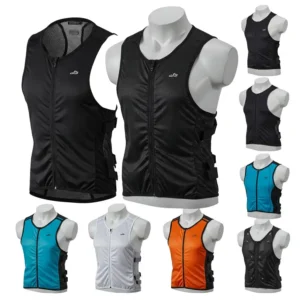
Bike Cooling Vest Accessories Worth Considering 🧰🔌
Enhance your cooling experience with these complementary products:
- Insulated Transport Bags: Keep PCM vests frozen until ride time
- Cooling Neck Wraps: Target this high-sensitivity area for additional relief
- Quick-Dry Undershirts: Create an ideal base layer for your cooling vest
- Portable Spray Bottles: Refresh evaporative vests on longer rides
- Cooling Towels: Complement your vest during breaks and rest stops
Environmental Considerations and Sustainability 🌱♻️
As environmentally conscious cyclists, it’s worth considering the ecological impact of cooling technology:
Eco-Friendly Options
Some manufacturers have developed more sustainable approaches to cooling technology:
- Biodegradable PCM materials
- Vests made from recycled fabrics
- Manufacturing processes that minimize water usage and carbon footprint
- Products with longer lifespans to reduce waste
According to the Sustainable Apparel Coalition, the environmental impact of cooling garments varies significantly based on manufacturing methods and materials used.
Reducing Environmental Impact
To minimize the ecological footprint of your cooling solution:
- Choose durable products that won’t need frequent replacement
- Properly maintain your vest to extend its useful life
- Look for companies with transparent sustainability practices
- Consider water usage of evaporative vests in drought-prone regions
- Properly recycle components when replacement is necessary
Future Innovations in Cooling Technology
The cooling apparel industry continues to evolve with promising developments on the horizon:
- Biodegradable cooling gels
- Solar-powered active cooling systems
- Smart fabrics that adjust cooling properties based on body temperature
- Recycled and upcycled materials with enhanced cooling properties
The Science Behind Body Cooling and Athletic Performance 🧪🔬
Understanding the physiological benefits of cooling can help you appreciate why a bike cooling vest is more than just a comfort item.
Thermoregulation and Exercise
The human body has a remarkable system for temperature regulation, but it has limits, especially during intense exercise in hot environments. A study from the University of Connecticut’s Korey Stringer Institute found that for every 1°C rise in core temperature above optimal, physical performance decreases by approximately 3-5%.
The Role of Pre-Cooling
Research published in the European Journal of Applied Physiology demonstrates that pre-cooling before exercise can delay the onset of fatigue and improve endurance performance by 5-10% in hot conditions. Your bike cooling vest can serve as an effective pre-cooling tool when worn 15-20 minutes before your ride.
Cooling and Cognitive Function
Temperature regulation doesn’t just affect physical performance; it impacts cognitive function too. A Stanford University study found that overheating can reduce attention, decision-making ability, and reaction time – all critical factors for safe cycling, especially in traffic or technical terrain.
Heat Adaptation vs. Cooling Assistance
While heat acclimation (gradually adapting to exercise in hot conditions) is valuable, research from the International Journal of Sports Physiology and Performance suggests that even heat-adapted athletes benefit from cooling strategies during intense exercise in high temperatures.
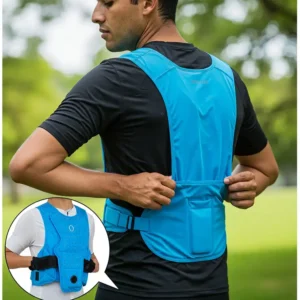
FAQs About Bike Cooling Vests ❓❄️
❓ How much weight does a bike cooling vest add to my ride?
❓ Can I wear a bike cooling vest under my cycling jersey?
❓ How long does a bike cooling vest stay cold during intense riding?
❓ Are bike cooling vests worth the investment for casual riders?
❓ Do cooling vests work effectively in high humidity environments?
Personal Cooling Beyond the Bike 🏃♂️🏋️♀️
While optimized for cycling, your bike cooling vest can enhance comfort and performance in various other activities:
- Running and Jogging: Pre-cool before summer runs
- Hiking and Outdoor Work: Manage heat during extended outdoor activities
- Gym Workouts: Maintain comfortable temperature during intense training
- Spectator Sports: Stay cool while watching outdoor events
- Yard Work and Gardening: Reduce heat stress during outdoor chores
Combining Cooling Strategies for Maximum Effect
For the most effective temperature management, especially in extreme conditions, consider a comprehensive approach:
- Pre-Cooling: Use your bike cooling vest before activity
- Active Cooling: Wear appropriate cooling garments during exercise
- Hydration Strategy: Consume cold fluids regularly
- External Cooling: Use cooling towels or water spray during breaks
- Post-Exercise Cooling: Accelerate recovery with cooling garments after activity
The Future of Cycling Cooling Technology 🔮🚀
The field of personal cooling technology continues to advance rapidly, with several exciting developments on the horizon:
Emerging Technologies
- Thermoelectric Cooling: Solid-state cooling that requires no ice or water
- Smart Cooling Systems: Garments that automatically adjust cooling based on body temperature and exertion level
- Graphene-Based Materials: Ultra-lightweight cooling textiles with exceptional thermal properties
- Biological Cooling Agents: Bio-inspired cooling solutions that mimic natural cooling mechanisms
- Nanotechnology Fabrics: Advanced textiles that provide cooling at the molecular level
Integration with Cycling Gear
Future developments may include:
- Cooling systems built directly into cycling jerseys and bibs
- Helmet-integrated cooling for head temperature regulation
- Smart bike computers that sync with cooling garments to optimize temperature
Conclusion: Staying Cool for Better Rides 🚴♂️❄️
Investing in a quality bike cooling vest is one of the most effective ways to extend your riding season, improve performance, and enhance comfort during hot weather cycling. By understanding the different technologies available and matching them to your specific needs, you can make an informed decision that will pay dividends in riding enjoyment.
Remember that the best bike cooling vest for you depends on your unique combination of riding style, local climate, and personal preferences. Consider all the factors we’ve discussed, from cooling technology and duration to fit and maintenance requirements.
Whether you’re pushing your limits in a summer century ride, enjoying weekend trail adventures, or simply commuting to work in the heat, the right cooling solution can transform your experience and help you ride stronger, longer, and more comfortably.
Don’t Let the Heat Keep You Off the Saddle! 🔥→❄️
Grab a cooling vest that matches your needs and enjoy the freedom of comfortable riding regardless of the temperature. Your body will thank you, your performance will improve, and most importantly, you’ll enjoy more time doing what you love – riding your bike.
📱 Ready to Beat the Heat? Check Out These Top-Rated Cooling Vests Today! 🚴♀️❄️

Recommended for You:
- 15 Stylish Cool Vests for Women That Will Transform Your Wardrobe in 2025
- Cooling Towel with Logo: Guide to Promotional Cooling Towels for Businesses
- Personalized Cooling Towels: Options for Custom Cooling Towel Personalization
Disclaimer: This article contains affiliate links. If you purchase products through these links, we may earn a small commission at no additional cost to you.
✨ Found this helpful? Share it with your friends! 💬🤗
