
In This Article
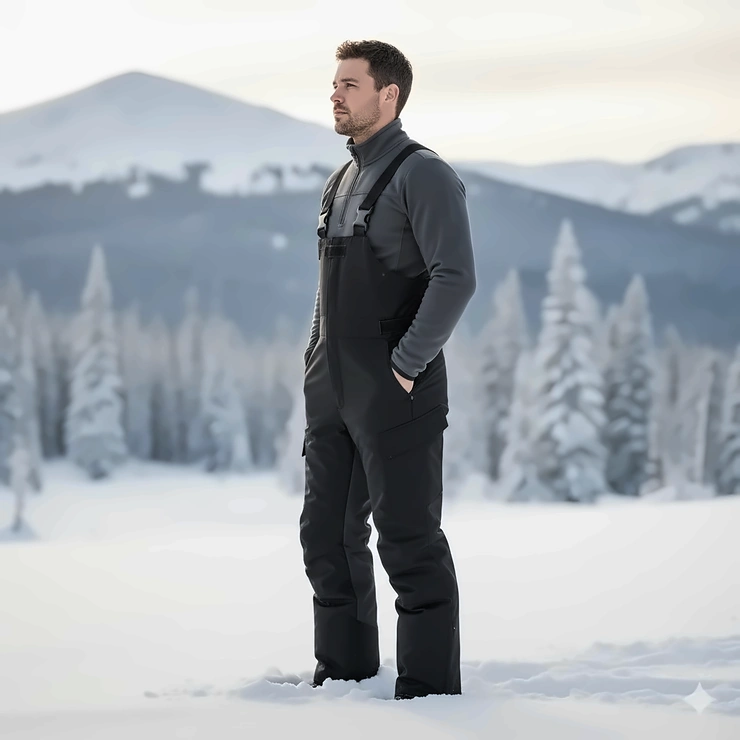
Let me tell you something—there’s nothing worse than being stuck outside in freezing temperatures with inadequate gear. I learned this the hard way during a hunting trip in northern Minnesota when the windchill hit -20°F and my regular pants just weren’t cutting it. That’s when I discovered the game-changing power of quality cold weather bibs.

Cold weather bibs aren’t just oversized overalls; they’re your frontline defense against hypothermia, frostbite, and miserable outdoor experiences. Whether you’re hunting in a tree stand at dawn, working construction in January, or ice fishing on a frozen lake, the right bibs can mean the difference between enjoying your time outside and cutting it dangerously short. According to the CDC, hypothermia can occur even at temperatures above 40°F when combined with wind and moisture, making proper insulation absolutely critical.
The cold weather bibs market has exploded in 2025, with manufacturers incorporating innovative technologies like heat-retention fabrics, waterproof membranes, and strategic insulation placement. From budget-friendly options under $100 to premium hunting bibs exceeding $400, there’s a perfect pair for every need and budget. In this comprehensive guide, I’ve tested and analyzed the top performers to help you make an informed decision.
Quick Comparison Table
| Product | Best For | Insulation | Price Range | Waterproof Rating |
|---|---|---|---|---|
| ArcticShield Tundra Bib | Extreme Cold Hunting | Retain Technology | $150-$180 | Yes (Ripstop) |
| Carhartt Super Dux | Outdoor Recreation | 80g 3M™ Thinsulate™ | $140-$170 | Rain Defender® |
| Sitka Fanatic Bib | Premium Late Season | Multi-layer System | $400+ | Gore-Tex® |
| Dickies Duck Bib | Budget Work Use | Mid-weight Poly | $60-$100 | DWR Finish |
| Truewerk T4 WerkBib | Professional Work | 80 GSM | $250-$300 | DWR + 4-way Stretch |
| KEY Apparel Duck Bib | Farm & Ranch | Bonded Fiberfil | $60-$90 | Water Resistant |
| Legendary Whitetails HuntGuard | Mid-season Hunting | Reflextec Padding | $150-$200 | Water Repellent |
💬 Just one click – help others make better buying decisions too! 😊
Top 7 Cold Weather Bibs: Expert Analysis
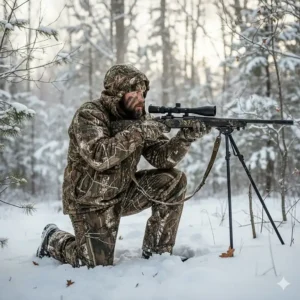
1. ArcticShield Tundra Camo Hunting Bib – Best Overall
The ArcticShield Tundra Bib represents the pinnacle of affordable cold weather protection, utilizing their proprietary Retain heat-retention technology that captures and returns up to 90% of your body heat. At around $150-$180, these bibs deliver exceptional value for serious outdoor enthusiasts.
Key Specifications:
- Retain heat-retention technology
- Waterproof ripstop outershell
- Articulated padded knees with stretch panels
- YKK Aquaguard zippers throughout
Customers consistently praise the Tundra’s performance in sub-zero conditions. One reviewer noted staying comfortable during a 6-hour tree stand sit at 15°F, while another highlighted the surprisingly lightweight feel despite heavy-duty construction. The three-way front pocket system and side-entry handwarmer pockets provide ample storage without bulk.
✅ Pros:
- Exceptional heat retention in extreme cold
- Breathable yet waterproof construction
- Full mobility with articulated knees
❌ Cons:
- Camo pattern limits versatility
- Runs slightly large in sizing
2. Carhartt Super Dux Insulated Bib Overall – Best for Active Outdoor Use
For those who need cold weather bibs that can handle both work and play, the Carhartt Super Dux series delivers with its 7.75-ounce nylon construction and 80g of 3M™ Thinsulate™ insulation. Priced at $140-$170, these bibs represent Carhartt’s modern take on their legendary 1930s Super Dux line.
Key Specifications:
- Lightweight 7.75 oz. nylon with Rain Defender®
- 80g 3M™ Thinsulate™ insulation
- Ankle-to-thigh leg zippers
- Level 4 Extreme Warmth rating
The Super Dux excels during active pursuits like snowmobiling, ice fishing setup, and winter hiking. Users appreciate the reduced weight compared to traditional duck canvas bibs while maintaining impressive warmth. The multiple utility pockets and quick-access leg zippers make temperature regulation effortless.
✅ Pros:
- Lightweight yet extremely warm
- Excellent mobility for active use
- Carhartt quality at reasonable price
❌ Cons:
- Nylon less durable than duck canvas
- Premium price for synthetic material
3. Sitka Insulated Fanatic Bib – Premium Late Season Champion
When budget isn’t a concern and you demand absolute peak performance, the Sitka Fanatic Bib justifies its $400+ price tag through uncompromising quality and innovative design. This bib represents a complete system engineered for extreme late-season hunting conditions.
Key Specifications:
- Gore-Tex Windstopper membrane
- Mapped textile and fleece construction
- Silent micro-fleece shell
- Safety harness port system
The Fanatic’s standout feature is its textile mapping technology that reduces bowstring contact for left and right-hand shooters. Professional hunters report remaining comfortable in temperatures from 8°F to 30°F for over three hours. The silent snap cargo pockets and micro-grid interior respond intelligently to body temperature changes.
✅ Pros:
- Absolute best-in-class performance
- Completely silent operation
- Innovative safety harness integration
❌ Cons:
- Premium pricing
- Primarily designed for stationary use
4. Dickies Duck Insulated Bib Overalls – Best Budget Work Option
The Dickies Duck Insulated Bib proves you don’t need to spend a fortune for reliable cold weather protection. At $60-$100, these bibs offer exceptional value for construction workers, maintenance crews, and anyone needing affordable winter workwear.
Key Specifications:
- 100% cotton duck shell
- Durable Water Repellent (DWR) finish
- Zip-to-waist function
- ScuffGuard double knees
With a 4.5 out of 5 rating from over 900 reviews, Dickies bibs deliver consistent performance. Users appreciate the adjustable elastic shoulder straps and quick on-off functionality. While some reviewers note the chest pockets won’t fit modern smartphones, the overall construction and warmth receive high marks for the price point.
✅ Pros:
- Unbeatable price-to-performance ratio
- True-to-size fit
- Easy care and maintenance
❌ Cons:
- Smaller pocket sizing
- Mid-weight insulation only
5. Truewerk T4 WerkBib – Best for Professional Contractors
The Truewerk T4 WerkBib represents the future of technical workwear, combining 80 GSM insulation with four-way stretch fabric and ballistic nylon reinforcement. Priced at $250-$300, these bibs target professionals who demand both protection and performance.
Key Specifications:
- 80 GSM insulation throughout
- Ballistic nylon reinforced knees and cuffs
- Full-length side zippers
- Eight functional pockets including phone holsters
Contractors praise the T4’s mobility and comfort during all-day wear. The full-zip design allows quick dressing over layers, while adjustable gaiters prevent snow intrusion. The DWR treatment keeps you dry during light precipitation, and the stretch fabric eliminates the typical stiffness of insulated bibs.
✅ Pros:
- Superior mobility with stretch fabric
- Professional-grade durability
- Thoughtful pocket placement
❌ Cons:
- Higher price point
- May run warm during high activity
6. KEY Apparel Insulated Duck Bib Overall – Best Value for Farm & Ranch
KEY Apparel delivers honest, hardworking bibs at honest prices. Their Insulated Duck Bib, running $60-$90, features 100% cotton 12 oz. duck fabric with bonded polyester fiberfil insulation and black taffeta lining.
Key Specifications:
- 12 oz. 100% cotton duck outer shell
- Mid-weight bonded polyester insulation
- Water and stain resistant finish
- Full-leg zippers for easy on-off
Recent reviews highlight exceptional performance in extreme conditions, with one couple reporting staying warm in 3°F weather during outdoor wood gathering. The reinforced pockets and full-leg zippers receive consistent praise, though some users note the front pockets run small for bulky items.
✅ Pros:
- Excellent durability for farm work
- True-to-size, comfortable fit
- Outstanding customer reviews
❌ Cons:
- Front pockets too small for some uses
- Limited color options
7. Legendary Whitetails HuntGuard Reflextec Bib – Best Mid-Season Hunting
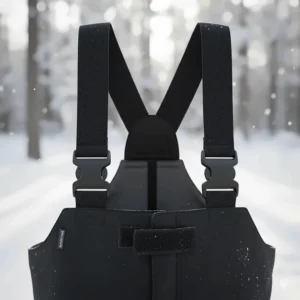
The Legendary Whitetails HuntGuard Reflextec offers premium features at mid-range pricing ($150-$200), making it perfect for hunters who don’t need extreme cold protection but want quality construction and quiet operation.
Key Specifications:
- Reflextec weather protection system
- Removable Huntguard padding
- Silent micro-suede shell
- 20-inch boot zippers with magnetic closures
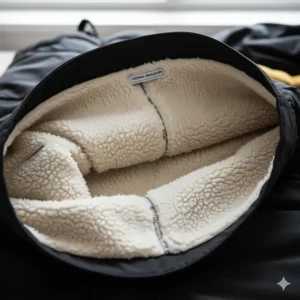
Hunters appreciate the versatility of removable insulation, allowing use in temperatures from below zero to warmer conditions. The ultra-quiet fleece interior and thick Sherpa lining combine with silent zippers for stealthy movement. The bib converts to pants when temperatures rise, adding year-round versatility.
✅ Pros:
- Quiet operation for hunting
- Removable liner extends usability
- Converts to pants configuration
❌ Cons:
- Zippers create some noise
- Best for sitting, less ideal for stalking
✨ Don’t Miss These Exclusive Deals!
🔍 Take your cold weather protection to the next level with these carefully selected products. Click on any highlighted item to check current pricing and availability. These bibs will help you create comfortable outdoor experiences your family will love!
Understanding Cold Weather Bibs: What Makes Them Essential
Cold weather bibs represent specialized protective garments designed to provide comprehensive insulation from waist to ankles, offering superior coverage compared to traditional pants. These overalls-style garments eliminate the gap between jacket and pants, preventing heat loss through your core and maintaining consistent warmth during extended cold exposure.
The fundamental advantage of bibs over standard insulated pants lies in their overlapping coverage with jackets or coats. This overlap creates a thermal barrier that prevents wind and cold air from penetrating vulnerable areas around your midsection. Additionally, the suspender system distributes weight evenly across your shoulders rather than relying on a waistband, improving comfort during all-day wear.
Modern cold weather bibs incorporate advanced materials and technologies far beyond simple padding. Manufacturers now utilize moisture-wicking linings, breathable waterproof membranes, and strategic insulation placement that prioritizes warmth where you need it most while maintaining mobility. Understanding these features helps you select bibs matched to your specific activities and climate conditions.
Types of Cold Weather Bibs and Their Applications
Hunting Bibs
Hunting bibs prioritize silence, camouflage patterns, and extended sit-time warmth. These specialized garments feature quiet exterior fabrics like micro-suede or fleece that won’t spook game, along with heavy insulation designed for minimal movement scenarios. Many hunting bibs incorporate scent-control technologies and strategic pocket placement for ammunition, calls, and accessories.
Work Bibs
Work-oriented cold weather bibs emphasize durability, functionality, and value. Constructed from tough materials like duck canvas or ripstop nylon, these bibs withstand abrasion from tools, equipment, and harsh work environments. Reinforced knees, multiple tool pockets, and easy care fabrics make work bibs practical for construction, maintenance, and outdoor labor.
Outdoor Recreation Bibs
For activities like snowmobiling, ice fishing, and winter hiking, recreation bibs balance warmth with mobility and weight. These bibs typically feature lighter insulation than hunting models but incorporate technical fabrics that manage moisture and provide weather protection during active pursuits. Ventilation zippers and adjustable features allow temperature regulation across varying activity levels.
Insulation Types and Temperature Ratings Explained
Synthetic Insulation
Synthetic insulation materials like polyester fiberfil and 3M™ Thinsulate™ offer consistent performance even when wet, quick drying, and hypoallergenic properties. These manufactured fibers maintain loft and warmth retention better than natural down in humid conditions, making them ideal for wet snow environments and high-activity situations where moisture management matters.
Thinsulate stands out as the gold standard for synthetic insulation, providing exceptional warmth-to-weight ratios. Its microfibers trap more air in less space, allowing thinner garments that don’t restrict movement. Different Thinsulate weights (ranging from 40g to 200g+) correspond to varying temperature ratings, with higher gram weights providing greater warmth.
Heat Retention Technologies
Innovative manufacturers have developed proprietary heat retention systems that go beyond traditional insulation. ArcticShield’s Retain technology uses metallized material to reflect body heat back toward the wearer, capturing up to 90% of radiated warmth. Similarly, reflective barriers integrated into liner materials boost thermal efficiency without adding bulk.
Understanding Warmth Ratings
Carhartt’s four-level warmth rating system (Warm, Warmer, Warmest, Extreme Warmth) provides clear guidance for temperature selection. Level 1 suits mild cold, Level 2 handles typical winter conditions, Level 3 tackles brutally cold weather, and Level 4 confronts extreme arctic conditions. However, remember that personal factors like activity level, layering, and individual cold tolerance significantly impact comfort across these ratings.
Waterproofing and Weather Protection Features
DWR (Durable Water Repellent) Treatments
DWR coatings cause water to bead up and roll off fabric surfaces rather than soaking in. This treatment protects against light rain, snow, and splashes without compromising breathability. However, DWR eventually wears off with use and washing, requiring periodic reapplication to maintain effectiveness. Most quality cold weather bibs feature factory-applied DWR as a baseline protection.
Waterproof Membrane Technologies
For serious weather protection, look for bibs incorporating waterproof-breathable membranes like Gore-Tex, which prevent water penetration while allowing moisture vapor to escape. These membranes keep you dry from external precipitation while preventing internal condensation from sweat accumulation. The combination of waterproofing and breathability creates ideal conditions for active cold weather pursuits.
Critical Sealing Points
Even the best waterproof fabrics fail if seams aren’t properly sealed. Quality bibs feature taped or sealed seams at all stitching points, preventing water from wicking through needle holes. Pay special attention to high-stress areas like knees, seat, and zipper seams, which experience the most moisture exposure and mechanical stress.
Mobility and Fit Considerations
Articulated Knee Design
Pre-shaped, articulated knees allow natural leg movement without fabric bunching or restriction. This design feature proves critical for activities requiring frequent kneeling, squatting, or climbing. The best cold weather bibs incorporate articulation through curved pattern pieces rather than simply adding extra fabric, maintaining a clean silhouette while improving function.
Stretch Panels and Flex Fabrics
Strategic placement of stretch materials in high-movement areas like hips, knees, and back enhances comfort and range of motion. Four-way stretch fabrics move with your body in all directions, eliminating the stiff, restrictive feel of traditional insulated bibs. This technology has revolutionized cold weather bibs for active users who refuse to sacrifice mobility for warmth.
Sizing for Layering
Always size cold weather bibs to accommodate base layers and mid-layers underneath. Bibs should fit comfortably over long underwear, fleece pants, and potentially an additional insulating layer without feeling tight or restricting circulation. Poor-fitting bibs that compress insulation or restrict blood flow actually decrease warmth rather than enhancing it, according to MedlinePlus cold weather safety guidelines.
Essential Features and Functionality
Zipper Systems
Full-length side zippers transform cold weather bibs from wrestling matches into effortless gear. These zippers allow you to don and doff bibs without removing boots, saving time and frustration. Additionally, leg zippers provide ventilation during high-activity periods, preventing overheating and moisture buildup. Look for quality YKK zippers with storm flaps that prevent snow and wind infiltration.
Pocket Configuration
Thoughtful pocket placement makes or breaks daily usability. Chest pockets should accommodate phones, GPS units, or hand warmers at chest height for easy access. Cargo pockets on thighs hold larger items without interfering with movement, while hand warmer pockets with fleece lining provide quick refuge for cold fingers. Secure closures prevent item loss during active movement.
Adjustability and Customization
Quality bibs offer multiple adjustment points for personalized fit. Elastic suspender straps accommodate different torso lengths and clothing layers, while adjustable waist systems fine-tune fit around the midsection. Hem adjustments and gaiter systems seal out snow and moisture, creating a customized barrier against the elements.
Layering Strategies for Maximum Warmth
Base Layer Selection
Your base layer should wick moisture away from skin while providing initial insulation. The CDC recommends avoiding cotton entirely in cold weather, as it retains moisture and loses insulating properties when wet. Instead, choose merino wool, polyester, or polypropylene base layers that maintain warmth even if dampened by sweat.
Mid-Layer Principles
Mid-layers trap warm air and provide bulk insulation between your base layer and bibs. Fleece pants, insulated tights, or lightweight down pants work excellently as mid-layers, depending on temperature and activity level. The key is maintaining breathability through the entire system to prevent moisture accumulation that can chill you once activity stops.
System Integration
Think of your clothing as an integrated system rather than individual pieces. Your cold weather bibs should work harmoniously with your jacket, base layers, and mid-layers, with each component complementing the others. Overlap your bib top with your jacket by several inches to eliminate gaps, and ensure all layers can breathe together to manage moisture effectively.
Maintenance and Care for Longevity
Proper Washing Techniques
Most cold weather bibs require gentle machine washing with mild detergent to preserve both insulation and waterproof coatings. Avoid fabric softeners and bleach, which break down technical fabrics and treatments. Tumble dry on low heat or line dry, depending on manufacturer recommendations. Over-washing degrades performance, so spot clean when possible and only full-wash when truly necessary.
Storage Best Practices
Store bibs in cool, dry locations away from direct sunlight and heat sources. Hang them rather than folding to prevent permanent creases that compromise insulation. Before long-term storage, ensure bibs are completely clean and dry to prevent mildew growth. Consider using garment bags to protect from dust and pests during off-season storage.
Repair and Restoration
Small tears or holes in waterproof bibs can be patched with specialized repair tape or sent to manufacturers for professional repair. Many companies offer repair services that extend product life significantly. Reapplying DWR treatments annually restores water-shedding performance, and replacing worn zippers proves more economical than replacing entire bibs.
Cold Weather Safety and Health Considerations
Extended cold exposure poses serious health risks that proper equipment can mitigate but never eliminate completely. Understanding hypothermia and frostbite helps you make informed decisions about gear selection and outdoor duration.
Hypothermia occurs when your body loses heat faster than it can produce it, dropping core temperature below 95°F. Early symptoms include shivering, confusion, and poor coordination. The U.S. Forest Service emphasizes that hypothermia can develop even at temperatures above 40°F when combined with wind, rain, or inadequate clothing. Quality cold weather bibs provide critical protection against hypothermia by maintaining core temperature and preventing heat loss through your lower body.
Frostbite damages skin and underlying tissues through freezing, most commonly affecting extremities like toes, fingers, and ears. While bibs protect your legs and lower torso from frostbite, remember that complete cold weather protection requires attention to all exposed areas. Watch for numbness, white or grayish skin, and hard or waxy texture as frostbite warning signs.
Comparing Cold Weather Bibs vs. Traditional Alternatives
Cold Weather Bibs vs. Insulated Pants
| Feature | Cold Weather Bibs | Insulated Pants |
|---|---|---|
| Core Coverage | Excellent overlap with jacket | Gap at waistband |
| Weight Distribution | Suspenders spread load | Waistband pressure |
| Mobility | Some restriction | Better flexibility |
| Warmth | Superior overall | Good with proper layering |
Cold Weather Bibs vs. Coveralls
Coveralls provide full-body coverage from shoulders to ankles, while bibs require a separate jacket. Coveralls excel for extremely dirty work environments where contamination protection matters, but bibs offer superior temperature regulation through jacket removal. Most hunters and outdoor recreationists prefer bibs for their versatility, while industrial workers in extreme conditions lean toward coveralls.
Choosing Cold Weather Bibs: Decision Framework
1. Identify Your Primary Use Case
Start by defining how you’ll primarily use your cold weather bibs. Hunting demands different features than construction work, which differs from recreational activities. Prioritize features aligned with your main application, recognizing that specialized bibs excel in their intended use but may underperform in other scenarios.
2. Determine Your Temperature Range
Consider the coldest temperatures you’ll regularly face. Light insulation (40-60g) handles moderate cold (20-40°F), medium insulation (80-100g) suits cold conditions (0-20°F), and heavy insulation (150g+) tackles extreme cold (below 0°F). Remember that activity level significantly impacts temperature needs—stationary hunters need heavier insulation than active workers at the same temperature.
3. Set Your Budget Realistically
Quality cold weather bibs range from $60 budget options to $400+ premium models. While expensive bibs often justify their cost through superior materials and construction, excellent mid-range options exist at $100-$200. Determine your budget based on use frequency and conditions—daily professional use warrants higher investment than occasional recreational use.
4. Evaluate Durability Requirements
Construction workers, farmers, and those working around machinery need reinforced bibs with heavy-duty materials and construction. Hunters can prioritize lighter weight and quieter fabrics. Recreational users balance between durability and performance features. Match construction quality to your wear-and-tear expectations.
5. Consider Brand Reputation and Warranty
Established brands like Carhartt, Sitka, and Dickies offer proven track records and solid warranties. While lesser-known brands may provide good value, established manufacturers typically deliver better customer service, replacement part availability, and long-term support. Research brand reputation through user reviews and industry feedback.
FAQ Section
❓ What temperature are cold weather bibs good for?
❓ How should cold weather bibs fit for proper insulation?
❓ Can you wash insulated cold weather bibs in a washing machine?
❓ What is the difference between hunting bibs and work bibs?
❓ Do cold weather bibs work for women or are they only for men?
Conclusion: Finding Your Perfect Cold Weather Bibs
Selecting the right cold weather bibs transforms winter from something to endure into a season you can genuinely enjoy. Whether you’re spending dawn to dusk in a tree stand, working construction through a polar vortex, or enjoying weekend ice fishing trips, the perfect bibs match your specific needs, budget, and conditions.
For most users seeking exceptional value and proven performance, the ArcticShield Tundra Bib delivers unbeatable bang for your buck with its innovative heat retention technology and solid construction. Budget-conscious workers should look to Dickies or KEY Apparel for reliable protection without financial strain. Premium hunters willing to invest in the absolute best will find the Sitka Fanatic Bib worth every penny through superior materials, thoughtful design, and exceptional performance.
Remember that the most expensive bibs aren’t always the best choice for your situation. A $60 pair of Dickies bibs that you’ll actually wear beats $400 Sitka bibs that stay in the closet because you’re afraid of damaging them. Match your purchase to your real-world usage, budget honestly, and don’t hesitate to invest in quality when it aligns with your needs.
Winter challenges us, but proper equipment levels the playing field. With the right cold weather bibs, you’ll stay comfortable, safe, and focused on whatever activities bring you outdoors. Take the time to choose wisely, care for your investment properly, and enjoy many seasons of reliable winter protection.
Recommended for You
- 7 Best Cold Weather Hunting Clothes That Beat Freezing Temps (2025)
- 7 Best Cold Weather Hunting Jackets 2025 (Expert-Tested & Reviewed)
- 7 Best Cold Weather Hunting Boots for 2025 (Tested & Reviewed)
Disclaimer: This article contains affiliate links. If you purchase products through these links, we may earn a small commission at no additional cost to you.
✨ Found this helpful? Share it with your friends! 💬🤗
