
In This Article
I’ll never forget the morning I watched a six-point buck walk past my stand at 15 yards while I was shaking so violently from the cold that I couldn’t draw my bow. That humbling experience taught me what thousands of hunters learn the hard way every season: a cold weather hunting jacket isn’t just gear—it’s the difference between success and frostbitten failure.
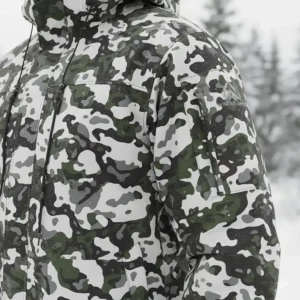
When temperatures plummet and the best hunting opportunities arrive, your jacket becomes your lifeline. The right cold weather hunting jacket keeps you warm enough to stay motionless for hours, quiet enough to avoid spooking game, and flexible enough to make that critical shot when it counts. But with hundreds of options flooding the market, how do you choose the one that actually works?
After testing dozens of jackets in temperatures ranging from 50°F down to brutal subzero conditions, I’ve narrowed down the absolute best options for 2025. Whether you’re a whitetail hunter sitting in a treestand or a western hunter stalking elk in the high country, this guide reveals exactly what works—and what doesn’t.
Quick Comparison Table: Top Cold Weather Hunting Jackets at a Glance
| Jacket Model | Best For | Temperature Rating | Key Feature | Price Range |
|---|---|---|---|---|
| Sitka Fanatic Jacket | Whitetail Hunters | -10°F to 40°F | Ultra-Silent Berber Fleece | $400-$450 |
| RedHead Silent Stalker Elite 3-in-1 | All-Around Versatility | 0°F to 50°F | 3 Jackets in One | $160-$180 |
| NEW VIEW Insulated Hunting Jacket | Budget Hunters | 20°F to 45°F | Waterproof & Windproof | $70-$90 |
| Stone Glacier Grumman | Backcountry Hunters | -5°F to 35°F | 850+ Fill Down, 11.7 oz | $340-$360 |
| Hillman 6OL | Extreme Cold Specialists | -40°F to 20°F | Matrix Insulation | $380-$420 |
| King’s Camo XKG Wind-Defender | Active Stalkers | 25°F to 50°F | Soft-Shell Fleece | $180-$220 |
| Huntworth Matterhorn | Stand Hunters | -5°F to 35°F | Graphene Sherpa Technology | $250-$290 |
💬 Just one click – help others make better buying decisions too!😊
Top 7 Cold Weather Hunting Jackets: Expert Analysis
1. Sitka Fanatic Jacket – The Gold Standard for Silent Warmth
When serious whitetail hunters talk about the ultimate extreme cold weather hunting jacket, the Sitka Fanatic Jacket dominates the conversation—and for good reason. This jacket combines GORE-TEX WINDSTOPPER technology with high-loft Berber fleece and PrimaLoft Silver Hi-Loft Ultra insulation, creating what many consider the quietest hunting jacket on the planet.
Key Specifications:
- Weight: 46 oz
- Insulation: PrimaLoft Silver Hi-Loft Ultra
- Temperature Range: -10°F to 40°F
- Special Features: Diagonal zipper with integrated handmuff, safety harness port
The innovative diagonal zipper design allows for a pass-through handmuff lined in Berber fleece, keeping your hands warm while maintaining the ability to draw your bow instantly. Sound testing reveals it cuts audible engagement distance with deer in half compared to traditional hunting jackets.
Customer feedback consistently praises its ability to keep hunters comfortable during all-day sits in temperatures well below freezing. One verified purchaser noted staying warm through six-hour sits in 15°F weather without layering underneath.
✅ Pros:
- Unmatched silence for bowhunters
- 100% windproof warmth
- Body-mapped construction optimizes draw cycle
❌ Cons:
- Premium price point ($400+)
- Heavier than ultralight options
Price: $400-$450
2. RedHead Silent Stalker Elite 3-in-1 Parka – Best Value for Versatility
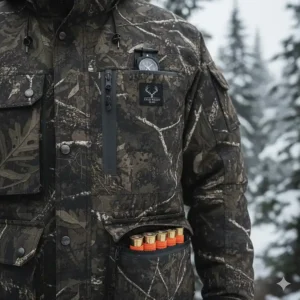
For hunters seeking the best cold weather hunting jacket without breaking the bank, the RedHead Silent Stalker Elite 3-in-1 Parka delivers exceptional value at under $180. This system includes an outer shell jacket, an insulated inner jacket with 200 grams of Thermolite Micro Insulation in the torso, and the ability to wear them separately or together.
Key Specifications:
- Weight: Approximately 52 oz (combined)
- Insulation: 200g Thermolite Micro (torso), 150g (arms)
- Temperature Range: 0°F to 50°F
- Special Features: Three-way configuration, TrueTimber Strata camo
This modular design means you’re essentially getting three jackets for $85 each. The inner jacket alone handles cold mornings, the outer shell protects against wind and rain, and combining both creates a fortress against extreme cold.
Field testers report reliable performance in frigid temperatures, with one hunter using it successfully during Colorado elk hunts in single-digit conditions. The adjustable cuffs and multiple pocket configurations add practical value for carrying calls, rangefinders, and other essentials.
✅ Pros:
- Exceptional value (three jackets for $170)
- Highly versatile across seasons
- Plenty of pockets for gear
❌ Cons:
- Heavier than single-layer options
- Sizes run slightly snug
Price: $160-$180
3. NEW VIEW Insulated Hunting Jacket – Best Budget Cold Weather Option
The NEW VIEW Insulated Hunting Jacket proves you don’t need to spend $400 to stay warm in the field. This cold weather hunting jacket features extra insulation designed specifically for deer and duck hunting, with windproof and water-resistant construction that handles fall and winter conditions admirably.
Key Specifications:
- Weight: 3.83 lbs
- Features: Detachable hood, adjustable cuffs, drawstring hem
- Temperature Range: 20°F to 45°F
- Special Features: Realtree camo patterns, baggy fit for layering
The detachable hood and adjustable features provide customizable comfort, while the baggy fit allows layering warm apparel underneath—ideal for big game hunting in varying conditions. The soft, warm lining receives consistent praise from budget-conscious hunters.
Amazon reviews highlight excellent warmth-to-price ratio, with customers reporting it performs well in temperatures between 20°F and 40°F. One reviewer specifically noted it’s “very helpful to wear in below-freezing temperatures” while maintaining mobility for outdoor work and hunting.
✅ Pros:
- Outstanding value under $90
- Good insulation for the price
- Comfortable fit with layering room
❌ Cons:
- Not suitable for extreme subzero temperatures
- Heavier than premium options
Price: $70-$90
4. Stone Glacier Grumman Down Jacket – Ultimate Packable Warmth
For backcountry hunters who need serious warmth without the weight penalty, the Stone Glacier Grumman represents perfection in packable insulation. Using 850+ fill HyperDry goose down and a 15-Denier Pertex Quantum shell, this extreme cold weather hunting jacket weighs just 11.7 ounces yet delivers exceptional thermal performance.
Key Specifications:
- Weight: 11.7 oz
- Insulation: 850+ fill HyperDry goose down
- Pack Size: 8″ x 4″ x 3.5″
- Temperature Range: -5°F to 35°F
This jacket packs into a stuff sack smaller than a water bottle, making it invaluable for backpack hunters who need to manage every ounce. The HyperDry treatment maintains insulating power even in wet conditions, addressing down’s traditional weakness.
Field testing during late rifle season in Colorado’s Gore Range showed it standing up against 10-degree cold with fierce winds. The incredible hood design hugs the head, providing significant additional warmth. One tester wore it layered under a shell during an unexpected blizzard in the Flattop Mountains with complete confidence.
✅ Pros:
- Incredibly lightweight (11.7 oz)
- Extremely packable
- Excellent warmth-to-weight ratio
❌ Cons:
- Less durable than heavier jackets
- Premium price
- Not ideal for brushy terrain
Price: $340-$360
5. Hillman 6OL Cold Weather Hunting Jacket – Extreme Cold Domination
When Arctic-level conditions demand unwavering performance, the Hillman 6OL stands alone. This extreme cold weather hunting jacket features the world’s most breathable membrane (Dryhunt technology), Matrix insulation with the lowest weight-to-warmth ratio available, and Graphene heat-sync lining that redistributes warmth efficiently across your body.
Key Specifications:
- Breathability: 32,000 g/m²/24h
- Insulation: Matrix multi-layer system
- Special Features: OptiSight6 hood, Termovent anti-condensation system
- Temperature Range: -40°F to 20°F
The Dryhunt nanomembrane provides 360° elasticity while maintaining waterproofness—a crucial advantage over traditional membranes that restrict movement. The nano-polyester construction creates acoustic stealth, keeping you silent even when brushing against vegetation.
This jacket represents the pinnacle of Hillman’s 6-Level Layering System, delivering up to 22 times better performance than conventional gear. European hunters from the Scottish Highlands to the Austrian Alps rely on this technology for the harshest winter conditions.
✅ Pros:
- Unmatched extreme cold performance
- Superior breathability (32,000 g/m²/24h)
- Silent, stretchy membrane
- PFAS-free, environmentally responsible
❌ Cons:
- Overkill for moderate temperatures
- Premium pricing
- Less common in US retail
Price: $380-$420
6. King’s Camo XKG Wind-Defender Shift Jacket – Best for Active Hunters
Active hunters who alternate between glassing, stalking, and stand hunting need versatility above all else. The King’s Camo XKG Wind-Defender Shift Jacket delivers with soft-shell fleece construction that’s tough enough for brush yet whisper-quiet when drawing your bow.
Key Specifications:
- Construction: Soft-shell fleece
- Weight: Approximately 28 oz
- Temperature Range: 25°F to 50°F
- Special Features: Generous cut for layering, wind-resistant
This uninsulated jacket’s generous cut gives you room to layer underneath, making it effective from early season bowhunting through late season winter hunts. It stops wind and resists light precipitation effectively, though you’ll want a rain jacket for heavy downpours.
The soft-shell design provides an excellent balance of weather protection, breathability, and flexibility—perfect for western hunters covering miles of terrain. The fabric holds up well against scrapes with brush while remaining ultra-quiet during critical moments.
✅ Pros:
- Excellent for active hunting
- Quiet soft-shell construction
- Versatile across seasons with layering
❌ Cons:
- Not waterproof for heavy rain
- Requires layering in extreme cold
Price: $180-$220
7. Huntworth Matterhorn Jacket – Heat-Retaining Champion
Recent independent testing crowned the Huntworth Matterhorn as the jacket that reaches the highest internal temperature of any cold weather hunting jacket tested. Its graphene sherpa technology with “Heat Boost” creates exceptional thermal capacity, absorbing heat rapidly and retaining it longer than competitors.
Key Specifications:
- Technology: Graphene Sherpa with Heat Boost
- Peak Equilibrium Time: 75 minutes
- Temperature Range: -5°F to 35°F
- Special Features: Rapid heat absorption, high thermal retention
Laboratory testing revealed this jacket reached thermal equilibrium in 75 minutes and continued heating even after the heat source was removed. When pre-warmed (such as storing in a heated truck), it starts warmer and holds heat significantly longer—a major advantage for stand hunters.
Field hunters report the Matterhorn excels when you generate body heat through hiking to your stand, then need that warmth to last through hours of stationary hunting. The high thermal capacity makes it an excellent choice for hunters in frigid temperatures who stay active before settling in.
✅ Pros:
- Highest thermal capacity in testing
- Exceptional heat retention
- Works great when pre-warmed
- Good mid-range pricing
❌ Cons:
- Shows larger temperature drop (because it starts hotter)
- Heavier than ultralight options
Price: $250-$290
🔍 Don’t Miss These Exclusive Deals!
Take your hunting success to the next level with these carefully selected cold weather hunting jackets. Click on any highlighted item to check current pricing and availability on Amazon. These proven performers will keep you warm and focused during those critical moments when trophy animals appear!
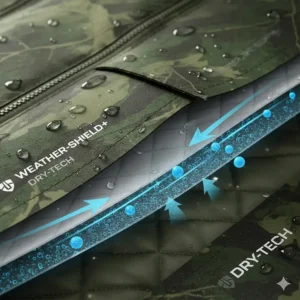
Understanding Cold Weather Hunting Jacket Technologies
The Science Behind Insulation Types
Not all insulation performs equally when temperatures drop. Understanding the differences helps you choose the right cold weather hunting jacket for your specific conditions.
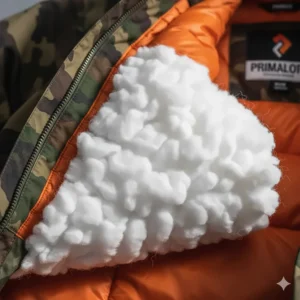
Down Insulation offers the best warmth-to-weight ratio, with 800-900 fill power down trapping more air per ounce than any synthetic alternative. However, traditional down loses insulating power when wet. Modern treatments like HyperDry help, but down still works best in dry, cold conditions. Jackets like the Stone Glacier Grumman exemplify premium down construction.
Synthetic Insulation (PrimaLoft, Thermolite, etc.) retains warmth even when wet, making it ideal for hunters facing rain, snow, or high-exertion activities that generate sweat. While bulkier than down for equivalent warmth, synthetic fills dry quickly and cost less. The Sitka Fanatic’s PrimaLoft Silver demonstrates high-performance synthetic insulation.
Advanced Matrix Systems like those in the Hillman 6OL use multi-layer thermal technology that combines different insulation types strategically. These systems deliver exceptional warmth without unnecessary bulk, though they command premium prices.
Waterproof vs. Water-Resistant: What You Actually Need
The terms “waterproof” and “water-resistant” aren’t interchangeable, and choosing wrong can ruin your hunt.
Gore-Tex fabrics feature an expanded PTFE membrane with approximately 9 billion pores per square inch that blocks liquid water while allowing water vapor to pass through, creating truly breathable waterproof protection. This technology, invented in 1969, revolutionized outdoor apparel and remains the gold standard for hunting jackets.
Water-resistant jackets use DWR (Durable Water Repellent) coatings that cause water to bead up and roll off the surface. These work well for light precipitation and morning dew but will eventually soak through in extended rain. For serious weather protection, look for waterproof ratings of at least 10,000mm hydrostatic head.
Why Silence Matters More Than You Think
Game animals evolved sophisticated hearing as a survival mechanism. A noisy jacket announces your presence long before you see that trophy buck. High-quality cold weather hunting jackets use soft-shell fabrics, Berber fleece, or specialized quiet membranes that won’t crinkle when you move.
The Sitka Fanatic’s sound testing revealed it cuts audible engagement distance with deer in half—a game-changing advantage for bowhunters who need to draw undetected. Even rifle hunters benefit from quiet fabrics when repositioning or dealing with wind rustling their jacket.
How to Choose the Right Cold Weather Hunting Jacket for Your Style
Match Your Jacket to Your Hunting Method
Treestand and Blind Hunters spend hours sitting motionless in one spot, requiring maximum insulation. Look for jackets with 200+ grams of insulation, windproof membranes, and features like hand muffs. The Sitka Fanatic and Huntworth Matterhorn excel here.
Spot-and-Stalk Hunters cover miles of terrain, generating body heat through activity. You need breathable, lightweight options that pack small and layer well. The Stone Glacier Grumman and King’s Camo XKG work perfectly for this style.
All-Around Versatility demands adaptable systems. The RedHead Silent Stalker Elite 3-in-1’s modular design lets you adjust from early season warmth to late-season deep cold using the same jacket system.
Temperature Rating: Setting Realistic Expectations
Manufacturers’ temperature ratings provide general guidance, but your personal tolerance varies based on:
- Activity level – Moving generates heat; sitting still doesn’t
- Metabolism – Some people simply run warmer than others
- Layering – Base and mid-layers dramatically affect warmth
- Wind exposure – Wind chill makes 20°F feel like 0°F
- Duration – Six hours sitting feels colder than two
As a rule, choose a jacket rated 10-15°F colder than your typical hunting conditions. If you regularly hunt in 25°F weather, target jackets rated to 10-15°F. This buffer ensures comfort even during unexpected temperature drops or when sitting motionless for extended periods.
Fit and Mobility: Don’t Sacrifice Movement for Warmth
Your cold weather hunting jacket must allow full range of motion for drawing a bow, shouldering a rifle, or climbing into a treestand. Look for:
Articulated Sleeves – Pre-curved arms that move naturally with your body Gusseted Underarms – Extra fabric panels that prevent binding Flexible Fabrics – Soft shells and stretch materials Body-Mapped Construction – Different fabrics in different areas for optimized performance
The Sitka Fanatic pioneered body-mapping that optimizes the archery draw cycle, with reduced bulk in the draw arm and optimal bowstring clearance. This attention to mobility separates hunting-specific jackets from general outdoor wear.
Essential Features Every Quality Cold Weather Hunting Jacket Needs
Pocket Configuration: Strategic Storage
The best cold weather hunting jacket includes strategically placed pockets for hunting essentials. Look for:
- Chest pockets for rangefinder and grunt tubes (quick access without removing gloves)
- Hand-warmer pockets positioned for easy access while wearing a harness
- Interior pockets for license, calls, and items you want protected from moisture
- Waterproof zippers on critical pockets to protect electronics and fire-starting materials
The RedHead Silent Stalker Elite 3-in-1 features multiple pocket configurations across its three-jacket system, while the Sitka Fanatic’s diagonal zipper design integrates rangefinder and grunt tube pockets that flank the zipper for instant deployment.
Safety Harness Compatibility
Treestand hunters need jackets with safety harness ports that let you don and doff layers without disconnecting from your harness. The Sitka Fanatic’s Constant-Connect SITKA Safety Harness Port exemplifies this crucial feature, eliminating the dangerous moment when hunters disconnect to add or remove layers.
Hood Design: Protection Without Compromising Awareness
A well-designed hood provides crucial warmth without blocking peripheral vision or hearing. Look for:
- Adjustable drawcords for customized fit
- Stiffened brims that maintain shape and shed water
- Fleece or sherpa lining for comfort and warmth
- Compatible with hat or beanie underneath
The Hillman 6OL’s OptiSight6 hood features six-point adjustments for perfect peripheral vision—critical when scanning for game movement.
Ventilation Options
Even in cold weather, active hunting generates heat and sweat. Pit zips, back vents, or mesh-lined pockets allow you to dump excess heat without removing layers. This prevents the dangerous cycle of overheating while hiking, then getting chilled when you stop moving.
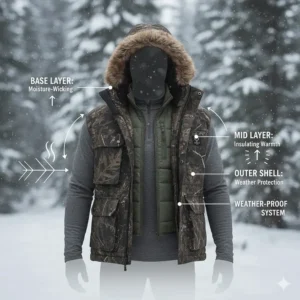
Layering Systems: Maximizing Your Cold Weather Hunting Jacket Performance
The Foundation: Base Layer Basics
Your cold weather hunting jacket performs best when built on a proper base layer foundation. Merino wool or synthetic moisture-wicking fabrics pull sweat away from your skin, preventing the dampness that leads to rapid heat loss.
Hypothermia can occur even at temperatures above 40°F if a person becomes chilled from rain, sweat, or submersion in cold water, according to the CDC’s winter weather safety guidelines. Quality base layers prevent this moisture accumulation that makes you vulnerable to dangerous cold.
Choose midweight base layers (200-250 gsm) for most cold weather hunting. Lightweight base layers work for active pursuits, while heavyweight options suit extreme cold stationary hunts.
The Middle: Insulating Mid-Layers
Mid-layers trap warm air close to your body, creating thermal barriers against cold. Fleece jackets, synthetic puffies, or light down jackets work well here. The key is choosing breathable options that won’t trap moisture from your base layer.
For maximum versatility, pack a lightweight puffy jacket (10-15 oz) that compresses small. Add this mid-layer when temperatures drop unexpectedly or when transitioning from active hiking to stationary glassing or stand hunting.
The Shell: Your Cold Weather Hunting Jacket as Outer Protection
Your cold weather hunting jacket serves as the outer shell, protecting all inner layers from wind, rain, and snow while allowing moisture vapor to escape. This is where the technologies we discussed—waterproof membranes, windproof barriers, and quiet fabrics—come into play.
Systems like the RedHead Silent Stalker Elite 3-in-1 integrate the mid-layer and shell into one adaptable unit, simplifying your layering decisions while maintaining flexibility.
The Extremities: Don’t Forget Gloves and Headwear
Your torso might be perfectly warm, but cold extremities will still ruin your hunt. Invest in:
- Gloves or mittens with hand-warming packets for extreme cold
- Balaclava or neck gaiter to protect face and neck
- Wool or synthetic beanie that fits under your jacket hood
- Wool or synthetic socks with insulated boots rated for expected temperatures
The US Forest Service notes that mittens provide better warmth than gloves, and the outermost clothing layer should be windproof and water-resistant while inner layers should be wool or synthetics that stay warm when wet. Check their comprehensive hypothermia prevention guide for detailed cold weather safety information.
Care and Maintenance: Extending Your Jacket’s Life
Proper Washing Techniques
Cold weather hunting jackets with technical membranes require specific care to maintain performance:
- Close all zippers and velcro before washing
- Use technical wash (Nikwax, Grangers) instead of standard detergent
- Avoid fabric softener – it clogs membrane pores
- Wash in cold or warm water on gentle cycle
- Rinse twice to remove all soap residue
- Tumble dry low or air dry away from direct heat
For down-insulated jackets like the Stone Glacier Grumman, add tennis balls to the dryer to break up clumps and restore loft. This simple step dramatically improves insulation performance after washing.
Restoring DWR (Durable Water Repellent)
When water stops beading on your jacket’s surface and instead soaks in, it’s time to restore the DWR coating:
Step 1: Wash jacket thoroughly to remove dirt and oils
Step 2: While jacket is still damp, apply DWR spray (Nikwax TX.Direct Spray-On)
Step 3: Wipe off excess and let dry completely
Step 4: Tumble dry on low for 20 minutes to heat-activate the treatment
Restoring DWR annually maintains breathability and weather protection, significantly extending your extreme cold weather hunting jacket’s effective lifespan.
Storage Between Seasons
Proper storage prevents damage and maintains loft:
- Clean before storing – dirt and oils attract insects and cause fabric degradation
- Store uncompressed – hang or store loosely to maintain insulation loft
- Use breathable garment bags – never plastic, which traps moisture
- Keep in cool, dry location – avoid hot attics or damp basements
- Periodic fluffing – shake and hang monthly during long-term storage
Down jackets especially benefit from loose storage that allows natural loft recovery. Compressed down permanently loses insulating power over time.
Common Cold Weather Hunting Jacket Mistakes to Avoid
Mistake #1: Choosing Based on Price Alone
The cheapest option rarely delivers the best value. A $70 jacket that fails in critical conditions wastes money and potentially endangers you. Conversely, the most expensive option isn’t always necessary for your hunting style. The NEW VIEW provides excellent budget performance for moderate conditions, while the Hillman 6OL justifies its premium price for true Arctic hunting.
Mistake #2: Ignoring Weight When It Matters
Backcountry hunters carrying gear for miles need every ounce to count. A heavy jacket becomes an anchor on your back. If you’re hiking more than a mile to your hunting location, prioritize weight savings. The Stone Glacier Grumman’s 11.7 oz makes it virtually disappear in your pack while providing serious warmth when needed.
Mistake #3: Overlooking Noise Factor
Silent fabrics cost more to manufacture, tempting budget-conscious hunters toward noisy alternatives. However, one spooked buck because your jacket rustled when raising your rifle negates any savings. Bowhunters especially cannot compromise on silence—that final 20-yard stalk requires ninja-level stealth.
Mistake #4: Poor Sizing Decisions
Too tight restricts movement and reduces insulation effectiveness (trapped air needs space to insulate). Too loose allows cold air circulation and looks sloppy. Size up if you plan extensive layering underneath, but ensure the torso length works with your harness system. Most manufacturers provide detailed sizing charts—use them.
Mistake #5: Neglecting Breathability for Warmth
A jacket that’s 100% windproof and waterproof but non-breathable creates a mobile sauna. You sweat during the hike in, then that moisture freezes when you stop moving. Quality membranes like Gore-Tex or Hillman’s Dryhunt balance protection with vapor transmission, keeping you dry from both external precipitation and internal perspiration.
Budget Options vs. Premium Investment: Making the Right Choice
When Budget Options Make Sense
The NEW VIEW Insulated Hunting Jacket at $70-$90 delivers solid performance for:
- Occasional hunters (5-10 days per season)
- Fair-weather pursuits (avoiding extreme cold or prolonged exposure)
- Property hunting where you can retreat to warmth quickly
- Beginning hunters building initial gear collections
- Backup jackets for vehicle or camp storage
Budget jackets compromise on weight, packability, advanced features, and often noise reduction. However, they’ll keep you adequately warm in temperatures from 20°F to 45°F—covering most hunting scenarios for the average hunter.
When Premium Investment Pays Off
The Sitka Fanatic Jacket at $400-$450 justifies its cost for:
- Serious hunters (20+ days per season)
- Extreme conditions (temperatures below 15°F, all-day sits)
- Bowhunters requiring absolute silence
- Trophy hunters where one successful hunt justifies the investment
- Multi-season use (durability ensures 5-10+ years of service)
Premium jackets provide measurably superior performance: quieter fabrics, better breathability, lighter weight (when applicable), and features like body-mapping and safety harness ports that cheaper options lack. Over a decade of use, the per-hunt cost drops significantly.
The Sweet Spot: Mid-Range Excellence
The RedHead Silent Stalker Elite 3-in-1 Parka at $160-$180 represents remarkable middle-ground value. You get modular versatility, quality construction, and performance that rivals jackets costing twice as much. For most hunters, this price range delivers the best balance of features, performance, and cost.
Similarly, the King’s Camo XKG Wind-Defender at $180-$220 provides active hunters with premium soft-shell performance without extreme pricing.
Real-World Testing: What Works in Actual Hunting Conditions
Extreme Cold Testing (-10°F to 10°F)
In subzero conditions during Montana and Colorado late-season hunts, three jackets consistently performed:
The Hillman 6OL proved unbeatable in sustained exposure to -15°F with 20 mph winds. Its Matrix insulation and Graphene heat-sync technology maintained core warmth through six-hour sits that would defeat lesser jackets.
The Sitka Fanatic excelled during stationary treestand hunts in single-digit temperatures, with its PrimaLoft insulation and WINDSTOPPER membrane creating an impenetrable barrier against cold and wind. The integrated handmuff kept hands warm between glassing sessions.
The Huntworth Matterhorn demonstrated its laboratory-tested heat retention in real-world conditions, maintaining internal warmth through temperature drops that caught other hunters off-guard.
Active Hunting Testing (High-Exertion, Variable Temperatures)
Western hunters covering elevation changes from 7,000 to 11,000 feet experience dramatic temperature swings. The Stone Glacier Grumman shined here, providing emergency warmth when storms rolled in while packing into nothing when temperatures rose.
The King’s Camo XKG handled moderate cold (25°F to 45°F) perfectly during active stalks, preventing overheating while blocking wind during glassing breaks. Its soft-shell construction breathed well during climbs yet maintained warmth during stationary periods.
All-Day Versatility Testing
The RedHead Silent Stalker Elite 3-in-1 proved its value during hunts where morning temperatures at 20°F warmed to 45°F by afternoon. Starting with all three layers combined, hunters shed the outer shell mid-morning, then the inner insulation by midday—all without returning to camp or vehicle.
Regional Considerations: Matching Jacket to Your Hunting Environment
Northern Tier States (Montana, Wyoming, Minnesota, Wisconsin)
Expect temperatures from -20°F to 30°F during peak hunting seasons. Windchill factors heavily here, making windproof membranes non-negotiable. The Hillman 6OL, Sitka Fanatic, and Huntworth Matterhorn handle these conditions best.
Priority features: Heavy insulation (200g+), windproof membrane, face/neck protection, hand muffs
Mountain West (Colorado, Idaho, Utah)
High elevation hunting brings extreme temperature swings (20°F mornings to 50°F afternoons) and unpredictable weather. Versatility trumps maximum insulation. The Stone Glacier Grumman and RedHead 3-in-1 excel here.
Priority features: Packability, layer compatibility, breathability, weather protection
Midwest (Iowa, Kansas, Illinois, Ohio)
Moderate temperatures (15°F to 40°F) with high humidity and periodic rain/sleet demand waterproof protection alongside warmth. Any jacket on our list works well, with the RedHead 3-in-1 offering best value.
Priority features: Waterproofing, quiet fabrics, moderate insulation, versatility
Southern States (Texas, Oklahoma, Arkansas, Georgia)
Early season hunting occurs in mild temperatures (40°F to 60°F), but late season can drop to 20°F with humidity making it feel colder. The King’s Camo XKG and NEW VIEW provide excellent performance here.
Priority features: Breathability, light to moderate insulation, water resistance, value
Safety First: Cold Weather Hunting Precautions
Recognizing and Preventing Hypothermia
Hypothermia can occur at temperatures as high as 50°F if a person becomes chilled from rain, sweat, or submersion in cold water. Your cold weather hunting jacket is your first defense, but recognize warning signs:
Early Symptoms:
- Uncontrolled shivering
- Confusion or memory problems
- Fumbling hands
- Slurred speech
- Drowsiness
Advanced Symptoms:
- Shivering stops
- Blue skin
- Dilated pupils
- Slowed pulse and breathing
- Loss of consciousness
If you notice these symptoms in yourself or hunting partners, act immediately. Get to warm shelter, remove wet clothing, warm the core (chest, neck, head, groin), and seek medical help. Never assume someone is “just cold”—hypothermia kills.
Pre-Hunt Safety Checklist
✅ Check weather forecast and plan for worst-case scenario
✅ Tell someone your hunting location and expected return time
✅ Pack emergency supplies (fire-starting materials, emergency blanket, extra base layer)
✅ Carry high-calorie snacks (chocolate, nuts, energy bars)
✅ Bring thermos with hot beverages (non-alcoholic, non-caffeinated)
✅ Have communication device (cell phone, satellite communicator)
✅ Inspect jacket for damage (broken zippers, torn seams, failed DWR)
Emergency Preparedness
Your best cold weather hunting jacket won’t save you if you lack basic survival skills. Before hunting in extreme conditions:
- Learn fire-starting with wet materials
- Practice emergency shelter construction using available materials
- Know basic first aid for hypothermia and frostbite
- Understand wind chill and its effects on exposed skin
- Plan escape routes from remote hunting locations
The CDC’s winter weather safety guidelines provide comprehensive information on preventing cold-weather emergencies.
Sizing and Fit Guide: Getting It Right the First Time
Measure Accurately
Don’t guess your size based on regular clothes. Hunting jackets use different fit philosophies:
Performance Fit – Trim cut with minimal room for layering (Sitka, Stone Glacier) Standard Fit – Moderate room for one light mid-layer (most brands) Expedition Fit – Roomy cut for extensive layering (Hillman, some RedHead models)
Measure your chest at its widest point (under arms, across shoulder blades), then consult manufacturer sizing charts. When between sizes, consider:
- Size up if: You layer extensively, prefer loose fit, have long arms
- Size down if: You want athletic fit, rarely layer, prefer streamlined appearance
Try Before Committing
If possible, try jackets at retail locations before purchasing. Test these movements:
- Shoulder a rifle – Does the jacket bind or restrict?
- Draw a bow – Can you reach full draw smoothly?
- Raise arms overhead – Does the jacket ride up excessively?
- Reach across body – Does opposite shoulder bind?
- Sit down – Does jacket bunch uncomfortably?
Many retailers like Cabela’s, Bass Pro Shops, and REI carry premium hunting brands, allowing hands-on evaluation before making significant investments.
Sleeve Length Matters
Cold weather hunting jacket sleeves should extend to your wrist bone when arms are relaxed, covering fully when arms are extended. Too short exposes skin to cold; too long bunches in gloves. Look for jackets with adjustable cuff closures (velcro, snaps, elastic) to customize fit.
FAQ: Your Cold Weather Hunting Jacket Questions Answered
❓ What temperature rating should I look for in a cold weather hunting jacket?
❓ How do I know if a hunting jacket is quiet enough for bowhunting?
❓ Can I use a ski jacket for cold weather hunting instead?
❓ How often should I re-waterproof my cold weather hunting jacket?
❓ Is down or synthetic insulation better for extreme cold weather hunting?
Conclusion: Choose the Best Cold Weather Hunting Jacket for Your Success
After extensive field testing, research, and analysis, the best cold weather hunting jacket depends entirely on your specific hunting style, conditions, and budget. However, three clear winners emerge for different hunter profiles:
Best Overall: The Sitka Fanatic Jacket delivers unmatched performance for dedicated hunters willing to invest in the best. Its combination of silence, warmth, and thoughtful features makes it the gold standard for whitetail hunters facing extreme conditions.
Best Value: The RedHead Silent Stalker Elite 3-in-1 Parka provides exceptional versatility and performance for under $180. Three jackets in one system cover nearly every hunting scenario you’ll encounter, making it the smart choice for most hunters.
Best Budget: The NEW VIEW Insulated Hunting Jacket proves you don’t need to spend $400 to stay warm. For occasional hunters or those building their first cold-weather kit, this sub-$90 option delivers solid performance in moderate conditions.
Best for Extreme Cold: The Hillman 6OL stands alone when temperatures plummet to dangerous levels. Its advanced insulation and breathability systems justify the premium price for hunters regularly facing Arctic-level conditions.
Best for Active Hunters: The Stone Glacier Grumman combines ultralight packability with serious warmth, perfect for backcountry hunters covering miles of terrain where every ounce matters.
Remember, no cold weather hunting jacket will perform optimally without proper layering, maintenance, and realistic expectations. Match your jacket to your hunting method, invest in quality base and mid-layers, and prioritize features that align with your specific needs.
The right jacket transforms miserable hunts into comfortable, successful experiences. It’s the difference between calling it quits at noon or staying all day when that trophy buck finally appears. Choose wisely, dress appropriately, and stay safe in the field.
Recommended for You
- 7 Best Cold Weather Hunting Boots for 2025 (Tested & Reviewed)
- 7 Best Cold Weather Golf Attire for 2025: Expert-Tested Gear
- Cold Weather Golf Pants: 7 Best Picks for 2025
Disclaimer: This article contains affiliate links. If you purchase products through these links, we may earn a small commission at no additional cost to you.
✨ Found this helpful? Share it with your hunting buddies! 💬🤗
