

In This Article
Somewhere around the third time you peel off a soggy glove at a red light just to answer a text, you start wondering if there’s a better way. There is. touchscreen waterproof gloves solve a problem that regular winter gloves were never built for: keeping your hands dry while letting you actually use the phone in your pocket. In plain terms, touchscreen waterproof gloves are cold-weather hand coverings built with a waterproof membrane sealed into the shell and a small patch of conductive thread — usually silver, copper, or a metallic yarn blend — stitched into the fingertips so a capacitive screen can still “feel” your finger through the fabric. That’s it. No magic, just smart materials layered correctly.
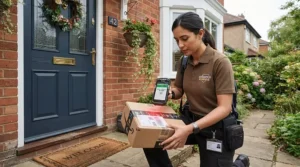
This guide skips the fluff you’d get from a rewritten Amazon listing. Instead, you’re getting real specs, aggregated review sentiment pulled from actual product pages and long-term owner reports, and honest analysis of where each pair earns its price tag and where it falls short. We looked at budget knit gloves that cost less than a fast-food combo meal, mid-range commuter gloves built around real waterproof membranes, and premium cycling-specific gear that costs as much as a decent bike light — because the “best” pair depends entirely on what you’re doing in the rain. Commuting on foot, riding a bike through a downpour, and standing at a bus stop in sleet all put different demands on a glove, and we’ll walk through exactly which pair fits which situation.
One quick housekeeping note before we dive in: as an Amazon Associate, this site may earn from qualifying purchases, and every price mentioned below is a general range rather than a locked-in number, since Amazon pricing shifts constantly. Now, let’s get your hands warm, dry, and still fully functional.
Quick Comparison Table
| Tier | Model | Waterproof Type | Best For |
|---|---|---|---|
| Budget | TRENDOUX Waterproof Touchscreen Wool Winter Gloves | Water-repellent shell + TPU inner bag | Everyday cold walks on a budget |
| Mid-Range | DexShell UltraFlex 2.0 Waterproof Knit Gloves | Bonded waterproof-breathable membrane | Rainy commutes, running, cycling |
| Premium | Showers Pass Crosspoint Waterproof Knit Gloves | 3-layer bonded Artex membrane | Serious bike commuters and wet-weather athletes |
At a glance, the price-to-protection curve isn’t linear — you get a huge jump in real waterproofing between the sub-$20 knit gloves and anything with a bonded membrane, but a much smaller jump in dryness once you’re above $30. What you’re really paying extra for past that point is dexterity, durability, and touchscreen accuracy, not additional waterproofing. Keep that in mind as you read through the full breakdown below.
Found a pair that looks promising? Click through to check today’s price before it changes.
Top 7 Touchscreen Waterproof Gloves: Expert Analysis
1. TRENDOUX Waterproof Touchscreen Wool Winter Gloves — best budget all-rounder
The standout here is simple: TRENDOUX Waterproof Touchscreen Wool Winter Gloves deliver a genuinely water-repellent shell and touchscreen fingertips for a price that barely registers on a household budget.
Built from a wool-acrylic-nylon blend with a reinforced water-repellent outer coating and an internal TPU waterproof bag, these gloves are rated for temperatures down to roughly -10°F to 40°F. In practice, that TPU bag is doing the heavy lifting — it’s the difference between “resists a light drizzle” and “actually blocks water,” and TRENDOUX has leaned into that layer specifically because their earlier non-waterproof lines got dinged for soaking through. Based on the spec comparison with other sub-$20 knit gloves, the touchscreen fingertip area is also unusually generous, covering the front and sides of the index finger and thumb rather than just a small dot.
This is the pair for someone who wants dry, functional hands on a dog walk, school run, or short commute without spending real money. It’s not the glove for an hour-long ride through steady rain — the wool exterior does eventually saturate even if the TPU liner keeps your skin dry. Reviewers consistently report that the touchscreen response is better than expected for the price, though a few mention the fit running slightly large. Aggregated sentiment across tens of thousands of ratings puts this among the most trusted budget picks in the category, with common praise centered on warmth and value rather than complaints about failure.
Pros:
- ✅ Genuine TPU waterproof bag, not just a water-repellent coating
- ✅ Touchscreen zone covers more of the fingertip than typical budget gloves
- ✅ Machine-washable and easy to care for
Cons:
- ❌ Wool shell eventually saturates in sustained heavy rain
- ❌ Sizing runs slightly large according to multiple buyers
Expect this pair in the under-$20 range, and given what you get for that price, it’s one of the easiest “just buy it” recommendations in this whole roundup.

2. rivmount Winter Waterproof Touchscreen Gloves — best for daily commuting on a budget
The rivmount Winter Waterproof Touchscreen Gloves stand out for stacking a genuine waterproof layer, 3M-style insulation, and a reflective safety strip into one inexpensive package.
Specs-wise, you’re looking at a 5-to-7 layer build depending on the version, a waterproof coating sandwiched between the outer shell and fleece lining, and conductive PU leather at the fingertips rather than woven conductive thread. What most buyers overlook about this construction is that PU-leather fingertips tend to hold up better over time than knit conductive yarn, since they don’t fray or lose conductivity as quickly with repeated washing. The reflective strip on the back of the hand is a small but genuinely useful touch for anyone walking or biking home after dark.
This is a strong pick for a commuter who wants one glove for driving, walking to the train, and quick outdoor errands, especially in regions with light-to-moderate winter precipitation rather than sustained downpours. Reviewers frequently mention the anti-slip silicone palm as a highlight for gripping handlebars, steering wheels, or a leash, and the touchscreen sensitivity is described as reliable for basic swiping and typing. A handful of reviews note that extended exposure to heavy rain eventually lets moisture in at the cuff, which is a fair trade-off at this price point.
Pros:
- ✅ Durable conductive PU-leather fingertips instead of fraying yarn
- ✅ Reflective detailing improves visibility on evening commutes
- ✅ Anti-slip silicone palm grips handlebars and leashes well
Cons:
- ❌ Cuff area can let moisture in during prolonged heavy rain
- ❌ Bulkier fit than slimmer knit-style alternatives
Priced in the $15-$25 range, this is a smart step up from the absolute cheapest options if daily reliability matters more than saving another few dollars.
3. GliderGloves Copper Infused Touch Screen Gloves — best conductive fingertip gloves for pure phone use
GliderGloves Copper Infused Touch Screen Gloves earn their spot as the benchmark for conductive fingertip gloves, since the entire glove surface — not just the fingertips — responds to a touchscreen.
Constructed from nylon, acrylic, spandex, and copper-based conductive yarn woven throughout, these gloves increased their conductive fiber content by roughly a third in the current version specifically to improve touch response. Here’s what to weigh: this is a water-resistant glove, not a fully waterproof one in the membrane sense that products like the Sealskinz or Showers Pass gloves use, so it belongs in a different weather category. Full-hand conductivity means you can use a stylus grip, swipe with your palm edge, or use any finger — not just the index and thumb — which is a genuine functional advantage over fingertip-only competitors.
This is the pick for someone whose top priority is uninterrupted phone or tablet use in cold-but-mostly-dry conditions — think outdoor photographers, delivery drivers checking a device constantly, or anyone who’s tired of taking gloves off fifty times a day. It’s a weaker choice if sustained rain or snow-melt exposure is the main concern. Reviewers consistently describe the copper-infused design as noticeably more responsive than single-patch touchscreen gloves, with the main recurring complaint being reduced conductivity after heavy use or contact with dirt and road salt, which the brand itself acknowledges in its care instructions.
Pros:
- ✅ Entire glove surface is touchscreen-conductive, not just fingertips
- ✅ Silicone palm grip improves phone and steering wheel handling
- ✅ Low-profile, lightweight fit preserves dexterity
Cons:
- ❌ Water-resistant only, not a sealed waterproof membrane
- ❌ Conductivity can fade with heavy dirt or salt exposure over time
Typically found in the $15-$25 range, these are less about weatherproofing and more about being the most phone-friendly gloves on this entire list.
4. DexShell UltraFlex 2.0 Waterproof Knit Gloves — best mid-range rain commuter glove
The DexShell UltraFlex 2.0 Waterproof Knit Gloves hit a sweet spot: a genuinely bonded waterproof-breathable membrane in a knit glove thin enough to still feel like a normal glove.
The three-layer build pairs a four-way-stretch knit exterior with a Porelle waterproof-breathable membrane and a COOLMAX moisture-wicking liner, and DexShell rates them for roughly 32°F-50°F, positioning them as a shoulder-season and rainy-commute glove rather than a deep-winter one. On paper this means you get real waterproofing without the bulk of a ski glove — a meaningfully different category from the water-repellent knit gloves earlier in this list. The touch-compatible fingertips are positioned at the index and thumb, sized for quick map checks or call answers rather than extended typing sessions.
This is a strong match for runners, cyclists, and walking commuters in regions where rain is more common than deep snow, especially anyone layering these under a jacket sleeve. The spec sheet won’t tell you this, but user reports suggest the fit runs true to the brand’s finger-length sizing chart, which matters more with knit waterproof gloves than with bulkier winter gloves since a poor fit compromises both dexterity and the membrane’s seal at the cuff. Reviewers on cycling-focused sites and retail pages consistently praise how genuinely dry hands stay during test-soak scenarios, while noting the gloves aren’t intended for prolonged immersion or extreme cold.
Pros:
- ✅ Bonded Porelle waterproof-breathable membrane, not just a coating
- ✅ Thin knit profile keeps dexterity close to a bare hand
- ✅ COOLMAX lining manages sweat on active rides or runs
Cons:
- ❌ Not rated for extreme cold or prolonged submersion
- ❌ Touchscreen zone is limited to index finger and thumb
Expect a $25-$35 range for this pair, which lands as one of the best value-per-dry-hand ratios in the whole lineup.
5. Sealskinz Bodham Waterproof All Weather Cycle Glove — best for waterproof gloves touchscreen cycling amazon shoppers
The Sealskinz Bodham Waterproof All Weather Cycle Glove was purpose-built for cycling, and it shows in details a general-purpose glove simply doesn’t bother with.
Sealskinz uses its proprietary Aquasealz three-layer membrane — a polyester-polyurethane-nylon-elastane outer, a fully waterproof-breathable middle layer, and a polyester inner lining — plus a PU suede palm for grip and a PU suede “thumb wiper” for clearing rain from sunglasses mid-ride. Reviewers consistently note that the anti-slip lining virtually eliminates the annoying liner pull-out you get when yanking off cheaper multi-layer gloves, which sounds minor until you’ve fought with a bunched-up liner at mile 20 in the rain. The touchscreen compatibility sits on the index finger and thumb, matching the ergonomics of reaching for a phone or bike computer mid-ride.
This is the pair built specifically for the person searching for waterproof gloves touchscreen cycling amazon options rather than general winter wear — reflective detailing for low-light visibility and a cycling-specific fit through the fingers make that intent obvious. It’s not the glove you’d reach for on a purely pedestrian commute, since the cycling-oriented palm padding and slightly longer cuff are optimized for a handlebar grip position. Aggregated review sentiment across multiple retailers consistently highlights how genuinely dry hands stay on wet-weather rides, with the most common critique being that sizing runs snug and buyers are advised to size up if between measurements.
Pros:
- ✅ Cycling-specific PU suede palm and thumb wiper for wet rides
- ✅ Anti-slip liner design prevents bunching when removing gloves
- ✅ Reflective detailing adds visibility on low-light commutes
Cons:
- ❌ Snug fit means many buyers need to size up
- ❌ Less ideal for non-cycling daily wear than knit alternatives
Priced around $35-$50 depending on retailer and colorway, this is a legitimate cycling investment rather than a casual winter pickup.

6. Showers Pass Crosspoint Waterproof Knit Gloves — best premium all-weather commuter
Showers Pass Crosspoint Waterproof Knit Gloves consistently show up on “best touchscreen glove” roundups for good reason: three bonded layers deliver real waterproofing without sacrificing the knit-glove feel people actually want to wear.
The build stacks a wear-resistant knit exterior, a waterproof-breathable Artex membrane, and a moisture-wicking lining (Sport version uses a synthetic wick liner, Pro Wool version swaps in merino), with silicone palm printing for grip and durable touchscreen yarn sewn into the index finger and thumb. Based on the spec comparison against the DexShell pair above, the Crosspoint’s 3-D laminating process is specifically engineered for a snugger, more ergonomic fit across a wider range of hand shapes, which is part of why it commands a higher price. Showers Pass explicitly markets this as a cycling, running, hiking, and rainy-day glove rather than a deep-winter one — warmth tops out in roughly the 40s Fahrenheit range before you’d want a thicker layer.
This is the pick for someone who bike-commutes regularly through genuinely wet weather and wants one glove that performs across running, hiking, and paddling too, rather than a single-purpose item. It’s overkill — and arguably underdressed — for sub-freezing conditions, where a dedicated insulated winter glove will serve you better. Reviewers repeatedly describe the gloves as staying dry through multi-hour wet commutes and even a “hand in a cold stream” torture test, with the most consistent critique being that they run warm enough for the 40s but not much colder without an added layer.
Pros:
- ✅ Three-layer bonded Artex membrane delivers proven wet-ride dryness
- ✅ Merino-lined Pro Wool version adds real warmth without bulk
- ✅ Versatile across cycling, running, hiking, and paddling
Cons:
- ❌ Not warm enough alone for sub-freezing temperatures
- ❌ Premium price compared to knit competitors
Expect roughly $45-$60 depending on the Sport or Pro Wool version, positioning this as a serious, repeat-purchase favorite among wet-weather commuters rather than an impulse buy.
7. Seirus Soundtouch Xtreme Hyperlite All Weather Glove — best premium liner-style waterproof glove
The Seirus Soundtouch Xtreme Hyperlite All Weather Glove was engineered around a specific promise: full waterproofing in a form-fitting glove thin enough to double as a liner under a mitten shell.
Seirus builds this pair around an Xtreme DryHand waterproof-breathable insert, a Hyperlite shell, and a TechHide full-palm Soundtouch panel, meaning touchscreen response isn’t limited to the fingertips the way it is on most competitors — the whole palm area is conductive. The brand markets this as “the first form-fit and waterproof” entry in its lineup, and the patent-pending fit is designed to sit close to the skin rather than bunching like a traditional insulated glove. What most buyers overlook about liner-style gloves like this one is that their real value shows up in layering systems: wear it alone in cool rain, or slip a shell mitten over it for genuine deep-cold protection, which is exactly why it doubles as one of the better waterproof liner gloves phone users reach for on the mountain.
This is the glove for skiers, snowboarders, and anyone who needs a genuinely waterproof liner glove for phone use under a bulkier outer shell, rather than a standalone deep-winter glove for someone who wants maximum bulk-warmth in one layer. Reviewers describe it as noticeably warmer than its slim profile suggests, thanks to the “Xtreme warmth” insert technology, while noting — fairly — that it’s not intended to replace a heavily insulated glove in genuinely brutal temperatures without a shell layered on top. Aggregated feedback across retailer listings consistently praises the touchscreen palm technology as the most reliable in this roundup for full-hand device use.
Pros:
- ✅ Full-palm Soundtouch conductivity, not just fingertip patches
- ✅ Genuinely waterproof insert doubles as a mountain liner glove
- ✅ Form-fit design layers cleanly under shell mittens
Cons:
- ❌ Not a standalone deep-winter glove without a shell layer
- ❌ Highest price point in this roundup
Priced in the $55-$70 range, this is squarely a specialist purchase for skiers, snowboarders, and cold-weather layering enthusiasts rather than a casual commuter buy.
Practical Usage Guide: Touchscreen Rain Gloves for Commuting
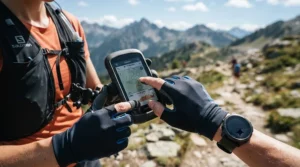
Getting the most out of touchscreen rain gloves for commuting comes down to three habits most owners skip. First, break in the touchscreen zone before you actually need it — press and swipe with the gloves on for a few minutes in dry conditions so you learn exactly where the conductive patch sits, since fumbling for the right spot in the rain defeats the purpose. Second, dry gloves properly between uses: stuff them loosely with a paper towel or hang them fingers-down rather than draping them over a heating vent, which can degrade waterproof membranes and conductive yarn faster than normal wear.
The most common first-30-days mistake is buying a size based on a normal glove chart instead of the brand’s own sizing method — most waterproof knit brands like DexShell and Showers Pass size by middle-finger length rather than palm circumference, and getting this wrong compromises both the touchscreen accuracy and the cuff seal. A second frequent mistake is machine-drying a glove rated for hand-wash-only, which can crack conductive yarn and shrink membrane-bonded knits. For genuine wet-weather commuting, pair your gloves with a jacket sleeve that overlaps the cuff rather than tucking the cuff under the sleeve — water running down a sleeve and pooling at an exposed wrist is the single most common way “waterproof” gloves end up with damp hands anyway.
Real-World Scenarios: Who Should Buy Which Pair
Consider a graduate student who bikes six miles to campus year-round through the Pacific Northwest’s endless drizzle, checking bus-tracking apps at every light. For that person, the Showers Pass Crosspoint Waterproof Knit Gloves make the most sense — the bonded membrane handles sustained wet rides, and the touchscreen yarn survives daily phone checks without fading in performance.
Now picture a warehouse worker who drives to an outdoor loading dock each morning in a moderate-winter climate and just wants dry, functional hands for the ten-minute walk from the parking lot. The rivmount Winter Waterproof Touchscreen Gloves cover that use case completely without the cyclist-specific features they don’t need. And for a skier who wants a phone-usable base layer under a big insulated mitten on the chairlift, the Seirus Soundtouch Xtreme Hyperlite All Weather Glove solves a completely different problem — layering warmth, not standalone commuting.
Problem → Solution: Fixing Common Touchscreen Glove Issues
Problem: Touchscreen stops responding after a few months. This usually means the conductive yarn has degraded from washing machine agitation or road-salt buildup. Solution: hand-wash gloves like the GliderGloves Copper Infused Touch Screen Gloves and let them air dry, and expect to replace fingertip-conductive gloves every season or two with heavy daily use.
Problem: Hands stay dry but get cold anyway. A fully waterproof shell traps sweat if there’s no breathable membrane, and a soaked liner from the inside feels just as miserable as rain from the outside. Solution: prioritize a bonded breathable membrane like the ones in the DexShell UltraFlex 2.0 Waterproof Knit Gloves or Sealskinz Bodham Waterproof All Weather Cycle Glove rather than a simple rubberized shell.
Problem: Gloves feel great in the store but flood at the cuff during real rain. This is almost always a layering issue, not a glove defect — water runs down a sleeve and enters at an exposed wrist gap. Solution: choose a slightly longer cuff or wear the glove cuff over your jacket sleeve, especially with cycling-cut gloves like the Sealskinz Bodham Waterproof All Weather Cycle Glove.
Problem: A single glove needs to work as both a cold-weather liner and a standalone commuter glove. Solution: a purpose-built waterproof liner gloves phone option like the Seirus Soundtouch Xtreme Hyperlite All Weather Glove is designed exactly for that dual role, unlike bulkier single-purpose winter gloves.
Conductive Fingertip Gloves: How the Technology Actually Works
The phrase conductive fingertip gloves describes a specific engineering trick, and understanding it explains why some pairs work better than others. Capacitive touchscreens — the kind on every modern smartphone — detect touch by sensing a tiny electrical charge transferred from a conductive object, which is why bare skin registers a touch but an ordinary glove doesn’t. Manufacturers solve this by weaving metallic thread — usually silver or copper, since both conduct electricity efficiently and resist corrosion reasonably well — into small patches at the index finger and thumb, or in some designs across the entire palm and fingers.
Here’s what the spec sheet won’t tell you: patch size and density matter more than brand marketing does. A glove with a tiny conductive dot the size of a fingernail will register touches inconsistently, while designs like GliderGloves Copper Infused Touch Screen Gloves or the Seirus Soundtouch Xtreme Hyperlite All Weather Glove, which extend conductivity across more of the hand, deliver noticeably more reliable swiping and typing. Thickness is the other variable: thicker material between your fingertip and the screen weakens the capacitive signal, which is why the thinnest gloves on this list tend to score best for pure touchscreen accuracy even when they’re not the warmest option overall.
How to Choose Touchscreen Waterproof Gloves
- Define your actual weather exposure. A drizzle-only commute needs far less waterproofing than an hour on a bike in steady rain — don’t overpay for membrane technology you won’t stress-test.
- Check whether “waterproof” means a coating or a bonded membrane. Coatings resist light moisture; bonded membranes like Aquasealz or Artex actually block sustained water penetration.
- Match the touchscreen zone to your actual use. Fingertip patches suit quick map checks; full-palm conductivity suits people who type or swipe constantly.
- Size by the brand’s own chart, not a generic glove size. Waterproof knit brands frequently size by middle-finger length, and getting this wrong ruins both fit and touchscreen accuracy.
- Consider your temperature range, not just wetness. A glove rated for 40°F rain will leave you cold at 20°F, regardless of how waterproof it is.
- Decide if you need a standalone glove or a layering liner. Liner-style gloves trade bulk-warmth for dexterity and layering flexibility under a shell mitten.
- Weigh conductive-yarn durability against your wash habits. If you’re rough on gear, prioritize PU-leather or TechHide-style fingertips over delicate woven yarn.
Touchscreen Waterproof Gloves vs Regular Winter Gloves
| Feature | Touchscreen Waterproof Gloves | Regular Winter Gloves |
|---|---|---|
| Phone use | Works without removing gloves | Requires removing gloves |
| Wet-weather protection | Bonded membrane or TPU liner blocks water | Absorbs and holds moisture |
| Price | $10-$70 depending on tier | Often cheaper at entry level |
| Best For | Commuters, cyclists, active outdoor use | Static cold exposure, low phone use |
The core trade-off is upfront cost versus daily friction: regular winter gloves are often a few dollars cheaper, but every phone check means stopping to strip a glove off in the cold, and once that glove is wet, it usually stays wet for the rest of the day. Touchscreen waterproof gloves close both gaps at once, and for anyone who checks a phone more than once or twice during a cold outing, the price difference pays for itself in convenience alone within the first few uses.
Ready to stop fumbling for your phone in the cold? Compare today’s prices on the picks above before you head out.

Touchscreen Waterproof Gloves for Cyclists and Daily Commuters
Cyclists searching for waterproof gloves touchscreen cycling amazon listings are usually solving a narrower problem than general shoppers: they need a glove that survives a sweaty, wet, handlebar-gripping ride and still lets them glance at a bike computer or phone mount mid-route. This is where cycling-specific design details actually earn their keep — a PU suede palm like the one on the Sealskinz Bodham Waterproof All Weather Cycle Glove grips brake levers better in wet conditions than a smooth knit palm, and a slightly longer cuff prevents rain from running straight down into the glove during a forward-leaning riding position.
Daily commuters walking or taking transit have different priorities. Reviewers consistently note that knit gloves like the DexShell UltraFlex 2.0 Waterproof Knit Gloves or Showers Pass Crosspoint Waterproof Knit Gloves feel less bulky in a coat pocket and slip on and off more easily at a turnstile or car door than a cycling-cut glove. If you’re doing both — biking to a train station, then walking the last mile — a slightly more versatile knit glove will likely serve you better across the whole trip than a single-purpose cycling glove optimized only for the ride itself.
Common Mistakes When Buying Touchscreen Waterproof Gloves
The most frequent mistake is treating “touchscreen compatible” and “waterproof” as a package deal — plenty of gloves nail one and barely attempt the other, and reading the actual material description (TPU bag, bonded membrane, or simple water-repellent coating) matters more than the marketing headline. A close second is ignoring temperature rating entirely; a glove built for 40°F rain, like several models above, will leave hands genuinely cold at freezing temperatures no matter how dry they stay.
Buyers also frequently size gloves the way they’d size regular winter gloves, which backfires with knit waterproof brands that use middle-finger-length charts — an oversized glove bunches fabric over the conductive fingertip patch and tanks touchscreen accuracy. Finally, expecting fingertip-conductive gloves to survive years of machine washing is a common and avoidable disappointment; hand-washing extends the life of the conductive yarn considerably compared to tumbling it through a washer and dryer cycle.
Safety, Weather Ratings & Rain Gloves Compatible with Smartphone Screens
When a listing advertises rain gloves compatible smartphone use, it’s worth understanding what “compatible” legally and practically means, since there’s no single certified standard the industry uses. Compatibility simply means the fingertip material is thin and conductive enough to register a capacitive touch — it says nothing about how waterproof the glove actually is, which is why reading the separate waterproofing claim (coating versus bonded membrane) matters just as much as the touchscreen claim itself.
From a genuine safety standpoint, cold, wet hands aren’t just uncomfortable — the CDC identifies wet skin and wind exposure as key contributors to frostbite and cold-related injury, even at temperatures well above freezing. Reflective detailing, found on gloves like the rivmount Winter Waterproof Touchscreen Gloves and Sealskinz Bodham Waterproof All Weather Cycle Glove, adds a genuine visibility benefit for anyone walking or cycling in low winter light, not just a marketing flourish. If you’re regularly outdoors in genuinely cold, wet conditions for extended periods — construction work, long dog walks, extended commutes — treat glove selection as a real safety decision, not just a convenience purchase, and don’t rely on “water-resistant” branding alone if you’ll be exposed for more than short stretches.
Touchscreen Tech Gloves and Waterproof Liner Gloves for Phone Use
The touchscreen tech gloves category has quietly expanded beyond basic winter wear into a small ecosystem of use-case-specific designs, and two ends of that spectrum are worth calling out directly. On one end, everyday touchscreen tech gloves like the TRENDOUX Waterproof Touchscreen Wool Winter Gloves are built for constant, casual device use — texting at a bus stop, adjusting music on a walk, answering calls without stopping.
On the other end, waterproof liner gloves phone users rely on for layering — like the Seirus Soundtouch Xtreme Hyperlite All Weather Glove — solve a more specialized problem: staying phone-functional while wearing a much bulkier outer mitten for genuine deep-cold protection. The distinction matters because buying a liner-style glove expecting standalone deep-winter warmth, or buying a bulky standalone glove expecting liner-thin dexterity, are both common and avoidable mismatches between product and use case.
Long-Term Cost & Maintenance
Cost-per-wear tells a more useful story than sticker price alone. A $12 pair of budget gloves worn daily through one winter season, then replaced when the conductive yarn fades, works out to roughly a dime a day of actual use — genuinely hard to beat. A $55 premium pair that survives three winters of regular wet-weather cycling works out to a similar or even lower daily cost, simply spread over a longer lifespan, which is the real argument for paying more upfront on gloves you’ll use constantly.
Maintenance directly affects that math. Hand-washing and air-drying, rather than machine-washing, meaningfully extends conductive yarn life and keeps waterproof membranes sealing properly for longer, since heat and agitation are the two biggest threats to both technologies. Storing gloves fully dry rather than damp also matters — a membrane glove stored wet is more prone to mildew and slower membrane degradation than one properly air-dried after each wet-weather use.

Frequently Asked Questions
❓ Do touchscreen waterproof gloves actually work with a phone case on?
❓ How long do touchscreen fingertips last on waterproof gloves?
❓ Are waterproof gloves warm enough for freezing temperatures?
❓ Can I wear touchscreen waterproof gloves while cycling in the rain?
❓ What's the difference between water-resistant and waterproof gloves?
Conclusion
The right pair of touchscreen waterproof gloves comes down to matching the glove’s actual engineering — not just its marketing claims — to how you’ll really use it. A budget knit pair with a TPU liner, like the TRENDOUX Waterproof Touchscreen Wool Winter Gloves, handles casual cold walks without draining your wallet. A bonded-membrane commuter glove, like the DexShell UltraFlex 2.0 Waterproof Knit Gloves or Showers Pass Crosspoint Waterproof Knit Gloves, earns its higher price on genuinely wet, active days. And specialist picks like the Sealskinz Bodham Waterproof All Weather Cycle Glove or Seirus Soundtouch Xtreme Hyperlite All Weather Glove solve narrower problems — cycling grip and cold-weather layering, respectively — extremely well.
Read past the “waterproof” and “touchscreen compatible” headline claims on any listing, check whether you’re getting a real membrane or a coating, and size by the brand’s actual chart rather than guessing. Do that, and whichever pair you land on from this list should keep your hands dry and your phone usable through whatever the season throws at you.
✨ Don’t Miss These Exclusive Deals!
🧤 Take your cold-weather routine to the next level with the picks above. Click through to check current pricing and availability, and stay dry, warm, and connected all season long!
Recommended for You
- 7 Best Waterproof Work Gloves 2026: Stop Soggy, Numb Hands
- Insulated Rain Boots Winter 2026: 7 Warmest Picks Tested
- 7 Best Knee High Rain Boots Women Actually Love in 2026
Disclaimer: This article contains affiliate links. As an Amazon Associate, I earn from qualifying purchases. If you purchase products through these links, we may earn a small commission at no additional cost to you.
✨ Found this helpful? Share it with your friends! 💬🤗
