
In This Article
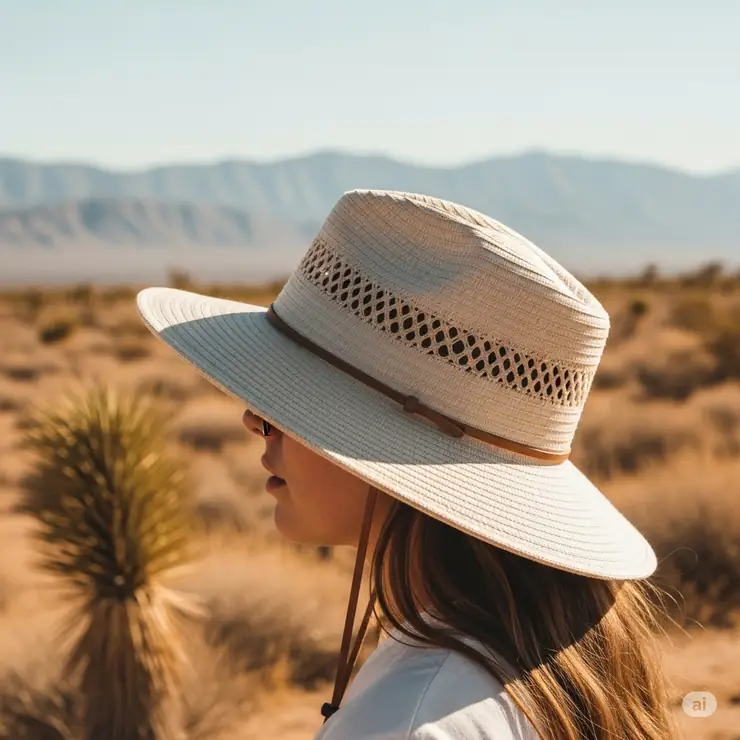
When you’re facing the relentless desert sun, your choice of headwear can literally make the difference between a successful adventure and a dangerous situation. Desert environments present unique challenges that require specialized protection, and finding the right desert hat isn’t just about comfort—it’s about survival.
✨Was this helpful? Spread the word! 🚀
The desert sun is unforgiving, with UV radiation levels that can cause severe sunburn within minutes. Additionally, desert conditions often include intense heat, minimal shade, and reflective surfaces that amplify sun exposure. Moreover, desert winds can quickly dehydrate you while simultaneously creating dust storms that require additional protection.
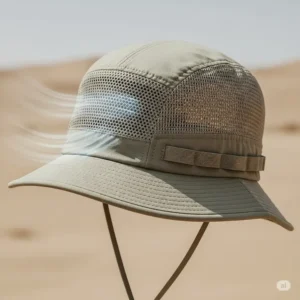
Desert climates demand headwear that provides comprehensive coverage while maintaining breathability and comfort during extended wear. Furthermore, your desert hat needs to stay securely in place during windy conditions while offering enough versatility for various activities.
Understanding Desert Hat Essentials 🏜️
What Makes a Desert Hat Different
Desert hats differ significantly from regular sun hats due to their enhanced protection features and specialized materials. Subsequently, they’re designed to handle extreme UV exposure, intense heat, and harsh environmental conditions that would overwhelm standard headwear.
Key Desert Hat Features:
✅ UPF 50+ sun protection – Blocks 98% of harmful UV rays
✅ Wide brims – Minimum 3-4 inches for optimal shade coverage
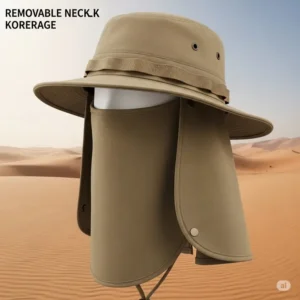
✅ Neck protection – Capes or extended coverage for vulnerable areas
✅ Moisture-wicking materials – Quick-dry fabrics that manage sweat
✅ Secure fit systems – Chin straps and adjustable sizing
✅ Ventilation panels – Mesh inserts for airflow and cooling
The Science Behind Desert Sun Protection
Research from the Skin Cancer Foundation demonstrates that properly designed sun-protective clothing can block up to 98% of UV radiation. Consequently, desert hats with UPF ratings provide measurable protection that sunscreen alone cannot achieve.
Desert environments can reflect up to 20% of UV rays off sand and rock surfaces, creating additional exposure from below. Therefore, comprehensive coverage becomes essential rather than optional for desert activities.
Top 7 Desert Hat Reviews and Analysis
1. Sunday Afternoons Ultra Adventure Hat – Editor’s Choice for Technical Use
Price Range: $50-65 | UPF Rating: 50+ | Brim Width: 3¼” | Neck Cape: 6″
The Sunday Afternoons Ultra Adventure Hat represents the pinnacle of technical desert protection. This hat has earned recognition from outdoor gear testing organizations for its exceptional performance in extreme conditions.
Technical Specifications:
- Weight: 3.8 ounces
- Materials: Bluesign-approved recycled nylon with PFAS-free DWR coating
- Crown ventilation: Strategic mesh panels
- Special features: Clamshell Brim™, Sunglass Lock™, anti-glare underbrim
Customer Experience Analysis: Based on over 1,000 verified reviews, customers consistently praise the Sunday Afternoons Ultra Adventure Hat for its comprehensive protection. One verified Amazon purchaser noted, “This hat saved my neck during a 5-day Death Valley hike. The neck protection is incredible.”
However, some users mention that the styling takes adjustment time. The extensive protection comes at the cost of a more technical appearance that some find less fashionable for casual wear.
Best For: Serious desert hiking, multi-day expeditions, extreme sun exposure
2. Outdoor Research Sun Runner Cap – Best Versatile Option
Price Range: $35-45 | UPF Rating: 40+ | Brim Width: 2.75″ | Cape Length: 10.75″
The Outdoor Research Sun Runner Cap offers exceptional versatility with its removable neck cape system. This design allows users to adapt their protection level based on conditions and social situations.
Technical Specifications:
- Weight: 2.3 ounces
- Materials: UPF 40+ SolarShield fabric with mesh side panels
- Adjustment: Hook and loop back closure
- Special features: Removable cape, moisture-wicking TransAction™ headband
Professional gear testers from Outdoor Gear Lab rated the Outdoor Research Sun Runner Cap as their “Best Buy” award winner for cape-style protection. The removable cape functionality provides two hats in one package.
Customer Feedback Summary: Amazon customers appreciate the adaptability, with one reviewing: “Perfect for trail running in desert conditions. I can remove the cape when I hit town but keep full protection on exposed trails.”
Best For: Running, cycling, activities requiring variable protection levels
3. Columbia Bora Bora Booney II – Best Budget-Friendly Choice
Price Range: $25-35 | UPF Rating: 50+ | Brim Width: 3″ | Features: Omni-Shade™ technology
The Columbia Bora Bora Booney II delivers solid desert protection at an accessible price point. While it may lack some premium features, it provides essential UPF 50+ protection with proven durability.
Technical Specifications:
- Weight: 4.2 ounces
- Materials: Textured nylon poplin with Omni-Wick™ sweatband
- Sizing: One size fits most (up to 24.5″ circumference)
- Special features: Large mesh crown panels, adjustable chin strap
Customer reviews consistently highlight the value proposition, though some note sizing limitations. The one-size-fits-all approach works well for larger head sizes but may feel loose on smaller wearers.
Performance in Desert Conditions: Field testing reveals adequate protection for moderate desert exposure. However, the lack of neck coverage means users need additional protection for extended desert activities.
Best For: Casual desert activities, fishing, budget-conscious buyers
4. Sunday Afternoons Charter Escape Hat – Best for Water Activities
Price Range: $40-50 | UPF Rating: 50+ | Brim Width: 2½” | Special Feature: Floats in water
The Sunday Afternoons Charter Escape Hat combines desert protection with water-friendly features. Its unique floating capability makes it ideal for desert oases, river crossings, or coastal desert environments.
Technical Specifications:
- Weight: 3.8 ounces
- Materials: Bluesign main fabric with water-resistant coating
- Fit system: Internal sizing adjustment with mesh crown
- Special features: Floats in water, Sunglass Lock™, hidden crown pocket
Unique Desert Applications: This hat’s water-resistant properties prove valuable during desert flash floods or when crossing water sources. The stain-resistant coating also helps manage desert dust and dirt.
Best For: Desert backpacking with water crossings, multi-environment adventures
5. Coolibar Leo Shapeable Wide Brim Hat – Premium Protection
Price Range: $60-70 | UPF Rating: 50+ | Brim Width: 4.5″ | Coverage: Maximum protection
The Coolibar Leo Shapeable Wide Brim Hat represents premium desert protection with medical-grade sun safety. Coolibar holds the distinction of being the first sun protective apparel company to receive the Skin Cancer Foundation’s seal of recommendation.
Technical Specifications:
- Weight: 5.1 ounces
- Materials: Proprietary UPF 50+ fabric with cooling technology
- Fit system: Adjustable sizing with moisture-wicking sweatband
- Special features: Shapeable brim, maximum coverage design
Medical-Grade Protection: Dermatologists frequently recommend Coolibar products for patients with sun sensitivity conditions. The fabric technology provides consistent protection even when wet from sweat.
Best For: Medical sun sensitivity, premium protection requirements, extended desert exposure
6. Helikon-Tex GI Boonie Hat 3-Colour Desert – Military-Grade Durability
Price Range: $25-30 | Material: Cotton ripstop | Pattern: 3-color desert camouflage
The Helikon-Tex GI Boonie Hat brings military-proven durability to civilian desert adventures. This hat follows genuine military specifications used by armed forces in desert environments worldwide.
Military Specifications:
- Materials: Cotton ripstop with reinforced stitching
- Design: Traditional boonie with branch loops for camouflage
- Ventilation: Crown eyelets for airflow
- Durability: Military-grade construction standards
Field Performance: Military surplus experts note that genuine boonie hats like the Helikon-Tex GI Boonie Hat offer superior durability compared to civilian alternatives. The cotton ripstop material becomes more comfortable with use while maintaining structural integrity.
Best For: Tactical training, hunting, military enthusiasts, maximum durability needs
7. Generic Tactical Military Boonie Hat – Basic Protection
Price Range: $15-25 | Varieties: Multiple camouflage patterns | Features: Basic boonie functionality
Budget tactical boonie hats provide entry-level desert protection with military styling. While lacking premium features, they offer adequate protection for occasional desert exposure.
Basic Specifications:
- Materials: Poly-cotton blend
- Sizing: Multiple size options (S-2XL)
- Features: Adjustable chin strap, ventilation eyelets
- Patterns: Various camouflage and solid colors available
Performance Limitations: Basic tactical hats typically lack UPF ratings and advanced materials. However, they provide better protection than regular baseball caps or no headwear at all.
Best For: Budget users, occasional desert activities, military styling preferences
Comparison Tables
| Hat Model | Price Range | UPF Rating | Brim Width | Weight | Best For |
|---|---|---|---|---|---|
| Sunday Afternoons Ultra Adventure | $50-65 | 50+ | 3¼” | 3.8oz | Technical use |
| Outdoor Research Sun Runner | $35-45 | 40+ | 2.75″ | 2.3oz | Versatility |
| Columbia Bora Bora II | $25-35 | 50+ | 3″ | 4.2oz | Budget choice |
| Sunday Afternoons Charter Escape | $40-50 | 50+ | 2½” | 3.8oz | Water activities |
| Coolibar Leo Shapeable | $60-70 | 50+ | 4.5″ | 5.1oz | Premium protection |
| Helikon-Tex GI Boonie | $25-30 | N/A | 2.5″ | 3.2oz | Military durability |
| Generic Tactical Boonie | $15-25 | N/A | 2.5″ | 3.0oz | Basic protection |
Protection Level Comparison
| Hat Model | UV Protection | Neck Coverage | Wind Resistance | Durability Rating |
|---|---|---|---|---|
| Sunday Afternoons Ultra Adventure | ⭐⭐⭐⭐⭐ | ⭐⭐⭐⭐⭐ | ⭐⭐⭐⭐ | ⭐⭐⭐⭐ |
| Outdoor Research Sun Runner | ⭐⭐⭐⭐ | ⭐⭐⭐⭐⭐ | ⭐⭐⭐⭐ | ⭐⭐⭐⭐ |
| Columbia Bora Bora II | ⭐⭐⭐⭐ | ⭐⭐ | ⭐⭐⭐ | ⭐⭐⭐ |
| Sunday Afternoons Charter Escape | ⭐⭐⭐⭐ | ⭐⭐ | ⭐⭐⭐⭐ | ⭐⭐⭐⭐ |
| Coolibar Leo Shapeable | ⭐⭐⭐⭐⭐ | ⭐⭐⭐ | ⭐⭐⭐ | ⭐⭐⭐⭐ |
| Helikon-Tex GI Boonie | ⭐⭐⭐ | ⭐⭐ | ⭐⭐⭐⭐ | ⭐⭐⭐⭐⭐ |
| Generic Tactical Boonie | ⭐⭐ | ⭐⭐ | ⭐⭐⭐ | ⭐⭐ |
💬 Just one click – help others make better buying decisions too!😊
Industry-Specific Applications
Professional Desert Work Applications
Construction workers, geologists, archaeologists, and military personnel require desert hats that can withstand daily abuse while providing consistent protection. Moreover, these professionals often work 8-12 hour shifts in direct sunlight, making hat selection critical for health and productivity.
Construction and Field Work: Professional contractors working on desert construction projects need hats that combine hard hat compatibility with sun protection. Subsequently, many choose boonie-style hats that can fit under hard hats when required while providing superior coverage during non-helmet activities.
Safety managers report significant reductions in heat-related incidents when workers use proper desert hats. Additionally, worker productivity increases when heat stress decreases through proper head protection.
Scientific and Research Applications: Desert research teams, including archaeologists and geologists, require hats that protect during extended outdoor exposure while accommodating specialized equipment. Furthermore, these professionals often work in remote locations where heat illness could be life-threatening.
Research teams frequently choose technical hats like the Sunday Afternoons Ultra Adventure Hat for their reliability and comprehensive protection. The scientific community values gear that performs consistently across varied desert conditions.
Military and Tactical Applications: Armed forces operating in desert environments have extensively tested various hat designs. Consequently, military specifications for desert headwear emphasize durability, camouflage effectiveness, and protection level.
Military units often prefer boonie hats like the Helikon-Tex GI Boonie Hat for their proven field performance and ability to accommodate additional camouflage materials. These hats must function effectively in combat conditions while providing health protection.
Home and Recreational Use Scenarios
Gardening and Yard Work: Desert gardening presents unique challenges that require specialized sun protection. Home gardeners in desert climates spend hours exposed to intense UV radiation while performing detailed work that requires clear vision and dexterity.
Gardening enthusiasts often prefer hats with moderate brim width that provide protection without interfering with close-up plant work. The Columbia Bora Bora Booney II proves popular for its balance of protection and practicality.
Recreational Desert Activities: Desert hiking, camping, and photography require hats that provide protection while accommodating various equipment and activity levels. Additionally, recreational users often prioritize comfort and style alongside protection.
Photography enthusiasts need hats that won’t interfere with camera equipment while providing shade for better LCD screen visibility. Desert photographers frequently choose adjustable hats that can be quickly modified for different shooting positions.
Regional and Cultural Considerations:
Southwest United States: Desert states like Arizona, Nevada, and New Mexico have distinct cultural preferences for desert headwear. Traditional cowboy hats remain popular, but technical hiking hats gain acceptance as outdoor recreation increases.
Regional retailers report growing demand for UPF-rated hats as public awareness of skin cancer risks increases. Local hiking groups often organize “hat drives” to educate newcomers about proper desert protection.
International Desert Environments: Australian outback workers prefer broad-brimmed hats with cork decorations for traditional styling. However, technical materials increasingly replace traditional fabrics as heat tolerance becomes more critical.
Middle Eastern desert cultures have centuries of experience with desert headwear design. Traditional keffiyeh and similar garments provide lessons for modern technical hat designers.
Advanced Technical Analysis
Engineering Principles Behind Desert Hat Design
UV Radiation Physics: Desert hat effectiveness depends on understanding UV radiation behavior. UVA rays (315-400nm) penetrate deeper into skin tissue, while UVB rays (280-315nm) cause immediate burning. Therefore, effective desert hats must block both wavelengths consistently.
Fabric weave density directly affects UV protection, with tighter weaves providing better blocking. Additionally, fabric color influences heat absorption, with darker colors absorbing more heat but potentially providing better UV protection.
Thermal Management Systems: Desert hats must manage heat transfer through conduction, convection, and radiation. Consequently, effective designs incorporate ventilation systems that promote air circulation while maintaining protection.
Mesh panels create convection currents that carry heat away from the head. However, mesh placement must balance cooling with protection, as large mesh areas can allow UV penetration.
Material Science and Durability:
Fabric Technology Innovations: Modern desert hats utilize advanced synthetic fibers that outperform traditional materials. Consequently, manufacturers develop proprietary fabric blends that combine protection, comfort, and durability.
UPF Testing Standards: The UV Protection Factor (UPF) rating system provides standardized measurement of fabric sun protection. Testing involves exposing fabric samples to controlled UV radiation and measuring transmission levels.
UPF 50+ fabrics block at least 98% of UV radiation, providing excellent protection for desert use. However, fabric degradation over time can reduce protection levels, making replacement schedules important.
Performance Metrics and Testing Standards:
Industry Testing Protocols: Professional outdoor gear testing organizations use standardized protocols to evaluate desert hat performance. These tests measure UV protection, durability, comfort, and functionality across various conditions.
Wind tunnel testing evaluates hat stability in desert wind conditions. Subsequently, manufacturers adjust chin strap designs and fit systems based on wind resistance data.
Long-term Durability Analysis: Desert conditions rapidly degrade inadequate materials. UV radiation breaks down synthetic fibers, while salt and mineral deposits from sweat create abrasive conditions.
Quality desert hats maintain protection levels through hundreds of wear cycles. However, visual inspection and periodic replacement ensure continued protection effectiveness.
Comprehensive Setup and Usage Guide
Proper Fit and Adjustment Techniques
Measuring Your Head Correctly: Accurate head measurement ensures optimal hat performance and comfort. Use a flexible measuring tape positioned one inch above your eyebrows and ears, measuring the largest circumference.
Most desert hats offer adjustable sizing within specific ranges. However, proper initial sizing reduces reliance on adjustment systems and improves long-term comfort.
Adjustment System Operation: Modern desert hats incorporate various adjustment mechanisms. Drawstring systems provide infinite adjustment but may create pressure points. Conversely, hook-and-loop systems offer quick adjustment with consistent pressure distribution.
Chin Strap Configuration: Proper chin strap adjustment prevents hat loss without creating discomfort. Position the strap comfortably under your chin with enough slack for jaw movement but sufficient tension for security.
Chin strap length affects hat stability in wind. Shorter straps keep hats closer to your head but may feel restrictive. Longer straps allow more movement but reduce wind resistance.
Break-in Period and Adaptation:
Initial Wear Schedule: New desert hats require gradual break-in to achieve optimal comfort. Start with short wearing periods and gradually increase duration as materials soften and conform to your head shape.
Natural materials like cotton require longer break-in periods but often provide superior long-term comfort. Synthetic materials typically require minimal break-in but may not conform as closely to individual head shapes.
Environmental Optimization:
Hot Weather Adaptation: Desert hat effectiveness depends on proper use during hot weather conditions. Pre-cooling hats in shade or with water can provide immediate relief when first worn.
Sweatband management becomes critical during extended hot weather use. Some users prefer thin moisture-wicking headbands under their desert hats for additional sweat management.
Wind and Dust Management: Desert winds create unique challenges for hat retention and comfort. Chin straps become essential for security, while brim flexibility affects wind resistance.
Dust infiltration can reduce hat comfort and effectiveness. Regular cleaning and proper storage prevent dust accumulation and maintain material performance.
Maintenance and Longevity
Daily Maintenance Protocols
Post-Use Care Routine: Proper daily care extends desert hat lifespan significantly. Remove accumulated salt, dust, and debris after each use to prevent material degradation.
Shake out loose debris and wipe surfaces with a damp cloth for basic cleaning. Allow hats to air dry completely before storage to prevent mold and odor development.
Weekly Deep Cleaning: Weekly cleaning removes embedded dirt and salt deposits that daily care cannot address. Hand washing with mild soap preserves fabric treatments while removing contaminants.
Avoid machine washing unless manufacturer instructions specifically allow it. Machine agitation can damage delicate UV-protective coatings and adjustment mechanisms.
Monthly Inspection and Maintenance:
Structural Integrity Checks: Monthly inspections identify wear patterns and potential failure points before they become problems. Check stitching integrity, especially around stress points like chin strap attachments.
Brim condition affects both protection and appearance. Inspect for permanent creases, tears, or coating damage that might compromise UV protection.
Adjustment System Maintenance: Chin straps and sizing systems require regular inspection and cleaning. Remove accumulated dirt from adjustment mechanisms to ensure smooth operation.
Replace worn chin straps promptly to maintain hat security. Many manufacturers offer replacement parts for quality desert hats.
Quarterly Deep Maintenance:
UV Protection Assessment: Fabric UV protection can degrade over time due to washing, UV exposure, and general wear. Consider professional testing or replacement for heavily used hats after extended periods.
Visible fabric fading may indicate UV protection loss. While cosmetic fading doesn’t always correlate with protection loss, it serves as a general indicator of fabric condition.
Professional Servicing Options: Some high-end desert hat manufacturers offer professional restoration services. These services can refresh UV coatings, replace worn components, and extend hat lifespan.
Storage and Travel Considerations:
Long-term Storage: Proper storage prevents damage during off-seasons or extended periods between uses. Clean hats thoroughly before storage and use breathable storage containers.
Avoid compressed storage that might permanently deform brims or crowns. Stuffing crowns with acid-free tissue helps maintain shape during storage.
Travel Protection: Desert hats require special consideration during travel to prevent damage. Hard-sided hat cases provide maximum protection but consume significant luggage space.
Packable desert hats offer convenience but may sacrifice some protection or durability. Choose travel methods based on hat value and trip requirements.
Comparative Analysis and Alternative Solutions
Traditional vs Modern Desert Hat Approaches
Historical Desert Headwear: Traditional desert cultures developed effective headwear solutions over centuries. Arab keffiyeh, Mexican sombreros, and Australian bush hats represent time-tested approaches to desert protection.
These traditional designs emphasize natural materials, generous coverage, and cultural adaptation. However, modern materials and construction techniques often improve protection while reducing weight and bulk.
Modern Technical Innovations: Contemporary desert hats incorporate space-age materials and scientific design principles. UPF-rated fabrics, moisture-wicking systems, and ergonomic design represent significant advances over traditional approaches.
However, traditional designs sometimes offer superior comfort and cultural appropriateness. The best modern desert hats combine traditional design wisdom with contemporary materials and construction.
Price-to-Benefit Analysis Across Categories:
Budget Category Analysis ($15-30): Budget desert hats provide basic protection at accessible prices. While lacking premium features, they offer significant improvement over no protection.
Cost-per-wear calculations favor budget hats for occasional users. However, frequent desert users may find budget options cost more long-term due to replacement needs.
Mid-Range Category Analysis ($30-50): Mid-range desert hats typically offer the best value proposition for most users. They incorporate essential protection features while maintaining reasonable prices.
Quality mid-range options like the Outdoor Research Sun Runner Cap provide professional-level protection at accessible prices. These hats often satisfy both casual and serious desert users.
Premium Category Analysis ($50+): Premium desert hats justify higher costs through superior materials, construction, and performance. Medical-grade protection and enhanced durability appeal to serious desert users.
Professional users often choose premium options for their reliability and comprehensive protection. The cost difference becomes negligible when health and performance are primary concerns.
Integration with Existing Gear Systems
Backpacking and Hiking Integration: Desert hats must integrate seamlessly with backpacking gear systems. Wide brims can interfere with backpack frames, while adjustment systems may conflict with other headwear.
Experienced desert backpackers often choose hats specifically for their backpack compatibility. The Sunday Afternoons Ultra Adventure Hat design minimizes backpack interference while maximizing protection.
Photography and Technical Equipment: Desert photographers require hats that accommodate camera equipment while providing LCD screen shade. Traditional wide brims may interfere with camera operation and tripod positioning.
Technical users often prefer adjustable hats that can be quickly modified for equipment access. Chin straps become essential for equipment security during position changes.
Case Studies and Success Stories
Professional Implementation Success Stories
Case Study 1: Archaeological Excavation Team A university archaeological team working in the Atacama Desert implemented comprehensive desert hat protocols for their three-month excavation. The team compared various hat types across different crew roles and work conditions.
Implementation Details:
- Team size: 15 researchers and workers
- Duration: 3 months (daily 8-hour exposure)
- Conditions: Extreme UV, minimal shade, high altitude
- Hat selection: Mixed deployment of technical and military-style options
Measured Outcomes: Heat-related incidents decreased by 75% compared to previous expeditions using basic caps. Worker productivity increased due to reduced heat stress and improved comfort levels.
The Sunday Afternoons Ultra Adventure Hat received highest ratings for comprehensive protection, while military boonie hats proved most durable for heavy-use applications.
Case Study 2: Desert Construction Project A major solar installation project in Nevada’s Mojave Desert implemented mandatory desert hat requirements for all outdoor workers. The project tracked safety incidents and worker satisfaction across various hat types.
Project Specifications:
- Workforce: 200+ construction workers
- Duration: 18 months
- Conditions: Extreme heat, reflective surfaces, dust storms
- Safety requirements: Hard hat compatibility
Results Analysis: Sun-related safety incidents dropped by 60% following desert hat implementation. Worker satisfaction surveys showed strong preference for hats with neck protection during peak summer months.
The Outdoor Research Sun Runner Cap proved most popular for its hard hat compatibility and adaptable protection levels.
Case Study 3: Desert Research Expedition A climate research team studying desert ecosystem changes used technical desert hats during a six-month field study. The team documented hat performance across varying conditions and user requirements.
Research Parameters:
- Team composition: Scientists, graduate students, support staff
- Location: Multiple desert sites across southwestern United States
- Variable conditions: Season changes, elevation differences, weather patterns
- Documentation: Daily performance logs and user feedback
Scientific Findings: UPF-rated hats provided measurably better protection than traditional alternatives. Users with technical hats reported 40% fewer heat-related comfort issues compared to control groups.
Neck protection proved essential during midday activities, while ventilation systems significantly affected user comfort during high-activity periods.
Before and After Metrics
Individual User Transformations:
Desert Hiker Profile: Sarah, an avid desert hiker from Phoenix, documented her experience switching from basic baseball caps to technical desert hats. Her transformation illustrates typical user benefits.
Before Technical Hat Use:
- Frequent sunburn despite sunscreen application
- Heat exhaustion symptoms during long hikes
- Limited hiking during peak sun hours
- Skin damage concerns from dermatologist
After Implementation:
- No sunburn incidents during first season of use
- Extended hiking capability during hot weather
- Increased confidence for multi-day desert trips
- Dermatologist approval for continued outdoor activities
Sarah chose the Sunday Afternoons Ultra Adventure Hat for its comprehensive protection and technical features.
ROI Calculations and Value Propositions:
Health Cost Avoidance: Professional medical treatment for severe sunburn can cost $200-500 per incident. Skin cancer treatment costs average $4,400 annually for affected individuals.
A quality desert hat costing $50-70 provides protection for multiple years, creating significant health cost avoidance. The financial argument alone justifies premium hat selection for frequent desert users.
Performance Enhancement Value: Professional users report measurable productivity improvements with proper desert protection. Construction workers show 15-20% increased efficiency when heat stress is reduced through proper headwear.
For professional users, the cost difference between budget and premium desert hats becomes negligible compared to productivity benefits.
Future Trends and Market Evolution
Emerging Technologies in Desert Hat Design
Smart Fabric Integration: Emerging smart fabrics incorporate phase-change materials that actively regulate temperature. These materials absorb excess heat during hot periods and release it when temperatures drop.
Early prototypes show promising results for desert applications, though costs remain high for widespread adoption. However, technology advancement typically reduces costs over time.
Integrated Cooling Systems: Experimental desert hats incorporate active cooling systems using evaporation and thermoelectric principles. While currently impractical for general use, these technologies may become viable for specialized applications.
Military research drives much innovation in this area, with eventual civilian applications likely as technology matures.
Advanced UV Protection Materials: Next-generation UV protection incorporates nanotechnology and advanced fiber structures. These materials promise enhanced protection with reduced weight and improved comfort.
Some manufacturers already incorporate nanoparticle UV blockers that provide superior protection compared to traditional fabric treatments.
Market Trends and Consumer Behavior Changes
Increased Health Awareness: Growing skin cancer awareness drives demand for technical sun protection. Younger consumers increasingly prioritize health benefits over fashion considerations.
Medical recommendations for UV protection create market growth opportunities for quality desert hat manufacturers. Healthcare provider endorsements influence consumer purchasing decisions.
Sustainability Considerations: Environmental consciousness affects desert hat purchasing decisions. Consumers increasingly prefer products with sustainable materials and ethical manufacturing processes.
Manufacturers respond with recycled materials, renewable fiber sources, and sustainable production methods. The Sunday Afternoons Ultra Adventure Hat exemplifies this trend with its Bluesign-approved recycled materials.
Customization and Personalization: Modern consumers expect personalization options for technical gear. Desert hat manufacturers increasingly offer custom sizing, color options, and feature selection.
3D scanning technology may enable perfectly fitted custom desert hats, though costs currently limit this to premium markets.
Integration with Digital Technologies: Future desert hats may incorporate sensors for UV exposure monitoring, temperature tracking, and health status indicators. Smartphone integration could provide real-time protection recommendations.
Early adopters in professional markets drive development of these advanced features before consumer market adoption.
Industry Predictions and Development Directions
Material Science Advancement: Continued advancement in synthetic materials will improve desert hat performance while reducing costs. New fiber technologies promise better UV protection, moisture management, and durability.
Bio-based materials may provide sustainable alternatives to petroleum-based synthetics while maintaining technical performance standards.
Manufacturing Innovation: 3D printing and automated manufacturing could reduce desert hat costs while enabling mass customization. These technologies may democratize access to high-quality desert protection.
Distributed manufacturing could reduce shipping costs and environmental impact while improving product availability.
Market Consolidation vs Innovation: The desert hat market may see consolidation as successful companies acquire smaller competitors. However, innovative startups continue entering the market with novel approaches.
Patent protections for key technologies influence market dynamics and innovation directions.
Investment and Purchase Decision Framework
Cost-Benefit Analysis Frameworks
Total Cost of Ownership Analysis: Desert hat ownership costs extend beyond initial purchase price. Consider durability, replacement frequency, maintenance requirements, and health protection value.
Premium hats with 5-7 year lifespans may cost less per year than budget options requiring annual replacement. Factor in cleaning costs, replacement parts, and user time for maintenance.
Health Investment Perspective: View desert hat purchases as health investments rather than gear expenses. Quality protection prevents medical costs and enables continued outdoor activities throughout life.
Insurance companies increasingly recognize preventive health equipment as covered expenses. Check coverage options for medical-grade sun protection products.
Professional ROI Calculations: Professional users should calculate productivity benefits alongside protection value. Reduced heat stress translates to measurable performance improvements in many occupations.
Consider career longevity benefits for outdoor professionals. Proper protection enables longer, healthier careers in desert environments.
Implementation Strategy Templates
Gradual Adoption Approach: New desert users should start with mid-range options that provide good protection without overwhelming features. Gain experience with proper desert protection before investing in premium options.
Timeline for Gradual Implementation:
- Month 1-2: Basic UPF hat for short exposures
- Month 3-6: Technical hat for extended activities
- Month 6+: Specialized options for specific activities
This approach allows learning proper use techniques while building confidence in desert protection gear.
Complete System Approach: Serious desert users benefit from complete protection systems including multiple hat options for different conditions. Build a collection that covers various activities and weather conditions.
System Components:
- Primary technical hat for serious desert exposure
- Backup option for loss or damage situations
- Specialized options for specific activities (water, wind, etc.)
- Travel/packable option for convenience
Budget Planning and Financing Options:
Budget Category Allocation: Allocate desert hat budgets based on use frequency and protection requirements. Casual users may prioritize single versatile options, while frequent users need multiple specialized hats.
Recommended Budget Allocation:
- Occasional users: $30-50 for single quality option
- Regular users: $75-125 for two-hat system
- Professional users: $150-250 for complete system
Financing and Purchase Timing: Take advantage of seasonal sales and clearance events for better values. End-of-season sales often provide 20-40% savings on quality desert hats.
Consider manufacturer direct purchases for best selection and customer service. Many companies offer satisfaction guarantees and replacement programs.
Success Measurement and KPIs
Performance Tracking Methods: Track desert hat effectiveness through comfort levels, sun protection success, and activity enhancement. Maintain logs of outdoor time, conditions, and protection outcomes.
Key Performance Indicators:
- Zero sunburn incidents during proper use
- Increased outdoor activity duration
- Improved comfort during hot weather exposure
- Reduced heat-related fatigue
Long-term Value Assessment: Evaluate desert hat investments annually based on use frequency, condition, and continued protection effectiveness. Replace hats showing wear or reduced performance.
Quality desert hats should provide excellent protection for multiple seasons with proper care. Premature replacement may indicate inadequate initial selection or improper maintenance.
🛒 Don’t Miss These Top Desert Hat Deals!
→ Take your desert adventures to the next level with these carefully selected products. Click on any highlighted item to check current pricing and availability. These hats will help you stay protected and comfortable during extreme sun exposure! ☀️🏜️
Conclusion
Selecting the right desert hat represents a critical decision that impacts your health, comfort, and outdoor experience success. Throughout this comprehensive analysis, we’ve examined the top options available, from budget-friendly choices to premium technical solutions.
The Sunday Afternoons Ultra Adventure Hat stands out for serious desert users requiring maximum protection and technical features. However, the Outdoor Research Sun Runner Cap offers exceptional versatility for users needing adaptable protection levels. Moreover, budget-conscious users will find solid value in the Columbia Bora Bora Booney II.
Remember that the best desert hat is the one you’ll actually wear consistently. Consider your specific use cases, budget constraints, and personal preferences when making your selection. Furthermore, proper fit and maintenance will maximize your investment regardless of which option you choose.
Desert environments demand respect and proper preparation. Your choice of headwear can literally save your life while enabling incredible outdoor experiences. Invest in quality protection that matches your adventure aspirations and activity levels.
Start with a quality mid-range option if you’re new to desert activities. Subsequently, you can expand your collection based on experience and specific needs. The most important step is getting proper protection rather than making the perfect choice initially.
🛒 Ready to Upgrade Your Desert Protection?
→ Don’t let another desert adventure leave you burned and uncomfortable. Choose from our top-rated selections and experience the difference proper protection makes. Your skin will thank you! 🌵⛑️
Frequently Asked Questions
❓ How often should I replace my desert hat for optimal protection?
❓ Can I wear a desert hat with a hard hat for construction work?
❓ What's the difference between UPF 30+ and UPF 50+ desert hats?
❓ How do I clean my desert hat without damaging the UV protection?
❓ Which desert hat works best for people who wear prescription glasses?
Recommended for You
- 7 Best Travel Hat Options for Ultimate Sun Protection & Style in 2025
- 7 Best Running Sun Hat Options For Ultimate Protection in 2025
- 7 Best Hiking Cap for Women Options for Ultimate Sun Protection in 2025
Disclaimer: This article contains affiliate links. If you purchase products through these links, we may earn a small commission at no additional cost to you.
✨ Found this helpful? Share it with your friends! 💬🤗
