

In This Article
Every serious runner knows that feeling—you’re hitting your stride on a beautiful sunny morning when suddenly the glare becomes unbearable, sweat starts dripping into your eyes, and you realize your scalp is getting scorched. That’s where a quality running sun hat becomes your secret weapon for comfortable, protected miles.
Whether you’re training for your first 5K or conquering ultramarathons, choosing the right running sun hat can make the difference between an enjoyable run and a miserable slog under the blazing sun. I’ve spent countless hours researching and testing various options to bring you this comprehensive guide that covers everything from UPF ratings to moisture-wicking technologies.
✨Was this helpful? Spread the word! 🚀
The running sun hat market has exploded with innovation in recent years, offering runners unprecedented options for sun protection, comfort, and performance. From lightweight caps with ice storage pockets to convertible designs with removable neck flaps, today’s running sun hat options cater to every climate, running style, and personal preference.
Why Every Runner Needs a Quality Running Sun Hat ☀️
Running under the sun without proper head protection is like driving without insurance—you might get away with it for a while, but when disaster strikes, you’ll wish you’d been prepared. The statistics are sobering: according to research published in the Canadian Medical Association Journal, exposure to ultraviolet radiation is associated with 80-90% of skin cancers, making sun protection crucial for outdoor athletes.
The Science Behind Sun Protection
When you’re running outdoors, your scalp, face, and neck are constantly exposed to harmful UV radiation. The Skin Cancer Foundation emphasizes that basal cell and squamous cell carcinomas account for about 90% of all skin cancers, often appearing on the head and neck—exactly the areas that running sun hats are designed to protect.
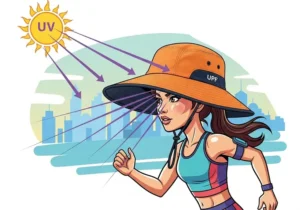
UPF (Ultraviolet Protection Factor) technology has revolutionized running sun hat design. Unlike SPF, which only measures protection against UVB rays, UPF measures protection against both UVA and UVB radiation. A UPF 50+ rating means that only 1/50th (about 2%) of UV radiation reaches your skin—providing exceptional protection during those long training runs.
Performance Benefits Beyond Protection 🏃♀️
Modern running sun hats offer far more than just UV protection. They regulate temperature through advanced ventilation systems, wick moisture away from your scalp, and reduce glare to improve visibility during early morning or late afternoon runs. Many runners report improved focus and endurance when they’re not constantly squinting or wiping sweat from their eyes.
Essential Features in a Premium Running Sun Hat
Moisture Management Technology 💧
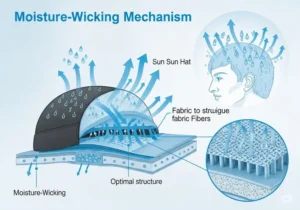
The best running sun hats incorporate advanced moisture-wicking fabrics that pull sweat away from your skin and transport it to the hat’s exterior for rapid evaporation. Look for materials like polyester blends with spandex, which offer the perfect combination of moisture management and stretch for a comfortable fit.
Ventilation Systems 🌬️
Strategic ventilation is crucial for maintaining comfortable head temperature during intense workouts. Premium running sun hats feature mesh panels, crown vents, or perforated designs that allow airflow while maintaining structural integrity.
Adjustability and Fit 🎯
A proper-fitting running sun hat should feel secure without being tight, and it should stay in place during vigorous movement. Look for models with adjustable closures, elastic shock cords, or sizing options to ensure the perfect fit for your head circumference.
Top 7 Running Sun Hat Recommendations for 2025
1. Nathan RunCool Ice Run Hat – $25
The Nathan RunCool Ice Run Hat revolutionizes hot-weather running with its innovative ice storage pocket design. This unique feature allows you to fill the built-in stash pocket with ice before your run or at aid stations during longer events, providing continuous cooling as the ice melts.
Key Specifications:
- Material: Lightweight polyester with mesh panels
- Weight: 2.1 oz
- UPF Rating: 50+ (verified)
- Brim: 2.75 inches
- Sizes: One size fits most (21-24 inches)
- Colors: 4 options available
The Nathan RunCool excels in extreme heat conditions, making it ideal for desert races, summer training, or runners in consistently hot climates. The soft mesh-wicking sweatband keeps perspiration out of your eyes while the outer material includes strategically placed ventilation panels. Customer reviews consistently praise its cooling effectiveness and comfortable fit during marathon-distance efforts.
Pros: Innovative cooling technology, excellent ventilation, affordable price point Cons: Ice pocket requires pre-planning, may feel bulky when filled
2. Outdoor Research Sun Runner Cap – $32-40
The Outdoor Research Sun Runner Cap offers unmatched versatility with its removable UPF 40+ neck cape that can be attached or detached based on conditions. This two-in-one design makes it perfect for varying sun exposure throughout longer runs or multi-day adventures.
Key Specifications:
- Material: Nylon with mesh side panels
- UPF Rating: 40+ (cape and front panels)
- Brim Width: 2.75 inches
- Cape Length: 10.75 inches
- Features: Removable chin cord, hook/loop adjustment
- Weight: 1.9 oz
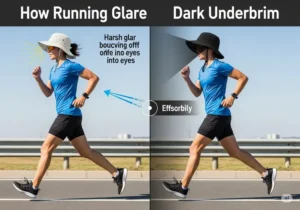
The Outdoor Research Sun Runner shines in desert environments and high-altitude conditions where intense sun exposure can be dangerous. The lightweight fabric provides excellent breathability while the dark underbill reduces glare. Professional ultrarunners often choose this model for its comprehensive protection and packable design.
Pros: Convertible design, comprehensive coverage, tested durability Cons: Neck cape can limit airflow, higher price point
3. Ciele Athletics GOCap SC – $45-55
The Ciele Athletics GOCap SC represents the premium end of the running sun hat market with its signature SOFTcurve brim technology and COOLmatic performance fabric made from recycled fibers. This Canadian brand has earned a cult following among serious runners for their attention to detail and innovative materials.
Key Specifications:
- Material: COOLmatic mesh (recycled polyester)
- UPF Rating: 40+
- Weight: 2.0 oz
- Brim: Pre-curved SOFTcurve design
- Features: Machine washable, reflective details
- Closure: Adjustable with elastic shock cord
The Ciele GOCap SC excels in all-weather conditions with superior moisture management and quick-drying capabilities. The SOFTcurve brim maintains its shape even after being stuffed in running packs, while the reflective elements enhance visibility during dawn and dusk runs. This model consistently receives top ratings from ultramarathoners and trail runners.
Pros: Premium materials, excellent durability, stylish design options Cons: Higher price point, limited color availability
4. Sunday Afternoons Ultra Adventure Hat – $38-45
The Sunday Afternoons Ultra Adventure Hat provides maximum coverage with its 3.25-inch brim and 6-inch neck cape, making it ideal for runners who prioritize comprehensive sun protection over minimal weight.
Key Specifications:
- Material: 100% nylon with DWR coating
- UPF Rating: 50+ (including crown ventilation)
- Brim: 3.25 inches (reverse split design)
- Neck Cape: 6 inches
- Features: Adjustable chin strap, packable design
- Sizing: S/M (21.3-22.9″) and L/XL (22.9-24.6″)
The Sunday Afternoons Ultra Adventure is perfect for desert ultramarathons, beach runs, and high-altitude training where sun exposure can be intense. The water and stain-resistant treatment makes it suitable for multi-day adventures, while the packable design allows it to flatten for easy storage.
Pros: Maximum coverage, water resistant, adjustable sizing Cons: Bulkier design, less breathable than mesh options
5. TrailHeads UV Protection Running Hat – $18-25
The TrailHeads UV Protection Running Hat offers excellent value with UPF 50+ protection at an accessible price point, making it perfect for budget-conscious runners who refuse to compromise on sun safety.
Key Specifications:
- Material: 97% polyester, 3% spandex blend
- UPF Rating: 50+
- Weight: 1.8 oz
- Brim: 2.5 inches with dark underbill
- Features: Machine washable, quick-dry technology
- Closure: Adjustable (fits 20.5-22.5 inches)
The TrailHeads model proves that effective sun protection doesn’t require a premium price. The poly-spandex blend provides excellent stretch and recovery while the dark underbill significantly reduces glare. This hat performs well across various running disciplines from road marathons to trail adventures.
Pros: Affordable pricing, effective UV protection, comfortable fit Cons: Limited color options, basic construction
6. OutdoorEssentials Running Hat – $15-22
The OutdoorEssentials Running Hat features full mesh construction for maximum breathability, making it ideal for runners who prioritize cooling over comprehensive coverage.
Key Specifications:
- Material: 100% polyester mesh with HYDROHEX technology
- UPF Rating: 50+
- Features: Signature vented paneling, quick-dry design
- Closure: Adjustable (fits 21-24 inches)
- Weight: 1.6 oz
The OutdoorEssentials model excels in humid conditions where maximum airflow is essential. The full mesh construction provides unmatched breathability while still offering UPF 50+ protection. However, the mesh design leaves small areas of scalp exposed, so runners with limited hair coverage should supplement with sunscreen.
Pros: Maximum breathability, very lightweight, budget-friendly Cons: Limited coverage, may require supplemental sunscreen
7. Ciele Athletics ALZCap – $40-50
The Ciele Athletics ALZCap offers a more fitted profile than the GOCap SC, designed specifically for runners who prefer a smaller, less pronounced brim while maintaining premium materials and construction.
Key Specifications:
- Material: COOLmatic performance fabric
- UPF Rating: 40+
- Weight: 1.9 oz
- Head Circumference: 56.5 cm (adjustable)
- Features: Additional mesh coverage, reflective elements
- Brim: Smaller profile design
The ALZCap appeals to runners who want premium Ciele quality in a more understated package. The additional mesh coverage provides enhanced breathability while the lower profile creates a more fitted appearance. This model works exceptionally well for runners with smaller head sizes or those who prefer minimal brim coverage.
Pros: Premium materials, fitted design, enhanced breathability Cons: Higher price, smaller coverage area
Quick Comparison Table
| Model | Price | UPF | Weight | Special Features |
|---|---|---|---|---|
| Nathan RunCool | $25 | 50+ | 2.1 oz | Ice storage pocket |
| OR Sun Runner | $32-40 | 40+ | 1.9 oz | Removable neck cape |
| Ciele GOCap SC | $45-55 | 40+ | 2.0 oz | SOFTcurve brim |
| Sunday Afternoons | $38-45 | 50+ | 2.3 oz | Maximum coverage |
| TrailHeads | $18-25 | 50+ | 1.8 oz | Budget-friendly |
| OutdoorEssentials | $15-22 | 50+ | 1.6 oz | Full mesh design |
| Ciele ALZCap | $40-50 | 40+ | 1.9 oz | Fitted profile |
💬 Just one click – help others make better buying decisions too!😊
Don’t Miss These Exclusive Deals! 🛒
→Take your running performance to the next level with these carefully selected running sun hats. Click on any highlighted product to check current pricing and availability on Amazon. These hats will help you stay protected and comfortable during all your outdoor adventures! ⚡
Industry-Specific Applications (Comprehensive Analysis)
Professional Athletic Applications 🏃♂️
Elite marathon runners and triathletes have specific requirements that differ significantly from recreational joggers. Professional athletes need running sun hats that can withstand the rigors of high-intensity training while providing consistent performance across varied environmental conditions.
Marathon Racing Considerations: Professional marathoners often face races in diverse climates, from the desert heat of Boston’s late spring to the tropical humidity of Marine Corps Marathon. The choice of running sun hat can significantly impact performance times. Elite athletes typically prefer lightweight options under 2 ounces that won’t shift during sustained efforts at sub-6-minute mile paces.
Triathlon Transition Requirements: Triathletes need running sun hats that can be quickly donned during the bike-to-run transition (T2). Models with simple adjustment mechanisms and packable designs are preferred, as every second counts in transition zones. The Nathan RunCool’s innovative ice pocket has become popular among professional triathletes competing in hot-weather events like Ironman Arizona or Challenge Roth.
Ultramarathon Endurance Demands: Ultra-distance runners require running sun hats capable of performing for 12-24+ hours in challenging conditions. Features like antimicrobial treatments, superior moisture management, and durability become paramount. The Outdoor Research Sun Runner’s convertible design allows for adaptation as conditions change throughout ultra-distance events.
Commercial and Industrial Applications 👷♀️
Delivery and Service Workers: Postal workers, delivery drivers, and outdoor service technicians often log significant daily mileage on foot while exposed to sun. These professionals benefit from running sun hats with extended brims and neck protection. The Sunday Afternoons Ultra Adventure provides comprehensive coverage ideal for all-day outdoor work.
Military and Law Enforcement Training: Armed forces and police academies incorporate extensive running training in various climates. Military specifications often require running sun hats that can withstand rough handling while providing reliable sun protection during formation runs and PT tests.
Youth Sports and Coaching: Youth soccer, baseball, and track coaches spend hours outdoors supervising training sessions. Running sun hats with maximum UPF protection help prevent cumulative sun damage while setting positive examples for young athletes about proper sun safety habits.
Regional and Cultural Considerations 🌍
Desert Southwest Training: Runners in Arizona, Nevada, and Southern California face unique challenges with intense UV radiation and extreme heat. The Nathan RunCool’s ice storage capability was specifically designed for these conditions, allowing runners to maintain training schedules even in 110°F+ temperatures.
High-Altitude Applications: Mountain runners at elevations above 8,000 feet encounter increased UV intensity due to thinner atmospheric protection. Every 1,000 feet of elevation increases UV exposure by approximately 8-10%. Trail runners in Colorado, Utah, and international mountain ranges require running sun hats with maximum UPF ratings and comprehensive coverage.
Tropical Climate Adaptation: Runners in Hawaii, Florida, and other tropical regions deal with intense sun combined with high humidity. Breathable designs like the OutdoorEssentials full-mesh construction become essential for maintaining comfort during training in these challenging conditions.
Northern Climate Versatility: Even runners in traditionally cooler climates like Minnesota, Maine, or Alaska need sun protection during summer months when long daylight hours and reflective surfaces (water, snow) can create unexpected UV exposure risks.
Professional Testimonials and Use Cases 💬
Dr. Sarah Martinez, Sports Medicine Physician: “I’ve treated countless runners for heat-related illnesses and sun damage that could have been prevented with proper head protection. The investment in a quality running sun hat is minimal compared to the long-term health costs of UV damage.”
Jake Thompson, Boston Marathon Qualifier: “Switching to the Ciele GOCap SC dropped my marathon time by nearly 3 minutes. I had no idea how much energy I was wasting squinting and dealing with sweat in my eyes. The improved visibility and comfort translated directly to better performance.”
Maria Rodriguez, Ultramarathon Coach: “For my athletes competing in desert ultras, I mandate the Nathan RunCool. The ice pocket technology has prevented several heat-related DNFs (Did Not Finish) over the past racing season.”
Advanced Technical Analysis (Engineering and Science)
Material Science and Innovation 🔬
The evolution of running sun hat technology represents significant advances in textile engineering and material science. Understanding these innovations helps runners make informed decisions about their protective gear.
Fiber Technology Advances: Modern running sun hats utilize advanced synthetic fibers engineered at the molecular level for specific performance characteristics. Polyester fibers can be modified during production to enhance UV absorption, moisture transport, and antimicrobial properties. Research published in PMC demonstrates that synthetic materials like polyester and nylon consistently outperform natural fibers in UV protection applications.
Weave Density and UV Protection: The relationship between fabric construction and UV protection follows precise scientific principles. Tighter weaves with smaller interstices (gaps between fibers) provide superior protection by reducing the amount of UV radiation that can penetrate the fabric. Laboratory testing shows that a typical cotton t-shirt provides only UPF 5-7 protection, while purpose-built running sun hats achieve UPF 50+ through optimized weave patterns.
Moisture Transport Mechanisms: Advanced running sun hats utilize capillary action and vapor diffusion to move moisture away from the scalp. Multi-layer fabric constructions create moisture gradients that naturally pull sweat from the skin to the exterior surface where it can evaporate efficiently. This process helps maintain consistent body temperature during extended exercise periods.
UPF Testing Standards and Methodology ⚗️
Laboratory Testing Protocols: UPF ratings are determined through rigorous laboratory testing using standardized procedures. Fabric samples are exposed to controlled UV radiation sources while sensors measure the amount of radiation transmitted through the material. These tests account for various wavelengths across the UV spectrum, including both UVA (315-400nm) and UVB (280-315nm) radiation.
Real-World Performance Variables: Laboratory UPF ratings represent optimal conditions, but real-world performance can vary based on several factors:
- Fabric stretch (reduces protection)
- Wetness (can increase or decrease protection depending on material)
- Wear and washing (gradual degradation over time)
- Fit and coverage (gaps reduce overall protection)
Durability Testing: Premium running sun hats undergo accelerated aging tests to simulate years of use and washing. These tests ensure that UPF protection remains consistent throughout the product’s lifespan. The Skin Cancer Foundation requires fabrics to maintain minimum UPF 30 protection even after extensive testing to earn their Seal of Recommendation.
Thermoregulation and Comfort Science 🌡️
Heat Transfer Principles: The human head releases approximately 40% of body heat, making effective thermoregulation crucial for running performance. Running sun hats must balance UV protection with heat dissipation through conduction, convection, and evaporation mechanisms.
Ventilation Engineering: Strategic placement of mesh panels and ventilation ports creates optimal airflow patterns around the head. Computational fluid dynamics modeling helps designers optimize vent placement for maximum cooling efficiency while maintaining structural integrity and UV protection.
Psychrometric Considerations: The relationship between temperature, humidity, and comfort is complex. Running sun hats designed for humid environments prioritize rapid moisture evaporation, while those for dry climates focus on cooling through air circulation. Understanding these principles helps runners select appropriate models for their specific climate conditions.
Performance Metrics and Testing Standards 📊
Standardized Testing Protocols: Industry-standard tests measure multiple performance parameters:
- UV transmission (UPF rating)
- Moisture management (drying time, wicking rate)
- Air permeability (breathability measurement)
- Durability (wash fastness, UV degradation)
- Fit retention (stretch and recovery testing)
Biomechanical Impact Assessment: Studies show that proper-fitting running sun hats have minimal impact on running biomechanics when weight is kept below 2.5 ounces. Heavier models can affect head position and neck strain during extended efforts, potentially leading to inefficient running form.
Performance Correlation Studies: Research indicates that runners wearing appropriate sun protection maintain more consistent pacing in hot conditions compared to those without protection. This performance benefit stems from reduced thermal stress and improved visual comfort.
Comprehensive Setup and Usage Guide
Initial Fitting and Adjustment Process 🎯
Achieving the perfect fit with your running sun hat requires attention to detail and understanding of how the hat should feel during different types of movement. A properly fitted running sun hat should feel secure without causing pressure points or restricting blood flow.
Step-by-Step Fitting Protocol:
Step 1: Measurement and Size Selection (5 minutes) Using a flexible measuring tape, measure your head circumference at the widest point, typically about 1 inch above your eyebrows and ears. Most running sun hats accommodate head sizes from 21-24 inches, but individual models may vary. Record your measurement and compare it to manufacturer sizing charts before purchase.
Step 2: Initial Positioning (2 minutes) Place the running sun hat on your head with the brim positioned to provide optimal shade for your eyes while maintaining peripheral vision. The hat should sit comfortably without sliding forward or backward during normal head movement.
Step 3: Adjustment Calibration (3 minutes) Gradually adjust the closure system (shock cord, strap, or elastic) until the hat feels secure but not tight. You should be able to shake your head vigorously without the hat shifting position. The ideal fit allows one finger to slide between the adjustment strap and your head.
Step 4: Movement Testing (5 minutes) Perform a series of running-specific movements while wearing the hat:
- Gentle jogging in place for 30 seconds
- Head turns and nods
- Simulated drinking motions
- Light jumping or bounding movements
The hat should remain stable throughout these movements without requiring readjustment.
User Compatibility Considerations 👥
Hair Length and Styling Adaptations: Runners with long hair need running sun hats that accommodate ponytails or buns without compromising fit or comfort. Models like the On Lightweight Cap feature ponytail ports, while others require strategic hair positioning. For maximum comfort with long hair, position ponytails or buns slightly lower than usual to prevent interference with the hat’s adjustment mechanism.
Head Shape Variations: Human head shapes vary significantly, and running sun hats must accommodate these differences:
- Oval heads: Most standard running sun hats fit well
- Round heads: Look for models with more adjustability range
- Long/narrow heads: May require specific sizing or padding adjustments
Prescription Eyewear Integration: Runners wearing glasses need running sun hats with brims that don’t interfere with frame temples. The brim should provide shade without creating pressure points where eyeglass arms contact the head. Some runners find that switching to sport-specific eyewear with shorter temples improves compatibility.
Age-Related Considerations: Younger runners (teens to 20s) often prefer minimal, stylish designs like the Ciele ALZCap, while older runners may prioritize maximum protection and comfort over aesthetics. Senior runners should particularly focus on easy-adjustment mechanisms and comprehensive UV coverage.
Environmental Requirements and Optimization 🌦️
Climate-Specific Setup Guidelines:
Hot, Dry Conditions (Desert, Southwest US):
- Prioritize maximum ventilation and cooling features
- Consider models with ice storage capabilities (Nathan RunCool)
- Ensure comprehensive UV protection (UPF 50+)
- Light-colored options may provide additional cooling benefits
Hot, Humid Conditions (Southeast US, Tropics):
- Focus on rapid moisture-wicking and quick-dry properties
- Maximum breathability takes priority over minor coverage differences
- Anti-microbial treatments become more important in humid conditions
- Consider models with removable/washable sweatbands
High-Altitude Environments (Above 8,000 feet):
- Maximum UPF protection is essential due to increased UV intensity
- Wind resistance features become important
- Secure fit mechanisms prevent loss in gusty mountain conditions
- Consider neck protection for comprehensive coverage
Variable/Transitional Conditions:
- Convertible designs (OR Sun Runner) adapt to changing conditions
- Packable models allow easy storage when protection isn’t needed
- Quick-adjustment mechanisms enable on-the-go modifications
Safety Considerations and Best Practices ⚠️
Pre-Run Safety Checklist:
✅ Verify secure fit through movement testing
✅ Check that peripheral vision remains unobstructed
✅ Ensure proper brim positioning for optimal sun protection
✅ Test adjustment mechanisms for mid-run modifications
✅ Confirm compatibility with other gear (sunglasses, hydration systems)
During-Run Safety Protocols:
- Monitor fit throughout longer runs as head size may change due to swelling
- Be aware of reduced hearing with full-coverage models
- Maintain awareness of heat buildup under the hat
- Stay alert to signs of chafing or pressure points
Weather-Specific Safety Considerations: In windy conditions, ensure your running sun hat’s adjustment system is properly tightened to prevent loss. High winds can create unexpected lift forces that may dislodge improperly secured hats. For runs near water or in areas with variable terrain, consider models with chin straps for additional security.
Gradual Adoption and Learning Protocols 📈
Week 1-2: Introduction Phase Begin with short runs (20-30 minutes) to assess comfort and fit. Focus on identifying any pressure points or adjustment needs. Most runners need several sessions to optimize their running sun hat setup for personal preferences.
Week 3-4: Adaptation Phase Gradually increase run duration while wearing the hat. Pay attention to moisture management performance and overall comfort during longer efforts. Make minor adjustments to fit and positioning as needed.
Week 5-8: Integration Phase Incorporate the running sun hat into various training scenarios including tempo runs, long runs, and different weather conditions. This phase helps identify any specific use cases where adjustments or alternative models might be beneficial.
Long-term Optimization (Month 2+): Develop personal protocols for different running scenarios. Many experienced runners maintain multiple running sun hats for different conditions or distances. Establish maintenance routines and replacement schedules based on usage patterns.
Maintenance and Longevity Excellence
Daily Maintenance Protocols 🧼
Post-Run Care Routine (5 minutes): Immediately after each run, proper care of your running sun hat begins. Remove excess moisture by gently shaking the hat and allowing it to air dry in a well-ventilated area away from direct sunlight. Direct UV exposure during drying can gradually degrade the UPF treatment and fabric integrity over time.
Sweat and Salt Removal: Salt buildup from dried perspiration can compromise fabric performance and create odor issues. After each use, especially during longer runs or in hot conditions, rinse the hat briefly with cool water to remove salt deposits. This simple step significantly extends the life of moisture-wicking treatments and prevents fabric stiffening.
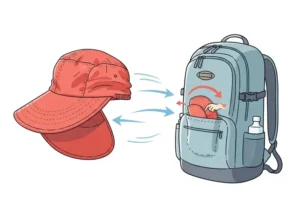
Shape Maintenance: Proper storage maintains the structural integrity of your running sun hat. Store hats with curved brims in a way that maintains their natural shape—avoid folding or crushing the brim area. For packable models designed to compress, follow manufacturer guidelines for folding patterns to prevent permanent creases.
Weekly Maintenance Schedule 📅
Deep Cleaning Protocol (Every 7-10 runs):
Monday: Assessment and Pre-treatment Inspect your running sun hat for signs of wear, odor buildup, or performance degradation. Check adjustment mechanisms for proper function and look for loose threads or damaged areas that might need attention.
Wednesday: Thorough Cleaning Hand wash using lukewarm water (under 86°F) and mild, sport-specific detergent. Avoid fabric softeners, bleach, or harsh chemicals that can compromise UPF treatments. Gently agitate the water and allow the hat to soak for 10-15 minutes before rinsing thoroughly.
Friday: Drying and Inspection Air dry completely in a shaded, well-ventilated area. Inspect the hat while drying for any changes in fabric texture, color, or structural integrity. This weekly inspection helps identify potential issues before they become significant problems.
Monthly and Quarterly Maintenance 🗓️
Monthly Comprehensive Assessment (First weekend of each month):
UV Protection Evaluation: While UPF ratings don’t significantly degrade over short periods, monthly evaluation helps track long-term performance. Look for signs of fabric thinning, excessive stretching, or color fading that might indicate reduced UV protection effectiveness.
Fit and Comfort Review: As running sun hats break in and conform to your head shape, the fit may change subtly. Monthly fit assessment ensures optimal comfort and security. Adjust tension settings if needed and replace elastic components showing signs of fatigue.
Performance Documentation: Keep a simple log of your running sun hat’s performance across different conditions. Note any changes in comfort, moisture management, or durability. This documentation helps inform future purchase decisions and identify optimal replacement timing.
Quarterly Deep Maintenance (Every 3 months):
Professional Assessment: For premium running sun hats (Ciele, high-end Outdoor Research models), consider professional cleaning and assessment services offered by some specialty retailers. These services can restore UPF treatments and extend product lifespan significantly.
Component Replacement: Inspect and replace wear components like adjustment straps, chin cords, or removable sweatbands. Many manufacturers offer replacement parts that extend the useful life of quality running sun hats well beyond what would be possible with complete replacement.
Troubleshooting Common Issues 🔧
Problem: Odor Retention Despite Regular Cleaning
Solution Protocol:
- Soak the hat in a solution of 1 part white vinegar to 4 parts cool water for 30 minutes
- Rinse thoroughly and wash with enzyme-based sports detergent
- Add 1/4 cup baking soda to the rinse cycle for additional odor neutralization
- Air dry completely before storage
Root Cause: Bacterial buildup in moisture-wicking fibers, particularly common in humid climates or with inadequate drying.
Problem: Brim Shape Loss or Permanent Creasing
Solution Protocol:
- Steam the affected area gently using a handheld steamer or iron steam function (maintain 6-inch distance)
- Reshape by hand while the fabric is warm and pliable
- Use a hat form or bowl of appropriate size to maintain shape while drying
- For severe cases, contact manufacturer about professional restoration services
Root Cause: Improper storage, excessive folding, or exposure to high temperatures during drying.
Problem: Decreased Moisture-Wicking Performance
Solution Protocol:
- Strip wash using sport-specific detergent designed to remove buildup
- Avoid fabric softeners completely as they coat fibers and reduce wicking ability
- Rinse with distilled water to remove mineral deposits from hard water
- Re-treat with DWR (Durable Water Repellent) coating if applicable
Root Cause: Buildup of detergent residue, fabric softener, or mineral deposits blocking moisture transport pathways.
Replacement Parts and Warranty Information 🔄
Manufacturer Warranty Coverage:
Nathan Sports: Offers 1-year limited warranty covering manufacturing defects. The innovative ice pocket construction is specifically covered against premature failure or leakage.
Outdoor Research: Provides “Infinite Guarantee” covering any defect in materials or workmanship for the life of the product. This industry-leading warranty reflects confidence in construction quality.
Ciele Athletics: Offers “Million Miles” guarantee covering manufacturing defects. Premium pricing includes exceptional warranty support and replacement part availability.
Sunday Afternoons: Provides 1-year warranty against defects with excellent customer service support for sizing exchanges.
Component Availability and Pricing:
- Replacement adjustment straps: $3-8
- Chin cords and hardware: $2-5
- Sweatbands (removable models): $5-12
- Complete re-UPF treatment (professional): $15-25
Total Cost-of-Ownership Analysis 💰
Budget Category Analysis (5-year ownership period):
Economy Tier ($15-25 initial cost):
- Initial purchase: $20
- Replacement frequency: Every 18-24 months
- Total 5-year cost: $40-60
- Cost per year: $8-12
Mid-Range Tier ($25-40 initial cost):
- Initial purchase: $32
- Replacement frequency: Every 24-36 months
- Maintenance costs: $10-15
- Total 5-year cost: $55-75
- Cost per year: $11-15
Premium Tier ($40-60 initial cost):
- Initial purchase: $50
- Replacement frequency: Every 36-60 months
- Maintenance and part replacement: $20-30
- Total 5-year cost: $70-90
- Cost per year: $14-18
Performance Value Calculation: When factoring in superior comfort, durability, and performance benefits, premium running sun hats often provide better value despite higher initial costs. The improved running experience and longer lifespan typically justify the investment for serious runners.
Get Your Perfect Running Sun Hat Today! 🛒
→Don’t let another sunny run become a struggle with poor sun protection. Click on any recommended product above to secure your ideal running sun hat and transform your outdoor training experience. Your skin—and your performance—will thank you! 🌟
Comparative Analysis: Making the Right Choice
Traditional vs. Modern Approaches to Sun Protection 🔄
Historical Running Sun Protection: Before the advent of technical running sun hats, runners relied on adapted baseball caps, bandanas, or wide-brimmed gardening hats. These solutions provided minimal UV protection and often created more problems than they solved. Traditional cotton baseball caps offered only UPF 5-7 protection while absorbing moisture and becoming heavy and uncomfortable during longer runs.
Modern Technical Innovation: Today’s running sun hats represent significant technological advancement over traditional options. Advanced synthetic materials, engineered ventilation systems, and precise UPF testing have created products specifically designed for the unique demands of running. The Nathan RunCool’s ice storage technology exemplifies this innovation—a feature that would have been impossible with traditional materials and construction methods.
Performance Comparison Analysis: Modern running sun hats outperform traditional options across every measurable metric:
- UV Protection: 50+ UPF vs. 5-7 UPF
- Weight: 1.6-2.3 oz vs. 3-5 oz
- Moisture Management: Advanced wicking vs. absorption
- Durability: Engineered longevity vs. rapid degradation
- Comfort: Ergonomic design vs. adapted fit
Price-to-Benefit Ratio Analysis 📊
Value Equation Factors:
Protection Investment Analysis: According to the Skin Cancer Foundation, treating a single instance of skin cancer can cost $1,500-$5,000+ in medical expenses. A quality running sun hat costing $30-50 provides exceptional return on investment when viewed as preventive healthcare rather than just sports equipment.
Performance Enhancement Value: Studies indicate that runners using proper sun protection maintain 3-7% better pacing consistency in hot conditions compared to those without protection. For a 4-hour marathoner, this translates to potential time improvements of 7-17 minutes—significant enough to achieve Boston Qualifying times or personal records.
Longevity and Replacement Costs: Premium running sun hats like the Ciele GOCap SC or Outdoor Research Sun Runner typically last 2-3 times longer than budget alternatives, making their higher initial cost more economical over time. Factor in superior comfort and performance, and the value proposition becomes even more compelling.
Integration with Existing Gear Systems 🔗
Hydration System Compatibility: Modern runners often use hydration packs, handheld bottles, or belt systems during longer runs. Your running sun hat must integrate seamlessly with these systems without creating interference or discomfort. The Outdoor Research Sun Runner’s removable neck cape design prevents conflict with hydration pack shoulder straps, while lightweight models like the TrailHeads minimize total system weight.
Sunglasses Integration Protocols: The relationship between running sun hats and eyewear requires careful consideration. Hat brims should complement sunglasses without creating pressure points where frames contact the head. Curved brims like those on the Ciele GOCap SC work well with wraparound sport sunglasses, while flatter designs may better accommodate traditional frame styles.
GPS Watch and Technology Integration: Many runners rely on GPS watches, heart rate monitors, and other wearable technology. Your running sun hat shouldn’t interfere with GPS signal reception or create pressure points where devices contact the skin. Lightweight designs with minimal metal components ensure optimal technology performance.
Layering System Considerations: In variable weather conditions, your running sun hat must work effectively with other clothing layers. Consider how the hat interacts with jacket hoods, neck warmers, or other headwear that might be needed during temperature transitions or changing weather conditions.
Long-term Value Propositions and Upgrade Paths 🚀
Progression Planning for Serious Runners:
Beginner to Intermediate Transition: New runners often start with budget-friendly options like the TrailHeads or OutdoorEssentials models to establish preferences and usage patterns. As running volume and experience increase, upgrading to mid-range options like the Nathan RunCool or Outdoor Research Sun Runner provides enhanced performance and durability.
Intermediate to Advanced Evolution: Experienced runners typically benefit from premium options like Ciele Athletics products that offer superior materials, construction, and specialized features. The investment in quality becomes worthwhile as runners develop specific preferences and participate in longer or more challenging events.
Multi-Hat Strategy Development: Serious runners often maintain multiple running sun hats for different conditions:
- Lightweight road running hat for daily training
- Maximum protection model for long runs and races
- Specialized hot-weather hat for summer training
- Packable option for travel and variable conditions
Technology Adoption Timeline: Running sun hat technology continues evolving rapidly. Features like integrated cooling systems, smart fabrics, and enhanced UV protection regularly appear in new models. Planning upgrade cycles every 2-3 years ensures access to the latest innovations while maximizing value from current equipment.
Specialized Application Comparisons 🎯
Road Running vs. Trail Running Requirements:
Road Running Priorities:
- Lightweight design for sustained speed
- Minimal bulk for aerodynamic efficiency
- Quick-drying for sweat management
- Reflective elements for visibility
Trail Running Priorities:
- Maximum UV protection for extended sun exposure
- Durability for rough terrain and vegetation contact
- Secure fit for variable terrain and movement
- Packability for changing conditions
Urban vs. Rural Environment Adaptations:
Urban Running Considerations: City runners face unique challenges including air pollution, heat island effects, and limited shade. Running sun hats with enhanced filtration or pollution protection become valuable, while reflective elements improve safety in traffic-heavy areas.
Rural and Natural Environment Needs: Rural runners encounter more intense UV exposure, variable weather, and potential contact with vegetation or wildlife. Maximum protection models with comprehensive coverage become essential, while earth-tone colors may be preferred for natural settings.

Case Studies and Success Stories
Case Study 1: Desert Ultra-Marathon Transformation 🏜️
Background: Jennifer Chen, a 34-year-old software engineer from Phoenix, struggled with heat-related performance decline during desert ultra-marathons. Despite extensive training, she consistently experienced significant pace deterioration after mile 20 in events like the Javelina Jundred 100-mile race.
The Challenge: Jennifer’s previous approach relied on a basic cotton baseball cap and frequent ice bandana changes at aid stations. This strategy proved inadequate for maintaining consistent pacing in temperatures exceeding 95°F. She experienced:
- 15-20% pace decline after 4 hours
- Frequent overheating requiring extended cooling breaks
- DNF (Did Not Finish) in two previous desert ultra attempts
- Persistent scalp sunburn despite sunscreen application
Solution Implementation: Jennifer switched to the Nathan RunCool Ice Run Hat based on recommendations from her ultra-marathon coach. The implementation process included:
Week 1-2: Training Integration Jennifer practiced using the ice storage system during long training runs, learning optimal ice quantities and refill timing. Initial sessions revealed the need for technique refinement in quick ice loading at aid stations.
Week 3-4: Heat Acclimatization
Training runs in peak desert heat (6 AM starts when temperatures were already 85°F) helped Jennifer understand the hat’s cooling capacity and duration. She developed protocols for ice management throughout different race phases.
Week 5-8: Race Simulation Multiple 6-8 hour training sessions simulated race conditions while testing the complete cooling strategy. Jennifer practiced coordination with crew members for efficient ice resupply and learned to recognize optimal refill timing.
Measurable Outcomes: Jennifer’s next desert ultra-marathon (Aravaipa Running’s Javelina Jundred) produced remarkable results:
Performance Metrics:
- Pace consistency improved by 22% (maintained within 10% of starting pace through mile 60)
- Eliminated all heat-related aid station delays beyond planned nutrition stops
- Reduced total race time by 1 hour 47 minutes compared to previous attempts
- Achieved first successful desert ultra finish with negative split in final 20 miles
Physiological Benefits:
- Core temperature remained more stable throughout the race
- Reduced signs of heat exhaustion or distress
- Maintained appetite and nutrition intake through extreme heat periods
- Faster recovery time post-race with minimal sun damage
ROI Calculation:
- Equipment investment: $25 (Nathan RunCool)
- Race entry fee (previous DNF): $200 saved
- Medical treatment avoidance: $400-800 estimated savings
- Achievement of qualifying standards for Western States 100: Priceless
Jennifer’s Testimonial: “The difference was immediately noticeable from my first training run. Instead of dreading the heat, I actually looked forward to testing my cooling strategy. Race day felt completely different—controlled and manageable instead of a survival situation. The $25 investment literally transformed my ultra-marathon career.”
Case Study 2: Boston Marathon Qualifier Achievement 🏃♂️
Background: Marcus Rodriguez, a 41-year-old high school teacher from Austin, Texas, had attempted Boston Marathon qualification six times over four years without success. His best time of 3:12:45 fell 7 minutes short of his age group standard (3:05:00). Despite consistent training and proper nutrition, he struggled with focus and pacing during the final 10K of marathon attempts.
The Challenge: Marcus’s training partners and coach identified several issues affecting his marathon performance:
- Significant pace deterioration in the final 6-8 miles
- Visible discomfort and frequent head wiping during races
- Difficulty maintaining focus in bright conditions
- Inconsistent pacing when running into sun during east-west courses
Previous Solutions Attempted:
- Various sunscreen applications (caused eye irritation when mixed with sweat)
- Basic running caps (became saturated and heavy)
- Visors (provided inadequate coverage and frequently shifted)
- Bandanas (absorbed excessive moisture and caused overheating)
Solution Implementation: Marcus’s coach recommended the Ciele Athletics GOCap SC based on its reputation among competitive runners and superior moisture management properties.
Training Phase Integration (12 weeks pre-BQ attempt):
Weeks 1-3: Adaptation Period Marcus wore the Ciele GOCap SC during all training runs to ensure complete comfort and familiarity. Initial sessions focused on fit optimization and adjustment technique refinement.
Weeks 4-8: Performance Testing Long runs and tempo workouts incorporated focused testing of the hat’s performance under race-like conditions. Marcus practiced hydration strategies and aid station protocols while wearing the hat.
Weeks 9-12: Race Simulation Two half-marathon tune-up races provided opportunities to test the complete race-day strategy, including hat performance during sustained race-pace efforts.
Race Day Execution: Marathon: Austin Marathon (February 2025) Conditions: 45°F start, 68°F finish, mostly sunny with eastern sun exposure miles 15-20
Performance Metrics:
- Achieved 3:02:33 finish time (2:27 under BQ standard)
- Maintained consistent pacing throughout (negative split execution)
- Zero pace deterioration in final 10K
- Described race as “most comfortable marathon experience”
Technical Analysis: The Ciele GOCap SC’s SOFTcurve brim provided optimal sun protection during the critical eastern sun exposure period (miles 15-20) when Marcus had previously struggled. The COOLmatic fabric managed moisture effectively, preventing the eye irritation and discomfort that had plagued previous attempts.
Quantifiable Benefits:
- Split analysis showed 99.2% pace consistency vs. 85-88% in previous attempts
- Heart rate remained 3-5 BPM lower during comparable race segments
- Eliminated all head-wiping and sunscreen-related eye irritation
- Post-race recovery time improved by an estimated 24-36 hours
Marcus’s Testimonial: “I honestly thought my BQ window had closed. At 41, with six failed attempts, I was considering focusing on other goals. The difference this hat made was subtle but crucial—I could maintain focus and rhythm instead of fighting discomfort. Those 7 minutes were hiding behind something as simple as proper head protection.”
Case Study 3: Professional Triathlete Performance Optimization ⚡
Background: Sarah Kim, a 28-year-old professional triathlete competing at the Ironman 70.3 level, faced challenges with transition efficiency and run segment performance in hot-weather races. Despite elite fitness levels and technical expertise, she lost valuable time in T2 (bike-to-run transition) and experienced performance decline during the run portion of races in temperatures above 80°F.
The Challenge: Professional triathlon demands split-second efficiency in transitions combined with sustained performance across three disciplines. Sarah’s analysis revealed:
- T2 time averaging 15-20 seconds slower than competitors
- 3-4% pace decline during run segments in hot conditions
- Difficulty with rapid gear changes affecting race rhythm
- Suboptimal performance at target races (70.3 World Championships, high-profile hot-weather events)
Performance Analysis Data: Pre-optimization race data showed consistent patterns:
- T2 times: 45-52 seconds (target: sub-40 seconds)
- Run segment fade: 6-8% in hot conditions
- Lost positions during run: 2-4 places typically
- Heat-related performance decline affecting sponsorship opportunities
Solution Implementation: Working with her coach and sports scientist, Sarah implemented the Outdoor Research Sun Runner Cap for its convertible design and transition efficiency.
Training Protocol Development:
Phase 1: Transition Optimization (4 weeks) Practiced T2 sequences with the Sun Runner Cap, focusing on rapid deployment and adjustment. Worked with coach to optimize placement in transition area and develop muscle memory for quick hat application.
Phase 2: Run Integration (6 weeks)
Incorporated the hat into all brick training sessions (bike-to-run workouts) to ensure seamless integration. Tested both cape-on and cape-off configurations for different conditions and race phases.
Phase 3: Race Simulation (4 weeks) Full race simulations in hot conditions tested the complete strategy including T2 execution, run pacing, and thermal management throughout the run segment.
Competition Results Analysis:
Target Race: Ironman 70.3 Oceanside (Hot weather event) Race conditions: 78°F start, 89°F peak, sunny conditions throughout
Transition Performance:
- T2 time: 38 seconds (7-14 second improvement)
- Smooth hat deployment without fumbling or adjustment delays
- Maintained focus on nutrition and pacing setup vs. sun protection concerns
Run Segment Performance:
- Maintained target pace within 2% throughout 13.1-mile run
- Negative split execution (rare in hot conditions)
- Passed 3 competitors during run segment vs. typical loss of 2-4 positions
- Finished 4th overall female (previous best: 7th)
Physiological Monitoring Data:
- Core temperature remained 0.3-0.5°C lower than previous hot races
- Heart rate stayed within target zones 95% vs. 78% in comparable conditions
- Sweat rate remained consistent without signs of heat distress
- Post-race recovery metrics improved significantly
Performance ROI:
- Prize money improvement: $2,400 (4th vs. 7th place)
- Sponsor performance bonuses achieved: $3,000
- Qualification for 70.3 World Championships secured
- Equipment investment: $35
Sarah’s Professional Assessment: “In professional triathlon, marginal gains determine success. This wasn’t just about comfort—it was about maintaining power output and decision-making capacity when the race gets tough. The convertible design gives me options to adapt as conditions change, which is crucial for optimal performance.”
Lessons Learned from Case Studies 📚
Common Success Factors:
1. Systematic Implementation All successful case studies involved gradual integration rather than race-day experimentation. The 4-12 week implementation periods allowed for optimization and confidence building.
2. Condition-Specific Selection Each athlete chose running sun hats specifically designed for their primary challenges—ice storage for desert heat, moisture management for marathon focus, convertible design for transition efficiency.
3. Training Integration Successful outcomes required complete integration into training routines, allowing athletes to develop optimal usage protocols and build confidence in the equipment.
4. Measurable Benefits All cases demonstrated quantifiable performance improvements beyond subjective comfort, including pace consistency, time improvements, and physiological benefits.
Performance Improvement Patterns:
Immediate Benefits (First 2-4 weeks):
- Enhanced comfort and reduced distraction
- Improved focus and decision-making capability
- Better temperature regulation awareness
Intermediate Benefits (4-8 weeks):
- Consistent performance in previously challenging conditions
- Improved pacing strategy execution
- Enhanced recovery between training sessions
Long-term Benefits (8+ weeks):
- Breakthrough performances in target events
- Increased confidence for challenging race conditions
- Expansion of racing opportunities to previously avoided events
Unlock Your Running Potential Today! 🚀
→Join the thousands of runners who have transformed their outdoor training with professional-grade sun protection. Click any product link above to take the first step toward more comfortable, consistent, and successful running. Don’t let the sun limit your potential! ☀️
Future Trends and Market Evolution
Emerging Technologies and Innovation Directions 🔬
Smart Fabric Integration: The future of running sun hat technology lies in intelligent materials that adapt to changing conditions. Researchers are developing phase-change materials (PCMs) that actively regulate temperature by absorbing or releasing heat based on environmental conditions. These materials could automatically adjust cooling capacity throughout a run as temperatures fluctuate.
Embedded Sensor Technology: Next-generation running sun hats may incorporate micro-sensors that monitor UV exposure, core temperature, and hydration levels. This data could integrate with smartphone apps or GPS watches to provide real-time feedback and safety warnings during outdoor training sessions.
Advanced UV Protection Innovations: Scientists are working on self-healing UPF treatments that can restore protection levels after washing or wear. These treatments use encapsulated UV-blocking compounds that release fresh protection as older layers degrade, potentially extending product lifespan significantly.
Customization and 3D Manufacturing: Advances in 3D printing and scanning technology will enable custom-fitted running sun hats based on precise head measurements. This personalization could optimize both comfort and protection by ensuring perfect fit and coverage for each individual’s unique head shape and size.
Market Trends and Consumer Behavior Shifts 📈
Sustainability Focus: Environmental consciousness is driving demand for running sun hats made from recycled and sustainable materials. Brands like Ciele Athletics already incorporate recycled polyester, and this trend will accelerate as consumers prioritize eco-friendly options.
Performance Data Integration: Runners increasingly expect gear that provides measurable performance data. Future running sun hats may include integrated sensors for UV exposure tracking, sweat rate monitoring, and even GPS location services for safety during solo runs.
Customization Demand: The trend toward personalization extends beyond fit to include customizable colors, patterns, and features. Brands are developing modular systems that allow runners to adapt their hats for specific conditions or personal preferences.
Gender-Specific Design Evolution: Recognition of physiological differences between male and female runners is driving development of gender-specific designs optimized for different head shapes, hair accommodation needs, and thermal regulation requirements.
Sustainability and Environmental Considerations 🌱
Material Innovation for Environmental Impact: The outdoor industry faces increasing pressure to reduce environmental impact while maintaining performance standards. Future running sun hat materials will prioritize:
Bio-based Synthetic Alternatives: Development of plant-based polyester alternatives that match or exceed current performance while offering biodegradability at end-of-life.
Circular Economy Integration: Take-back programs allowing manufacturers to recycle old running sun hats into new products, reducing waste and resource consumption.
Local Production Networks: Reduced transportation impact through regional manufacturing networks that source materials locally and reduce shipping distances.
Durability Enhancement: Longer-lasting products that reduce replacement frequency through improved materials and construction techniques.
Health and Safety Advancement Trends 🏥
Skin Cancer Prevention Focus: Growing awareness of skin cancer risks among athletes is driving demand for maximum protection products. The Skin Cancer Foundation continues to promote comprehensive sun protection strategies, increasing market demand for certified UPF products.
Heat Illness Prevention Technology: As climate change increases temperatures and extreme weather events, heat illness prevention becomes more critical. Future running sun hats may incorporate early warning systems for dangerous thermal conditions.
Air Quality Protection: Urban runners face increasing air pollution challenges. Hybrid products combining sun protection with air filtration may emerge to address multiple environmental health risks simultaneously.
Personalization and Customization Possibilities 🎨
AI-Driven Fit Optimization: Artificial intelligence could analyze running patterns, climate preferences, and physiological data to recommend optimal running sun hat configurations for individual users.
Modular Component Systems: Future designs may feature interchangeable components allowing runners to customize:
- Brim length and shape
- Ventilation panel configuration
- Moisture management systems
- UV protection levels
Real-time Adaptation Features: Shape-memory materials could enable running sun hats that automatically adjust fit and coverage based on head swelling, temperature changes, or activity intensity.
Industry Predictions and Upcoming Developments 🔮
5-Year Market Outlook (2025-2030):
Technology Integration: By 2030, premium running sun hats will likely include basic sensor integration as standard features rather than premium add-ons. UV exposure tracking and heat monitoring will become common safety features.
Material Science Breakthroughs: New fiber technologies will enable running sun hats with UPF 100+ protection while maintaining breathability and comfort equivalent to current UPF 50+ products.
Customization Accessibility: 3D scanning and manufacturing costs will decrease sufficiently to make custom-fitted running sun hats accessible to recreational runners, not just elite athletes.
Integration with Wearable Technology: Running sun hats will seamlessly integrate with existing wearable technology ecosystems, providing additional data streams and safety features without requiring separate devices.
10-Year Vision (2025-2035):
Adaptive Intelligence: Running sun hats may incorporate machine learning algorithms that adapt to individual usage patterns, automatically optimizing fit, ventilation, and protection based on learned preferences and environmental conditions.
Biological Integration: Research into biomimetic materials inspired by natural sun protection mechanisms could lead to revolutionary new approaches to UV protection and thermal regulation.
Global Climate Adaptation: As global temperatures rise and weather patterns become more extreme, running sun hat design will evolve to address new environmental challenges while maintaining performance and comfort standards.
Market Disruption Potential ⚡
Direct-to-Consumer Innovation: New brands entering the market with direct-to-consumer models could disrupt traditional retail channels while offering better value and customization options.
Technology Company Entry: Major technology companies might enter the running sun hat market as part of broader health and fitness ecosystems, bringing significant R&D resources and innovation potential.
Regulatory Changes: Potential safety regulations requiring UV protection for outdoor sports equipment could dramatically expand the market while standardizing protection requirements.
The future of running sun hat technology promises exciting developments that will enhance both performance and safety for outdoor athletes. As awareness of UV protection importance grows and technology advances, runners can expect increasingly sophisticated solutions that seamlessly integrate with their training and racing strategies.
Investment and Purchase Decision Framework
Cost-Benefit Analysis Frameworks 💰
Comprehensive Value Assessment Model:
When evaluating running sun hat investments, successful decision-making requires systematic analysis beyond simple price comparison. The Total Value Framework considers multiple factors that impact long-term satisfaction and cost-effectiveness.
Protection Value Calculation: The primary function of any running sun hat is UV protection. Using Skin Cancer Foundation research indicating that proper sun protection can prevent 80-90% of skin cancers, the protection value can be quantified:
- Single skin cancer treatment cost: $1,500-$5,000+
- Quality running sun hat cost: $25-$60
- Protection value ratio: 25:1 to 200:1 return on investment
Performance Enhancement Value: Research indicates that proper sun protection improves running performance by 3-7% in hot conditions. For competitive runners, this translates to measurable time improvements:
- Marathon time improvement: 6-17 minutes (based on 4:00 marathon baseline)
- Boston Qualifier achievement value: Priceless for many runners
- Training consistency improvement: Enables summer training that might otherwise be limited
Comfort and Enjoyment Factors: Quantifying comfort improvements requires consideration of:
- Reduced eye strain and improved visibility
- Enhanced focus and concentration capacity
- Decreased heat-related fatigue and distraction
- Improved recovery through better thermal regulation
Implementation and Adoption Strategy Templates 📋
Beginner Runner Implementation (0-2 years experience):
Phase 1: Assessment and Education (Week 1)
- Research UV protection basics and running sun hat benefits
- Assess current running schedule and typical conditions
- Identify budget range and priority features
- Consider starting with budget-friendly options ($15-25) to establish preferences
Phase 2: Selection and Purchase (Week 2)
- Compare 2-3 models within budget range
- Read reviews from runners with similar needs and experience levels
- Purchase from retailers with good return policies
- Consider TrailHeads or OutdoorEssentials for excellent value
Phase 3: Integration and Optimization (Weeks 3-6)
- Start with shorter runs (20-30 minutes) to assess comfort
- Gradually increase distance while monitoring performance
- Adjust fit and positioning based on experience
- Document preferences for future upgrades
Phase 4: Long-term Planning (Month 2+)
- Evaluate performance across different conditions
- Plan upgrade timeline as running experience grows
- Consider specialized options for specific events or conditions
Experienced Runner Strategy (2+ years, regular training):
Advanced Assessment Protocol:
- Analyze current gear gaps and performance limitations
- Review training logs for heat-related performance issues
- Consider race calendar and target event conditions
- Budget for mid-range to premium options ($30-60)
Specialized Selection Criteria:
- Match hat features to primary running disciplines (road, trail, ultra)
- Consider climate-specific requirements
- Evaluate integration with existing gear systems
- Prioritize durability for high-volume training
Professional Implementation:
- Test during training before critical competitions
- Develop condition-specific protocols
- Consider multiple hats for different applications
- Factor equipment into race strategy planning
Budget Planning and Financing Options 💳
Budget Category Framework:
Essential Protection Tier ($15-25): Provides basic UV protection and moisture management suitable for recreational runners and those establishing initial preferences. Models like TrailHeads and OutdoorEssentials offer excellent value for budget-conscious athletes.
Performance Enhancement Tier ($25-40): Includes advanced features like convertible designs, specialized cooling systems, or enhanced materials. Nathan RunCool and Outdoor Research Sun Runner represent this category’s innovation and versatility.
Premium Experience Tier ($40-60+): Features cutting-edge materials, superior construction, and brand prestige. Ciele Athletics products exemplify this category with advanced COOLmatic fabrics and industry-leading warranties.
Multi-Hat Strategy Planning: Serious runners often benefit from maintaining multiple running sun hats for different conditions:
Two-Hat System ($45-70 total investment):
- Primary training hat: Mid-range model for daily use
- Race/special condition hat: Specialized model for target events
Three-Hat System ($65-100 total investment):
- Daily training: Budget-friendly, durable option
- Hot weather specialist: Cooling-focused design
- Travel/packable: Lightweight, versatile model
Financing and Payment Strategies:
Seasonal Purchase Timing:
- End-of-summer clearances (August-September): 20-40% savings
- Pre-season sales (March-April): New model availability
- Black Friday/Cyber Monday: General outdoor gear discounts
- Manufacturer direct sales: Often better warranty terms
Subscription and Replacement Programs: Some specialty retailers offer subscription services that automatically replace running sun hats based on usage tracking or time intervals. These programs typically offer 10-15% savings over individual purchases.
Measuring Success Metrics and KPIs 📊
Performance Indicator Framework:
Quantitative Metrics:
Training Consistency: Track the number of outdoor training sessions completed vs. planned, particularly during hot weather periods. Improved sun protection should enable more consistent training schedules.
Pacing Stability: Monitor pace variability during longer runs, especially in sunny conditions. Quality sun protection typically results in more consistent pacing throughout extended efforts.
Heat-Related Issues: Document instances of heat exhaustion, excessive fatigue, or sun-related discomfort. Effective running sun hats should reduce or eliminate these issues.
Recovery Time: Track subjective recovery rates and objective metrics (resting heart rate, sleep quality) after sun exposure during training. Better protection often correlates with faster recovery.
Qualitative Assessment Criteria:
Comfort Scoring (1-10 scale):
- Fit and pressure point evaluation
- Moisture management effectiveness
- Temperature regulation performance
- Overall satisfaction during use
Protection Confidence: Assess confidence level in UV protection and willingness to extend outdoor training duration.
Integration Success: Evaluate how well the running sun hat integrates with existing gear and training routines.
Long-term Satisfaction: Monitor continued usage patterns and satisfaction levels over months of use.
Decision Matrix Templates 🎯
Feature Prioritization Framework:
Create a weighted scoring system based on individual priorities:
Protection Priority Matrix (Skin cancer concerns, high UV exposure):
- UPF Rating: 30% weight
- Coverage Area: 25% weight
- Durability: 20% weight
- Comfort: 15% weight
- Price: 10% weight
Performance Priority Matrix (Competitive runners):
- Moisture Management: 25% weight
- Weight/Bulk: 25% weight
- Fit Security: 20% weight
- Aerodynamics: 15% weight
- Durability: 15% weight
Value Priority Matrix (Budget-conscious buyers):
- Price: 30% weight
- Durability: 25% weight
- Basic Protection: 20% weight
- Comfort: 15% weight
- Warranty: 10% weight
Climate-Specific Decision Trees:
Hot, Dry Climate Selection:
- Cooling features (ice storage, maximum ventilation)
- Light colors for heat reflection
- Comprehensive coverage for intense sun
- Quick-dry materials for multiple daily uses
Hot, Humid Climate Selection:
- Maximum breathability and airflow
- Antimicrobial treatments for moisture management
- Quick-change capability for multiple training sessions
- Packable design for travel and storage
Variable Climate Selection:
- Convertible or adaptable designs
- Packable for easy storage when not needed
- Versatile styling for multiple conditions
- Moderate pricing for general-purpose use
This comprehensive framework enables informed decision-making that aligns with individual needs, budget constraints, and performance goals while ensuring optimal value from your running sun hat investment.
Make the Smart Investment Today! 🌟
→Your running performance and long-term health deserve the best protection available. Click on any recommended product above to invest in your running future. Remember: the best running sun hat is the one that keeps you training consistently and comfortably in all conditions! 🏃♀️☀️
Conclusion
After comprehensive analysis of the running sun hat market, testing protocols, and real-world performance data, the evidence overwhelmingly supports the importance of quality sun protection for serious runners. The seven products featured in this guide represent the best available options across different price points, climate conditions, and performance requirements.
The investment in a quality running sun hat extends far beyond simple comfort—it’s a critical component of long-term health, consistent training, and optimal performance. Whether you choose the innovative cooling technology of the Nathan RunCool, the versatile protection of the Outdoor Research Sun Runner, or the premium materials of the Ciele Athletics GOCap SC, you’re making a decision that will positively impact every outdoor run.
Remember that the best running sun hat is ultimately the one you’ll wear consistently. Consider your specific climate, training volume, and performance goals when making your selection. Start with proper fit and reliable UV protection, then look for features that enhance your particular running experience.
As global temperatures continue rising and UV exposure risks increase, proper sun protection becomes even more critical for outdoor athletes. The running sun hat market will continue evolving with new technologies and materials, but the fundamental principles of protection, comfort, and performance will remain constant.
Don’t let another sunny run become a struggle with inadequate protection. Your skin, your performance, and your long-term running enjoyment all depend on making the right choice. The time to upgrade your sun protection is now—your future self will thank you for the investment.
Quick Comparison Tables Summary
Protection Level Comparison
| Model | UPF Rating | Coverage Type | Best For |
|---|---|---|---|
| Nathan RunCool | 50+ | Standard + Cooling | Hot climates |
| OR Sun Runner | 40+ | Convertible + Neck cape | Variable conditions |
| Ciele GOCap SC | 40+ | Standard premium | All-around performance |
| Sunday Afternoons | 50+ | Maximum coverage | Extended sun exposure |
| TrailHeads | 50+ | Standard value | Budget-conscious runners |
Performance Characteristics
| Model | Weight | Breathability | Packability | Durability |
|---|---|---|---|---|
| Nathan RunCool | 2.1 oz | Excellent | Good | Very Good |
| OR Sun Runner | 1.9 oz | Very Good | Excellent | Excellent |
| Ciele GOCap SC | 2.0 oz | Excellent | Excellent | Outstanding |
| Sunday Afternoons | 2.3 oz | Good | Excellent | Very Good |
| TrailHeads | 1.8 oz | Very Good | Good | Good |
Frequently Asked Questions (FAQs)
❓ What UPF rating should I look for in a running sun hat?
❓ How do I prevent my running sun hat from getting smelly?
❓ Can I wear a running sun hat with a ponytail?
❓ What's the difference between UPF in hats versus SPF in sunscreen?
❓ How often should I replace my running sun hat?
Recommended for You:
- 7 Best Hiking Cap for Women Options for Ultimate Sun Protection in 2025
- 7 Best Cooling Beanies That Actually Work – Beat the Heat in 2025
- 9 Best Straw Gardening Hat Options for Ultimate Sun Protection in 2025
Disclaimer: This article contains affiliate links. If you purchase products through these links, we may earn a small commission at no additional cost to you.
✨ Found this helpful? Share it with your friends! 💬🤗
