
In This Article
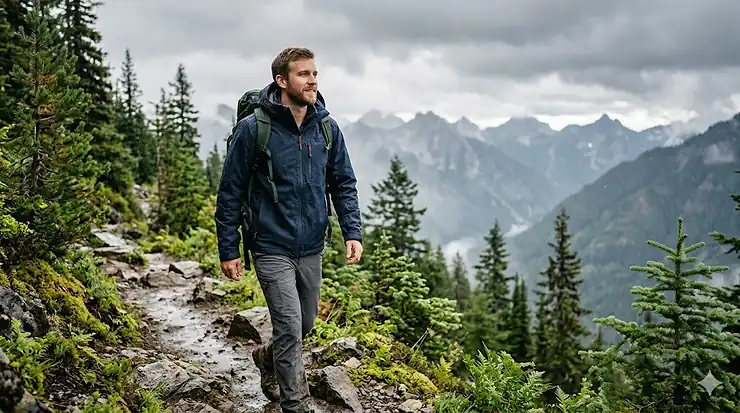
There’s a specific kind of betrayal that happens when a jacket you trusted lets the rain in around minute twelve of a walk. Your shoulders go cold first. Then it creeps down your spine like someone’s slowly pouring a glass of ice water down your collar. You promise yourself, right there on the sidewalk, that you’ll never buy outerwear based on looks alone again.
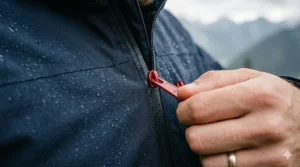
A fleece lined waterproof jacket is the fix. Put simply: it’s a jacket with a waterproof or water-resistant outer shell bonded or zipped to a fleece interior, so you get rain protection and insulation in a single layer instead of stacking three separate pieces. For men who split their winter between the office parking lot, the dog park, and the occasional weekend trail, that combination does a lot of heavy lifting.
The catch is that “waterproof” and “fleece lined” get slapped on a lot of mediocre jackets, and the difference between a genuinely good one and a glorified hoodie with a DWR spray can cost you a soggy commute. I went looking through what’s actually selling on Amazon right now — not theoretical best-in-class gear, but real listings with real reviews — and pulled together seven jackets that earn the label. A couple of credible outdoor testing sites, like Outside’s gear team, which tested over two dozen men’s fleece jackets across a wide range of winter conditions, back up a lot of what shows up in the Amazon review sections too.
Below: a quick comparison, full spec breakdown, seven real picks with honest commentary, and the buying knowledge that’ll keep you from making the same mistake twice.
Quick Comparison Table
| Jacket | Best For | Waterproofing | Price Range | Standout Feature |
|---|---|---|---|---|
| Columbia Bugaboo III Fleece Interchange | Premium all-rounder | Omni-Tech waterproof-breathable, seam-sealed | $150–$220 range | True 3-in-1 zip-in system |
| wantdo Lightweight Softshell | Best all-around value | Waterproof treated shell | $45–$65 range | SBS dual-zip, roomy 4-pocket layout |
| TACVASEN Military Fleece Liner | Rugged/tactical use | 10,000mm rated shell | $50–$65 range | Verified high waterproof index |
| MAGCOMSEN Tactical Softshell | Tightest budget | Water-resistant softshell | $40–$60 range | Most pockets for the price |
| 33,000ft Hooded Softshell | Lightweight/packable | Waterproof-treated shell | $40–$55 range | Low bulk, easy to stuff in a bag |
| Little Donkey Andy Convertible | Versatility/travel | Seam-sealed waterproof shell | $55–$75 range | Detachable sleeves convert to a vest |
| Weatherproof Midweight Softshell | Work/everyday wear | Water-resistant (not fully waterproof) | $40–$60 range | Stretch fabric built for labor |
Look at that spread and a pattern jumps out fast: price correlates less with “does it keep you dry” and more with “how many ways can you reconfigure it.” The Columbia justifies its premium price tag with a genuine interchangeable system rather than just better fabric, while the budget tactical-style jackets from TACVASEN and MAGCOMSEN punch well above their price by leaning on simple, durable softshell construction instead of fancy zip-in mechanisms. The Weatherproof pick is the one outlier worth flagging now and remembering later — it’s marketed as water resistant, not fully waterproof, so it belongs in a different conversation than the other six.
💬 Just one click — help others make better buying decisions too! 😊
✨ Found a Front-Runner Already?
🔍 Tap any jacket above to check today’s price and current stock on Amazon — availability on these styles shifts fast once cold weather hits.
Full Spec Comparison: Side-by-Side Numbers
| Jacket | Shell Material | Fleece Lining | Pockets | Hood |
|---|---|---|---|---|
| Columbia Bugaboo III | 100% nylon Ultra Touch | Omni-Heat Dotswarm, zip-in | 4+ (chest, hand, interior) | Removable, adjustable storm hood |
| wantdo Softshell | 95% polyester (some styles +spandex) | Bonded fleece shell | 4 (2 outer, 2 inner) | Attached, drawstring hood |
| TACVASEN Military Liner | Softshell, 90/10 poly-spandex | Bonded micro-fleece | Up to 7 depending on style | Concealed/attached hood |
| MAGCOMSEN Tactical | 90% polyester, 10% spandex | Polar fleece | Up to 6 | Fleece-lined collar, detachable hood |
| 33,000ft Hooded Softshell | Softshell polyester blend | Insulated fleece lining | 3–4 | Attached hood |
| Little Donkey Andy | Softshell with 5% spandex | Micro polar fleece | 2 large chest pockets | Removable hood |
| Weatherproof Softshell | Stretch poly-spandex blend | Midweight (not heavy fleece) | 2–3 | None on most models |
The numbers tell their own little story once you read between the rows: more pockets and a removable hood usually signal a jacket built for variable conditions (hiking, hunting, commuting in unpredictable weather), while fewer pockets and no hood point toward a jacket designed for one job — usually work or layering under something else. If you’re choosing based on this table alone, count how many of those pockets you’d actually use before paying extra for them; a jacket stuffed with eight pockets you never open is just extra seams that can eventually leak.
Top 7 Fleece Lined Waterproof Jackets for Men: Expert Picks
1. Columbia Men’s Bugaboo III Fleece Interchange Jacket
The Columbia Men’s Bugaboo III Fleece Interchange Jacket is the rare 3-in-1 that doesn’t feel like a compromise wearing either half alone.
Here’s what the spec sheet actually buys you: the outer shell uses Columbia’s Omni-Tech waterproof-breathable membrane with critically sealed seams, which in practice means the stitching — usually the first place a “waterproof” jacket fails — is treated the same as the fabric. The zip-in liner uses Omni-Heat Dotswarm fleece with reflective thermal dots, so it’s pulling double duty as both insulation and a heat-reflecting layer. What most buyers overlook is that you can wear just the shell on a 45-degree drizzly day and just the fleece on a crisp, dry one, which means this is really three jackets disguised as one purchase.
It’s best suited to guys who genuinely experience four distinct seasons and hate owning four distinct jackets. Reviewers consistently mention that it runs true to size and that the zip-together system holds up over repeated seasons without the liner separating or the zipper teeth wearing out — a known failure point on cheaper interchange jackets.
✅ Genuine 3-in-1 versatility
✅ Sealed seams that actually hold up to sustained rain
✅ Reflective fleece liner adds real warmth without bulk
❌ Pricier than single-shell alternatives
❌ Bulkier when both layers are zipped together
At $150–$220 range depending on size and colorway, it’s the most expensive jacket on this list — but if you’re only buying one winter jacket this year, the cost-per-wear math still works in its favor.
2. wantdo Men’s Lightweight Softshell Jacket, Fleece Lined & Waterproof
The wantdo Men’s Lightweight Softshell Jacket is the jacket I’d point a first-time buyer toward without much hesitation.
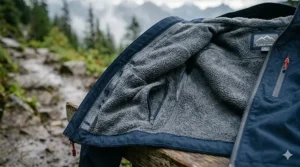
The shell is a polyester-based bonded fleece shell — meaning the fleece lining is fused directly to the waterproof exterior rather than sewn in as a separate panel, which cuts down on the seam lines where water typically sneaks through. The SBS dual-head zipper is a small detail that matters more than it sounds: it lets you unzip from the bottom for ventilation without exposing your chest to wind, which is genuinely useful on a brisk uphill walk. Four roomy pockets (two zippered outside, two large inside) give you actual phone-and-wallet storage instead of decorative slits.
This is the jacket for the guy who wants one do-everything piece for dog walks, commuting, and the occasional hike, without spending real money to find out if he likes wearing technical outerwear. Customer feedback skews heavily toward “better than expected for the price,” with the most common gripe being that the standard fit runs slightly generous, so sizing down is worth considering.
✅ Strong value at a budget price point
✅ Bonded fleece-shell construction reduces leak points
✅ Practical 4-pocket layout
❌ Not rated for sustained downpours, more of a warm rain jacket with fleece lining for showers and drizzle
❌ Limited color range compared to bigger brands
Sitting in the $45–$65 range, it’s the value pick of this whole lineup.
3. TACVASEN Men’s Military Fleece Liner Softshell Tactical Jacket
The TACVASEN Men’s Military Fleece Liner Jacket earns its spot here because it’s one of the few budget jackets that publishes an actual waterproof index instead of just the word “waterproof” in the title.
That number — a 10,000mm rating, paired with a breathable lining rated around 5,000g/m²/24hr — isn’t marketing fluff. In plain terms, a 10,000mm rating means the fabric can withstand a column of water 10,000mm tall before it starts seeping through, which puts it solidly in “stand in real rain, not just drizzle” territory, well above the vague water-resistant claims you see on cheaper softshells. The fleece lining is bonded rather than stitched, and the underarm vent zippers are a thoughtful touch for anyone who works up a sweat while wearing it.
This one’s built for guys who actually do things outside — hunting, fishing, working a job site, hauling firewood — rather than guys who want to look like they do those things. The multi-pocket layout (up to seven on some configurations) leans tactical, which some buyers love and others find like overkill for daily wear.
✅ Verified 10,000mm waterproof rating, not just a claim
✅ Underarm vents prevent the sweaty-greenhouse effect
✅ Tactical pocket layout for tools, phone, and gear
❌ The military aesthetic isn’t for everyone
❌ Sizing runs narrow through the shoulders for bigger guys
At $50–$65 range, it’s arguably the best dollar-for-dollar waterproof performance on this list.
4. MAGCOMSEN Men’s Tactical Performance Waterproof Softshell Jacket
The MAGCOMSEN Men’s Tactical Performance Jacket is what happens when a budget brand decides pockets are a personality trait.
Spec-wise, you’re looking at a 90% polyester, 10% spandex softshell shell over a polar fleece interior, which gives a bit more stretch through the shoulders than the all-polyester competition — noticeable the first time you reach overhead to grab something off a shelf without feeling your shoulders pull against the fabric. The standout here is pocket count: depending on the exact model, you get anywhere from two sleeve pockets to a dual-zip back pocket, which is unusual for a jacket in this price bracket and genuinely useful if you’re the type who hates carrying a bag.
It’s a strong match for outdoor laborers, hunters, and anyone who needs a winter rain jacket that functions more like cargo pants with sleeves. The fleece-lined collar with a concealed, detachable hood is a clever design choice — fewer flapping panels when the hood’s stowed.
✅ Exceptional pocket-to-price ratio
✅ Spandex blend adds real mobility
✅ Concealed hood reduces bulk when not in use
❌ Water resistance, not a verified high waterproof rating like TACVASEN’s
❌ Fleece lining is thinner than some competitors at this price
At $40–$60 range, it’s the tightest-budget option that still delivers genuine functionality rather than just looking the part.
5. 33,000ft Men’s Hooded Softshell Jacket, Fleece Lined
The 33,000ft Men’s Hooded Softshell Jacket is the one to grab if your priority is “I need this to disappear into my backpack until I need it.”
It skips the bulk of a thick liner in favor of a lighter insulated fleece lining bonded into a windbreaker-style softshell — the tradeoff being slightly less raw warmth in exchange for a jacket that doesn’t feel like wearing a sleeping bag every time you put it on. The hood is attached rather than removable, which keeps the design simple and the price low, but means you’re stuck with it on sunny days.
This is the pick for travelers, commuters who layer over a sweater, and anyone whose main complaint about winter jackets is that they’re too stiff and bulky to actually move in. It’s not the jacket for standing still in a blizzard, but it’s a great one for staying dry and warm-enough while you’re actively walking, biking, or running errands.
✅ Genuinely lightweight and packable
✅ Comfortable for active movement, not just standing around
✅ Solid windbreaker performance layered with insulation
❌ Less raw warmth than heavier fleece-lined options
❌ Fixed hood limits versatility on warmer days
In the $40–$55 range, it’s the most travel-friendly pick on this list.
6. Little Donkey Andy Men’s Waterproof Softshell Jacket with Detachable Sleeves and Hood
The Little Donkey Andy Convertible Jacket does something none of the others on this list attempt: it unzips into a vest.
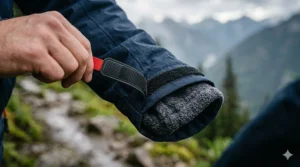
The shell is seam-sealed and waterproof-treated, lined with a micro polar fleece that’s blended with a touch of spandex for stretch, but the real engineering is in the zip-off sleeves and removable hood. What that buys you in practice is one jacket that handles a cold morning hike, then converts to a vest for the warmer midday sun, then zips back into a full jacket for the chilly evening descent — without you needing to carry a second layer in your bag.
It’s the obvious pick for anyone whose days swing through a wide temperature range: skiers riding the lift up cold and skiing down warm, hikers gaining elevation, or anyone who’s tired of either sweating through a jacket or freezing without one. The two oversized chest pockets are generous enough for gloves or a phone, though there’s no interior pocket for anything you’d want extra-secure.
✅ Genuinely useful convertible design, not a gimmick
✅ Spandex blend keeps the fleece lining comfortable, not stiff
✅ Roomy exterior pockets
❌ No secure interior pocket for valuables
❌ Conversion zippers are one more failure point to maintain over time
At $55–$75 range, it costs a bit more than the straightforward softshells, but you’re paying for genuine versatility, not just branding.
7. Weatherproof Men’s Softshell Jacket, Wind & Water Resistant
The Weatherproof Men’s Softshell Jacket deserves an honest caveat right up front: it’s labeled wind and water resistant, not fully waterproof, and that distinction matters more than the marketing copy lets on.
What you’re actually getting is a midweight, stretch-fabric softshell built around durability rather than rain defense — reinforced for job sites, with a stand collar, adjustable velcro cuffs, and a drawcord waist that’s clearly designed by people thinking about landscapers and construction crews rather than backcountry skiers. The fleece lining here is lighter than the fleece in the rest of this list, more of a warm middle layer than a true insulating shell.
This is the right call for guys who want a tough, flexible work jacket that’ll shrug off light drizzle and wind, not for anyone planning to stand in a downpour. Reviewers who use it for yard work and construction consistently praise the stretch and durability; reviewers who expected it to perform like a rain shell in a real storm are usually disappointed, which tells you everything about matching expectations to the actual product.
✅ Genuinely durable stretch fabric for physical work
✅ Comfortable, breathable midweight build
✅ Budget-friendly for a name-brand option
❌ Water resistant only — not built for sustained rain
❌ Lighter fleece means less raw warmth than dedicated winter picks
At $40–$60 range, it’s a smart buy only if you understand exactly what you’re buying it for.
How to Layer, Care For, and Extend the Life of Your Jacket
A fleece lined waterproof jacket is basically a small ecosystem, and treating it like one keeps it performing for years instead of months.
First 30 days: Resist the urge to wash it immediately just because it’s new. Most factory DWR (durable water repellent) coatings need a few wears to fully bond, and an early wash with the wrong detergent can strip performance before it’s even had a chance.
Washing: Use a technical wash (Nikwax Tech Wash or similar) instead of regular detergent — standard detergent leaves a residue that coats the fabric and kills breathability over time. Skip fabric softener entirely; it’s the single fastest way to ruin a waterproof membrane.
Drying and reproofing: A low-heat tumble dry actually helps reactivate most DWR coatings, which sounds counterintuitive but is true. Once you notice water soaking in rather than beading up — usually after 20–30 washes — it’s time for a spray-on reproofing treatment, not a new jacket.
Storage: Hang it loosely in a ventilated closet. Stuffing a fleece-lined jacket into a tight drawer for months flattens the fleece pile and can encourage mildew if there’s any residual dampness.
Real-World Scenarios: Matching the Right Jacket to Your Life
The daily commuter walking eight to ten blocks in unpredictable weather wants something with a verified waterproof rating and decent breathability so he’s not arriving at the office damp from sweat instead of rain — the TACVASEN or wantdo picks fit this brief well.
The weekend warrior who hikes, hunts, or fishes needs a jacket that can take abuse and still perform — that’s squarely TACVASEN or MAGCOMSEN territory, where the tactical pocket layouts and rugged construction earn their keep.
The four-season guy who skis in January and hikes in October shouldn’t be buying two jackets — the Columbia Bugaboo III or the Little Donkey Andy convertible both solve that problem from opposite directions: one through interchangeable layers, the other through a literal jacket-to-vest conversion.
The job-site worker doing physical labor in light rain and wind wants stretch and durability over technical waterproofing — the Weatherproof pick is built exactly for that brief, as long as he’s not expecting it to survive a thunderstorm.
How to Choose a Fleece Lined Waterproof Jacket for Men
- Check the actual waterproof rating, not just the word “waterproof.” A published mm rating (like TACVASEN’s 10,000mm) tells you far more than marketing copy alone.
- Match the fleece weight to your climate. Heavier fleece (Columbia’s Omni-Heat Dotswarm) suits genuinely cold regions; lighter fleece suits mild, wet climates where you’d overheat in something thicker.
- Count the pockets you’ll actually use. More pockets mean more seams and more potential leak points — only worth it if you’ll fill them.
- Decide if you need a removable hood. Fixed hoods simplify the design but limit versatility on dry, sunny days.
- Think about how you’ll wash it. A jacket with a zip-in liner (like the Bugaboo III) needs separate care for each piece, which is more maintenance than a single bonded softshell.
- Be honest about your actual use case. A work jacket and a backcountry shell solve different problems — don’t pay backcountry prices for a work-jacket use case, or vice versa.
- Size for layering, not just a snug fit. If you plan to wear a sweater underneath on the coldest days, size up slightly from your usual fit.
Fleece-Lined Waterproof vs. Traditional Insulated Jackets
| Factor | Fleece-Lined Waterproof | Traditional Down/Insulated |
|---|---|---|
| Rain performance | Strong to excellent | Often poor — down clumps when wet |
| Breathability | Generally good | Can trap heat/moisture |
| Packability | Moderate | Down packs smaller, synthetic insulation bulkier |
| Versatility | High (3-in-1 options exist) | Lower — usually a single-purpose piece |
| Best climate | Cold + wet | Cold + dry |
The table makes the real tradeoff obvious: down insulation is unbeatable for dry, brutally cold conditions, but it’s a liability the moment rain enters the picture, since wet down loses most of its loft and insulating power. A fleece-lined waterproof jacket trades a little peak warmth for reliability across a wider range of actual weather — which, for most men living somewhere that isn’t permanently below freezing and bone dry, is the more useful trade to make.
What to Expect: Real-World Performance in Rain, Wind, and Cold
In light-to-moderate rain, every jacket on this list except the Weatherproof pick will keep you genuinely dry for an hour-plus walk. In sustained, heavy rain, the gap widens fast — the Columbia and TACVASEN picks, with their verified seam-sealing and rating, will outlast the rest by a wide margin.
Wind performance is more uniform across the board; softshell construction is inherently decent at blocking wind regardless of brand. Cold performance is where fleece weight matters most: the Columbia’s reflective Dotswarm lining and the TACVASEN’s bonded fleece both outperform the lighter linings on the 33,000ft and Weatherproof picks once temperatures drop into the 20s and below.
For broader context on dressing for genuinely dangerous cold, the National Weather Service recommends wearing layers of loose-fitting, lightweight clothing, since trapped air between layers provides insulation, and avoiding cotton during strenuous outdoor activity since it saps body heat once wet — good advice regardless of which jacket you land on.
Features That Actually Matter (And the Ones That Are Mostly Marketing)
Actually matters: seam sealing, a published waterproof rating, pit zips or underarm vents, and an adjustable hem/cuffs that actually cinch tight rather than just look adjustable.
Mostly marketing: vague “military grade” or “tactical” branding with no spec to back it up, excessive pocket counts you’ll never use, and reflective piping that’s more about looks than function on a jacket you’re not wearing at night near traffic.
The underlying technology that separates a real waterproof jacket from a water-resistant one comes down to membrane construction — layering allows you to fine-tune heat management as activity levels fluctuate outside, but the shell itself is what actually keeps water out. If you want the deeper mechanics of how waterproof-breathable membranes work, it’s worth a quick read on how these laminates balance keeping water out while letting vapor escape.
The PFAS Question: What “Waterproof” Really Means in 2026
Here’s something most buying guides skip entirely: the chemistry behind that waterproof coating is changing fast, and it affects what you’re actually buying right now.
For decades, durable water repellent (DWR) treatments relied heavily on PFAS — “forever chemicals” that don’t break down in the environment. Some individual PFAS compounds have already been restricted in Europe under POPs regulations, with adverse health effects including liver damage and increased cholesterol linked to certain types. Multiple U.S. states have started restricting these chemicals in consumer textiles, which is part of why you’ll increasingly see “PFC-free” callouts on jacket listings — it’s not just a sustainability flex, it’s a response to actual regulatory pressure.
The practical takeaway: PFAS-free DWR treatments are improving but historically haven’t matched the raw water-shedding performance of older PFAS-based coatings. If you see “PFC-free” on a listing, expect slightly more frequent reproofing rather than assuming it’s strictly worse — the newer chemistry is catching up fast.
Long-Term Cost & Maintenance
A $50 softshell that needs replacing every winter and a $180 interchange jacket that lasts five seasons aren’t actually that far apart on cost-per-wear — run the math before assuming budget always wins.
Reproofing spray runs roughly $10–$15 and should last a full season of moderate use. Technical wash detergent is a similar cost and goes a long way. The real expense to watch for is replacing a jacket entirely because the DWR coating failed and nobody reproofed it — which is avoidable maintenance, not an unavoidable cost of ownership.
Common Mistakes Men Make When Buying One of These Jackets
Buying based on the word “waterproof” alone, without checking whether it’s backed by an actual rating, tops the list — as the Weatherproof pick on this list proves, brand-name water resistant jackets get marketed right alongside genuinely waterproof ones.
Washing with regular detergent or fabric softener is the second-most common way men accidentally kill a perfectly good jacket within a year. Third: buying a heavy, four-season jacket for a mild, wet climate and overheating constantly because the fleece weight doesn’t match local conditions. Fourth: ignoring fit-for-layering and buying too snug, then being unable to wear a sweater underneath on the coldest days.

FAQ
❓ Are fleece lined waterproof jackets for men actually waterproof or just water resistant?
❓ How should a fleece lined waterproof jacket fit?
❓ Can you wear a fleece lined waterproof jacket in heavy rain all day?
❓ What's the difference between a softshell and a fleece lined waterproof jacket?
❓ How do you wash a fleece lined waterproof jacket without ruining it?
Conclusion
There’s no single “best” fleece lined waterproof jacket men should buy blindly — there’s a best jacket for what you’re actually doing in it. The Columbia Bugaboo III earns its premium price through genuine three-in-one versatility. The TACVASEN backs up its budget price with a verified waterproof rating most jackets in that range don’t bother publishing. The Little Donkey Andy solves the swinging-temperature problem nobody else on this list addresses. And the Weatherproof pick is a perfectly good jacket as long as you stop expecting it to be something it was never built to be.
Match the jacket to your actual winter, not the winter you imagine you’re prepared for, and you’ll get years out of any of these seven instead of replacing a disappointing one every season.
✨ Ready to Stop Getting Rained On?
🔍 Check current pricing and availability on any of these seven picks — Amazon stock and pricing on winter outerwear shifts quickly once the season hits its stride.
Recommended for You
- PU Raincoat vs PVC: Which Is Better? 7 Picks for 2026
- 7 Best Rubber Raincoat Fishing Picks That Keep You Dry (2026)
- Best PVC Raincoat for Work in 2026: 7 Heavy-Duty Picks Reviewed
Disclaimer: This article contains affiliate links. As an Amazon Associate, I earn from qualifying purchases. If you purchase products through these links, we may earn a small commission at no additional cost to you.
✨ Found this helpful? Share it with your friends! 💬🤗
