
In This Article
Somewhere between the outdoor store’s wall of jackets and the checkout counter, most people have the same quiet panic: every tag says “waterproof,” every hangtag promises “breathable,” and none of it explains why one jacket costs $75 and another costs $650. A raincoat material comparison is really just a plain-language breakdown of what’s sandwiched inside that shell — coating versus membrane, 2-layer versus 3-layer — so the price tag finally makes sense. Get the fabric wrong and you’ll either overpay for alpine-grade armor you’ll never need on a grocery run, or underpay for a jacket that turns into a wet paper bag the moment a real storm rolls in. This guide breaks down seven real, currently available jackets across budget, mid-range, and premium tiers, plus the actual engineering — membranes, coatings, denier counts, hydrostatic head ratings — that separates a jacket that shrugs off a downpour from one that just delays it.
Quick Comparison Table
| Material Type | How It Works | Typical Price Range | Best For |
|---|---|---|---|
| DWR Coating Only | Sprayed-on finish, water beads and rolls off | Under $75 | Light drizzle, everyday errands |
| 2-Layer Membrane | Membrane bonded to face fabric, loose liner | $75–$150 | Casual hiking, commuting |
| 2.5-Layer Membrane | Membrane + thin printed protective layer | $100–$200 | Backpacking, budget-conscious hikers |
| 3-Layer Laminate | Membrane fully bonded between face fabric and backer | $170–$700+ | Serious weather, alpine, daily abuse |
The pattern here is straightforward: the more physical layers standing between you and the sky, the more consistently the jacket performs when rain turns from occasional to relentless. A basic DWR coating is genuinely fine for a walk to the mailbox, but it’s chemistry doing a mechanical job — reapply it every few months or it quietly stops working. Full 3-layer laminates cost more because they bond a real membrane, like a Gore-Tex layer, directly into the fabric sandwich instead of hanging it loose, which is also why 3-layer jackets tend to survive years of abrasion that would shred a 2-layer liner.
💬 Bookmark this raincoat material comparison now — you’ll want it open next to the product page when you’re deciding.
Top 7 Raincoat Materials: Expert Analysis
1. Marmot PreCip Eco — best budget shell for occasional showers
The Marmot PreCip Eco has been a budget staple for over a decade, and the “Eco” update swaps in a 100% recycled face fabric without touching the formula that made it popular in the first place. It uses Marmot’s NanoPro 2.5-layer membrane — a lightweight laminate topped with a thin printed inner coating instead of a full tricot backer — which is what keeps the jacket down around 11 ounces packed into its own pocket. That 2.5-layer construction means you’re getting genuine waterproofing, just without the plush, skin-friendly lining of pricier 3-layer builds. Based on the spec comparison, this jacket is built for people who need a “just in case” layer buried in a daypack, not a primary defense against all-day storms — students, commuters, and casual hikers are the sweet spot. Reviewers consistently note that the PreCip Eco performs reliably in light-to-moderate rain but that its zippers rely on a storm flap rather than true waterproof sealing, and extended downpours eventually soak through the shoulders. What most buyers overlook is that this jacket’s real value isn’t outright waterproofing — it’s the fact that it does 80% of what a $400 shell does for roughly a quarter of the price.
Pros:
- ✅ Ultra-light at just 11 ounces packed
- ✅ 100% recycled fabric with PFC-free DWR
- ✅ Budget-friendly price for a “just in case” shell
Cons:
- ❌ Zippers rely on a storm flap, not sealing
- ❌ Soaks through during extended heavy rain
At around $100–$120, the Marmot PreCip Eco is one of the strongest value plays in this raincoat material comparison — just don’t expect it to survive a full day on an exposed ridge.
2. Columbia Watertight II — cheapest true waterproof option
The Columbia Watertight II undercuts nearly everything else on this list, and it does so with a straightforward 2-layer Omni-Tech membrane rather than any half-layer trickery. That simplicity is precisely what keeps the price near $75 — you’re paying for one bonded waterproof-breathable layer and a loose mesh liner, nothing more elaborate. In practical terms, the DWR finish beads water impressively well when the jacket is new, and the hood, hem cinches, and Velcro cuffs seal out wind competently for a jacket at this price point. Reviewers who’ve tested it in sustained rain report that after roughly an hour of standing in a downpour, the fabric begins to wet through, which tells you exactly where its ceiling is: short errands and unpredictable commutes, not backcountry storms. Here’s what to weigh — the 13.7-ounce weight is noticeably heavier than the ultralight options on this list, a tradeoff of the thicker, more affordable face fabric Columbia uses to keep costs down. For casual, around-town use where you’re never more than a few minutes from shelter, this remains one of the smartest low-cost buys in outerwear.
Pros:
- ✅ Lowest price point of any jacket on this list
- ✅ DWR finish beads water well when new
- ✅ Wide size range with everyday, wearable styling
Cons:
- ❌ Wets through after roughly an hour of rain
- ❌ Heavier build than ultralight 2.5-layer options
Priced around $75–$90, the Columbia Watertight II is the floor of the “actually functional” tier — genuinely useful, just don’t take it hiking in a storm.
3. REI Co-op XeroDry GTX — real Gore-Tex at a mid-tier price
The REI Co-op XeroDry GTX earns its spot here for one specific reason: it’s a true 2-layer jacket built with Gore-Tex PacLite Plus technology, meaning you get an authentic Gore-Tex membrane without paying Gore-Tex Pro pricing. Because it skips the half-layer liner that 2.5-layer jackets use, the membrane sits closer to your body, trimming bulk and packed size at the cost of that soft, next-to-skin comfort. On paper this means better raw waterproof performance than most jackets competing at the same price, since Gore-Tex membranes are widely regarded as the benchmark the rest of the industry measures itself against. Based on the spec comparison, this jacket suits hikers who want the Gore-Tex name and its consistent, well-tested waterproofing without committing to a $500+ hardshell. The tradeoff reviewers flag most often is breathability during high-output efforts — the true 2-layer build can feel clammy once you’re working hard uphill, since there’s no interior layer to wick moisture away from skin before it hits the membrane.
Pros:
- ✅ Genuine Gore-Tex membrane at a mid-tier price
- ✅ Skips bulky half-layer liner for a trimmer pack size
- ✅ Fully seam-taped for reliable storm protection
Cons:
- ❌ Feels clammy against skin during hard efforts
- ❌ Less breathable than 2.5- and 3-layer alternatives
In the $150–$200 range, the REI Co-op XeroDry GTX is the pick for buyers who want the Gore-Tex badge without the alpine-hardshell bill.
4. Patagonia Torrentshell 3L — best 3-layer value under $200
The Patagonia Torrentshell 3L is arguably the jacket that most changed expectations about what a sub-$200 rain shell can do, because it delivers a genuine 3-layer build — 100% recycled nylon ripstop face, polyurethane membrane, and a tricot backer — at a price historically reserved for 2- and 2.5-layer jackets. That third layer, Patagonia’s H2No Performance Standard barrier, is what lets this jacket outperform competitors nearly twice its price in sustained, heavy rain, since the bonded backer protects the membrane from oil, dirt, and abrasion far better than an unlined 2.5-layer design. What most buyers overlook is the weight tradeoff: at 14.1 ounces for the men’s version (12.4 ounces women’s), it’s noticeably heavier than the Marmot PreCip Eco‘s 11 ounces, a direct consequence of that extra layer of fabric. Aggregated reviewer sentiment is remarkably consistent across outdoor gear sites — testers note the fabric feels stiff and crinkly straight out of the packaging, but it softens with wear and never quite reaches the supple hand-feel of pricier shells like the Arc’teryx Beta AR. For daily drivers who want serious weather protection without a serious price, this is the jacket most experienced reviewers reach for first.
Pros:
- ✅ True 3-layer H2No shell for under $200
- ✅ 100% recycled, Fair Trade Certified construction
- ✅ Outperforms pricier jackets in sustained storms
Cons:
- ❌ Fabric feels stiff and crinkly out of the box
- ❌ Heavier than 2.5-layer competitors like the PreCip Eco
At roughly $170–$190, the Patagonia Torrentshell 3L delivers 3-layer performance at a 2.5-layer price — a genuine standout in this raincoat material comparison.
5. Outdoor Research Foray 3L AscentShell Dry — best venting for high-output activity
The Outdoor Research Foray 3L AscentShell Dry recently replaced its predecessor’s 2.5-layer Gore-Tex Paclite construction with a full 3-layer AscentShell Dry membrane, and the redesign shows Outdoor Research chasing a different problem than most jackets on this list: heat dumping, not just rain blocking. Vents that run from hip to bicep, paired with a relatively thick 40-denier face fabric, mean this jacket trades a bit of weight and packability for genuinely useful ventilation during sustained aerobic effort — think fast hiking, backcountry skinning, or trail work in wet conditions. Here’s what to weigh: AscentShell Dry prioritizes waterproofing over the ultra-breathable AscentShell Air used elsewhere in Outdoor Research’s lineup, which is the right call for a jacket marketed as sitting between a standard rain shell and a full hardshell. Reviewers consistently describe it as threading that exact needle — more durable and storm-worthy than a typical 2.5-layer commuter jacket, without the rigid, alpine-only feel of a Gore-Tex Pro hardshell. Coated zippers and a hardwearing build round out a jacket clearly designed for people who sweat as much as they get rained on.
Pros:
- ✅ Hip-to-bicep vents dump heat fast during exertion
- ✅ Durable 40D face fabric resists everyday abrasion
- ✅ Bridges the gap between rain shell and hardshell
Cons:
- ❌ Heavier than minimalist 2.5-layer weekend shells
- ❌ Pricier than most casual, everyday rain jackets
Expect to pay in the $250–$300 range for the Outdoor Research Foray 3L AscentShell Dry — a smart step up for anyone who runs hot.
6. Arc’teryx Beta AR — best all-weather alpine hardshell
There’s a reason the Arc’teryx Beta AR shows up on nearly every “best rain jacket” list built by people who actually work outside in bad weather: it uses Gore-Tex Pro, the most durable and consistently waterproof membrane tier Gore-Tex produces, and Arc’teryx famously refuses to build 2- or 2.5-layer jackets at all, arguing the compromises in bulk, breathability, and durability aren’t worth it. At roughly 13.2 ounces, it’s not dramatically heavier than lighter-tier jackets, which is impressive given the Beta AR is rated for genuine alpine abuse — think exposed ridgelines, multi-day storms, and years of pack-strap abrasion rather than a single wet commute. Based on the spec comparison, Gore-Tex Pro membranes consistently outperform standard Gore-Tex in durability testing, which is exactly why guides and serious backcountry travelers default to this tier despite the price. What the spec sheet won’t tell you, but reviewer consensus makes clear, is that the fabric has a stiff, crinkly hand-feel that some buyers find less comfortable for daily wear than softer 3-layer options like the Patagonia Torrentshell 3L — this is a technical tool first, a fashion piece a distant second.
Pros:
- ✅ Gore-Tex Pro membrane built for genuine alpine abuse
- ✅ Outclasses 2- and 2.5-layer jackets on durability
- ✅ Trusted by guides for serious, sustained weather exposure
Cons:
- ❌ Rigid, crinkly hand-feel takes getting used to
- ❌ Steep price tag compared with everyday shells
At around $600–$700, the Arc’teryx Beta AR is a genuine investment piece — check current price before buying, since Gore-Tex Pro shells rarely go on sale.
7. 7mesh Guardian Air — lightest true Gore-Tex shell for trail runners
Built by a team that includes former Arc’teryx designers, the 7mesh Guardian Air is proof that “lightweight” and “genuinely waterproof” no longer have to be mutually exclusive. It pairs a full Gore-Tex ePE membrane with a 15-denier face fabric to hit a tested weight of just over 7 ounces in a men’s medium, while still delivering the full 28,000mm waterproofing rating expected of a proper Gore-Tex layer — a number that puts it well above the “trail-worthy” 10,000mm baseline most gear testers use as a minimum. Reviewers who’ve put serious mileage on this jacket describe the fit as exceptionally well patterned, nailing the articulation needed for running and scrambling without the boxy cut common in heavier shells. Based on the spec comparison, the one meaningful sacrifice here is ventilation: there are no pit zips, which is a deliberate weight-saving decision that works fine for trail runners moving fast but becomes a real limitation for anyone doing slower, sweatier work like backpacking with a loaded pack. For ounce-counters who refuse to compromise on actual Gore-Tex waterproofing, this is about as close to the ideal as the current market gets.
Pros:
- ✅ Astonishingly light at just over 7 ounces
- ✅ Full 28K Gore-Tex ePE waterproof rating
- ✅ Exceptional fit and articulation for fast-moving activity
Cons:
- ❌ No pit zips for active-effort venting
- ❌ Top-shelf price for a minimalist feature set
Priced around $450–$500, the 7mesh Guardian Air is a premium tool for a specific job — trail running and fast-and-light travel — done about as well as fabric technology currently allows.
Gore-Tex vs DWR Coating Explained
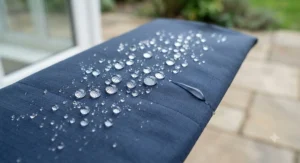
These two terms get used almost interchangeably by shoppers, but they’re solving completely different problems. DWR, or durable water repellent, is a surface-level finish — historically fluorocarbon-based, increasingly PFAS-free — that makes water bead up and roll off the outer face fabric instead of soaking in. Gore-Tex, by contrast, is a genuine membrane laminated into the fabric itself, a microporous barrier that physically blocks liquid water while still letting water vapor escape. Here’s the part that trips people up: every jacket on this list, including the ones without a Gore-Tex membrane, still has a DWR coating on top. The membrane and the coating work as a team — DWR keeps the outer fabric from “wetting out” (soaking up water and getting heavy), while the membrane underneath is the actual waterproof barrier. A jacket can have great DWR and no membrane, like the Columbia Watertight II‘s Omni-Tech coating layer, or a top-tier membrane with mediocre DWR that lets the face fabric saturate even though water still isn’t getting through. For a deeper look at how these standardized water-resistance tests actually work, REI’s expert breakdown of rainwear technology is worth the ten-minute read before you buy.
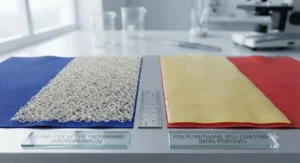
Waterproof Breathable Fabric Guide
“Waterproof breathable” sounds like a contradiction — block water, but let vapor out — and it more or less is, which is why every fabric on this list represents a different compromise between the two. Reviewers consistently note that Gore-Tex prioritizes waterproofing, sometimes at the cost of breathability, while newer “air-permeable” membranes trade a bit of raw waterproofing for noticeably better moisture transfer during hard exertion. The practical upshot: a fabric engineered for alpine storms, like Gore-Tex Pro in the Arc’teryx Beta AR, isn’t automatically the best choice for a sweaty trail run, and a highly breathable fabric isn’t automatically the right call for someone standing still in a downpour. What most buyers overlook is that breathability is measured differently by nearly every brand, so a spec sheet claiming “highly breathable” is closer to marketing shorthand than a number you can directly compare across jackets — which is exactly why the honest, hands-on comparisons throughout this guide matter more than any single spec.
What Material Is Best for a Rain Jacket?
There’s no single correct answer, because the right raincoat material genuinely depends on how hard you’ll use it and how much abuse it needs to survive. For casual, occasional wear — walking the dog, waiting at a bus stop — a DWR-coated or basic 2-layer jacket like the Columbia Watertight II is plenty. For regular hiking or backpacking where reliability actually matters, a 2.5-layer or entry 3-layer jacket like the Marmot PreCip Eco or Patagonia Torrentshell 3L strikes the right balance of weight, cost, and performance. For serious backcountry exposure, high-output athletic use, or daily professional wear in genuinely nasty weather, stepping up to Gore-Tex Pro or a premium air-permeable membrane like the ones in the Arc’teryx Beta AR or 7mesh Guardian Air stops being a luxury and starts being the sensible choice. The mistake most buyers make is choosing based on brand recognition alone rather than matching material tier to actual use case — which wastes money in both directions.
Fabric Waterproof Rating Guide
Hydrostatic head is the industry’s standard measurement for raw waterproofness, expressed in millimeters, and it works by measuring how tall a column of water a fabric can hold back before it starts leaking through. As a rough baseline, most gear testers consider true waterproofing to start around 5,000mm, with 10,000mm treated as the practical minimum for a trail-worthy jacket and 20,000mm-plus reserved for genuinely severe, sustained conditions. The number matters, but it isn’t the whole story — a high hydrostatic head rating on paper doesn’t guarantee real-world dryness if the seams aren’t fully taped or the zippers aren’t protected, which is why the 7mesh Guardian Air‘s 28,000mm Gore-Tex ePE rating means less in isolation than it does paired with its fully sealed, alpine-tested construction. Reviewers consistently warn against chasing the biggest printed number alone; a mid-tier rating on a well-constructed jacket regularly outperforms a flashy rating on a poorly sealed one.
🔍 Not sure which rating fits your trips? Cross-check the Top 7 table above against your typical weather before you commit.
Membrane vs Coating Rain Jacket: What’s the Real Difference?
A membrane, like Gore-Tex or eVent, is a separate physical film laminated between fabric layers, engineered with microscopic pores too small for liquid water droplets to pass through but large enough for water vapor molecules to escape. A coating, by contrast, is a liquid polyurethane or similar compound applied directly and dried onto the fabric’s underside — no separate film, just a chemical layer bonded to the textile itself. Membranes generally win on long-term waterproof consistency and breathability, which is why they command higher prices in jackets like the REI Co-op XeroDry GTX and Arc’teryx Beta AR. Coatings, used in jackets like the Columbia Watertight II, tend to be cheaper to manufacture and perfectly adequate for lighter use, but they can crack, peel, or degrade with heavy flexing and repeated washing in a way that laminated membranes typically resist. Neither approach is objectively wrong — the right one just depends on how much abuse the jacket needs to survive over its lifetime.
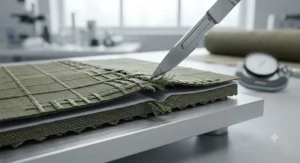
2.5L vs 3L Jackets Explained
The “L” in these specs stands for layers, and the difference between them is smaller in concept but significant in real-world feel. A 2.5-layer jacket has a face fabric bonded to a membrane, with a thin, sprayed or printed protective coating on the inside instead of a full third fabric layer — the “half layer” that gives this category its name. A 3-layer jacket adds a genuine third fabric layer, usually a soft tricot backer, fully laminated to the membrane, which protects it from oils, sweat, and abrasion far more effectively. On paper this means 3-layer jackets like the Patagonia Torrentshell 3L last longer and feel noticeably softer against skin, while 2.5-layer jackets like the Marmot PreCip Eco stay lighter and more packable at the cost of some durability and next-to-skin comfort. Neither is universally “better” — ounce-counters and budget-conscious buyers often prefer 2.5-layer, while daily-wear and high-abuse users tend to land on 3-layer once they’ve worn through a couple of cheaper shells.
How to Choose Raincoat Material
- Define your worst-case weather. A jacket for occasional drizzle needs far less than one meant for sustained mountain storms — don’t overbuy for weather you rarely face.
- Weigh cost against expected lifespan. A $650 Gore-Tex Pro shell amortizes beautifully over a decade of hard use; it’s a poor value for someone who wears it three times a year.
- Match breathability to your activity level. High-output users should prioritize air-permeable membranes or heavy venting over maximum waterproof ratings.
- Check the hydrostatic head and seam-sealing together. A high mm rating with poorly taped seams underperforms a moderate rating with full seam sealing.
- Consider sustainability credentials if they matter to you. Recycled face fabrics and PFC-free DWR, now standard on jackets like the Patagonia Torrentshell 3L and Marmot PreCip Eco, add real environmental value without sacrificing performance.
- Factor in weight for how you’ll actually carry it. A jacket that lives in your daypack should prioritize packability over the marginal durability gains of a heavier build.
- Read aggregated review sentiment, not just star ratings. A 4.5-star average tells you less than recurring, specific complaints about zippers, wetting-out, or fit.
Common Mistakes When Buying a Rain Jacket
The single most common mistake is treating “waterproof” as a binary label rather than a spectrum — a $75 coated shell and a $650 Gore-Tex Pro hardshell are both legitimately “waterproof” on the tag, but they’ll behave completely differently in hour three of a real storm. A close second is ignoring breathability entirely and ending up soaked from sweat inside a jacket that perfectly blocked the rain outside, which is a frustratingly common complaint reviewers raise about budget 2-layer jackets pushed hard during aerobic activity. Buyers also frequently skip checking seam construction, assuming a laminated membrane alone guarantees dryness, when un-taped or only “critically taped” seams can leak just as badly as a failed DWR coating. Finally, plenty of people buy based on brand prestige rather than matching material tier to actual use — paying Gore-Tex Pro prices for a jacket that will spend 95% of its life on a hook by the front door.
✨ Don’t Miss These Exclusive Deals!
🔍 Take your rain jacket shopping to the next level with the fabrics covered in this raincoat material comparison. Click on any highlighted product above to check current pricing and availability, and find the shell that actually matches how — and where — you get rained on.
Practical Usage Guide: Care & Maintenance
Waterproof-breathable jackets fail early far more often from poor care than from manufacturing defects, and the fix is simpler than most owners expect. Wash your jacket every few months of regular use — yes, actually wash it, since dirt and body oils clog the membrane’s pores and tank breathability. Use a technical cleaner rather than standard detergent, which can leave residue that interferes with the DWR finish, then tumble dry on low heat, which reactivates most DWR coatings better than air drying alone. If water stops beading on the outer face and instead soaks in (“wetting out”), it’s time to reapply a spray-on or wash-in DWR treatment rather than assume the jacket itself has failed. In the first 30 days of ownership, avoid packing the jacket tightly against sharp objects, since face fabric abrasion — not membrane failure — is the most common early-life durability issue reviewers report. A well-maintained 2.5-layer jacket like the Marmot PreCip Eco can genuinely outlast a neglected 3-layer shell, which makes this five-minute maintenance habit one of the best-value moves in outdoor gear ownership.
Real-World Scenarios: Which Material Fits Your Life
Picture a college student commuting eight miles daily by bike through unpredictable weather: budget matters, packability matters, and the jacket needs to survive being stuffed into a backpack between classes — the Marmot PreCip Eco or Columbia Watertight II fits that life without overspending on features that never get used. Now picture a weekend backpacker who logs 20-plus trail nights a year across three seasons: durability and consistent performance across multi-day exposure justify stepping up to the Patagonia Torrentshell 3L, which absorbs years of pack-strap wear without the membrane degrading. Finally, picture a trail runner training year-round who needs a jacket light enough to forget it’s in the vest pocket but trustworthy enough to deploy in a sudden alpine squall — that’s precisely the scenario the 7mesh Guardian Air was engineered for, and why its 7-ounce weight justifies its price for that specific buyer. Matching the scenario to the material, rather than buying the “best” jacket in the abstract, is the fastest way to avoid both overspending and disappointment.
Problem → Solution: Common Rain Jacket Complaints Solved
Problem: The jacket feels damp inside even though no rain got through. This is condensation, not a leak — solution: choose a more breathable membrane for your activity level, or unzip pit vents earlier rather than waiting until you’re already soaked in sweat. Problem: Water is soaking into the outer fabric. This means the DWR has worn off, not that the membrane failed — solution: wash and reapply a DWR treatment, which typically restores performance close to new. Problem: The jacket feels stiff and crinkly. Common in new 3-layer shells like the Patagonia Torrentshell 3L — solution: a few wash-and-wear cycles typically softens the hand-feel without harming waterproofing. Problem: Seams are leaking at the shoulders or hood. Solution: check for factory seam-sealing tape peeling and reseal with a seam-sealant product designed for your specific membrane type. Problem: The jacket runs too hot during high-output activity. Solution: prioritize air-permeable membranes or heavily vented designs like the Outdoor Research Foray 3L AscentShell Dry over maximum waterproof ratings.
Long-Term Cost & Maintenance
A raw price tag is a poor proxy for total cost of ownership, and this is where the math genuinely favors mid-to-premium jackets more often than shoppers expect. A $90 coated jacket that needs replacing every one to two seasons of regular use can easily cost more over five years than a single $180 3-layer shell that’s properly maintained and lasts the full stretch. Premium membranes like Gore-Tex Pro in the Arc’teryx Beta AR carry warranties and repair programs that further extend usable life, effectively lowering their true cost-per-wear despite the intimidating sticker price. That said, this math only holds if the jacket actually gets used enough to justify the investment — someone who rain-shells twice a year is genuinely better served by the lower upfront cost of the Marmot PreCip Eco, replaced occasionally, than by tying up capital in gear that mostly sits in a closet. Calculate cost-per-wear, not just purchase price, before deciding where on this list to spend.
Safety, Regulations & PFAS Compliance Guide
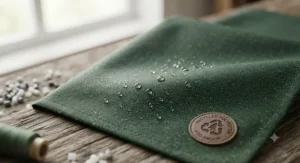
The outdoor apparel industry has spent the past several years navigating a genuine shift away from PFAS — the “forever chemicals” historically used in DWR coatings and some membranes because they’re extraordinarily effective at repelling water and oil. According to the U.S. Environmental Protection Agency, PFAS are widely used, long-lasting chemicals that persist in the environment and have been linked in scientific studies to potential health effects, which is why states including New York and California have enacted bans on PFAS in consumer apparel, with outdoor gear for severe wet-weather conditions carrying extended compliance timelines. You can read the EPA’s full explainer on PFAS for the regulatory detail. In practice, this means jackets like the Patagonia Torrentshell 3L and Marmot PreCip Eco, both built with PFC-free DWR finishes, are ahead of the regulatory curve rather than simply chasing a marketing trend. The honest tradeoff reviewers note is that PFAS-free coatings currently require more frequent reapplication to maintain the same beading performance — a small maintenance cost in exchange for a meaningfully lower environmental and health footprint.
Frequently Asked Questions
❓ What is the best raincoat material for everyday use?
❓ Is Gore-Tex always better than a proprietary membrane?
❓ What does a 2.5-layer rain jacket mean?
❓ How waterproof does a rain jacket rating need to be?
❓ Can you wash a waterproof rain jacket?
Conclusion
The right raincoat material was never really about chasing the single “best” jacket — it’s about matching fabric technology to how hard you’ll actually use it. Casual commuters do perfectly well with a coated 2-layer shell like the Columbia Watertight II, weekend hikers get real long-term value from a 3-layer workhorse like the Patagonia Torrentshell 3L, and anyone facing genuine alpine exposure has good reason to invest in Gore-Tex Pro options like the Arc’teryx Beta AR. What matters most is understanding the engineering behind the marketing — coating versus membrane, 2.5-layer versus 3-layer, hydrostatic head ratings versus seam construction — so the next jacket you buy is chosen for your actual weather, not just your budget or a brand name on the label. Revisit the comparison tables above whenever you’re weighing two finalists, and let the specific demands of your next trip make the final call.
✨ Ready to gear up? Check current pricing on any jacket above and pick the material that actually matches your next adventure.
Recommended for You
- Plus Size Rain Jacket Women: 7 Real Picks That Fit in 2026
- 7 Best Rain Jacket for Kids Picks Parents Trust in 2026
- 7 Best women’s rain jacket Picks 2026: Stay Dry, Not Frumpy
Disclaimer: This article contains affiliate links. As an Amazon Associate, I earn from qualifying purchases. If you purchase products through these links, we may earn a small commission at no additional cost to you.
✨ Found this helpful? Share it with your friends! 💬🤗
