

In This Article
A sunday afternoon hat is a UPF 50+ sun-protective hat from the Oregon-rooted outdoor brand Sunday Afternoons. It is built around a wide brim, breathable ventilation, and often a neck cape or chinstrap. The lineup spans trail hats, travel-friendly woven styles, garden brims, and bucket hats, all designed to shade your face, ears, and neck.
Here’s the thing about sun hats: the best one is the one you’ll actually wear. This brand was built on that stubborn truth. The founders, Robbin and Angeline Lacy, started out sewing weatherproof picnic blankets for park outings with their kids. Scraps of that fabric became the first Original Adventure Hat™. It was goofy, it was effective, and it turned into a cult favorite. A sunday afternoon hat still turns up on trails, fishing boats, and garden beds everywhere.
The science behind the look is simple. The Skin Cancer Foundation recommends a brim of about three inches all the way around, plus fabric rated UPF 50 or higher. Most sunday afternoon hat models are designed around that formula. But the line is big, and each model solves a different problem. Some pack flat, some float, some add a detachable cape, and one even looks like a fedora.
This guide ranks seven real models using spec analysis and aggregated review sentiment from retailers and independent testers. All prices are ranges, because retail prices move constantly. Think of it as a friend who read all the spec sheets so you don’t have to.
Sunday Afternoon Hat Models at a Glance
| Hat | Standout Feature | Brim / Coverage | Best For |
|---|---|---|---|
| Ultra Adventure Hat | Vented neck cape, folding brim | 3.5″ brim, 6″ cape | Hikers and travelers |
| Adventure Hat | Original icon, mesh sides | Wide brim, neck cape | Budget-minded outdoor use |
| Havana Hat | Woven, dressy look | About 6.5 cm (roughly 2.5″) brim | Town, beach, travel |
| Sundancer Hat | Pleated cape, ponytail opening | Wide brim, pleated cape | Gardeners |
| Charter Hat | Floating foam-core brim | 3¼” front, 3½” back | Boaters and anglers |
| Sun Guide Cap | Detachable 9.5″ cape | About 7.5 cm (roughly 3″) brim | Hot, bright days |
| Solar Bucket Hat | Featherlight, crushable | 2¾” down-sloping brim | Packing light |
Looking at the table, coverage is the real dividing line. The Ultra Adventure Hat, Charter Hat, and Sun Guide Cap are the models that most clearly meet the three-inch guideline with extra neck protection. The Havana Hat and Solar Bucket Hat trade a bit of brim for style and packability, so sunscreen on the ears and neck matters more with those. If you’re torn, the cape-equipped models are the safest starting point.
💬 Just one click — help others make better buying decisions too!😊
Top 7 Sunday Afternoon Hat Picks: Expert Analysis
1. Ultra Adventure Hat — packable shade with a vented neck cape
The Ultra Adventure Hat is the sunday afternoon hat most reviewers reach for first, and the reason is simple. It delivers trail-grade shade without cooking your head. OutdoorGearLab’s review lists UPF 50+ fabric, a 3.5-inch brim, and a 6-inch neck cape. It credits strong ventilation and a reverse clamshell brim that folds upward so the hat stuffs into a pack.
That folding brim is the difference between a hat you bring and a hat you leave in the car. The tapered cape also moves air around your neck instead of trapping it, which matters on a July climb.
On balance, if you want one hat for hiking, paddling, and travel, this is the spec sheet to beat. The trade-offs are style and wind. Some reviewers call the look committed, and some note the cape flaps in gusts, though the chinstrap helps. The brim also doesn’t flip up as easily as on other models.
At REI, it holds roughly 4.7 out of 5 across more than 800 reviews at the time of research. Reviewers consistently praise packability and comfort. The sharpest criticisms involve sizing variation and the lack of a ponytail opening.
Pros:
- ✅ UPF 50+ fabric with a long, ventilated neck cape
- ✅ Brim folds flat for easy packing
- ✅ Comfortable enough for all-day wear
Cons:
- ❌ Cape can flap in strong wind
- ❌ Polarizing style
Expect roughly $45-$65 depending on retailer. For this level of protection, it’s strong value.
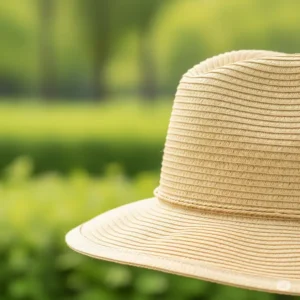
2. Adventure Hat — the original icon at a friendlier price
The Adventure Hat is the design that launched the brand, and it still earns its keep on sun-blasted days. It pairs a wide brim with a protective neck cape and mesh side panels. The brand describes the fabric as stain-resistant and buoyant.
OutdoorGearLab’s testers note that it offers UPF 50+ fabric, though the rating likely dips at the mesh vents. That’s an honest caveat worth remembering: mesh breathes, but it also lets more light through. The sweatband covers only the forehead, which means sweat can still run down the sides on strenuous climbs.
Here’s the analysis. This model is the budget-friendly entry into the lineup, and testers called it a great value. They also suggested that spending a little more on a more durable option might pay off. It’s less packable than the Ultra Adventure Hat, so it suits drive-up adventures, boat days, and yard work better than a thru-hike. One reviewer-style tip stands out: the sunglass holder is a feature people miss when they switch to other models.
REI shows roughly 4.7 out of 5 across more than 1,100 reviews. Sentiment centers on protection and longevity, with plenty of repeat buyers. The recurring knock is looks, which testers rank near the bottom for style.
Pros:
- ✅ Excellent coverage for face, ears, and neck
- ✅ Mesh panels add real airflow
- ✅ Great value for the protection level
Cons:
- ❌ Style is the weakest in the lineup
- ❌ Bulkier to pack than newer models
Budget roughly $45-$55. A solid pick if you prioritize shade over fashion.
3. Havana Hat — the dressy option that still blocks UV
The Havana Hat is the sunday afternoon hat for people who want to look like they’re strolling a Caribbean boardwalk, not summiting a ridge. A travel reviewer describes the straw-look weave as breathable and cool. One retailer lists UPF 50+ testing under the AATCC TM 183 standard.
The construction is a paper and polyester braid, roughly 90% paper by one account. That explains the lightness. It also explains the warning label: avoid rain and wet conditions. One buyer loved the look but docked a star because of that.
My honest take: this is a fair-weather hat. The listed brim is about 6.5 cm, roughly 2.5 inches. That’s under the three-inch guideline, so sunscreen on ears and neck is non-negotiable. The CDC also advises against straw hats with holes that leak light. A tightly braided hat isn’t the same as a loose straw, but treat the weave with some caution.
REI shows around 4.6 out of 5 across roughly 430 reviews. Reviewers praise fit, breathability, and style. The recurring complaints are rain vulnerability and no chin cord for windy days.
Pros:
- ✅ Stylish enough for dinner after the beach
- ✅ Breathable weave with adjustable interior sizing
- ✅ Lightweight for all-day wear
Cons:
- ❌ Avoid rain and wet conditions
- ❌ No chinstrap for windy days
Expect roughly $35-$50. Great for town and travel, a weaker choice for rugged use.
4. Sundancer Hat — garden-ready brim with a ponytail opening
The Sundancer Hat is aimed squarely at women, and gardeners in particular. A wide brim and pleated neck cape provide the shade, while a chinstrap, adjustable sizing, interior wicking sweatband, and ponytail-friendly opening handle the comfort details. It carries UPF 50+ protection.
Why does a pleated cape matter? Gardening means bending forward, and bending exposes the back of your neck to direct sun. Pleats let the cape drape and move with you instead of lifting like a stiff flap. The ponytail opening is a small detail that many sun hats skip.
I’ll be upfront about the limits here. Sources I reviewed didn’t list a brim measurement, so confirm the number on the product page. I also couldn’t find a large pool of verified reviews. The few available are positive: one buyer called the brim a good size and the color flattering, though the chinstrap placement felt awkward against the ears. Another noted the style resembles a spring bonnet. Treat this as the least-proven pick on the list.
Pros:
- ✅ Pleated cape drapes well when bending
- ✅ Ponytail-friendly opening
- ✅ Chinstrap and adjustable sizing included
Cons:
- ❌ Limited verified review data
- ❌ Chinstrap placement may annoy some wearers
Budget roughly $40-$50. A sensible choice for gardeners who want coverage and personality.
5. Charter Hat — the foam-brim hat that floats
The Charter Hat is the sunday afternoon hat built for water. Its semi-rigid brim has a foam core, so it floats if it goes overboard. The brim measures about 3¼ inches in front and 3½ inches in back. Add UPF 50+ fabric and crown mesh, a water-repellent finish, a sunglass lock, a hidden crown pocket, and a chinstrap with a cord lock. The weight is just 3.6 ounces.
Those numbers have practical meaning. A brim that holds its shape means no flapping in a boat’s breeze. A crown pocket stashes a card or key. The sunglass lock keeps shades from sliding off when you look down at a rod. Be aware that the hat packs flat, and you shouldn’t fold or crease the brim, so it’s bulkier in luggage than the Ultra Adventure Hat.
REI shows about 4.8 out of 5 across roughly 380 reviews. Reviewers say the brim doesn’t flop around while sailing. One owner described wearing a first hat daily in all weather for about two years. Another wore it every day on a trip to Egypt.
Pros:
- ✅ Foam-core brim floats and holds its shape
- ✅ Generous front and back coverage
- ✅ Secure chinstrap and sunglass lock
Cons:
- ❌ Brim can’t be folded for packing
- ❌ Pricier than most of the lineup
Expect roughly $65-$80. The premium is justified if you spend real time on the water.

6. Sun Guide Cap — a cap that converts into full coverage
The Sun Guide Cap is the multitool of the lineup. It starts as a peaked cap with a roughly 7.5 cm folding brim. It then adds a detachable 9.5-inch ventilated cape that snaps on. The crown has flip-up panels for convertible ventilation, and the whole thing weighs about 94 grams with the cape. The fabric is UPF 50+, though the mesh isn’t rated.
This design solves a real problem: wearing a full-cape hat on a cool morning feels silly, and wearing a plain cap at noon feels reckless. With the Sun Guide Cap, you adjust throughout the day. An Australian hiking reviewer found the press-stud cape secure on windy days. They also noted you can’t pull the cap down onto the neck like a lanyard-style hat, and the cape needs stowing in your pack when it’s off.
REI shows about 4.6 out of 5 across roughly 135 reviews. A fair-skinned reviewer says it protects their neck, scalp, and face better than any hat they’ve owned. Another reported the cape stitching failing after about three months, which is worth weighing.
Pros:
- ✅ Cape detaches to match conditions
- ✅ Very lightweight at about 94 grams
- ✅ Flip-up crown panels for cooling
Cons:
- ❌ One reviewer reported cape stitching failure
- ❌ Cape needs storing when removed
Budget roughly $40-$55. Great value for adaptable shade.
7. Solar Bucket Hat — featherlight and made for packing
The Solar Bucket Hat is the minimalist’s pick. At about 2.2 ounces, it’s the lightest model here. It has a 2¾-inch down-sloping brim, UPF 50+ fabric (mesh not rated), crown ventilation, a wicking sweatband, and a chinstrap with a cord lock. One listing describes recycled main-body fabric and a PFAS-free water-repellent finish.
Crushability is the headline. You can squash it into a jacket pocket and forget it’s there, which is exactly how a sun hat becomes a daily habit. The caveat is the brim: 2¾ inches falls just short of the three-inch guideline. Expect solid face shade but less help for the back of your neck.
Reviews exist but are a small sample. REI’s listing shows about 4.4 out of 5 across a few dozen reviews and was marked discontinued at the time of research, so check current stock. One reviewer described exploring Hawaiian beaches and mountaintops without burning, though they also used lots of sunscreen. Another felt bucket hats just aren’t their style.
Pros:
- ✅ Lightest hat in the lineup
- ✅ Crushable and travel-friendly
- ✅ Good crown ventilation
Cons:
- ❌ Brim under three inches
- ❌ Limited neck coverage
Expect roughly $35-$50. Best as a second hat for light-packing trips.
Top 7 Sunday Afternoon Hat Models Compared: Specs, Prices, and Ratings
| Hat | UPF | Weight | Price Range | Aggregate Rating |
|---|---|---|---|---|
| Ultra Adventure Hat | 50+ | Not verified | $45-$65 | About 4.7 (REI, 800+ reviews) |
| Adventure Hat | 50+ (vents lower) | Not verified | $45-$55 | About 4.7 (REI, 1,100+ reviews) |
| Havana Hat | 50+ | Roughly 4.5-6 oz (sources vary) | $35-$50 | About 4.6 (REI, ~430 reviews) |
| Sundancer Hat | 50+ | Not verified | $40-$50 | Few verified reviews |
| Charter Hat | 50+ | 3.6 oz | $65-$80 | About 4.8 (REI, ~380 reviews) |
| Sun Guide Cap | 50+ (mesh not rated) | About 3.3 oz | $40-$55 | About 4.6 (REI, ~135 reviews) |
| Solar Bucket Hat | 50+ (mesh not rated) | 2.2 oz | $35-$50 | About 4.4 (small sample) |
Ratings are retailer aggregates at the time of research, and prices vary by seller. The Charter Hat leads on satisfaction scores, but its premium price and fixed brim make it a specialist’s tool. The Ultra Adventure Hat and Adventure Hat have the deepest review pools, which makes their ratings the most trustworthy. For most buyers, the Ultra Adventure Hat hits the best balance of protection, packability, and proven track record.
✨ Don’t Miss These Exclusive Deals!
🔍 Take your sun protection to the next level with these carefully selected hats. Click on any highlighted item to check current pricing and availability. These picks will help you enjoy long days outdoors with confidence!

How to Choose a Sunday Afternoon Hat
The right sunday afternoon hat comes down to a few honest questions. Work through these in order:
- Check the brim first. Aim for three inches or more all the way around, per the Skin Cancer Foundation guideline. Models like the Ultra Adventure Hat and Charter Hat clear this bar, while the Solar Bucket Hat and Havana Hat don’t.
- Read the UPF footnote. UPF 50+ is the top rating, but several listings say “mesh not rated.” That means vents let through more UV than the main fabric.
- Decide on a cape. A cape protects the back of the neck, the spot most people forget. The Sun Guide Cap lets you remove it, while the Sundancer Hat and Adventure Hat keep it attached.
- Match the hat to your activity. On water, the Charter Hat floats. In the garden, look for a ponytail opening. For travel, prioritize packability.
- Size by measurement, not guesswork. Wrap a string around your head above your eyebrows and ears, then compare it to the brand’s chart. Sizes run from S/M to L/XL, and fit varies by model.
- Plan for wind and glare. A chinstrap with a cord lock and a dark underbrim make a bigger difference than you’d expect on bright, breezy days.
If you want a quick rule: choose the Ultra Adventure Hat for versatility, the Charter Hat for water, the Havana Hat for style, and the Sun Guide Cap for changing conditions.
Sunday Afternoon Hat vs Baseball Cap vs Open-Weave Straw
A baseball cap is the default hat for millions of people, and it’s the wrong default for sun. It shades your forehead and little else. Australia’s radiation protection agency notes that baseball caps don’t protect the neck and ears, while broad-brimmed and bucket styles do much better. A cap leaves your ears, cheeks, and neck exposed, which are classic spots for missed sunscreen.
| Feature | Sunday Afternoon Hat | Baseball Cap | Open-Weave Straw |
|---|---|---|---|
| Neck and ear coverage | Good to excellent | Minimal | Fair |
| Certified UPF fabric | Yes (50+) | Rarely | Rarely |
| Packability | High (many models) | High | Low |
| Wet-weather tolerance | Good (water-repellent) | Good | Poor |
| Best for | Long outdoor days | Short errands | Casual beach walks |
An open-weave straw hat looks great but lets light leak through the gaps. The CDC specifically cautions against straw hats with holes. A sunday afternoon hat uses tightly woven, certified fabric, so the shade is real shade. The Havana Hat sits in the middle, offering a woven look with rated fabric but a narrower brim. If you prioritize looks, it’s the best compromise. If you prioritize protection, pick a cape model.
Features That Actually Matter (And Those That Don’t)
Marketing copy loves a long feature list. Here’s what earns its place.
Worth caring about: a three-inch-plus brim, a neck cape you’ll actually keep on, a chinstrap with a cord lock, and a wicking sweatband that covers more than the forehead. A dark underbrim also cuts reflected glare, which is surprisingly tiring over a full day on water or snow.
Nice but optional: the sunglass lock keeps shades from sliding off, and a hidden crown pocket stores a card. A floating brim is brilliant on a boat and irrelevant on a hiking trail. Water repellency helps with drizzle, but it won’t save a paper-braid hat like the Havana Hat from a downpour.
Mostly marketing: extra tech names for ventilation. What counts is whether the mesh sits where air actually moves, such as the crown or sides, and whether you know it isn’t UPF-rated.
One final honest filter: color. The Skin Cancer Foundation notes that deeper hues generally absorb more UV, so a darker underbrim is a practical advantage, not just an aesthetic one.
What to Expect: Real-World Performance
Specs on a page can’t tell you how a hat feels at hour six. Based on spec comparisons and aggregated reviews, here’s the realistic picture.
On hot, still days, vented models like the Ultra Adventure Hat and Adventure Hat run cooler than solid-fabric hats. The tradeoff is that mesh panels let in a little more light. In wind, capes and wide brims catch air, so the chinstrap isn’t a gimmick. The Charter Hat reviewers say the brim stays put, while the Ultra Adventure Hat cape can flutter.
Under a backpack, the cape sits behind your neck, so be ready for some interaction with the pack. A flopping cape is easier to live with than a stiff brim, which is one reason hikers favor it. For travel, the Solar Bucket Hat and Ultra Adventure Hat are easiest to stash.
Style is the elephant in the room. Testers openly call several of these hats unfashionable. The practical response is to pick the model you won’t be embarrassed to wear, because a hat in your bag protects nothing.
Long-Term Cost and Maintenance
A hat priced between $35 and $80 sounds like a lot until you divide it by how often you’ll wear it. If you wear a $50 hat on 100 days, that’s about 50 cents per wear. Compare that to the cost of treating sun damage, and the math gets friendly fast.
| Tier | Models | Price Range | Approx. Cost per Wear (100 wears) | Best For |
|---|---|---|---|---|
| Value | Solar Bucket Hat, Havana Hat | $35-$50 | 35-50 cents | Travel, casual use |
| Mid-range | Adventure Hat, Sundancer Hat, Sun Guide Cap | $40-$55 | 40-55 cents | Garden, general outdoors |
| Premium | Ultra Adventure Hat, Charter Hat | $45-$80 | 45-80 cents | Frequent hikers and boaters |
The numbers suggest the premium tier pays off only if you actually use it hard. A weekend gardener may get more value from a mid-range hat. A daily boater should put the Charter Hat at the top of the list. Longevity reports are encouraging: one reviewer described a hat lasting about two years of daily wear in all weather.
Maintenance is cheap. Labels on the Charter Hat and Solar Bucket Hat call for hand washing in cold water and line drying, with no bleach, iron, or dry cleaning. Skip the washing machine and your hat will keep its shape much longer.

How to Fit, Care for, and Pack Your Sunday Afternoon Hat
A good hat can underperform if you set it up badly. Follow this short guide.
Fit it properly. Measure your head with a string just above your eyebrows and ears, then check the size chart. Adjust the interior sizing and chinstrap so the hat sits level, not tilted back. You should see out without pushing it up, since a tilted hat exposes your face.
Break it in. Wear it around the house or on a short walk first. Adjust the cape, chinstrap, and brim before you’re committed to a long day.
Clean it gently. Hand wash in cold water and line dry. Skip bleach and ironing. Avoid soaking the Havana Hat, which carries a clear rain warning.
Pack it right. The Ultra Adventure Hat folds up along its split brim. The Charter Hat packs flat, but don’t crease its brim. The Solar Bucket Hat just crushes into a pocket.
Avoid first-month mistakes. Don’t skip the chinstrap in wind, and don’t assume the hat replaces sunscreen on your ears and nose. Store it somewhere you’ll see it, because the most common failure is leaving it at home.
Real-World Scenarios: Which Sunday Afternoon Hat Fits Your Life?
The weekend hiker on a budget. You hike four to six times a month on exposed trails, with about $60 to spend. The Ultra Adventure Hat or the Adventure Hat fits. The Ultra Adventure Hat packs better, while the Adventure Hat saves a few dollars. Either gives you the neck cape that trail sun demands.
The gardener with a long ponytail. You spend a couple of hours most mornings bending over beds. The Sundancer Hat is built for this, with a drapey cape and a ponytail opening. If you want a brim you can fold away between jobs, the Sun Guide Cap is the flexible alternative.
The sailor or angler. You’re on the water twice a week, in wind and glare. The Charter Hat is the logical choice, thanks to the floating brim, chinstrap, and sunglass lock. Reviewers specifically note that the brim doesn’t flap around while sailing.
The traveler packing light. You live out of a carry-on and want something that survives dinner. The Havana Hat looks the part, and the Solar Bucket Hat disappears into a bag. Pair either with sunscreen on your ears and neck, since their brims fall short of the three-inch mark.
Common Mistakes When Buying a Sunday Afternoon Hat
Most regrets come from the same handful of errors:
- Ignoring the brim measurement. A cute bucket hat with a 2¾-inch brim isn’t a wide-brim hat, no matter how it looks.
- Assuming “UPF 50+” covers the whole hat. Mesh vents are usually excluded, so protection varies across the crown and sides.
- Buying by style alone. The Havana Hat looks fantastic, but it doesn’t like rain and has no chinstrap.
- Skipping the size chart. Reviewers mention size variation, especially on the Ultra Adventure Hat. Measure first.
- Forgetting the neck. If you work or play with your head down, a cape matters more than a fashionable brim.
- Treating the hat as a sunscreen replacement. No hat is a complete defense.
Sun Safety Guide: UPF, Brims, and What a Hat Can’t Do
UPF measures how much UV a fabric lets through. At UPF 50, only about 1/50th of UV radiation reaches the skin, which works out to roughly 98% blocked. That’s strong, but fabric is only one layer of the system.
The CDC recommends a combined approach: shade, protective clothing, sunglasses, and broad-spectrum sunscreen with SPF 15 or higher. It also favors tightly woven fabrics, like canvas, over straw with holes. UV rays can penetrate clouds, so overcast days still count.
Hats also have limits. Australia’s radiation agency notes that hats rarely provide enough protection on their own when the UV index is 3 or higher. They help most against direct sun, and less against light scattered from clouds or reflected from sand and water. So pair your sunday afternoon hat with sunscreen on the ears, nose, and any exposed skin, and reapply as directed.

FAQ
❓ Are sunday afternoon hats worth the money?
❓ What size sunday afternoon hat should I buy?
❓ Can you machine wash a sunday afternoon hat?
❓ Which sunday afternoon hat floats?
❓ Is a sunday afternoon hat enough sun protection by itself?
Conclusion
A sunday afternoon hat isn’t a fashion statement. It’s a daily tool that happens to have a loyal following, and the data backs the reputation. The brand’s UPF 50+ fabrics, wide brims, and thoughtful extras like capes and floating foam give you real coverage across very different lifestyles.
If you want one pick, the Ultra Adventure Hat is the safest all-rounder: well reviewed, packable, and fully protective. Choose the Charter Hat if you live on the water, the Sundancer Hat if you garden, and the Sun Guide Cap if your conditions change by the hour. The Havana Hat and Solar Bucket Hat are the stylish and lightweight options, as long as you cover your ears and neck with sunscreen.
Whatever you pick, remember the golden rule: the best hat is the one you’ll wear. Check the brim, read the UPF footnote, size it properly, and pair it with sunscreen. Do that, and your future self, and your skin, will thank you.
✨ Ready to find your perfect hat?
🛒 Click any highlighted product above to check current pricing and availability, and give your skin the shade it deserves!
Recommended for You
- 25 Best Baby Sun Hat Options That Dermatologists Actually Recommend in 2025
- 12 Best Snap On Cooling Neck Scarf Options For Ultimate Summer Relief in 2025
- 15 Cool Bandanas for Men That’ll Transform Your Style Game in 2025
Disclaimer: This article contains affiliate links. As an Amazon Associate, I earn from qualifying purchases. If you purchase products through these links, we may earn a small commission at no additional cost to you.
✨ Found this helpful? Share it with your friends! 💬🤗
