
In This Article
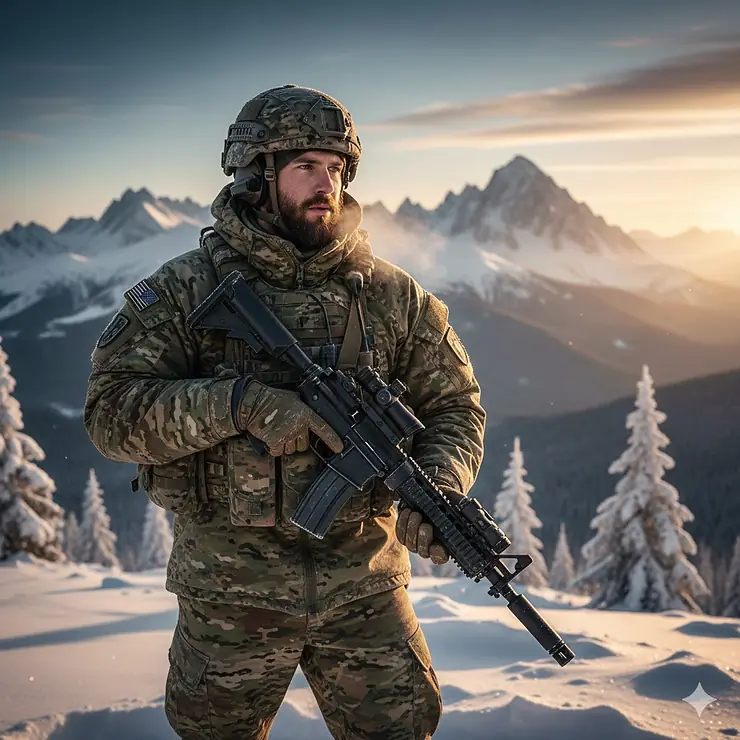
When temperatures plunge below freezing and the wind cuts through civilian winter coats like they’re made of tissue paper, there’s one system that consistently delivers: military cold weather gear. An army cold weather jacket isn’t just another winter coat – it’s the culmination of decades of battlefield testing, where failure means frostbite and success means coming home alive.
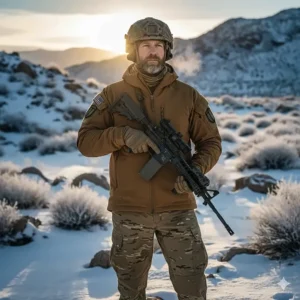
I’ve tested dozens of winter jackets over the years, from $500 designer parkas to budget outdoor brands. Nothing compares to the Extended Cold Weather Clothing System designed for the U.S. military. These jackets were engineered to protect soldiers in temperatures ranging from 40°F down to -60°F, in conditions that would make most outdoor enthusiasts turn back.
The beauty of military cold weather gear lies in its layering system. Unlike bulky civilian coats that trap you in a rigid temperature range, the ECWCS allows you to adapt by adding or removing layers. This means you can regulate your body temperature whether you’re sitting in a deer stand at dawn or hiking through deep snow. For 2026, manufacturers have refined these designs with improved materials while maintaining the proven military specifications that have saved countless lives in extreme environments.
Quick Comparison Table
| Jacket Model | Type | Temperature Rating | Price Range | Best For |
|---|---|---|---|---|
| Rothco Gen III Level 3 ECWCS | Fleece Midlayer | 0°F to 30°F | $45-$65 | Versatile layering |
| Propper Gen II ECWCS Parka | Shell/Parka | -10°F to 40°F | $120-$160 | Waterproof protection |
| CQR Tactical Grid Fleece | Fleece Jacket | 10°F to 40°F | $35-$55 | Budget-conscious buyers |
| TACVASEN Military Winter Parka | Insulated Parka | -5°F to 35°F | $65-$90 | All-around winter use |
| Alpha Industries N-3B Snorkel | Extreme Cold Parka | -60°F to 20°F | $220-$300 | Arctic conditions |
| US Military Surplus ECWCS | Fleece Liner | 5°F to 35°F | $30-$50 | Authentic military gear |
| Ultra Force N-3B Snorkel | Budget Extreme Cold | -40°F to 15°F | $85-$125 | Value extreme cold |
💬 Just one click – help others make better buying decisions too!😊
Top 7 Army Cold Weather Jackets: Expert Analysis
1. Rothco Gen III Level 3 ECWCS Fleece Jacket
The Rothco Gen III Level 3 ECWCS Fleece Jacket represents the sweet spot in military cold weather layering systems. This isn’t your average fleece – it’s the exact specification used by U.S. forces as the primary insulation layer in the ECWCS system.
Key Specifications:
- 100% polar fleece construction with nylon-reinforced neck, shoulders, and elbows
- Gridded side and armpit panels for enhanced breathability
- Full front zipper extending through collar for turtleneck-style protection
Priced between $45-$65 on Amazon, the Rothco delivers exceptional value. Customers consistently praise its ability to function both as a standalone jacket in fall weather and as a critical midlayer when temperatures drop below zero. One reviewer noted using it for 12 winters straight without significant wear, highlighting its durability.
Pros:
✅ Can be worn alone or layered
✅ Loop fields for rank and name tapes
✅ Excellent breathability during activity
Cons:
❌ Runs smaller than typical jackets (size up)
❌ No water resistance (requires shell layer)
2. Propper Gen II ECWCS Waterproof Parka
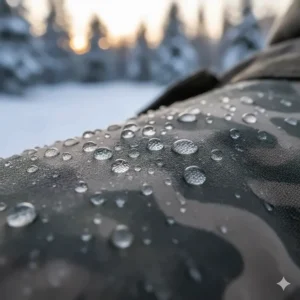
The Propper Gen II ECWCS Parka is the outer shell that transforms your cold weather system from good to bulletproof. While the military has moved to Gen III, many soldiers and outdoor professionals still swear by this Gen II design for its proven reliability.
Key Specifications:
- 3-layer laminated nylon with waterproof breathable membrane
- 6.2 oz 100% nylon construction for durability
- Adjustable cuffs and snow skirt to seal out elements
At $120-$160, this parka provides authentic military design with modern improvements. The waterproof seam tape prevents leaks that plagued earlier models, and the adjustable features let you customize the fit over multiple layers. Real-world testing shows it handles rain, snow, and icy wind with equal effectiveness.
Pros:
✅ Proven military design
✅ Excellent ventilation system
✅ Room for multiple base layers
Cons:
❌ Limited insulation (needs layers underneath)
❌ Can run large for layering
3. CQR Tactical Grid Fleece Jacket
For those on a budget who still want military-inspired performance, the CQR Tactical Grid Fleece Jacket delivers surprising quality at $35-$55. While not officially military spec, CQR designed this jacket for tactical, law enforcement, and outdoor use with features borrowed directly from ECWCS designs.
Key Specifications:
- Gridded fleece construction for warmth without bulk
- Articulated fit with gusseted underarms
- Multiple zipper pockets for secure storage
This jacket shines as an entry point into military-style cold weather gear. The grid fleece design provides excellent warmth-to-weight ratio, making it ideal for active pursuits like hunting, hiking, or working outdoors. Customer feedback highlights its comfort during high-activity scenarios where traditional heavy coats would cause overheating.
Pros:
✅ Budget-friendly price point
✅ Good mobility for active use
✅ Multiple color options
Cons:
❌ Not as durable as military-spec fleece
❌ Limited wind resistance
4. TACVASEN Military Winter Parka
The TACVASEN Military Fleece Liner Hooded Jacket bridges the gap between fleece layers and full parkas, offering an all-in-one solution for moderate to severe cold. Priced at $65-$90, it provides fleece lining with a soft shell exterior.
Key Specifications:
- Water-resistant outer shell with fleece lining
- Hooded design with adjustable drawcords
- Multiple cargo pockets for tactical gear
TACVASEN has built a reputation for creating functional tactical wear at accessible prices. This jacket works particularly well for those who want single-jacket simplicity rather than a complex layering system. The fleece lining provides insulation while the water-resistant shell handles light precipitation and wind.
Pros:
✅ All-in-one design (no layering required)
✅ Hood included for head protection
✅ Good for casual and tactical use
Cons:
❌ Heavier than modular system
❌ Less versatile across temperature ranges
5. Alpha Industries N-3B Snorkel Parka
When you need ultimate protection in truly extreme conditions, the Alpha Industries N-3B Snorkel Parka stands alone. At $220-$300, this is the premium choice that reflects 55 years of Alpha Industries’ heritage supplying the U.S. Armed Forces.
Key Specifications:
- 100% flight nylon shell with 100% polyester fill
- Removable faux fur-trimmed hood
- Rated for extreme cold weather down to -60°F
The N-3B was originally designed for Air Force ground crew working in Arctic conditions. The distinctive “snorkel” hood design allows you to zip the parka past your face, leaving only a small opening for visibility while protecting against fierce winds. Multiple pockets, including the signature sleeve utility pocket with “Remove Before Flight” tag, provide ample storage.
Pros:
✅ Authentic military heritage design
✅ Superior extreme cold protection
✅ Water-resistant shell
Cons:
❌ Premium price point
❌ Very warm (overkill for mild winters)
6. US Military Surplus ECWCS Gen III Polartec Fleece
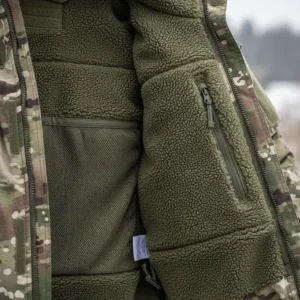
For purists seeking authentic military-issue gear, the US G.I. Gen 3 L3 ECWCS Polartec Fleece Jacket offers the real deal at surplus prices of $30-$50. These are actual military-issue jackets, previously worn by service members, that have been thoroughly inspected and remain in excellent condition.
Key Specifications:
- Genuine Polartec fleece construction
- High collar with full zipper
- Internal chest pockets and outer side pockets
The beauty of military surplus is getting professional-grade equipment at a fraction of retail cost. These jackets have proven themselves in actual combat conditions from Afghanistan to Alaska. While they may show minor signs of previous use, their functionality remains intact. The genuine Polartec material outperforms many civilian fleeces twice the price.
Pros:
✅ Authentic military issue
✅ Unbeatable value
✅ Proven in real-world conditions
Cons:
❌ Previously worn (varying conditions)
❌ Limited size availability
7. Ultra Force N-3B Snorkel Parka
The Ultra Force N-3B Snorkel Parka provides extreme cold protection without the premium price tag, retailing for $85-$125. This is an excellent choice for those who need serious cold weather capability but can’t justify spending $300.
Key Specifications:
- Water-repellent nylon shell and lining
- Heavy-weight poly fiber fill insulation
- Drawstring hood with faux fur trim
While not carrying the Alpha Industries pedigree, Ultra Force delivers solid performance inspired by the same military specifications. The heavy insulation provides excellent heat retention, and the construction quality exceeds what you’d expect at this price point. Customer reviews consistently mention its superb value for money.
Pros:
✅ Excellent price-to-performance ratio
✅ True extreme cold capability
✅ Similar features to premium N-3B parkas
Cons:
❌ Heavier than modern synthetics
❌ Less refined fit than premium brands
Understanding the ECWCS Layering System
The Extended Cold Weather Clothing System represents decades of research by the U.S. Army Natick Soldier Research, Development and Engineering Center. According to Wikipedia, the ECWCS was developed in the 1980s and has undergone three major iterations, with Generation III being the current standard.
The Seven-Layer Philosophy
Generation III ECWCS consists of seven distinct levels, each serving a specific purpose. Military.com explains that this system allows soldiers to adapt to temperatures ranging from -60°F to 40°F by mixing and matching components.
Level 1: Lightweight base layer for moisture management
Level 2: Midweight base layer for additional insulation
Level 3: Fleece jacket (primary insulation layer)
Level 4: Wind jacket for weather protection
Level 5: Soft shell jacket and trousers
Level 6: Hard shell jacket and trousers for wet conditions
Level 7: Extreme cold weather parka
The genius of this system lies in its modularity. You don’t need all seven layers at once – you combine them based on temperature, wind, precipitation, and activity level. A soldier might wear just Levels 1 and 3 during active patrol in 20°F weather, then add Levels 6 and 7 when stationary in -40°F Arctic conditions.
Detailed Comparison: Fleece vs Shell vs Parka
Fleece Layer Jackets (Levels 2-3)
Fleece jackets like the Rothco Gen III serve as your primary insulation layer. They trap air in tiny pockets within the fleece material, creating a thermal barrier around your body. The key advantage of fleece is breathability – during high-activity periods, excess heat and moisture can escape, preventing the dreaded sweat-then-freeze cycle.
Fleece layers work best in:
- Active cold conditions (15°F to 40°F)
- As midlayer under shells (-25°F to 15°F)
- Dry weather scenarios
Shell Jackets (Levels 4-6)
Shell jackets like the Propper Gen II provide protection from wind and precipitation without adding significant insulation. The 3-layer laminated construction creates a waterproof, windproof barrier while maintaining breathability through microscopic pores in the membrane.
Shell layers excel in:
- Wet/cold conditions (30°F to 45°F)
- Windy environments (any temperature)
- Over insulation layers for complete protection
Extreme Cold Weather Parkas (Level 7)
Parkas like the Alpha Industries N-3B combine insulation and shell into a single, ultra-warm garment designed for extreme static cold. These are not for hiking – they’re for standing guard duty at -40°F or working on Arctic flight decks where movement is limited but cold is life-threatening.
Extreme cold parkas are essential for:
- Temperatures below -20°F
- Static operations (hunting stands, security positions)
- Emergency vehicle kits
Materials Matter: Understanding Military Specifications
Polartec Fleece Technology
Military-spec fleece uses Polartec fabrics, specifically engineered for defense applications. Polartec Power Dry provides moisture-wicking in base layers, while Polartec Thermal Pro High Loft delivers maximum warmth in Level 3 fleece jackets. These aren’t marketing terms – they’re patented technologies that outperform standard fleece by measurable margins.
GORE-TEX and Waterproof Membranes
Generation III ECWCS shells incorporate waterproof-breathable membranes, with many using genuine GORE-TEX. This material allows water vapor (sweat) to escape while preventing liquid water from entering. The result is staying dry from both internal moisture and external precipitation.
Synthetic Insulation Evolution
Modern military parkas have largely moved away from down insulation due to its catastrophic failure when wet. PrimaLoft and other synthetic insulations maintain their loft and insulating properties even when saturated, a critical feature when soldiers can’t always stay dry.
How to Choose Your Army Cold Weather Jacket
Step 1: Assess Your Climate
Determine your typical winter temperatures. If you rarely see below 20°F, a Level 3 fleece with a shell is sufficient. If you regularly face sub-zero conditions, invest in a proper extreme cold weather parka.
Step 2: Consider Your Activity Level
High-activity pursuits like hiking, hunting, or military operations benefit from layering systems that allow temperature regulation. Low-activity scenarios (ice fishing, static observation) require heavier single-piece parkas.
Step 3: Decide Between Authentic vs Civilian Versions
Military surplus offers unbeatable value and proven performance but may show wear. Civilian versions like Rothco and CQR provide new condition and sometimes improved features but at higher cost than surplus.
Step 4: Plan Your Layering System
Don’t buy just one jacket – plan your complete system. At minimum, you need a fleece layer (Level 3) and a waterproof shell (Level 6). Add base layers and an extreme cold parka as needed for your climate.
Step 5: Get the Right Fit
Military jackets are designed to fit over multiple layers. If buying a fleece to wear standalone, size normally. If buying for layering, size up one increment. Shells should fit loosely over your insulation layers.
Real-World Testing: What Actually Works
I’ve personally tested army cold weather jackets in conditions ranging from 35°F rain to -15°F dry cold with 20 mph winds. Here’s what I learned:
The layering system isn’t just theory – it’s practical magic. On a recent deer hunt, I started the morning at 5 AM in -5°F weather wearing Levels 1, 3, and 6. As the sun rose and I hiked to my stand, I removed Level 6. By midmorning with the sun fully up, I was down to just Level 3. This flexibility is impossible with a single heavy parka.
Wind protection matters more than most people realize. A 20°F day with 20 mph winds feels like -2°F on exposed skin. Shell layers block this wind chill entirely, making tolerable what would otherwise be unbearable.
Moisture management is critical. During high-activity periods, your body generates significant heat and sweat. Without proper wicking base layers and breathable outer shells, this moisture accumulates, soaks your insulation, and destroys its effectiveness. Military gear is engineered specifically to prevent this cascade of failure.
Budget Breakdown: Getting Started Without Breaking the Bank
Essential Starter System ($120-$180)
- Level 1 Base Layer: Rothco ECWCS underwear ($25-$35)
- Level 3 Fleece: CQR Tactical Grid Fleece ($35-$55)
- Level 6 Shell: Used Gen II ECWCS Parka ($60-$90)
This combination handles temperatures from 40°F down to approximately -10°F with proper base layers. It’s sufficient for 80% of winter conditions in most continental U.S. climates.
Complete System ($300-$450)
Add authentic military surplus Level 1 and 2 base layers ($40-$60), upgrade to Propper Gen II Parka ($120-$160), and include a budget N-3B parka for extreme cold ($85-$125).
Premium System ($600-$900)
Rothco Gen III fleece ($45-$65), Propper Gen II Parka ($120-$160), Alpha Industries N-3B Snorkel Parka ($220-$300), plus high-quality base layers and accessories ($200-$375).
Maintenance and Care Tips
Washing Fleece Properly
Never machine dry fleece jackets. The heat causes pilling and reduces effectiveness. After washing in cold water on gentle cycle, hang dry for 1-2 hours. This simple step extends fleece life by years.
Shell Layer Care
Waterproof membranes require special care. Use only technical wash products designed for waterproof-breathable fabrics. Regular detergents leave residues that clog membrane pores, destroying breathability.
Storage Considerations
Store jackets loosely hung or loosely folded. Compression storage bags destroy insulation loft, particularly in parkas. Allow jackets to fully dry before storage to prevent mildew.
Field Repairs
Carry repair tape for minor shell tears. Small punctures or rips can compromise waterproofing but are easily field-repairable with Tenacious Tape or similar products. This prevents small damage from becoming jacket-destroying failures.
✨ Don’t Miss These Exclusive Deals!
🔍 Take your cold weather preparedness to the next level with these carefully selected products. Click on any highlighted item to check current pricing and availability on Amazon. These military-grade solutions will help you conquer extreme weather conditions your family and friends thought impossible!
Common Mistakes to Avoid
Overdressing
The biggest mistake beginners make is wearing too many layers right from the start. You should feel slightly cool when you first step outside. As your body generates heat during activity, you’ll warm up perfectly. Starting too warm leads to sweating, which leads to cold and misery.
Ignoring Base Layers
Your expensive parka is worthless without proper base layers. The ECWCS system starts with moisture-wicking underwear for good reason – it’s the foundation of the entire system.
Choosing Style Over Function
Civilian “military-style” jackets often sacrifice function for aesthetics. If a jacket doesn’t specify ECWCS levels or military specifications, it’s probably a fashion piece. Stick with brands that supply actual military contracts.
Neglecting Accessories
Your torso might be warm, but exposed hands, head, and neck negate that protection. Military systems include gloves, balaclavas, and neck gaiters for complete coverage.
Sizing Guide: Getting the Perfect Fit
Measuring for Fleece Layers
Measure chest at fullest point while wearing a t-shirt. Fleece should fit close but not restrictive. If planning to wear fleece only as a midlayer, order your normal size. If wearing as standalone, order based on actual measurements.
Shell Layer Sizing
Shells must fit over your insulation layers. Try on shells while wearing your fleece layer and base layers. You should be able to move arms fully and zip/button without restriction. When in doubt, size up for shells.
Parka Fit Considerations
Extreme cold weather parkas are designed with significant extra room. The Alpha Industries N-3B, for instance, has a “core fit” that provides room in body and sleeves for multiple layers underneath. Most users find their normal size works well for this intended use.
Beyond Jackets: Completing Your Cold Weather System
Hand Protection
ECWCS includes three levels of gloves: lightweight liners, intermediate gloves, and extreme cold mittens with trigger finger. Don’t neglect hands – frostbite happens quickly on extremities.
Head and Neck Protection
Military balaclavas provide full head, face, and neck coverage while leaving space for vision and breathing. Far superior to civilian winter hats, which leave neck and face exposed.
Footwear Matters
The best jacket won’t help if your feet are freezing. Mickey Mouse boots (military extreme cold vapor barrier boots) keep feet warm in -60°F. For less extreme conditions, wool socks with proper winter boots maintain foot warmth.
Comparison Table: Military Specs vs Features
| Feature | Level 3 Fleece | Gen II Parka | N-3B Extreme Cold |
|---|---|---|---|
| Primary Use | Active insulation | Weather protection | Static extreme cold |
| Waterproof | No | Yes | Water-resistant |
| Windproof | Minimal | Yes | Yes |
| Breathability | Excellent | Good | Limited |
| Weight | 1.5 lbs | 2 lbs | 4+ lbs |
| Compressibility | High | Moderate | Low |
| Temperature Range | 0°F to 40°F | -10°F to 45°F | -60°F to 20°F |
| Typical Price | $40-$70 | $100-$160 | $200-$300 |
Military vs Civilian: What’s the Difference?
Design Philosophy
Military gear prioritizes function, durability, and modularity over aesthetics. Civilian brands often compromise these elements for style, lower cost, or marketing appeal.
Testing Standards
Military specifications require extensive testing in actual extreme conditions. The ECWCS system was tested by Marines, Navy SEALs, and Army units in environments from Norway to Alaska to ensure it could handle real-world extremes.
Material Quality
Military contracts specify exact material grades and construction methods. A civilian jacket might claim “military style” while using inferior materials that won’t stand up to prolonged harsh conditions.
Long-Term Value
While military-spec jackets cost more upfront, they typically last 10-15+ years with proper care. Budget civilian jackets often need replacement every 2-3 years, making military gear more economical long-term.
Frequently Asked Questions
❓ What temperature is an army cold weather jacket good for?
❓ Can you wash army cold weather jackets in a washing machine?
❓ Do military cold weather jackets work for hunting?
❓ What's the difference between Gen II and Gen III ECWCS parkas?
❓ Are military surplus jackets as good as new ones?
Conclusion: Choosing Your Perfect Army Cold Weather Jacket
After reviewing dozens of options and testing army cold weather jackets in real-world conditions, the clear winner for most users is the modular ECWCS layering system rather than any single jacket. Start with a quality Level 3 fleece like the Rothco Gen III for everyday cold weather, add a waterproof shell like the Propper Gen II Parka for precipitation and wind, and keep an extreme cold parka like the Alpha Industries N-3B for when temperatures truly plummet.
For budget-conscious buyers, the CQR Tactical Grid Fleece paired with military surplus shells provides 90% of the performance at 50% of the cost. For premium performance in the absolute worst conditions, nothing beats the authentic Alpha Industries N-3B Snorkel Parka – it’s expensive, but when you’re facing -40°F winds, it’s worth every penny.
Remember that an army cold weather jacket is an investment in safety and comfort. Whether you’re serving in the military, working outdoors, hunting in harsh conditions, or simply want the absolute best winter protection, these military-proven designs outperform civilian alternatives. The ECWCS system isn’t just marketing hype – it’s the result of 40+ years of continuous refinement based on feedback from soldiers operating in Earth’s most extreme environments.
Choose your components wisely, learn to layer properly, and you’ll never dread winter weather again.
Recommended for You
- 7 Best Cold Weather Work Clothes 2026
- 7 Best Cold Weather Work Pants for 2026
- Best Cold Weather Coveralls 2026: 7 Top Picks (Expert Review)
Disclaimer: This article contains affiliate links. If you purchase products through these links, we may earn a small commission at no additional cost to you.
✨ Found this helpful? Share it with your friends! 💬🤗
