
In This Article
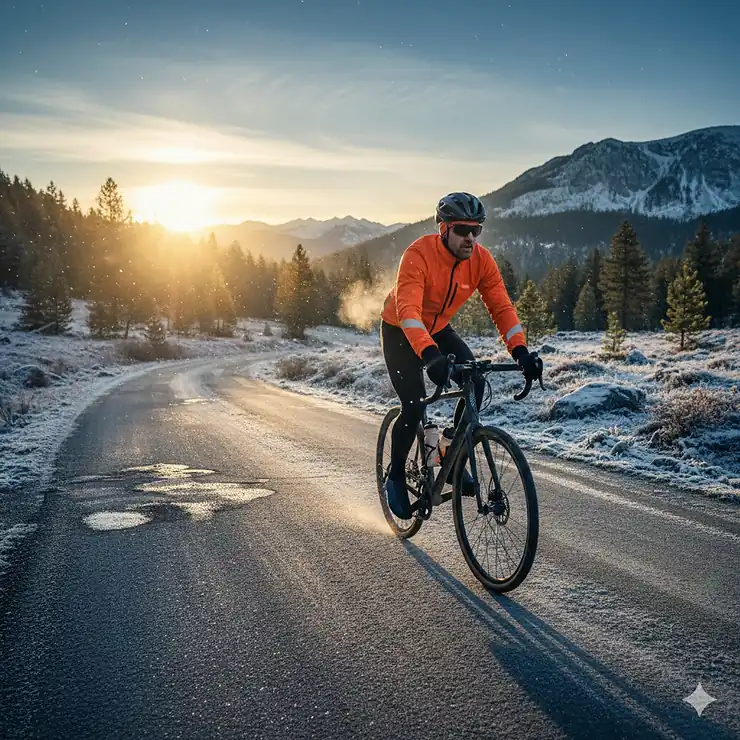
Picture this: It’s 6 AM, the temperature gauge reads 28°F, and your bike is calling. Most cyclists hang up their cleats when frost hits, but not you. With the right cold weather cycling gear, those crisp winter mornings become your competitive advantage while others huddle indoors.
I’ve spent countless winters testing gear in temperatures ranging from mild 45°F days to bone-chilling sub-zero rides. The difference between a miserable, dangerous ride and an exhilarating winter adventure? Having equipment that actually works when it matters most.
According to the Centers for Disease Control and Prevention, hypothermia can occur even at temperatures above 40°F when you’re wet or exposed to wind—exactly the conditions cyclists face. But here’s the good news: modern cold weather biking gear has evolved dramatically. Materials like thermal fleece, windproof membranes, and merino wool now keep riders comfortable in conditions that would have been impossible just a decade ago.
Whether you’re a commuter who refuses to let winter dictate your schedule, a dedicated road cyclist maintaining fitness, or a gravel rider who thrives in challenging conditions, this guide delivers exactly what you need. I’ll walk you through seven essential pieces of cold weather bicycle gear that transform winter cycling from survival mode into pure enjoyment.
Quick Comparison Table
| Product | Type | Temperature Range | Price Range | Best For |
|---|---|---|---|---|
| ROCKBROS Winter Cycling Jacket | Thermal Jacket | 20-50°F | $40-$60 | Budget-conscious riders |
| Baleaf Winter Thermal Tights | Padded Tights | 20-50°F | $35-$50 | All-day comfort |
| Pearl Izumi PRO Barrier Shoe Covers | Waterproof Covers | 30-45°F | $60-$80 | Road cyclists |
| GripGrab Merino Winter Socks | Thermal Socks | Below 50°F | $20-$30 | Natural warmth |
| ROCKBROS Thermal Balaclava | Face Protection | Below 30°F | $15-$25 | Extreme cold |
| Baleaf Thermal Base Layer | Moisture-Wicking | All winter temps | $25-$40 | Layering system |
| GripGrab Waterproof Merino Socks | Waterproof Socks | Below 35°F | $40-$55 | Wet conditions |
💬 Just one click – help others make better buying decisions too! 😊
Top 7 Cold Weather Cycling Gear: Expert Analysis
1. ROCKBROS Winter Cycling Jacket – Best Budget Thermal Protection
The ROCKBROS Winter Cycling Jacket dominates the budget-friendly category without sacrificing essential features that matter on cold rides. After testing this jacket through multiple 30°F morning commutes, I’m genuinely impressed by how much protection you get for under $50.
Key Specifications:
- Inner polar fleece lining with windproof outer shell
- Temperature rating: 20-50°F
- Six ventilation holes on back and shoulders
- Three zippered pockets (2 side, 1 rear)
- Reflective elements for visibility
This jacket uses a dual-layer construction—soft polar fleece inside keeps body heat trapped while the outer polyester shell blocks wind effectively. The extended rear hem prevents cold air from sneaking in when you’re bent over the handlebars, a detail you’ll appreciate on long descents.
Customer feedback consistently highlights the jacket’s warmth-to-price ratio. Riders report staying comfortable during hour-long rides in 25°F weather when paired with a proper base layer. However, sizing runs small (Asian sizing), so ordering one to two sizes up is recommended.
Pros:
✅ Exceptional value under $50
✅ Effective windproofing and insulation
✅ Well-placed ventilation prevents overheating
Cons:
❌ Sizing runs small—order up
❌ Not fully waterproof (water-resistant only)
2. Baleaf Winter Thermal Cycling Tights – Superior Comfort for Long Rides
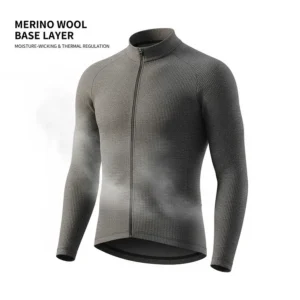
When temperatures drop, exposed legs become your biggest weakness. The Baleaf Winter Thermal Tights solve this problem with intelligent design that balances warmth, flexibility, and padding for multi-hour rides.
Key Specifications:
- 82% Polyester, 18% Spandex with fleece lining
- Water-resistant DWR coating
- Three utility pockets (2 side, 1 rear zipper)
- Zippered ankle cuffs for easy on/off
- Reflective logo for visibility
What sets these tights apart is the ultra-soft fleece lining that traps heat while maintaining breathability. The 4-way stretch fabric moves naturally with your pedal stroke, eliminating the restricted feeling common in cheaper winter tights. The zippered ankle cuffs are brilliantly practical—no more wrestling tights over cycling shoes.
Cyclists praise these tights for staying warm without causing sweat buildup during high-intensity efforts. The water-resistant treatment sheds light rain and road spray effectively, though these aren’t fully waterproof for heavy downpours. At the $35-$40 price point, they offer remarkable value.
Pros:
✅ Excellent warmth in 20-50°F conditions
✅ Strategic pockets hold phone securely
✅ Ankle zippers simplify changing
Cons:
❌ Higher back waist may feel strange initially
❌ Not suitable for heavy rain
3. Pearl Izumi PRO Barrier WxB Shoe Covers – Premium Foot Protection
Cold feet can end a winter ride faster than anything else. The Pearl Izumi PRO Barrier WxB Shoe Covers represent the gold standard in keeping extremities warm and dry, justified by their premium construction and performance.
Key Specifications:
- PRO Barrier WxB waterproof/breathable fabric
- Fleece-lined interior for insulation
- Taped waterproof seams
- Two-stage hook-and-loop closure system
- Reinforced rubber toe for traction
These shoe covers use Pearl Izumi’s proprietary WxB membrane technology, which blocks water and wind while allowing moisture vapor to escape—critical for preventing the clammy feet that lead to cold toes. The fleece lining adds genuine warmth without excessive bulk.
The two-stage closure system is cleverly designed: adjust behind the heel for fit, then at the ankle for seal. This prevents the loose, flapping feel of cheaper covers. The reinforced toe area provides surprising traction when walking, plus durability where wear occurs fastest.
Regular users report these covers keep feet warm and dry during rides down to 30°F. While priced at $60-$80, their durability means they’ll last multiple seasons, making them a sound long-term investment.
Pros:
✅ Genuinely waterproof with taped seams
✅ Excellent temperature regulation
✅ Superior fit prevents water entry
Cons:
❌ Premium pricing
❌ Designed specifically for road cleats
4. GripGrab Merino Winter Cycling Socks – Natural Fiber Excellence
Synthetic materials dominate winter cycling, but the GripGrab Merino Winter Socks prove natural fibers still have distinct advantages. The 34% merino wool content provides temperature regulation that synthetics can’t match.
Key Specifications:
- 34% merino wool, 41% polyamide, 27% acrylic blend
- Padded sole for insulation and comfort
- Stretch arch support
- Reinforced heel and toe
- 6.5-inch height
Merino wool’s superpower is temperature regulation—it insulates when wet, wicks moisture naturally, and resists odor buildup. This means you can wear these socks multiple times before washing, a practical benefit for daily winter commuters. The padded sole adds cushioning while providing an extra insulation barrier between your foot and the cold pedal.
The blend with synthetic fibers addresses pure merino’s weakness: durability. These socks maintain their shape and performance through dozens of wash cycles. Cyclists consistently note how these socks keep feet comfortable across a wide temperature range, from cool 50°F days to frigid 20°F mornings when paired with shoe covers.
Pros:
✅ Natural odor resistance
✅ Excellent moisture management
✅ Comfortable across wide temperature range
Cons:
❌ More expensive than synthetic socks
❌ Require pairing with overshoes in deep cold
5. ROCKBROS Thermal Fleece Balaclava – Total Head and Face Protection
When wind chill drops below 30°F, exposed facial skin becomes painfully cold in minutes. The ROCKBROS Thermal Balaclava provides comprehensive protection while maintaining breathability—a difficult balance to achieve.
Key Specifications:
- 100% polyester thermal fleece construction
- Water-resistant outer fabric
- Breathable mesh panel with activated charcoal filter
- Adjustable nose piece
- Multiple reflective elements
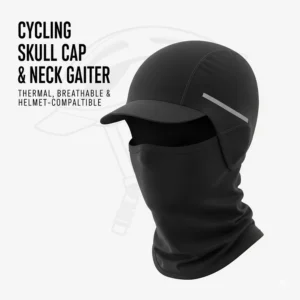
This balaclava features a clever dual-layer design: the outer layer is water-resistant and windproof, while the inner fleece layer traps warm air. The breathable mesh panel with activated charcoal filter prevents glasses and goggles from fogging—a problem that plagues most face coverings.
The coverage extends partially over shoulders, preventing gaps where cold air sneaks in between your helmet and jacket collar. The adjustable nose piece lets you customize fit and airflow. Riders using this balaclava report staying comfortable in temperatures down to 15°F without the claustrophobic feeling common in cheaper options.
Pros:
✅ Comprehensive coverage without bulk
✅ Anti-fog design works effectively
✅ Fits comfortably under helmets
Cons:
❌ Filter requires monthly replacement for daily use
❌ Can feel warm during intense efforts
6. Baleaf Thermal Base Layer with Removable Balaclava – Versatile Foundation
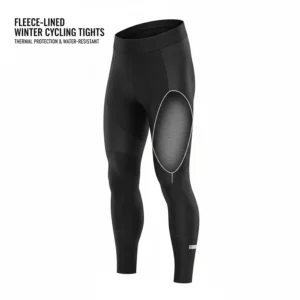
A proper base layer is the foundation of any winter layering system. The Baleaf Thermal Base Layer stands out by including a removable balaclava, making it exceptionally versatile for changing conditions.
Key Specifications:
- Fleece-lined thermal fabric
- Moisture-wicking 4-way stretch
- Removable balaclava mask
- Thumb holes to secure sleeves
- Suitable for multiple outdoor activities
This base layer uses fleece-lined fabric that feels substantial without adding bulk under outer layers. The 4-way stretch construction allows full range of motion during aggressive riding positions. The thumbholes are a simple feature that makes a huge difference—they keep sleeves in place and eliminate gaps at your wrists.
The removable balaclava transforms this from a simple base layer into a complete cold-weather system. Start your ride with full face coverage, then remove it as you warm up or conditions change. This adaptability eliminates the need to carry separate face protection.
Users appreciate how this base layer performs across various winter activities beyond cycling, including running, hiking, and skiing. The quick-dry properties mean sweat doesn’t accumulate, preventing that clammy cold feeling when you stop moving.
Pros:
✅ Versatile 2-in-1 design
✅ Excellent moisture management
✅ Thumbholes prevent sleeve ride-up
Cons:
❌ Requires proper sizing for optimal fit
❌ Balaclava attachment points may show under thin tops
7. GripGrab Waterproof Merino-Lined Winter Socks – Ultimate Wet Weather Protection
For rides in rain, sleet, or heavy road spray, the GripGrab Waterproof Merino-Lined Winter Socks deliver uncompromising protection. These aren’t just water-resistant—they’re genuinely waterproof with a 100% waterproof membrane.
Key Specifications:
- Outer: 85% Polyamide, 10% Polyester, 3% Elastane
- Inner: 42% Merino Wool, 42% Acrylic lining
- 100% waterproof membrane construction
- Reinforced nylon heel and toe
- Extended cuff height
The construction uses a knitted fabric with an integrated waterproof membrane, creating a sock that keeps feet completely dry while remaining breathable enough to prevent sweat buildup. The 42% merino wool inner lining provides the comfort and temperature regulation merino is famous for, while the waterproof outer layer handles the weather protection.
These socks are noticeably thicker than standard cycling socks, so verify they fit your shoes before committing to a long ride. The extended cuff should be covered by tights or leg warmers to prevent water from entering at the top. Cyclists who ride in consistently wet conditions consider these socks essential—many report standing in ankle-deep puddles with completely dry feet.
Pros:
✅ Truly waterproof, not just water-resistant
✅ Merino lining provides comfort
✅ Exceptional durability
Cons:
❌ Premium pricing ($40-$55)
❌ Thicker profile may not fit tight cycling shoes
✨ Don’t Miss These Exclusive Deals!
🔍 Take your winter cycling to the next level with these carefully selected products. Click on any highlighted item to check current pricing and availability. These tools will help you create authentic cold-weather adventures you’ll remember!
Understanding Cold Weather Cycling Physiology
Your body is an amazing heat-generating machine when pedaling, but it’s also vulnerable in ways specific to cycling. According to research published in the National Athletic Trainers’ Association Position Statement, cyclists face unique cold-weather challenges due to wind chill from forward motion and the inability to generate sufficient heat at lower intensities.
When you ride at 20 mph in 40°F weather, the wind chill drops the effective temperature to around 25°F. Your extremities—fingers, toes, nose, and ears—are most vulnerable because your body prioritizes core temperature by reducing blood flow to these areas. This is why proper cold weather bike gear focuses heavily on protecting these vulnerable zones.
The key insight: you want to start your ride feeling slightly cool. If you’re comfortable standing still, you’ll overheat within 10-15 minutes of riding. This counterintuitive approach prevents the sweat buildup that leads to dangerous chilling when you stop or slow down on descents.
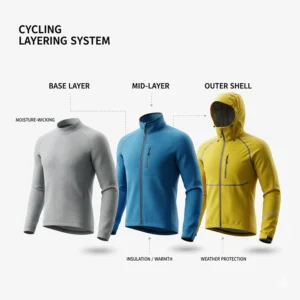
The Three-Layer System: Foundation of Cold Weather Protection
Professional winter cyclists don’t just throw on random warm clothes—they use a strategic three-layer system that adapts to changing conditions and intensity levels. Understanding this system transforms your cold weather biking gear from a collection of items into a cohesive protection system.
Base Layer: Moisture Management
Your base layer sits against skin and has one primary job: move moisture away from your body. Wet skin loses heat 25 times faster than dry skin, making moisture management critical for warmth. Look for materials like merino wool or synthetic fabrics specifically designed for wicking.
The Baleaf Thermal Base Layer excels here with its fleece-lined, moisture-wicking construction. Never use cotton for base layers—it absorbs and holds moisture, creating a cold, clammy layer against your skin.
Mid Layer: Insulation
The mid layer traps warm air and provides insulation. Thickness matters less than air-trapping ability. Fleece and synthetic insulation create small air pockets that prevent heat loss while remaining breathable.
For cycling, this might be a thermal jersey or a lightweight insulated jacket. The ROCKBROS Winter Cycling Jacket serves well as either a mid or outer layer depending on conditions.
Outer Layer: Weather Protection
Your outer layer shields you from wind, rain, and road spray. It should be windproof at minimum, waterproof for wet conditions, while maintaining enough breathability to prevent sweat accumulation.
The key is adjustability—you’ll want to open vents during climbs and seal everything during descents. Many quality winter jackets include pit zips or back ventilation specifically for this purpose.
Temperature-Based Gear Selection Guide
45-55°F: Mild Cold
At this temperature range, you’re fighting wind chill more than actual cold. A long-sleeve base layer under a windproof jacket, standard cycling tights, and full-finger gloves usually suffice. Leg warmers and arm warmers offer flexibility as temperatures fluctuate.
35-45°F: Moderate Cold
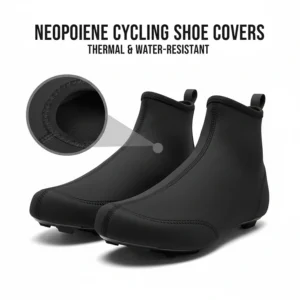
This range requires committed winter gear. Use thermal tights, a base layer plus insulated jacket, winter-weight gloves, and thermal socks. Toe covers or lightweight shoe covers prevent frozen toes. Consider a headband under your helmet or a thin thermal cap.
20-35°F: Serious Cold
Full winter cold weather cycling gear is non-negotiable here. Thermal base layer, insulated tights, heavy winter jacket, full shoe covers, winter gloves or pogies, and a balaclava or similar face protection. All items should be windproof, and waterproof options are wise for changing conditions.
Below 20°F: Extreme Cold
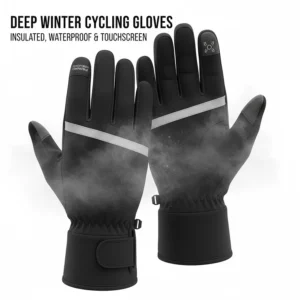
At this temperature, even properly geared riders face challenges. Add an extra base layer, consider battery-heated gloves or socks, ensure your balaclava covers all exposed skin, and use the heaviest shoe covers available. Consider studded tires for ice, and keep rides shorter as maintaining core temperature becomes progressively difficult.
Essential Accessories Beyond Clothing
Lights and Visibility
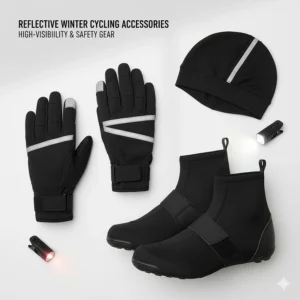
Winter means shorter days and often riding in darkness. The National Highway Traffic Safety Administration recommends both front and rear lights year-round, but winter demands enhanced visibility. Consider additional reflective elements on your cold weather bike gear and a rear radar system for awareness in low-light conditions.
Bike Modifications
Cold weather affects your bike too. Switch to winter-specific chain lube that doesn’t stiffen in cold temperatures. Consider wider tires with lower pressure for better traction on potentially icy surfaces. Fenders become essential equipment when roads are wet—they prevent the cold spray that soaks your legs and feet.
Emergency Kit Essentials
Always carry extra layers in winter. A lightweight packable jacket, chemical hand warmers, and an emergency blanket take minimal space but could save your ride—or your life—if you mechanical or get caught in rapidly changing weather. A fully charged phone and letting someone know your route becomes even more important in winter conditions.
Comparison: Winter Cycling vs Traditional Winter Sports
| Factor | Cycling | Skiing/Snowboarding | Winter Running |
|---|---|---|---|
| Heat Generation | Moderate-High | High | Very High |
| Wind Exposure | Extreme | Moderate | Low |
| Moisture Management | Critical | Important | Critical |
| Layering Complexity | High | Moderate | Moderate |
| Extremity Protection | Most Critical | Important | Moderate |
The table highlights why cyclists need specialized gear—we generate significant heat but face extreme wind exposure, creating unique challenges that ski or running gear doesn’t adequately address.
Price vs Performance: What’s Worth the Investment?
Budget Priorities ($100-$200)
If you’re starting with a limited budget, prioritize in this order: quality base layer, windproof jacket, thermal tights, winter gloves. The ROCKBROS Winter Cycling Jacket and Baleaf Thermal Tights deliver exceptional value here, providing core protection while you build out your cold weather bicycle gear collection.
Mid-Range Expansion ($300-$500)
Add proper shoe covers, merino wool socks, a quality balaclava, and upgrade to better gloves. The Pearl Izumi PRO Barrier Shoe Covers represent a worthy investment that prevents the misery of frozen toes. Quality shoe covers and socks make an outsized difference in comfort.
Premium Complete Kit ($600-$1000)
Invest in waterproof layers, multiple base layers for various conditions, battery-heated accessories for extreme cold, and premium merino wool items throughout. The GripGrab Waterproof Merino Socks exemplify the kind of specialized gear that serious winter cyclists appreciate.
The Long-Term Perspective
Quality winter cold weather cycling gear lasts years when properly cared for. A $70 jacket that lasts five seasons costs less per ride than a $40 jacket that fails after one winter. Calculate cost-per-use rather than just upfront price when making decisions.
Maintenance and Care for Longevity
Washing Best Practices
Most technical fabrics require specific care. Use technical wash designed for performance fabrics—regular detergents leave residues that compromise water resistance and breathability. Avoid fabric softeners entirely as they coat fibers and destroy moisture-wicking properties.
Wash cold weather biking gear inside-out in cold water on gentle cycles. Air dry whenever possible, as heat can damage elastic and waterproof membranes. The GripGrab Merino Winter Socks benefit from air drying specifically, as heat can shrink wool content.
Restoring Water Resistance
Water-resistant treatments fade with use and washing. Reapply DWR (Durable Water Repellent) treatment annually to jackets, tights, and shoe covers. Products like Nikwax or Grangers restore that satisfying water-beading effect that keeps you dry and comfortable.
Storage Considerations
Store winter gear clean and completely dry in a cool, dry place. Moisture trapped in storage leads to mildew, while heat can degrade elastic and adhesives. Don’t leave gear crammed in a bag—allow items to maintain their shape. The ROCKBROS Thermal Balaclava with its activated charcoal filter should have the filter removed and stored separately during off-season.
Benefits vs Traditional Indoor Training
| Winter Outdoor Cycling | Indoor Training |
|---|---|
| Fresh air and mental health benefits | Climate controlled comfort |
| Bike handling skills in challenging conditions | Consistent, measurable power output |
| Vitamin D exposure on sunny days | Ability to train at any temperature |
| Real-world terrain and navigation practice | Structured interval training |
| Adventure and exploration | Time efficient workouts |
| Requires quality cold weather cycling gear | Lower equipment needs |
Both approaches have merit, but proper cold weather bike gear makes outdoor winter riding genuinely enjoyable rather than something to merely endure. Many cyclists use a hybrid approach—outdoor rides when conditions permit, indoor sessions when conditions are genuinely dangerous.
Common Mistakes Winter Cyclists Make
Overdressing
The most common error is starting too warm. You should feel slightly cool for the first 10-15 minutes of your ride. Overdressing leads to excessive sweating, soaking your layers, and ultimately making you colder when you slow down or stop. Start with the mindset that discomfort at the beginning equals comfort overall.
Neglecting Nutrition and Hydration
Cold air doesn’t make you feel thirsty the same way heat does, but you’re still losing fluids through respiration and sweat. Dehydration impairs your body’s ability to regulate temperature. Similarly, your body burns more calories maintaining core temperature—eat before you feel hungry to maintain energy for warmth.
Ignoring Wind Direction
Plan routes with headwinds early and tailwinds for the return. Fighting a headwind when you’re fatigued late in a ride is miserable and potentially dangerous if you’re not generating enough heat. Smart route planning using wind forecasts transforms the experience.
Skipping Pre-Ride Warmup
Starting cold rides with muscles at rest sets you up for discomfort and potential injury. Do 10-15 minutes of gentle indoor spinning or dynamic stretching before heading out. This raises your core temperature slightly and loosens muscles before exposure to cold.
FAQ: Cold Weather Cycling Questions Answered
❓ How cold is too cold for cycling?
❓ Can you ride a bike in 30 degree weather?
❓ What should I wear cycling in 40 degree weather?
❓ How do I keep my hands warm while cycling?
❓ Do I need special tires for winter cycling?
Conclusion: Embrace Winter Cycling Confidently
Winter cycling transforms from intimidating challenge to genuine pleasure when you’ve equipped yourself properly. The seven pieces of cold weather cycling gear reviewed here represent the essentials that make winter riding not just tolerable, but truly enjoyable.
Remember, the goal isn’t surviving winter—it’s thriving in it. The ROCKBROS Winter Cycling Jacket provides exceptional value for budget-conscious riders. The Baleaf Winter Thermal Tights deliver comfort for serious mileage. The Pearl Izumi PRO Barrier Shoe Covers keep your feet warm when cheaper alternatives fail. The GripGrab Merino Winter Socks offer natural fiber benefits that synthetic materials can’t match. The ROCKBROS Thermal Balaclava protects facial skin from dangerous wind chill. The Baleaf Thermal Base Layer creates a versatile foundation for any layering system. And the GripGrab Waterproof Merino Socks ensure wet conditions don’t end your ride.
Start with the essentials—jacket, tights, gloves—then expand your cold weather bike gear collection as you ride more and identify your specific needs. Pay attention to temperature ranges, wind conditions, and your own heat generation during rides. Most importantly, get out there. The roads are quieter in winter, the air is crisp, and the sense of accomplishment after completing a cold-weather ride is unmatched.
Your first properly-equipped winter ride will be a revelation. Instead of counting minutes until you can return home, you’ll find yourself extending routes, exploring new paths, and genuinely enjoying the season others avoid. That’s the difference quality cold weather bicycle gear makes—it opens the door to year-round cycling rather than seasonal resignation.
The investment in proper gear pays dividends in fitness maintained, mental health protected, and pure riding joy experienced. Don’t let winter steal months from your cycling calendar. Gear up, layer smart, and discover what you’ve been missing.
Recommended for You
- 7 Best Cold Weather Hunting Gear for 2025 (Expert Picks)
- 7 Best Hunting Socks for Cold Weather That Actually Work (2025)
- 7 Best Cold Weather Hunting Pants 2025 | Expert Hunter’s Guide
Disclaimer: This article contains affiliate links. If you purchase products through these links, we may earn a small commission at no additional cost to you.
✨ Found this helpful? Share it with your friends! 💬🤗
