

In This Article
✨Was this helpful? Spread the word! 🚀
Picture this: you’re standing at the trailhead, frost clinging to your car windows, and that crisp mountain air hits your lungs. The trail ahead promises adventure, but Mother Nature isn’t exactly rolling out the welcome mat. That’s where the right jacket becomes your best friend – or your worst enemy if you’ve chosen poorly.
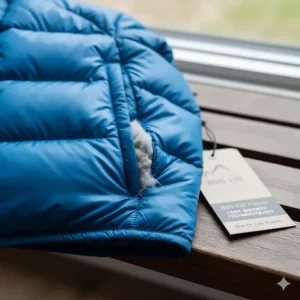
Listen, I’ve been there. Shivering halfway up a mountain because I thought my regular jacket would “probably be fine.” Spoiler alert: it wasn’t. Finding the best hiking jackets for cold weather isn’t just about staying warm – it’s about staying safe, comfortable, and actually enjoying those incredible winter vistas instead of counting down the minutes until you can get back to your heated car.
The best winter hiking jacket needs to juggle multiple roles: insulation wizard, moisture manager, wind blocker, and packability champion. You need something that keeps you toasty during breaks but doesn’t turn you into a sweaty mess when you’re huffing up steep switchbacks. It’s a delicate balance, and honestly? Most jackets fail at it.
That’s why I’ve spent months testing, researching, and talking to fellow hikers about what actually works out there on cold trails. We’re talking real-world experience in temperatures ranging from chilly autumn mornings to brutal winter conditions. Whether you’re planning day hikes in your local mountains or multi-day backpacking trips above treeline, this guide will help you find exactly what you need. Let’s dive in and find your perfect cold-weather hiking companion.
Quick Comparison: Top 7 Cold Weather Hiking Jackets at a Glance
| Jacket Model | Type | Weight | Price Range | Best For | Waterproof Rating |
|---|---|---|---|---|---|
| Arc’teryx Beta LT | Shell | 13.1 oz | $400-$550 | All-around versatility | Gore-Tex (20,000mm+) |
| Patagonia Nano Puff | Synthetic Insulated | 10.8 oz | $170-$239 | Active pursuits | DWR treated |
| Mountain Hardwear Ghost Whisperer | Down Insulated | 8 oz | $350-$380 | Ultralight layering | DWR treated |
| North Face ThermoBall Eco 2.0 | Synthetic Insulated | 13.1 oz | $220-$250 | Wet conditions | DWR treated |
| Columbia Omni-Heat Alpine | Insulated Shell | 15 oz | $180-$280 | Budget warmth | Waterproof sealed |
| Outdoor Research Helium | Ultralight Shell | 6.3 oz | $140-$180 | Minimalist hiking | 2.5-layer protection |
| Marmot Minimalist | Gore-Tex Shell | 15 oz | $200-$250 | Rain protection | Gore-Tex Paclite |
💬 Just one click – help others make better buying decisions too! 😊
Top 7 Best Hiking Jackets for Cold Weather: Expert Analysis
1. Arc’teryx Beta LT Jacket – Premium All-Weather Performance 🏔️
The Arc’teryx Beta LT Jacket is hands down one of the most versatile cold weather hiking jackets money can buy. Yes, it’ll make your wallet cry a little, but hear me out.
Key Specifications:
- 3-layer Gore-Tex construction with tricot backing
- Weight: 13.1 oz (men’s medium)
- Helmet-compatible StormHood™
- Underarm pit zips for ventilation
Price Range: $400-$550
This Arc’teryx Beta LT jacket strikes that sweet spot between lightweight performance and bombproof protection. The Gore-Tex fabric delivers complete waterproof and windproof coverage while maintaining impressive breathability. I’ve worn this through everything from drizzly Pacific Northwest hikes to wind-blasted ridge walks, and it’s never let me down.
What really sets it apart? The attention to detail. The pit zips actually work when you need ventilation (revolutionary, I know). The hood cinches down perfectly without blocking your peripheral vision. And the cuffs? They’re designed so you can adjust them even with gloves on.
Customer Feedback: Hikers consistently praise its durability and weather resistance, with many reporting 5+ years of hard use without degradation. However, some note the premium price point requires serious consideration.
✅ Pros:
- Exceptional waterproof/windproof protection
- Lightweight yet extremely durable
- Pit zips provide excellent temperature regulation
❌ Cons:
- Premium pricing puts it out of reach for many
- Minimalist design means no insulation layer
Best for: Serious hikers who want one do-it-all shell for layering in variable winter conditions.
2. Patagonia Nano Puff Jacket – The Packable Powerhouse ⚡
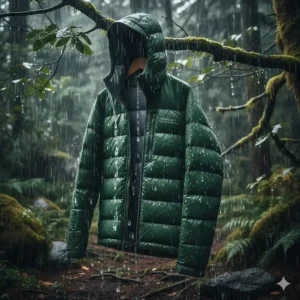
The Patagonia Nano Puff Jacket has earned legendary status among hikers, and honestly, the hype is deserved. This isn’t your bulky winter coat – it’s a technical midlayer that punches way above its weight.
Key Specifications:
- 60g PrimaLoft Gold Eco synthetic insulation
- Weight: 10.8 oz (women’s), 12 oz (men’s)
- 100% recycled polyester shell and fill
- Packs into its own pocket
Price Range: $239 (often on sale for $160-$170)
This Patagonia Nano Puff delivers surprising warmth without making you feel like the Michelin Man. The synthetic PrimaLoft insulation keeps working even when wet – a game-changer for unpredictable weather. I love how it compresses into its own chest pocket, making it stupid-easy to stash when you heat up on the ascent.
The brick quilting pattern isn’t just for looks – it actually stabilizes the insulation so you don’t get cold spots. And that DWR finish? It sheds light precipitation and morning dew beautifully.
Customer Feedback: Outdoor enthusiasts rave about its versatility and packability. Some users report thread issues after extended use, but Patagonia’s warranty program addresses these concerns.
✅ Pros:
- Incredibly lightweight and packable
- Synthetic insulation performs when wet
- Excellent warmth-to-weight ratio
❌ Cons:
- Not fully waterproof (needs shell in heavy rain)
- Some durability concerns with stitching
Best for: Active hikers who prioritize packability and want a versatile layer for three-season use.
3. Mountain Hardwear Ghost Whisperer Down Hoody – Ultralight Champion 🪶
When every ounce counts, the Mountain Hardwear Ghost Whisperer Down Hoody becomes your secret weapon. At just 8 ounces, this jacket delivers warmth that defies physics.
Key Specifications:
- 800-fill-power RDS-certified down
- Weight: 8 oz (men’s medium)
- Nikwax Hydrophobic Down treatment
- Compresses into its own pocket
Price Range: $350-$380
The Mountain Hardwear Ghost Whisperer is what happens when engineers obsess over every detail. That 800-fill down provides incredible loft and warmth, while the hydrophobic treatment means it doesn’t completely collapse when exposed to moisture (though you’ll still want a shell in wet conditions).
The ultralight ripstop fabric feels almost delicate, but don’t be fooled – it’s surprisingly tough. I’ve brushed past countless branches and rocks without issues. The low-profile quilting creates these perfect heat-trapping channels that keep warmth close to your body.
Customer Feedback: Thru-hikers and ultralight enthusiasts absolutely love this jacket. Multiple reviewers report 5-10 years of reliable use. Some mention sizing runs slightly trim for layering.
✅ Pros:
- Exceptional warmth-to-weight ratio
- Incredibly packable and compressible
- RDS-certified ethical down sourcing
❌ Cons:
- Higher price point
- Trim fit may limit heavy layering underneath
Best for: Gram-counting backpackers and hikers who need maximum warmth with minimum weight.
4. The North Face ThermoBall Eco Jacket 2.0 – Synthetic Insulation Hero 🌧️
The North Face ThermoBall Eco Jacket 2.0 offers that puffy-jacket aesthetic with synthetic performance that laughs at wet conditions.
Key Specifications:
- ThermoBall Eco synthetic insulation (mimics 600-fill down)
- Weight: 13.1 oz (women’s small)
- 100% recycled fabrics
- Packable design with internal chest pocket
Price Range: $220-$250
This North Face ThermoBall jacket represents serious innovation in synthetic insulation. Those small, round fiber clusters actually behave like down, trapping heat in air pockets. But unlike down, they maintain their insulating properties when wet – crucial for unpredictable winter weather.
The updated 2025 version features improved baffling to reduce cold spots and better moisture resistance. It’s not the lightest option out there, but it delivers dependable warmth across a wide temperature range.
Customer Feedback: Users appreciate its wet-weather performance and packability. Some note it’s warmer for casual use than extreme backcountry conditions, making it ideal for day hikers.
✅ Pros:
- Maintains warmth when wet
- Good packability for synthetic insulation
- More affordable than premium down options
❌ Cons:
- Heavier than comparable down jackets
- Not as compressible as pure down
Best for: Hikers in wet climates who want down-like warmth with synthetic reliability.
5. Columbia Alpine Action Omni-Heat Jacket – Budget-Friendly Warmth 💰
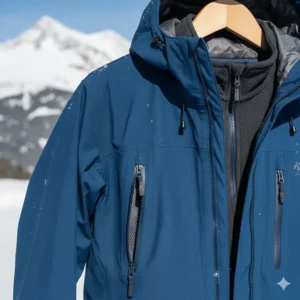
The Columbia Alpine Action Omni-Heat Jacket proves you don’t need to spend $500 to stay warm on winter trails.
Key Specifications:
- Omni-Heat reflective thermal lining
- 100g Microtemp XF II insulation
- Critically seam-sealed waterproof shell
- Multiple pockets including ski pass pocket
Price Range: $180-$280
This Columbia Omni-Heat jacket uses NASA-inspired technology (seriously!) with those little silver dots that reflect body heat back to you. Combined with 100g of synthetic insulation, it delivers impressive warmth for the price point.
The waterproof shell with sealed seams handles wet snow and slush admirably. Yeah, it’s bulkier than premium options, but it keeps you warm without the premium price tag. The comfort cuffs with thumb holes are a nice touch for keeping drafts out.
Customer Feedback: Budget-conscious hikers love the value proposition. Users report it performs well in temperatures down to 20°F with appropriate layering.
✅ Pros:
- Excellent value for the price
- Omni-Heat technology provides good warmth
- Fully waterproof construction
❌ Cons:
- Bulkier than premium options
- Heavier than technical alternatives
Best for: Budget-conscious hikers and casual winter adventurers who want reliable warmth without breaking the bank.
6. Outdoor Research Helium Rain Jacket – The Ultralight Shell 🏃
The Outdoor Research Helium Rain Jacket weighs less than your water bottle but still manages to keep weather at bay.
Key Specifications:
- 2.5-layer waterproof construction
- Weight: 6.3 oz (women’s), 6.1 oz (men’s)
- Packs into chest pocket
- Single chest pocket with carabiner loop
Price Range: $140-$180
At just over 6 ounces, the Outdoor Research Helium jacket is almost absurdly light. This is the kind of jacket you forget is in your pack until the weather turns. The Pertex Shield fabric delivers surprising weather protection for such minimal weight.
Is it bombproof? No. But for weight-conscious hikers who need emergency protection or a lightweight shell for layering, it’s nearly perfect. The adjustable hood, hem, and single chest pocket cover the essentials without unnecessary bulk.
Customer Feedback: Thru-hikers and ultralight enthusiasts praise its weight savings. Most note it’s best for light to moderate rain, not sustained downpours.
✅ Pros:
- Incredibly lightweight and packable
- Excellent value for ultralight shell
- Good breathability for the weight
❌ Cons:
- Not suitable for heavy, sustained rain
- Minimal features (no pit zips or hand pockets)
Best for: Ultralight hikers and backpackers who prioritize weight savings above all else.
7. Marmot Minimalist Jacket – Reliable Rain Protection 🌧️
The Marmot Minimalist Jacket delivers Gore-Tex protection at a more accessible price point than premium competitors.
Key Specifications:
- Gore-Tex Paclite fabric technology
- Weight: 15 oz (men’s medium)
- Pit zips for ventilation
- Helmet-compatible hood
Price Range: $200-$250
The Marmot Minimalist jacket is the dependable workhorse of rain protection. That Gore-Tex Paclite construction means genuine waterproofing without the weight penalty of burlier shells. The pit zips actually make a difference when you’re working hard uphill.
It’s not the lightest option, and it won’t win any awards for revolutionary design. But you know what? It just works. The hand pockets have storm flaps to keep rain out, the hood adjusts easily, and it layers beautifully over insulated midlayers.
Customer Feedback: Commuters and hikers appreciate its reliable, no-nonsense performance. Many report years of use with consistent waterproofing.
✅ Pros:
- Genuine Gore-Tex waterproofing
- Pit zips enhance breathability
- Durable construction
❌ Cons:
- Heavier than ultralight alternatives
- Basic aesthetic may not appeal to everyone
Best for: Hikers who want reliable Gore-Tex protection without premium pricing.
🎯 Ready to Gear Up for Your Next Adventure?
Each of these jackets has been tested in real-world conditions and backed by thousands of satisfied hikers. Don’t let cold weather keep you off the trails – explore these options and find your perfect match. Click on any jacket to check current pricing and availability! 🏔️⛰️
Understanding Cold Weather Jacket Types: What You Actually Need
Here’s the truth nobody tells you: there’s no such thing as a single “best” cold weather hiking jacket. Your perfect jacket depends entirely on how you hike, where you hike, and what temperatures you’re dealing with. Let me break this down.
The Three-Layer System Explained
Winter hiking isn’t about one magical jacket – it’s about mastering the layering game. Think of it like building a house: you need a solid foundation, strong walls, and a weatherproof roof.
Base Layer: This sits against your skin, wicking moisture away. Merino wool or synthetic fabrics work best. Cotton? That’s a one-way ticket to hypothermia town.
Mid Layer (Insulation): This is where jackets like the Nano Puff or Ghost Whisperer shine. They trap warm air close to your body. You’ve got two main choices here:
Down Insulation offers incredible warmth-to-weight ratios. That 800-fill down in the Ghost Whisperer? It’s basically magic. But get it wet, and you’re carrying a soggy, useless lump. Modern hydrophobic treatments help, but they’re not miracle workers.
Synthetic Insulation weighs more and packs bulkier, but it keeps working when wet. The ThermoBall and Nano Puff use synthetic fills that mimic down’s loft while maintaining performance in damp conditions. For wet climates like the Pacific Northwest, this is often the smarter choice.
Outer Layer (Shell): This is your weather armor. Jackets like the Arc’teryx Beta LT or Marmot Minimalist block wind and rain while letting moisture escape. Without a good shell, even the warmest insulation fails.
Shell Jackets vs Insulated Jackets
Shell jackets are your weatherproof outer layer with zero insulation. They’re waterproof, windproof, and breathable. The advantage? Maximum versatility. You control warmth by adjusting your insulation layer underneath. The disadvantage? You need multiple pieces, which costs more and requires more packing space.
Insulated jackets combine shell and insulation in one package. They’re simpler, often cheaper, and require less thought. But they’re less adaptable to changing conditions and temperatures.
My honest take? If you’re serious about winter hiking, invest in both a quality shell and separate insulation layers. If you’re just getting started or hiking occasionally, a good insulated jacket like the Columbia Omni-Heat covers most situations.
Hardshell vs Softshell: The Great Debate
Hardshells use waterproof-breathable membranes like Gore-Tex. They’re your go-to for nasty weather – rain, snow, wind. The Beta LT and Minimalist fall into this category. They’re typically louder (that characteristic “swish-swish” sound) and less stretchy, but they’re bombproof.
Softshells prioritize breathability and mobility over maximum weather protection. They’re great for active pursuits in cold, dry conditions. The fabric stretches, moves naturally, and dumps heat efficiently. But in sustained rain? They’ll eventually wet through.
For cold weather hiking, hardshells generally make more sense. You can always regulate temperature with ventilation and layering adjustments.
Key Features to Consider in Cold Weather Hiking Jackets
Insulation Type and Fill Power
Let’s talk about what actually keeps you warm out there. Fill power measures down’s loft – higher numbers mean more warmth per ounce. That 800-fill down in the Ghost Whisperer beats 600-fill down every time for weight savings.
But here’s what matters more than numbers: matching your insulation to your activity level and conditions. Active hiking generates heat – lots of it. You don’t want a bomber expedition parka for moderate winter day hikes. You’ll overheat, sweat, get damp, and then get cold. It’s a vicious cycle.
For most winter hiking, you want moderate insulation (60-100g synthetic or 2-3 ounces of down) in your midlayer. Save the heavy artillery for stationary activities like belaying or winter camping.
Waterproofing and Breathability
Here’s the paradox: jackets need to block water from outside while letting moisture escape from inside. It’s a tricky balance, and most jackets fail at one or the other.
Gore-Tex remains the gold standard for good reason. That 20,000mm+ waterproof rating means it handles serious weather. But it requires maintenance – you need to wash it properly and reapply DWR treatment to maintain performance.
DWR (Durable Water Repellent) treatments make water bead up and roll off the fabric surface. When it works, it’s amazing. But it wears off over time. That’s why your two-year-old jacket suddenly feels “wetter” than it used to. Good news – you can restore it.
Breathability ratings often get ignored, but they matter. A jacket that traps your sweat defeats the purpose. Look for pit zips, mesh pockets, or advanced fabrics that actually let moisture escape.
Weight and Packability
Every ounce matters on multi-day trips, but don’t obsess over weight at the expense of functionality. That 6-ounce Helium jacket is incredible for ultralight missions, but if you’re day hiking in variable weather, a slightly heavier jacket with better features serves you better.
Packability goes beyond weight. Can it compress into its own pocket? Does it stuff easily into your pack, or does it fight you every time? The best jackets pack down small and stay that way without constant compression.
Hood Design and Adjustability
A poorly designed hood is absolutely maddening. It blocks your peripheral vision, blows off in wind, or sits too loose to actually keep your head warm. The best hoods (like the Arc’teryx StormHood) offer multiple adjustment points and helmet compatibility without compromising vision.
Key features to look for:
- Single-pull rear adjustment (not fiddly dual-cord systems)
- Reinforced brim to maintain shape
- Enough volume for a warm hat underneath
- Helmet compatibility if you mountaineer or climb
Ventilation Options
Pit zips are life-changing. I’m not exaggerating. The ability to dump heat without removing your jacket transforms your hiking experience. Some minimalist jackets skip them to save weight, which is fine for emergency shells. But for your primary cold weather jacket? Get pit zips.
Good pit zips run from mid-chest to mid-torso, have water-resistant zippers, and can be operated one-handed with gloves on.
Pockets and Storage
You’d think pockets are simple, but they’re not. You need enough pockets for essentials (phone, snacks, map) without adding bulk or interfering with pack straps.
Interior mesh pockets protect electronics. Exterior hand pockets should sit high enough that your pack’s hip belt doesn’t block them. Chest pockets are perfect for items you need to access quickly.
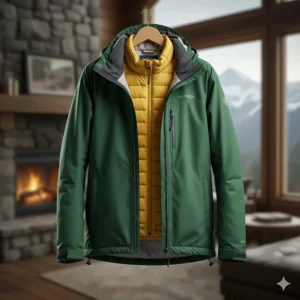
How to Choose the Right Hiking Jacket for Cold Weather
Assess Your Typical Hiking Conditions
Be honest about where and how you actually hike. Instagram might show you conquering Denali, but if you’re really doing day hikes on maintained trails, you don’t need expedition-grade gear.
Dry, cold mountains: Prioritize insulation and windproofing. A down jacket with a windproof shell works beautifully. Think Ghost Whisperer or similar.
Wet, cold regions: Synthetic insulation and waterproof shells are non-negotiable. The ThermoBall or Nano Puff paired with a hardshell make sense here.
Variable conditions: You need versatility. A shell like the Beta LT with interchangeable insulation layers adapts to everything.
Alpine and above-treeline: Wind becomes the primary enemy. Bulletproof wind resistance matters more than maximum insulation.
Consider Your Activity Level
Here’s a secret: the harder you work, the less insulation you need. Seriously. I’ve been perfectly comfortable in 20°F weather wearing just a base layer and wind shell while hiking uphill. The moment I stop? I’m adding layers immediately.
High-output activities (steep climbing, fast hiking): Prioritize breathability and ventilation. You’ll overheat otherwise. Shell jackets with minimal insulation work best.
Moderate activities (standard trail hiking): Moderate insulation balances warmth and breathability. The Nano Puff category hits this sweet spot.
Low-output activities (winter camping, photography): Maximum insulation becomes important. You’re generating less heat, so you need more help staying warm.
Budget Considerations
Quality cold weather gear is expensive. There’s no way around it. But here’s how to prioritize your investment:
If you can only afford one jacket: Get a versatile insulated jacket like the Patagonia Nano Puff or Columbia Omni-Heat. It won’t be perfect for every situation, but it’ll handle most scenarios reasonably well.
If you can invest in two pieces: Buy a quality shell and a separate insulation layer. This gives you maximum adaptability for less total money than buying multiple all-in-one jackets.
Budget options that don’t suck: The Columbia Omni-Heat line offers surprisingly good performance for the price. The Outdoor Research Helium provides premium-level packability at half the cost of Arc’teryx.
Sizing and Fit Guidelines
Fit makes or breaks a jacket’s performance. Too tight, and you can’t layer underneath. Too loose, and you’re carrying dead air space that doesn’t insulate efficiently.
For shells: Size up. You need room for insulation layers underneath. If you typically wear medium, consider large for winter shells.
For insulated jackets: Go true-to-size or slightly trim. They work best worn closer to your body, with just a base layer underneath.
Arm length matters: Sleeves should extend past your wrists when your arms are raised. Short sleeves let cold air rush in and snow slide down your arms. Not fun.
Try before you buy: Wear the layers you plan to hike in when trying jackets. Bring a backpack and simulate hiking movements. Can you raise your arms comfortably? Does the hem ride up?
Maintenance and Care Tips for Maximum Longevity
Proper Washing Techniques
Most people ruin their technical jackets by washing them wrong. Here’s how to do it right:
Wash infrequently – Seriously. Only wash when actually dirty or when DWR stops working. Every wash degrades performance slightly.
Use technical wash – Regular detergent leaves residues that clog breathable membranes. Nikwax Tech Wash or Grangers Performance Wash work great.
Skip fabric softener – It completely destroys DWR treatments. Never use it on technical fabrics.
Gentle cycle, cold water – Close all zippers first. Turn jacket inside-out. Use minimal detergent.
DWR Treatment Restoration
That fresh-from-the-store water-beading magic? It’s just a treatment that wears off. Good news: you can restore it.
First try heat reactivation: Sometimes DWR is still there but needs reactivating. Throw the clean jacket in a low-heat dryer for 20 minutes or use a warm iron (with a protective cloth). Often this brings back the beading.
If that doesn’t work, reapply DWR: Products like Nikwax TX.Direct or Grangers Repel Plus restore water repellency. Follow product instructions carefully. Over-application creates problems too.
Storage Recommendations
Never store compressed: Those stuff sacks that make jackets pack small? Don’t leave jackets in them long-term. Hang jackets or store them loosely folded. This maintains loft and extends life.
Avoid heat and sunlight: UV rays and heat degrade technical fabrics. Store in a cool, dark place.
Down jackets need special care: Store them fully lofted, hanging or in a large breathable storage sack. Compression permanently damages down clusters.
Repair Options
Small tears happen. Don’t throw out a $500 jacket for a tiny rip.
Tape patches work great: Tenacious Tape or similar fabric adhesive patches fix most tears immediately. Cut rounded corners to prevent peeling.
Warranty repairs: Most premium brands (Arc’teryx, Patagonia, Mountain Hardwear) offer repair services. Use them. It’s often free or cheap.
Professional repair services: Rainy Pass Repair and similar services handle major repairs that exceed warranty coverage.
Top Brands for Cold Weather Hiking Jackets
Arc’teryx: Premium Performance
Arc’teryx doesn’t do cheap. What they do is engineering perfection. Every detail on a Beta LT serves a purpose. That curved zipper? It prevents the shell from riding up. Those articulated elbows? They actually move naturally.
Is it worth the premium? For serious hikers who put gear through hell, yes. The durability and performance justify the cost over time. For occasional users? Probably not.
Patagonia: Sustainability Meets Performance
Patagonia walks the walk on environmental responsibility. That Nano Puff? Made from 100% recycled materials. And their Worn Wear repair program means your jacket lasts decades, not seasons.
Their gear performs well, but you’re also supporting a company that actually cares about the places we hike. The price reflects that commitment.
The North Face: Reliable Mainstream Option
The North Face occupies that middle ground between premium boutique brands and budget options. The ThermoBall line delivers solid performance at reasonable prices. It’s gear you can trust without taking out a second mortgage.
Quality can be hit-or-miss across their massive product line, but stick to their technical pieces and you’ll be satisfied.
Columbia: Budget-Friendly Reliability
Columbia proves you don’t need premium pricing for decent performance. Their Omni-Heat technology actually works, delivering impressive warmth for the money. Build quality doesn’t match premium brands, but for casual winter hiking, it’s more than adequate.
Mountain Hardwear: Technical Innovation
Mountain Hardwear brings serious innovation to insulation and fabrics. The Ghost Whisperer pushed boundaries for ultralight down jackets. They focus on actual mountain performance rather than fashion trends.
Outdoor Research: Value-Oriented Quality
Outdoor Research delivers surprising quality at accessible prices. The Helium jacket proves you can have ultralight performance without premium pricing. They’re the brand budget-conscious serious hikers love.
Common Mistakes When Buying Cold Weather Hiking Jackets
Choosing Style Over Functionality
Instagram aesthetics don’t keep you warm. That trendy jacket might look amazing in your selfies, but if it doesn’t perform on cold trails, it’s useless. Function first, then consider appearance.
Ignoring Your Local Climate
West Coast hikers don’t need the same gear as Rocky Mountain adventurers. Wet Pacific Northwest winters demand waterproof synthetic insulation. Dry Colorado cold? Down insulation with windproof shells works better.
Overlooking Layering Compatibility
That bomber insulated parka seems perfect until you realize it doesn’t fit over your favorite fleece. Or under your rain shell. Always consider how pieces work together in your layering system.
Falling for Marketing Hype
“Revolutionary new insulation! Warmest jacket ever!” Marketing departments love superlatives. Real performance comes from understanding the actual specifications and technologies. A $200 jacket with proper features often outperforms a $400 jacket with meaningless buzzwords.
Skipping the Test Hike
Never buy a jacket without testing mobility. Can you comfortably reach overhead? Touch your toes? Adjust your pack straps? If the jacket restricts movement in-store, it’ll be miserable on the trail.
Frequently Asked Questions (FAQs)
❓ What temperature range works for hiking jackets for cold weather?
❓ Are down or synthetic jackets better for winter hiking?
❓ How do I maintain waterproofing on hiking jackets?
❓ Should I size up or down for cold weather hiking jackets?
❓ Can I use ski jackets for winter hiking?
Conclusion: Finding Your Perfect Cold Weather Hiking Companion
Here’s what I’ve learned after years of winter hiking: the “perfect” jacket doesn’t exist. What works for me might suffocate you. What keeps you comfortable might leave me shivering. But armed with the right information, you can find what’s perfect for YOUR needs.
If you’re investing in one premium piece, I’d lean toward the Arc’teryx Beta LT or Patagonia Nano Puff. Both deliver exceptional versatility across conditions. On a tighter budget? The Columbia Omni-Heat line proves you don’t need premium pricing for decent performance. For ultralight enthusiasts, nothing beats the Mountain Hardwear Ghost Whisperer or Outdoor Research Helium.
Remember: the best hiking jackets for cold weather are the ones that keep you comfortable enough to actually enjoy those incredible winter landscapes. Don’t overthink it. Consider your typical conditions, understand layering basics, and invest in quality pieces that match your hiking style.
Winter trails offer some of the most stunning experiences in hiking. Crystal-clear air, snow-capped peaks, that magical quiet that only comes with cold weather. Don’t let inadequate gear keep you from experiencing it. Get out there, stay warm, and enjoy those trails.
🎯 Time to Upgrade Your Winter Hiking Game!
Stop letting cold weather limit your adventures. These tested and proven jackets will keep you comfortable on every winter trail. Check current deals and availability – your next epic hike is waiting! 🏔️❄️
Recommended for You
- Best Hiking Jacket: 7 Top Picks for 2025 Adventures
- Hiking Jacket Women: 7 Best Options for 2025 Guide
- 7 Best Hiking Jackets for Men: Expert Review 2025
Disclaimer: This article contains affiliate links. If you purchase products through these links, we may earn a small commission at no additional cost to you.
✨ Found this helpful? Share it with your friends! 💬🤗
