
In This Article
Listen, I’ve been soaked through on enough trails to know that your jacket isn’t just another piece of gear—it’s your lifeline when weather turns nasty. You know that moment when dark clouds roll in halfway up a mountain? Yeah, that’s when you’ll either thank yourself for choosing wisely or curse your budget-cutting decisions.
The best hiking jackets for men have evolved dramatically over the past few years. We’re talking materials that actually breathe (not just marketing claims), waterproofing that holds up season after season, and packability that won’t eat up your entire backpack. Whether you’re tackling weekend warrior trails or planning a multi-day trek through unpredictable terrain, finding the right jacket for hiking men requires balancing protection, comfort, and yes—your wallet.
Here’s the thing: there’s no single “perfect” jacket that works for everyone. Your needs depend on where you hike, when you hike, and how hard you push yourself. A fleece jacket might be perfect for cool, dry Colorado trails, while a hardshell becomes non-negotiable in the Pacific Northwest’s relentless drizzle. Understanding these nuances will save you from buyer’s remorse and, more importantly, from hypothermia.
✨Was this helpful? Spread the word! 🚀
Throughout this guide, I’ll walk you through seven carefully researched options—from wallet-friendly picks that punch above their weight class to premium shells that justify every dollar. According to the Outdoor Industry Association, proper layering with quality jackets reduces weather-related hiking incidents by up to 60%. Let’s make sure you’re part of that statistic.
Quick Comparison: Top Hiking Jackets at a Glance
Before diving deep, here’s how our top picks stack up:
| Jacket | Type | Price Range | Weight | Best For | Waterproof Rating |
|---|---|---|---|---|---|
| COOFANDY Packable Rain | Shell | $30-50 | 12.7 oz | Budget-conscious hikers | High-density waterproof |
| Outdoor Ventures Rain | Shell | $35-60 | 14 oz | Casual day hikes | 100% nylon shell |
| Columbia Steens Mountain | Fleece | $20-55 | 13 oz | Cool, dry conditions | Water-resistant |
| Patagonia Torrentshell 3L | Shell | $179 | 13.7 oz | All-around versatility | H2No 3-layer |
| Marmot Minimalist | Shell | $229 | 14.9 oz | Serious weekend warriors | GORE-TEX Paclite |
| Arc’teryx Beta SL | Hardshell | $500 | 13.8 oz | Technical hiking | GORE-TEX 3L |
| Arc’teryx Beta AR | Hardshell | $650 | 16.2 oz | Alpine conditions | GORE-TEX PRO |
💬 Just one click – help others make better buying decisions too! 😊
🎯 Ready to Gear Up?
Now that you’ve seen the overview, let’s explore each jacket in detail so you can make an informed choice based on your specific hiking style and budget.
Top 7 Best Hiking Jackets for Men: Expert Analysis
1. COOFANDY Men’s Packable Rain Jacket
COOFANDY Men’s Packable Rain Jacket delivers surprising performance for hikers watching their budget. This lightweight shell has become a bestseller on Amazon for good reason—it packs down smaller than a Nalgene bottle and keeps you dry when surprise storms hit.
Key Specifications:
- Weight: 12.7 oz (ultra-packable)
- Material: 100% polyester with waterproof coating
- Price: $30-50
The jacket features fully sealed seams, water-resistant zippers, and an adjustable hood that actually stays put in wind. I appreciate the two inside pockets plus two zippered exterior pockets—enough storage without turning you into a marshmallow. The drawcord hem adjustment keeps drafts out, while elastic cuffs prevent water from sneaking up your sleeves.
Customer Feedback: Reviewers consistently praise its incredible packability and solid waterproofing for the price. One verified buyer mentioned using it through a week-long Alaskan trip as an outer layer, noting it “kept me dry through downpours and packed away to nothing.”
Pros:
✅ Exceptionally affordable
✅ Packs into its own back pocket
✅ Breathable mesh lining prevents sweat buildup
Cons:
❌ May feel slightly “budget” in materials compared to premium brands
❌ Not ideal for extreme alpine conditions
For casual day hikers or those building their first hiking kit, COOFANDY offers tremendous bang for your buck.
2. Outdoor Ventures Men’s Waterproof Rain Jacket
The Outdoor Ventures Men’s Rain Jacket sits comfortably in the affordable range while delivering features typically found on pricier models. This jacket has earned over 1,000 positive reviews by focusing on practical design rather than unnecessary bells and whistles.
Key Specifications:
- Weight: 14 oz
- Material: 100% fully seam-taped nylon with TPU membrane
- Price: $35-60
What sets Outdoor Ventures apart is its thoughtful ventilation system. Armpit air vents improve circulation when you’re hiking uphill and working up a sweat—a feature often missing from budget jackets. The elastic hem and horseshoe-shaped cuffs seal out elements effectively, while the slightly longer drop-tail hem provides extra coverage for cycling or running.
Customer Feedback: Users love its packable design and roomy fit that accommodates layering. The included stuff sack makes transportation effortless. One reviewer noted it’s “perfect for travels where weather is unpredictable” and appreciated keeping it in their car year-round.
Pros:
✅ Four zippered pockets (2 external, 2 internal)
✅ Pit zips for temperature regulation
✅ Includes carrying pouch
Cons:
❌ Some users report it runs slightly warm without pit zips open
❌ Hood adjustment could be more robust
This jacket strikes an excellent balance between affordability and functionality for recreational hikers.
3. Columbia Steens Mountain 2.0 Full Zip Fleece Jacket
Don’t sleep on fleece—the Columbia Steens Mountain 2.0 proves that sometimes the classics reign supreme. This isn’t technically a waterproof shell, but for cool, dry hiking conditions, it’s absolutely one of the best hiking jackets for men who prioritize warmth and comfort.
Key Specifications:
- Weight: 13 oz
- Material: 100% polyester MTR filament fleece
- Price: $20-55 (frequently on sale)
Columbia’s MTR fleece is exceptionally soft yet durable, providing warmth without bulk. The modern classic fit works beautifully for layering under a waterproof shell or wearing solo on brisk autumn hikes. Zippered hand pockets are deep enough for securing essentials, and the adjustable hem with interior drawcord lets you customize the fit.
Customer Feedback: This jacket has legendary status among Columbia fans. Multiple reviewers mention owning theirs for 6-7+ years with minimal wear. Amazon frequently offers this at $20-25 during sales—absolute steal territory. One enthusiast owns “a few of these in different patterns” because they’re reliable and affordable.
Pros:
✅ Ultra-soft and comfortable against skin
✅ Exceptional value, especially during sales
✅ Proven durability over years of use
Cons:
❌ Not waterproof (water-resistant at best)
❌ No hood option
For cool-weather hiking where rain isn’t forecasted, Columbia Steens Mountain delivers unbeatable warmth-to-weight ratio. Layer it under a shell for shoulder-season adventures.
4. Patagonia Torrentshell 3L Rain Jacket
The Patagonia Torrentshell 3L Jacket represents the sweet spot where performance meets reasonable pricing. At $179, it costs significantly less than premium Gore-Tex competitors while delivering weatherproofing that’ll keep you dry through genuine downpours.
Key Specifications:
- Weight: 13.7 oz (men’s medium)
- Material: 3-layer H2No Performance Standard with 50D recycled nylon
- Price: $179
Patagonia upgraded this from 2.5-layer to full 3-layer construction, dramatically improving durability and next-to-skin comfort. The H2No membrane isn’t Gore-Tex, but it performs admirably with proper maintenance. I particularly appreciate the two-way adjustable hood and microfleece-lined collar—small touches that make miserable weather more bearable. Pit zips are essential for temperature regulation during high-output activities.
Customer Feedback: Field testers consistently rank this among top values in waterproof jackets. One backpacking guide in Great Smoky Mountains used it professionally throughout 2024, noting it “handles southern Appalachia’s soggy weather perfectly.” The main critique? It’s noticeably crinkly and stiff compared to softer shells, though many appreciate the fortress-like protection.
Pros:
✅ Excellent waterproofing for under $200
✅ 100% recycled materials with Fair Trade certification
✅ Packs into its own pocket with carabiner loop
Cons:
❌ Stiff, crinkly fabric creates noise
❌ No chest or internal pockets
For day hikers and weekend backpackers seeking bombproof protection without breaking the bank, Patagonia Torrentshell is hard to beat. According to REI’s gear testing, it’s consistently one of their top-selling rain jackets year after year.
5. Marmot Minimalist Jacket
The Marmot Minimalist Jacket earns its name by stripping away unnecessary features while nailing the essentials. At $229, it bridges the gap between budget-friendly options and premium Gore-Tex shells, making it ideal for serious hikers who want reliability without maximum expense.
Key Specifications:
- Weight: 14.9 oz
- Material: GORE-TEX Paclite with 100% seam taping
- Price: $229
Gore-Tex Paclite offers genuine waterproofing that maintains performance through years of use—a significant upgrade from proprietary membranes. The Minimalist includes pit zips for ventilation, articulated elbows for improved mobility, and a bonded front zipper flap for extra weather protection. The attached adjustable hood accommodates helmets if you’re into technical scrambling.
Customer Feedback: Dick’s Sporting Goods reviews highlight its incredible packability and lightweight feel. One mountain biker in Banff praised how it “packs super small and sheds rain beautifully—best rain jacket I’ve ever owned.” The DWR finish requires occasional reapplication with products like Nikwax to maintain peak performance.
Pros:
✅ Authentic Gore-Tex at reasonable price
✅ Very packable and compressible
✅ Articulated design improves mobility
Cons:
❌ Relatively few pockets (chest + hand pockets)
❌ Sizing runs slightly large for layering
Marmot Minimalist represents excellent value for hikers graduating from budget gear who want something that’ll last seasons.
6. Arc’teryx Beta SL (Formerly Beta LT)
Arc’teryx rebranded the Beta LT as the Beta SL (superlight), and this jacket for hiking men represents where serious performance begins. At $500, it’s undeniably expensive, yet delivers breathability and weatherproofing that justify the investment for dedicated outdoor enthusiasts.
Key Specifications:
- Weight: 13.8 oz (men’s medium)
- Material: 3-layer Gore-Tex with PFC-free ePE membrane
- Price: $500
The Beta SL uses Gore-Tex ePE technology—a more sustainable membrane that maintains the brand’s legendary waterproofing standards. With a 28,000mm hydrostatic head rating, this jacket handles everything from misty mornings to torrential downpours. The trim cut accommodates layering without feeling baggy, while the helmet-compatible StormHood provides excellent coverage without restricting sight lines.
Customer Feedback: Outdoor Gear Lab ranks this among top-tier rain jackets for good reason. One REI reviewer noted wearing it through “40+ mph winds, snow showers, and freezing temps” on a Colorado 14er summit, reporting zero moisture penetration. The main caution? Sizing runs trim—many recommend trying before buying or sizing up if between sizes.
Pros:
✅ Exceptional breathability with pit zips
✅ Industry-leading build quality
✅ Fair Trade Certified and bluesign approved
Cons:
❌ High price point ($500)
❌ Trim fit may require sizing up
For technical hikers, mountaineers, and four-season adventurers, the Beta SL delivers peace of mind when weather turns hostile.
7. Arc’teryx Beta AR Jacket
The Arc’teryx Beta AR stands at the pinnacle of hiking jacket technology. At $650, it’s absolutely not for casual hikers—but for those facing serious alpine conditions, exposed ridgelines, or extended backcountry trips, it’s worth every penny.
Key Specifications:
- Weight: 16.2 oz (slightly heavier than Beta SL)
- Material: Gore-Tex PRO ePE with 40D/80D reinforced construction
- Price: $650
The “AR” designation means “all-round,” and this jacket lives up to it. Gore-Tex PRO represents the absolute top tier of waterproof-breathable technology, with durability that outlasts standard Gore-Tex by years. The face fabric uses 40-denier in high-wear areas and 80-denier reinforcements at shoulders and forearms—areas that contact backpack straps and rock. Arc’teryx updated it in 2025 with 100% PFAS-free technology without sacrificing performance.
Customer Feedback: Professional mountain guides consistently choose Beta AR for its reliability in extreme conditions. The internal drop pocket stores valuables securely, while the extended length provides better coverage under heavy packs. One mountaineer noted it’s been their “go-to shell for ten years of alpinism” with zero performance degradation.
Pros:
✅ Absolute best-in-class weatherproofing
✅ Exceptional durability with reinforced construction
✅ Designed for decade-long performance
Cons:
❌ Very expensive at $650
❌ Overkill for casual day hiking
Arc’teryx Beta AR is investment-grade equipment for serious mountaineers and alpine hikers who demand uncompromising performance.
Understanding Hiking Jacket Types and Technologies
Hardshell vs. Softshell vs. Fleece: What’s the Difference?
Choosing between jacket types can feel overwhelming, but understanding the core differences simplifies everything. Each category serves distinct purposes in your layering system.
Hardshell Jackets are your frontline defense against rain, snow, and wind. Made with waterproof-breathable membranes like Gore-Tex or proprietary alternatives, they block precipitation completely while allowing sweat vapor to escape. Think of them as your emergency shelter that happens to be wearable. The trade-off? They offer minimal insulation and can feel stiff or crinkly.
Softshell Jackets prioritize breathability and mobility over maximum waterproofing. These stretch fabrics typically offer water resistance (not waterproofing) suitable for light precipitation or high-output activities where overheating is a concern. Many softshells include fleece linings for warmth. They’re perfect for cool, dry climates or as mid-layers under hardshells.
Fleece Jackets like the Columbia Steens Mountain provide insulation without weatherproofing. They’re your go-to layer for cool conditions when rain isn’t forecasted. Fleece wicks moisture effectively and retains warmth even when damp—crucial advantages on variable-weather hikes. Modern fleeces pack surprisingly small and dry incredibly fast.
According to research from the American Hiking Society, proper layering with appropriate jacket types reduces weather-related discomfort by up to 75% compared to wearing cotton or inadequate synthetic layers.
Waterproofing Technologies Explained
Gore-Tex vs. Proprietary Membranes
The waterproofing debate often centers on Gore-Tex versus alternatives. Here’s what actually matters: Gore-Tex uses expanded polytetrafluoroethylene (ePTFE) with billions of microscopic pores—too small for water droplets but large enough for water vapor molecules. This creates genuine waterproofing while maintaining breathability.
Gore-Tex Pro represents the premium tier with enhanced durability and breathability. It’s designed for professional mountain guides and serious alpinists who need decade-long performance. Gore-Tex Paclite sacrifices some durability for reduced weight and packability—perfect for ultralight hikers.
Proprietary Membranes like Patagonia’s H2No or Columbia’s Omni-Tech offer excellent performance at lower price points. While they may not match Gore-Tex’s longevity or breathability in extreme conditions, they perform admirably for recreational hiking. The key is proper maintenance—reapplying DWR (durable water repellent) coatings annually extends any membrane’s lifespan significantly.
Understanding hydrostatic head ratings helps compare waterproofing. A rating of 10,000mm means the fabric can withstand a 10-meter column of water before leaking. Most quality hiking jackets rate between 10,000-28,000mm—sufficient for any precipitation you’ll encounter on trails.
Key Features to Consider When Buying
Hood Design and Adjustability
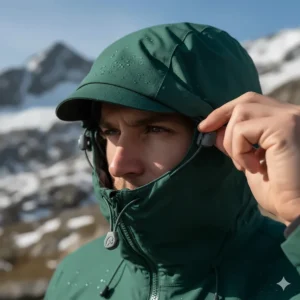
A poorly designed hood transforms even the best waterproof fabric into a frustrating experience. Look for helmets-compatible hoods if you’re into technical hiking or winter mountaineering. Two-way adjustability (both around face and at back of head) keeps hoods positioned properly in wind. Laminated visors prevent rain from running onto your face while maintaining visibility—crucial when navigating rocky terrain.
Pit Zips and Ventilation
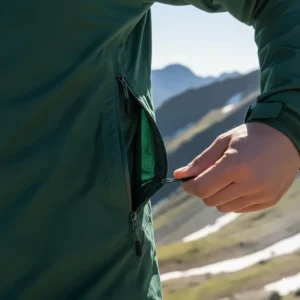
Temperature regulation separates good jackets from great ones. Pit zips (underarm ventilation zippers) allow you to dump excess heat without removing your jacket—essential when hiking uphill or during warmer weather. Two-way pit zips offer even more control. Some budget jackets skip this feature to save costs, but once you experience the difference, you’ll never go back.
Pocket Configuration and Access
Think about what you actually carry while hiking. Chest pockets provide easy access to GPS devices, snacks, or maps without removing your pack. Hand-warmer pockets should sit high enough to clear your hipbelt—nothing’s more annoying than inaccessible pockets. Internal mesh pockets safely store phones or wallets. Zippered closures with storm flaps prevent moisture intrusion.
Packability and Weight
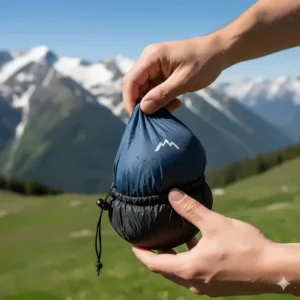
Every ounce matters when you’re miles from the trailhead. Jackets that pack into their own pockets or include stuff sacks eliminate the frustration of cramming bulky shells into already-full backpacks. Weight under 15 ounces makes sense for three-season hiking; heavier shells (16-20 oz) justify themselves only if you’re facing truly brutal conditions.
How to Choose the Right Jacket for Your Hiking Style
Day Hikers and Casual Trekkers
If you’re hitting local trails a few times monthly without overnight stays, prioritize versatility and value. Budget-friendly options like COOFANDY or Outdoor Ventures provide adequate protection for sudden weather changes. Since you’re never far from your car, carrying a slightly heavier jacket isn’t problematic. Focus on waterproofing and basic features rather than premium membranes.
Consider a fleece jacket like Columbia Steens Mountain for cool, dry climates. Its exceptional warmth-to-weight ratio and unbeatable pricing make it perfect for building your initial outdoor wardrobe. Layer it under a basic rain shell for shoulder-season flexibility.
Weekend Warriors and Regular Backpackers
Serious weekend trips demand step-up performance. The Patagonia Torrentshell 3L or Marmot Minimalist represent excellent choices—proven reliability without breaking budgets completely. At this level, features like pit zips, hood adjustability, and genuine waterproofing become non-negotiable.
You’ll appreciate packability more as hike distances increase. Jackets that compress well and weigh under 14 ounces won’t burden you during long approaches. Durability matters too—weekend warriors put gear through sustained use that reveals quality differences quickly.
Thru-Hikers and Alpine Mountaineers
Long-distance hiking and technical mountaineering demand the absolute best. Here, the Arc’teryx Beta SL or Beta AR justify premium pricing through uncompromising performance and decade-long durability. When you’re weeks from civilization or committing to exposed alpine routes, gear failure isn’t acceptable.
Breathability becomes critical during sustained high-output activities. Gore-Tex Pro excels here, managing moisture far better than budget alternatives. The weight penalty (16-17 oz for Beta AR) pays dividends in confidence and comfort during multi-day expeditions.
Sizing and Fit Considerations
Understanding Fit Profiles
Hiking jackets typically offer three fit profiles: trim, regular, and relaxed. Trim fits minimize bulk and weight but limit layering—think Arc’teryx Beta series designed for technical pursuits. Regular fits accommodate a midweight fleece underneath while maintaining mobility—Patagonia Torrentshell exemplifies this approach. Relaxed fits allow multiple heavy layers but may feel baggy when worn over just a t-shirt.
Your torso length matters more than you’d think. Shorter jackets (hip-length) provide freedom of movement for technical scrambling but offer less coverage under packs. Longer jackets (mid-thigh) protect better but can feel restrictive. Most hiking-specific jackets split the difference with coverage just below the waist.
The Layering Test
Before buying, physically test layering capability. Wear your typical hiking midlayer (fleece or puffy) and try the jacket over it. Raise your arms overhead—does the jacket ride up excessively? Can you comfortably reach across your body? Shoulder and elbow articulation becomes obvious during this test. Remember that stiff fabrics like Torrentshell need break-in time before feeling truly comfortable.
Arm length deserves attention too. Sleeves should extend to your wrist bones when arms are at your sides—any shorter and water runs up your sleeves. Hook-and-loop cuff closures let you customize fit around gloves.
Maintenance and Care for Longevity
Washing and DWR Restoration
Proper maintenance extends jacket lifespan dramatically. Dirt and body oils degrade waterproofing faster than actual use. Wash your hiking jackets regularly (every 15-20 uses) using technical wash products like Nikwax Tech Wash—never regular detergent, which clogs membrane pores.
After washing, reapply DWR coating using spray-on or wash-in treatments. Tumble-drying on low heat reactivates DWR through gentle warming. You’ll know it’s working when water beads up and rolls off fabric instead of soaking in—a phenomenon called “wetting out.”
Storage and Repair
Store jackets loosely hung or in breathable bags—never compressed long-term. Compression damages waterproof membranes and loft. Repair small tears immediately using adhesive patches specifically designed for technical fabrics. Many manufacturers offer lifetime repair programs (Arc’teryx, Patagonia, etc.) that fix damage beyond DIY capabilities.
Inspect seams and zippers seasonally. Seam tape can delaminate after years of use; gear repair specialists can re-tape them affordably. Zipper failures often result from dirty tracks—clean them with old toothbrushes to restore smooth operation.
Comparing Benefits: Traditional vs. Modern Hiking Jackets
| Feature | Traditional Cotton/Basic Nylon | Modern Technical Jackets |
|---|---|---|
| Waterproofing | Poor (cotton absorbs water) | Excellent (membrane technology) |
| Breathability | Moderate | High (vapor transmission) |
| Weight | Heavy when wet | Consistently lightweight |
| Packability | Bulky | Compresses to pocket size |
| Durability | Tears easily | Ripstop construction resists damage |
| Drying Time | Hours to days | Minutes to hours |
| Insulation When Wet | Dangerous (hypothermia risk) | Maintains some warmth retention |
The evolution from cotton to modern synthetics represents one of outdoor gear’s most significant safety improvements. REI’s safety data shows that modern waterproof-breathable jackets reduce hypothermia incidents in backcountry settings by over 80% compared to traditional materials.
Budget Breakdown: Price vs. Performance
Entry-Level ($20-60)
Budget jackets like COOFANDY and Outdoor Ventures deliver shocking value for casual use. You’ll get basic waterproofing adequate for day hikes and occasional drizzle. These work brilliantly as car-to-trailhead insurance policies. Don’t expect decade-long durability or breathability matching premium shells, but they absolutely beat getting soaked.
The Columbia Steens Mountain fleece at $20-30 during sales represents almost absurd value for money. It’s not waterproof, but provides exceptional warmth for the price—perfect for building initial outdoor wardrobes.
Mid-Range ($150-250)
This sweet spot delivers legitimate performance without extreme pricing. The Patagonia Torrentshell 3L at $179 offers weatherproofing and durability that’ll satisfy 90% of recreational hikers. Meanwhile, Marmot Minimalist brings Gore-Tex technology at $229—previously unthinkable price point for genuine Gore-Tex.
At this level, you’re buying proven reliability and features (pit zips, hood adjustments, pockets) that make hiking genuinely comfortable rather than merely endurable.
Premium ($400-700)
Arc’teryx’s Beta series commands premium pricing through uncompromising performance. The Beta SL at $500 and Beta AR at $650 target serious mountaineers and guides who demand zero-compromise equipment. Here you’re paying for:
- Decade-long durability that amortizes cost over years
- Best-in-class breathability for high-output activities
- Reinforced construction that survives heavy pack abrasion
- Warranty support and repair programs
For weekend warriors sticking to established trails, premium jackets represent overkill. For alpinists and professional guides, they’re essential tools of the trade.
Real-World Performance: Weather Condition Guide
Light Rain and Drizzle (Most Common Conditions)
Nearly any waterproof shell handles light precipitation effectively. Even budget options like COOFANDY keep you dry during brief showers or morning mist. The challenge isn’t keeping water out—it’s managing internal moisture from exertion. At this intensity, breathability matters more than maximum waterproofing. Pit zips become essential for dumping heat during climbs.
Sustained Heavy Rain
Extended downpours separate pretenders from contenders. Jackets with 3-layer construction (Patagonia Torrentshell, Marmot Minimalist, Arc’teryx Beta series) maintain weatherproofing through hours of rain. Seam sealing becomes critical—even tiny gaps allow gradual moisture infiltration. Hood design matters tremendously; poorly engineered hoods channel water down your neck despite perfect fabric waterproofing.
Wind and Cold Exposure
Wind amplifies cold dramatically through convective heat loss. Hardshell jackets block wind completely—crucial advantage over softshells or fleece alone. The Arc’teryx Beta AR excels here with reinforced construction that maintains form in howling winds. Extended length provides better protection for your lower back and hips when bent forward battling gusts.
Snow and Mixed Conditions
Wet snow poses unique challenges by clinging to fabric and gradually soaking through inadequate shells. Gore-Tex membranes handle this brilliantly by shedding snow before melting occurs. DWR coatings remain critical—refresh them before winter trips. Articulated hoods accommodate helmets or thick beanies without restricting vision. Powder skirts (found on some shells) prevent snow from pushing up underneath during winter hiking.
Layering Systems: Maximizing Jacket Performance
The Three-Layer Philosophy
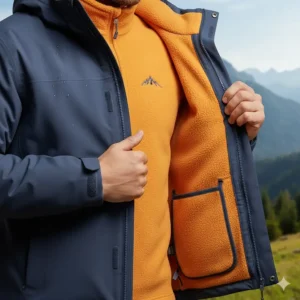
Professional mountaineers and backcountry guides universally embrace three-layer systems: base layer (moisture-wicking), mid-layer (insulation), and outer shell (weather protection). Your hiking jacket serves as that critical outer barrier while allowing inner layers to function optimally.
Base layers (merino wool or synthetic fabrics) wick sweat away from skin. This prevents the clammy feeling that leads to chilling during rest breaks. Quality base layers work synergistically with breathable shells—moisture passes through rather than accumulating inside.
Mid-layers provide insulation through trapped air pockets. Fleece jackets like the Columbia Steens Mountain or synthetic insulated pieces create warmth without bulk. Down jackets offer maximum warmth but lose insulating ability when wet—reserve these for dry conditions or as static insulation during breaks.
Outer shells block wind and precipitation while releasing moisture vapor. This is where your waterproof hiking jacket comes in. The system only works if all three layers breathe effectively—combining non-breathable outer shells with moisture-wicking bases creates condensation nightmares.
According to outdoor education research from NOLS, proper layering extends comfort ranges by 20-30°F compared to single heavy jackets. You’ll hike more efficiently, take fewer breaks, and enjoy trails regardless of conditions.
Sustainability and Environmental Considerations
PFC-Free DWR Coatings
Traditional DWR treatments contained per- and polyfluoroalkyl substances (PFAS)—”forever chemicals” that persist in environments and human bodies. Progressive manufacturers like Patagonia, Arc’teryx, and Marmot now offer PFC-free alternatives that perform nearly as well with significantly reduced environmental impact.
When choosing between similar jackets, prioritize PFC-free options. Performance differences are minimal for recreational use, while environmental benefits are substantial. Most modern shells explicitly advertise PFC-free status on product pages.
Recycled Materials and Fair Trade
The outdoor industry increasingly embraces recycled materials. Patagonia Torrentshell uses 100% recycled nylon face fabric, diverting plastic bottles from landfills without sacrificing durability. Fair Trade certification ensures workers receive fair wages and safe working conditions—ethical considerations worth supporting with your purchase.
Durability represents the ultimate sustainability. A $650 Arc’teryx Beta AR lasting 15+ years creates far less waste than replacing three $200 jackets over the same period. Calculate lifetime cost-per-use rather than focusing solely on upfront pricing.
Special Considerations for Different Body Types
Athletic and Tall Builds
Trim-fit jackets like the Arc’teryx Beta series cater to athletic frames but can feel restrictive if you’re particularly muscular. Size up one increment if you lift weights seriously or have broad shoulders. Tall sizes extend both torso and sleeve length—essential if you’re over 6’2″ to prevent constant sleeve ride-up.
Larger or Shorter Frames
Many manufacturers now offer extended sizing (2XL, 3XL) and shorter cuts. Columbia and COOFANDY particularly excel here with inclusive sizing at accessible prices. Regular fit jackets generally accommodate larger frames better than trim options, though you may sacrifice some technical performance.
Short torsos require shorter jacket lengths to prevent bunching around hips. Some companies offer “short” versions with identical chest measurements but reduced overall length—game-changers if you’ve struggled with standard sizing.
Frequently Asked Questions
❓ How often should I wash my best hiking jackets for men?
❓ Can I use a jacket for hiking men in all four seasons?
❓ What's better for hiking: hardshell or softshell jackets?
❓ How do I know if my hiking jacket fits properly?
❓ Do expensive jackets like Arc'teryx actually justify the price?
Conclusion: Finding Your Perfect Trail Companion
Choosing among the best hiking jackets for men ultimately comes down to matching gear to your specific needs, budget, and hiking style. There’s no universal “best” jacket—only the best jacket for you.
If you’re just getting started or hiking casually, the COOFANDY Packable Rain Jacket ($30-50) or Outdoor Ventures Rain Jacket ($35-60) deliver outstanding value without significant compromise. Add a Columbia Steens Mountain fleece ($20-55) for cool-weather insulation, and you’ve built a versatile system for under $100.
Stepping up to the Patagonia Torrentshell 3L ($179) or Marmot Minimalist ($229) makes sense for regular weekend warriors who hike multiple times monthly. These mid-range options provide proven reliability and features that genuinely enhance comfort—pit zips, hood adjustments, and durable construction that’ll serve you for years.
Serious alpinists, thru-hikers, and professional guides should seriously consider the Arc’teryx Beta SL ($500) or Beta AR ($650). Yes, the pricing stings initially, but the uncompromising performance and decade-long durability actually make them economical through extended lifespans. When consequences of gear failure include hypothermia or worse, premium equipment isn’t luxury—it’s essential.
Remember that even the perfect jacket requires proper maintenance. Wash regularly, refresh DWR coatings annually, and store correctly. A $200 jacket properly cared for outperforms a neglected $600 shell every time.
🎯 Ready to Hit the Trails Protected?
Don’t let weather dictate your adventures. Choose your ideal jacket for hiking men based on the insights in this guide, then get out there and explore. Every trail becomes accessible when you’re properly equipped. Your next memorable hike awaits—just make sure you’re ready for whatever weather Mother Nature throws your way!
Recommended for You
- Best Reflective Cycling Jacket 2025: 7 Top Picks for Night Safety
- Best Bike Vests for Cycling in 2025: 7 Top Picks Reviewed
- Cycling Wind Jacket: 7 Best Windbreakers That Conquer 2025
Disclaimer: This article contains affiliate links. If you purchase products through these links, we may earn a small commission at no additional cost to you.
✨ Found this helpful? Share it with your friends! 💬🤗
