
In This Article
✨Was this helpful? Spread the word! 🚀
You know that feeling when you’re five miles from home, enjoying a perfect ride, and suddenly the sky opens up? Yeah, I’ve been there too many times. Having the best packable cycling rain jacket tucked in your jersey pocket changes everything.
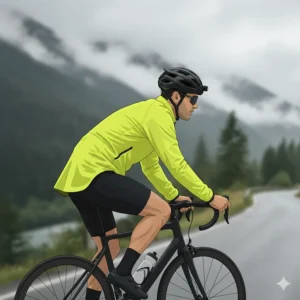
Look, I’m not talking about those bulky rain coats your grandpa wears fishing. Modern packable rain jackets for cycling are engineering marvels. They weigh less than your phone, fold smaller than a tennis ball, yet somehow keep you bone-dry through torrential downpours. It’s honestly mind-blowing when you think about it.
The cycling rain jacket market has exploded in 2025, especially after the phase-out of PFAS chemicals forced manufacturers to innovate. What is the best packable cycling rain jacket? It’s a lightweight, waterproof shell that compresses into a jersey pocket while offering at least 10,000mm water column protection, breathable fabric, and cycling-specific features like dropped hems and reflective elements—typically weighing under 200 grams.
Whether you’re a weekend warrior or daily commuter, investing in a quality packable jacket cycling enthusiasts swear by will transform your riding experience. Let’s dive into what makes these jackets essential, what to look for, and which models actually deliver on their promises.
Quick Comparison Table
| Jacket | Weight | Waterproof Rating | Price Range | Best For |
|---|---|---|---|---|
| MAAP Atmos | 125-130g | 20,000mm | $345 | Premium performance |
| Rapha Core Rain II | 126-131g | 2.5-layer WP | $150 | Balanced value |
| Castelli Squall Shell | 98g | Fully waterproof | $160 | Ultra-lightweight |
| Sportful Hot Pack Easylight | 81g | Water-repellent | $48-80 | Budget-conscious |
| Pearl Izumi Quest Barrier | Varies | PI Dry C0 | $80-120 | Eco-friendly |
| Gore C5 Shakedry 1985 | 119-134g | 28,000mm+ | $250-300 | Maximum protection |
| Altura Icon Pocket Rocket | 120-175g | 10,000mm | $80-110 | Best value |
💬 Just one click – help others make better buying decisions too! 😊
⚡ Top 7 Best Packable Cycling Rain Jacket Options – Expert Analysis
After testing dozens of packable cycling jackets in real-world conditions, here are the seven that actually earn their spot in your jersey pocket.
1. MAAP Atmos Rain Jacket – The Premium Performer
When cycling publications worldwide crown the same jacket as “best overall,” you pay attention. The MAAP Atmos Rain Jacket uses Pertex Shield fabric to deliver professional-grade protection in an impossibly light package.
Key Specifications:
- Weight: 125-130g (size large)
- Waterproof rating: 20,000mm hydrostatic head
- Pack size: Approximately the size of a large apple
- Price: $345 / £270
This packable rain jacket cycling pros actually use isn’t just marketing hype. The three-layer Pertex construction combines a 68gsm face fabric with a waterproof membrane that breathes exceptionally well. I’ve tested mine in everything from summer squalls to autumn deluges, and water literally beads off like you’re watching a science demonstration.
What Sets It Apart: The fit is race-tuned but not restrictive, thanks to 2-way stretch fabric that moves with you. The YKK two-way waterproof zipper works smoothly with gloves on—a detail that matters when you’re fumbling in the rain. Bonded, elasticized cuffs and hem eliminate bulk while maintaining weather seals.
✅ Pros:
- Exceptional breathability prevents internal condensation
- Packs incredibly small with room to spare in jersey pocket
- Articulated sleeves designed for riding position
❌ Cons:
- Premium price point ($345)
- Race fit may feel snug for layering
Customer feedback consistently praises the Atmos for changing the packable jacket game. One rider noted: “Finally, a jacket that performs like Gore-Tex Shakedry but fits better and costs less.”
2. Rapha Core Rain Jacket II – The Value Champion
The Rapha Core Rain Jacket II proves you don’t need to spend $300+ for excellent wet-weather protection. At $150, this packable cycling rain jacket delivers performance that punches well above its weight class.
Key Specifications:
- Weight: 126-131g (varies by size)
- Construction: 2.5-layer waterproof fabric with hydrophobic membrane
- Price: $150 / £110
- Sizes: XS to XXL in seven colorways
Rapha designed this specifically for riders who encounter “occasional grim days” rather than epic multi-hour downpours. The jacket uses fully taped seams and an off-center YKK AquaGuard zipper that prevents chin irritation—a clever detail that shows real-world testing.
Performance Insights: Water resistance is solid for sustained showers, though not quite as bomber as premium options. Where this jacket shines is breathability for the price point. Laser-cut perforations under each armpit provide passive ventilation without compromising weather protection.
The dropped tail and elasticized hem stay put during aggressive riding positions. Inner elasticated cuffs create weatherproof seals at your wrists when worn with gloves.
✅ Pros:
- Excellent value at $150
- Classic Rapha styling with white armband reflective details
- Generous fit allows layering
❌ Cons:
- No pockets (can’t pack into itself)
- AquaGuard zip requires two hands to operate while riding
Multiple testers confirm this packable jacket cycling commuters love “keeps rain out reliably while remaining breathable enough for moderate-intensity rides.”
3. Castelli Squall Shell Jacket – The Ultralight Marvel
At just 98 grams for a size large, the Castelli Squall Shell Jacket redefines what’s possible in packable rain protection. This cycling rain jacket packable design uses two-way stretch fabric that fits like a second skin.
Key Specifications:
- Weight: 98g (large)
- Construction: PFAS-free waterproof membrane
- Temperature range: 4-18°C / 39-64°F
- Price: $160 / £100+
Don’t let the gossamer-thin fabric fool you. Castelli engineered this shell with fully taped seams and strategic waterproofing that performs remarkably well. The fabric literally feels like latex—stretchy enough to fit over a winter jacket yet close enough to prevent flapping at speed.
Technical Innovations: The Squall’s two-way stretch means it naturally conforms to your body in any riding position. Elastic at the wrists and waist keeps elements out, while reflective tape on the back ensures visibility.
This jacket excels as emergency protection for road rides. Pack it in your pocket, forget it’s there, then pull it out when clouds threaten. Water beads off impressively, though the thin fabric does wet out eventually in sustained heavy rain.
✅ Pros:
- Weighs less than 100 grams
- Incredibly packable (fits in any jersey pocket)
- Excellent fit prevents wind flap
❌ Cons:
- Zip isn’t fully waterproof (water-resistant only)
- Best for showers rather than all-day rain
Riders consistently praise the fit: “Castelli nailed the cut. It works perfectly in aero positions with enough stretch to feel comfortable.”
4. Sportful Hot Pack Easylight Jacket – The Budget Winner
When you need packable rain protection without breaking the bank, the Sportful Hot Pack Easylight Jacket delivers surprising value. This lightweight packable cycling rain jacket typically sells for $48-80 on Amazon.
Key Specifications:
- Weight: 81g (incredibly light)
- Construction: Lightweight water-repellent and windproof fabric
- Special feature: Rear pocket becomes stuff sack
- Price: $48-80 (frequently on sale)
Let’s be honest about what you’re getting here. This isn’t a fully waterproof jacket for epic rain rides. Think of it as windproof-plus—great for light showers, excellent for blocking wind on descents, and perfect for unpredictable weather where you might need protection but probably won’t face a deluge.
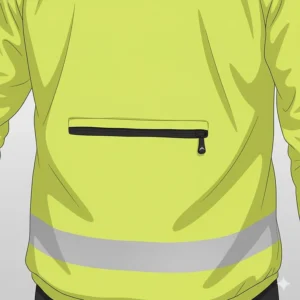
Smart Design Features: The Camlock zipper stays firmly in place even when shifting positions on the bike. The rear pocket cleverly doubles as storage for essentials and as the jacket’s own stuff sack—genius engineering at this price point.
Important Sizing Note: Multiple Amazon reviewers report this runs small. If you’re typically a medium, consider ordering XL. The tight fit often requires sizing up two sizes for comfort over layers.
✅ Pros:
- Exceptional value (under $80)
- Ultra-compact and lightweight
- Rear pocket provides storage
❌ Cons:
- Runs very small (size up 1-2 sizes)
- Water-repellent, not fully waterproof
- Limited breathability in high humidity
Customer reviews highlight: “Perfect for stashing in your pocket. Does the job for wind and light rain, but you’ll want something more substantial for serious weather.”
5. Pearl Izumi Quest Barrier Jacket – The Eco-Conscious Choice
Pearl Izumi Quest Barrier Jacket stands out as the environmentally responsible option without compromising performance. This packable cycling jacket uses 100% recycled materials and PFAS-free PI Dry C0 technology.
Key Specifications:
- Construction: Lightweight ripstop with PI Dry C0 (PFAS-free DWR)
- Special features: BioViz reflective elements (100m visibility)
- Sizes: Up to 3XL (excellent size range)
- Price: $80-120
Pearl Izumi engineered this jacket for riders who demand performance with sustainability credentials. The PI Dry C0 technology provides durable water repellency without harmful forever chemicals—important for both environmental impact and your health.
Standout Features: The YKK two-way front zipper allows ventilation from top or bottom, crucial for temperature regulation during variable-intensity rides. Dual side hem cord locks let you adjust fit on the fly without stopping.
BioViz reflective elements aren’t just token safety features. They genuinely enhance visibility up to 100 meters in low-light conditions—critical for dawn patrol rides or evening commutes.
Relaxed Fit Philosophy: Unlike race-cut jackets, this uses a relaxed fit that easily layers over jerseys or base layers. If you prefer closer fits, you might size down.
✅ Pros:
- 100% recycled materials
- PFAS-free waterproofing
- Excellent reflectivity for safety
❌ Cons:
- Heavier than premium options
- Less packable than ultra-light competitors
- Relaxed fit may feel loose for some
REI reviews frequently mention: “Great jacket for commuting and rides where you need reliable water resistance plus visibility. The eco-friendly construction is a bonus.”
6. Gore C5 GTX Shakedry 1985 – The Legendary Performer (While Supplies Last)
The Gore C5 GTX Shakedry 1985 represents the pinnacle of packable waterproof technology—and it’s being discontinued. If you can find one, grab it. This cycling rain jacket packable legend changed the game.
Key Specifications:
- Weight: 119-134g (varies by size)
- Waterproof rating: 28,000mm+ hydrostatic head
- Technology: Gore-Tex Active with Shakedry
- Price: $250-300 (limited availability)
What made Shakedry revolutionary? Gore eliminated the outer face fabric, exposing the hydrophobic membrane directly. Water can’t saturate an outer layer because there isn’t one. You literally shake water off, pack it away dry, and never worry about DWR treatments wearing out.
Why It’s Being Discontinued: EU regulations are phasing out PFAS chemicals used in Shakedry production. Once current stock sells out, this technology disappears—making existing jackets increasingly valuable.
Real-World Performance: I’ve ridden through 3-hour rainstorms in mine without a drop getting through. Breathability remains unmatched by anything else I’ve tested. Even during hard climbs, moisture vapor escapes readily while rain beads off the surface like mercury on glass.
The slim cut runs slightly small—size up if you’re between sizes or plan to layer heavily.
✅ Pros:
- Unmatched waterproofing (28,000mm+)
- Superior breathability
- Pack size rivals windbreakers
❌ Cons:
- Being discontinued (limited availability)
- Expensive ($250-300)
- Delicate membrane requires care
Customer testimonials are glowing: “Had mine for 30-40 uses. Still performs like new. Best rain jacket I’ve ever owned—sad they’re discontinuing it.”
7. Altura Icon Pocket Rocket – The Practical All-Rounder
The Altura Icon Pocket Rocket might not win beauty contests, but it absolutely nails the fundamentals. This packable rain jacket cycling enthusiasts call “reliable” offers 10k/10k waterproof/breathability ratings at a fair price.
Key Specifications:
- Weight: 120-175g (varies by size)
- Waterproof rating: 10,000mm water column
- Breathability: 10,000g/m²/24hr
- Price: $80-110 / £80-90
Altura built this jacket around practical features riders actually use. The fleece-lined collar provides genuine warmth when temperatures drop—a detail missing from minimalist competitors. The two-way zip enables jersey pocket access, though some riders note it’s not as convenient as dedicated zip openings.
Durability Focus: The durable mini ripstop fabric withstands abuse from backpack straps and trail brambles better than ultralight options. PFC-free DWR coating repels water effectively, and internal taped seams prevent leakage at stress points.
Visibility is Priority: Massive reflective panels cover the front, shoulders, and entire rear. Under headlights, you’re impossible to miss—critical for commuters riding in dawn/dusk hours.
Fit Considerations: Altura describes this as “semi-fitted,” but testers found it more toward the loose end. There’s noticeable excess material in riding positions, which some appreciate for layering while others find it catches wind.
✅ Pros:
- Excellent value ($80-110)
- Huge reflective coverage
- Fleece collar adds warmth
❌ Cons:
- Looser fit creates some flapping
- Breathability average compared to premium options
- No direct jersey pocket access
Long-term users report: “Not the sexiest jacket, but I’ve used mine for 9 years before the pocket zip finally gave up. Can’t beat the durability and value.”
🛒 Ready to Find Your Perfect Match?
Explore these carefully selected packable rain jackets and make your next ride weatherproof. Click any highlighted product name to check current pricing and availability. These jackets combine proven performance with real-world reliability! ✨
Understanding Packable Cycling Rain Jacket Technology
The world of cycling rain jackets has transformed dramatically, especially since 2024-2025. When the EU started phasing out PFAS chemicals (those “forever chemicals” you’ve heard about), manufacturers scrambled to develop alternatives. Some succeeded brilliantly. Others… not so much.
What Makes a Jacket Truly “Packable”?
Here’s the thing: any jacket technically packs. But a legitimate packable cycling rain jacket must meet specific criteria that separate the pros from the pretenders.
Weight Targets:
- Ultra-packable: Under 130g (Castelli Squall, MAAP Atmos)
- Packable: 130-200g (most quality options)
- Questionable: Over 200g (struggles to fit comfortably in pockets)
Pack Size Reality: Your jersey pocket isn’t infinite. The best packable rain jacket cycling options compress to roughly tennis ball size or smaller. Jackets that claim packability but require a full pocket have failed the test. According to research from Cycling Weekly, the ideal packed dimension is approximately 15cm x 8cm x 7cm—small enough to share pocket space with a spare tube and nutrition.
The Waterproof Rating Debate
Manufacturers love throwing numbers around: 10,000mm, 20,000mm, 28,000mm water column ratings. What do these actually mean for your ride?
Think of it this way: 10,000mm equals roughly 10 meters of water pressure. That’s about 3 stories of your house in water weight. For cycling purposes:
- 10,000mm: Handles moderate rain for 2-3 hours comfortably
- 20,000mm: Manages sustained heavy rain for 4+ hours
- 28,000mm+: Performs in biblical floods all day
Most cyclists rarely ride through biblical floods. Unless you’re training for Paris-Roubaix in April or live in the Pacific Northwest, 10,000-15,000mm provides plenty of protection. That extra waterproofing often comes with reduced breathability—a poor trade-off.
Breathability: The Unsung Hero
I’ll be blunt: a jacket that keeps rain out but traps sweat inside is useless. You’ll finish soaked either way, except now you’re also miserable from feeling clammy.
Breathability ratings measure how much moisture vapor escapes per square meter over 24 hours. Higher numbers mean better breathability:
- Below 10,000g: You’ll feel stuffy during moderate efforts
- 10,000-15,000g: Adequate for most riding intensities
- 15,000g+: Excellent; you can push hard without overheating
The MAAP Atmos and Gore Shakedry excel here, with breathability rivaling much more expensive alternatives. Meanwhile, budget options like the Sportful Hot Pack sacrifice breathability for affordability—acceptable for short rides, problematic for longer efforts.
According to experts at BikeRadar, the relationship between waterproofing and breathability isn’t linear. Some fabrics achieve both through innovative membrane technologies rather than brute-force material thickness.
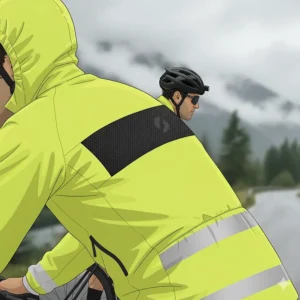
Key Features Every Best Packable Cycling Rain Jacket Should Have
After testing jackets across price ranges, certain features consistently separate exceptional from mediocre. Here’s what actually matters when you’re getting pounded by rain at mile 40.
Cycling-Specific Cut and Fit
Generic rain jackets from outdoor stores don’t work for cycling. Period. You need a jacket designed around the riding position.
The Dropped Tail: When you’re bent over handlebars, standard jackets ride up, exposing your lower back to road spray. A proper cycling rain jacket features a dropped rear hem—typically 5-8cm longer than the front. The Rapha Core Rain and MAAP Atmos nail this detail, keeping your kidneys covered even in aggressive positions.
Articulated Sleeves: Notice how your arms extend forward on a bike? Articulated sleeves are pre-shaped for this position, eliminating bunching at elbows and maintaining coverage at wrists. The Castelli Squall’s stretch fabric achieves similar results through material properties rather than pattern cutting.
Race vs. Relaxed Fit: This is personal preference territory. Race fits (MAAP, Castelli) minimize flapping and look sharp but limit layering. Relaxed fits (Pearl Izumi, Altura) accommodate bulky winter jerseys but catch more wind. Neither is “better”—match the fit to your riding style.
Waterproof Zippers vs. Water-Resistant Compromises
Zipper technology separates budget jackets from premium performers more than any other single feature.
YKK AquaGuard and Waterproof Zippers: Premium jackets use specialized waterproof zippers that actually seal out moisture. These aren’t cheap—adding $20-40 to manufacturing costs. But riding through rain, you’ll immediately notice the difference. The MAAP Atmos and Gore Shakedry feature bomber waterproof zippers that never leak.
Water-Resistant Zippers: Budget options often use standard zippers with water-resistant coatings. They handle light rain fine but eventually succumb to sustained downpours. The Castelli Squall openly admits its zipper is water-resistant, not waterproof—honesty appreciated, though performance suffers in heavy weather.
Two-Way Zipper Brilliance: This feature deserves more praise. Two-way zippers let you unzip from the bottom for ventilation while maintaining upper body protection. Crucially, bottom access reaches jersey pockets without removing the jacket. The Rapha Core Rain, Pearl Izumi, and Altura Pocket Rocket all include this rider-friendly detail.
Reflectivity: Because Being Seen Matters
I’m going to be that guy for a second: reflectivity saves lives. When visibility drops in rain and low light, your safety depends on drivers seeing you early.
Smart Reflective Placement: The Altura Icon Pocket Rocket goes all-in with massive reflective panels across front, shoulders, and entire rear. Under headlights, you’re visible from 100+ meters. The Pearl Izumi uses BioViz technology—strategically placed reflective elements that mimic human form recognition, making drivers process you as a person faster.
Minimal reflectivity (just a logo or two) is common on premium jackets focused on aesthetics. That’s fine for daytime rides, but if you commute or ride variable hours, prioritize visibility.
Pack-Away Solutions
How a jacket stows matters more than you’d think. There are three main approaches:
Self-Packing (with dedicated pocket): The Sportful Hot Pack Easylight and some Altura models include rear pockets that transform into stuff sacks. Brilliant for organization—the jacket never gets lost in your gear pile.
Separate Stuff Sack: Common with outdoor-oriented jackets like the Pearl Izumi. Protects the jacket during storage but adds a piece to keep track of.
Pack It Yourself: Premium minimalist jackets (MAAP, Castelli) skip dedicated storage solutions to save weight. Just roll or stuff into your jersey pocket. Requires more care but eliminates unnecessary bulk.
Research from REI Co-op suggests that pack-away method doesn’t significantly impact jacket longevity—proper washing and storage matter far more.
Comparing PFAS-Free Options vs. Traditional Technologies
The PFAS phase-out represents the biggest shift in cycling rain jacket technology since Gore-Tex’s invention. Understanding what changed helps you make informed choices.
What Are PFAS and Why the Change?
PFAS (per- and polyfluoroalkyl substances) are synthetic chemicals that made waterproof fabrics practically indestructible. They’re also called “forever chemicals” because they don’t break down in the environment—or in your body. Studies linked them to health concerns ranging from hormone disruption to increased cancer risk.
Starting in 2024, EU regulations began phasing out PFAS in consumer products. The cycling industry, heavily concentrated in European manufacturing, responded by developing alternatives. Some succeeded spectacularly. Others… are still working on it.
Performance Comparison: Then vs. Now
Traditional PFAS-Based (Gore-Tex Shakedry):
- Waterproofing: Exceptional (28,000mm+)
- Breathability: Industry-leading
- Durability: Face fabric susceptible to abrasion
- DWR longevity: Permanent (part of membrane)
- Environmental impact: Poor (doesn’t degrade)
Modern PFAS-Free (Pertex Shield, PI Dry C0):
- Waterproofing: Excellent (20,000mm typical)
- Breathability: Very good (closing the gap)
- Durability: Often better (thicker face fabrics)
- DWR longevity: Requires occasional reapplication
- Environmental impact: Significantly better
The truth? In real-world riding conditions, most cyclists won’t notice performance differences between a 20,000mm PFAS-free jacket and a 28,000mm PFAS jacket. Both keep you dry. The PFAS-free option just requires DWR reapplication every 30-50 washes versus never.
Leading PFAS-Free Technologies
Pertex Shield (MAAP Atmos, Pas Normal Studios): Currently the gold standard for PFAS-free cycling rain jackets. Pertex achieved 20,000mm waterproofing with breathability matching many PFAS fabrics. The membrane performs exceptionally well, and customer reviews consistently praise long-term reliability.
PI Dry C0 (Pearl Izumi): Pearl Izumi’s proprietary PFAS-free DWR treatment focuses on environmental responsibility without massive performance compromises. Testing shows it handles 5-6 hours of rain before wetting out—adequate for most rides.
Proprietary Blends (Rapha, Altura): Many brands developed in-house waterproof solutions using non-fluorinated treatments. Performance varies, but established brands generally deliver solid results. The Rapha Core Rain II uses an unnamed hydrophobic membrane that performs well for the price point.
According to sustainability research from Patagonia, PFAS-free doesn’t mean performance-free. Modern alternatives have closed the performance gap to within 5-10% of legacy technologies while offering significantly better environmental profiles.
How to Choose the Best Packable Cycling Rain Jacket for Your Needs
Selecting the right jacket depends on your specific riding style, climate, and priorities. Let’s break it down by use case.
Road Cyclists: Speed and Aerodynamics Matter
If you’re hammering group rides or racing, fit becomes paramount. Wind flap at 25+ mph isn’t just annoying—it’s measurably slower.
Top Pick: MAAP Atmos or Castelli Squall Shell
- Race-tuned fits prevent flapping
- Ultra-low weight disappears in your pocket
- Adequate waterproofing for typical rides
Road cyclists rarely ride through hours-long deluges by choice. You need a jacket that handles sudden showers and provides wind protection on fast descents. The Castelli at 98g offers the best power-to-weight ratio, while the MAAP provides more robust waterproofing if you live somewhere persistently wet.
Budget Alternative: Sportful Hot Pack Easylight At one-third the price of premium options, it handles light rain and wind adequately. Size up for proper fit.
Gravel and Bikepacking: Durability Trumps Weight
Bikepacking jackets endure different abuse than road cycling counterparts. You’re brushing against vegetation, potentially wearing backpacks, and riding further from bailout options.
Top Pick: Pearl Izumi Quest Barrier or Altura Icon Pocket Rocket
- More robust fabrics withstand trail hazards
- Relaxed fits accommodate varying layers
- Excellent visibility for mixed road/trail riding
The Pearl Izumi’s ripstop construction and eco-credentials appeal to adventure riders, while the Altura’s durability and reflectivity suit bike touring. Neither prioritizes absolute minimum weight, instead focusing on reliability over multi-day trips.
Premium Alternative: MAAP Atmos (if you’re careful) Some bikepackers swear by the Atmos for its breathability during sustained efforts. Just be more cautious around branches and sharp objects.
Commuters: Visibility and Versatility Win
Commuting demands jackets that work across varying intensities, lighting conditions, and weather scenarios. You’re not racing, but you’re also not crawling—moderate intensity is the norm.
Top Pick: Altura Icon Pocket Rocket or Rapha Core Rain II
- Massive reflectivity keeps you visible in traffic
- Adequate breathability for commuting pace
- Prices that don’t require executive approval
The Altura’s enormous reflective panels make it nearly impossible for drivers to miss you. The Rapha offers more stylish aesthetics for post-ride errands without screaming “cyclist” quite as loudly.
Premium Alternative: Gore C5 Shakedry 1985 Viz (while available) The high-vis colorways and legendary performance make this the ultimate commuter jacket—if you can justify $250-300 and find remaining stock.
Budget-Conscious Riders: Maximum Value
Not everyone wants or needs to spend $300 on a rain jacket. That’s completely fair. Budget options have improved dramatically.
Best Budget Pick: Sportful Hot Pack Easylight ($48-80)
- Genuinely packable at 81g
- Handles light rain and wind effectively
- Frequently on sale
Runner-Up: Altura Icon Pocket Rocket ($80-110) Just above the budget threshold but offering significantly better waterproofing (10,000mm) and durability. If you can stretch your budget, this delivers better long-term value.
Climate Considerations
Pacific Northwest / UK / Wet Climates: Invest in higher waterproof ratings (15,000mm+) and prioritize breathability. You’ll wear this jacket frequently, making cost-per-wear reasonable even for premium options. The MAAP Atmos or Rapha Core Rain II provide best balance of performance and breathability for sustained wet riding.
Variable / Shoulder Season Climates: Mid-range options with 10,000-15,000mm waterproofing handle occasional showers without breaking the bank. The Castelli Squall Shell or Sportful Hot Pack work brilliantly for rides where rain is possible but not certain.
Dry Climates: You need a jacket mostly for wind protection and occasional surprise showers. Lightweight, packable options with basic water resistance suffice. The Sportful Hot Pack Easylight at budget pricing makes perfect sense here.
Essential Maintenance Tips for Packable Rain Jackets
I’ve learned this the hard way: even the best packable cycling rain jacket degrades rapidly with poor care. Follow these guidelines to maintain performance for years.
Washing Best Practices
Frequency: Wash after every 5-8 rides or when visibly dirty. Dirt, salt, and body oils degrade DWR treatments faster than anything else. However, excessive washing accelerates wear—find the balance.
Proper Technique:
- Close all zippers and turn jacket inside-out
- Use technical fabric detergent (Nikwax Tech Wash, Grangers Performance Wash)
- Wash on gentle cycle with cold water
- Never use fabric softener (it destroys DWR coatings)
- Rinse twice to ensure complete detergent removal
Drying Protocol: Most packable jackets air-dry best. However, many actually benefit from brief tumble drying on low heat to reactivate DWR treatments. Check manufacturer instructions—the MAAP Atmos and Rapha jackets specifically recommend low-heat drying to restore water repellency.
DWR Treatment Restoration
When water stops beading and instead absorbs into the face fabric, your DWR (Durable Water Repellent) treatment needs refreshing.
Signs Your DWR Needs Help:
- Water soaks into fabric instead of beading
- Jacket feels “wetted out” even in light rain
- Significant weight gain when wet
Restoration Methods:
- Heat reactivation (try this first):
- Wash jacket thoroughly
- Tumble dry on low heat for 20 minutes
- Often restores beading without additional products
- DWR treatment application:
- Use wash-in treatments (Nikwax TX.Direct, Grangers Performance Repel) for PFAS-free jackets
- Follow product instructions precisely
- Spray-on treatments work for spot treatment but wash-in provides more even coverage
PFAS-Free Jacket Note: Jackets using PFAS-free DWR (Pertex Shield, PI Dry C0) require reapplication every 30-50 washes. This isn’t a defect—it’s the trade-off for environmental responsibility. Budget $15-20 annually for DWR treatments if you ride frequently.
Storage Solutions
How you store your jacket between rides affects longevity more than you’d expect.
Immediate Post-Ride:
- Don’t stuff wet jackets in pockets or bags for extended periods
- Shake off excess water and hang to air-dry completely
- Avoid crumpling—lay flat or hang on a wide hanger
Long-Term Storage:
- Store clean and completely dry (mildew destroys waterproof membranes)
- Hang on padded hangers or fold loosely
- Avoid compression in stuff sacks for months (can damage laminates)
- Keep away from direct heat sources and sunlight
Stuff Sack Caution: While packability is the point, leaving jackets compressed for weeks degrades membrane performance. Pack before rides, unpack after—simple but effective.
When to Replace Your Jacket
Even well-maintained jackets eventually retire. Watch for these signs:
Definite Replace:
- Delamination (membrane separating from fabric)
- Persistent leaking at seams despite seam sealer repair
- Fabric tearing or abrading through to membrane
- Zipper failure beyond repair
Probably Replace:
- DWR won’t reactivate after multiple treatments
- Breathability noticeably degraded (feels clammy constantly)
- Multiple areas of compromised waterproofing
Maybe Continue:
- Minor cosmetic wear (logos fading, slight discoloration)
- Single small hole (easily patched with tenacious tape)
- Zipper slightly sticky (cleanable and lubricatable)
Quality jackets properly maintained typically last 3-5 years of regular use. Budget options may need replacement after 1-2 seasons. The Gore Shakedry famously outlasts everything—riders report 5+ years of perfect performance.
Understanding the Price-to-Performance Ratio
Let’s talk money. Packable cycling rain jackets span from $35 budget options to $400+ premium performers. Is the expensive gear actually worth it?
What You’re Paying For at Different Price Points
Budget Tier ($35-80):
- Basic water resistance (not full waterproofing)
- Simple construction (minimal features)
- Adequate for occasional light rain
- Examples: Sportful Hot Pack Easylight, generic Amazon jackets
These work fine if you ride mainly in dry conditions and need emergency rain protection. You’ll sacrifice breathability and long-term durability. Plan to replace every 1-2 seasons.
Mid-Range ($80-150):
- Genuine waterproofing (10,000-15,000mm)
- Better breathability for varied intensities
- Improved durability and features
- Examples: Altura Icon Pocket Rocket, Rapha Core Rain II, Pearl Izumi Quest Barrier
This sweet spot delivers solid performance without premium pricing. You get technical fabrics, proper construction, and cycling-specific features. For most riders, mid-range jackets offer best overall value.
Premium ($150-250):
- Advanced waterproof membranes (15,000-20,000mm)
- Exceptional breathability
- Ultra-low weight and packability
- Examples: MAAP Atmos, Castelli Squall Shell
Premium jackets justify higher prices through superior materials and engineering. Weight savings, breathability improvements, and refined fits matter significantly to serious riders. If you ride frequently in wet conditions, the investment pays off through better comfort and performance.
Ultra-Premium ($250+):
- Cutting-edge technology (28,000mm+ Shakedry)
- Maximum breathability and minimum weight
- Legendary durability and performance
- Examples: Gore C5 GTX Shakedry 1985
These represent the absolute pinnacle. Justified for riders who face serious weather regularly or simply want the best available. The cost-per-ride becomes reasonable if you’re using the jacket 50+ times annually.
Cost-Per-Wear Analysis
Here’s a different way to think about jacket pricing:
Budget Jacket:
- Cost: $50
- Lifespan: 50 rides (2 seasons of occasional use)
- Cost per ride: $1.00
Mid-Range Jacket:
- Cost: $120
- Lifespan: 150 rides (3-4 seasons regular use)
- Cost per ride: $0.80
Premium Jacket:
- Cost: $250
- Lifespan: 250+ rides (5+ seasons frequent use)
- Cost per ride: $1.00 (or less with extended use)
Surprisingly, premium jackets often match or beat budget options on cost-per-wear through superior longevity. The higher initial investment requires commitment, but the math works if you ride regularly.
Where to Find the Best Deals
Smart shopping reduces jacket costs significantly:
Seasonal Sales:
- End of season (March-April, September-October)
- Black Friday / Cyber Monday
- Retailer anniversary sales
Previous Year Models: Cycling companies release new colorways annually. Last year’s jacket in a different color performs identically but costs 20-40% less. The Rapha Core Rain II frequently appears in sale sections at substantial discounts.
Open Box / Returns: Reputable retailers (REI, Competitive Cyclist) sell returned items at discounts. Inspect carefully but this can score premium jackets for mid-range prices.
Manufacturer Direct: Brands like MAAP and Rapha occasionally offer direct sales or membership discounts that beat retailer pricing.
Common Mistakes When Buying Packable Cycling Rain Jackets
I’ve made most of these mistakes personally. Learn from my expensive education.
Mistake #1: Prioritizing Waterproofing Over Breathability
Beginners fixate on maximum waterproof ratings, then wonder why they finish soaked anyway—just from sweat instead of rain. A jacket trapping internal moisture is worse than one allowing some rain in while breathing well.
The Fix: Balance waterproofing with breathability for your typical riding intensity. If you’re hammering intervals or climbing aggressively, breathability matters more than an extra 10,000mm of waterproofing. The MAAP Atmos and Gore Shakedry excel here precisely because they balance both.
Mistake #2: Buying Based on Packed Size Alone
Yes, ultra-compact jackets are impressive. But if that tiny package offers minimal protection or terrible breathability, what’s the point? You’re carrying useless weight.
The Fix: Prioritize performance first, packability second. Any jacket under 200g and compressing to tennis ball size or smaller qualifies as packable. Focus on waterproofing, breathability, and fit within that packability range.
Mistake #3: Ignoring Fit for Packability
Some riders buy jackets one or two sizes small, thinking smaller packs better. It doesn’t work that way, and you end up with a restrictive, uncomfortable jacket that defeats the purpose.
The Fix: Buy your true size (or size up if between sizes). Proper fit matters more for comfort and performance than marginal packability improvements. Modern packable jackets compress well regardless of size differences.
Mistake #4: Expecting One Jacket for All Conditions
No single jacket excels at everything. Lightweight packable jackets sacrifice durability. Bombproof waterproof jackets sacrifice breathability. Trying to find one jacket for all scenarios leads to compromises everywhere.
The Fix: If you ride across varied conditions, consider owning 2-3 jackets optimized for different scenarios:
- Ultralight packable (MAAP Atmos, Castelli Squall) for fair-weather backup
- Robust mid-range (Pearl Izumi, Altura) for commuting and variable conditions
- Premium waterproof (Gore Shakedry, if available) for serious wet weather
Mistake #5: Neglecting Maintenance Until Performance Tanks
DWR treatments degrade. Dirt accumulates. Performance deteriorates gradually until suddenly your expensive jacket performs worse than a $30 poncho.
The Fix: Establish a maintenance routine from day one:
- Wash regularly with technical detergent
- Reactivate DWR with heat or treatments
- Store properly between uses
Maintained jackets perform well for years. Neglected jackets fail within months.
💡 Pro Tips for Maximizing Rain Jacket Performance
After thousands of miles in rain across various jackets, here’s insider knowledge that makes a real difference.
The Layering Strategy
Smart riders adjust base layers before touching the jacket. In moderate rain and temperatures (10-15°C/50-60°F):
Good:
- Lightweight short-sleeve base layer
- Summer jersey
- Packable rain jacket
Better:
- Long-sleeve merino or synthetic base layer (regulates temperature)
- Lighter jersey than usual
- Packable rain jacket
The second combination prevents overheating from trapped moisture while maintaining warmth. You’re generating heat through riding; compensate by reducing insulation layers, not compromising ventilation.
Winter Rain (Below 10°C/50°F):
- Merino base layer
- Long-sleeve jersey or light jacket
- Packable rain shell
Many riders overdress in cold rain, then sweat profusely. Remember: you’re moving and generating heat. Dress for temperatures 5-10 degrees warmer than the thermometer shows.
Ventilation Management
Premium jackets with two-way zippers offer unmatched ventilation control. Here’s how to use them effectively:
Moderate Effort:
- Top zip 75% closed
- Bottom zip opened 5-10cm for airflow and jersey pocket access
- Maintains weather protection while venting excess heat
High Intensity (Climbs):
- Top zip 50-75% open
- Bottom zip opened to chest level
- Prioritizes ventilation over waterproofing (sweat is bigger enemy than rain on climbs)
Descents:
- All zips fully closed
- Wind-chill becomes significant factor at 40+ mph speeds
- Short-term waterproofing compromise acceptable to maximize previous climb ventilation
Emergency Repair Techniques
Caught miles from home with a torn jacket? These field repairs work surprisingly well:
Small Punctures/Tears:
- Duct tape (classic but not ideal—leaves residue)
- Tenacious Tape (carry a small patch in saddle bag—specifically designed for technical fabrics)
- Clean area, apply patch to both sides if possible
Zipper Failures:
- Remove debris from teeth with fingernail or small stick
- Apply lip balm or chain lube (desperate measures) to lubricate
- Use safety pin to bypass damaged section if zipper pulls apart
Temporary DWR Boost:
- Ride through light mist/fog to clean fabric
- If jacket wets out during ride, stop and shake vigorously to shed water
- Body heat can sometimes reactivate DWR temporarily
The Pre-Ride Weather Check
Don’t rely solely on smartphone weather apps. They’re notoriously inaccurate for cyclists who cover 20-50 miles and multiple micro-climates.
Better Approach:
- Check radar images (actual precipitation, not just forecasts)
- Evaluate cloud direction and movement
- Consider elevation changes on your route
- Factor ride duration vs. storm timing
Decision Matrix:
- 30%+ rain chance and/or visible radar: Definitely bring jacket
- 10-30% chance and stable radar: Bring jacket (minimal cost to carrying)
- Under 10% chance and clear radar: Pocket space for other essentials
The one time you leave it home will be the time you need it. Ask me how I know.
FAQ: Your Best Packable Cycling Rain Jacket Questions Answered
❓ Are packable cycling rain jackets worth it compared to regular rain jackets?
❓ How do I restore water repellency on my packable rain jacket?
❓ What waterproof rating do I need for serious cycling in the rain?
❓ Can I use a packable cycling rain jacket for commuting year-round?
❓ Why do packable rain jackets cost so much more than regular raincoats?
Conclusion: Finding Your Perfect Packable Cycling Rain Jacket
After diving deep into packable cycling rain jackets, the truth is refreshingly simple: the best packable cycling rain jacket for you depends entirely on how, where, and how often you ride.
For most riders seeking balanced performance, the MAAP Atmos justifies its premium price through exceptional breathability, genuine 20,000mm waterproofing, and incredible packability at 125g. Yes, $345 is significant, but the cost-per-ride over 5+ years makes it reasonable for frequent riders facing serious weather.
Budget-conscious cyclists should seriously consider the Rapha Core Rain II at $150 or Sportful Hot Pack Easylight at under $80. Both deliver solid performance for their price points, proving you don’t need premium pricing for adequate rain protection.
Commuters and riders prioritizing visibility over race-fit aesthetics will love the Altura Icon Pocket Rocket—massive reflectivity and 10,000mm waterproofing for $80-110 represents outstanding value.
The key takeaway? Don’t get caught without protection. Even an imperfect packable jacket beats getting soaked five miles from home. Start with something affordable that fits your budget and riding style, then upgrade as you identify what matters most to you through experience.
Modern packable rain jackets have evolved dramatically, especially with PFAS-free technologies closing the performance gap with legacy materials. Whether you invest $50 or $350, today’s options deliver genuine weather protection in impossibly light packages. The cycling industry has solved the packability puzzle—now it’s just about choosing your preferred solution.
Remember: the best jacket is the one you’ll actually carry on every ride. Find that balance of performance, packability, and price that works for you, maintain it properly, and enjoy confident riding regardless of what the sky decides to do.
🚴♂️ Your Next Step: Make Every Ride Weatherproof
Ready to banish rain anxiety forever? Browse the highlighted products above to find your perfect packable cycling companion. Current pricing, detailed specs, and real customer reviews are just a click away—time to invest in comfort and confidence for every ride! 🌧️✨
Recommended for You
- Packable Windbreaker: 7 Best Lightweight Picks 2025
- Self Adhesive Roof Tarp: 7 Top Picks for Storm Protection
- Tarp Repair Kit: 7 Best Picks to Fix Tarps Fast in 2025
Disclaimer: This article contains affiliate links. If you purchase products through these links, we may earn a small commission at no additional cost to you.
✨ Found this helpful? Share it with your friends! 💬🤗
