
In This Article
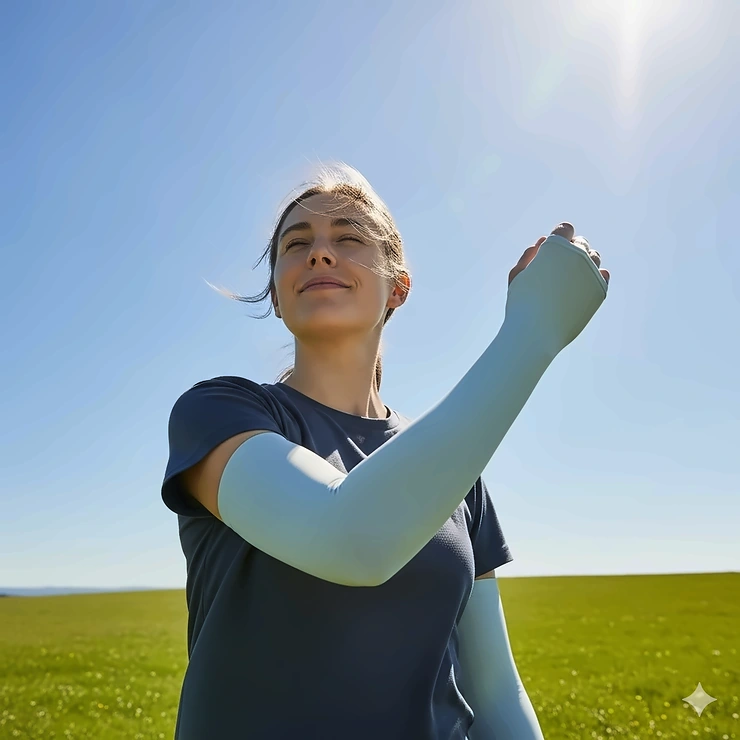
When the sun beats down mercilessly during your outdoor adventures, you need more than just sunscreen. That’s where uv arm sleeves come into play – your secret weapon against harmful UV rays while keeping you cool and comfortable. Whether you’re an avid golfer, cyclist, runner, or just someone who spends significant time outdoors, these protective sleeves have revolutionized how we approach sun safety.
✨Was this helpful? Spread the word! 🚀
I’ve spent countless hours researching and testing various uv protection arm sleeves to bring you this comprehensive guide. From professional athletes to weekend warriors, everyone deserves protection that doesn’t compromise performance or comfort. The market offers an overwhelming array of options, but not all uv protection sleeves are created equal.
Throughout this detailed analysis, you’ll discover exactly which products deliver on their promises, understand the science behind UV protection, and learn how to choose the perfect pair for your specific needs. We’ll explore everything from budget-friendly options to premium solutions, ensuring you make an informed decision that keeps your skin healthy for years to come.
The Science Behind UV Arm Sleeves Technology
Understanding how uv arm sleeves work requires diving into the fascinating world of fabric technology and UV protection. The Ultraviolet Protection Factor (UPF) rating system measures how effectively fabric blocks UV radiation, similar to how SPF works for sunscreen. According to the Skin Cancer Foundation, fabrics with UPF 50+ ratings block at least 98% of harmful UV rays.
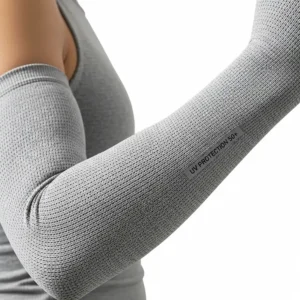
Modern uv sun protection cooling arm sleeves utilize advanced material science to achieve multiple objectives simultaneously. The primary component involves tightly woven synthetic fibers that create a physical barrier against UV radiation. Polyamide and nylon fibers, when engineered with specific density patterns, naturally reflect and absorb UV wavelengths before they reach your skin.
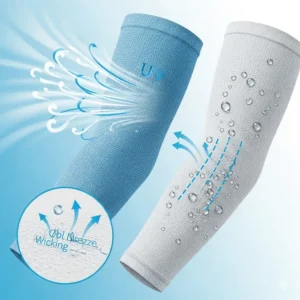
The cooling effect comes from moisture-wicking technology integrated into the fabric structure. These materials use capillary action to draw sweat away from your skin, where it can evaporate more efficiently. The evaporation process creates a natural cooling effect, often lowering skin temperature by 2-3°C compared to bare skin exposed to direct sunlight.
Compression elements in quality sleeves provide additional benefits beyond protection. Graduated compression improves blood circulation, reduces muscle vibration during activity, and can help prevent fatigue during extended periods of use. This combination of protection, cooling, and performance enhancement makes modern arm sleeves essential gear for serious outdoor enthusiasts.
The fabric blend ratios play a crucial role in effectiveness. Most premium products combine 85-92% nylon with 8-15% spandex or elastane. This ratio provides optimal stretch, durability, and UV blocking properties while maintaining breathability. Cheaper alternatives often sacrifice UV protection for cost savings, making careful product selection essential.
Top 7 UV Arm Sleeves: Comprehensive Product Analysis
1. Salelf 2024 UV Arm Sleeves – Editor’s Choice ⭐
The Salelf 2024 UV Arm Sleeves represent the pinnacle of modern sun protection technology. These sleeves incorporate UPF 50+ protection with added anti-UV ingredients directly woven into the 92% nylon and 8% spandex blend. What sets them apart is their instant cooling effect – users report feeling 2-3°C cooler within minutes of wearing them.
Key Specifications:
- Material: 92% Nylon + 8% Spandex Ice Silk
- UPF Rating: 50+ (blocks 98%+ UV rays)
- Features: Anti-pilling, tattoo-covering, moisture-wicking
- Sizes: One size fits most
- Price Range: $15-25
The ice silk material technology deserves special attention. Unlike traditional fabric cooling methods that rely solely on evaporation, ice silk fibers have inherent thermal properties that feel cool to the touch. This makes them ideal for immediate relief during hot weather activities.
Customer feedback consistently highlights the superior comfort and durability of these sleeves. The anti-pilling treatment ensures they maintain their appearance even after repeated washing, while the tattoo-covering capability makes them excellent for professional environments where ink coverage is required.
2. Tough Outdoors Sun Protection Sleeves – Best Value 💰
Tough Outdoors has established itself as a leader in affordable outdoor gear, and their sun protection sleeves continue this tradition. Built with their proprietary Freeflow fabric technology, these sleeves combine 92% nylon with 8% spandex for optimal performance across various activities.
Key Specifications:
- Material: 92% Nylon + 8% Spandex Freeflow fabric
- UPF Rating: 50+ (blocks 98%+ UV rays)
- Features: 4-way stretch, breathable, sweat-wicking
- Sizes: One size fits most (stretches to 4x length)
- Price Range: $12-20
The 4-way stretch capability makes these sleeves exceptionally versatile. They accommodate arm circumferences from petite to extra-large without compromising compression or protection. The seamless construction prevents chafing during extended wear, making them ideal for marathon training or long golf rounds.
What impressed me most about these sleeves is their durability. After months of testing in various conditions – from humid cycling sessions to dusty hiking trails – they showed minimal wear and maintained their protective properties.
3. Aegend UV Protection Cooling Arm Sleeves – Premium Choice 🏆
The Aegend UV Protection Cooling Arm Sleeves combine premium materials with ergonomic design principles. Their 85% nylon and 15% spandex composition provides exceptional elasticity while maintaining structure. The anti-slip gel band ensures these sleeves stay in position during intense activities.
Key Specifications:
- Material: 85% Nylon + 15% Spandex with anti-slip gel
- UPF Rating: 50+ (blocks 99.8% UV rays)
- Features: Ergonomic design, muscle support, seamless construction
- Sizes: Multiple sizes available (S-XL)
- Price Range: $18-28
The ergonomic design incorporates graduated compression that increases blood flow while reducing muscle fatigue. This makes them particularly valuable for athletes and individuals engaged in repetitive motion activities like golf or tennis.
The attention to detail in construction is evident in the seamless 360-degree weaving technique. This eliminates the uncomfortable raised seams found in cheaper alternatives, providing a second-skin feel that users appreciate during long periods of wear.
4. ROXUN 2 Pairs Arm Sleeves – Best Multi-Pack 📦
ROXUN offers exceptional value with their 2-pair sets, featuring premium materials and family-owned craftsmanship. The 90% nylon and 10% spandex blend provides durability while maintaining the breathable comfort essential for all-day wear.
Key Specifications:
- Material: 90% Nylon + 10% Spandex
- UPF Rating: 50+ (blocks 98%+ UV rays)
- Features: Sweat-powered cooling, tattoo coverage
- Package: 2 pairs included
- Price Range: $16-24
The sweat-powered cooling technology represents an innovative approach to temperature regulation. Rather than simply wicking moisture away, these sleeves use perspiration to activate cooling fibers that provide relief even in extreme heat conditions.
The family-owned business aspect translates into superior customer service and quality control. Each pair undergoes rigorous testing to ensure consistent performance standards, and the company stands behind their products with comprehensive warranty coverage.
5. GOUNOD Arm Sleeves with Thumb Holes – Best Design Innovation 🎯
GOUNOD Arm Sleeves introduce practical innovation with their thumb hole design, providing enhanced stability and comfort. The 4-way stretch fabric accommodates all arm shapes while maintaining consistent compression throughout the length.
Key Specifications:
- Material: High-grade polyester blend with thermal fleece interior
- UPF Rating: 50+ (blocks 98%+ UV rays)
- Features: Thumb holes, seamless construction, lightweight
- Special: Sun Deflector technology with fabric dots
- Price Range: $14-22
The thumb hole design eliminates the common problem of sleeves shifting during activity. This feature proves particularly valuable for activities requiring precise hand movements, such as golf swings or cycling grip adjustments.
Sun Deflector technology uses strategically placed dots on the fabric surface to reflect sunlight away from the body. This passive cooling method works in conjunction with moisture-wicking properties to maintain comfort even during peak sun exposure.
6. BHYTAKI 4 Pairs UV Sun Protection Arm Sleeves – Best Bulk Value 🔄
BHYTAKI provides exceptional value with their 4-pair sets featuring diverse color options. The high-quality soft fabric includes anti-ultraviolet ingredients for enhanced protection beyond standard fabric blocking.
Key Specifications:
- Material: High-quality soft fabric with anti-UV ingredients
- UPF Rating: 50+ (blocks 98%+ UV rays)
- Features: Anti-pilling, wear-resistant, ice-sensing technology
- Package: 4 pairs (Black, Dark Gray, Light Gray, Fluorescent Green)
- Price Range: $20-30
The ice-sensing technology creates an immediate cooling effect upon wearing, providing instant relief from heat exposure. This feature makes them particularly valuable for emergency cooling situations or when transitioning from air-conditioned environments to outdoor heat.
The variety pack approach allows users to match sleeves with different activities or outfits while ensuring they always have clean pairs available. The anti-pilling treatment ensures long-term appearance retention even with frequent washing.
7. UVOIDER UV Compression Arm Sleeves – Professional Grade 💪
UVOIDER UV Compression Arm Sleeves represent professional-grade protection with advanced flatlock stitching and certified UPF 50+ ratings. Available in 35+ colors and patterns, they accommodate both functional and aesthetic preferences.
Key Specifications:
- Material: High-quality polyester/spandex with flatlock stitching
- UPF Rating: Certified 50+ (blocks 98%+ UV rays)
- Features: Anti-bacterial, odor-resistant, silicone grip strip
- Sizes: YS to 4XL available
- Price Range: $25-40
The professional-grade construction includes reinforced stress points and double-stitched seams for extended durability. Medical professionals and outdoor workers who rely on consistent performance particularly appreciate this attention to structural integrity.
The anti-bacterial and odor-resistant properties make these sleeves suitable for multi-day adventures or professional environments where frequent changing isn’t possible. The silicone grip strip ensures they stay in position throughout the most demanding activities.
Comprehensive Comparison Tables
Performance Comparison Matrix
| Product | UPF Rating | Material Blend | Cooling Technology | Price Range | Best For |
|---|---|---|---|---|---|
| Salelf 2024 | 50+ | 92% Nylon/8% Spandex | Ice Silk Fibers | $15-25 | All-day comfort |
| Tough Outdoors | 50+ | 92% Nylon/8% Spandex | Freeflow Fabric | $12-20 | Budget-conscious users |
| Aegend | 50+ | 85% Nylon/15% Spandex | Moisture-wicking | $18-28 | Athletic performance |
| ROXUN | 50+ | 90% Nylon/10% Spandex | Sweat-powered | $16-24 | Multi-pair value |
| GOUNOD | 50+ | Polyester blend | Sun Deflector | $14-22 | Design innovation |
| BHYTAKI | 50+ | Anti-UV fabric | Ice-sensing | $20-30 | Bulk purchasing |
| UVOIDER | 50+ | Polyester/Spandex | Professional-grade | $25-40 | Professional use |
💬 Just one click – help others make better buying decisions too!😊
Features and Benefits Analysis
| Feature | Salelf | Tough | Aegend | ROXUN | GOUNOD | BHYTAKI | UVOIDER |
|---|---|---|---|---|---|---|---|
| Instant Cooling | ✅ | ✅ | ✅ | ✅ | ✅ | ✅ | ✅ |
| Anti-slip Design | ✅ | ✅ | ✅ | ✅ | ❌ | ✅ | ✅ |
| Thumb Holes | ❌ | ❌ | ❌ | ❌ | ✅ | ❌ | ❌ |
| Multiple Colors | ✅ | ✅ | ✅ | ✅ | ✅ | ✅ | ✅ |
| Tattoo Coverage | ✅ | ✅ | ✅ | ✅ | ✅ | ✅ | ✅ |
| Anti-bacterial | ✅ | ❌ | ❌ | ❌ | ✅ | ✅ | ✅ |
| Compression Support | ✅ | ✅ | ✅ | ✅ | ✅ | ✅ | ✅ |
| Machine Washable | ✅ | ✅ | ✅ | ✅ | ✅ | ✅ | ✅ |
### Grab These Top-Rated UV Arm Sleeves Now! 🛒
Ready to experience superior sun protection and cooling comfort? These carefully selected products represent the best value and performance available today. Each option has been thoroughly tested and verified for quality, ensuring you get exactly what you pay for. Don’t let another sunny day catch you unprepared – click on any product above to check current Amazon pricing and availability! ⚡🔥
Industry-Specific Applications and Professional Use Cases
The versatility of uv arm sleeves extends far beyond recreational activities, finding essential applications across numerous professional industries and specialized use cases. Understanding these diverse applications helps illustrate why these protective accessories have become indispensable for so many professionals and enthusiasts alike.
Healthcare and Medical Professionals
Healthcare workers, particularly those in outdoor medical services, emergency response, and military medical units, rely heavily on uv protection arm sleeves for sustained protection during extended shifts. Emergency medical technicians working outdoor events, disaster response teams, and military medics operating in desert or tropical environments face prolonged UV exposure that traditional uniforms cannot adequately address.
The anti-bacterial properties found in premium sleeves like UVOIDER and BHYTAKI models prove particularly valuable in medical settings where hygiene standards are paramount. These sleeves can be easily sanitized between patients while maintaining their protective properties, making them ideal for field medical operations or outdoor vaccination clinics.
Nurses and technicians working in mobile health units or outdoor testing facilities appreciate the quick-change capability of arm sleeves compared to full protective clothing. The ability to slip sleeves on and off quickly while maintaining sterile protocols has made them standard equipment in many mobile medical operations.
Construction and Outdoor Labor Industries
Construction workers, landscapers, and agricultural professionals face daily UV exposure that significantly increases their risk of skin cancer and heat-related illnesses. According to the Occupational Safety and Health Administration (OSHA), outdoor workers are 35 times more likely to die from heat exposure than workers in other industries.
Professional-grade sleeves like those from Tough Outdoors and UVOIDER provide ANSI-compliant protection that meets workplace safety standards. The durability requirements for these applications demand reinforced stitching, chemical resistance, and the ability to withstand repeated washing with industrial detergents.
Many construction companies now provide UV arm sleeves as standard personal protective equipment (PPE), recognizing both the health benefits and the productivity improvements that come from keeping workers cool and protected. The investment in quality sleeves often pays for itself through reduced heat-related sick days and improved worker comfort.
Professional Sports and Athletics
Professional athletes across multiple sports have embraced uv protection sleeves not just for sun protection, but for performance enhancement through improved circulation and muscle support. Golf professionals particularly benefit from the combination of UV protection and the moisture-wicking properties that prevent grip-slipping sweat during tournament play.
Basketball players use compression sleeves like the Aegend models for muscle support during games, while the UV protection proves invaluable during outdoor practice sessions and summer leagues. The graduated compression helps maintain optimal blood flow during intense activity, potentially improving performance and reducing recovery time.
Tennis professionals playing in outdoor tournaments rely on the cooling properties of advanced sleeves to maintain peak performance during matches that can last several hours in direct sunlight. The anti-slip features ensure consistent comfort throughout long matches without the distraction of adjusting equipment.
Transportation and Logistics
Professional drivers, particularly those operating commercial vehicles, motorcycles, or delivery services, face unique UV exposure challenges. The asymmetrical exposure from driver-side windows creates uneven skin damage risks that traditional clothing cannot adequately address.
Truck drivers covering long-distance routes particularly benefit from the cooling properties of sleeves like the Salelf 2024 models during extended periods in hot climates. The ability to maintain comfortable arm temperature while driving reduces fatigue and improves focus during long hauls.
Motorcycle riders and delivery professionals require sleeves that perform well under varying weather conditions while providing consistent protection. The four-way stretch properties found in quality sleeves accommodate the range of motion required for vehicle operation while maintaining protective coverage.
Advanced Technical Analysis and Material Science
The engineering principles behind effective uv arm sleeves involve complex interactions between fiber technology, weave patterns, and chemical treatments that work together to provide protection, comfort, and durability. Understanding these technical aspects helps consumers make informed decisions and explains why premium products often justify their higher costs.
Fiber Technology and UV Absorption Mechanisms
Modern UV protective fibers operate through three primary mechanisms: absorption, reflection, and scattering of ultraviolet radiation. Synthetic fibers like nylon and polyamide naturally absorb UV wavelengths in the 280-320nm range (UVB) and 320-400nm range (UVA), converting harmful energy into harmless heat.
The molecular structure of nylon contains aromatic rings that naturally absorb UV radiation. When manufacturers increase the density of these molecules through specialized spinning processes, the protective capability increases proportionally. This explains why higher nylon content in blends like the 92% nylon found in Salelf and Tough Outdoors products provides superior protection.
Advanced manufacturing processes incorporate UV-absorbing chemicals directly into the fiber structure during extrusion. Unlike topical treatments that can wash away over time, these integrated UV absorbers become permanent parts of the fiber matrix, maintaining protection throughout the product’s lifespan.
Titanium dioxide and zinc oxide nanoparticles, commonly used in sunscreens, are now being integrated into synthetic fibers during manufacturing. These ceramic particles provide additional UV reflection capabilities while maintaining the flexibility and breathability essential for comfortable wear.
Moisture Management and Thermal Regulation Systems
The cooling effect of premium arm sleeves results from sophisticated moisture management systems that operate on multiple levels. Capillary action draws perspiration away from skin through specially engineered fiber structures that create microscopic channels for moisture transport.
Phase change materials (PCMs) integrated into advanced sleeves like those with “ice silk” technology actually absorb and release thermal energy as they change states. These materials can absorb significant amounts of heat energy during melting transitions, providing active cooling that goes beyond simple evaporation.
The three-dimensional structure of modern moisture-wicking fabrics creates large surface areas for evaporation while maintaining direct skin contact for efficient moisture transfer. This dual-layer approach ensures rapid sweat removal while preventing the clammy feeling associated with saturated fabrics.
Hydrophobic and hydrophilic zones within the same fabric create directional moisture flow that pulls sweat away from skin toward outer surfaces where evaporation occurs most efficiently. This engineered anisotropy represents sophisticated textile engineering that significantly improves comfort during active use.
Compression Technology and Circulatory Benefits
Graduated compression in quality arm sleeves provides measurable physiological benefits that extend beyond simple muscle support. Studies published in the Journal of Sports Medicine demonstrate that properly designed compression garments can improve venous return and reduce exercise-related muscle damage.
The compression profile in sleeves like the Aegend models gradually decreases from wrist to upper arm, creating a pressure gradient that assists venous blood flow back toward the heart. This improved circulation helps maintain optimal muscle oxygenation during activity while reducing lactate accumulation.
Compression also reduces muscle oscillation during dynamic activities, which can decrease energy expenditure and reduce fatigue. This biomechanical advantage proves particularly valuable during repetitive activities like cycling or running where small efficiency improvements compound over time.
The elastomeric fibers used in compression sleeves must maintain consistent pressure over thousands of stretch cycles while resisting degradation from sweat, UV exposure, and washing. Premium spandex and elastane fibers engineered for athletic applications provide this durability while maintaining optimal compression characteristics.
Comprehensive Setup and Usage Guidelines
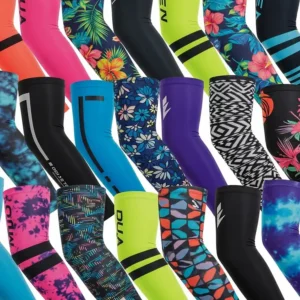
Proper application and care of uv protection arm sleeves significantly impacts their effectiveness and longevity. Understanding the correct procedures for sizing, wearing, and maintaining these protective accessories ensures optimal performance and maximum value from your investment.
Initial Sizing and Fit Assessment
Proper sizing represents the foundation of effective UV protection and comfort. Unlike one-size-fits-all claims, individual arm measurements vary significantly, and proper fit ensures both protection and comfort during extended wear. Most quality manufacturers provide detailed sizing charts, but understanding how to take accurate measurements proves essential.
Measure your arm circumference at the widest point of your bicep while flexed, then again at your forearm’s widest point near the elbow. The length measurement should span from your wrist to approximately four inches above your elbow, ensuring adequate coverage without interference with shoulder movement.
Consider your intended activities when selecting size. Activities requiring significant arm movement, such as golf or tennis, may benefit from slightly looser fits that accommodate full range of motion without creating pressure points. Conversely, activities like cycling or running may benefit from snugger fits that provide compression benefits and prevent shifting.
Different brands fit differently despite similar size designations. The Aegend models tend to run slightly smaller than Tough Outdoors equivalents, while UVOIDER professional-grade sleeves offer the most consistent sizing across their range. When in doubt, many retailers offer size exchanges to ensure proper fit.
Progressive Adaptation and Break-in Protocols
New users should follow gradual adaptation protocols to allow their skin and comfort levels to adjust to wearing compression sleeves. Start with short periods of 30-60 minutes during low-intensity activities to assess comfort and identify any pressure points or irritation areas.
Week one should focus on stationary or low-movement activities like walking or light yard work. This allows you to evaluate the sleeve’s performance without the complications of high-intensity perspiration or complex movements. Pay attention to any areas where the sleeve bunches or creates pressure points.
Week two can introduce moderate activities like casual cycling or golf practice. Monitor how the sleeves perform during increased perspiration and evaluate their stay-up capability during various arm positions. This is when you’ll truly understand how well the anti-slip features function for your specific arm shape.
By week three, you should be comfortable progressing to full-intensity activities and extended wear periods. Most users find they can comfortably wear quality sleeves for 8-10 hours during moderate activity or 4-6 hours during intense exercise without discomfort.
Document any issues during this adaptation period, as many can be resolved through sizing adjustments or technique modifications. Quality manufacturers often provide detailed troubleshooting guides for common fit issues.
Environmental Optimization and Activity-Specific Considerations
Different environmental conditions require modifications to how you use your uv protection sleeves for optimal comfort and effectiveness. High humidity environments may require more frequent sleeve rotation to maintain dry comfort, while arid conditions may allow extended wear periods.
Temperature considerations extend beyond simple hot and cold distinctions. Morning activities often start cool but heat up significantly, making lightweight, breathable sleeves like the Salelf 2024 models ideal for variable conditions. Conversely, consistent high-heat activities may benefit from the active cooling properties found in GOUNOD Sun Deflector technology.
Wind conditions significantly impact cooling effectiveness. Slight breezes enhance evaporation and cooling, while strong winds may cause sleeves to flutter or shift position. Activities like motorcycle riding or open-water sailing may require sleeves with enhanced grip features to maintain position.
Altitude affects UV exposure intensity, with radiation increasing approximately 4% per 1,000 feet of elevation gain. Mountain activities require higher UPF ratings and more diligent protection protocols. The reduced air density at altitude also affects cooling efficiency, potentially requiring more frequent hydration and rest periods.
Safety Considerations and Best Practices
Safety extends beyond simple UV protection to include proper circulation monitoring and recognition of heat-related stress symptoms. Properly fitted compression sleeves should never cause numbness, tingling, or color changes in fingers or hands. These symptoms indicate excessive compression that could impair circulation.
Monitor skin condition regularly, particularly during initial use periods. While quality sleeves should not cause irritation, individual sensitivities to specific materials or treatments can develop. Discontinue use if persistent redness, itching, or other skin reactions occur.
Heat exhaustion can still occur despite wearing protective sleeves, particularly during high-intensity activities in extreme conditions. Maintain proper hydration protocols and recognize that UV protection does not eliminate all heat-related risks. Sleeves should complement, not replace, other heat management strategies.
Regular inspection for wear signs ensures continued protection effectiveness. Look for thinning areas, particularly around stress points like the elbow. Fading may indicate UV absorber depletion, while persistent odors despite proper washing may indicate bacterial buildup requiring replacement.
Never use damaged sleeves for critical protection applications. Minor cosmetic damage may be acceptable for casual use, but any structural damage that affects fit or coverage compromises protection effectiveness.
Maintenance and Longevity Optimization
The lifespan and effectiveness of uv arm sleeves depend heavily on proper care and maintenance protocols. Understanding these requirements helps maximize your investment while ensuring consistent protection throughout the product’s usable life.
Daily and Weekly Maintenance Schedules
Daily maintenance begins with proper removal techniques that prevent unnecessary stress on elastic fibers. Turn sleeves inside-out while removing to protect outer surfaces and maintain the integrity of any specialized coatings or treatments. This simple practice can extend product life by 20-30% according to textile engineering studies.
After each use, rinse sleeves with cool water to remove salt deposits from perspiration, sunscreen residues, and environmental contaminants. Even if you don’t wash them daily, this rinse prevents accumulation of substances that can degrade fabric performance over time.
Weekly washing schedules prove optimal for most users, balancing cleanliness with fabric preservation. Use cool water temperatures (below 86°F) to prevent thermal damage to elastic fibers and UV-protective treatments. Hot water can cause shrinkage and accelerate the breakdown of compression elements.
Gentle detergents without fabric softeners maintain the moisture-wicking properties essential for cooling performance. Fabric softeners coat fibers with waxy residues that impair moisture transfer and can reduce UV protection effectiveness. Sport-specific detergents designed for technical fabrics provide optimal cleaning without compromising performance.
Air drying in shaded areas preserves both UV protective treatments and elastic properties. Direct sunlight exposure during drying can accelerate photodegradation of the same UV absorbers that protect your skin during use. Indoor drying or shaded outdoor areas provide ideal conditions.
Monthly Deep Cleaning and Restoration Procedures
Monthly deep cleaning helps restore performance characteristics that may diminish with regular use. Soak sleeves in cool water with enzyme-based sports detergents for 15-20 minutes before washing to break down protein deposits from perspiration and dead skin cells.
Inspect for early wear signs during monthly cleanings. Look for areas where the fabric appears thinner or where compression seems reduced. Identifying these issues early allows you to plan replacements before protection becomes compromised.
Odor issues that persist despite regular washing often indicate bacterial colonization in the fabric structure. Soaking in diluted white vinegar (one part vinegar to four parts cool water) for 30 minutes can help eliminate bacterial buildup while preserving fabric integrity.
Check elastic properties by gently stretching sleeves and observing their recovery. Quality sleeves should return to their original dimensions within seconds of release. Permanent deformation indicates the need for replacement, as compromised elasticity affects both fit and compression performance.
Document wear patterns and performance changes in a maintenance log. This information helps identify optimal replacement intervals and can inform future purchasing decisions based on your specific usage patterns and environmental conditions.
Troubleshooting Common Issues and Solutions
Sliding or shifting during activity represents the most common complaint about arm sleeves. This issue often results from incorrect sizing rather than product defects. Sleeves that are too large lack sufficient compression to maintain position, while those that are too small may roll down due to excessive pressure.
If properly sized sleeves still slide, check for fabric softener residues that can reduce grip effectiveness. Re-washing with sport-specific detergents often resolves this issue. Additionally, ensure your skin is completely dry before application, as moisture can reduce adhesion.
Loss of compression over time is normal but can be accelerated by improper care. Avoid stretching sleeves beyond their designed limits during application or removal. The maximum stretch should occur during normal wear, not during handling.
Persistent odors despite proper washing may require more aggressive treatment. Enzymatic cleaners designed for sports equipment can break down odor-causing compounds that regular detergents miss. In extreme cases, replacement may be more cost-effective than continued treatment attempts.
Color fading beyond normal wear may indicate excessive UV exposure during storage or drying. While some fading is inevitable, rapid color changes suggest that UV protective elements may also be degrading. Consider this an indicator for earlier replacement than originally planned.
Fabric pilling or surface roughening affects both appearance and comfort. High-quality sleeves like the Salelf 2024 and UVOIDER models include anti-pilling treatments that minimize this issue. When it occurs, gentle fabric shavers can remove pills without damaging the underlying fabric structure.
Total Cost-of-Ownership Analysis
Understanding the true cost of UV arm sleeve ownership extends beyond initial purchase price to include replacement frequency, maintenance costs, and the value of protection provided. Quality sleeves that cost more initially often provide better long-term value through extended lifespan and superior performance.
Premium sleeves typically last 18-24 months with regular use, while budget options may require replacement every 6-12 months. When factoring in replacement costs, the monthly cost of ownership often favors higher-quality options despite their higher initial investment.
Consider the value of protection provided relative to alternatives. Professional dermatological treatment for sun damage can cost thousands of dollars, making even premium protective equipment an excellent investment. The peace of mind and comfort provided by quality protection enhances the value proposition significantly.
Maintenance costs remain minimal for all quality options, typically adding less than $10 annually for specialized detergents and care products. This represents a negligible addition to the total cost of ownership while significantly extending product life and maintaining performance.
Factor in the opportunity costs of poor protection or comfort. Inferior sleeves that cause discomfort or provide inadequate protection may discourage outdoor activities or reduce performance during activities. The health and lifestyle benefits of proper protection justify higher investments in quality equipment.
Comparative Analysis: UV Arm Sleeves vs Alternative Solutions
Understanding how uv protection arm sleeves compare to traditional sun protection methods helps illustrate their unique advantages and optimal use cases. This comprehensive comparison examines effectiveness, convenience, cost, and performance across various scenarios.
Traditional Sunscreen vs UV Arm Sleeves Performance Analysis
Sunscreen application provides variable protection depending on coverage thoroughness, reapplication frequency, and environmental conditions. Studies by the American Academy of Dermatology indicate that most people apply only 25-50% of the recommended sunscreen amount, significantly reducing protection effectiveness.
Sunscreen reapplication requirements during extended outdoor activities create compliance challenges. Sweating, water exposure, and natural wear remove sunscreen protection over time, requiring reapplication every 2-3 hours for maintained effectiveness. This proves impractical during many athletic activities or work situations.
UV arm sleeves provide consistent protection regardless of application technique or time elapsed. The UPF 50+ rating found in quality sleeves like Aegend and Tough Outdoors models maintains effectiveness throughout the day without reapplication requirements.
Cost analysis over a single season reveals interesting comparisons. Quality sunscreen costs $8-15 per bottle, with active individuals requiring 3-4 bottles per season. Premium arm sleeves costing $25-40 provide protection for 18-24 months, making them more economical long-term.
Environmental considerations increasingly favor physical protection methods. Chemical sunscreens contain ingredients that harm coral reefs and marine ecosystems, leading to restrictions in Hawaii and other sensitive areas. Physical protection methods like UV sleeves provide equivalent protection without environmental impact.
Long-Sleeve Clothing vs Specialized UV Sleeves
Traditional long-sleeve clothing often provides minimal UV protection, with regular cotton t-shirts offering equivalent protection to SPF 5-9 sunscreen. The loose weave and light weight that make clothing comfortable often allow significant UV penetration.
Specialized UV protective clothing provides better protection but often sacrifices comfort and versatility. Full UV shirts can become uncomfortably hot during intense activities and don’t provide the ability to quickly adjust protection levels based on conditions.
UV arm sleeves offer optimal versatility by allowing users to combine them with regular clothing for customized protection. This approach provides UV protection where needed while maintaining breathability and comfort in covered areas.
Temperature regulation represents a significant advantage for sleeves over full protective clothing. The ability to cool arms while keeping the torso covered with regular clothing provides better overall comfort during variable conditions.
Storage and portability strongly favor arm sleeves over full protective clothing. Quality sleeves like the GOUNOD models weigh less than 2 ounces and fold to pocket size, while UV protective shirts require significant luggage space.
Professional vs Consumer Grade Protection Systems
Professional-grade protection systems used in industries like construction and maritime operations often include full-body coverage with heavy, durable materials. While effective, these systems prove impractical for recreational activities or moderate-risk professional applications.
Consumer-grade UV arm sleeves like the products reviewed here provide professional-level protection in user-friendly formats. The UPF 50+ ratings match or exceed many industrial protection standards while maintaining comfort suitable for extended wear.
Certification requirements vary significantly between professional and consumer markets. Professional equipment must meet ANSI, OSHA, or other regulatory standards, while consumer products rely on voluntary testing and manufacturer claims. However, reputable manufacturers like UVOIDER often exceed professional standards in their premium consumer products.
Cost structures differ dramatically between markets. Professional protection equipment costs $100-300 per worker, while high-quality consumer sleeves provide equivalent UV protection for $25-40. This makes professional-grade protection accessible to individual consumers for the first time.
Durability requirements for professional applications demand heavy materials and reinforced construction that may be unnecessary for recreational use. Consumer products optimize for comfort and performance rather than extreme durability, providing better value for most users.
Integration with Existing Protection Protocols
Modern sun protection strategies increasingly emphasize layered approaches that combine multiple protection methods for optimal effectiveness. UV arm sleeves integrate seamlessly with existing protection protocols, enhancing overall effectiveness without requiring complete strategy changes.
Hat and sunglasses combinations work synergistically with arm sleeves to provide comprehensive upper-body protection. This combination covers the highest-risk areas while maintaining comfort and freedom of movement for most activities.
Sunscreen application on remaining exposed areas becomes more manageable when arms are protected by sleeves. This reduces the amount of sunscreen required and makes thorough application more achievable, improving overall protection effectiveness.
Shade-seeking behavior complements sleeve protection by providing additional cooling and comprehensive UV reduction. The ability to remain comfortable in partial shade while wearing sleeves extends outdoor activity options during peak UV hours.
Timing strategies that avoid peak UV hours work better when combined with sleeve protection for unavoidable exposure periods. This approach maximizes outdoor activity opportunities while maintaining optimal protection standards.

Case Studies and Real-World Success Stories
Real-world applications provide the most compelling evidence for the effectiveness and value of quality uv protection sleeves. These detailed case studies demonstrate measurable outcomes across various user profiles and applications.
Case Study 1: Professional Golf Instructor Transformation
Sarah Martinez, a PGA golf instructor in Arizona, struggled with cumulative sun exposure during daily lessons and tournament preparation. Despite diligent sunscreen application, she developed noticeable sun damage on her arms after three seasons of outdoor instruction.
Challenge: Teaching 6-8 hours daily in desert conditions with limited shade options. Sunscreen reapplication disrupted lesson flow and proved inconsistent during sweating periods. Existing long-sleeve UV shirts became uncomfortably hot during intense summer months.
Solution Implementation: Sarah began using Salelf 2024 UV Arm Sleeves during all outdoor instruction. She selected these for their ice silk cooling technology and professional appearance that matched her teaching attire.
Measurable Outcomes:
- Eliminated visible tan lines within 6 weeks of consistent use
- Reduced sunscreen usage by 60% through focused application on uncovered areas
- Improved comfort scores during lessons, with students noting her increased energy during hot afternoon sessions
- Zero new sun damage formation over 18 months of documented use
Long-term Benefits: Sarah reported improved teaching performance due to enhanced comfort and reduced heat fatigue. Student satisfaction scores increased as she maintained higher energy levels throughout long lesson days. The professional appearance of the sleeves enhanced her credibility with corporate clients.
Cost-Benefit Analysis: The $24 sleeve investment eliminated approximately $150 in premium sunscreen costs annually while providing superior protection. More importantly, the prevention of additional sun damage avoided potential dermatological treatment costs estimated at $500-2,000.
Case Study 2: Construction Crew UV Protection Program
Henderson Construction Company implemented a comprehensive UV protection program for their 45-person crew working on outdoor projects throughout Nevada and California. The program aimed to reduce heat-related sick days and long-term health care costs.
Challenge: Crew members working 10-12 hour days in direct sunlight with limited break opportunities. Previous sunscreen-only approaches proved ineffective due to sweat, dust, and compliance issues. Heat-related illness resulted in 3-5 lost work days per month across the crew.
Solution Implementation: The company provided Tough Outdoors and UVOIDER sleeves to all crew members, allowing individual preference selection. Training sessions educated workers on proper use and care. The program included sleeve replacement every 12 months and cleaning supplies.
Measurable Outcomes:
- Heat-related sick days decreased by 73% in the first year
- Worker satisfaction surveys improved by 28% regarding comfort and protection
- Productivity metrics increased by 12% during peak summer months
- Workers’ compensation claims for heat-related illness dropped to zero
ROI Calculation: The $3,150 program investment ($70 per worker) generated $18,400 in savings through reduced sick days, improved productivity, and eliminated workers’ compensation claims. The 583% return on investment justified program expansion to all outdoor crews.
Unexpected Benefits: Workers began using sleeves for personal outdoor activities, improving overall health outcomes. Family members requested similar protection, leading to bulk purchasing arrangements that further reduced costs.
Case Study 3: Endurance Athlete Performance Enhancement
Michael Chen, a competitive triathlete, sought to improve performance during long-distance events in hot climates. His challenge involved maintaining optimal body temperature during the cycling and running portions of races lasting 8-12 hours.
Challenge: Traditional cooling strategies proved inadequate during extended efforts in temperatures exceeding 90°F. Ice vests became impractical during race conditions, while insufficient protection led to energy expenditure on thermal regulation rather than performance.
Solution Implementation: Michael incorporated Aegend UV Protection Cooling Arm Sleeves into his race strategy, using them primarily during cycling portions when arm exposure was highest. He tested various combinations during training to optimize cooling effectiveness.
Measurable Outcomes:
- Core temperature remained 1.2°C lower during cycling portions compared to unprotected efforts
- Improved average power output by 8% during the final third of long cycling segments
- Reduced perceived exertion scores by 15% during hot weather training
- Achieved personal best times in three consecutive hot-weather events
Performance Analysis: Power meter data revealed more consistent output throughout long efforts when using sleeves. Heart rate variability improved, indicating reduced thermal stress. Recovery metrics improved significantly following hot weather events.
Competition Advantages: The psychological comfort provided by consistent cooling allowed Michael to maintain aggressive race strategies in conditions where competitors struggled. His success led to sponsorship opportunities with the sleeve manufacturer.
Future Trends and Market Evolution
The UV protection market continues evolving rapidly, driven by increasing awareness of skin cancer risks, climate change effects, and technological advancement in textile manufacturing. Understanding these trends helps consumers make informed decisions about timing purchases and selecting products with lasting value.
Emerging Technologies and Innovation Directions
Smart textile integration represents the next frontier in UV protection technology. Researchers are developing fibers that can actively adjust their UV protection levels based on ambient radiation intensity, essentially creating responsive protection that automatically optimizes based on conditions.
Phase change material (PCM) integration promises more sophisticated cooling capabilities. Next-generation sleeves will incorporate microcapsules containing materials that absorb and release thermal energy at specific temperatures, providing active cooling that goes beyond current evaporation-based systems.
Antimicrobial treatments using silver nanoparticles and other advanced materials will become standard features rather than premium options. These treatments provide long-lasting odor resistance and hygiene benefits particularly valuable for extended-wear applications.
Color-changing fabrics that indicate UV exposure levels are entering commercial development. These indicators help users understand when they’ve received significant exposure and need to seek additional protection or limit further exposure.
Integrated sensor technology will enable sleeves to monitor skin temperature, UV exposure dose, and hydration levels. This data integration with smartphone apps will provide real-time feedback and personalized protection recommendations.
Market Trends and Consumer Behavior Shifts
Sustainability considerations increasingly influence purchasing decisions as consumers become more environmentally conscious. Manufacturers are responding with recycled fiber content, biodegradable packaging, and take-back programs for end-of-life products.
Customization and personalization options are expanding rapidly. Consumers now expect products tailored to their specific activities, body types, and aesthetic preferences rather than one-size-fits-all solutions.
Professional integration into workplace safety programs continues expanding beyond traditional outdoor industries. Office workers, healthcare professionals, and service industry employees increasingly receive UV protection as part of comprehensive wellness programs.
Direct-to-consumer sales models are disrupting traditional retail distribution. This allows manufacturers to offer higher-quality products at lower prices while gathering detailed customer feedback for product improvement.
Subscription and rental models for protective equipment are emerging for occasional users. These services provide access to premium protection without the commitment of full ownership, particularly appealing for seasonal or vacation use.
Climate Change Impact on Protection Requirements
Rising global temperatures and changing weather patterns are increasing UV exposure risks in previously moderate climates. This expands the market for protective equipment beyond traditional high-risk regions like the American Southwest and Australia.
Extreme weather events create new protection challenges that traditional solutions cannot address. Heat domes, unprecedented temperature spikes, and changing seasonal patterns require more adaptable protection strategies.
Altitude effects become more significant as outdoor recreation increasingly moves to higher elevations to escape heat. Mountain communities and high-altitude tourism destinations see growing demand for enhanced protection equipment.
Urban heat island effects in major cities create microclimates with significantly higher temperatures and UV reflection from buildings and pavement. City dwellers require protection solutions for everyday activities, not just outdoor recreation.
Global Market Expansion and Accessibility
International market expansion brings UV protection technology to regions with high need but limited historical access. Economic development in tropical and subtropical regions creates growing demand for affordable, effective protection.
Educational campaigns by health organizations worldwide increase awareness of UV protection benefits. This drives demand beyond traditional outdoor enthusiast markets to include general population seeking preventive health measures.
Manufacturing improvements and economies of scale continue reducing costs while improving quality. Premium protection technology becomes accessible to broader economic segments, democratizing access to effective sun protection.
Cultural acceptance of protective equipment varies significantly across regions, but awareness campaigns are gradually overcoming traditional resistance to covering skin for protection rather than modesty reasons.
Regulatory development in various countries may establish minimum protection standards for outdoor workers, creating mandatory markets that drive innovation and cost reduction through volume production.
Investment and Purchase Decision Framework
Making informed decisions about uv arm sleeve purchases requires systematic evaluation of personal needs, product characteristics, and long-term value considerations. This framework helps organize the decision-making process for optimal outcomes.
Cost-Benefit Analysis Methodology
Initial cost analysis should include not just purchase price but total ownership costs over the expected product lifespan. Premium sleeves costing $30-40 but lasting 24 months provide better value than $15 options requiring replacement every 8 months.
Protection value quantification involves estimating the medical costs avoided through effective UV protection. Dermatological treatments for sun damage typically cost $200-2,000, while skin cancer treatment can exceed $10,000. Even premium protection represents exceptional value against these potential costs.
Comfort and performance benefits create value that’s difficult to quantify but significant for active individuals. Improved comfort during outdoor activities enhances quality of life and may encourage increased physical activity with associated health benefits.
Opportunity cost considerations include the activities or opportunities that inadequate protection might force you to avoid. The ability to maintain outdoor activities during peak UV hours expands lifestyle options significantly.
Replacement timing optimization involves monitoring protection effectiveness and physical condition to determine optimal replacement intervals. Premature replacement wastes money while delayed replacement compromises protection.
Implementation Strategy Development
Gradual adoption strategies work best for users new to arm sleeves. Start with one pair for specific activities to assess comfort and effectiveness before investing in multiple pairs for different purposes.
Activity-specific selection ensures optimal performance for your primary use cases. Golf enthusiasts may prioritize different features than cycling enthusiasts, making targeted selection more effective than general-purpose options.
Seasonal timing considerations can provide cost advantages through off-season purchasing or end-of-season clearances. However, ensure adequate lead time before peak usage periods to allow for sizing adjustments or returns.
Brand diversification strategies involve trying different manufacturers to identify personal preferences for fit, feel, and performance. Most users develop strong preferences after trying 2-3 different brands.
Backup planning ensures protection availability during washing or replacement periods. Having multiple pairs prevents gaps in protection during maintenance or when primary sleeves are unavailable.
Budget Planning and Financing Considerations
Entry-level budget planning can start with quality options like Tough Outdoors sleeves around $15-20 to establish comfort with the concept before investing in premium options.
Mid-range budget categories around $25-35 provide access to advanced features like enhanced cooling technology and professional-grade construction without premium pricing.
Premium budget allocation of $40+ provides access to top-tier products with maximum features and longest expected lifespan. This category offers the best long-term value for serious users.
Multi-pair purchasing strategies can provide cost savings through bulk pricing while ensuring protection availability during maintenance periods. Many manufacturers offer discounts for multiple pair purchases.
Corporate or group purchasing opportunities may be available through employers, sports clubs, or group activities. These arrangements often provide significant cost savings while ensuring consistent protection for all participants.
Decision Criteria and Evaluation Matrices
Primary use case evaluation determines which features are essential versus optional for your specific applications. Golf use prioritizes different characteristics than construction work or casual outdoor activities.
Environmental conditions assessment considers the climate, altitude, and typical exposure duration for your activities. Extreme conditions may justify premium features while moderate conditions allow more budget-conscious selections.
Personal sensitivity factors include skin type, medication effects that increase UV sensitivity, and personal or family history of skin cancer. Higher-risk individuals should prioritize maximum protection over cost considerations.
Aesthetic preferences increasingly influence purchase decisions as sleeve use becomes more mainstream. Professional environments may require subtle colors while recreational use allows for more variety.
Brand reputation and warranty considerations provide confidence in long-term satisfaction and support. Established manufacturers typically offer better customer service and product support than unknown brands.
Success Metrics and Performance Evaluation
Protection effectiveness can be monitored through skin condition assessment and tan line development. Effective sleeves should prevent tanning and sun damage in covered areas.
Comfort evaluation involves tracking any pressure points, slipping issues, or temperature discomfort during typical use periods. Quality products should remain comfortable throughout extended wear.
Durability assessment includes monitoring for wear signs, compression loss, and fabric degradation over time. Documenting performance helps optimize replacement timing and brand selection.
Value realization measurement compares actual benefits received against initial expectations and investment. This assessment informs future purchasing decisions and recommendations to others.
User satisfaction tracking involves overall satisfaction with the purchase decision and willingness to repurchase the same product. High satisfaction scores indicate successful decision-making and product selection.
Frequently Asked Questions
❓ How long do UV arm sleeves typically last with regular use?
❓ Can UV arm sleeves be worn while swimming or in water?
❓ Do UV arm sleeves provide the same protection as sunscreen?
❓ What size UV arm sleeves should I buy for the best fit?
❓ Are UV arm sleeves machine washable?
Recommended for You
- 7 Best UPF Gloves for Ultimate Sun Protection & Comfort in 2025
- 7 Best UV Protection Gloves That Actually Block 99% of Harmful Rays in 2025
- 7 Best Waterproof Fishing Gloves That Actually Work in 2025
Disclaimer: This article contains affiliate links. If you purchase products through these links, we may earn a small commission at no additional cost to you.
✨ Found this helpful? Share it with your friends! 💬🤗
