

In This Article
Let me tell you something: running in the cold isn’t just about toughness. It’s about having the right gear.
I used to be that person shivering through winter runs, layering three shirts under a flimsy windbreaker. Then I discovered what a proper insulated running jacket could do. Game changer.
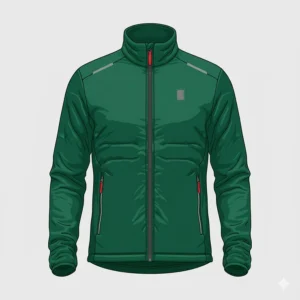
Here’s the deal with an insulated running jacket: it’s not your typical puffy coat. These specialized pieces combine warmth with breathability, so you don’t feel like you’re running inside a sauna. The technology has evolved dramatically, with synthetic insulation that stays warm even when wet, making them perfect for those unpredictable winter mornings.
✨Was this helpful? Spread the word! 🚀
Think about it this way. When temperatures drop below 40°F (4°C), your body works harder just to maintain core temperature. A good winter running jacket strikes the right balance between breathable, light, and offering coverage from the elements. That’s where insulated options shine—they trap heat without turning you into a sweaty mess.
What is an Insulated Running Jacket?
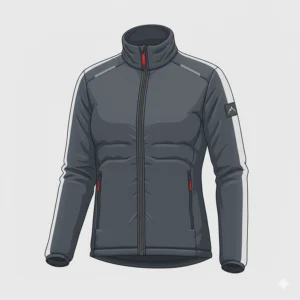
An insulated running jacket is a specialized outer layer designed specifically for cold-weather running. Unlike regular winter coats, these jackets feature synthetic or down insulation strategically placed to keep your core warm while allowing heat to escape from high-output areas like your underarms and back. The best models use lightweight materials that won’t weigh you down, moisture-wicking fabrics that manage sweat, and thoughtful design features like reflective elements for low-light visibility.
The beauty of modern insulated running jackets lies in their versatility. You’re not just getting a winter running solution—you’re investing in a piece that works for hiking, casual wear, and even as a mid-layer on particularly brutal days. Many options now come with reflective running jacket features built right in, eliminating the need for additional safety gear when you’re pounding pavement before sunrise.
Quick Comparison Table
| Product | Insulation Type | Weight | Price Range | Best For | Rating |
|---|---|---|---|---|---|
| The North Face ThermoBall Eco Hoodie 2.0 | PrimaLoft ThermoBall (60g) | 13.1 oz | $180-220 | All-around performance | 4.3/5 ⭐ |
| Patagonia Nano Puff Hoody | PrimaLoft Gold Eco (60g) | 10.8 oz | $199-239 | Lightweight warmth | 4.6/5 ⭐ |
| Arc’teryx Atom Hoody | Coreloft Compact 60 | 12.5 oz | $240-300 | Premium versatility | 4.7/5 ⭐ |
| Montane Fireball Nano Hooded Jacket | Dynamic Eco (40g) | 9.2 oz | $180-220 | Cold, dry conditions | 4.5/5 ⭐ |
| Brooks Canopy Jacket | DriLayer (no insulation) | 5.3 oz | $100-130 | Budget-friendly option | 4.4/5 ⭐ |
| Baleaf Hybrid Thermal Jacket | Polyester fill | 8.6 oz | $45-65 | Budget conscious | 4.0/5 ⭐ |
| Proviz REFLECT360 | Light synthetic | 6.0 oz | $80-120 | Night running visibility | 4.2/5 ⭐ |
💬 Just one click – help others make better buying decisions too!😊
⚡ Ready to Upgrade Your Winter Running Game?
Don’t let another cold run slow you down. These carefully selected insulated running jackets are available now on Amazon with competitive pricing and fast shipping. Click any product name to check current deals and customer reviews! 🏃♂️❄️
Top 7 Insulated Running Jacket Options: Expert Analysis
1. The North Face ThermoBall Eco Hoodie 2.0
Right off the bat, let me say this: The North Face ThermoBall Eco Hoodie 2.0 has earned its reputation for good reason.
The jacket features PrimaLoft ThermoBall insulation that provides warmth equivalent to 600-fill down while using 100% recycled fabrics. What does that mean for you? Reliable warmth that doesn’t quit when conditions get damp, all while treading lighter on the planet.
Key Specifications:
- Insulation: PrimaLoft ThermoBall Eco (synthetic)
- Weight: 13.1 oz (women’s small)
- Price: $180-$220
- Features: Packable design, slim fit, fixed hood
The updated 2025 version brings an improved quilting pattern that minimizes cold spots—something runners genuinely appreciate when you’re three miles from home and the temperature’s dropping. It packs into its own hand pocket for easy storage, making it perfect for those runs where you start cold but warm up fast.
Pros:
✅ Excellent warmth-to-weight ratio
✅ Compresses well for easy carrying
✅ 100% recycled materials throughout
Cons:
❌ Not ideal for high-output activities (can trap moisture)
❌ Runs slightly trim—consider sizing up for layering
Customer feedback consistently mentions the jacket’s versatility. One verified purchaser noted it’s “perfect for camp duties and casual wear,” though some found it “quickly grew hot during active hiking.”
2. Patagonia Nano Puff Hoody
If I had to choose one jacket that does everything pretty darn well, the Patagonia Nano Puff Hoody would be high on my list.
This jacket uses 60g PrimaLoft Gold Insulation Eco with P.U.R.E. technology, which reduces carbon emissions compared to conventional production methods. Translation? You get serious warmth without the environmental guilt.
Key Specifications:
- Insulation: 60g PrimaLoft Gold Eco
- Weight: 10.8 oz (women’s version)
- Price: $199-$239 (currently on sale at $143-$179)
- Features: Brick quilting pattern, DWR finish (PFAS-free)
What makes this jacket special is its balance. The laid-back aesthetic and flattering silhouette have real casual appeal, fitting right in while running errands or walking the dog. But don’t let that fool you—this thing performs when it matters.
Pros:
✅ Superior warmth for its ultralight weight
✅ Highly compressible and packable
✅ Excellent durability and construction quality
Cons:
❌ Premium price point (though often on sale)
❌ Limited breathability for intense workouts
The customer reviews tell the story: nearly 1,200 five-star ratings on Patagonia’s site. People love this jacket for good reason—it just works.
3. Arc’teryx Atom Hoody
Let’s talk premium. The Arc’teryx Atom Hoody sits at the top of the price spectrum, but here’s why serious runners consider it worth every penny.
The Coreloft Compact 60 insulation stays warm even when wet and delivers loft retention that resists packing out over years of use. This isn’t a jacket you’ll replace in two seasons—this is a long-term investment.
Key Specifications:
- Insulation: Coreloft Compact 60
- Weight: 12.5 oz approximately
- Price: $240-$300
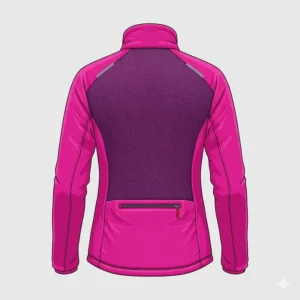
- Features: Stretch fleece side panels, StormHood, No Slip Zip
The magic happens with the design. Stretch-fleece side panels improve ventilation and fit while the articulated patterning ensures comfort and mobility. You can wear this as a standalone layer or as a mid-layer under a shell—the versatility is genuinely impressive.
Pros:
✅ Exceptional build quality and durability
✅ Breathable yet warm hybrid construction
✅ Works as both mid-layer and outer layer
Cons:
❌ Highest price point in our lineup
❌ Hood drawstring located on back (less convenient)
One REI reviewer summed it up perfectly: “This jacket is perfect for everyday wear as well as going on hikes and other outdoor activities.” Another mentioned wearing it comfortably from 80°F down to freezing with just a merino base layer underneath.
4. Montane Fireball Nano Hooded Jacket
Here’s a jacket that doesn’t get enough attention, but absolutely deserves it. The Montane Fireball Nano Hooded Jacket has become my go-to recommendation for runners who prioritize breathability.
It only has insulation around the core, with the outer layer including sleeves and hood made of Featherlite air nylon stretch material. This clever design keeps you warm where it matters while preventing overheating during high-output runs.
Key Specifications:
- Insulation: 40g Dynamic Eco (core only)
- Weight: 9.2 oz
- Price: $180-$220
- Features: Hybrid design, adjustable hem, elastic cuffs
The design helps minimize the chance of sweating through it, with the adjustable hem and elastic cuffs trapping heat effectively. It’s particularly excellent for fastpacking and trail running where you need consistent warmth without the bulk.
Pros:
✅ Lightest fully-featured option reviewed
✅ Excellent breathability for active use
✅ Strategic insulation placement
Cons:
❌ Slimmer fit—size up if layering
❌ Not ideal for precipitation (no DWR coating)
Customer feedback highlights this jacket’s sweet spot: cold, dry days when you’re moving fast. It’s earned top honors in multiple gear guides for good reason.
5. Brooks Canopy Jacket
Not everyone needs a $300 jacket. Sometimes you just need something that works—and works well. Enter the Brooks Canopy Jacket.
Made with 100% recycled materials and featuring breathable DriLayer Seal fabric, this jacket lets excess heat out without letting elements in. It’s not insulated in the traditional sense, but it’s included here because it punches way above its weight class for cold-weather protection.
Key Specifications:
- Material: DriLayer Seal (no insulation)
- Weight: 5.3 oz
- Price: $100-$130
- Features: Packable into hand pocket, DWR finish (PFAS-free)
The jacket uses a soft, breathable fabric with a casual look that doesn’t skimp on features, making it an excellent value option. Multiple testers noted how frequently they reached for this jacket—it just becomes part of your routine.
Pros:
✅ Most affordable quality option
✅ Extremely lightweight and packable
✅ Quiet fabric (no rustling during runs)
Cons:
❌ Limited water resistance despite marketing claims
❌ Not truly insulated (better for milder conditions)
One enthusiastic reviewer called it perfect for “that extra protection when you’re wearing a simple base layer and it just doesn’t quite cut it.” That’s the Brooks Canopy in a nutshell.
6. Baleaf Hybrid Thermal Jacket
Budget-conscious runners, this one’s for you. The Baleaf Hybrid Thermal Jacket offers legitimate cold-weather protection without the premium price tag.
Key Specifications:
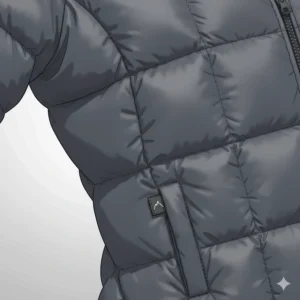
- Insulation: Polyester fill (front/back), stretch fabric (sides/sleeves)
- Weight: 8.6 oz (size large)
- Price: $45-$65
- Features: Detachable hood, thumb holes, zippered pockets
Customers find it warm enough for temperatures below 40°F, with the insulated hood being particularly appreciated. The hybrid construction puts insulation where you need it while keeping breathable fabric in high-sweat zones.
Pros:
✅ Exceptional value for money
✅ Detachable hood adds versatility
✅ Thumb holes keep sleeves in place
Cons:
❌ Quality doesn’t match premium brands
❌ Some reports of durability issues after extended use
Real talk: this isn’t going to last five years of hard use. But for $50-60? Customers appreciate the warmth and find it “perfect for running or exercising outdoors at cold temperatures”. Just know what you’re getting.
7. Proviz REFLECT360 Reflective Running Jacket
If you run early mornings or evenings, visibility isn’t optional—it’s essential. The Proviz REFLECT360 solves this problem spectacularly.
Utilizing millions of tiny, highly reflective glass beads, the innovative material reflects light back from vehicle headlights. We’re not talking about a few reflective strips—the entire jacket lights up like a beacon.
Key Specifications:
- Material: Reflective fabric with polyester mesh lining
- Weight: 6.0 oz (170g)
- Price: $80-$120
- Features: 360-degree reflectivity, windproof, moisture-wicking lining
The soft-touch moisture-wicking mesh lining acts as a climate control mechanism, increasing airflow and breathability. It’s lightweight enough that you won’t feel weighed down, yet substantial enough to block wind effectively.
Pros:
✅ Unmatched visibility for night running
✅ Lightweight and packable
✅ CE EN 20471 certified reflective material
Cons:
❌ Can run hot during intense efforts
❌ Some durability concerns with reflective material
Customer reviews are mixed but informative. One runner noted: “I actually had a car slam on the brakes because they had no idea what I was.” That’s exactly what you want from a reflective running jacket—safety first.
Understanding Insulated Running Jacket Technology
You don’t need a PhD in textile engineering to understand modern insulation, but knowing the basics helps you make smarter choices.
Synthetic vs. Down Insulation
The debate between synthetic and down insulation has largely been settled for runners: synthetic wins for most use cases.
Why? Synthetic insulation stays warm even when wet, making it a better alternative to down for high-output days year-round. When you’re running hard and sweating, that moisture resistance becomes crucial.
Down insulation offers superior warmth-to-weight ratios in perfect conditions. But “perfect conditions” rarely describes a winter run where you’re generating heat and moisture. Modern synthetic fills like PrimaLoft Gold Eco and Coreloft Compact have closed the gap significantly while maintaining performance when damp.
Body-Mapped Insulation Design
Here’s where jacket design gets clever. Not all parts of your body need the same amount of insulation.
The Montane Fireball Nano, for example, only has insulation around the core, with breathable stretch material on sleeves and hood. Your torso needs warmth; your arms need breathability. This targeted approach prevents overheating while maintaining core temperature.
The best jackets use what’s called “hybrid construction”—combining insulated panels with breathable fleece or mesh in high-output zones like underarms and back panels. It’s the difference between finishing a run comfortable versus finishing drenched in sweat.
DWR Coatings and Weather Resistance
Most quality jackets now feature DWR (Durable Water Repellent) finishes. These coatings cause water to bead up and roll off rather than soaking into the fabric.
Modern versions use PFAS-free DWR finishes, which are better for the environment while still providing effective water resistance. This matters more than you might think—even light precipitation can compromise insulation performance if it saturates the outer shell.
Keep in mind: water-resistant isn’t waterproof. These jackets handle light rain and snow admirably, but they’re not designed for sustained downpours. For that, you’d want a dedicated rain jacket.
How to Choose the Perfect Insulated Running Jacket
Choosing the right jacket isn’t about finding the “best” one—it’s about finding the best one for you. Here’s how to narrow it down.
Step 1: Assess Your Climate and Typical Conditions
Where you run matters enormously. Pacific Northwest runners face different challenges than Colorado mountain runners or Chicago pavement pounders.
Consider:
- Temperature range: What’s your coldest running temperature?
- Precipitation: Dry cold or wet cold?
- Wind exposure: City running or exposed trails?
If you’re primarily running in dry, cold conditions (think Colorado or Wyoming), prioritize breathability and lighter insulation. Wet, cold climates (looking at you, Seattle) demand better moisture resistance and synthetic fills that perform when damp.
Step 2: Determine Your Heat Output Level
Be honest about how hot you run. I’m a furnace on runs—I overheat easily and need maximum ventilation. My running partner? She’s always cold and needs more insulation.
Hot runners should look for:
- Hybrid construction with breathable panels
- Lighter insulation weights (40g or less)
- Ventilation features like pit zips or mesh panels
Cold runners benefit from:
- Full insulation coverage (60g or higher)
- Windproof outer shells
- Adjustable features to seal in warmth
Step 3: Consider Your Primary Use Case
Will this be a dedicated running jacket or a versatile piece you’ll wear casually too?
Running-specific priorities:
- Lightweight and packable
- Reflective elements for visibility
- Athletic fit that doesn’t restrict movement
Multi-use priorities:
- Casual styling that works off the trail
- Durable construction for daily wear
- Practical features like multiple pockets
The Arc’teryx Atom Hoody and Patagonia Nano Puff excel as crossover pieces. The Montane Fireball Nano is pure performance gear.
Step 4: Set a Realistic Budget
Quality insulated running jackets range from $50 to $300+. Here’s what you get at each price point:
Budget ($40-$80):
- Basic insulation and features
- Adequate for occasional use
- May lack durability for long-term heavy use
- Example: Baleaf Hybrid Thermal Jacket
Mid-Range ($100-$180):
- Quality materials and construction
- Good feature sets and versatility
- Solid durability for regular use
- Example: Brooks Canopy, Montane Fireball Nano
Premium ($200-$300+):
- Top-tier materials and craftsmanship
- Exceptional durability and performance
- Advanced features and design
- Example: Arc’teryx Atom Hoody, Patagonia Nano Puff
Step 5: Prioritize Key Features
Make a list of must-have features versus nice-to-haves:
Essential features:
- Appropriate insulation type and weight
- Proper fit for your layering needs
- Basic weather protection
Valuable additions:
- Hood (preferably adjustable)
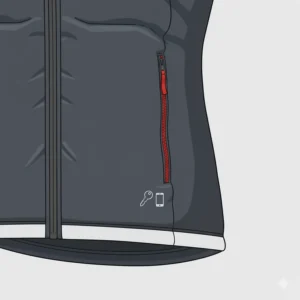
- Zippered pockets for essentials
- Packability into own pocket
- Reflective elements
Premium extras:
- Pit zips for ventilation
- Interior pockets
- Cord management systems
- Premium zippers (YKK or similar)
Step 6: Try Before You Buy (When Possible)
Sizing varies dramatically between brands. The Arc’teryx Atom runs true to size with a trim fit. The North Face ThermoBall tends slightly roomier. Brooks Canopy follows a relaxed athletic fit.
If you can’t try in-store, order multiple sizes and return what doesn’t work. Amazon’s return policy makes this straightforward. Pay attention to:
- Sleeve length (should extend past wrists)
- Shoulder mobility (test arm swing motion)
- Core fit (snug but not restrictive)
- Hood coverage and adjustability
Step 7: Read Recent Reviews Carefully
Don’t just look at star ratings—dig into detailed reviews, especially recent ones. Look for comments about:
- True-to-size fit or sizing recommendations
- Durability after extended use
- Performance in actual running conditions
- Quality control issues (zipper failures, seam separation)
Pay special attention to reviews from people with similar body types and use cases. A 6’2″ marathon runner’s feedback matters more if you’re also tall and training for distance events.

Insulated Running Jacket vs. Other Options
Understanding how insulated jackets compare to alternatives helps you build a smarter layering system.
| Feature | Insulated Jacket | Down Jacket | Fleece | Wind Shell | Rain Jacket |
|---|---|---|---|---|---|
| Warmth | High | Very High | Medium | Low | Low |
| Breathability | Medium-High | Low | Very High | High | Low-Medium |
| Moisture Resistance | Medium | Poor (unless treated) | Poor | Medium | Excellent |
| Weight | Light-Medium | Very Light | Medium | Very Light | Light |
| Packability | Excellent | Excellent | Poor | Excellent | Excellent |
| Best Use | Cold, dry runs | Extreme cold (static) | Layering | Mild, windy | Rain protection |
When to Choose an Insulated Jacket
An insulated running jacket makes the most sense when:
- Temperatures regularly fall below 35°F (2°C)
- You need standalone warmth without multiple layers
- Conditions are dry or only lightly wet
- You want one versatile piece for multiple activities
A good winter running jacket balances water-resistant, breathable membranes with wicking insulation, often body-mapped to trap warmth at the core while venting under the arms.
When Alternatives Make More Sense
Choose a fleece instead when you need maximum breathability for high-intensity efforts or prefer layering flexibility.
Choose a down jacket for casual winter wear or extreme cold conditions where you won’t be generating much heat.
Choose a wind shell for milder conditions (40-55°F) where you just need wind protection.
Choose a rain jacket when precipitation is the primary concern and temperatures are moderate.
Proper Care and Maintenance Tips
Taking care of your insulated running jacket ensures years of reliable performance. Here’s how to do it right.
Washing Your Insulated Jacket
Frequency: Wash after 5-8 wears or when it starts smelling funky. Overwashing degrades DWR coatings and compresses insulation.
Method:
- Close all zippers and turn jacket inside out
- Use cold water on gentle cycle
- Add tech wash or mild detergent (no fabric softener!)
- Run an extra rinse cycle to remove all soap
Drying:
- Tumble dry on low heat
- Add clean tennis balls to restore loft
- Remove promptly to prevent wrinkles
- Never wring or hang dry while wet (damages insulation)
Restoring DWR Performance
Notice water soaking in instead of beading up? Time to refresh the DWR coating.
Heat Reactivation (Try This First):
- Wash jacket thoroughly
- Tumble dry on low heat for 20 minutes
- Test water repellency
Spray-On Treatment (If Heat Fails):
- Wash jacket and dry completely
- Apply DWR spray evenly to clean jacket
- Let air dry for 30 minutes
- Heat-set with dryer (low) for 10-15 minutes
Brands like Nikwax and Grangers make excellent DWR treatments.
Storage Best Practices
Proper storage prevents permanent compression and maintains insulation integrity.
Do:
✅ Store loosely hung in a cool, dry place
✅ Ensure jacket is completely dry before storing
✅ Keep away from direct heat sources
✅ Use a breathable garment bag for long-term storage
Don’t:
❌ Leave compressed in stuff sack for months
❌ Store in damp basements or hot attics
❌ Expose to prolonged direct sunlight
❌ Use regular plastic dry-cleaning bags
Repairing Minor Damage
Small tears or holes happen. Fix them before they become big problems.
For Small Holes (Under 1 inch):
- Use fabric repair tape (Gear Aid Tenacious Tape works great)
- Apply to both inside and outside for maximum hold
- Trim edges neatly for a clean look
For Zipper Issues:
- Lubricate sticky zippers with zipper wax or beeswax
- Repair minor zipper pulls with pliers (gently!)
- Replace blown zippers professionally
For Seam Separation:
- Apply seam sealer to prevent further unraveling
- Hand-stitch major separations with nylon thread
- Consider professional repair for critical seams
Layering Strategies for Maximum Performance
The secret to comfortable cold-weather running isn’t one magic jacket—it’s smart layering.
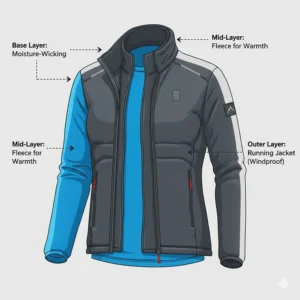
The Three-Layer System
Base Layer (Next to Skin):
- Purpose: Moisture management
- Material: Merino wool or synthetic wicking fabric
- Fit: Snug but not restrictive
- Example: Smartwool Merino 150 or Patagonia Capilene
Mid Layer (Optional – Temperature Dependent):
- Purpose: Insulation and warmth
- Material: Light fleece or insulated vest
- Fit: Comfortable over base layer
- When: Temps below 25°F (-4°C)
Outer Layer (Your Insulated Jacket):
- Purpose: Weather protection and insulation
- Material: Insulated synthetic shell
- Fit: Room for base layer (and mid-layer if needed)
- Example: Any jacket from our Top 7 list
Temperature-Based Layering Guide
50-40°F (10-4°C):
- Light base layer + Brooks Canopy or similar wind shell
- Skip the insulation unless you run very cold
40-30°F (4 to -1°C):
- Medium-weight base layer + light insulated jacket
- Montane Fireball Nano or similar hybrid construction
30-20°F (-1 to -7°C):
- Medium base layer + insulated jacket
- The North Face ThermoBall or Patagonia Nano Puff
- Add wind protection layer if particularly gusty
20°F and Below (-7°C and colder):
- Heavy base layer + fleece mid-layer + insulated jacket
- Arc’teryx Atom Hoody works great here
- Consider face protection and extra accessories
Adjusting During Your Run
Your clothing needs change as you warm up. Here’s how to adapt:
Start Conservative: Dress assuming you’ll warm up 15-20°F once you’re moving. You should feel slightly chilly at the start.
Ventilate First: Before removing layers, open zippers, loosen cuffs, and adjust your hood.
Know Your Turnaround Point: Don’t shed layers unless you’re confident you won’t need them. There’s nothing worse than being cold on the return leg.
Pack Smart: If your jacket packs into its own pocket, you can always tie it around your waist or stash it in a running vest.
Safety Features and Visibility Considerations
Running in winter often means running in the dark. Visibility isn’t optional—it’s critical.
Reflective Elements That Matter
Not all reflective details are created equal. Here’s what actually works:
360-Degree Coverage: The most effective jackets use reflective elements strategically placed around shoulders, arms, chest, and back to ensure visibility from all angles. The Proviz REFLECT360 takes this to the extreme with its fully reflective shell.
Placement Matters:
- Front/Back: High-contrast strips at chest and shoulder blade height
- Arms: Bands around biceps and forearms (visible when arms swing)
- Waist/Hem: Lower body reflectivity catches headlight beams
Types of Reflective Materials:
- Strips/Piping: Standard reflective tape sewn into seams
- Printed Logos: Reflective ink (less durable)
- Glass Bead Technology: Maximum reflection (Proviz jackets)
- Retroreflective Panels: Large reflective sections
High-Visibility Colors
Bright colors work during twilight and overcast conditions when reflective elements haven’t yet activated.
Best Daytime Colors:
- Fluorescent Yellow/Green: Maximum visibility in low light
- Orange: Good contrast against most backgrounds
- Pink/Coral: Increasingly popular and highly visible
Colors to Avoid for Safety:
- Black: Nearly invisible in low light
- Gray: Blends with pavement and overcast skies
- Navy/Dark Blue: Poor visibility except against snow
Additional Safety Accessories
Your jacket is just one piece of a comprehensive visibility strategy:
LED Lights:
- Clip-on chest lights or armbands
- Flashing modes catch more attention than steady
- Position lights at different heights (chest + ankle)
Headlamps:
- Essential for trail running
- Choose models with rear red lights
- Aim beam downward to avoid blinding drivers
Reflective Accessories:
- Vest worn over jacket (maximizes visibility)
- Reflective hat or headband
- Snap-on reflective bands for ankles
Real Runner Experiences and Testimonials
Here’s what actual runners are saying about these jackets in real-world conditions.
Marathon Training in Michigan: Sarah’s Story
“I trained for Detroit Marathon through a brutal Michigan winter. The Patagonia Nano Puff became my constant companion for those pre-dawn 20-milers. What impressed me most? It never felt clammy, even after two hours of steady running. The hood stayed put without being annoying, and I could stuff it in my Nathan vest when I warmed up around mile 8. Worth every penny of the $220 I paid.”
Trail Running in Colorado: Mike’s Experience
“Living at 8,000 feet, I need gear that handles temperature swings. The Montane Fireball Nano nailed it. Started a run at 22°F, finished at 35°F with sun beating down. The breathability kept me from turning into a swamp monster, but I stayed warm enough at the start. The hybrid construction isn’t just marketing—you can actually feel the difference between the insulated core and breathable arms.”
Budget Runner Success: Jennifer’s Review
“Look, I’m not dropping $300 on a running jacket. The Baleaf Hybrid Thermal at $58 has been perfectly adequate for my needs. I run 3-4 times weekly in Ohio winters, usually 30-40°F conditions. It’s held up for six months so far. Yeah, it’s not as nice as my friend’s Arc’teryx, but it’s also 1/5 the price and keeps me warm. Know what you’re getting and set appropriate expectations.”
Night Running Safety: David’s Perspective
“I leave for work at 4:45 AM, so all my running happens in the dark. The Proviz REFLECT360 literally changed my running life. Cars see me from way farther away now—I’ve had drivers slow down and give me extra space that never happened with my old jacket with reflective strips. It runs a bit warm, so I only wear it in the 25-35°F range, but the safety factor is unbeatable.”
Common Mistakes to Avoid
Learn from others’ mistakes. Here are the pitfalls to dodge when selecting and using an insulated running jacket.
Sizing Too Small
The Problem: Buying your regular size without considering layering needs.
Why It Matters: Some jackets like the Montane Fireball Nano run slimmer than others, so sizing up is recommended if you plan to add layers underneath.
The Solution: If you’ll wear the jacket over base layers or mid-layers, order one size up. Test mobility by swinging your arms and reaching overhead.
Ignoring Activity Level
The Problem: Choosing a jacket based on standing-still temperature rather than running temperature.
Why It Matters: Your body generates significant heat during running. What feels perfect standing still becomes a sauna after mile 2.
The Solution: Follow the 15-20°F rule: dress for temperatures 15-20 degrees warmer than actual conditions. You should feel slightly cool at the start.
Over-Layering
The Problem: Wearing too many layers “just in case.”
Why It Matters: Excessive layering leads to overheating, excessive sweating, and potential hypothermia if you stop moving while damp.
The Solution: Start conservative. You can always run faster to generate heat; you can’t easily cool down if you’re wearing too much.
Neglecting Weather Protection
The Problem: Choosing based solely on warmth without considering wind and moisture.
Why It Matters: Wind-resistant fabrics with tighter weaves prevent wind from cutting through, while basic insulation alone may not protect against windchill.
The Solution: Match jacket features to your typical conditions. Windy areas need windproof shells. Wet climates require better DWR coatings.
Forgetting About Packability
The Problem: Buying a warm jacket that’s too bulky to carry when you warm up.
Why It Matters: If you can’t pack it, you’ll either overheat or leave it at home on days you might need it.
The Solution: Prioritize jackets that pack into their own pockets or compress small enough for a running vest. Test packability before committing.
Sustainability and Environmental Considerations
The outdoor industry is evolving, and so should our gear choices. Here’s what to know about making environmentally conscious decisions.
Recycled Materials Matter
Modern jackets like the Patagonia Nano Puff now use 100% recycled polyester shells and linings with recycled synthetic fill. This significantly reduces environmental impact compared to virgin materials.
What to Look For:
- Recycled polyester shells (rPET)
- Recycled insulation fills
- Bluesign-approved fabrics
- Fair Trade Certified manufacturing
PFAS-Free DWR Coatings
Traditional DWR treatments used PFAS chemicals (forever chemicals) that persist in the environment and human bodies. Newer versions use PFAS-free DWR finishes that provide effective water resistance without environmental persistence.
Brands Leading the Way:
- Patagonia (PFAS-free since 2020s)
- Arc’teryx (FC0 DWR finish)
- Brooks (PFAS-free DWR)
- The North Face (shifting to PFAS-free)
Repair vs. Replace Philosophy
The most sustainable jacket is the one you already own. Proper maintenance and repair extend lifespan dramatically.
Manufacturer Repair Programs:
- Patagonia Worn Wear: Free repairs for Patagonia products
- Arc’teryx ReBird: Repair and reconditioning services
- The North Face Renewed: Refurbish and resell program
Buying Used and Certified Pre-Owned
Quality insulated jackets retain functionality for years. Consider:
- REI Used Gear
- Patagonia Worn Wear marketplace
- Gear Trade online marketplace
- Local outdoor consignment stores
A $200 jacket purchased used for $100 that lasts five years is more sustainable than three $60 jackets over the same period.
Advanced Features Worth Considering
Once you’ve nailed the basics, these premium features can enhance your running experience.
Pit Zips and Ventilation Systems
Advanced jackets incorporate ventilation features like pit zips or mesh panels to dump excess heat during high-output efforts. This allows you to regulate temperature without removing the jacket entirely.
Helmet-Compatible Hoods
Trail runners and winter hikers appreciate hoods designed to fit over helmets or bulky winter hats. Look for:
- Adjustable hood volume
- Wire-stiffened brims
- Multiple cinch points
Articulated Sleeves and Gussets
Articulated patterning ensures comfort and mobility by pre-shaping sleeves to match natural arm position. This prevents restriction during arm swing and reduces material bunching.
Internal Cord Management
Premium jackets include internal channels or cord locks to prevent headphone wires from bouncing. Small detail, big difference on long runs.
Thumb Loops
These keep sleeves pulled down over wrists, preventing cold air from sneaking in and keeping hands partially covered.
Frequently Asked Questions
❓ Can I wash my insulated running jacket in a regular washing machine?
❓ How warm should an insulated running jacket keep me?
❓ What's the difference between an insulated running jacket and a regular puffer jacket?
❓ Should I size up for layering underneath my running jacket?
❓ How do I know if I need a reflective running jacket or regular insulated jacket?
Conclusion: Making Your Final Decision
Choosing the right insulated running jacket comes down to understanding your specific needs and priorities.
If you want the best overall value, the Patagonia Nano Puff Hoody delivers exceptional warmth, packability, and durability. It’s currently on sale at many retailers, making a premium jacket more accessible.
For serious performance, the Arc’teryx Atom Hoody justifies its premium price with superior construction, hybrid design, and long-term durability. This is a buy-once, wear-for-years investment.
Budget-conscious runners should seriously consider the Baleaf Hybrid Thermal Jacket. At under $65, it provides legitimate cold-weather protection with features like a detachable hood and hybrid insulation.
Night runners need the Proviz REFLECT360. The 360-degree reflectivity dramatically improves safety, and the lightweight design works well for temperatures between 25-40°F.
Final Recommendations by Runner Type
The Competitive Racer: Montane Fireball Nano (lightweight, breathable)
The Casual Jogger: Brooks Canopy (versatile, affordable, good-looking)
The All-Weather Warrior: The North Face ThermoBall Eco Hoodie 2.0 (reliable, proven, packable)
The Gear Enthusiast: Arc’teryx Atom Hoody (premium quality, exceptional versatility)
The Value Hunter: Baleaf Hybrid Thermal Jacket (budget-friendly warmth)
Remember: the best insulated running jacket is the one you’ll actually wear. Don’t let cold weather become an excuse to skip runs. Invest in quality gear that keeps you comfortable and safe, and you’ll find yourself looking forward to winter running season.
Now get out there and log those cold-weather miles! 🏃♂️❄️
🔥 Ready to Beat the Cold? Shop Now!
These insulated running jackets are waiting for you on Amazon with competitive pricing and fast delivery. Click any highlighted product name to check current deals, read customer reviews, and find your perfect winter running companion. Don’t let another cold morning keep you inside—grab the gear and get moving! 💪🌨️
Recommended for You
- Best Winter Running Jackets: 7 Tested Picks for 2025
- Quarter Zip Windbreaker: 7 Top Picks + Expert Guide 2025
- 7 Best Packable Cycling Rain Jacket Options 2025
Disclaimer: This article contains affiliate links. If you purchase products through these links, we may earn a small commission at no additional cost to you.
✨ Found this helpful? Share it with your friends! 💬🤗
