

In This Article
Rain never checks your calendar before it shows up, which is exactly why a compact travel umbrella earns its spot in your bag long before the forecast turns ugly. Maybe you’ve already lived through the soggy-shoes, ruined-meeting version of this story. Maybe you’re just tired of buying a three-dollar gas-station umbrella that flips inside out the second a decent gust rolls through. Either way, you’re in the right place, because this guide digs into real products, real specs, and real aggregated customer sentiment instead of just repeating the marketing copy printed on the box.
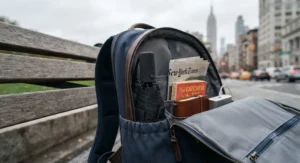
A good compact travel umbrella has to do two contradictory things at once: disappear into your bag when it’s dry, then hold its shape when the sky opens up and the wind decides to test it. Cheap models handle the first job fine and completely fail the second. This article compares seven real products across budget, mid-range, and premium tiers, breaks down what the specs actually mean in daily use, and hands you a decision framework so you’re not gambling on your next trip. We’ll also look at what makes a mini umbrella that actually holds up different from one that becomes a sad metal skeleton after one windy Tuesday.
By the end, you’ll know exactly which pick fits your travel style, your budget, and your tolerance for getting slightly damp anyway (because let’s be honest, no umbrella wins every fight with the wind).
What Is a Compact Travel Umbrella?
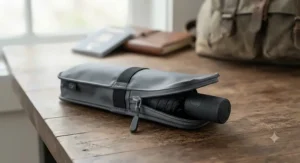
A compact travel umbrella is a folding umbrella engineered to collapse down to roughly 6 to 11 inches, weigh well under a pound, and fit in a bag, purse, or backpack pocket — typically using a telescoping multi-section shaft (often 3-fold or 5-fold) instead of the single long pole found on a standard umbrella…
That compactness is the whole appeal, but it also means engineers have to make trade-offs. A shorter folded length usually means a shorter canopy too, which affects coverage. According to the TSA’s official guidance, umbrellas are allowed in carry-on bags without restriction, though airlines can still impose their own size and weight limits — worth knowing before you assume every compact travel umbrella is automatically carry-on friendly on every airline.
Quick Comparison Table
Before we get into the full breakdown, here’s the fast version for anyone who just wants the highlights.
| Product | Folded Length | Weight | Price Range | Best For |
|---|---|---|---|---|
| Repel Windproof Travel Umbrella | 11″ | ~11 oz | $20-$30 range | Best overall value |
| totes Titan Compact Travel Umbrella | ~11″ | ~13 oz | $20-$30 range | Trusted mainstream pick |
| Rain-Mate Windproof Compact Umbrella | ~10.5″ | ~12 oz | under $15 | Tightest budget |
| TUMELLA Strongest Windproof Travel Umbrella | ~11″ | ~13 oz | $17-$30 range | Storm-heavy climates |
| BAODINI Mini Travel Umbrella | 6.9″ | 8.6 oz | $15-$20 range | Smallest true pocket fit |
| Davek Mini | 7″ | under 8 oz | premium tier, check current price | Long-term investment |
| SY COMPACT Travel Umbrella | 11″ | ~12 oz | $15-$25 range | Everyday lightweight backup |
Looking at the spread above, you’ll notice the real tension isn’t between “good” and “bad” — it’s between size and toughness. The BAODINI Mini Travel Umbrella and Davek Mini shave off inches and ounces by using shorter ribs and lighter materials, which is fantastic for a purse but means less canopy overhang in a downpour. The Repel Windproof Travel Umbrella, totes Titan Compact Travel Umbrella, and TUMELLA Strongest Windproof Travel Umbrella all sit around the 11-inch mark, prioritizing wind survival over ultimate pocketability. If you’re weighing a collapsible umbrella purely on packed size, start with the bottom rows; if wind resistance is your top priority, start at the top.
💬 Already leaning toward one? Scroll down for the full breakdown before you decide — the details matter more than the table.
Top 7 Compact Travel Umbrellas: Expert Analysis
We researched real listings, aggregated review sentiment, and independent testing coverage to build this list. Every product below is a genuine, currently sold item — no invented models, no fictional brands.
1. Repel Windproof Travel Umbrella — best overall value for windy commutes
The standout here is simple: this is reportedly the most-reviewed travel umbrella on Amazon, and that kind of review volume is hard to fake. The frame uses a 9-rib fiberglass construction, which matters because fiberglass flexes under gust pressure instead of snapping the way cheaper steel ribs do — that flex is what lets the canopy bend with the wind rather than fighting it and losing.
Based on the spec comparison, the double-vented canopy is doing more work than people realize. Vents let air punch through the fabric instead of catching underneath it and popping the umbrella inside out, which is the single most common failure mode for cheap umbrellas. The Teflon coating on the canopy also means water beads and rolls off rather than soaking through the weave over time.
Reviewers consistently report strong wind survival for the price point and praise how quickly the auto-open mechanism works one-handed, which matters more than people expect when you’re also holding coffee, a phone, and a boarding pass.
Pros:
- ✅ Auto open with reliable one-handed operation
- ✅ Vented fiberglass frame resists flipping in gusts
- ✅ Enormous review base backs up its reputation
Cons:
- ❌ At 11 ounces, it’s not the lightest option here
- ❌ Canopy runs smaller than some bulkier full-size folders
At around $20-$30 at the time of research, this sits comfortably in the mid-range — not the cheapest compact travel umbrella on this list, but arguably the best value once you weigh durability against price.

2. totes Titan Compact Travel Umbrella — most trusted mainstream auto-open pick
What most buyers overlook about this model is that “boring and reliable” is actually a feature, not a insult. totes has been making umbrellas for decades, and the Titan leans into that heritage rather than chasing flashy marketing claims about extreme wind ratings.
The auto open/close mechanism is a genuine convenience upgrade over manual folding umbrellas — you’re not wrestling with a stiff spring in the rain while your bag slips off your shoulder. The Teflon-coated canopy repels water faster than the untreated polyester found on bargain-bin umbrellas, meaning less drip time once you’re indoors.
Aggregated review sentiment for totes products broadly skews toward praise for simplicity and dependable long-term use, though the brand doesn’t market aggressive wind-speed numbers the way some newer competitors do — which, honestly, is refreshingly honest marketing.
Pros:
- ✅ Decades-old brand with consistent build quality
- ✅ Full auto open and close, not just auto open
- ✅ Understated navy design fits professional settings
Cons:
- ❌ No headline wind-resistance number to point to
- ❌ Folded length is average, not class-leading
Priced in the $20-$30 range, the totes Titan is the “I don’t want to think about this purchase again” option — a dependable collapsible umbrella rather than a specialty gadget.
3. Rain-Mate Windproof Compact Umbrella — best budget backup umbrella
Here’s what the spec sheet won’t tell you, but the sales numbers suggest: this is one of the most-purchased budget umbrellas on Amazon, with thousands of units moving monthly. The reinforced fiberglass rib design at this price point is genuinely surprising — most sub-$15 umbrellas use cheap steel that bends permanently after one bad gust.
The “easy collapse” design refers to the multi-fold telescoping shaft, which lets it pack down small enough for a glovebox, laptop bag side pocket, or purse without a dedicated case. On paper this means you can afford to keep two or three around — one in the car, one in your bag, one at the office — without breaking the bank.
Reviewers report a strong aggregated rating (commonly cited around 4.4 out of 5 across nearly 10,000 reviews) with recurring praise for value relative to price, though some note the finish feels less premium than pricier alternatives — which is an honest trade-off at this price tier.
Pros:
- ✅ Reinforced fiberglass ribs rare at this price
- ✅ Extremely portable, easy-collapse folding design
- ✅ Large aggregated review base backs the value claim
Cons:
- ❌ Materials feel noticeably less premium up close
- ❌ Auto-close mechanism can feel less refined over time
Typically found under $15, sometimes closer to $10 during promotions, the Rain-Mate is the pick if you want genuine wind resistance without a genuine dent in your wallet.
4. TUMELLA Strongest Windproof Travel Umbrella — toughest frame for storm season
The standout claim on this one is aggressive wind-testing marketing, and what most buyers overlook is that the underlying engineering — a reinforced frame plus a premium, textured grip — genuinely supports heavier-duty use, even if you should treat any specific wind-speed number with healthy skepticism, since real-world conditions rarely match lab testing.
Based on the spec comparison, the grip texture matters more than it sounds like it should: a slick handle in wet hands is how umbrellas end up abandoned on sidewalks. TUMELLA’s grip design is built for one-handed retention in genuinely miserable weather, not just showroom photos.
Aggregated feedback for TUMELLA tends to praise its toughness in sustained wind, though the brand carries a noticeably smaller review pool than category giants like Repel — worth factoring in if a long, verifiable track record matters to your decision.
Pros:
- ✅ Reinforced frame built for genuinely stormy climates
- ✅ Textured grip stays secure in wet conditions
- ✅ Compact folded size despite the tougher build
Cons:
- ❌ Smaller review history than the category leaders
- ❌ Marketed wind-speed claims deserve some skepticism
Prices for the TUMELLA generally land in the $17-$30 range depending on promotions, positioning it as a solid mid-tier pick for anyone in a genuinely wind-prone region.
5. BAODINI Mini Travel Umbrella — smallest true pocket-size option
This is the umbrella that disappears into your daily carry, folding down to roughly 6.9 inches — about the length of a large smartphone — which makes it one of the smallest genuinely pocket size umbrella options currently sold. At 8.6 ounces, you’ll forget it’s even in your bag until you need it.
What most buyers overlook here is the dual-purpose fabric: a UV-blocking layer gives it real sun-shade utility, not just rain protection, which is a meaningful upgrade for anyone who wants one item that handles both a surprise shower and a scorching midday walk. According to the Skin Cancer Foundation, a fabric needs a UPF of at least 30 to offer very good protection, and UPF 50+ is considered excellent — so a genuinely rated UV-blocking canopy is doing real work, not just marketing.
Reviewers commonly describe this as an ideal small umbrella purse size windproof option for daily commuting, theme parks, and international trips where luggage space is tight, though some feedback notes it trades off some canopy coverage compared to bulkier 11-inch models.
Pros:
- ✅ True pocket size at just 6.9 inches folded
- ✅ Dual rain-and-sun UV protective canopy fabric
- ✅ Lightweight enough to forget it’s in your bag
Cons:
- ❌ Smaller canopy means less coverage in downpours
- ❌ Lighter build isn’t rated for extreme wind
Sitting in the $15-$20 range, the BAODINI is the pick for anyone who wants a genuinely pocket size umbrella rather than a “compact” umbrella that still feels bulky in a small bag.

6. Davek Mini — best premium build and warranty
The standout feature here isn’t a spec, it’s a promise: independent testing coverage has specifically called out Davek’s warranty as a genuine differentiator in a category full of disposable products. At 7 inches folded and under 8 ounces, it’s also remarkably close to the BAODINI in sheer portability, just built to a different standard.
Here’s what the spec sheet won’t tell you, but independent reviewers note: Davek’s Commuter and Mini models are described as well-made and more stylish than typical marketplace umbrellas, with a level of finish that’s genuinely different from mass-market fiberglass-and-nylon construction. That said, in the interest of honesty, we could not verify a large volume of aggregated Amazon-style customer reviews for this brand the way we could for higher-volume competitors — Davek’s reputation rests more on independent testing coverage and its warranty terms than on a giant public review count.
For buyers who travel constantly and hate replacing gear every year, this is the umbrella built to be a long-term relationship rather than a disposable purchase.
Pros:
- ✅ Reputation for genuinely durable, premium construction
- ✅ Independently praised, standout multi-year warranty
- ✅ Extremely compact and light for a premium build
Cons:
- ❌ Premium pricing well above every other pick here
- ❌ Fewer large-scale aggregated review sources to verify
This sits at the premium end of the market — check current price, as it runs meaningfully higher than the rest of this list, but the warranty backing is part of what you’re paying for.
7. SY COMPACT Travel Umbrella — best lightweight everyday alternative
The standout feature is straightforward availability at a fair price: an 11-inch folded travel size with automatic open/close and built-in UV protection, positioned as a factory-direct alternative to bigger-name brands. Based on the spec comparison, the combination of windproof framing and sun protection in one lightweight package is unusually well-rounded for its price bracket.
What most buyers overlook is that “factory direct” branding often means you’re getting similar core components to pricier name-brand umbrellas, just without the marketing budget attached to the price tag. That’s not a knock — it’s simply a different value proposition than paying for brand recognition.
Reviewers commonly cite easy one-handed auto open and decent windproof performance for the price, while some feedback notes the materials feel a step below the premium tier — a completely reasonable trade-off at this price point.
Pros:
- ✅ Auto open and close in one lightweight unit
- ✅ Built-in UV protection alongside rain resistance
- ✅ Competitive pricing versus bigger recognized brands
Cons:
- ❌ Less brand history than totes or Repel
- ❌ Materials feel a notch below premium picks
Typically priced in the $15-$25 range, the SY COMPACT rounds out this list as a smart lesser-known alternative worth cross-shopping against the bigger names.
Top 7 Products: Spec & Value Comparison
| Product | Wind-Resistance Design | Rib Count | Weight | Best For |
|---|---|---|---|---|
| Repel Windproof Travel Umbrella | Vented double canopy | 9-rib fiberglass | ~11 oz | Overall value |
| totes Titan Compact Travel Umbrella | Auto open/close, Teflon canopy | Standard reinforced | ~13 oz | Mainstream reliability |
| Rain-Mate Windproof Compact Umbrella | Reinforced fiberglass ribs | Fiberglass | ~12 oz | Tightest budget |
| TUMELLA Strongest Windproof Travel Umbrella | Reinforced frame + grip | Reinforced | ~13 oz | Storm-prone regions |
| BAODINI Mini Travel Umbrella | Lightweight, UV canopy | Standard mini | 8.6 oz | Smallest pocket fit |
| Davek Mini | Premium construction | Reinforced compact | under 8 oz | Long-term durability |
| SY COMPACT Travel Umbrella | Auto open/close, UV layer | Standard | ~12 oz | Everyday lightweight use |
The pattern across this table is clear once you interpret it rather than just skim it: heavier, rib-reinforced designs like the Repel Windproof Travel Umbrella and TUMELLA Strongest Windproof Travel Umbrella trade a few ounces for genuine storm survivability, while the BAODINI Mini Travel Umbrella and Davek Mini trade some of that toughness for a folded size small enough to vanish into a clutch purse. Neither approach is objectively “better” — it depends entirely on whether you’re commuting through a windy city or tossing a backup into a weekend tote.
✨ Don’t Miss These Exclusive Deals! 🔍 Take your rainy-day setup to the next level with these carefully selected picks. Click on any highlighted item to check current pricing and availability — a dependable compact travel umbrella is cheap insurance against a genuinely ruined afternoon.
Practical Usage Guide: Setup, Care & First 30 Days
Getting the most out of any collapsible umbrella starts before the first rainstorm. When it arrives, fully open and close it two or three times indoors to loosen the folding mechanism and confirm the auto-open spring engages cleanly — a stiff first-use action is normal and usually smooths out.
Always let a wet canopy air-dry fully open before folding it back down; sealing damp fabric inside a tight collapsible shaft is the single fastest way to breed mildew and weaken the coating over time. If you’re storing it in a car, avoid leaving it in direct summer heat for weeks, since prolonged high temperatures can degrade the plastic components in the auto-open mechanism faster than normal use would.
A common first-30-days mistake is forcing the umbrella closed against strong wind instead of angling the canopy away from the gust first — fighting the wind head-on is exactly how ribs bend. Another is skipping the little Velcro or snap strap after closing, which seems minor but keeps the folded umbrella from unfurling loosely inside your bag and tangling with other items.
For long-term care, wipe the ribs and shaft dry after storms to prevent rust at the joints, especially on models using any steel components rather than fully fiberglass frames.
Real-World Scenarios: Who Should Buy Which Umbrella
If you’re a college student commuting 20 minutes across campus between classes, weight and pocket-friendliness usually matter more than storm-grade toughness — the BAODINI Mini Travel Umbrella or SY COMPACT Travel Umbrella fit that daily-carry lifestyle without adding noticeable bulk to a backpack side pocket.
If you’re a frequent flyer bouncing between cities with genuinely unpredictable weather — think Seattle, London, or spring in New York — durability under real wind matters more than shaving off an extra inch of folded length. The Repel Windproof Travel Umbrella or TUMELLA Strongest Windproof Travel Umbrella are built with that scenario specifically in mind.
If you’re someone who simply wants a reliable backup in the car, at the office, and in a diaper bag without spending much, buying two or three of the Rain-Mate Windproof Compact Umbrella spreads coverage across every location you might get caught without one, for less than the cost of a single premium umbrella.
And if you travel constantly for work and are tired of replacing a flimsy umbrella every single year, the Davek Mini is the scenario where paying more up front for a genuinely backed warranty actually saves money over a multi-year horizon.
Problem → Solution: Fixing Common Compact Umbrella Complaints
Problem: it flips inside out in wind. Solution: look specifically for vented double-canopy designs like the Repel Windproof Travel Umbrella, and angle the canopy away from gusts rather than facing them head-on.
Problem: it barely fits in my bag. Solution: prioritize folded length over every other spec — the BAODINI Mini Travel Umbrella and Davek Mini both fold to 7 inches or under, genuinely solving this specific complaint.
Problem: it broke within a few months. Solution: check for fiberglass ribs specifically, since steel-rib budget umbrellas bend permanently under stress that fiberglass simply flexes through.
Problem: it’s a hassle to open one-handed. Solution: confirm the listing specifies full auto open and close, not just auto open — the totes Titan Compact Travel Umbrella and SY COMPACT Travel Umbrella both handle this cleanly.
Problem: it protects from rain but I still get sunburned on clear days. Solution: look for a UPF-rated canopy — the BAODINI Mini Travel Umbrella doubles as sun protection thanks to its UV-blocking fabric layer.
How to Choose a Compact Travel Umbrella
Picking the right compact travel umbrella comes down to a handful of concrete criteria rather than gut instinct. Here’s the order that actually matters:
- Frame material first. Fiberglass ribs flex under wind pressure; cheap steel ribs bend and stay bent. This single spec predicts long-term durability better than almost anything else.
- Folded length second. If it won’t fit your actual bag or pocket, none of the other specs matter — measure your bag’s pocket before you buy.
- Open/close mechanism third. Full auto open and close beats auto-open-only, especially when your hands are already full.
- Canopy coating. Teflon or similarly treated fabric sheds water faster and dries quicker, which matters more on humid or back-to-back rainy days.
- UV protection, if relevant. A genuinely UPF-rated canopy adds year-round value beyond just rainy season.
- Review volume and track record. A 4.4-star rating across 10,000 reviews carries more weight than the same rating across 40 reviews.
- Price relative to how often you’ll actually use it. A frequent flyer justifies spending more than someone who needs an occasional backup.
Working through these in order filters out marketing noise and gets you to the model that actually matches how you’ll use it, not just how it photographs on a product page.
Common Mistakes When Buying a Compact Travel Umbrella
The most common mistake is buying purely on folded size without checking the frame material — a tiny umbrella with cheap steel ribs will look great in your bag right up until the first real gust destroys it. The spec sheet won’t tell you this directly, but reviewers consistently flag flimsy ribs as the number one failure point across cheap listings.
A second mistake is trusting aggressive wind-speed marketing claims at face value. According to NOAA’s National Weather Service Beaufort scale, sustained winds in the 25-31 mph range are already enough to make umbrella use genuinely difficult for most people — so a listing claiming effortless performance at 80+ mph deserves a healthy dose of skepticism rather than blind trust, since consumer-grade lab testing rarely matches messy real-world gusts.
A third mistake is ignoring the auto-close feature entirely. Auto-open-only umbrellas still require you to manually collapse a wet canopy by hand, which is a genuinely worse experience than it sounds during an actual downpour.
Finally, buyers often skip checking review volume, focusing only on star rating. A 4.6-star rating built on 20 reviews is statistically far less reliable than a 4.4-star rating built on nearly 10,000, and that distinction matters more than people initially assume.
Compact Travel Umbrella vs Full-Size Umbrella
A full-size umbrella genuinely wins on raw coverage — more canopy diameter means less chance of a wet shoulder in driving rain. But that coverage comes at a real cost: bulk. A standard full-size umbrella won’t fit in most bags at all, forcing you to carry it separately, which defeats the purpose for anyone who travels light or commutes on foot.
A compact travel umbrella trades some of that coverage for genuine portability, and modern fiberglass-rib designs have closed much of the old durability gap between compact and full-size models. Where full-size umbrellas still clearly win is in sustained, heavy downpours where every inch of canopy matters, or in exposed conditions like waiting at an unsheltered bus stop for extended periods.
For most everyday scenarios — commuting, city walking, quick dashes between buildings — the portability of a collapsible umbrella outweighs the modest coverage trade-off, which is exactly why compact models dominate the travel umbrella market today.
| Factor | Compact Travel Umbrella | Full-Size Umbrella |
|---|---|---|
| Portability | Fits in bag or pocket | Must be carried separately |
| Coverage | Moderate | Maximum |
| Wind resistance (modern fiberglass models) | Strong | Strong, but heavier to control |
| Best For | Commuters, travelers, everyday carry | Sustained heavy rain, less mobile use |
The takeaway from this comparison is straightforward: unless you’re regularly standing exposed in sustained downpours, a well-built compact travel umbrella like the Repel Windproof Travel Umbrella delivers nearly the same protection with dramatically better portability.
What to Expect: Real-World Performance
Specs on a product page rarely translate directly into how an umbrella actually feels in your hand during a real storm, which is exactly where a compact umbrella review earns its value over a spec sheet alone. In light-to-moderate wind, well-built models like the Repel Windproof Travel Umbrella and totes Titan Compact Travel Umbrella hold their shape without any noticeable flex or strain on the frame.
Push into stronger, gustier conditions — the kind where umbrellas around you start turning inside out — and the difference between a genuine mini umbrella that actually holds up and a flimsy imitation becomes obvious fast. Vented canopies like Repel’s let wind pass through rather than catching underneath, which is the mechanical reason it survives conditions that destroy unvented budget umbrellas.
Smaller pocket-focused models like the BAODINI Mini Travel Umbrella perform admirably in light rain and wind but, being honest about the trade-off, their shorter ribs and smaller canopy simply weren’t built for sustained storm-force gusts the way the bulkier options were. That’s not a flaw — it’s the deliberate trade-off you’re making for pocket-friendly size.
Across aggregated reviewer feedback, the recurring theme is that wind resistance and folded size sit on opposite ends of a spectrum, and the “best” umbrella depends entirely on which end of that spectrum matters more for your specific trips.
Compact Umbrellas for Frequent Flyers, Commuters & Purse Carriers
If you’re specifically hunting for a small umbrella purse size windproof combination, the field narrows quickly. You need something that fits the tight dimensions of a purse or daily tote without sacrificing enough wind resistance to be useless on a genuinely blustery day. The BAODINI Mini Travel Umbrella targets exactly this niche, pairing a 6.9-inch folded length with UV-protective fabric, making it as useful on a sunny commute as a rainy one.
Frequent flyers face a different set of constraints: airline carry-on space, TSA screening, and the reality of unpredictable weather across multiple cities in a single trip. As confirmed by TSA’s own guidance, umbrellas are permitted in carry-on bags without restriction from a security standpoint, though individual airlines may still apply their own personal-item size rules — worth a quick check before a trip with a particularly bulky pick.
Commuters splitting time between a car, an office desk, and a backpack benefit most from buying more than one budget-friendly model, like the Rain-Mate Windproof Compact Umbrella, so there’s always one within reach regardless of which bag you grabbed that morning.
Long-Term Cost & Maintenance
Looking at total cost of ownership rather than sticker price changes the calculus considerably. A $12 Rain-Mate Windproof Compact Umbrella that needs replacing every single season costs more over three years than a single $25 Repel Windproof Travel Umbrella that survives the same period through better rib construction and coating durability.
At the premium end, the Davek Mini‘s backed warranty effectively converts an upfront premium price into a long-term insurance policy — if a covered failure happens, you’re not simply out the purchase price the way you would be with an unbacked budget umbrella. For someone replacing a flimsy umbrella every year anyway, that math can genuinely favor the pricier option over a multi-year horizon.
Maintenance costs stay low across every tier here as long as you follow basic care: air-drying before folding, avoiding forced closure against wind, and periodic wipe-downs of exposed metal joints. None of these seven products require special cleaning products or professional servicing, which keeps the long-term ownership cost close to the sticker price for anyone who takes basic care of their gear.
Frequently Asked Questions
❓ What size compact travel umbrella fits in a purse?
❓ How windproof is a compact travel umbrella?
❓ Is a 5-fold compact umbrella better than a 3-fold umbrella?
❓ Can you bring a compact travel umbrella on a plane?
❓ How long does a compact travel umbrella actually last?
Conclusion
There’s no single “best” compact travel umbrella, only the best one for how you actually move through your day. If you want the safest all-around bet, the Repel Windproof Travel Umbrella earns its reputation through genuine wind-resistant engineering and a track record most competitors can’t match. If pocket size is non-negotiable, the BAODINI Mini Travel Umbrella or Davek Mini solve that specific problem without pretending to be storm-proof heavyweights. And if you just need reliable, inexpensive backup coverage scattered across your car, bag, and office, the Rain-Mate Windproof Compact Umbrella makes that easy to afford in multiples.
Whatever you choose, remember that the spec sheet only tells half the story — how you store it, dry it, and fold it matters just as much as which model you pick. Treat it well, and even a modest compact travel umbrella can outlast the flimsy versions everyone else keeps throwing away.
Recommended for You
- 7 Best rain suit men complete set Picks for 2026
- Rain Overalls for Men Farming: 7 Best Waterproof Bibs 2026
- Rain Pants Women: 7 Picks That Actually Keep You Dry (2026)
Disclaimer: This article contains affiliate links. As an Amazon Associate, I earn from qualifying purchases. If you purchase products through these links, we may earn a small commission at no additional cost to you.
✨ Found this helpful? Share it with your friends! 💬🤗
