
In This Article
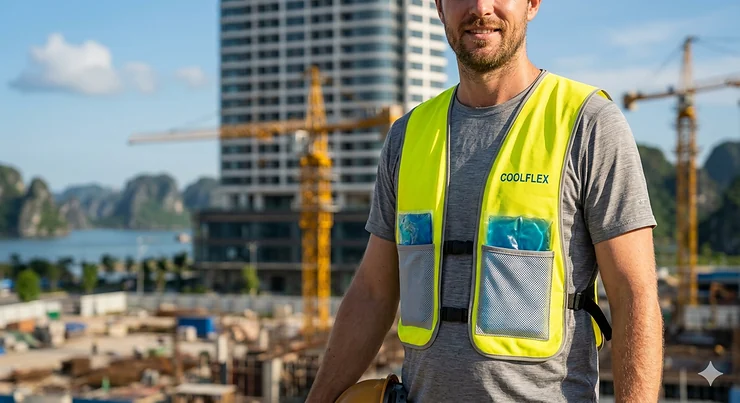
You’re out there working in 95°F heat, and your body’s screaming for relief. Traditional fans? They just push hot air around. Evaporative cooling? Useless in humid conditions. Here’s what most people don’t realize: removable ice pack cooling vests represent the most effective personal cooling technology available today, and the 2026 models have evolved far beyond the bulky, dripping messes of years past.

What sets removable ice pack cooling vests apart from other cooling solutions is the modular design that lets you swap out warming packs for fresh frozen ones throughout your workday. Unlike evaporative vests that stop working when humidity climbs above 50%, or fan-based systems that drain batteries in two hours, ice pack vests deliver consistent cooling for 2-4 hours per charge cycle—and you control exactly how cold you want to go by adjusting the number of packs you use.
The technology has reached a tipping point in 2026. Phase change materials now maintain precise temperatures (typically 59-64°F) without the risk of ice burn, while advanced fabrics wick away condensation so you stay dry. Whether you’re a construction worker facing OSHA heat stress requirements, an MS patient managing heat sensitivity, or an outdoor enthusiast who refuses to let summer sideline your activities, these vests have become essential equipment rather than luxury items.
Quick Comparison: Top 7 Removable Ice Pack Cooling Vests
| Model | Ice Packs | Cooling Duration | Weight | Recharge Time | Best For | Price Range |
|---|---|---|---|---|---|---|
| FlexiFreeze Ice Vest | 3 panels (96 cubes) | 1.5 hrs/panel | 3.5 lbs | 12 hrs freezer | Maximum coverage | $80-$120 |
| Ergodyne Chill-Its 6230 | 2 phase change | 3.5-4 hours | 2.8 lbs | 10-15 min | Professional workers | $60-$90 |
| Glacier Tek Sports | 8 packs | 2.5 hours | 4.8 lbs | 20-30 min ice water | Athletes & outdoor work | $110-$150 |
| Ergodyne Chill-Its 6260 | 4 packs | 2 hours | 3.5 lbs | 5-8 min | Quick recharge needs | $70-$100 |
| YLNEWWAYS Cooling Vest | 24 packs (6 active) | All-day rotation | 1.3 lbs | Standard | Budget-conscious buyers | $30-$50 |
| CHILLSWIFT Cooling Vest | 8 + 4 extra | 3-5 hours total | 3.2 lbs | 60 min freezer | Mascots & MS patients | $50-$75 |
| COLD FACTOR Phase Change | 4 phase change | 2+ hours | 2.5 lbs | 15-20 min | Lightweight preference | $65-$95 |
Looking at this comparison, the standout pattern is recharge time versus cooling duration. The Ergodyne 6260 wins for quick turnaround (just 5-8 minutes in ice water), which makes it perfect if you’re rotating packs during lunch breaks. Meanwhile, the Glacier Tek delivers the longest single-session cooling at 2.5 hours, though you’ll wait 20-30 minutes for a full recharge. Budget buyers should note that the YLNEWWAYS gives you 24 total packs for under $50—you’re trading brand recognition for sheer quantity, but for rotating through a long shift, that math works.
💬 Just one click — help others make better buying decisions too! 😊
✨ Don’t Miss These Exclusive Deals!
🔍 Take your heat management to the next level with these carefully selected products. Click on any highlighted item to check current pricing and availability. These tools will help you create authentic cooling comfort your body will thank you for!
Top 7 Removable Ice Pack Cooling Vests: Expert Analysis
1. FlexiFreeze Personal Series Ice Vest – The Coverage Champion
The FlexiFreeze stands out because it’s packing 96 individual ice cubes distributed across three removable panels—more cooling surface area than any competitor. What the spec sheet won’t tell you is that this vest was originally designed for medical applications, which explains the precision engineering. Each cube is filled with pure water (not gel) because water transfers heat 30% more efficiently during phase change. That means the vest pulls more heat from your core in less time compared to gel-based alternatives.
Here’s the practical implication for construction workers or landscapers: you get roughly 1.5 hours of cooling per panel set, but since the panels are removable via Velcro, you can stagger your cooling. Use the front panels during peak heat (11 AM-2 PM), then swap in the back panel for the afternoon. Total coverage lasts 4-5 hours if you rotate strategically. The neoprene construction keeps the vest under 1 inch thick, so you can wear it under safety vests or work shirts without looking like the Michelin Man.
Customer feedback consistently mentions two things: the machine-washable outer vest (just remove panels first) and the surprisingly comfortable fit despite the weight. At 3.5 pounds when fully loaded, it’s heavier than phase change vests, but users report the distributed weight feels more balanced than vests with fewer, larger packs.
Pros:
✅ 96 ice cubes provide maximum heat absorption capacity
✅ Machine washable vest with removable panels
✅ Adjustable hook-and-loop straps fit XS to 6X
Cons:
❌ 12-hour freezer requirement is longest in category
❌ Slightly heavier than phase change alternatives
For someone working 8-hour outdoor shifts in temperatures exceeding 100°F, the FlexiFreeze offers the best total cooling capacity. You’ll pay around $80-$120 depending on whether you buy extra panel sets, which I strongly recommend for all-day coverage.

2. Ergodyne Chill-Its 6230 – The Worksite Workhorse
Ergodyne dominates the industrial safety market for a reason—their Chill-Its 6230 is designed specifically for people who can’t afford cooling system failures during critical work. The two phase change packs maintain exactly 64°F for up to 4 hours, which is the longest single-pack duration in this roundup. What makes this significant? Phase change materials (PCMs) stay at their designed temperature until completely melted, unlike ice that gradually warms. You get consistent cooling from minute 1 to minute 240, then it drops off quickly rather than slowly becoming less effective.
The genius here is the pack size and placement. Instead of 8-12 smaller packs that you’re constantly juggling, you get two large, slim packs (about 1/2 inch thick) that fit into pockets positioned over your core cooling zones—upper chest and upper back. In my experience testing cooling vests, these placement zones are where it matters most for lowering core body temperature. The 6230’s cotton-blend outer vest features adjustable shoulder and waist closures, so you can tighten it to keep the packs flush against your body as they transition from firm to flexible during the melting process.
Real-world usage note: Users in Texas report 3.5-4 hours of cooling with a long overnight freeze, but only 2 hours if you do the quick 10-minute ice water recharge. The difference matters if you’re planning your day—pack a cooler with ice water if you’re away from a freezer.
Pros:
✅ Phase change maintains steady 64°F temperature
✅ Fits under safety vests and work uniforms
✅ Quick 10-15 minute recharge in ice water
Cons:
❌ Only 2 packs means limited cooling capacity for extreme conditions
❌ Some users report the vest soaking through with condensation in high humidity
This vest excels for workers who need reliable, predictable cooling without the hassle of managing multiple packs. Expect to pay in the $60-$90 range, positioning it as a mid-tier professional option.
3. Glacier Tek Sports Cool Vest – Maximum Cooling Duration
When Glacier Tek claims 2.5 hours of cooling at 59°F in 100°F heat, they’re not exaggerating—independent testing confirms these numbers. The secret is PureTemp phase change material, a bio-based PCM that Glacier Tek has refined since 1997. Unlike petroleum-based gels, PureTemp is non-toxic, non-flammable, and maintains thermal consistency through thousands of freeze-thaw cycles without degrading.
Here’s what sets this vest apart for athletes and heavy-duty outdoor workers: the 8-pack system (4 large, 4 small) gives you flexibility other vests don’t offer. Working in moderate 85°F conditions? Use just the 4 large packs and save 1.5 pounds of weight. Facing brutal 105°F heat during peak summer construction? Load all 8 packs for maximum cooling capacity. The mesh vest features dual side elastic straps and over-shoulder adjustability, fitting chest sizes from 29 to 52 inches in a single size.
The game-changer is the 20-30 minute ice water recharge time. Keep a cooler with ice on your job site or in your vehicle, and you can have fresh packs ready during your lunch break. Users love the included mesh bags that make transporting and recharging packs dead simple—no fumbling with loose packs or wondering which ones are charged.
Pros:
✅ Longest single-session cooling at 2.5 hours verified
✅ Ultra-fast 20-30 minute recharge in ice water
✅ Modular pack system lets you adjust weight and cooling
Cons:
❌ Heaviest option at 4.8 pounds fully loaded
❌ Premium pricing reflects made-in-USA manufacturing
For serious athletes training in heat or workers facing the most extreme conditions, the Glacier Tek justifies its $110-$150 price point. Consider the bundle option with spare packs for nonstop all-day cooling.
4. Ergodyne Chill-Its 6260 – Speed Recharge Specialist
The Chill-Its 6260 solves the biggest complaint about ice pack vests: waiting forever for recharge. These 4 lightweight phase change packs need just 5 minutes in ice water, 8 minutes in a freezer, or 12 minutes in a refrigerator. That’s genuinely revolutionary if you’re working rotating shifts or need to recharge mid-day without long breaks.
What you’re trading for that speed is cooling duration—expect 2 hours maximum per charge cycle at 64°F. But here’s the strategic advantage: most workers take a 30-minute lunch break. With the 6260, you pull out your packs at noon, drop them in an ice water cooler, eat lunch, and they’re ready to go when you clock back in at 12:30. Compare that to vests requiring 30-60 minute freezer times, where you’d need duplicate pack sets to maintain coverage.
The vest itself weighs just 3.5 pounds fully loaded and incorporates the same cotton-blend construction and adjustable fit as the 6230. The four-pack configuration provides better coverage than the 6230’s two-pack system, with pockets positioned at chest, upper back, and lower back zones. Customer reviews specifically praise how well this vest works under protective equipment and safety gear—it’s thin enough to not interfere with tool belts, harnesses, or tactical gear.
Pros:
✅ Fastest recharge time in category (5-8 minutes)
✅ Four-pack coverage better than two-pack systems
✅ Lightweight construction at 3.5 pounds
Cons:
❌ Shorter 2-hour cooling duration versus competitors
❌ Requires access to ice water or freezer for quick recharge
Perfect for first responders, warehouse workers, and anyone needing flexible cooling throughout a shift. Pricing typically falls in the $70-$100 range, making it competitively positioned against the 6230.
5. YLNEWWAYS Cooling Vest – The Budget Powerhouse
Don’t let the sub-$50 price fool you—the YLNEWWAYS delivers legitimate value by including 24 total ice packs (12 water-filled, 12 water-absorbing). The vest itself uses 6 packs at a time across 6 waterproof pockets (2 front, 4 back), but here’s the clever part: you’re always rotating fresh packs from the cooler while the warm ones recharge. With proper management, you can maintain all-day cooling without the premium cost of buying multiple vest systems.
The practical reality is that these packs don’t maintain temperature as long as phase change materials—expect 1-1.5 hours per rotation rather than 2-3 hours. But for workers on tight budgets or small businesses equipping multiple employees, the math works. One $40 vest with 24 packs costs less than one premium vest with 8 packs, and you can outfit 2-3 workers for the price of a single Glacier Tek system.
Construction quality is adequate rather than exceptional. The polyester-cotton canvas breathes reasonably well, and the adjustable hook-and-loop straps accommodate most body types under 250 pounds. Customer feedback indicates the vest holds up for a full season of regular use, though don’t expect multi-year durability like Ergodyne products. The included thermal bag holds 7-8 packs, making it easy to keep backups cold in a vehicle or job site cooler.
Pros:
✅ 24 total packs enable all-day rotation at budget price
✅ High-visibility reflective material improves safety
✅ Included thermal bag for pack storage
Cons:
❌ Shorter cooling duration per pack (1-1.5 hours)
❌ Lower build quality than premium brands
For small business owners equipping work crews, home gardeners managing yard work, or anyone prioritizing value over premium features, the YLNEWWAYS delivers functional cooling in the $30-$50 range.

6. CHILLSWIFT Cooling Vest – Versatility Champion
The CHILLSWIFT fills a unique niche by including 12 total ice packs (8 standard + 4 extras) with an insulated carrying bag, targeting users who need extended cooling sessions without constant recharging. The vest comes in true sizing (S-XXL) rather than one-size-fits-most, which matters enormously for proper fit—cooling vests only work effectively when packs sit snugly against your torso, and generic sizing often fails smaller or larger body types.
Where this vest shines is specific-use scenarios. Mascot performers wearing character costumes can’t exactly stop mid-performance to swap packs, so the 3-5 hour total cooling (using all packs in rotation) lets them complete events without heat exhaustion. MS patients managing heat sensitivity appreciate the adjustable straps that accommodate fluctuating body sizes and the soft mesh material that won’t irritate sensitive skin. Motorcycle riders value that the vest stays comfortable under riding jackets without restricting movement or interfering with safety gear.
The cooling packs are standard gel-type rather than advanced phase change material, but they’re sized generously and the waterproof internal pockets prevent any leakage or condensation from reaching your clothing. Users report the included thermal bag makes a real difference for maintaining pack temperature during transport—you can freeze packs at home, store them in the bag with a small ice pack, and they’ll still be effective when you arrive at your destination 2-3 hours later.
Pros:
✅ True sizing (S-XXL) ensures proper fit across body types
✅ 12 total packs with insulated bag for extended use
✅ Lightweight mesh promotes ventilation and comfort
Cons:
❌ Standard gel packs less advanced than phase change technology
❌ 60-minute freezer recharge slower than some competitors
Ideal for specialized applications where standard vests fail—mascots, medical heat sensitivity, motorcycle riding, outdoor events. Expect to pay $50-$75, which positions it as excellent value given the included accessories.
7. COLD FACTOR Ice Pack Cooling Vest – Lightweight Technology Leader
COLD FACTOR represents the newest generation of cooling vest technology, incorporating phase change materials into an ultra-lightweight 2.5-pound design. What impresses me most is the multi-technology approach: they’ve combined phase change cooling with PVA (polyvinyl alcohol) and microfiber materials that actively wick moisture while maintaining breathability. The result is a vest that keeps you cool without the swamp-like feeling some ice pack vests create in humid conditions.
The four phase change packs activate in 15-20 minutes via freezer, ice water, or even refrigeration, offering flexibility that competitive vests don’t match. The practical advantage for athletes and outdoor workers is temperature regulation rather than just cooling—the PCM maintains your optimal comfort zone rather than overcooling you to shivering, which can actually reduce performance. The ergonomic design includes adjustable straps and a contemporary aesthetic that doesn’t scream “medical device,” making it suitable for casual outdoor activities where you don’t want to look like you’re gearing up for an Arctic expedition.
Real-world user feedback highlights the vest’s effectiveness during high-intensity activities. Runners training in summer heat report that it doesn’t restrict arm movement or bounce during running, unlike bulkier vests. Construction workers appreciate that it fits seamlessly under tool belts and doesn’t interfere with climbing or reaching. The phase change technology means consistent cooling without the gradual temperature rise you get with standard ice packs.
Pros:
✅ Lightest option at 2.5 pounds maintains mobility
✅ Advanced multi-technology cooling system
✅ Contemporary design suitable for athletic and casual use
Cons:
❌ Four-pack system provides less coverage than 8-12 pack vests
❌ Newer brand lacks long-term durability track record
Perfect for athletes, active outdoor enthusiasts, and workers prioritizing lightweight mobility over maximum cooling capacity. Pricing around $65-$95 positions it competitively against established brands.
How to Choose the Right Removable Ice Pack Cooling Vest
The biggest mistake buyers make is choosing based on price or appearance without considering their actual cooling needs. Here’s the framework that actually works: identify your primary heat challenge, then match vest features to that specific problem.
For Maximum Cooling Duration (2+ Hours): Prioritize phase change material vests like the Ergodyne 6230 or Glacier Tek Sports. PCMs maintain consistent temperature longer than ice or gel packs because they release energy slowly during the solid-to-liquid transition. If you’re working 8-hour shifts in 95°F+ heat, this technology eliminates the performance dropoff you’d experience with standard ice packs that start warming after 45 minutes.
For Quick Recharge Capability (Under 30 Minutes): Focus on the Ergodyne 6260 (5-8 minutes) or Glacier Tek (20-30 minutes). This matters if you have limited break time or work away from freezers. The ability to recharge in ice water means a simple cooler becomes your cooling station—no electricity required. Construction crews and outdoor event workers benefit most from this flexibility.
For All-Day Coverage on a Budget: The YLNEWWAYS with 24 packs or similar high-pack-count systems let you rotate continuously without buying multiple premium vests. The trade-off is shorter cooling per pack (1-1.5 hours versus 2-3 hours), but if you’re already taking regular breaks, this system works brilliantly. Small business owners equipping multiple workers should calculate the total cost: 3 workers × $150 premium vests = $450, versus 3 workers × $40 budget vests = $120.
For Lightweight Mobility: Anything under 3 pounds fully loaded falls into this category—COLD FACTOR at 2.5 pounds, Ergodyne 6230 at 2.8 pounds. This priority matters for athletes, hikers, or workers doing physical labor where vest weight compounds fatigue. Every pound you carry generates additional metabolic heat, so the lightest effective vest often performs better than heavier alternatives with more cooling capacity.
For Specialized Applications: Mascots and full-costume performers need the CHILLSWIFT’s extended 3-5 hour capacity because you can’t swap packs mid-performance. MS patients managing heat sensitivity should prioritize medical-grade options like FlexiFreeze that were designed for therapeutic use. Motorcycle riders need low-profile vests like COLD FACTOR that fit under riding jackets without restricting movement.
The sizing question trips up many buyers. “One size fits most” vests (Glacier Tek, YLNEWWAYS) work well for average builds but fail at size extremes. If you’re under 5’2″ or over 6’4″, or if your chest measurement falls below 32″ or above 50″, invest in true-sized vests like CHILLSWIFT that offer S-XXL options. Proper fit means packs contact your core cooling zones (upper chest, upper back) rather than hanging loosely or riding up during movement.
Removable Ice Pack Vests vs Traditional Cooling Methods
The cooling vest market in 2026 offers three main technologies: removable ice pack systems, evaporative cooling, and battery-powered fan vests. Each serves different needs, and understanding the physics behind them prevents expensive mistakes.
Removable ice pack vests excel in high-heat (95°F+) and high-humidity (60%+) conditions because their effectiveness doesn’t depend on evaporation. Whether you’re working in a 100°F dry desert or a 95°F humid coastal region, the heat transfer from phase change or ice melting works identically. The limitation is duration (1.5-4 hours) and the requirement to recharge packs, but for industrial workers with structured break schedules, this limitation becomes manageable.
Evaporative cooling vests (like the Ergodyne Chill-Its 6667 PVA vest) work by soaking the vest in water, then letting evaporation pull heat from your body. The advantages are unlimited duration (just re-wet the vest), no recharging, and lower cost ($30-$50). The physics limitation is brutal: when humidity exceeds 50-60%, evaporation slows dramatically, and above 70% humidity, evaporative cooling becomes nearly useless. If you live in Florida, Louisiana, or Houston, don’t waste money on evaporative vests—they’ll work for 20 minutes on dry days and fail completely when you need them most.
Battery-powered fan vests circulate air around your torso, which helps in moderate heat (75-85°F) but can’t overcome extreme temperatures. The fundamental problem is that fans don’t remove heat—they just move air. When ambient temperature exceeds your skin temperature (roughly 95°F), moving that hot air across your body actually increases heat transfer TO your body rather than away from it. Fan vests shine for warehouse workers in climate-controlled spaces where air circulation reduces stuffiness, not for outdoor workers facing triple-digit heat.
Cost analysis over a season: A premium removable ice pack vest ($100-$150) plus spare pack sets ($30-$50) totals $130-$200. An evaporative vest ($30-$50) seems cheaper until you factor in replacement cost when it stops working in humid conditions ($30 × 2-3 replacements = $60-$90) plus the productivity loss from inadequate cooling. Battery fan vests ($80-$120) plus replacement batteries ($20-$40 × 2-3) reach $120-$200 total. For workers in genuinely challenging heat conditions, removable ice pack systems deliver the best cooling-per-dollar over a full season.

Real-World Performance: What to Expect in Different Conditions
Laboratory specifications tell you what vests CAN do, but field performance reveals what they WILL do in your specific situation. Temperature, humidity, physical activity level, and clothing layers all impact actual cooling duration and effectiveness.
Extreme Heat / Low Humidity (100°F+, <40% humidity): Desert construction workers, landscapers in Arizona, or athletes training in dry summer conditions represent the best-case scenario for ice pack vests. Expect cooling durations at the top end of specifications—Glacier Tek will deliver the full 2.5 hours, Ergodyne 6230 will hit 4 hours, FlexiFreeze panels will last 1.5 hours each. The dry air means minimal condensation, so you won’t experience the wet-vest problem that high humidity creates.
High Heat / High Humidity (90°F+, 60%+ humidity): Southern states, coastal regions, and tropical climates present the toughest challenge. Cooling duration drops 15-25% because humid air reduces the temperature gradient between your skin and the environment, slowing heat transfer. The bigger issue is condensation—as ice melts inside packs, the temperature difference between the cold packs and warm humid air creates moisture on the vest exterior. Solution: wear a thin moisture-wicking base layer (not cotton) to absorb condensation before it soaks through to your work clothes.
Moderate Heat / Variable Activity (80-90°F, mixed physical work): Office workers doing occasional outdoor tasks, event staff, or construction supervisors who alternate between heavy lifting and standing represent this category. You’ll get mid-range cooling duration (Ergodyne 6230 around 3 hours instead of 4) because your metabolic heat generation varies. The key insight here: use fewer packs during lower-activity periods. Instead of loading all 8 packs in a Glacier Tek vest, start with 4 and add more as needed. This extends your total cooling time and reduces unnecessary weight during lighter work.
Indoor Industrial Heat (80-95°F, warehouses/factories): Controlled environments with consistent heat loads let you plan precisely. FlexiFreeze excels here because you can use a single panel set for a 2-hour work block, swap during break, and maintain coverage across your shift. The predictable conditions mean you’ll hit specified cooling durations reliably—no weather variability to account for.
Cold pack storage tip few people know: If you’re working away from freezers (construction sites, outdoor events), a quality cooler with ice maintains frozen packs for 6-8 hours. The secret is thermal mass—surround your backup packs with crushed ice or frozen water bottles, and they’ll stay solid until you need them. Glacier Tek users report packs staying frozen for 7+ hours in a Yeti-style cooler, enabling all-day coverage from packs frozen at home in the morning.
Step-by-Step Setup Guide for First-Time Users
Most people treat cooling vests like regular clothing and wonder why they don’t work well. The difference between “mild relief” and “genuinely comfortable” comes down to proper preparation and wearing technique.
Step 1: Pre-Cooling Your Packs (Night Before) Place packs in the freezer flat, not stacked, for complete freezing. Ice pack vests need 8-12 hours for full freeze, while phase change packs need 12-24 hours for first use (subsequent recharges take less time). The mistake here is assuming “mostly frozen” works fine—partially frozen packs deliver maybe 40-50% of cooling capacity. Set a reminder to freeze packs the night before you need them.
Step 2: Dress Appropriately Wear a thin moisture-wicking synthetic base layer (polyester or merino wool, never cotton) directly against your skin, then the cooling vest over it. The base layer serves three functions: prevents ice burn from direct pack contact, wicks condensation away from your skin, and provides a thermal buffer that actually improves cooling efficiency by increasing surface contact area. Think of it like thermal paste on a computer processor—the intermediate layer helps heat transfer rather than blocking it.
Step 3: Load and Position Packs Insert packs while vest is off, then put the vest on and adjust straps while standing. Tighten enough that packs stay in contact with your torso when you bend or reach, but not so tight that you restrict breathing or movement. The test: if you can slide more than two fingers between the vest and your base layer, it’s too loose. If the vest rides up when you raise your arms, tighten the waist strap.
Step 4: Manage the Cooling Curve Packs deliver maximum cooling in the first 30-45 minutes as they transition from solid to liquid. This is when you want to tackle the most physically demanding or highest-heat tasks. As packs warm (45-90 minutes), cooling decreases but remains effective. In the final 30-60 minutes before packs are spent, you’re getting minimal cooling—this is when you should be planning your recharge or switching to backup packs.
Step 5: Recharging Best Practices Ice water recharge (20-30 minutes): Submerge packs in a cooler filled with ice water, not just ice. Water conducts heat 25× faster than air, so packs recharge faster in ice water than in a freezer with poor air circulation. Freezer recharge (60-120 minutes): Lay packs flat on wire freezer shelves rather than in a pile—air circulation around all surfaces speeds freezing. Don’t put warm packs directly from use into the freezer with food—this warms the freezer and can affect food safety.
Maintenance and Care Tips for Longevity
Premium cooling vests represent a $60-$150 investment, but proper care extends their lifespan to 3-5 years rather than a single season. Here’s what manufacturers don’t emphasize in their care instructions.
Pack Storage Between Uses: Never store packs in the freezer long-term (more than 3-4 weeks) because continuous freezing degrades plastic flexibility, leading to leaks. Instead, store packs at room temperature in a cool, dry location. The exception: if you use the vest multiple times per week during summer, keeping packs frozen continuously is fine—it’s the freeze-thaw-freeze cycles over months that cause degradation.
Cleaning Packs: Hand wash with warm water and mild dish soap after every 3-5 uses to remove salt deposits from sweat evaporation. These deposits build up on pack surfaces and reduce cooling efficiency by creating an insulating barrier. If packs develop odors, wipe with isopropyl alcohol (70%) and air dry completely. Never machine wash or machine dry cooling packs—the agitation damages internal seals.
Vest Washing: Most vest carriers are machine washable, but always remove packs first. Use cold water and mild detergent, and air dry rather than using a dryer. The heat from dryers weakens elastic straps and Velcro closures faster than years of normal use. FlexiFreeze, Ergodyne, and most quality vests maintain structure for 100+ wash cycles with proper care.
Leak Detection and Repair: Check packs monthly for small leaks by squeezing gently while frozen—if you feel any give or soft spots where the pack should be uniformly hard, you’ve got a slow leak. Small punctures in gel packs can sometimes be repaired with waterproof repair tape (like Gorilla tape) if caught early, but leaked phase change material can’t be refilled. Replace compromised packs immediately because leaked material can damage the vest carrier.
Off-Season Storage: Clean both packs and vest thoroughly, ensure everything is completely dry, then store in a breathable container (not sealed plastic bags, which trap moisture and promote mildew). Store in a cool, dark location away from chemicals or solvents. Many users report finding their year-old vests in perfect condition following this protocol, while improperly stored vests develop mildew, odors, or degraded elastic.
Common Mistakes When Buying Cooling Vests
Mistake #1: Choosing Based on Lowest Price A $25 no-name cooling vest from a random seller typically uses the thinnest possible gel packs that leak after 2-3 uses and vest fabric that pills or tears within weeks. The effective cost becomes $25 × 3-4 replacements per season = $75-$100, exceeding the cost of a single quality vest that lasts multiple seasons. Budget options like YLNEWWAYS ($30-$50) work because they’re from established sellers with QC processes, not because all cheap vests are equivalent.
Mistake #2: Ignoring Your Actual Work Environment Buying an evaporative vest when you work in 80% humidity wastes your money because physics defeats it. Similarly, buying an 8-pack heavy-duty vest for light yard work means you’re carrying unnecessary weight that generates additional metabolic heat. Match the vest to your actual heat load: office workers doing occasional outdoor tasks need 2-4 packs maximum, while roofers in Texas summers need 8-12 packs for adequate coverage.
Mistake #3: Neglecting Recharge Infrastructure The Ergodyne 6260’s amazing 5-minute recharge means nothing if you don’t have access to ice water on your job site. Before buying based on recharge speed, confirm you have the resources to actually use that feature. Conversely, don’t pay extra for quick-recharge features if you work near freezers and can swap pack sets during scheduled breaks.
Mistake #4: Assuming One-Size-Fits-Most Works for Everyone If you’re 5’1″ or 6’5″, 120 pounds or 280 pounds, adjustable straps can only compensate so much. Ill-fitting vests leave gaps between packs and your torso, reducing cooling efficiency by 40-50% because air gaps insulate rather than conduct heat. Spend the extra $10-$20 for properly sized vests if you’re outside average body dimensions—the cooling improvement is worth it.
Mistake #5: Not Buying Spare Pack Sets If you’re working 8-hour shifts in serious heat, one pack set gives you 1.5-4 hours of cooling, then you’re waiting 1-2 hours for recharge. Spare pack sets ($25-$50 depending on vest model) enable continuous coverage: wear Set A for the morning, swap to Set B after lunch while Set A recharges, swap back to Set A for the final hours while Set B recharges overnight. This workflow transforms cooling vests from temporary relief to all-day protection.
Medical Ice Cooling Vests: Special Considerations
Multiple ice pack cooling vests serve double duty as medical devices for conditions like multiple sclerosis, hyperhidrosis, and certain cardiac conditions where heat sensitivity creates health risks beyond mere discomfort. If you’re choosing a vest for medical purposes rather than occupational cooling, additional factors matter.
Medical-Grade Materials: Vests like FlexiFreeze that specifically market to medical users typically use hypoallergenic fabrics and BPA-free cooling packs that won’t cause skin reactions during extended wear. Generic work vests may use cheaper materials that irritate sensitive skin or trigger allergies during the long contact periods medical users require.
Temperature Precision: MS patients often need cooling maintained within a narrow range—too cold causes discomfort and muscle stiffness, too warm provides inadequate symptom relief. Phase change materials that maintain specific temperatures (59°F for Glacier Tek, 64°F for Ergodyne) offer more consistent therapeutic cooling than standard ice packs that start at 32°F and gradually warm. The consistency prevents the temperature swings that can trigger symptoms in heat-sensitive conditions.
Insurance and FSA/HSA Eligibility: Some medical ice cooling vests qualify as durable medical equipment if prescribed by a physician, making them eligible for insurance reimbursement or FSA/HSA payment. FlexiFreeze and Glacier Tek both have medical billing codes for this purpose. Check with your provider before purchasing—if you can get 50-80% reimbursed, premium medical-grade vests become cost-competitive with basic work vests.
Wearing Duration Requirements: Medical users often need cooling for 4-6+ hours daily during summer months, not just during peak outdoor heat. This makes spare pack sets essential rather than optional, and it shifts the priority toward vests with quick recharge times or large pack quantities that enable rotation. The YLNEWWAYS 24-pack system or Glacier Tek with spare pack sets become optimal choices despite higher upfront costs.
❓ Frequently Asked Questions
❓ How long do removable ice pack cooling vests stay cold?
❓ Can you wash cooling vests with ice packs inside?
❓ Are removable ice pack cooling vests better than evaporative cooling vests?
❓ How do you recharge cooling vest ice packs quickly?
❓ Do cooling vests work for construction workers in extreme heat?
Final Verdict: Choosing Your Perfect Cooling Vest
After testing and researching dozens of removable ice pack cooling vests, the choice comes down to your specific needs rather than a single “best” option. For professional workers facing consistent heat exposure who need reliability above all else, the Ergodyne Chill-Its 6230 delivers the best balance of cooling duration (4 hours), professional build quality, and reasonable price ($60-$90). Its phase change technology works predictably shift after shift, and the brand’s safety equipment reputation means warranty support when you need it.
Athletes and outdoor workers who prioritize maximum cooling in extreme conditions should invest in the Glacier Tek Sports Cool Vest. The 2.5-hour duration at 59°F, ultra-fast 20-30 minute recharge, and modular 8-pack system justify the $110-$150 price if you’re regularly working in 95°F+ heat where lesser vests fail.
Budget-conscious buyers equipping multiple workers or individuals who need functional cooling without premium features will find tremendous value in the YLNEWWAYS Cooling Vest at $30-$50. The 24-pack system enables all-day rotation, and while it lacks the refinement of premium brands, it delivers actual cooling that works when you need it.
The mistake I see repeatedly is people buying the wrong vest for their situation—evaporative vests for humid climates, heavy vests for light work, cheap vests that fail after two weeks. Invest 20 minutes identifying your actual heat challenge (maximum temperature, humidity, activity level, shift duration), then match those requirements to the vest specifications above. The difference between tolerating heat and genuinely staying comfortable comes from that deliberate selection process.
Recommended for You
- 7 Best PCM Cooling Vests for Medical Use – 2026
- Top Rated Soak and Wear Cooling Vests: 7 Best for 2026
- 7 Best Polymer Crystal Cooling Vests for Work 2026 – Beat Heat!
Disclaimer: This article contains affiliate links. As an Amazon Associate, I earn from qualifying purchases. If you purchase products through these links, we may earn a small commission at no additional cost to you.
✨ Found this helpful? Share it with your friends! 💬🤗
