

In This Article
Picture this: it’s 6 AM, the thermometer reads 25°F, and your breath creates tiny clouds in the darkness. Most people are burrowed under blankets, but you? You’re lacing up for your morning run. The difference between a miserable slog and an exhilarating winter workout often comes down to one crucial piece of gear—your cold weather running tights.
I learned this lesson the hard way during a January half-marathon training cycle. My standard running leggings left me shivering through the first two miles, only to have me overheating and uncomfortable by mile five. That experience sent me on a quest to find the perfect balance of warmth, breathability, and performance. After testing dozens of pairs through countless frosty mornings and researching the latest thermal technologies, I’ve discovered what truly separates exceptional winter running tights from the mediocre ones.
The right cold weather running tights aren’t just about staying warm—they’re about maintaining optimal body temperature, wicking away moisture, and providing freedom of movement without the bulk. Whether you’re training for a spring marathon, maintaining your fitness through winter, or simply refusing to let freezing temperatures derail your running routine, the tights you choose can make or break your cold-weather training experience.
Quick Comparison Table: Top Cold Weather Running Tights
| Product | Temperature Range | Key Features | Price Range | Best For |
|---|---|---|---|---|
| Under Armour ColdGear Run Tights | 20-50°F | Dual-layer fabric, brushed interior, anti-odor | $45-65 | All-around performance |
| Baleaf Winter Running Tights | 20-50°F | Fleece-lined, water-resistant, 3 pockets | $30-40 | Budget-conscious runners |
| Adidas COLD.RDY Techfit Tights | 15-45°F | COLD.RDY insulation, compression fit | $50-70 | Compression enthusiasts |
| TSLA Thermal Compression Pants | 25-55°F | Micro-fleece lining, 4-way stretch | $20-35 | Best value (2-pack available) |
| New Balance Impact Run Heat Tight | 10-40°F | NB HEAT technology, brushed interior | $55-75 | Extreme cold conditions |
| CW-X Endurance Generator Insulator | 5-35°F | EXO-WEB support, WarmStretch fabric | $90-120 | Joint support & warmth |
| Nike Therma-FIT One Tights | 25-50°F | Therma-FIT tech, high-waisted design | $55-80 | Women’s specific fit |
💬 Just one click – help others make better buying decisions too! 😊
Top 7 Cold Weather Running Tights: Expert Analysis
1. Under Armour ColdGear Run Tights – Premium Performance Without the Premium Price
Under Armour ColdGear Run Tights represent the sweet spot where performance meets affordability. These tights feature dual-layer ColdGear construction that combines a smooth, fast-drying exterior with a brushed, heat-trapping interior—a combination that kept me comfortable during 32°F runs with 15-25 mph winds.
Key Specifications:
- Dual-layer fabric with brushed interior
- 4-way stretch construction
- Anti-odor technology
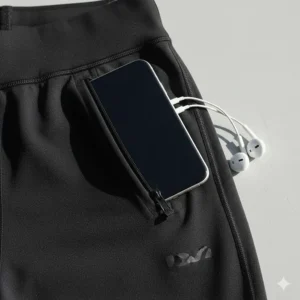
- Secure zip back pocket
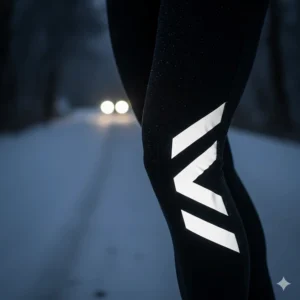
- Reflective details
Price: $45-65 on Amazon
The material wicks sweat remarkably fast, and I never experienced that clammy feeling that cheaper tights give you. The encased elastic waistband with internal drawcord ensures a perfect stay-put fit, even during interval training. Customer feedback consistently praises how these tights maintain warmth without causing overheating—a critical balance for runners who vary their pace.
✅ Pros:
- Excellent warmth-to-weight ratio
- Superior moisture management
- Stays in place during dynamic movements
❌ Cons:
- Runs slightly small (consider sizing up)
- Limited color options
Best for: Runners seeking reliable all-weather performance without breaking the bank.
2. Baleaf Winter Running Tights – Budget-Friendly Warmth That Doesn’t Compromise
The Baleaf Men’s Winter Running Tights prove you don’t need to spend a fortune for quality cold-weather gear. With ultra-soft fleece lining and water-resistant outer fabric, these tights deliver impressive warmth for temperatures ranging from 20-50°F.
Key Specifications:
- Fleece-lined thermal fabric
- Water-resistant coating
- 3 utility pockets (2 side + 1 back zipper)
- Ankle zippers for easy on/off
- Reflective logo
Price: $30-40 on Amazon
What impressed me most was the thoughtful pocket design—two side patch pockets and an upgraded back zipper pocket easily accommodated my phone without annoying bounce. The ankle zippers make getting these on and off surprisingly easy, especially when you’re dealing with cold, stiff fingers. Customer reviews highlight the exceptional value, with many runners reporting these hold up well after multiple washes.
✅ Pros:
- Unbeatable price-to-performance ratio
- Excellent pocket configuration
- Water-resistant for light rain/snow
❌ Cons:
- Fleece may feel too warm above 45°F
- Sizing can be inconsistent
Best for: Budget-conscious runners or those new to winter running.
3. Adidas COLD.RDY Techfit Long Tights – Engineered Compression for Peak Performance
Adidas Techfit COLD.RDY Training Long Tights bring serious engineering to cold-weather running. The COLD.RDY insulation technology reflects body heat back to your muscles, while the Techfit compression fit generates explosive power and reduces muscle fatigue.
Key Specifications:
- COLD.RDY insulation technology
- Techfit compression design
- AEROREADY moisture management
- Mesh ventilation panels
- Made with 70% recycled materials
Price: $50-70 on Amazon
The compression is genuine—you’ll feel supported from hip to ankle without restriction. During tempo runs in 30°F weather, these tights maintained perfect temperature regulation, never letting me overheat but keeping the chill at bay. The slim fit feels athletic and supportive, and customers particularly appreciate how the elastic waistband stays secure during dynamic movements.
✅ Pros:
- True compression support
- Excellent temperature regulation around 35°F
- Sustainable materials
❌ Cons:
- May feel too snug for casual wear
- Higher compression not ideal for recovery runs
Best for: Performance-focused runners who want compression benefits with thermal protection.
4. TSLA Thermal Compression Pants – Unmatched Value in Cold Weather Gear
The TSLA Men’s Thermal Compression Pants deliver shocking quality at an almost unbelievable price point. Available in affordable 2-packs, these tights feature micro-fleece lining that provides warmth and moisture-wicking capabilities.
Key Specifications:
- Micro-fleece lining
- Non-abrasion fabric with 4-way stretch
- Flatlock seams for comfort
- Elastic waistband with drawcord
- Quick-drying technology
Price: $20-35 on Amazon (often available in 2-packs for $35-45)
Don’t let the budget price fool you—these tights punch well above their weight class. The fleece lining provides genuine warmth without bulk, and the 4-way stretch allows unrestricted movement. I’ve used these for everything from easy recovery runs to winter cross-training, and they’ve held up remarkably well. The value proposition becomes even better when you opt for the 2-pack, giving you backup pairs for under $40.
✅ Pros:
- Incredible value, especially in 2-packs
- Versatile for multiple sports
- Quick-drying fabric
❌ Cons:
- Sizing can run large
- May not provide enough warmth below 20°F
Best for: Runners wanting multiple pairs or those unsure about investing heavily in winter gear.
5. New Balance Impact Run Heat Tight – Built for Brutal Cold
When temperatures plummet below freezing, the New Balance Men’s Impact Run Heat Tight becomes your best friend. Featuring NB HEAT technology and brushed interior fabric, these tights are engineered specifically for the coldest running conditions.
Key Specifications:
- NB HEAT technology
- Warm polyknit construction with brushed interior
- Drop-in pockets
- Reflective detailing
- Fitted silhouette
Price: $55-75 on Amazon
These tights excel in bitter cold—I’ve tested them in high-20°F weather and felt genuinely comfortable throughout 8-mile runs. The brushed interior creates an insulating layer without the bulk of heavier fleece, and the polyknit construction moves moisture away efficiently. Reviewers consistently note these run slightly small, so sizing up from your standard pant size is recommended. The drop-in pockets keep valuables secure without adding bounce.
✅ Pros:
- Exceptional warmth for extreme cold
- Superior moisture-wicking
- Minimal bulk despite insulation
❌ Cons:
- Runs small (size up recommended)
- May be overkill for temperatures above 40°F
Best for: Serious winter runners in frigid climates who refuse to move indoors.
6. CW-X Endurance Generator Insulator – Maximum Support Meets Winter Protection
The CW-X Endurance Generator Insulator Thermal Compression Tights represent the pinnacle of compression technology combined with cold-weather protection. These aren’t just tights—they’re a complete support system for your legs.
Key Specifications:
- Patented EXO-WEB support technology
- WarmStretch temperature-regulation fabric
- Graduated compression
- Targeted joint support (hip, knee, hamstring, quad)
- Moisture-wicking construction
Price: $90-120 on Amazon
The EXO-WEB technology mimics kinesiology taping techniques, providing strategic support to muscles and joints during movement. I noticed the difference immediately—my legs felt less fatigued on longer runs, and the knee support proved beneficial during hill workouts. The WarmStretch fabric maintains a constant comfortable surface temperature across varying conditions. While the premium price may give pause, runners dealing with knee issues or IT band problems find these invaluable.
✅ Pros:
- Unparalleled joint and muscle support
- Ideal for runners with knee concerns
- Durable construction
❌ Cons:
- Premium price point
- Very tight compression (challenging to get on initially)
Best for: Runners seeking maximum support or those with joint concerns who train through winter.
7. Nike Therma-FIT One Tights – Women-Specific Design That Delivers
The Nike Therma-FIT One Women’s High-Waisted Leggings combine Nike’s trusted thermal technology with a flattering, functional fit designed specifically for women runners. These tights prove that performance gear doesn’t require sacrificing style.
Key Specifications:
- Nike Therma-FIT technology
- High-waisted design
- Soft, brushed interior
- Non-sheer fabric
- Tight, body-hugging fit
Price: $55-80 on Nike.com and Amazon
The high-rise waistband stays put without digging in, a feature women runners particularly appreciate during varied-pace workouts. Therma-FIT technology manages your body’s natural heat effectively—I found these perfect for 25-50°F conditions. The brushed interior feels luxurious against skin while trapping warmth, and the sturdy, non-sheer fabric provides confidence during any movement. Customer feedback consistently highlights the comfortable, supportive feel and flattering fit.
✅ Pros:
- Excellent temperature regulation
- Flattering high-waisted fit
- Non-sheer at all angles
❌ Cons:
- Limited to moderate cold (not ideal below 25°F)
- Premium pricing
Best for: Women runners seeking reliable cold-weather tights with superior fit and style.
✨ Don’t Miss These Exclusive Deals!
🔍 Take your cold weather running to the next level with these carefully selected products. Click on any highlighted item to check current pricing and availability. These tights will help you maintain your training momentum all winter long!
Understanding Cold Weather Running Tights Technology
The evolution of cold weather running tights has been nothing short of revolutionary. Modern thermal fabrics work on a simple but effective principle: trap body heat while allowing moisture to escape. This dual action prevents the dangerous combination of sweat accumulation and cold air that leads to hypothermia.
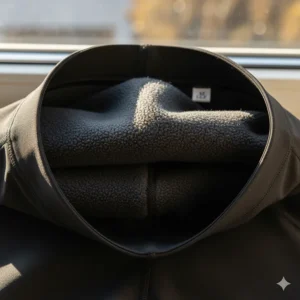
Brushed Interior Fabrics create tiny air pockets that trap heat near your skin. Brands like Under Armour and New Balance use this technology extensively, with the soft, plush interior feeling comfortable while providing genuine warmth. The brushing process also enhances moisture-wicking capabilities, pulling sweat away from your body more efficiently.
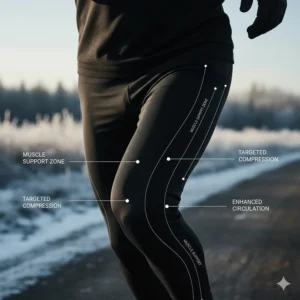
Compression Technology serves multiple purposes in winter running tights. Beyond the obvious muscle support benefits, compression helps maintain blood flow to extremities, keeping legs warmer and reducing the risk of cold-related muscle strains. According to Mayo Clinic Health System, proper cold-weather gear combined with adequate warmup reduces injury risk significantly.
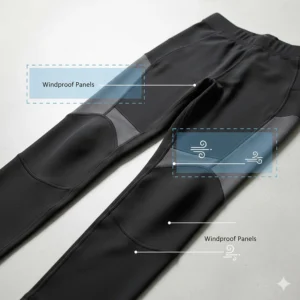
Windproof Panels strategically placed on the front of thighs and shins protect against wind chill—often the most challenging aspect of winter running. Some tights, like the TSLA thermal cycling pants, incorporate TPU film technology that blocks wind penetration while maintaining breathability.
How to Choose the Right Cold Weather Running Tights
Selecting the perfect cold weather running tights requires understanding your specific needs and running conditions. Temperature tolerance varies significantly among individuals—what keeps one runner comfortable at 30°F might leave another shivering.
Temperature Rating Matters Most
Match your tights to your typical running temperatures. Lightweight thermal tights work well for 40-55°F conditions, while heavy-duty insulated versions handle temperatures below 20°F. Mid-weight options like the Under Armour ColdGear serve the 20-45°F range most runners encounter.
Consider Your Running Intensity
High-intensity interval training generates more body heat than easy recovery runs. If you vary your pace significantly, opt for tights with better ventilation panels. The Adidas COLD.RDY features mesh panels specifically designed for this purpose.
Fit and Compression Levels
Decide whether you want compression support or a more relaxed fit. True compression tights like the CW-X Endurance Generator feel tight initially but provide genuine muscle support. Relaxed-fit thermal tights offer comfort without the snug feel but sacrifice some performance benefits.
Pocket Requirements
Modern runners need storage for phones, keys, and fuel. Evaluate pocket placement and security—side pockets work for keys but often bounce with phones, while back zipper pockets provide more secure phone storage.
Budget Considerations
Quality cold weather running tights range from $20 to $120. Budget options like TSLA deliver surprising value, while premium choices like CW-X justify higher costs with advanced support technology. Most runners find the $45-70 range offers the best balance of features and durability.
Layering Strategies for Winter Running
Effective winter running rarely involves just tights alone. Understanding proper layering techniques maximizes comfort and safety during cold-weather training.
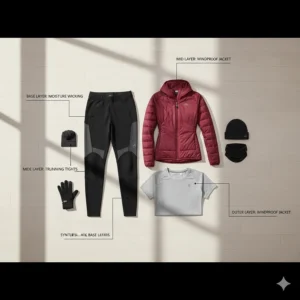
The Three-Layer System
Start with moisture-wicking base layers on top, add your thermal running tights on bottom, and finish with windproof outer layers when temperatures drop below freezing. This system allows you to regulate temperature by removing or adding layers as you warm up.
When to Add Windproof Pants Over Tights
For temperatures below 15°F or when facing significant wind chill, consider adding windproof pants over your thermal tights. This approach provides adjustability—shed the outer layer if you overheat, but maintain the thermal base.
Avoiding the Sweat-Chill Cycle
The biggest mistake winter runners make is overdressing. Mayo Clinic experts recommend dressing as if it’s 15-20 degrees warmer than the actual temperature, accounting for the heat your body generates during exercise.
Post-Run Temperature Management
Immediately after finishing your run, change out of sweaty gear—even if you feel warm. Wet clothing rapidly conducts heat away from your body once you stop moving, significantly increasing hypothermia risk.
Caring for Your Cold Weather Running Tights
Proper maintenance extends the life of your thermal running tights and maintains their performance characteristics.
Washing Best Practices
Always wash cold weather running tights in cold water on a gentle cycle. Hot water breaks down elastic fibers and damages thermal coatings. Turn tights inside-out before washing to protect the outer surface from abrasion.
Drying Methods
Air-drying preserves elasticity and thermal properties better than machine drying. If you must use a dryer, select the lowest heat setting. High heat degrades elastic components and can melt synthetic thermal coatings.
Storage Tips
Store tights folded rather than hung to prevent waistband stretching. Keep them in a cool, dry place away from direct sunlight, which can fade colors and weaken fabrics over time.
When to Replace
Quality running tights typically last 200-300 washes or 1-2 years of regular use. Replace tights when you notice reduced compression, visible fabric thinning, or diminished warmth. Sagging waistbands or stretched-out knee areas indicate it’s time for new gear.
Safety Considerations for Cold Weather Running
Winter running requires extra precautions beyond just wearing the right tights. Understanding cold-weather risks helps you train safely throughout winter months.
Frostbite Prevention
While cold weather running tights protect your legs effectively, exposed skin remains vulnerable. According to medical experts, frostbite can occur on exposed skin within 30 minutes or less when wind chill drops below minus 18°F. Cover all exposed areas when temperatures approach these extremes.
Hypothermia Awareness
Hypothermia symptoms include intense shivering, slurred speech, loss of coordination, and unusual fatigue. Always inform someone of your running route and expected return time. Carry a charged phone for emergencies.
Traction and Visibility
Winter conditions reduce visibility and create slippery surfaces. Wear reflective gear beyond just what’s on your tights. Consider adding traction devices to shoes when running on ice or packed snow.
Hydration Requirements
Don’t skip hydration because it’s cold—you still lose significant fluid through respiration and sweating. Carry fluids for runs longer than 45 minutes, even in freezing temperatures. Adding electrolytes prevents the water from freezing as quickly.
Common Mistakes Winter Runners Make
Learning from common errors saves discomfort and potential injury during cold-weather training.
Overdressing
The most frequent mistake is wearing too many layers. You should feel slightly cool during the first 5-10 minutes of your run. If you’re comfortable standing still, you’ll likely overheat once moving.
Ignoring Wind Direction
Always start your run heading into the wind. Running with wind at your back initially feels great but returning against the wind while sweaty dramatically increases cold exposure risk.
Neglecting Warmup
Cold muscles require longer warmup periods. Double your usual warmup time in winter—dynamic movements inside before heading out prepare your body better than starting cold.
Skipping Post-Run Care
Failing to change immediately after finishing your run invites trouble. Wet clothing next to skin rapidly drops body temperature once you stop generating heat.
Maximizing Performance in Cold Weather Tights
Getting the most from your cold weather running tights involves more than just putting them on.
Pre-Run Preparation
Allow tights to reach room temperature before wearing them. Putting on cold tights shocks your system and makes the initial minutes of your run less comfortable. Store them indoors rather than in a cold garage.
Adjusting Pace Expectations
Cold weather naturally affects performance. Muscles take longer to reach optimal operating temperature, and cardiovascular demands increase. Accept slightly slower paces during the adaptation period.
Recovery Optimization
Cold weather running places additional stress on your body. Extend recovery periods between hard workouts, and don’t hesitate to incorporate more easy runs during deep winter training blocks.
Mental Strategies
Winter running challenges your mental toughness more than summer training. Focus on the unique benefits—fresh air, beautiful winter scenery, and the satisfaction of maintaining consistency when others quit.
FAQ: Cold Weather Running Tights Answered
❓ How cold is too cold for running in tights alone?
❓ Can I wear regular compression tights in winter instead of thermal ones?
❓ What temperature range works best for fleece-lined running tights?
❓ Do I need different tights for different winter temperatures?
❓ How do I prevent my running tights from sliding down during winter runs?
Conclusion: Embrace Winter Running with Confidence
Finding the right cold weather running tights transforms winter from a training obstacle into an opportunity for building mental toughness and maintaining fitness. Whether you’re investing in premium CW-X compression technology, discovering the exceptional value of TSLA thermal pants, or finding the perfect balance with Under Armour ColdGear, the right tights make winter running not just bearable but genuinely enjoyable.
Remember that cold weather running tights are an investment in your year-round fitness. Quality pairs last multiple seasons, making the initial cost far more reasonable when calculated over their lifespan. Start with one solid pair that matches your typical running temperatures, then expand your cold-weather wardrobe as your needs evolve.
The runners who thrive in winter aren’t necessarily tougher—they’re simply better equipped. With the right cold weather running tights protecting your legs, proper layering techniques, and respect for safety considerations, you’ll discover that some of your most memorable and satisfying runs happen when everyone else stays inside.
Don’t let winter sideline your running goals. Choose the tights that match your needs, dress appropriately, and experience the unique satisfaction that comes from conquering cold-weather challenges. Your spring race performance will thank you for the consistent winter training miles.
Recommended for You
- 7 Best Cold Weather Running Gear for Winter 2025 | Expert Guide
- 7 Best Cycling Clothing for Cold Weather 2025: Stay Warm
- 7 Best Cold Weather Cycling Gear for Winter Rides 2025
Disclaimer: This article contains affiliate links. If you purchase products through these links, we may earn a small commission at no additional cost to you.
✨ Found this helpful? Share it with your friends! 💬🤗
