
In This Article
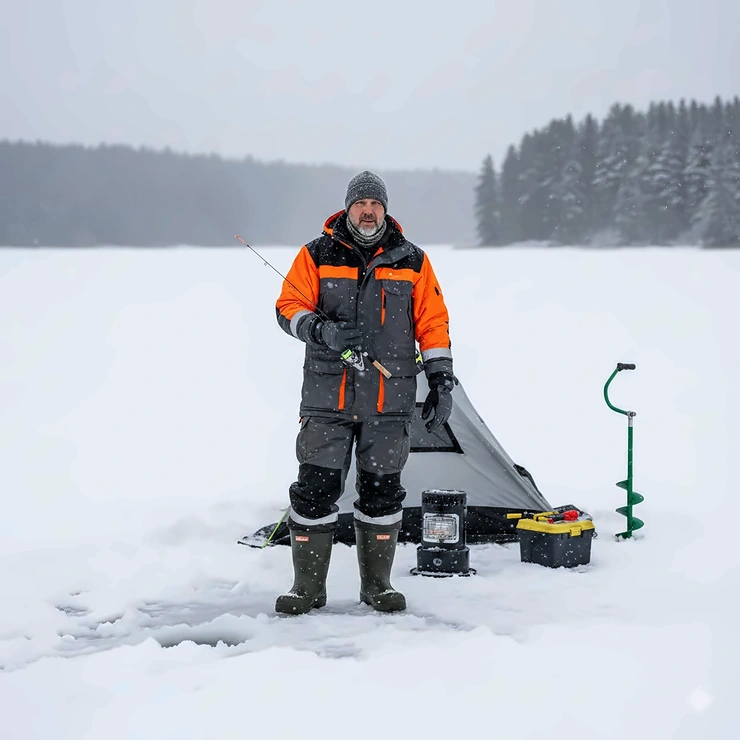
I still remember my first ice fishing trip—thirty minutes in, my fingers were numb, my toes felt like blocks of ice, and I swore I’d never go winter fishing again. Fast forward ten years, and I’m now chasing fish year-round, even when the thermometer dips below freezing. The difference? Investing in proper cold weather fishing gear.
Here’s the thing most anglers don’t realize: the difference between a miserable outing and an incredible winter fishing experience comes down to having the right equipment. You don’t need to spend thousands of dollars, but you absolutely need gear that keeps you warm, dry, and mobile enough to actually catch fish.
In this comprehensive guide, I’m sharing seven essential pieces of cold weather fishing gear that have transformed my winter angling adventures. These aren’t just random picks—each product has been tested in real-world conditions by anglers who understand what it takes to stay comfortable when temperatures plummet. Whether you’re ice fishing on a frozen lake or casting for steelhead in frigid tailwaters, this gear will keep you fishing longer and catching more.
Quick Comparison Table: Top Cold Weather Fishing Gear at a Glance
| Product | Type | Temperature Rating | Waterproof | Price Range | Best For |
|---|---|---|---|---|---|
| KastKing Mountain Mist Gloves | Convertible Gloves | 35°F+ | Water-Resistant | $20-30 | Versatility & Dexterity |
| KastKing IceRiver Gloves | Full Waterproof Gloves | Below 32°F | 100% Waterproof | $30-40 | Extreme Cold & Wet |
| Simms Challenger Jacket | Insulated Jacket | Below 0°F | 100% Waterproof | $300-350 | Premium Protection |
| Carhartt Super Dux Bibs | Insulated Bibs | -40°F | Water-Repellent | $180-220 | Heavy-Duty Use |
| FROGG TOGGS Ultra-Lite2 | Rain Suit | 40°F+ | Waterproof | $20-35 | Budget Emergency |
| Korkers Polar Vortex Boots | Insulated Boots | -40°F | Waterproof | $180-220 | Interchangeable Traction |
| Thermal Base Layer Set | Base Layer | Varies | Moisture-Wicking | $25-50 | Foundation Layer |
💬 Just one click – help others make better buying decisions too!😊
Top 7 Cold Weather Fishing Gear: Expert Analysis 🏆
1. KastKing Mountain Mist Fishing Gloves – Best Convertible Design
If you’ve ever tried tying a fishing knot with full gloves on, you know the frustration. The KastKing Mountain Mist Fishing Gloves solve this problem with their clever convertible fingerless design that lets you expose just your fingertips without removing the entire glove.
Key Specifications:
- Fleece-lined with waterproof backing
- Touchscreen-compatible fingertips
- Anti-slip polymer palm pattern
- Hook-and-loop finger covers
Price Range: $20-30
These gloves feature snug-fitting slots in three fingers and the thumb that allow you to fold back just the tips when you need dexterity for tasks like changing lures, tying knots, or checking your phone. The microfiber palm material extends glove life while providing excellent grip even in wet conditions.
Customer Feedback: Anglers consistently praise these for keeping hands warm during snowstorms while still allowing the finger mobility needed for fishing tasks. One user reported fishing through a snow storm and credited these gloves with preventing frozen fingers that would have ended the trip early.
✅ Pros:
- Exceptional versatility with convertible design
- Touchscreen functionality without exposure
- Great grip in all weather conditions
❌ Cons:
- Not fully waterproof (water-resistant only)
- May run small (consider sizing up)
2. KastKing IceRiver Waterproof Fishing Gloves – Best for Extreme Cold
When you need maximum protection against cold and wet conditions, the KastKing IceRiver Waterproof Fishing Gloves deliver serious performance. These aren’t convertible like their Mountain Mist cousins—they’re built for one purpose: keeping your hands completely dry and warm in brutal conditions.
Key Specifications:
- 2.2mm neoprene construction
- 100% waterproof with sealed seams
- 1mm polar fleece lining
- Embossed non-slip palm
Price Range: $30-40
Manufactured with premium neoprene rubber and featuring bound, stitched, and glued seams, water simply cannot penetrate these gloves. The neoprene material maintains flexibility even in extremely low temperatures, making them ideal for ice fishing where you’re constantly handling wet equipment.
Customer Feedback: Users report these gloves fit snugly (like a wetsuit should) and provide exceptional warmth. Multiple reviewers mentioned the fleece insulation combined with waterproofing creates a winning combination for long sessions on the ice.
✅ Pros:
- Completely waterproof protection
- Maintains flexibility in extreme cold
- Excellent warmth-to-bulk ratio
❌ Cons:
- Reduced dexterity compared to convertible styles
- Can feel tight initially (requires break-in period)
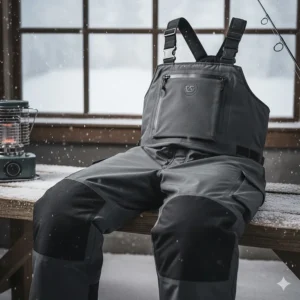
3. Simms Challenger Insulated Jacket – Premium Cold-Weather Protection
When conditions turn truly fierce, the Simms Challenger Insulated Jacket stands as the gold standard for cold-weather fishing outerwear. Yes, it’s expensive, but this jacket represents decades of Simms’ experience engineering gear for serious anglers who refuse to let weather dictate their fishing schedule.
Key Specifications:
- 2-layer Toray waterproof fabric technology
- PrimaLoft Rise insulation (133g body, 100g sleeves)
- Fully taped seams
- 3-point adjustable storm hood
Price Range: $300-350
The jacket’s QuadraLam fabric features a micro-porous waterproof coating with single membrane layer and tricot backer for improved durability. PrimaLoft Silver insulation throughout maintains 85% of its warmth even when wet—a critical feature for anglers who can’t always stay perfectly dry.
Multiple zippered pockets include handwarmer pockets with tricot lining, chest pocket with tethered sunglasses chamois, and internal security pocket. The 3-point adjustable hood is fully insulated and features brushed tricot collar lining for comfort.
Customer Feedback: Tournament anglers and guides consistently rate this as the best insulated fishing jacket available. One reviewer noted fishing an all-day bass tournament in rain and staying completely dry and warm. The jacket runs slightly large, which reviewers appreciate as it allows proper layering underneath.
✅ Pros:
- Industry-leading warmth and waterproofing
- Excellent mobility despite insulation
- Thoughtful design features for anglers
❌ Cons:
- Premium pricing
- Runs large (may need to size down)
4. Carhartt Super Dux Insulated Bibs – Best Heavy-Duty Value
Named after Carhartt’s original 1930s outdoor gear line, the Carhartt Super Dux Insulated Bibs bring legendary durability to modern cold-weather fishing. These bibs offer warmth rated to extreme conditions while maintaining the mobility active anglers need.
Key Specifications:
- 7.75-ounce nylon with Rain Defender coating
- 3M Thinsulate insulation (Level 4 warmth rating)
- Ankle-to-thigh leg zippers
- Multiple utility pockets
Price Range: $180-220
The bibs feature water-repellent, wind-resistant construction with breathable membrane technology. The 3M Thinsulate provides excellent insulation while remaining relatively lightweight, allowing comfortable movement between fishing holes or while carrying gear.
Ankle-to-thigh zippers with storm flaps make getting in and out easy without removing boots—a feature ice anglers particularly appreciate. The adjustable strap system uses modern quick-release clips that are much easier to operate with gloves than traditional metal fasteners.
Customer Feedback: Users consistently praise the exceptional warmth, with several noting these are the warmest bibs they’ve owned. The main criticism involves the zipper length, with some wishing it extended slightly farther for easier removal over large boots. One angler noted staying warm all day on the ice despite temperatures well below zero.
✅ Pros:
- Outstanding warmth-to-weight ratio
- Excellent durability and build quality
- More affordable than premium fishing-specific bibs
❌ Cons:
- Stiff when brand new (requires break-in)
- Leg zippers could be longer
5. FROGG TOGGS Ultra-Lite2 Rain Suit – Best Budget Emergency Gear
Every angler should have emergency rain gear, and the FROGG TOGGS Ultra-Lite2 Rain Suit delivers waterproof protection at an almost unbelievable price point. While not designed for heavy-duty use like premium options, this suit excels as backup gear or for occasional cold-weather anglers.
Key Specifications:
- Waterproof, breathable polypropylene material
- ASTM F1695 protection rated
- Adjustable hood with cord locks
- Includes stuff sack for both pieces
Price Range: $20-35
The suit’s nonwoven polypropylene construction is surprisingly effective at keeping water out while allowing moisture to escape. The jacket features full front zipper with storm flap and elastic cuffs, while pants have elastic waist and straight-leg design.
This ultra-lightweight suit compresses easily, making it perfect for keeping in your vehicle, boat, or backpack as insurance against unexpected weather changes. FROGG TOGGS has been manufacturing affordable outdoor gear since 1996, and this suit remains their most popular offering.
Customer Feedback: Users appreciate the suit’s portability and price more than its durability. Most report it works excellently for light use but shouldn’t be expected to withstand rugged conditions or repeated exposure to sharp objects. For the price, however, it’s hard to beat as emergency gear.
✅ Pros:
- Extremely affordable
- Surprisingly effective waterproofing
- Ultra-lightweight and packable
❌ Cons:
- Not durable for heavy use
- Tears easily on sharp objects
- Material can feel “crinkly”
6. Korkers Polar Vortex Boots – Best for Interchangeable Traction
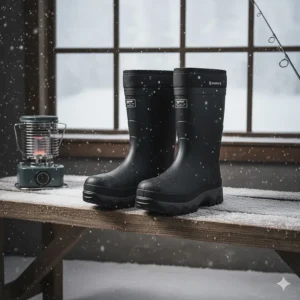
Traction on ice can literally be a life-or-death issue, and the Korkers Polar Vortex Boots address this with their innovative OmniTrax interchangeable sole system. Swap between standard rubber lugs and carbide-studded soles depending on conditions.
Key Specifications:
- 1200 grams 3M Thinsulate insulation
- BOA Fit System for easy adjustments
- OmniTrax interchangeable sole system
- Six protective layers underfoot
Price Range: $180-220
The boots come with SnowTrac rubber lug soles and are compatible with seven different sole options, including carbide-studded versions for glare ice. The BOA Fit System replaces traditional laces with a dial mechanism on the upper ankle, allowing quick adjustments even with gloves on.
Rated for extreme cold conditions down to -40°F, these boots feature comprehensive insulation throughout while maintaining surprisingly reasonable weight. The upper section offers flexibility and support for all on-ice activities without feeling bulky or restrictive.
Customer Feedback: Anglers love the versatility of changing traction systems to match conditions. Several reviewers noted using standard soles for walking and drilling holes, then switching to carbide cleats for slippery conditions. The BOA system receives consistent praise for convenience, and users report feet staying warm during extended sessions in brutal cold.
✅ Pros:
- Unmatched traction versatility
- Excellent warmth in extreme cold
- BOA system works great with gloves
❌ Cons:
- Higher price point
- Additional sole systems cost extra
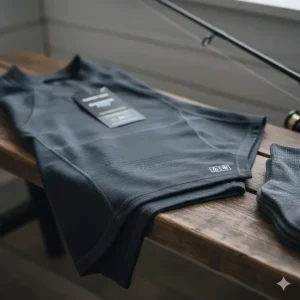
7. Thermal Base Layer Sets – Essential Foundation Layer
No amount of expensive outerwear will keep you warm if you don’t have proper base layers, and quality thermal underwear sets form the foundation of effective cold-weather layering. Multiple brands offer excellent options in the $25-50 range.
Key Specifications (typical):
- 92% polyester / 8% spandex blend
- Fleece-lined for extra warmth
- Moisture-wicking technology
- Four-way stretch design
Price Range: $25-50
Quality base layers made from synthetic materials or merino wool wick moisture away from your skin while trapping body heat. The key is avoiding cotton, which retains moisture and will actually make you colder. Look for materials specifically designed for cold-weather activity with features like flat-seam construction to prevent chafing.
The four-way stretch design allows unrestricted movement for fishing activities, while the fleece lining provides warmth without excessive bulk. Many sets feature antimicrobial properties to reduce odor during extended wear.
Customer Feedback: Users consistently emphasize the importance of proper base layers, with many reporting they make more difference than any single outer layer. Merino wool receives particular praise for warmth and odor resistance, though synthetic options often provide better moisture-wicking for active anglers who generate significant body heat.
✅ Pros:
- Excellent warmth-to-weight ratio
- Effective moisture management
- Affordable pricing
❌ Cons:
- Requires proper sizing (not too tight)
- Quality varies significantly between brands
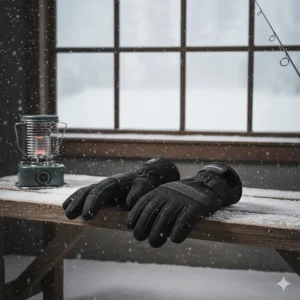
Understanding Cold Weather Fishing Gear: What Makes It Special? 🧊
Cold weather fishing gear differs fundamentally from regular outdoor clothing because it must address unique challenges anglers face. You’re not just standing around—you’re engaging in activities that require dexterity, mobility, and often extended periods of minimal movement punctuated by bursts of intense activity.
The Science of Staying Warm While Fishing
Your body generates heat through metabolism, but cold air, wind, and especially water can strip that heat away faster than you can produce it. According to Minnesota Sea Grant research, water cools the human body at least 24 times faster than air at the same temperature. This is why waterproofing matters so much for fishing gear.
When you’re ice fishing or fishing cold-weather tailwaters, you face constant exposure to moisture—whether from precipitation, splashing water, wet ice, or even your own sweat. The best cold weather fishing gear manages this moisture while maintaining insulation and allowing enough breathability to prevent overheating during active periods.
Layering: The Foundation of Cold Weather Fishing
Successful cold weather anglers understand the three-layer system:
Base Layer (Next-to-Skin): Moisture-wicking materials like synthetic fabrics or merino wool that move sweat away from your body. This layer should fit snugly but not restrictively.
Mid Layer (Insulation): Fleece, synthetic insulation, or down that traps warm air near your body. This layer provides the bulk of your warmth and should be easily adjustable as your activity level changes.
Outer Layer (Shell): Waterproof and windproof protection that keeps the elements out while allowing moisture to escape. For fishing, this must also provide mobility for casting, netting fish, and handling equipment.
The beauty of this system is adaptability. You can add or remove layers as conditions change throughout the day, maintaining comfort without getting too hot or too cold.
Waterproof vs. Water-Resistant: A Critical Distinction
Many anglers don’t understand the difference between these terms, and it matters tremendously for fishing applications:
Waterproof gear features sealed seams and membranes that prevent water penetration entirely. This is essential for activities where you’ll be kneeling on wet ice, handling fish in frigid water, or facing prolonged precipitation. Look for fully taped seams and materials like Gore-Tex or quality neoprene.
Water-resistant gear can handle light moisture but will eventually wet through during extended exposure. This works fine for activities where you’ll mostly stay dry but need protection against occasional splashes or light precipitation.
For serious cold weather fishing, prioritize waterproof protection in key areas: hands (gloves), feet (boots), and your outer shell (jacket and bibs). Mid-layers and base layers can be water-resistant as long as your outer shell keeps them dry.
How to Choose Cold Weather Fishing Gear: 7 Essential Factors ⚖️
1. Know Your Fishing Style and Activity Level
Stationary ice anglers sitting in shelters need different gear than mobile anglers constantly drilling holes and walking between spots. Fly fishers wading cold rivers need maximum mobility, while boat anglers can prioritize warmth over flexibility. Match your gear to how you actually fish, not an idealized version of your fishing style.
2. Understand Temperature Ratings (But Don’t Obsess)
Manufacturers’ temperature ratings provide rough guidelines, but individual tolerance varies significantly. Someone who generates lots of body heat while moving may find -40°F-rated boots too warm, while someone who sits stationary for hours might feel cold in those same boots at 20°F. Consider ratings as starting points, then adjust based on your personal experience.
3. Prioritize Fit Over Fashion
Ill-fitting gear doesn’t just look bad—it compromises performance. Too-tight clothing restricts blood flow, making you colder. Too-loose gear creates air pockets that fail to trap body heat effectively. Try gear on with the layers you’ll actually wear underneath, and move around to test mobility. Fishing requires specific movements like casting, reaching, and bending that normal walking doesn’t reveal.
4. Invest in Quality Where It Matters Most
You don’t need premium everything, but invest in key pieces that make the biggest difference:
- Boots and gloves (extremities get cold first and impact your ability to fish)
- Outer shell (this protects everything else)
- Base layers (the foundation of your entire system)
Budget options often work fine for mid-layers or backup gear, but don’t cheap out on the pieces that directly impact your comfort and safety.
5. Consider Versatility and Cross-Season Use
The best cold weather fishing gear often works for multiple outdoor activities. Quality insulated bibs serve equally well for hunting, snowmobiling, or ice fishing. Premium gloves work for photography, hiking, or winter camping. Buying versatile gear increases value and ensures you’ll use it enough to justify the investment.
6. Don’t Forget Accessories
Even the best jacket and bibs won’t keep you comfortable without proper accessories:
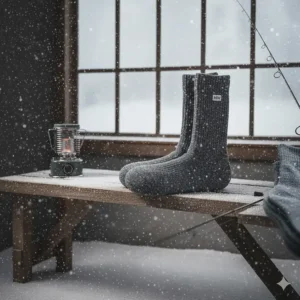
- Warm socks (merino wool is excellent)
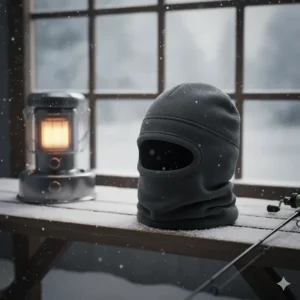
- Insulated hat or balaclava
- Neck gaiter or face mask
- Hand warmers for extremely cold conditions
- Extra dry base layers in your vehicle
These smaller items often make the difference between comfortable and miserable, yet anglers frequently overlook them.
7. Test Before Committing to Long Sessions
Don’t plan an all-day ice fishing trip the first time you use new cold weather gear. Test it on shorter outings to identify any issues with fit, warmth, or mobility before you’re miles from shelter in deteriorating conditions. This also lets you practice putting on and removing gear with cold hands—a skill you’ll appreciate when it matters.
Cold Weather Fishing Safety: Avoiding Hypothermia 🚨
Understanding hypothermia isn’t just academic—it’s critical safety information every cold-weather angler needs. According to the Alaska Department of Fish & Game, hypothermia can occur at temperatures as high as 60°F when combined with wind and moisture.
Recognizing Hypothermia Symptoms
Mild Hypothermia (98-90°F):
- Intense shivering
- Slurred speech
- Loss of coordination
- Confusion and memory loss
Moderate Hypothermia (90-86°F):
- Violent shivering stops
- Drowsiness and exhaustion
- Disorientation and confusion intensify
- Muscle stiffness begins
Severe Hypothermia (Below 86°F):
- No shivering
- Unconsciousness
- Weak pulse and breathing
- Dilated pupils
The Maryland Department of Natural Resources emphasizes the “1-10-1 rule” for cold water immersion: you have one minute to control your breathing, 10 minutes of viable muscle control for self-rescue, and approximately one hour until hypothermia causes unconsciousness.
Prevention Strategies
Stay Dry: This cannot be overstated. Wet clothing loses up to 90% of its insulating value. Waterproof gear isn’t optional for serious cold-weather fishing—it’s essential safety equipment.
Layer Properly: Multiple thin layers trap more heat than single thick layers and allow you to adjust as activity levels change. Never wear cotton base layers—it retains moisture and will make you dangerously cold.
Stay Fueled: Your body needs fuel to generate heat. Eat high-energy foods like nuts, trail mix, and protein bars throughout the day. Stay hydrated, as dehydration makes you more susceptible to cold.
Know Your Limits: Pay attention to your body. If you start shivering uncontrollably or feel confused, these are warning signs. Don’t try to “tough it out”—seek warm shelter immediately.
Never Fish Alone: In cold conditions, having a partner isn’t just nice—it’s a critical safety measure. Someone needs to be able to call for help or provide assistance if things go wrong.
Keep Emergency Gear in Your Vehicle: Pack dry clothes, towels, blankets, hand warmers, and a thermos of hot liquid. If someone gets wet or shows hypothermia signs, these items could save their life.
Maintaining Your Cold Weather Fishing Gear 🛠️
Proper maintenance extends gear life and ensures it performs when you need it most.
Waterproof Gear Care
Waterproof membranes require specific care. Wash with specialized cleaners like Nikwax or other DWR (Durable Water Repellent) treatments. Regular detergents can damage waterproof coatings, and fabric softeners actively harm breathability. After washing, tumble dry on low heat to reactivate the DWR coating.
Inspect seams regularly for damage or separation. Many manufacturers offer seam sealer for repairs. Small holes or tears in waterproof fabric can often be patched with specialized repair tape designed for outdoor gear.
Insulated Clothing Maintenance
Store insulated gear loosely rather than compressed to maintain loft. Compression damages insulation over time, reducing warmth. Clean insulated items according to manufacturer instructions—many require specific detergents and drying methods.
Avoid hanging insulated jackets and bibs by hooks or narrow hangers that create stress points. Instead, use wide hangers or fold them for storage.
Boot Care
Dry boots thoroughly after each use, both inside and out. Remove liners if possible and dry separately. Newspaper stuffed inside boots absorbs moisture effectively. Never put boots directly next to heat sources like radiators or fires—excessive heat damages waterproofing and can cause glues to fail.
Apply waterproofing treatments as needed throughout the season. Even quality waterproof boots benefit from periodic retreatment, especially in salt water environments.
Glove Maintenance
Rinse gloves in fresh water after saltwater use to prevent material degradation. Neoprene gloves can be hung to dry but shouldn’t be wrung out aggressively. Check stitching regularly and repair small separations before they become major failures.
For fleece-lined gloves, ensure they’re completely dry before storage to prevent odor and potential mold issues.
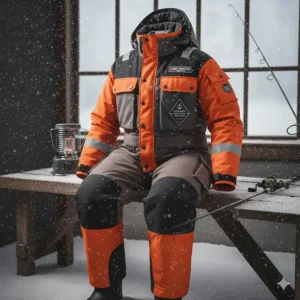
Budget Considerations: Building Your Cold Weather Fishing Kit 💰
You don’t need to spend thousands on cold weather gear, but you do need to invest strategically. Here’s how to build a functional kit at different budget levels:
Starter Budget ($150-250)
Focus on essentials:
- Budget thermal base layers ($25-35)
- FROGG TOGGS rain suit ($25-35)
- Affordable winter boots ($60-90)
- Basic insulated gloves ($20-35)
- Warm hat and neck gaiter ($15-25)
This level provides basic protection for occasional cold-weather fishing or learning whether you enjoy winter angling enough to justify further investment.
Intermediate Budget ($400-600)
Upgrade key pieces:
- Quality thermal base layers ($40-60)
- Mid-range insulated bibs ($150-200)
- Good winter fishing boots ($120-150)
- Quality fishing gloves ($35-50)
- Fleece mid-layer ($40-60)
- Accessories and backups ($50)
This level provides reliable comfort for regular cold-weather fishing throughout the season.
Premium Budget ($800-1200)
Invest in top-tier performance:
- Premium base layers ($60-80)
- Simms or similar premium jacket ($300-350)
- Quality insulated bibs ($200-250)
- Premium boots with advanced features ($180-220)
- Multiple glove options ($80-100)
- Quality mid-layers and accessories ($150)
This level delivers maximum comfort and durability for serious cold-weather anglers who spend significant time on the water year-round.
Remember: you can build a premium kit gradually. Start with budget basics, identify what matters most for your fishing style, then upgrade one piece at a time as budget allows.
Advanced Tips for Cold Weather Fishing Success 🎯
The Power of Merino Wool
Experienced cold-weather anglers swear by merino wool socks and base layers. Unlike synthetic materials, merino regulates temperature effectively in varying conditions, resists odor naturally, and maintains warmth even when damp. Yes, it costs more than synthetic alternatives, but many anglers consider it worth every penny.
Chemical Heat Packs: Use Them Right
Disposable toe and hand warmers can be lifesavers, but most people use them incorrectly. Activate them 15-20 minutes before you need them so they’re producing maximum heat when you’re coldest. Place toe warmers on TOP of your toes (between sock and boot), not underneath where your body weight restricts oxygen flow needed for the chemical reaction.
The Vapor Barrier System
Advanced layering sometimes includes vapor barrier liners—thin waterproof layers worn over base layers to trap body heat and moisture. This sounds counterintuitive, but in extreme cold, preventing moisture from reaching outer layers keeps insulation more effective. This technique requires understanding and isn’t for everyone, but guides in extremely cold climates swear by it.
Breathing and Warm-Up Techniques
Your breath creates moisture that can freeze on face masks and glasses. Breathing into your jacket or through your nose rather than mouth reduces this issue. Before putting on your outer layers, do light exercises to generate body heat—your insulation works better when your body is already warm.
The “Change-Out” Method
Keep a complete change of clothes in your vehicle, including dry base layers. If you get wet or just extremely cold, having the option to change into fresh, dry clothing can transform your day. Pack these in a waterproof bag or container.
Regional Considerations: Adapting to Your Climate 🌡️
Cold weather fishing varies dramatically by region, and gear that works in Minnesota might be overkill in coastal Oregon.
Northern Ice Fishing (Minnesota, Wisconsin, Upper Michigan)
Temperatures regularly reach -20°F or colder. Prioritize:
- Extreme cold-rated boots (at least -40°F rating)
- Full insulation in all layers
- Face protection (balaclavas or face masks)
- Ice shelter or portable warming options
Coastal Cold Water Fishing (Pacific Northwest, Northeast)
Wet conditions with temperatures 25-45°F. Prioritize:
- Superior waterproofing over extreme insulation
- Breathable layers for active fishing
- Neoprene gloves for water contact
- Waders designed for cold water
Southern Cold Snaps (Gulf Coast, Southern States)
Occasional cold with temperatures 30-50°F. Prioritize:
- Versatile layering systems
- Water-resistant rather than fully waterproof
- Budget-friendly options for occasional use
- Focus on wind protection
Mountain Tailwaters (Rocky Mountain Region)
Cold water with variable air temperatures. Prioritize:
- Layering for temperature swings
- Breathable waders
- Quality glove options for different conditions
- Sun protection even in cold weather
FAQ: Your Cold Weather Fishing Gear Questions Answered ❓
❓ How cold is too cold for fishing?
❓ Do I really need expensive cold weather fishing gear or will budget options work?
❓ What's the best way to keep my hands warm while still being able to handle fishing line?
❓ How do I prevent my fishing line from freezing?
❓ What temperature rating should I look for in cold weather fishing boots?
Conclusion: Invest in Comfort, Catch More Fish 🎣
Cold weather fishing opens opportunities most anglers miss—less crowded waters, aggressive fish, and the peaceful beauty of winter landscapes. But these advantages only matter if you’re comfortable enough to actually enjoy them. The difference between loving winter fishing and hating it comes down to having the right gear.
You don’t need every premium item immediately. Start with quality basics: good boots, reliable gloves, and proper base layers. These foundational pieces keep you comfortable enough to discover whether cold weather fishing suits you. From there, upgrade strategically based on your experience and preferences.
The seven products detailed in this guide represent years of real-world testing by anglers who understand what works when temperatures plummet. Whether you choose budget-friendly options like the FROGG TOGGS suit or invest in premium protection like the Simms Challenger jacket, prioritize gear that keeps you warm, dry, and mobile.
Remember: the best cold weather fishing gear is whatever keeps you fishing longer and catching more. Some anglers need full extreme-cold protection, while others fish comfortably with lighter gear. Listen to your body, learn from experience, and adjust your kit as you discover what works for your specific fishing style and conditions.
Now get out there and experience what you’ve been missing. Winter fish are waiting, and with proper gear, you’ll be comfortable enough to catch them.
Recommended for You
- 7 Best Cold Weather Running Tights for Winter Running 2025
- 7 Best Cold Weather Running Gear for Winter 2025 | Expert Guide
- 7 Best Cycling Clothing for Cold Weather 2025: Stay Warm
Disclaimer: This article contains affiliate links. If you purchase products through these links, we may earn a small commission at no additional cost to you.
✨ Found this helpful? Share it with your friends! 💬🤗
