
In This Article
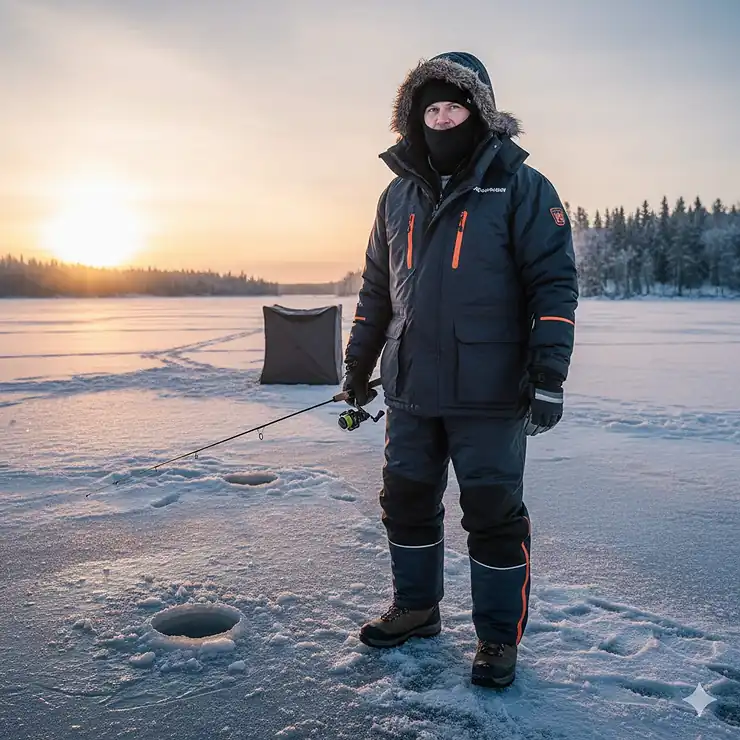
Picture this: you’re standing on frozen water at 5 AM, temperatures hovering around zero, and the walleyes are biting like crazy. Your buddy heads back to shore after 30 minutes, shivering uncontrollably. Meanwhile, you’re comfortable enough to fish all day. What’s the difference? The right cold weather fishing clothes.
I’ve spent over two decades fishing in brutal Midwest winters, and I’ve learned this harsh truth—inadequate cold weather clothing doesn’t just ruin your trip; it can be downright dangerous. According to the National Weather Service, cold water immersion can cause dramatic changes in breathing, heart rate and blood pressure, with cold shock potentially causing drowning even for confident swimmers. The same principle applies to cold air exposure during extended fishing sessions.
Today’s cold weather fishing clothing technology has evolved dramatically. We’re talking NASA-developed insulation, waterproof-breathable fabrics that actually work, and flotation systems that could save your life. Whether you’re ice fishing on Minnesota lakes or chasing winter steelhead in frigid rivers, having the best cold weather fishing clothes means the difference between catching fish and catching hypothermia.
In this guide, you’ll discover the top 7 products that professional anglers rely on, detailed buying strategies, and insider tips that’ll keep you fishing comfortably when temperatures plummet. Let’s dive into what separates weekend warriors who head home early from serious anglers who fish through the coldest conditions.
Quick Comparison Table
| Product | Type | Insulation | Waterproof | Price Range | Best For |
|---|---|---|---|---|---|
| Simms Challenger Jacket | Insulated Jacket | PrimaLoft Rise | Yes (Toray 2-layer) | $350-400 | All-around protection |
| Striker Apex Bibs | Flotation Bibs | Cross Core Aerogel | Yes (Hydrapore) | $500-530 | Extreme cold & safety |
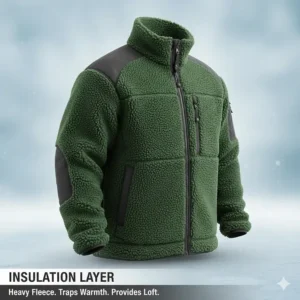
| AFTCO Reaper Hoodie | Technical Fleece | 100% Polyester | No | $75-90 | Layering system |
| Huk Icon X 3L Jacket | Shell Jacket | Mapped insulation | Yes (35k/15k) | $200-220 | Versatile conditions |
| Carhartt Yukon Extremes | Insulated Bibs | Arctic quilt lined | Water-repellent | $200-280 | Budget performance |
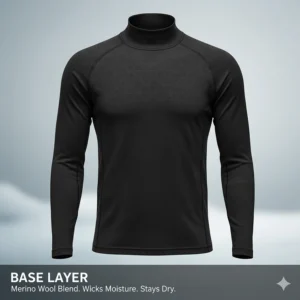
| Woolove Merino Base | Base Layer Set | Merino wool 190g | No | $40-60 | Foundation layer |
| Simms Challenger Bibs | Insulated Bibs | PrimaLoft Silver | Yes (Toray 2-layer) | $350-400 | Premium durability |
✨ Don’t Miss These Exclusive Deals!
🔍 Take your winter fishing to the next level with these carefully selected products. Click on any highlighted item to check current pricing and availability. These tools will help you create authentic comfort your fishing buddies will envy!
Top 7 Cold Weather Fishing Clothes: Expert Analysis
1. Simms Challenger Insulated Jacket – Best Overall Performance
When Simms engineers designed the Challenger Insulated Jacket, they created what many consider the gold standard in cold weather fishing jackets. I’ve tested this jacket in conditions ranging from mild 35°F rain to brutal -10°F windchills, and it consistently delivers exceptional performance.
Key Specifications:
- 2-layer Toray waterproof fabric with fully taped seams
- PrimaLoft Rise insulation (120g body, 100g sleeves)
- 3-point adjustable storm hood
- Brushed tricot-lined collar and hand warmer pockets
Price Range: $350-$400
Customer Feedback: Anglers consistently praise the jacket’s warmth-to-weight ratio. One reviewer mentioned staying comfortable during an all-day Alaska fishing trip in driving rain and 40°F temperatures. The jacket’s mobility impressed tournament bass fishermen who need to cast repeatedly without restriction.
✅ Pros:
- Exceptional warmth without excessive bulk
- Superior waterproofing holds up to heavy rain
- Well-designed pocket layout with sunglasses chamois
❌ Cons:
- Premium price point
- Runs slightly large (consider sizing down)
Best For: Serious anglers who fish frequently in harsh conditions and want professional-grade protection that’ll last for years.
2. Striker Ice Apex Flotation Bibs – Ultimate Cold Weather Safety
These aren’t just bibs—they’re potentially life-saving equipment. The Striker Apex Bibs incorporate PrimaLoft Cross Core technology, which fuses standard PrimaLoft fibers with aerogel, originally developed by NASA for aerospace applications. The result? Unprecedented warmth in a remarkably lightweight package.
Key Specifications:
- PrimaLoft Cross Core insulation with aerogel technology
- Hydrapore waterproof/breathable (10,000mm/5,000g)
- SureFlote flotation technology (up to 2 hours of flotation)
- SuperFabric reinforced knees
- Adjustable shoulder straps with silicone grip
Price Range: $500-$530
Customer Feedback: Ice fishing enthusiasts report staying warm in -30°F conditions with minimal base layering. The aerogel is composed of more than 95% air and acts as a temperature barrier, locking out extreme cold. Multiple users specifically mentioned the peace of mind the flotation system provides when fishing questionable early or late ice.
✅ Pros:
- Lightest warmth available in ice fishing bibs
- Built-in flotation could save your life
- Excellent freedom of movement
- Line Cutterz zipper pull innovation
❌ Cons:
- Significant investment
- May be too warm for temperatures above 20°F
Best For: Ice fishermen who frequently venture onto frozen lakes and want NASA-grade insulation combined with critical safety features.
3. AFTCO Reaper Technical Hoodie – Best Layering Piece
Don’t underestimate the power of a well-designed mid-layer. The AFTCO Reaper Hoodie has become legendary in the fishing community for its integrated face mask and innovative ventilation system. I’ve watched this hoodie transform from niche product to industry standard.
Key Specifications:
- 100% polyester microfleece construction
- Built-in face mask and neck warmer
- Laser-cut underarm ventilation
- Adjustable shock cord hood anchoring system
- Ultra-quiet pocket closures
Price Range: $75-$90
Customer Feedback: Bass tournament fishermen love how the hood anchoring system keeps it in place during high-speed boat runs. The stain-resistant fabric means coffee spills and fish slime wipe away easily. One reviewer noted wearing it 4 days straight on a fishing trip without odor buildup.
✅ Pros:
- Excellent value for money
- Integrated face mask eliminates need for separate gaiter
- Perfect for active fishing (great breathability)
❌ Cons:
- Not waterproof (designed as mid-layer)
- Face mask ventilation takes getting used to
Best For: Active anglers who need versatile layering that works from boat to shore and everything in between.
4. Huk Icon X Superior 3L Shell Jacket – Best Versatility
Huk engineered the Icon X Superior to handle everything nature throws at you. With an impressive 35,000mm waterproof rating and 15,000g breathability, this jacket excels in wet, cold conditions where inferior shells fail miserably.
Key Specifications:
- 100% polyester 3-layer construction
- 35k waterproof / 15k breathable rating
- Articulated hood with fog-free perforation
- Pit zips for temperature regulation
- Two chest pockets plus hand warmer pockets
Price Range: $200-$220
Customer Feedback: Saltwater and freshwater anglers alike report excellent performance in mixed conditions. The pit zips allow quick temperature adjustment when moving between active fishing and stationary waiting. The jacket features moisture transport technology that keeps you dry inside and out.
✅ Pros:
- Outstanding waterproof/breathable performance
- Lightweight and packable
- Excellent ventilation system
❌ Cons:
- No insulation (requires layering in extreme cold)
- Limited internal pockets
Best For: Anglers who fish in variable conditions and prefer a shell-based layering system over all-in-one insulated jackets.
5. Carhartt Yukon Extremes Insulated Biberall – Best Budget Premium Option
Carhartt’s been making workwear for over 125 years, and the Yukon Extremes Biberall represents their top-tier cold weather offering. These bibs prove you don’t need to spend $500+ for serious cold weather protection.
Key Specifications:
- 1000 denier Cordura construction
- Arctic quilt lining throughout
- Water-repellent finish
- Multiple utility pockets
- Ankle-to-thigh leg zippers
Price Range: $200-$280
Customer Feedback: Working professionals and ice fishermen consistently rate these bibs 4.5+ stars. Users report handling -10 degrees with no issues, praising the great pockets that are big and secure, plus great zipper quality for easy slip on and off. The leg zippers make getting them over boots dramatically easier than competitors.
✅ Pros:
- Exceptional warmth for the price
- Legendary Carhartt durability
- Great pocket layout
- Reinforced high-wear areas
❌ Cons:
- Heavy compared to technical fishing bibs
- Can feel stiff when new
- Cordura melts near open flames
Best For: Budget-conscious anglers who need reliable warmth and don’t mind a bit of extra weight for significant cost savings.
6. Woolove 100% Merino Wool Base Layer Set – Best Foundation Layer
Your base layer might be the most critical piece of your cold weather fishing clothing system. The Woolove Merino Base Layer Set delivers premium merino performance at an accessible price point. I’m consistently impressed by how much difference a quality base layer makes.
Key Specifications:
- 100% superfine merino wool (190g/m²)
- Moisture-wicking and odor-resistant
- Machine washable in cold water
- Snug fit with natural stretch
- Includes bonus merino beanie
Price Range: $40-$60
Customer Feedback: Outdoor enthusiasts report wearing these base layers for multiple days without washing during extended fishing trips. The natural odor resistance of merino wool means you can pack lighter. The fabric wicks moisture from skin and keeps you cool in summer and warm in winter due to natural temperature regulation.
✅ Pros:
- Outstanding value for pure merino wool
- Natural temperature regulation
- No synthetic smell when wet
- Soft and non-itchy
❌ Cons:
- More delicate than synthetic alternatives
- Requires careful washing
- Takes longer to dry than synthetics
Best For: Any angler fishing in cold weather who understands that proper layering starts with quality next-to-skin fabrics.
7. Simms Challenger Insulated Bibs – Premium Durability Champion
Completing the Simms Challenger system, the Challenger Insulated Bibs match the jacket’s quality and performance. I’ve watched these bibs withstand years of hard use from professional guides who fish 200+ days per year.
Key Specifications:
- 2-layer Toray waterproof shell
- PrimaLoft Silver insulation throughout
- Abrasion-resistant panels at knees and seat
- Internal zippered security pocket
- Adjustable shoulder straps
Price Range: $350-$400
Customer Feedback: Tournament fishermen appreciate the abrasion panels that protect against boat edges and rough surfaces. Multiple reviewers mentioned they’ll never be cold again on the water, with the combo earning praise as the best insulated fishing suit available. The bibs run slightly large, which reviewers note is perfect for layering.
✅ Pros:
- Professional-grade construction quality
- Strategic reinforcement extends lifespan
- Excellent pocket layout
- Pairs perfectly with Challenger jacket
❌ Cons:
- Premium pricing
- Sizing runs large
- Heavyweight compared to specialized ice fishing bibs
Best For: Professional guides and serious recreational anglers who demand the absolute best durability and are willing to invest in gear that’ll last a decade or more.
What Is Cold Weather Fishing Clothes?
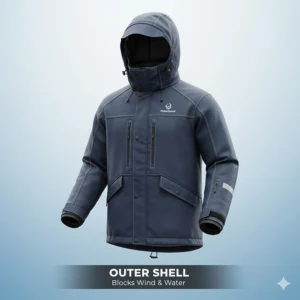
Cold weather fishing clothes are specialized garments engineered to protect anglers from harsh winter conditions while maintaining mobility and comfort during extended outdoor exposure. Unlike regular winter clothing, these garments incorporate fishing-specific features like waterproof-breathable fabrics, strategic pocket placement, and reinforced high-wear areas that address the unique challenges anglers face.
How to Choose Cold Weather Fishing Clothes: 7 Essential Steps
1. Assess Your Fishing Environment
Consider water temperature, air temperature ranges, wind exposure, and precipitation patterns. Ice fishing requires different gear than river fishing for winter steelhead. Document your typical fishing conditions to make informed decisions.
2. Determine Your Activity Level
Active anglers who move frequently need breathable, less bulky clothing. Stationary ice fishermen require maximum insulation. Match your gear to how much you’ll be moving versus sitting still.
3. Prioritize the Layering System
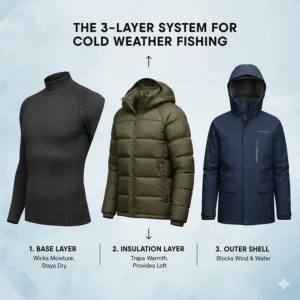
Start with moisture-wicking base layers, add insulating mid-layers, finish with waterproof-breathable shells. This system adapts to changing conditions far better than single heavy garments.
4. Evaluate Waterproofing Needs
Check waterproof ratings (measured in mm) and breathability ratings (measured in grams). For wet conditions, look for minimum 10,000mm waterproof and 5,000g breathability ratings.
5. Consider Safety Features
Flotation technology can save lives on ice or in boats. Reflective elements improve visibility. Ice picks provide self-rescue capability. Don’t overlook safety for cost savings.
6. Check Mobility and Fit
Try casting motions before buying. Ensure shoulder mobility, check if you can bend and kneel comfortably. Fishing-specific cuts accommodate movement better than generic outdoor wear.
7. Balance Budget with Frequency
Invest more if you fish weekly in winter. Occasional cold weather anglers can succeed with mid-range options. Quality gear pays dividends over years of use.
Understanding Cold Weather Fishing Clothing Technology
Insulation Types and Performance
Modern insulation technology has revolutionized how we stay warm on the water. Synthetic insulation like PrimaLoft and Thinsulate maintain warmth even when wet, dry quickly, and offer excellent warmth-to-weight ratios. These materials trap air between fibers, creating thermal barriers that resist heat loss.
Down insulation provides superior warmth-to-weight performance in dry conditions but loses effectiveness when wet. Premium fishing gear often uses water-resistant down treatments to combat this limitation. For fishing applications where moisture exposure is guaranteed, synthetic insulation generally proves more reliable.
Aerogel technology represents the cutting edge, incorporating NASA-developed materials that are 95% air. According to NASA research, aerogel is one of the world’s lightest solid materials and an exceptional insulator. This creates exceptional thermal barriers in remarkably thin profiles. While expensive, aerogel-enhanced garments like the Striker Apex deliver unprecedented warmth without bulk.
Waterproof-Breathable Fabric Systems
The holy grail of cold weather fishing clothes combines complete waterproofing with moisture vapor escape. Modern fabrics use microscopic pores that allow sweat vapor to escape while blocking liquid water droplets. Gore-Tex pioneered this technology, while alternatives like Toray and Hydrapore offer comparable performance at various price points.
Understanding the numbers: A 10,000mm waterproof rating means the fabric can withstand a 10,000mm column of water without leaking. For fishing, aim for minimum 10,000mm in wet environments. Breathability ratings of 5,000g-10,000g handle moderate activity, while 10,000g+ suits active fishing styles.
Flotation Safety Systems
Ice fishing and cold water boating present unique drowning risks. According to Minnesota Sea Grant research, even brief cold water immersion can cause cold shock, leading to uncontrollable breathing and potential drowning. Integrated flotation systems in bibs and jackets can provide up to 2 hours of flotation assistance, giving rescuers critical time to respond.
These systems use closed-cell foam strategically placed to keep airways above water while maintaining mobility on shore. While not substitutes for proper ice safety practices, flotation-equipped clothing adds a crucial safety margin when fishing frozen lakes or winter streams.
Layering Strategy for Maximum Warmth
The Three-Layer System Explained
Base Layer (Next-to-Skin): Merino wool or synthetic moisture-wicking fabrics pull sweat away from skin. This layer regulates temperature and prevents the clammy feeling that leads to rapid heat loss. Avoid cotton—according to the National Weather Service, cotton takes a long time to dry and will sap your heat, making it one of the worst materials for cold weather activities.
Mid Layer (Insulation): Fleece, down, or synthetic insulated pieces trap warm air while allowing moisture to escape. Technical fishing hoodies like the AFTCO Reaper excel here. Multiple thin mid-layers adapt better to changing conditions than single thick layers.
Outer Layer (Weather Protection): Waterproof-breathable shells block wind and precipitation while releasing trapped moisture. Quality shells feature pit zips and ventilation systems that prevent overheating during active periods.
Temperature-Based Layering Guide
40-50°F: Lightweight base layer + technical hoodie + waterproof shell 30-40°F: Midweight base layer + insulated mid-layer + shell or insulated jacket 20-30°F: Midweight base + fleece + insulated bibs + insulated jacket 10-20°F: Heavyweight base + multiple mid-layers + premium insulated bibs and jacket Below 10°F: Expedition-weight base + insulated mid-layer + top-tier bibs like Striker Apex + heavyweight jacket
Adjust based on wind, precipitation, and personal cold tolerance. Active fishing allows lighter layering than stationary waiting.
Features That Separate Good from Great
Pocket Design and Placement
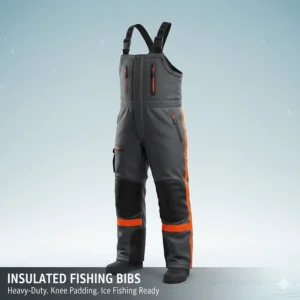
Strategic pocket placement defines fishing-specific clothing. Chest pockets positioned above wader straps provide easy access without removing outer layers. Hand warmer pockets need fleece lining for bare-hand warming during brief glove-off periods. Waterproof zipper pockets protect phones and electronics from spray and precipitation.
Mobility-Focused Construction
Articulated sleeves, gusseted underarms, and stretch panels in strategic locations allow full range of motion for casting, netting, and boat work. Pre-bent knees on bibs accommodate crouching without fabric bunching. These details seem minor until you’re fighting a fish and your jacket restricts your movement.
Ventilation Systems
Quality cold weather fishing clothing includes pit zips, back vents, or mesh-lined pockets that dump excess heat during active periods. This prevents the sweat-chill cycle that makes even warm clothing feel cold. Look for two-way zippers that allow bottom-up or top-down ventilation control.
Cold Weather Fishing Clothing vs Traditional Winter Wear
| Feature | Cold Weather Fishing Clothes | Traditional Winter Wear |
|---|---|---|
| Waterproofing | Full waterproof protection essential | Water-resistant usually sufficient |
| Pocket Design | Fishing-specific placement | General utility pockets |
| Mobility | Unrestricted casting motion | General movement |
| Durability | Reinforced high-wear areas | Standard construction |
| Flotation | Often included in premium gear | Never included |
| Fit | Roomier for layering | Standard fit |
Traditional winter clothing prioritizes urban comfort and style. Fishing-specific gear sacrifices aesthetics for function, incorporating features that directly address angling challenges.
Maintenance and Care for Longevity
Washing Waterproof Garments
Use technical fabric wash, never regular detergent. Standard detergents leave residue that clogs waterproof-breathable pores, destroying performance. Wash in cold water, gentle cycle. Rinse twice to ensure complete detergent removal.
Tumble dry on low heat or hang dry. Many waterproof fabrics benefit from low heat reactivating their DWR (Durable Water Repellent) coating. When water no longer beads on the surface, apply fresh DWR spray treatment following manufacturer instructions.
Storing Between Seasons
Clean all gear before storage. Hang bibs and jackets rather than folding to prevent creases that can damage waterproof coatings. Store in cool, dry locations away from direct sunlight, which degrades technical fabrics over time.
Check zippers annually, lubricating with zipper wax or graphite. Inspect seam tape for peeling or separation. Address small issues immediately—minor repairs prevent major failures when you’re miles from shore in freezing conditions.
When to Replace vs Repair
Replace garments when waterproof coatings delaminate (peeling, flaking), when insulation compresses beyond recovery, or when seam tape fails extensively. However, many issues are repairable: replace worn zipper pulls, patch small tears with repair tape, reseal individual seams with seam sealer.
Quality cold weather fishing clothes justify repair costs. A $400 jacket that lasts 10 years with minor repairs costs far less than replacing $150 jackets every 2-3 years.
Price Range Analysis: What to Expect
Budget Options ($100-$200)
Basic cold weather fishing clothing covers essential needs without premium features. Expect water-resistance rather than true waterproofing, standard synthetic insulation, and simplified pocket layouts. Perfect for occasional winter fishing or supplementing existing gear.
Mid-Range Excellence ($200-$350)
This sweet spot delivers professional performance at accessible prices. Quality waterproof-breathable fabrics, advanced synthetic insulation, and fishing-specific features appear here. The Carhartt Yukon Extremes and Huk Icon X demonstrate what’s possible in this range.
Premium Investment ($350-$550+)
Top-tier gear justifies costs with cutting-edge materials, superior durability, and advanced safety features. Simms Challenger and Striker Apex products incorporate the latest technology and will outlast cheaper alternatives by years. Professional guides and frequent winter anglers find these investments pay dividends.
Common Mistakes to Avoid
Over-Layering Trap
More layers don’t always equal more warmth. Excessive layering restricts movement, promotes sweating, and actually reduces insulation effectiveness. Follow the three-layer system and adjust individual layer weights rather than stacking items.
Cotton Catastrophe
Cotton takes a long time to dry and will sap your heat when wet. “Cotton kills” isn’t hyperbole in cold weather fishing. Even cotton socks or t-shirts under technical layers can create dangerous situations. Stick with wool or synthetics throughout your system.
Ignoring Extremities
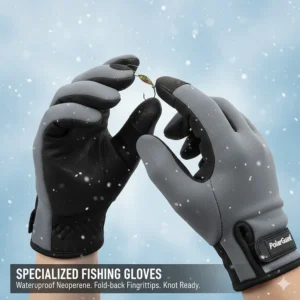
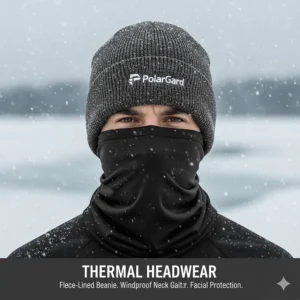
Your core can be warm while exposed hands, feet, or head lose dangerous amounts of heat. Quality gloves, insulated boots, and warm hats are as critical as jackets and bibs. Many anglers invest heavily in outerwear while neglecting extremities—a dangerous oversight.
Size Confusion
Buying fishing-specific cold weather clothing in your normal size often creates problems. These garments should accommodate multiple layers underneath. When in doubt, size up—you can always adjust with fewer base layers, but cramped clothing that restricts movement and blood flow defeats the purpose.
Regional Considerations: USA Fishing Climates
Great Lakes Region
Ice fishing dominates winter fishing here, requiring maximum insulation and flotation safety features. Windchill frequently pushes temperatures below zero. Prioritize heavyweight bibs with integrated flotation and layering systems that adapt from truck to ice.
Pacific Northwest
Rain and moderate cold (30-45°F) define winter fishing. Waterproofing matters more than extreme insulation. Shell-based systems with breathable mid-layers handle the active nature of river steelhead fishing while managing constant precipitation.
Southern States
Winter fishing rarely requires extreme insulation. Lightweight waterproof layers with flexibility for 40-60°F temperature ranges work best. Many southern anglers succeed with quality mid-layers and shells, reserving heavy insulation for rare cold snaps.
Rocky Mountain States
Altitude brings severe temperature swings and intense sun. Layering systems must handle 20°F mornings and 50°F afternoons. Ventilation features become critical, as does sun protection even in winter.
FAQ
❓ How cold is too cold for fishing without specialized clothing?
❓ Can I use ski clothing for cold weather fishing?
❓ How do I know if my cold weather fishing clothes need replacing?
❓ What's the difference between water-resistant and waterproof fishing clothing?
❓ Do I really need flotation-equipped bibs for ice fishing?
Conclusion: Invest in Comfort and Safety
The best cold weather fishing clothes represent far more than just gear purchases—they’re investments in safety, comfort, and extended fishing seasons. I’ve watched too many anglers cut trips short or, worse, put themselves in dangerous situations because they underestimated winter’s challenges.
Here’s what matters most: start with a quality base layer system, invest in proper bibs and jacket that match your fishing style, and never compromise on safety features when fishing ice or cold water. The products we’ve covered range from budget-friendly options like the Carhartt Yukon Extremes to premium choices like the Striker Apex, ensuring solutions for every budget and fishing frequency.
Remember, you can always add layers, but you can’t add safety features or waterproofing in the field. Choose wisely, maintain your gear properly, and these investments will serve you for years of comfortable cold weather fishing.
Your next trophy fish doesn’t care about the weather—make sure you’re equipped to stay comfortable long enough to catch it. The best time to buy cold weather fishing clothing isn’t when you’re already cold on the water; it’s right now, while you can research, compare, and make informed decisions.
Get out there, stay warm, and tight lines! 🎣❄️
Recommended for You
- 7 Best Cold Weather Fishing Apparel for 2025
- 7 Best Cold Weather Fishing Gear 2025 (Expert Tested)
- 7 Best Cold Weather Running Tights for Winter Running 2025
Disclaimer: This article contains affiliate links. If you purchase products through these links, we may earn a small commission at no additional cost to you.
✨ Found this helpful? Share it with your friends! 💬🤗
