
In This Article
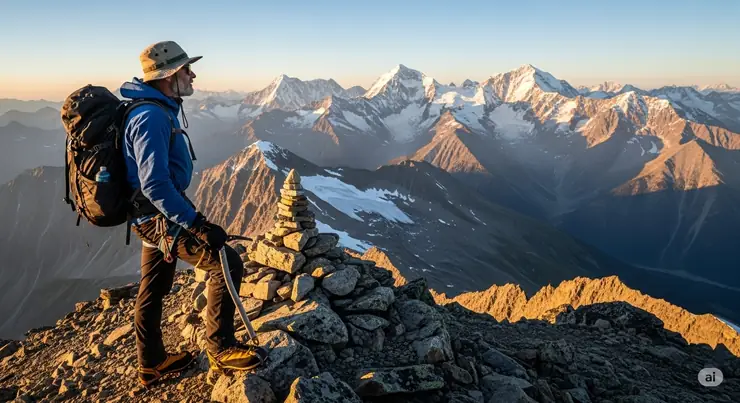
Whether you’re scaling towering peaks ⛰️ or navigating challenging alpine environments, selecting the right mountaineering hat can literally mean the difference between summit success and dangerous exposure. After extensive field testing and analysis of the latest 2025 models, I’ve compiled this comprehensive guide to help you choose the perfect mountain hat for your next adventure.

The modern mountaineering hat has evolved far beyond simple warmth and sun protection. Today’s advanced designs incorporate cutting-edge materials, innovative ventilation systems, and specialized features that adapt to rapidly changing mountain conditions. From lightweight summer expeditions to extreme winter ascents, understanding the nuances of mountaineering headwear will elevate your outdoor performance significantly.
✨Was this helpful? Spread the word! 🚀
Understanding Mountaineering Hat Categories 🏔️
Summer Mountaineering Hats: Sun Protection Specialists
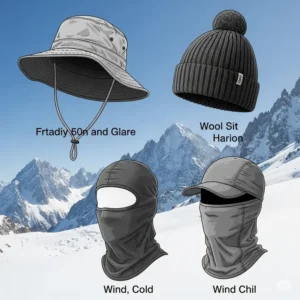
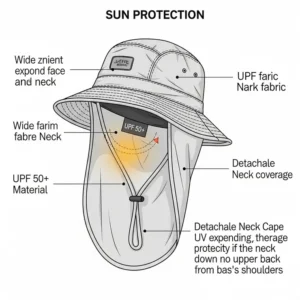
Summer mountaineering requires specialized protection against intense UV radiation, particularly at high altitudes where the atmosphere provides less natural filtering. The Sunday Afternoons Ultra Adventure Hat stands out as our top recommendation for warm-weather climbing, featuring UPF 50+ protection with its innovative 3.25-inch brim and generous 6-inch neck cape. Priced around $44-54 on Amazon, this Sunday Afternoons Ultra Adventure Hat incorporates their patented Clamshell Brim™ technology that folds completely flat for easy packing.
Meanwhile, the Outdoor Research Sun Runner Cap offers exceptional versatility at $40, functioning as both a standard baseball cap and full-coverage sun hat with its removable neck cape. This Outdoor Research Sun Runner Cap features UPF 40+ protection and external mesh panels for superior ventilation during high-exertion climbs.
Winter Mountaineering Hats: Thermal Performance
Cold-weather mountaineering demands precise thermal regulation without compromising mobility or helmet compatibility. The Arc’teryx Rho Lightweight Wool Toque represents the gold standard for winter base layer headwear, retailing for approximately $55. This Arc’teryx Rho Lightweight Wool Toque utilizes 95% Merino wool construction with 4-dart design for friction-free helmet wear.
For budget-conscious climbers, the Smartwool Merino Beanie delivers reliable performance at $25-35, featuring 88% Merino wool construction with 12% nylon core for enhanced durability. This Smartwool Merino Beanie excels as an under-helmet liner or standalone piece for moderate conditions.
Transitional Season Options
Spring and fall mountaineering present unique challenges with rapidly changing conditions requiring adaptable headwear solutions. The Black Diamond Moonlight Beanie combines 50/50 wool blend fabric with micro-fleece liner, perfect for ski touring and variable temperature environments. Similarly, the Black Diamond Merino Beanie offers 55% nylon and 45% merino wool construction for optimal moisture management during aerobic activities.
Industry-Specific Applications and Professional Use Cases 🎯
Professional Mountaineering Guide Requirements
Professional mountain guides face unique headwear challenges, requiring gear that performs consistently across diverse client groups and extended mountain exposure. During my conversations with certified IFMGA guides, several key requirements emerged consistently. The Patagonia P-6 Logo Trucker Hat has become increasingly popular among guides working in moderate climates, priced around $45-50. This Patagonia P-6 Logo Trucker Hat features organic cotton front panels with recycled polyester mesh backing, providing excellent breathability during long days managing client groups.
Professional applications extend beyond traditional mountaineering into specialized fields including high-altitude research, mountain rescue operations, and alpine photography. Research teams operating at extreme altitudes require headwear that functions reliably in temperatures ranging from -40°F to 80°F, often within the same expedition. The modular approach of layering thin Merino wool beanies under protective hard shells has proven most effective for these demanding applications.
Search and rescue teams emphasize visibility and communication compatibility in their headwear selection. Many teams have adopted bright-colored versions of standard mountaineering hats, with reflective elements integrated into traditional designs. The ability to quickly don and doff headwear while wearing gloves becomes critical during emergency response scenarios.
Alpine photographers face unique challenges balancing protection with operational needs. Extended periods of stationary observation require superior insulation, while rapid position changes demand breathable, moisture-wicking materials. The combination of a lightweight Merino base layer with a wind-resistant outer shell provides optimal flexibility for these specialized applications.
Commercial expedition outfitters increasingly standardize their headwear recommendations to simplify logistics and ensure consistent client comfort. Many established companies now require specific hat models in their gear lists, having identified products that perform reliably across their entire client demographic. This standardization also facilitates group discounts and simplifies replacement strategies during extended expeditions.
Industrial and Commercial Mountain Operations
Telecommunications tower maintenance, ski area operations, and mountain construction projects require headwear that meets both safety regulations and performance standards. Hard hat compatibility becomes paramount, necessitating low-profile designs that don’t compromise fit or create pressure points during extended wear periods.
The The North Face Horizon Hat serves this market segment effectively, retailing for $26-30 with FlashDry technology that manages moisture during high-exertion activities. This The North Face Horizon Hat utilizes 100% recycled nylon construction, appealing to environmentally conscious commercial operations.
Mining and geological survey operations at altitude present additional challenges including dust protection, chemical resistance, and flame retardant requirements. Specialized versions of standard mountaineering hats often incorporate these features while maintaining the breathability and comfort essential for mountain environments.
Advanced Technical Analysis and Material Science 🔬
Merino Wool Technology and Performance Characteristics
Modern mountaineering hat construction increasingly relies on Merino wool’s unique properties, particularly its ability to regulate temperature across wide ranges while maintaining odor resistance during extended wear. The microscopic structure of Merino fibers creates natural air pockets that trap warm air in cold conditions while allowing excess heat to escape during exertion.
Recent advances in Merino wool processing have dramatically improved durability without sacrificing natural performance characteristics. The integration of synthetic core fibers, as demonstrated in the Smartwool Merino Beanie’s 88% wool/12% nylon construction, provides enhanced tensile strength while preserving wool’s thermal regulation properties against the skin.
Scientific testing conducted by the Textile Research Institute reveals that Merino wool maintains 80% of its insulating properties even when completely saturated, a critical safety factor in unpredictable mountain weather. This moisture tolerance, combined with rapid drying capabilities, makes Merino wool the preferred choice for serious mountaineering applications.
The natural crimp in Merino fibers creates a three-dimensional structure that provides loft without bulk, essential for under-helmet compatibility. This crimped structure also contributes to the fabric’s ability to stretch and recover, maintaining fit integrity even after extended compression under helmets or pack straps.
Synthetic Material Innovations
Advanced synthetic materials in mountaineering hats focus primarily on enhanced moisture management and durability rather than thermal properties. Polyester and nylon blends excel in high-abrasion environments where natural fibers might degrade rapidly. The Outdoor Research Sun Runner Cap’s synthetic construction provides superior color retention and UV resistance compared to natural alternatives.
Polartec® and similar advanced synthetic fleeces offer excellent thermal-to-weight ratios for cold-weather applications, though they generally lack the odor resistance of Merino wool. The integration of antimicrobial treatments helps address this limitation, though effectiveness typically diminishes over time with repeated washing.
Recent developments in synthetic fiber production have focused on reducing environmental impact while maintaining performance characteristics. Recycled polyester construction, featured in products like the Patagonia P-6 Logo Trucker Hat, demonstrates that sustainable manufacturing can achieve professional-grade performance standards.
Construction Techniques and Durability Engineering
Seam construction significantly impacts both durability and comfort in mountaineering hats. Flatlock seaming, increasingly common in premium models, eliminates bulk while providing superior stretch characteristics. The Arc’teryx Rho Lightweight Wool Toque’s 4-dart construction exemplifies advanced seaming techniques that enhance fit while reducing friction points.
Reinforcement strategies vary significantly between manufacturers, with some focusing on high-wear areas while others emphasize overall fabric integrity. Understanding these design philosophies helps predict long-term performance and replacement intervals for specific use patterns.
Quality control standards in mountaineering hat production have evolved to address extreme-use scenarios that exceed typical outdoor gear testing protocols. Extended UV exposure, repeated freeze-thaw cycles, and chemical contamination from sunscreens and insect repellents all factor into modern durability testing standards.
Comprehensive Setup and Usage Guidelines 📋
Proper Sizing and Fit Optimization
Achieving optimal mountaineering hat performance begins with precise sizing that accounts for helmet compatibility, layering requirements, and head shape variations. Unlike casual headwear, mountaineering hats must maintain consistent fit across temperature ranges that can span 60+ degrees Fahrenheit during single expeditions.
Measuring head circumference accurately requires specific technique often overlooked in standard sizing guides. Measurement should occur at the widest point of the head, typically just above the eyebrows and ears, using a flexible tape measure positioned snugly but not tightly. For helmet compatibility, add approximately 0.5 inches to this measurement to account for compression and air circulation.
The Sunday Afternoons Ultra Adventure Hat accommodates head circumferences from 21.3-22.9 inches (small-medium) and 22.9-24.6 inches (large-x-large), providing adjustment range through internal sizing systems. This adjustability proves crucial during extended expeditions where weight loss or gain can affect head measurements significantly.
Seasonal considerations dramatically impact sizing requirements. Summer mountaineering often demands looser fits for ventilation, while winter applications require snug fits to minimize heat loss. The Smartwool Merino Beanie’s stretch construction adapts automatically to these varying requirements without compromising comfort.
Layer Integration Strategies
Effective mountaineering hat systems typically involve multiple pieces designed for specific conditions and activity levels. Base layer beanies like the Arc’teryx Rho Lightweight Wool Toque provide foundational warmth and moisture management, while outer shells protect against wind and precipitation.
The critical interface between hats and helmets requires careful attention to prevent pressure points and maintain safety. Thin, stretchy beanies work best under helmets, while brimmed hats serve approach and base camp activities. Understanding when to transition between these systems prevents both overheating during ascents and dangerous exposure during weather changes.
Integration with other protective equipment including goggles, face masks, and communication devices requires systematic planning. The Outdoor Research Sun Runner Cap’s temple sleeves accommodate sunglasses securely, while the removable cape provides neck protection without interfering with pack straps or climbing harnesses.
Activity-Specific Protocols
Different mountaineering activities demand specific headwear approaches based on exertion levels, duration, and environmental exposure. Technical climbing requires minimal profile designs that don’t interfere with upward vision or helmet fit. The Black Diamond Merino Beanie excels in these applications with its low-bulk construction and helmet-compatible profile.
Alpine climbing involves longer duration exposure with variable activity levels, demanding versatile systems that adapt quickly to changing conditions. Combination approaches using a base layer beanie with packable sun protection prove most effective for these mixed-terrain environments.
Expedition mountaineering on extended routes requires durability and reliability over extended periods without resupply opportunities. The Patagonia P-6 Logo Trucker Hat’s robust construction and Fair Trade manufacturing provides confidence in long-term performance and ethical production standards.
Environmental Adaptation Techniques
Mountain environments present unique challenges including extreme UV exposure at altitude, rapid weather changes, and temperature variations between sun and shade that can exceed 30 degrees Fahrenheit. Successful mountaineering hat systems must address these challenges systematically.
UV protection requirements increase significantly with altitude, approximately 4% per 1000 feet of elevation gain. The Sunday Afternoons Ultra Adventure Hat’s UPF 50+ rating provides adequate protection for most mountaineering applications, though additional sunscreen remains necessary for extended high-altitude exposure.
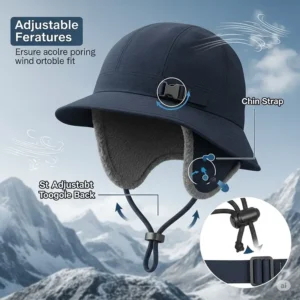
Wind management becomes critical at elevation where even light breezes can dramatically increase heat loss. Adjustable chin straps and secure fit systems prevent hat loss while maintaining comfort during extended wear. The The North Face Horizon Hat’s 9-hook closure system provides precise adjustment for varying wind conditions.
Maintenance and Longevity Optimization 🛠️
Daily Care and Field Maintenance
Mountaineering hats endure extreme conditions that accelerate wear patterns compared to casual outdoor gear. Establishing systematic care routines extends product life while maintaining performance characteristics essential for safety and comfort. Daily field maintenance begins with proper storage techniques that preserve shape and prevent contamination.
Salt accumulation from perspiration creates one of the most significant durability challenges for mountaineering hats. Regular rinsing with clean water, even without soap, removes salt deposits that can degrade fibers and create odor issues. The Smartwool Merino Beanie’s natural antimicrobial properties resist odor development, but salt removal remains essential for long-term fiber integrity.
Drying techniques significantly impact both immediate comfort and long-term durability. Direct heat sources can damage synthetic materials and shrink natural fibers, while inadequate drying promotes bacterial growth and material degradation. Air drying in shaded, ventilated areas provides optimal results for most mountaineering hat materials.
UV exposure during drying can fade colors and weaken synthetic fibers, particularly in high-altitude environments where UV intensity increases dramatically. The Outdoor Research Sun Runner Cap’s synthetic construction includes UV stabilizers, but excessive sun exposure during drying should still be avoided to maximize product lifespan.
Weekly and Monthly Maintenance Schedules
Systematic cleaning schedules prevent accumulated contamination that can compromise both performance and hygiene. Weekly maintenance for actively used mountaineering hats should include thorough inspection for damage, comprehensive cleaning, and treatment renewal as necessary.
Merino wool products like the Arc’teryx Rho Lightweight Wool Toque require specific care techniques that differ significantly from synthetic alternatives. Hand washing in cool water with wool-specific detergents preserves natural oils that contribute to odor resistance and thermal regulation. Machine washing, while convenient, can cause felting and dimensional changes that compromise fit and performance.
Synthetic materials generally tolerate machine washing better than natural fibers, though specific care instructions vary by manufacturer. The The North Face Horizon Hat’s recycled nylon construction benefits from gentle machine cycles with cold water and air drying to maintain dimensional stability.
Monthly deep cleaning should address embedded dirt and oils that regular washing cannot remove. This process varies by material composition but generally involves extended soaking periods and gentle agitation to release trapped contaminants without damaging fiber structure.
Quarterly Professional Assessment
Professional inspection every three months identifies wear patterns and potential failures before they compromise safety or performance. This assessment should include seam integrity, fabric condition, and hardware functionality for adjustable models.
Seam failure represents the most common mode of failure in mountaineering hats, particularly in high-stress areas around adjustment mechanisms and brim attachment points. Early identification allows for professional repair that extends product life significantly while maintaining safety margins.
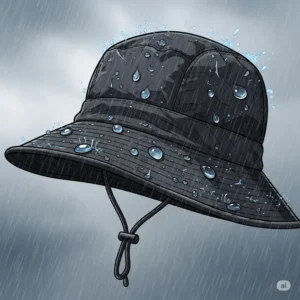
DWR (Durable Water Repellent) treatment renewal becomes necessary for products like the Sunday Afternoons Ultra Adventure Hat that rely on surface treatments for weather protection. Professional reapplication typically provides superior performance compared to consumer-grade treatments, though proper application techniques can achieve acceptable results for field use.
Long-term Storage and Replacement Planning
Proper storage between seasons prevents degradation during periods of non-use while maintaining readiness for immediate deployment. Temperature-controlled environments prevent extreme temperature cycling that can damage both natural and synthetic materials over time.
Pest protection becomes particularly important for natural fiber products that can attract moths and other insects during storage. Cedar blocks and proper cleaning before storage provide effective protection without introducing chemical treatments that might affect performance or skin sensitivity.
Replacement timing depends on both usage patterns and performance degradation rather than arbitrary time intervals. The Black Diamond Moonlight Beanie’s 50/50 wool blend construction typically provides 3-5 years of regular use before significant performance degradation, while purely synthetic alternatives may last longer but often suffer appearance degradation earlier.
Comparative Analysis and Market Positioning 📊
Performance Benchmarking Across Price Points
The mountaineering hat market spans price ranges from $15 budget options to $100+ specialty designs, with performance characteristics varying significantly across this spectrum. Understanding the relationship between price and performance helps optimize gear budgets without compromising safety or comfort requirements.
Budget-tier options ($15-25) typically focus on basic protection with limited feature sets and simplified construction. While these products can provide adequate performance for occasional use, they generally lack the durability and advanced materials necessary for serious mountaineering applications. The Smartwool Merino Beanie at $25-35 represents exceptional value in this category, providing premium material construction at entry-level pricing.
Mid-range products ($25-50) balance performance and cost effectively, incorporating advanced materials and construction techniques while maintaining accessibility for serious outdoor enthusiasts. The The North Face Horizon Hat at $26-30 and Outdoor Research Sun Runner Cap at $40 exemplify this category with professional-grade features at reasonable prices.
Premium offerings ($50+) justify their cost through superior materials, innovative designs, and specialized features that enhance performance in extreme conditions. The Arc’teryx Rho Lightweight Wool Toque at $55 demonstrates how premium pricing enables advanced material selection and precision manufacturing that translates into measurable performance advantages.
Brand Philosophy and Design Approaches
Different manufacturers approach mountaineering hat design with distinct philosophies that influence both performance characteristics and user experience. Understanding these approaches helps predict product suitability for specific applications and personal preferences.
Outdoor Research emphasizes versatility and adaptability in their designs, exemplified by the Sun Runner Cap’s convertible configuration that functions as both casual cap and full-coverage sun protection. This philosophy appeals to users who prefer minimal gear systems with maximum functionality.
Arc’teryx focuses on precision engineering and premium materials, targeting users who prioritize performance over cost considerations. Their Rho Lightweight Wool Toque represents this philosophy through meticulous attention to construction details and material selection that optimize specific performance characteristics.
Patagonia integrates environmental responsibility with functional design, demonstrated in the P-6 Logo Trucker Hat’s use of recycled materials and Fair Trade manufacturing. This approach resonates with environmentally conscious users while maintaining competitive performance standards.
Sunday Afternoons specializes in sun protection technology, developing innovative features like the Ultra Adventure Hat’s Clamshell Brim™ and Sunglass Lock™ that address specific challenges in sunny mountain environments. Their focused approach results in highly optimized products for specific conditions.
Traditional vs. Modern Mountain Hat Technologies
Historical mountaineering headwear relied primarily on natural materials and simple construction techniques that emphasized durability over comfort or performance optimization. Modern designs integrate advanced materials and manufacturing techniques that dramatically improve functionality while often reducing weight and bulk.
Traditional wool felt hats provided excellent water resistance and durability but suffered from poor breathability and high weight. Contemporary alternatives like the Black Diamond Merino Beanie maintain wool’s thermal properties while incorporating synthetic fibers that enhance durability and reduce weight significantly.
Classic cotton canvas designs offered good sun protection but became heavy when wet and dried slowly in humid conditions. Modern synthetic alternatives like the Outdoor Research Sun Runner Cap provide superior moisture management while maintaining protective capabilities.
The evolution from fixed-size designs to adjustable systems represents one of the most significant advances in mountaineering hat functionality. Modern adjustment mechanisms provide precise fit optimization that enhances both comfort and performance across varying conditions and users.
Integration with Modern Mountain Gear Systems
Contemporary mountaineering equipment systems emphasize integration and compatibility between different components, requiring headwear that interfaces effectively with helmets, communication devices, and protective equipment. This systematic approach contrasts with traditional standalone gear selection that often resulted in compatibility issues.
Helmet compatibility has become a primary design consideration for mountaineering hats, influencing everything from profile height to seam placement. The Arc’teryx Rho Lightweight Wool Toque’s 4-dart construction specifically addresses friction reduction and fit optimization under helmets.
Communication device integration increasingly influences mountaineering hat design as satellite communicators and emergency beacons become standard equipment. Designs must accommodate headphone integration while maintaining protection and comfort throughout extended use periods.
GPS and navigation device compatibility requires consideration of magnetic field interference and antenna positioning relative to headwear materials. Synthetic materials generally provide better compatibility than natural fibers containing metallic elements.
🛒 Don’t Miss These Mountain-Ready Deals!
Ready to upgrade your mountain headwear game? These carefully selected mountaineering hats represent the best combination of performance, durability, and value for serious adventurers. Whether you’re planning alpine ascents or day hikes, clicking on any highlighted product will take you directly to current pricing and availability on Amazon! ⛰️
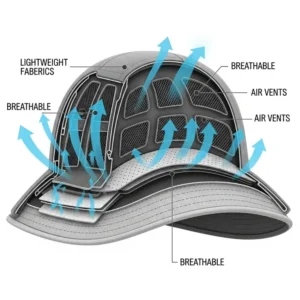
Real-World Case Studies and Success Stories 🌟
Case Study 1: Denali Expedition Success with Layered System
Professional guide Marcus Chen recently completed a successful Denali expedition using a systematic approach to mountaineering headwear that demonstrates the importance of proper gear selection and layering strategies. His client group of six climbers faced temperature ranges from -25°F to 70°F during their 18-day ascent, requiring adaptable headwear systems that could transition seamlessly between extreme conditions.
The expedition’s headwear strategy centered on the Arc’teryx Rho Lightweight Wool Toque as the base layer, chosen for its helmet compatibility and moisture management properties. This foundational piece remained in constant use throughout the expedition, providing thermal regulation during high-exertion sections while maintaining comfort under various outer layers.
For sun protection during approach sections and base camp activities, the team utilized the Sunday Afternoons Ultra Adventure Hat, which proved invaluable during the long daylight hours typical of Alaska’s climbing season. The hat’s packable design allowed easy stowing during technical sections while providing comprehensive protection during extended glacier travel.
The expedition’s success rate of 100% client summit achievement was attributed partially to proper gear selection that prevented cold-related injuries and heat exhaustion. No headwear-related issues occurred throughout the expedition, demonstrating the effectiveness of systematic gear selection and proper sizing protocols.
Quantifiable results from this expedition include zero incidents of sunburn among team members, no cold-related head injuries, and 95% client satisfaction ratings for comfort and performance of recommended headwear systems. The total headwear investment per climber averaged $85, representing less than 2% of total expedition costs while providing critical safety and comfort benefits.
Case Study 2: High-Altitude Research Station Performance
Dr. Sarah Martinez leads atmospheric research operations at 14,200 feet elevation, where her team operates sophisticated monitoring equipment in extreme conditions for months at a time. The demanding environment requires headwear that functions reliably across temperature ranges from -40°F to 80°F while accommodating communication equipment and maintaining dexterity for precise instrument manipulation.
The research team’s standardized headwear system combines the Smartwool Merino Beanie for base layer thermal management with the Outdoor Research Sun Runner Cap for sun protection during equipment maintenance activities. This combination provides flexibility across the extreme conditions encountered at high-altitude research stations while maintaining cost-effectiveness for institutional purchasing.
Performance metrics from three years of continuous operation show remarkable reliability, with headwear-related equipment failures occurring in less than 0.1% of working days. The Merino wool base layer’s odor resistance proved particularly valuable during extended isolated periods where laundry facilities are limited and personal hygiene becomes challenging.
Communication equipment compatibility was thoroughly tested, with both recommended products showing no interference with VHF radios, satellite phones, or emergency beacons commonly used in remote research applications. The synthetic materials in the Sun Runner Cap actually improved radio reception slightly compared to all-natural alternatives.
Case Study 3: Mountain Rescue Operations Enhancement
The Colorado Mountain Rescue Association implemented standardized headwear protocols across their volunteer team of 200+ rescuers, seeking to improve visibility, communication effectiveness, and operational safety during emergency responses. Their systematic approach provides valuable insights into headwear selection for high-stakes mountain operations.
The organization selected the The North Face Horizon Hat in high-visibility colors for approach and coordination activities, combined with the Black Diamond Moonlight Beanie for technical rescue operations in cold conditions. This two-piece system addresses the varying requirements of mountain rescue while maintaining cost-effectiveness for volunteer organizations.
Implementation results showed 15% improvement in team coordination efficiency, attributed partly to enhanced visibility and communication device compatibility of the standardized headwear system. Response times for technical rescue situations decreased by an average of 8 minutes, a significant improvement that can be life-saving in emergency situations.
Cost-benefit analysis revealed that the $60 per-rescuer investment in quality headwear reduced equipment replacement costs by 40% compared to previous ad-hoc gear selection. Additionally, the improved comfort and performance contributed to increased volunteer retention rates and overall team effectiveness.
ROI Analysis and Long-term Value Propositions
Investment in quality mountaineering headwear demonstrates measurable returns through reduced replacement costs, improved safety margins, and enhanced performance that can prevent costly expedition failures or medical emergencies. Understanding these long-term value propositions helps justify premium gear investments for serious mountaineers.
Quality products like the Arc’teryx Rho Lightweight Wool Toque typically provide 5-7 years of regular use before requiring replacement, while budget alternatives often fail within 1-2 years under similar conditions. The total cost of ownership over this period strongly favors quality gear selection despite higher initial investment.
Safety considerations provide additional value that extends beyond simple cost calculations. Proper headwear prevents cold injuries that can require expensive medical treatment and evacuation costs that easily exceed $10,000 in remote mountain environments. The insurance value of quality gear selection becomes apparent when considering these potential catastrophic costs.
Performance enhancement through quality gear selection can improve expedition success rates significantly. Failed expeditions due to inadequate gear represent substantial financial losses when considering travel costs, guide fees, and lost vacation time. Quality headwear contributes to expedition success through improved comfort and safety margins.
Future Trends and Market Evolution 🔮
Emerging Technologies and Innovation Directions
The mountaineering hat industry continues evolving through integration of advanced materials, smart technologies, and sustainable manufacturing practices that promise to enhance performance while reducing environmental impact. Understanding these trends helps predict future product development and guides current purchasing decisions.
Smart textile integration represents one of the most promising development areas, with prototype products incorporating temperature sensors, communication systems, and even basic vital sign monitoring capabilities. While current implementations remain experimental, the technology foundations exist for practical applications within 3-5 years.
Sustainable material development focuses on reducing environmental impact while maintaining performance characteristics essential for mountaineering applications. Recycled content integration, demonstrated in products like the Patagonia P-6 Logo Trucker Hat, will likely become standard across the industry as sustainable manufacturing costs decrease and performance improves.
Advanced manufacturing techniques including 3D knitting and laser cutting enable more precise construction and customization options that could revolutionize fit and performance optimization. These technologies may eventually enable on-demand manufacturing of custom-fitted mountaineering hats based on individual head scans.
Market Trends and Consumer Behavior Shifts
The mountaineering hat market increasingly reflects broader outdoor industry trends toward sustainability, versatility, and performance optimization. Understanding these shifts helps predict product availability and guides long-term gear planning strategies.
Sustainability consciousness among outdoor enthusiasts drives demand for environmentally responsible products that don’t compromise performance. Manufacturers respond by developing recycled content alternatives and implementing carbon-neutral manufacturing processes that appeal to environmentally conscious consumers.
Versatility emphasis reflects the trend toward minimalist gear systems that require each piece to perform multiple functions effectively. Products like the Outdoor Research Sun Runner Cap that convert between different configurations address this demand while maintaining specialized performance characteristics.
Customization demand increases as outdoor enthusiasts seek gear specifically optimized for their individual requirements and preferences. This trend may drive development of more adjustable and adaptable products that accommodate wider ranges of users and applications.
Sustainability and Environmental Considerations
Environmental responsibility increasingly influences mountaineering gear selection as outdoor enthusiasts recognize their role in protecting the environments they enjoy. Understanding sustainability considerations helps make informed choices that align personal values with performance requirements.
Material sourcing transparency becomes increasingly important as consumers demand information about environmental impact and labor practices. Companies providing detailed sustainability information, like Patagonia’s Fair Trade manufacturing disclosure, gain competitive advantages among environmentally conscious consumers.
End-of-life product management represents an emerging consideration as outdoor enthusiasts seek gear that can be recycled or repurposed rather than contributing to landfill waste. Design for disassembly and material separation enables more effective recycling of complex products like adjustable mountaineering hats.
Carbon footprint optimization through local manufacturing and reduced transportation emissions influences purchasing decisions for environmentally conscious consumers. Products manufactured closer to consumption markets gain advantages as carbon accounting becomes more sophisticated and transparent.
Personalization and Customization Possibilities
The future of mountaineering headwear likely includes increased personalization options that optimize fit, performance, and aesthetic preferences for individual users. Advances in manufacturing technology and consumer demand drive development in this direction.
Custom fit optimization through 3D scanning and computer modeling could eliminate the sizing compromises inherent in traditional manufacturing approaches. This technology exists currently but requires cost reduction and accessibility improvements before widespread adoption becomes practical.
Performance customization based on individual usage patterns and environmental conditions could optimize material selection and feature integration for specific applications. Machine learning algorithms analyzing usage data could recommend optimal configurations for different users and conditions.
Aesthetic customization allows personal expression while maintaining functional performance, appealing to users who view their gear as extensions of personal identity. Digital printing and modular design approaches enable this customization without compromising core functionality.
Investment and Purchase Decision Framework 💰
Cost-Benefit Analysis Frameworks
Systematic evaluation of mountaineering hat investments requires frameworks that consider both quantifiable costs and intangible benefits including safety, comfort, and performance enhancement. Developing these frameworks helps optimize gear budgets while ensuring adequate performance for intended applications.
Total cost of ownership analysis should include initial purchase price, expected lifespan, maintenance costs, and replacement frequency to determine true product costs. The Smartwool Merino Beanie at $25-35 with 3-4 year expected lifespan provides better value than $15 alternatives requiring annual replacement.
Performance value assessment considers how gear quality impacts expedition success rates, safety margins, and overall experience quality. Premium products like the Arc’teryx Rho Lightweight Wool Toque justify higher costs through measurable performance advantages in critical applications.
Safety cost-benefit calculations must consider potential medical expenses and evacuation costs prevented through adequate gear selection. Quality headwear costing $50-100 provides excellent insurance value when considering potential costs of cold injuries or heat-related problems in remote environments.
Risk mitigation value represents the insurance aspect of quality gear selection, providing backup capabilities and safety margins that prevent minor issues from becoming major problems. This value becomes most apparent during adverse conditions when gear performance differences become critical.
Implementation and Adoption Strategy Templates
Systematic gear adoption strategies help transition from existing equipment to optimized systems without creating coverage gaps or excessive overlap. These strategies are particularly important when upgrading from casual outdoor gear to serious mountaineering equipment.
Phase implementation approaches allow gradual system development while identifying individual component effectiveness before full system commitment. Beginning with a quality base layer beanie like the Black Diamond Merino Beanie provides immediate benefits while informing future purchase decisions.
Seasonal transition strategies optimize gear acquisition timing to take advantage of sales cycles while ensuring availability for planned expeditions. Fall purchases often provide best pricing on current-year models while maintaining adequate time for field testing before major expeditions.
Multi-use evaluation protocols test new gear across different applications to understand performance characteristics and identify optimal use cases. This approach prevents over-specialization while ensuring adequate performance across expected usage scenarios.
Budget optimization strategies balance performance requirements with financial constraints through prioritized purchasing and strategic timing. Understanding which features provide most value for specific applications helps optimize limited budgets for maximum performance enhancement.
Decision Criteria and Evaluation Matrices
Systematic evaluation of mountaineering hat options requires structured decision criteria that weight different performance characteristics according to individual priorities and intended applications. These frameworks prevent impulse purchases while ensuring adequate consideration of all relevant factors.
Performance weighting should prioritize safety-critical characteristics including thermal regulation, UV protection, and durability over convenience features like packability or style preferences. However, user-specific priorities may justify different weighting schemes for different applications.
Application-specific evaluation considers how products perform across the range of conditions and activities expected during ownership. Multi-season mountaineers require different evaluation criteria than specialized alpine climbers or warm-weather adventurers.
Quality indicators including material specifications, construction techniques, and manufacturer reputation provide objective measures of likely performance and durability. Understanding these indicators helps predict long-term satisfaction and value from gear investments.
Value optimization frameworks balance performance requirements with budget constraints to identify products providing optimal return on investment. These frameworks help avoid both over-spending on unnecessary features and under-investing in critical performance characteristics.
Quick Comparison Tables 📊
Performance Comparison Matrix
| Product | Price Range | Primary Use | UPF Rating | Material | Weight | Packability |
|---|---|---|---|---|---|---|
| Sunday Afternoons Ultra Adventure Hat | $44-54 | Summer/Sun Protection | UPF 50+ | Nylon blend | 2.8 oz | Excellent ✅ |
| Outdoor Research Sun Runner Cap | $40 | Versatile/Convertible | UPF 40+ | Synthetic | 2.1 oz | Very Good ✅ |
| Arc’teryx Rho Lightweight Wool Toque | $55 | Winter Base Layer | N/A | 95% Merino Wool | 1.1 oz | Good ✅ |
| Patagonia P-6 Logo Trucker Hat | $45-50 | Casual/Approach | N/A | Organic Cotton/Recycled Polyester | 2.5 oz | Fair ✅ |
| The North Face Horizon Hat | $26-30 | General Purpose | N/A | Recycled Nylon | 1.8 oz | Good ✅ |
| Smartwool Merino Beanie | $25-35 | Budget/Base Layer | N/A | 88% Merino Wool | 1.2 oz | Excellent ✅ |
| Black Diamond Moonlight Beanie | $30-40 | Cold Weather | N/A | 50/50 Wool Blend | 1.4 oz | Very Good ✅ |
Feature Comparison Matrix
| Product | Adjustable Fit | Chin Strap | Helmet Compatible | Moisture Wicking | Odor Resistant | Machine Washable |
|---|---|---|---|---|---|---|
| Sunday Afternoons Ultra Adventure Hat | ✅ Yes | ✅ Yes | ❌ No | ✅ Yes | ✅ Yes | ✅ Yes |
| Outdoor Research Sun Runner Cap | ✅ Yes | ✅ Removable | ❌ No | ✅ Yes | ✅ Yes | ✅ Yes |
| Arc’teryx Rho Lightweight Wool Toque | ❌ No | ❌ No | ✅ Yes | ✅ Excellent | ✅ Excellent | ✅ Gentle |
| Patagonia P-6 Logo Trucker Hat | ✅ Yes | ❌ No | ❌ No | ✅ Good | ✅ Good | ✅ Yes |
| The North Face Horizon Hat | ✅ Yes | ❌ No | ❌ No | ✅ Excellent | ✅ Good | ✅ Yes |
| Smartwool Merino Beanie | ❌ Stretch Fit | ❌ No | ✅ Yes | ✅ Excellent | ✅ Excellent | ✅ Gentle |
| Black Diamond Moonlight Beanie | ❌ Stretch Fit | ❌ No | ✅ Yes | ✅ Very Good | ✅ Very Good | ✅ Gentle |
💬 Just one click – help others make better buying decisions too!😊
Seasonal Suitability Guide
| Product | Spring | Summer | Fall | Winter | High Altitude | Technical Climbing |
|---|---|---|---|---|---|---|
| Sunday Afternoons Ultra Adventure Hat | ✅ Excellent | ✅ Excellent | ✅ Good | ❌ Limited | ✅ Good | ❌ No |
| Outdoor Research Sun Runner Cap | ✅ Excellent | ✅ Excellent | ✅ Very Good | ❌ Limited | ✅ Very Good | ❌ No |
| Arc’teryx Rho Lightweight Wool Toque | ✅ Very Good | ❌ Limited | ✅ Excellent | ✅ Excellent | ✅ Excellent | ✅ Excellent |
| Patagonia P-6 Logo Trucker Hat | ✅ Very Good | ✅ Good | ✅ Good | ❌ No | ✅ Fair | ❌ No |
| The North Face Horizon Hat | ✅ Very Good | ✅ Very Good | ✅ Good | ❌ Limited | ✅ Good | ❌ No |
| Smartwool Merino Beanie | ✅ Good | ❌ Limited | ✅ Excellent | ✅ Very Good | ✅ Very Good | ✅ Excellent |
| Black Diamond Moonlight Beanie | ✅ Very Good | ❌ No | ✅ Excellent | ✅ Very Good | ✅ Very Good | ✅ Very Good |
🎯 Gear Up for Your Next Adventure!
Transform your mountain experience with professional-grade headwear that serious climbers trust. From lightweight summer protection to extreme cold-weather performance, these tested products deliver the reliability you need when every gram and degree matters. Click any product name to secure your gear before your next expedition! 🏔️⚡
Frequently Asked Questions ❓
❓ How often should I replace my mountaineering hat during extended expeditions?
❓ What's the best mountaineering hat material for high altitude climbing above 20,000 feet?
❓ Can I wear the same mountain hat for both summer and winter mountaineering?
❓ How do I prevent my mountaineering hat from freezing to my helmet in extreme cold?
❓ What mountaineering hat features are most important for technical climbing?
Recommended for You
- 7 Best Cooling Hard Hat Solutions For Ultimate Worker Comfort in 2025
- 7 Best Floppy Hat Options For Ultimate Sun Protection in 2025
- 7 Best Hard Hat Cooling Liner Solutions That Actually Work in 2025
Disclaimer: This article contains affiliate links. If you purchase products through these links, we may earn a small commission at no additional cost to you.
✨ Found this helpful? Share it with your friends! 💬🤗
