

In This Article
An 800 fill down jacket for subzero temperatures is an insulated jacket or parka filled with goose down that expands to roughly 800 cubic inches per ounce, trapping a thick layer of warm air with less weight than lower-grade fill. Combined with enough total down, a wind-blocking shell and smart layering, it can keep you comfortable well below 0°F.

Here’s the part nobody mentions at the gear counter: 800 is not a temperature rating. It measures loft, meaning how fluffy one ounce of down gets. Two jackets can both wear that number, and one will leave you shivering at -10°F while the other turns you into a sweaty marshmallow. The difference lives in how much down is inside, how it’s chambered, and what keeps the wind out.
I haven’t worn these jackets through a Fairbanks January, and you should distrust any writer who claims an arctic verdict without having been there. What follows is built from published spec sheets, independent field tests, and the patterns that repeat across real user reviews, sorted by who each jacket suits.
By the end, you’ll know which of seven real options fits your life, how the wind chill factor changes the math, and why layering strategy matters as much as the jacket itself. Prices below are ranges only, so check current price and availability before you buy.
Quick Comparison: Best 800 Fill Down Jackets at a Glance
| Product | Down & Shell | Listed Weight | Price Range | Best For |
|---|---|---|---|---|
| Rab Neutrino Pro | 800 hydrophobic goose down, Pertex Quantum Pro | About 19.9 oz | $425-$475 range | Standing still at 0°F and below |
| Montane Kamen XT | 200 g of 800 ExpeDRY goose down, boxwall | Heavy; check listing | Premium tier; check current price | Deep-winter stationary warmth |
| Rab Electron Pro | 800 hydrophobic down, Pertex Quantum Pro | About 16.8 oz | Check current price | Active use, warmth per gram |
| Patagonia Fitz Roy Down Hoody | 800 RDS down, about 6.4 oz fill | About 15-17 oz by listing | Around $400 | Cold, dry alpine days |
| The North Face Summit Series Breithorn Hoodie | 800 fill down | Check listing | $450-$500 range | Cold hikes without the bulk |
| Salomon Elixir Ultra Down | 800 ProDown, recycled Pertex Y Fuse | Check listing | Check current price | Frigid, active outings |
| Cotopaxi Fuego Max Hooded | 800 fill, wider baffles | Check listing | $325-$375 range | Cold commutes, casual winter |
Looking at the table, the Rab Neutrino Pro and Montane Kamen XT are the two for people who stand around in the cold, while the Rab Electron Pro and Salomon Elixir Ultra Down suit people who keep moving. The Patagonia Fitz Roy Down Hoody is a midweight layer, so it needs company once temperatures really crater. Budget buyers should note that the Cotopaxi Fuego Max Hooded is the cheapest entry here, but reviewers describe it as better for town than for true expedition cold.
💬 Just one click — help others make better buying decisions too!😊
Top 7 Picks for the Warmest 800 Fill Jacket for Winter: Expert Analysis
Every pick below uses 800 fill down, but the ranking leans on total insulation, shell protection and how the jacket behaves when you’re not moving. Each entry blends published specs with the themes that recur in independent tests and user reviews.
1. Rab Neutrino Pro — the benchmark for standing-still deep cold
The Rab Neutrino Pro wins its spot by doing one thing relentlessly: holding heat when you’re not generating any. Its 800 fill hydrophobic goose down sits behind a Pertex Quantum Pro shell, and testers cite roughly 7.5 ounces of fill in a jacket weighing close to 20 ounces. In practice, that means about a third of the jacket’s weight is insulation, and box-wall style baffles keep that down from slumping into cold spots. An extended drop hem helps stop drafts at the lower back, which is precisely where wind sneaks in on a train platform.
On paper, this is the jacket for waiting, watching and camp chores rather than brisk uphill marches, where its warmth can become a sauna. Reviewers consistently crown it the top pick for extreme cold, with one outlet awarding it 4.9 out of 5 and another recommending it for anyone braving 0°F waits. The usual caveats are price and bulk.
Pros:
- ✅ Thick box-wall baffles with no cold seams
- ✅ Weather-resistant shell sheds snow and spindrift
- ✅ Drop hem and hood handle drafts well
Cons:
- ❌ Pricey compared with most midweight puffies
- ❌ Overkill for high-output activity
Price range: mid-$400s. For true subzero use, the value is strong.

2. Montane Kamen XT — the most blanket-like warmth here
The Montane Kamen XT is a specialist, and its reviewers say so plainly. It packs 200 grams (about 7 ounces) of 800 fill ExpeDRY goose down into thick boxwall construction. One winter-mountain test called it among the warmest jackets on the bench, with a durable build, though not a light one.
What does that mean for you? Fill weight like this, paired with boxwall chambers, gives deep, even loft across the torso. The Kamen XT is the jacket you throw on when the cold is lethal and you’re planning to stand still, not one you’ll constantly strip on and off while moving. Think ice fishing, sideline duty, dog walks at dawn, and winter camp chores. Reviewers also note that its durable fabrics hold up to abuse, which matters when you’re living in a coat for months.
User-facing reviews I could verify are thinner than for the Rab jackets, so most of the sentiment here comes from field testers, not mass-market buyers.
Pros:
- ✅ Heavy, even loft from boxwall chambers
- ✅ Durable construction for hard winter use
- ✅ ExpeDRY down helps manage moisture
Cons:
- ❌ Heavy and bulky to carry in a pack
- ❌ Too warm for sustained activity
Price range: premium tier; check current price. Worth it if you live stationary in deep cold.
3. Rab Electron Pro — maximum warmth per gram
The Rab Electron Pro is the “move fast, stay warm” pick. It carries 800 fill hydrophobic down treated with a fluorocarbon-free finish inside a Pertex Quantum Pro shell that is windproof, downproof and highly water resistant, all at a listed 16.8 ounces. The hood is helmet-compatible, so skiers and climbers can wear it over gear without wrestling it.
Here’s what the spec sheet won’t tell you directly: activity changes everything. One 2026 roundup notes that moving generates heat, so climbers and skiers often need less fill than they expect. That makes the Electron Pro a smart match for active subzero days where the heavyweight parkas would leave you swimming in sweat. The windproof shell also tackles the wind chill factor, which is where lighter jackets usually fail.
Verified owner reviews were scarce in my research, so the available sentiment centers on warmth-per-gram praise from roundup testers.
Pros:
- ✅ Windproof, downproof shell fabric
- ✅ Excellent warmth for its listed weight
- ✅ Helmet-compatible hood for ski and climb
Cons:
- ❌ Less total loft than heavyweight parkas
- ❌ Down still dislikes sustained wetness
Price range: check current price. Strong value for active cold-weather users.
4. Patagonia Fitz Roy Down Hoody — alpine warmth that packs small
The Patagonia Fitz Roy Down Hoody is a midweight belay-style hoody with about 6.4 ounces of 800 fill down, a high-loft draft collar and a helmet-compatible hood. Listings put the weight between roughly 15 and 17 ounces, depending on the source and size, so double-check yours.
Compared with the Rab heavyweight, reviewers say it’s a notch less warm, but it packs down far smaller. That’s the trade: you carry it everywhere and layer over it when conditions worsen. Reviewers also flag the thin shell fabric and caution against anything beyond a light snow shower, since wet down loses its insulating power. On a dry, deeply cold day, though, the loft is real, and Patagonia’s repair program earns consistent praise.
For true subzero use, treat it as a top insulating layer under a shell, or as your main jacket if you’re moving and the day is dry.
Pros:
- ✅ Great warmth for its packed size
- ✅ Draft collar and helmet-friendly hood
- ✅ Strong repair and warranty reputation
Cons:
- ❌ Thin shell is vulnerable to abrasion and wet
- ❌ Less total warmth than a true heavyweight
Price range: around $400. Good value for versatile cold, fair value as a sole subzero jacket.
5. The North Face Summit Series Breithorn Hoodie — warm without the Michelin Man look
The The North Face Summit Series Breithorn Hoodie uses 800 fill down and sits in that sweet spot between a lightweight puffy and an expedition parka. Testers describe it as a great choice for colder weather without going overboard on bulk, and report that the insulation kept them toasty on chilly hikes and winter adventures.
What does that mean at -10°F? Expect to wear it over a fleece with a windproof shell on top when gusts arrive. It’s a layering workhorse, and the slimmer cut makes that stacking easier than with bulky parkas. I couldn’t verify a published fill weight in my research, so check the listing before you commit if warmth-per-ounce matters to you.
Reviews I found describe it as comfortable and warm for active winter use, which fits its design intent. It is not pitched as the maximum-warmth option in this lineup.
Pros:
- ✅ Good warmth without parka-level bulk
- ✅ Layers cleanly under and over other pieces
- ✅ Strong brand support and availability
Cons:
- ❌ Fill weight isn’t prominently published
- ❌ Not the warmest option for standing around
Price range: upper-$400s. Fair value if you want one jacket for many cold days.
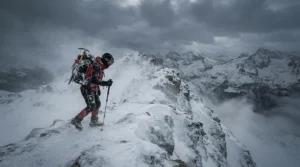
6. Salomon Elixir Ultra Down — the under-the-radar frigid-day option
The Salomon Elixir Ultra Down is the lesser-known name here, and it’s worth a look. It uses 800 fill ProDown insulation treated for water resistance, wrapped in a 100% recycled Pertex Y Fuse shell with a PFC-free DWR finish. One winter testing roundup called it very comfortable and suitable for frigid conditions.
That combination matters in practice: treated down tolerates damp snow better than untreated fill, and a recycled shell with a DWR finish shrugs off flurries. It makes sense for active people who want one jacket that handles cold mornings and snowy trails. I couldn’t verify a detailed fill weight, so treat it as a strong alternative rather than a proven heavyweight.
Review depth is limited compared with the Rab and Patagonia options, so the sentiment I can point to comes from a single test roundup rather than a broad owner base.
Pros:
- ✅ Water-resistant treated down
- ✅ Recycled shell with PFC-free DWR
- ✅ Comfortable fit praised by testers
Cons:
- ❌ Limited published specs and review depth
- ❌ Brand is less proven in extreme cold
Price range: check current price. A decent value pick if you want something different.
7. Cotopaxi Fuego Max Hooded Down Jacket — the entry ticket with caveats
The Cotopaxi Fuego Max Hooded Down Jacket is the most affordable option here, with 800 fill responsibly sourced down and wider baffles for extra loft. It’s also the one I’d handle with the most caution. One detailed review calls it decently warm but better suited to in-town use than backcountry insulation, noting that Cotopaxi doesn’t publish the fill weight and that warmth-to-weight isn’t remarkable.
Owner feedback is mixed in a useful way: many buyers praise the colors, the packable feel and the cozy warmth, while at least one felt there wasn’t enough down. On paper, that fits a jacket designed for cold commutes and casual winter days rather than subzero expeditions.
If you buy it for -10°F, plan on stacking a fleece and a wind shell, and treat it as one part of a system. That’s the honest reality for entry-level 800 fill pricing.
Pros:
- ✅ Most affordable 800 fill option here
- ✅ Wider baffles for extra loft
- ✅ Packs small for its warmth level
Cons:
- ❌ Fill weight isn’t published
- ❌ Better for town than true subzero
Price range: mid-$300s. Fair value for urban cold, weak value for extremes.
How to Choose an 800 Fill Down Jacket for Subzero Temperatures
Choosing the warmest 800 fill jacket for winter comes down to six decisions, and fill power is only one of them.
- Check fill weight, not just fill power. Warmth depends on how much down you have, not only how lofty it is. A jacket with more ounces of 800 fill beats a skimpy one with the same number on the tag.
- Look at the baffles. Box-wall construction prevents cold spots at the seams, which matters when the mercury is below zero.
- Inspect the shell. A windproof, downproof fabric stops wind from stealing loft’s warmth, and a DWR finish handles flurries.
- Judge the hood, collar and hem. A helmet-compatible hood, a high draft collar and a drop hem seal the gaps where heat escapes.
- Match your activity level. Standing still demands more insulation, while moving people overheat in heavyweight parkas.
- Plan for moisture. Hydrophobic down helps, but wet down still loses much of its insulating ability, so pair your jacket with a shell when storms loom.
Pick two or three priorities from that list, then let the rest fall into place. For many readers, that means weighing a heavyweight like the Rab Neutrino Pro against a lighter active option such as the Rab Electron Pro.

Wind Chill Factor: What the Numbers Really Mean for Your Jacket
The wind chill factor is the single most misunderstood number in winter. The National Weather Service explains that wind chill reflects how fast exposed skin loses heat because of the combined effect of wind and cold. It’s about skin, not your jacket. Your coat’s insulation doesn’t magically get colder, but wind does steal heat from the shell, the draft points and any bare skin.
| Air Temp | Wind Chill at 5 mph | Wind Chill at 15 mph | Wind Chill at 30 mph |
|---|---|---|---|
| 0°F | -11°F | -19°F | -26°F |
| -10°F | -22°F | -32°F | -39°F |
| -20°F | -34°F | -45°F | -53°F |
Values from the National Weather Service wind chill chart.
Here’s the practical read: at 0°F with a 15 mph breeze, the NWS notes exposed skin can freeze in about 30 minutes. That’s why a windproof shell, a sealed hood and covered extremities matter more than squeezing out another 50 loft points. If your jacket lets wind through the fabric or around the hem, it fails the wind chill factor test no matter how lofty the fill.
For shopping, that means favoring shells like the Pertex Quantum Pro on the Rab Neutrino Pro and Rab Electron Pro, and pairing thinner-shelled picks like the Patagonia Fitz Roy Down Hoody with a wind layer on gusty days.
Layering Strategy for Subzero Days: Base, Mid, Down, Shell
A smart layering strategy beats any single jacket. Think of it as a system where each piece has a job, and your 800 fill jacket is the insulation engine, not the whole machine.
Step 1: Wicking base layer
Start with a snug synthetic or merino base. Public health guidance is blunt: never wear cotton in the cold, including underwear, because it holds moisture and drains your warmth.
Step 2: Insulating mid layer
Add a fleece or light insulated piece for extra loft. Depending on activity, you may need a couple of insulating layers. This is also where a lighter jacket like the Cotopaxi Fuego Max Hooded Down Jacket can pull double duty under a shell.
Step 3: The down jacket
Your main insulation goes on third. In subzero conditions, pick a heavyweight like the Montane Kamen XT if you’re stationary, or the Rab Electron Pro if you’re moving.
Step 4: Wind or hard shell
When gusts spike, add a protective shell. It stops wind from stealing warmth and keeps snow off your down.
Common first-30-minute mistakes
- Starting too warm, then sweating. Begin slightly cool and vent early.
- Zipping everything tight on a climb. Open pit zips or the front zipper to manage moisture.
- Forgetting hands, head and neck. Heat escapes there fast.
The best layering strategy is adjustable: add before you chill, vent before you sweat.
What to Expect From a Down Jacket for Below Zero Temps
A down jacket for below zero temps behaves differently depending on whether you’re moving. Standing still, your body generates little heat, so total fill weight and baffle design dominate. That’s why jackets with around 7 ounces of 800 fill, like the Rab Neutrino Pro and Montane Kamen XT, shine at bus stops, sidelines and campsites.
Moving, the equation flips. One roundup notes that active climbers and skiers often need less fill than they assume. A Scandinavian magazine test of a heavy expedition parka in 2026 even reported overheating on day hikes at around 14°F, a reminder that more insulation isn’t always better. If you hike, ski or snowshoe, consider the lighter Rab Electron Pro or Salomon Elixir Ultra Down.
Moisture is the quiet enemy
Down loses much of its insulating power when wet, so treated hydrophobic down and a DWR shell help. Even so, sweat is a bigger threat than snow on most subzero days, which loops back to venting and layering.
Mobility and comfort
Reviewers describe the Patagonia Fitz Roy Down Hoody as breathable and compressible, which makes it comfortable on the move. Heavier parkas trade that mobility for deeper warmth. Pick based on your day, not on a spec-sheet fantasy.
Real-World Scenarios: Matching Jackets to Real Lives
Three common profiles show how the picks play out. These are reasoned scenarios based on specs and review themes, not personal test results.
The Minnesota commuter. Budget: around $400-$500. Environment: windy platforms and parking lots at -10°F with 15 mph gusts, which is a wind chill near -32°F per the NWS chart. Frequency: daily for four months. The Rab Neutrino Pro fits best because commuters stand still, and its drop hem and heavy loft hold up on platforms. Add a scarf and insulated mittens.
The weekend ice fisher. Budget: premium. Environment: hours of sitting on a frozen lake. Frequency: weekends. The Montane Kamen XT suits this, since its heavy boxwall loft is designed for inactivity. Pair it with a windproof shell for gusts.
The ski tourer. Budget: moderate. Environment: cold mornings, vigorous climbs, a break at the top. The Rab Electron Pro or Patagonia Fitz Roy Down Hoody make sense, since you carry them in a pack and throw them on when you stop. If you’re also eyeing a casual winter option, the Cotopaxi Fuego Max Hooded Down Jacket handles the city side of things.
✨ Ready to Find Your Perfect Match?
🔍 Take your cold-weather confidence up a notch with these carefully selected jackets. Click on any highlighted item to check current pricing and availability, and build a setup that fits your actual winter!
Extreme Cold Weather Down Coat vs Parkas, Lower-Fill and Synthetic Options
An extreme cold weather down coat isn’t always an 800 fill jacket. Heavy parkas often use more total insulation, and synthetic options trade warmth-per-weight for moisture tolerance.
| Type | Strength | Weakness | Best For |
|---|---|---|---|
| 800 fill down jacket | High warmth per ounce, packable | Costly, fragile when wet | Active or mixed-use cold |
| Heavy lower-fill down parka | More total insulation, longer coverage | Bulkier, heavier | Stationary extreme cold |
| Synthetic parka | Dries faster, handles damp | Heavier for equal warmth | Wet, snowy extreme cold |
In one test roundup, a long 600 fill parka ranked among the warmest coats thanks to its length and insulation volume, while an Alaska field test crowned a PrimaLoft Gold parka for brutal cold because it packs well and dries faster than down. The lesson: fill power is one variable, and coverage, total fill weight and moisture tolerance count too.
So if you’re buying for sheer stationary warmth in dry cold, a heavyweight like the Rab Neutrino Pro or Montane Kamen XT is a strong bet. If you face damp, heavy snow, a synthetic parka may serve you better.

Features That Actually Matter (And Those That Don’t)
What matters
- Fill weight. The amount of down is as important as its quality.
- Baffle design. Box-wall chambers prevent cold spots.
- Windproof shell. One review summary put it bluntly: without a competent shell, even 800 fill feels useless in wind.
- Hood, collar and hem. These seal the leaks.
- Pocket placement. Handwarmer pockets that sit above your harness or pack belt are useful.
What doesn’t
- Fill power above 800. Higher numbers help weight, not necessarily total warmth.
- Packed size. Nice, but irrelevant when you’re wearing it.
- Fashion colors. Cotopaxi’s palette is fun, but color doesn’t insulate.
- Temperature stickers. Jackets don’t come with a widely used standard rating like sleeping bags do, so treat any such claim cautiously.
If a jacket nails the first list, the second list is gravy.
Common Mistakes When Buying a Subzero Down Jacket
- Buying by fill power alone. The tag number is only part of the story.
- Ignoring fit. Down is a poor insulator when compressed, so a jacket that’s too tight squeezes out its own loft. Leave room for layers.
- Skipping wind protection. A lofty jacket with a flimsy shell leaks warmth.
- Wearing cotton underneath. It stays damp and drains heat, as health guidance warns.
- Over-insulating for activity. Sweat chills you later, and even a Scandinavian parka test reported overheating at around 14°F.
- Neglecting extremities. A great jacket means little if your hands and ears are bare.
Avoid those, and you’ve sidestepped most of the common subzero blunders.
Long-Term Cost & Maintenance: Making an 800 Fill Jacket Last
Good down tends to retain its loft for years if you care for it properly, which changes the math on price. Spread a jacket in the mid-$400s over a decade of winters and the annual cost drops quickly, though lifespan varies with use and care.
| Tier | Price Range | Value Notes |
|---|---|---|
| Entry | $325-$375 range | Cotopaxi Fuego Max Hooded: affordable, best for urban cold |
| Core | $400-$500 range | Patagonia Fitz Roy Down Hoody, The North Face Summit Series Breithorn Hoodie, Rab Neutrino Pro: balanced warmth and durability |
| Specialist | Premium; check current price | Montane Kamen XT: maximum stationary warmth |
Looking at the tiers, the core range offers the best blend of warmth, durability and brand support, while the entry tier suits milder or urban subzero days.
Care basics
- Wash only when needed, using a down-specific cleaner.
- Dry on low heat with clean dryer balls, and be patient, since down takes hours.
- Store it uncompressed, never crammed in a stuff sack all summer.
- Spot-clean and refresh the DWR finish when water stops beading.
A little care protects the loft you paid for.
800 Fill Down Jackets for Specific Audiences
Commuters. Prioritize stationary warmth and length. The Rab Neutrino Pro is the logical choice, and the Cotopaxi Fuego Max Hooded fits tighter budgets.
Outdoor workers. Occupational cold-stress guidance recommends wearing at least three layers of loose-fitting clothing and staying dry, so build a system rather than relying on one coat.
Skiers and climbers. Lean toward lighter, wind-resistant options such as the Rab Electron Pro and Salomon Elixir Ultra Down.
Older adults. The National Weather Service warns that hypothermia risk rises with age because the body becomes less efficient at signaling that you’re too cold. Err toward more insulation, and read the NWS guidance on extreme cold safety before heading out.
Kids. Skip adult jackets and look for properly sized children’s gear, as fit and mobility matter.
Frequently Asked Questions
❓ Can an 800 fill down jacket handle -20°F on its own?
❓ How much down do I need for a subzero parka?
❓ Is hydrophobic down worth paying extra for?
❓ Should I buy a down or synthetic parka for wet, subzero days?
❓ How do I wash and store an 800 fill jacket?
Conclusion
Choosing an 800 fill down jacket for subzero temperatures is less about the number on the tag and more about matching total insulation, shell protection and your activity level. For standing-still deep cold, the Rab Neutrino Pro and Montane Kamen XT lead the pack. For active days, the Rab Electron Pro and Salomon Elixir Ultra Down keep weight down while holding heat. The Patagonia Fitz Roy Down Hoody and The North Face Summit Series Breithorn Hoodie are versatile cold-weather workhorses, and the Cotopaxi Fuego Max Hooded Down Jacket is a budget-friendly entry for urban winters.
Remember that wind chill factor, layering strategy and moisture management matter as much as the jacket. Dress in layers, cover exposed skin, and check the National Weather Service’s cold safety guidance before extreme days. Prices change, so check current price and availability on any pick before you buy.
✨ Ready to Beat the Cold?
🔍 Take your winter confidence to the next level with these carefully selected jackets. Click on any highlighted item to check current pricing and availability, and step into the season warm, safe and ready!
Recommended for You
- 800 Fill Down Jacket: 7 Best Warm Picks To Buy In 2026
- 800 Fill Down Jacket For Backpacking: 7 Proven Picks (2026)
- Down Jacket Vs Parka For City Winters: 7 Proven Picks (2026)
Disclaimer: This article contains affiliate links. As an Amazon Associate, I earn from qualifying purchases. If you purchase products through these links, we may earn a small commission at no additional cost to you.
✨ Found this helpful? Share it with your friends! 💬🤗
