
In This Article
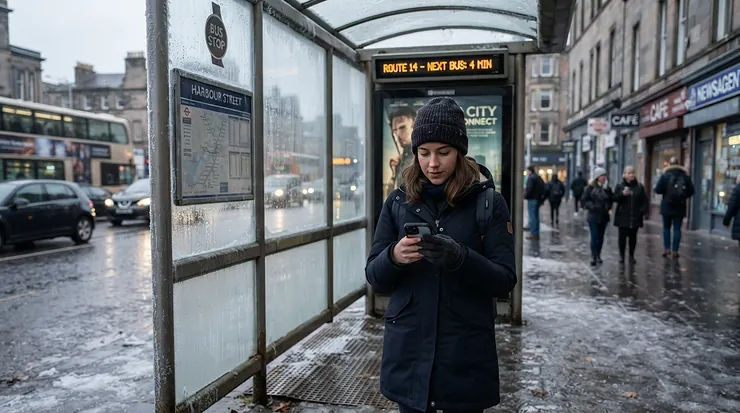
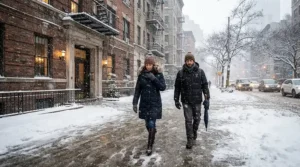
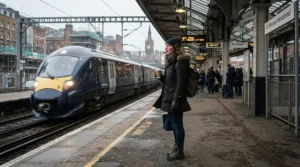
Here’s what nobody mentions at the shop: city cold is a different animal from mountain cold. You’re not summiting anything. You’re sprinting for a bus in a crosswind, then roasting in a 78°F subway car, then waiting outside a restaurant while the host says “about twenty minutes.” Your coat has to survive all three acts. So the real question isn’t which coat is warmer. It’s which one fails less often across a messy, stop-start day.

A down jacket takes its name from the soft under-feathers inside. It wins on loft per ounce and packs small enough to stuff under a desk. A parka, usually hip-to-thigh length with a storm hood and a tougher shell, wins on wind, wet snow and sheer coverage. Plenty of parkas are filled with down too, which is where the confusion starts. “Down” describes what’s inside. “Parka” describes the cut and the shell.
This guide sorts it out. You’ll get seven real coats (three down-first jackets and four parkas), a candid city winter coat comparison, and a decision framework built around your commute and climate. Prices appear as ranges because they move constantly, so check current price before buying. The analysis rests on published specs and aggregated reviewer sentiment, not invented testing stories.
Quick Comparison: City Winter Coat Comparison at a Glance
| Coat | Type | Insulation | Price Range | Best For |
|---|---|---|---|---|
| Patagonia Down Sweater Hoody | Down jacket | 800-fill recycled down | Mid-$300s | Layering commuters |
| Arc’teryx Thorium | Down jacket | 750-fill goose down + Coreloft | Around $500 | Dry, cold, long-term investment |
| Orolay Women’s Thickened Down Jacket | Longer down jacket | 90/10 duck down and feather | $100-$180 | Budget warmth |
| The North Face McMurdo Parka | Down parka | 600-fill down | $300-$450 | Subfreezing commutes |
| Helly Hansen Reine Parka | Synthetic parka | PrimaLoft | Mid-$300s | Slush and wet snow |
| Columbia Marquam Peak Fusion Parka | Synthetic parka | Thermarator + Omni-Heat lining | Roughly $150-$250 | Value-minded buyers |
| Fjallraven Nuuk Parka | Synthetic parka | 250g Supreme Microloft | $500-$550 | Extreme, dry cold |
The pattern is clear: the down jackets win on weight and flexibility, and the parkas win on coverage and weather protection. The Orolay Women’s Thickened Down Jacket and Columbia Marquam Peak Fusion Parka are the budget routes, while the Arc’teryx Thorium and Fjallraven Nuuk Parka are the long-haul investments. If your winter involves real slush, the Helly Hansen Reine Parka is the one to watch.
💬 Just one click — help others make better buying decisions too!😊
Top 7 Down Jackets and Parkas for City Winters: Expert Analysis
1. Patagonia Down Sweater Hoody — the everyday layering benchmark
Some coats shout. This one clears its throat and gets on with the day. The non-hooded version lists roughly 13 ounces, with about 5 ounces of 800-fill recycled down inside a thin 20D shell. In practice, that means a jacket you can compress into a tote when the office hits 74°F, yet it lofts right back for the walk home. One outdoor-gear site estimates a standalone comfort floor near 23°F. That’s a useful reality check: this is a mild-to-cold performer, not a deep-freeze one.
Based on the spec comparison, it suits people whose winters live between the high 20s and mid-40s, who commute by transit or on foot, and who’ll happily throw a shell over it on a wet day. The thin face fabric sheds flurries but isn’t a rain commitment.
Reviewers consistently praise its durability, its clean look in town and its sourcing story. A recurring complaint is that it needs another layer once temperatures dive into the teens, and that the price keeps creeping up.
Pros:
- ✅ Excellent warmth-to-weight with premium 800-fill down
- ✅ Slim profile layers cleanly under a shell
- ✅ Understated look works from office to weekend
Cons:
- ❌ Not enough alone below roughly 20°F
- ❌ Thin shell offers only light weather resistance
Expect the mid-$300s range (check current price). For a coat that works three seasons of the year, the value verdict is strong.

2. Arc’teryx Thorium — premium warmth with a wet-weather hedge
Where the Down Sweater is polite, the Arc’teryx Thorium is serious. It pairs 750-fill European goose down (Responsible Down Standard certified) with Coreloft synthetic insulation in the damp-prone zones: hood, collar and cuffs. It carries about 5 ounces of down at roughly one pound. Here’s the nuance a spec sheet hides: the brand’s own Cerium uses higher 850-fill down, yet the Thorium is warmer because it holds more down by weight. Fill power is quality. Fill weight is quantity.
This reads as a standalone cold-weather coat for around-freezing and colder days that are mostly dry. Reviewers describe it as a go-to city jacket from daily commutes to weekend wandering, and one owner called it almost too warm in milder weather. Think of it as a 10°F-to-35°F coat, not a shoulder-season one.
The recurring complaints: the price, a slightly stiff feel for some buyers, modest sizing, and fabric that can be slow to dry after a soaking. It’s also too bulky to double as a midlayer.
Pros:
- ✅ Very warm for roughly one pound
- ✅ Synthetic hood and cuffs resist dampness
- ✅ Sturdy shell built to last for years
Cons:
- ❌ Premium price tag for a down jacket
- ❌ Too bulky to wear under a shell
Plan on around $500 (check current price). It’s the priciest down jacket here, so the value verdict is “worth it only if you’ll wear it daily for many winters.”
3. Orolay Women’s Thickened Down Jacket — the budget coat with a cult following
Nicknamed “the Amazon coat,” this one is mid-thigh length with a fleece-lined hood, side zippers for extra stride room and six big pockets. The brand lists a 90% duck down and 10% feather fill, quotes 700+ fill power and notes Responsible Down Standard certification. Those are brand claims, and independent testers have described it as roomy and comfortable rather than the fluffiest option around. One review site scored its warmth 8 out of 10.
The extra length is the real city advantage. Covering the tops of the legs on a windy platform does more than a few extra fill-power points. This is the pick for budget-conscious commuters and dog walkers who want real warmth without luxury pricing. It’s sold in women’s sizing, so men should look at the parkas below.
A third-party snapshot of the Amazon listing showed a very large rating pool averaging around 4.4 stars, though it may have changed. Reviewers often say it runs oversized, so many suggest sizing down. Some of the brand’s own reviews are incentivized.
Pros:
- ✅ Long cut and big hood block wind
- ✅ Real down fill at a bargain price
- ✅ Roomy enough for chunky layers
Cons:
- ❌ Oversized fit; sizing down is a common tip
- ❌ Less refined shell and finishing than premium rivals
Expect roughly $100-$180 depending on sales. The value verdict is excellent for the warmth delivered.
4. The North Face McMurdo Parka — the classic city-slicker with real weatherproofing
Debuted in 2001 and named after an Antarctic station, the The North Face McMurdo Parka is the archetypal city parka. It uses 600-fill recycled down and a 2-layer DryVent waterproof shell in a tough 70-by-160-denier nylon. It weighs roughly 3 pounds 4 ounces, with a removable faux-fur ruff and a hip-to-upper-thigh hem.
Here’s what 600-fill actually means: less loft per ounce than premium down, but the sheer volume of insulation makes up for it. Testers repeatedly call it brimming with fill. This is a standing-still coat for sub-20°F wind and wet snow, not a coat for jogging to the train.
Reviewers consistently describe it as very warm and weatherproof, with one buyer calling it excellent for New York winters below 20°F. Common complaints include bulk, no hem adjustment and overheating in milder weather, plus some quality-control grumbles about zippers and seams in certain reviews.
Pros:
- ✅ Waterproof shell plus serious down warmth
- ✅ Hood and ruff shield against wind
- ✅ Durable fabric built for daily abuse
Cons:
- ❌ Heavy and bulky for crowded transit
- ❌ Too warm above roughly 35°F
List pricing runs around $400-$450, while discounted pricing frequently lands in the $300s (check current price). The value verdict is among the best for genuinely cold cities.
5. Helly Hansen Reine Parka — waterproof shell and synthetic fill for slushy commutes
If your winter is more wet than white, the Helly Hansen Reine Parka deserves a look. It pairs a waterproof, breathable, seam-sealed Helly Tech shell with PrimaLoft synthetic insulation. That’s a smart pairing because synthetic fill keeps working when damp, which down does not. It also adds a detachable faux-fur hood trim, fold-up reflective cuffs and a pocket layout that handles gloves, phone and transit card.
Analytically, this is the coat for the 20°F-to-40°F range, where rain, sleet and wet snow arrive in the same week. One reviewer reported it was comfortable between 20°F and 40°F but started to feel warm at 40°F. Slush season is where it earns its keep.
The brand’s own site shows an average in the high 4s across roughly 200 reviews, while a major retailer’s pool sits closer to 4 out of 5. Common notes: it can run large, some find the zipper feels plasticky, and there’s no waist adjustment for a tailored line.
Pros:
- ✅ Waterproof, seam-sealed shell for real slush
- ✅ Synthetic fill keeps its warmth when damp
- ✅ Reflective details help on dark evening walks
Cons:
- ❌ Runs big for some buyers
- ❌ Not warm enough for deep-freeze, windy days
Expect the mid-$300s range at regular retail, with periodic discounts. The value verdict is strong for wet-winter cities.
6. Columbia Marquam Peak Fusion Parka — heat-reflective lining without a premium price tag
Columbia’s gold-dot Omni-Heat Infinity lining reflects body heat back toward you, and the parka layers it over Thermarator synthetic insulation. The shell is water-resistant rather than waterproof, a distinction worth taking seriously for sloppy weather. The back length is around 33 inches, and the hood is removable with optional faux fur. The adjustable hem and cuffs also help seal out wind.
The analytical takeaway is simple: you’re paying for a lot of warm-looking parka at a modest price. It suits mild-to-cold city winters and buyers who want the long silhouette without McMurdo-level spending. Skip it for prolonged downpours.
Reviewers frequently call it among the warmest coats they’ve owned, with plenty of pockets. Several suggest buying one size down, and one wished for reflective trim for night walks. A retailer page averaged 4.5 out of 5 from a modest review pool, and the brand’s site shows many incentivized reviews, so weigh the praise accordingly.
Pros:
- ✅ Thermal-reflective lining boosts warmth
- ✅ Long cut with adjustable hem and cuffs
- ✅ Plenty of zippered and snap pockets
Cons:
- ❌ Water-resistant only, not waterproof
- ❌ Fit can run large
Pricing typically sits in the budget-to-mid tier, roughly $150-$250 depending on retailer and sales (check current price). The value verdict is very good for dry-to-damp cities.
7. Fjallraven Nuuk Parka — heavyweight synthetic armor for the coldest, driest days
The Fjallraven Nuuk Parka is the maximalist here. It uses 250g Supreme Microloft synthetic insulation in a dense, canvas-like recycled polyamide shell with a waterproof-breathable membrane. Testers cite roughly 3 to 4 pounds, a fleece-lined collar and hood, a removable faux-fur ruff, and as many as eleven pockets. That weight buys dead-air space, and the generous cut leaves room for sweaters.
Reviewers split on the details. Some call it a polar-grade workhorse that’s excellent in lower-teens cold. Another test said it falls short of expectations at this price, soaks through in prolonged wet conditions and feels bulky on transit. The takeaway is that this is a coat for cold, dry, windy cities where you spend time outdoors, not for crowded subway commutes.
Pros:
- ✅ Extremely warm with generous dead-air space
- ✅ Rugged shell and glove-friendly details
- ✅ Huge pocket count for daily carry
Cons:
- ❌ Heaviest coat in this lineup
- ❌ Tactical styling and bulk limit casual use
Expect around $500-$550 (check current price). The value verdict is good only if your winters truly demand it.
Side-by-Side Specs for the Top 7
| Coat | Insulation Type | Approx. Weight | Weather Protection | Best For |
|---|---|---|---|---|
| Patagonia Down Sweater Hoody | Recycled down | About 13 oz (non-hooded) | DWR-treated shell | Layering commuters |
| Arc’teryx Thorium | Down + synthetic hybrid | About 1 lb | DWR, synthetic hood | Dry cold |
| Orolay Women’s Thickened Down Jacket | Duck down/feather | Not verified | Wind and water resistant (brand claims) | Budget warmth |
| The North Face McMurdo Parka | Down | About 3 lb 4 oz | Waterproof DryVent 2L | Bitter, wet cold |
| Helly Hansen Reine Parka | Synthetic | Check listing | Waterproof, seam-sealed | Slush |
| Columbia Marquam Peak Fusion Parka | Synthetic | Check listing | Water-resistant | Value buyers |
| Fjallraven Nuuk Parka | Synthetic | About 3-4 lb | Waterproof membrane | Dry arctic cold |
Notice how weight and weather protection pull in opposite directions. The lightest coats (the Patagonia Down Sweater Hoody and Arc’teryx Thorium) give up some wet-weather armor, while the heaviest (the Fjallraven Nuuk Parka and The North Face McMurdo Parka) lock out wind and wet at the cost of bulk. The Helly Hansen Reine Parka is the middle path for people who need waterproofing without hauling a sleeping bag around.
Down Jacket vs Parka for City Winters: Where Each One Wins
Warmth per ounce vs warmth per square foot
Down jackets win on loft per ounce, so you get strong insulation without hauling it around. Parkas win on coverage. A longer hem, bigger hood and higher collar protect the places where city wind actually bites: thighs, neck and ears. A moderate-warmth parka often feels warmer in a gust than a thin, short, ultra-premium jacket.
Wind, wet and slush
Down insulation loses loft when it gets wet, which is why several jackets here add synthetic panels in vulnerable zones. Parkas with waterproof membranes (like the The North Face McMurdo Parka and Helly Hansen Reine Parka) shrug off slush. Most lightweight down jackets don’t, so keep a shell handy.
Indoor behavior
City life means constant temperature swings. A down jacket compresses and cools off quickly in a heated office. A heavy parka can feel like wearing a duvet on the subway. The best answer for most people is often one of each, or a mid-weight parka plus a down layer for the milder days.
Benefits vs Traditional Alternatives
| Option | Warmth | Weather Protection | Packability | Best For |
|---|---|---|---|---|
| Down jacket (Patagonia Down Sweater Hoody) | High per ounce | Light | Excellent | Layering and mild-cold days |
| Parka (The North Face McMurdo Parka) | High, with coverage | Strong | Poor | Sub-20°F windy commutes |
| Long puffer (Orolay Women’s Thickened Down Jacket) | High for price | Moderate | Fair | Budget, casual style |
| Traditional wool overcoat | Moderate | Weak in wet | Poor | Formal settings, dry cold |
A wool overcoat looks sharp but loses to either down or parka once wind and wet appear. The Patagonia Down Sweater Hoody is the packable all-rounder, the The North Face McMurdo Parka is the storm fighter, and the Orolay Women’s Thickened Down Jacket is the budget compromise that borrows traits from both camps.
✨ Don’t Miss These Exclusive Deals!
🔍 Take your down jacket vs parka for city winters decision to the next level with these carefully selected coats. Click on any highlighted item to check current pricing and availability. These picks will help you build a winter wardrobe you’ll actually enjoy wearing! 🧣

How to Choose Between a Down Jacket and a Parka for City Winters
Follow these seven steps, in order, to cut through the marketing noise:
- Check your coldest realistic day. If wind chills regularly plunge below 10°F, lean parka. If most days sit in the 25°F-45°F band, a down jacket plus a shell is more efficient.
- Measure your wet days. Frequent rain, sleet and slush point to waterproof shells or synthetic insulation. Mostly dry cold favors down.
- Look at fill power and fill weight together. Fill power measures loft in cubic inches per ounce, and 800-fill is the premium tier. But a jacket with more down by weight can be warmer than one with higher-fill-but-less down, as the Arc’teryx Thorium shows.
- Consider length. Hip-length coats move well. Thigh-length coats shield better when you’re standing still.
- Think about your commute. Crowded trains reward compressible down jackets. Open platforms and long walks reward parkas.
- Try layering before buying. Wear the sweater you’d really wear in January and check the shoulders and sleeves.
- Set a cost-per-winter budget. A coat you’ll wear for years can cost more up front and less per day.
Parka vs Puffer Jacket Urban: Shell, Silhouette and Street Reality
The parka vs puffer jacket urban debate is mostly about structure. A puffer is defined by its quilted baffles, a look that shouts “insulated.” A parka is defined by its hooded, longer, more tailored shell. Many parkas contain puffer-style insulation, so the line blurs.
In city use, the baffles matter. Puffers can look boxy over bulky layers, and some shed insulation if the shell is cheap. A parka’s smoother outer fabric blocks wind better and cleans up more easily after slush. A puffer’s advantage is quick on-and-off, easy compressibility and a more casual vibe.
The urban details matter too. Parkas tend to have more pockets, bigger hoods and a hem that covers more thigh. That’s great for waiting outdoors but awkward when sitting in a cramped cafe booth. Puffers sit better when you’re folded into a car or a bike saddle.
If you want one coat to cover everything, the Helly Hansen Reine Parka blends parka coverage with lightweight synthetic fill, while the Patagonia Down Sweater Hoody represents the puffer end of the spectrum without the bulky look. Both fit into a smart parka vs puffer jacket urban wardrobe, depending on how much weather you face.
Coat Style for City Winters: Making Either Choice Look Intentional
Great coat style for city winters starts with proportion. A long parka over slim trousers and boots looks deliberate. A bulky puffer over baggy everything looks like you lost an argument with a sleeping bag.
- Color: Navy, black, olive and charcoal read as polished and hide slush stains. Brighter shades like mustard add visibility on dark evenings.
- Length: Hip-length down jackets pair with sneakers and jeans. Thigh-length parkas pair with boots and darker denim.
- Hood fur: Removable trim lets you dial it up or down. The Helly Hansen Reine Parka, Columbia Marquam Peak Fusion Parka and The North Face McMurdo Parka all offer detachable faux fur.
- Fit: Size for your thickest realistic layer. Several reviewers say the Orolay Women’s Thickened Down Jacket and Helly Hansen Reine Parka run large, so check reviews.
- Accessories: A scarf, beanie and decent gloves transform the silhouette and add real warmth.
The Arc’teryx Thorium and Patagonia Down Sweater Hoody carry a clean technical look that works with chinos and office shoes. The Fjallraven Nuuk Parka leans rugged, which suits a boots-and-flannel wardrobe better than tailored suiting.
Features That Actually Matter (And Those That Don’t)
Matter:
- Waterproofing or water resistance that suits your climate. In a wet city, this is more important than fill power.
- A hood that fits. Adjustable drawcords stop wind from stealing your warmth.
- Pockets with zippers. Slippery transit cards and phones are easy to lose.
- Fill weight and shell toughness. The Down & Feather Council notes that higher thread count generally makes a fabric more down-proof, which affects how much fluff escapes over the years.
Don’t matter (as much):
- Extreme fill-power bragging. A 900-fill jacket with little down can be less warm than a 600-fill coat with plenty.
- Detachable fur on its own. It’s nice styling but rarely the difference between warm and cold.
- “Expedition” branding. The The North Face McMurdo Parka has Antarctic heritage, but you don’t need polar specs for a city walk.
- Ultralight weight. If you never carry the coat anywhere, saving three ounces is a luxury, not a necessity.

Long-Term Cost & Maintenance: What Each Winter Really Costs
Cost per winter is the honest way to compare these coats. A coat around $500 worn about 100 days a winter for seven winters works out to roughly 70 cents a day. A $150 coat worn for three winters works out to roughly 50 cents a day. Neither is a bad deal, so durability and warranty coverage often decide it.
Reputable brands often include repair warranties, which is a quiet perk for a premium coat like the Arc’teryx Thorium or Patagonia Down Sweater Hoody. The cheaper Orolay Women’s Thickened Down Jacket and Columbia Marquam Peak Fusion Parka may last fewer seasons, but they drop the cost of entry dramatically.
Maintenance matters too. Most down jackets require a delicate wash cycle and specialized detergent, and synthetic parkas like the Fjallraven Nuuk Parka and Helly Hansen Reine Parka are usually less fussy. Replacing a ruined coat costs far more than a bottle of down wash, so follow the care label.
Practical Usage Guide: Setup, Care and Your First 30 Days
Week one: break it in. Wear your new coat on a short walk with your usual layers. Adjust the hood drawcord, check sleeve length and note any hot spots.
Week two: learn the layering. On a 35°F day, test a sweater under the coat. On a 15°F day, test thermal layers. You’ll find your comfort threshold fast.
Week three: check the weather response. Wear it through a light rain or snow to see where the shell beads water and where it doesn’t. If your coat is only water-resistant, like the Columbia Marquam Peak Fusion Parka, note how long it holds out.
Week four: care and storage. Spot-clean dirt right away. Wash down per the label, using a gentle cycle, down-specific detergent and low-heat drying with clean tennis balls to restore loft. Store the coat uncompressed in a breathable bag at season’s end.
Common first-30-day mistakes:
- Compressing a down jacket into its stuff sack for weeks, which flattens loft
- Zipping a damp coat into a closet, which invites odor
- Ignoring the hem drawcord on a parka and letting wind sneak in
Real-World Scenarios: Three City Winters, Three Coats
Scenario 1: The transit commuter in a mixed climate. You ride the subway 8 miles each way, with winter days between 25°F and 45°F and the occasional wet snowfall. The Patagonia Down Sweater Hoody with a thin shell for rainy days covers this well, and it won’t turn into a sauna on a crowded train.
Scenario 2: The windy-city walker. You walk 20 minutes each way along an open waterfront, where winter gusts feel brutal. The National Weather Service notes that a temperature of 0°F with a 15 mph wind produces a wind chill of -19°F, at which exposed skin can freeze in 30 minutes. That’s the territory for The North Face McMurdo Parka or the Fjallraven Nuuk Parka, where coverage and wind-blocking beat packability.
Scenario 3: The budget-minded student. You’re stretching a tight budget across a long, damp winter. The Columbia Marquam Peak Fusion Parka or Orolay Women’s Thickened Down Jacket deliver strong warmth at a modest price, and you can pair either with a cheap rain shell.
Buyer’s Decision Framework: If This, Choose That
- If your winter is mostly dry and truly cold, choose a down jacket like the Arc’teryx Thorium for light, efficient warmth.
- If your winter is wet, choose a waterproof synthetic parka like the Helly Hansen Reine Parka.
- If your winter is brutally windy and below 15°F, choose a heavy parka like The North Face McMurdo Parka or Fjallraven Nuuk Parka.
- If you want one coat to cover most days, choose the Patagonia Down Sweater Hoody and add a shell.
- If budget is the priority, choose the Columbia Marquam Peak Fusion Parka or Orolay Women’s Thickened Down Jacket.
Quick priority checklist: coldest day, wet days, commute type, budget, style. Pick your top two priorities, and the choice usually makes itself.
Frequently Asked Questions
❓ Is a parka warmer than a down jacket for city winters?
❓ Can a down jacket handle wet snow and slush in the city?
❓ How much should I spend on a city winter coat?
❓ Should I size up or down when buying a parka?
❓ How do I wash a down jacket or parka at home?
Conclusion
So, which wins the down jacket vs parka for city winters showdown? It depends on how your winter actually behaves. If you live in a mild-to-cold city and ride crowded transit, a down jacket like the Patagonia Down Sweater Hoody or Arc’teryx Thorium is the efficient, packable choice. If your winter is windy, wet or brutally cold, a parka like The North Face McMurdo Parka, Helly Hansen Reine Parka or Fjallraven Nuuk Parka offers the coverage a down jacket can’t.
Budget doesn’t have to mean cold. The Columbia Marquam Peak Fusion Parka and Orolay Women’s Thickened Down Jacket deliver real warmth at modest prices, as long as you accept some trade-offs in finishing and weather protection. Many city dwellers eventually land on a two-coat solution: a down jacket for the milder shoulder weeks, a parka for the deep freeze.
Whatever you pick, size for your layers, respect the wet-weather limits and treat the coat as a multi-winter investment. Do that, and you’ll stop dreading the walk to the bus stop.
Recommended for You
- Down Jacket Vs Synthetic Jacket For Winter Hiking: 7 Best Picks 2026
- Down Jacket For Dog Walking in Winter: 7 Best Warm Picks 2026
- Lightweight Down Jacket For Travel: 7 Proven Picks (2026)
Disclaimer: This article contains affiliate links. As an Amazon Associate, I earn from qualifying purchases. If you purchase products through these links, we may earn a small commission at no additional cost to you.
✨ Found this helpful? Share it with your friends! 💬🤗
