
In This Article
Somewhere in your closet is a “waterproof” jacket that lied to you. You know the one — it looked great on the hanger, felt sturdy enough at checkout, and then betrayed you at minute four of a real downpour, when your shoulders went cold and damp and you started doing that hunched, miserable power-walk back to the car. A cheap rain jacket that actually works isn’t a myth, though. It’s just harder to find than the marketing copy suggests, because “waterproof” on a tag and waterproof in a thunderstorm are two very different promises.

This guide exists to close that gap. We researched real, current Amazon listings — actual products with actual specs, not vague placeholder gear — and paired them with aggregated customer-review sentiment so you can see what buyers genuinely experience, not just what the product photos imply. You’ll get seven specific picks spanning roughly $20 to just over $100, a breakdown of what separates a truly waterproof jacket from a merely water-resistant one, and honest analysis of when spending a little more actually buys you something and when it just buys you a logo. If you’ve been burned by a flimsy poncho-in-a-jacket’s-clothing before, this is the corrective.
What Is a Cheap Rain Jacket That Actually Works?
A cheap rain jacket that actually works is a budget-priced shell — generally under $50 — that uses a genuinely waterproof or waterproof/breathable fabric with sealed seams, rather than a merely water-resistant coating that wets out in sustained rain. The difference isn’t marketing spin; it comes down to construction, seam-sealing, and fabric rating, all of which you can verify before you buy.
That last part matters more than most shoppers realize. Two jackets can both say “waterproof” on the label while performing completely differently once real rain hits real fabric. Understanding the terminology — waterproof versus water-resistant versus windproof — is genuinely the single highest-leverage thing you can learn before buying, and it’s exactly what separates the jackets on this list that hold up from the ones that quietly don’t.
Quick Comparison Table: Best Cheap Rain Jackets at a Glance
| Jacket | Price Range | Weight | Best For |
|---|---|---|---|
| Frogg Toggs Ultra-Lite2 | Under $30 | 5.5 oz | Ultra-tight budgets, emergency kits |
| Amazon Essentials Waterproof Packable | $25-$35 range | ~9 oz | First-time buyers, casual everyday use |
| Little Donkey Andy Waterproof Rain Jacket | $35-$45 range | ~11 oz | Travel and light hiking |
| Wantdo Lightweight Rain Jacket | $35-$45 range | ~12 oz | Commuting and cycling |
| Columbia Glennaker Lake II | $30-$55 range | ~10 oz | Brand reliability on a budget |
Looking at this lineup, the split isn’t really about who’s “waterproof” and who isn’t — every jacket here claims that. It’s about how much you’re paying for durability, breathability, and features like pit zips or adjustable hoods layered on top of that baseline protection. The Frogg Toggs Ultra-Lite2 wins on raw price-per-ounce of protection, while the Columbia Glennaker Lake II trades a bit of that rock-bottom pricing for a name-brand construction that tends to survive more washes and more seasons.
💬 Already comparing options? Save this table and skip back to it whenever you need a quick refresher!
Top 7 Cheap Rain Jackets: Expert Analysis
We picked these seven specifically to cover the realistic range of what “cheap” means on Amazon in 2026 — from genuinely disposable-tier gear you’d stash in a glovebox to a $100-ish jacket that still counts as a bargain relative to $300 technical shells. Each entry below breaks down the real specs, who it’s actually built for, and where reviewers say it falls short.
1. Frogg Toggs Ultra-Lite2 Rain Jacket — lightest and cheapest jacket that still counts as real rain gear
The standout here is the sheer weight class: a men’s small Frogg Toggs Ultra-Lite2 comes in around 5.5 ounces, which is lighter than most smartphones plus a case.
Key specs and what they mean in practice: the jacket is built from Frogg Toggs’ proprietary non-woven polypropylene, which is waterproof as a permanent property of the material rather than a coating that wears off. That means there’s no DWR finish to maintain or re-apply over the jacket’s life — a real advantage for buyers who don’t want ongoing upkeep. It also compresses into its included stuff sack small enough to live in a glovebox, backpack side pocket, or stadium-seat bag indefinitely, ready for the one time a year you actually need it.
Who should care: this is the right call for anyone who wants a genuine “just in case” layer — commuters, stadium-goers, festival attendees, or hikers padding out an emergency kit — rather than a daily-driver jacket. Based on the spec comparison with heavier budget shells, you’re trading long-term durability for near-disposable pricing and negligible weight, which is a completely reasonable trade if you only expect to wear it occasionally.
Reviewers consistently report that the fabric, while genuinely waterproof, is thin enough to tear if snagged on branches, zippers, or rough surfaces — several buyers of the related Frogg Toggs rain suit specifically flagged tearing under stress, and that fragility carries over to the jacket. A common thread in aggregated feedback is surprise at how well such an inexpensive product performs for its price class, tempered by advice to treat it gently.
Pros:
- ✅ Genuinely waterproof polypropylene fabric with no DWR upkeep needed
- ✅ Among the lightest jackets you can buy on Amazon
- ✅ Compresses into an included stuff sack for easy carry
Cons:
- ❌ Thin fabric is prone to tearing on rough surfaces or snags
- ❌ Non-breathable — expect clamminess during active movement
At around $20-30, the Frogg Toggs Ultra-Lite2 is close to the floor price for anything that can honestly call itself a rain jacket rather than a poncho, and for occasional use, it’s hard to argue with the value.

2. Amazon Essentials Waterproof Packable Rain Jacket — best all-around pick for first-time buyers
The standout feature is trust-minimized shopping: this is Amazon’s own house brand, which means predictable sizing charts, an easy return window, and reviews numbering in the thousands to sift through before you commit.
Key specs and what they mean in practice: it’s a packable shell with a full-zip front, adjustable hood, and elastic cuffs — the baseline feature set you’d expect at this price, executed without surprises. The packable design stuffs into its own pocket, which makes it a sensible grab for travel carry-ons where every cubic inch of luggage matters.
Who should care: this is the safest first purchase for someone who has never owned a dedicated rain jacket and doesn’t want to research seven brands before deciding. What most buyers overlook about house-brand basics like this one is that Amazon Essentials iterates its listings based on aggregated customer feedback more aggressively than smaller third-party sellers, since the brand’s whole value proposition depends on keeping return rates low.
Aggregated review sentiment across the Amazon Essentials outerwear line is mixed on breathability and long-rain seam performance — a recurring theme in independent testing of the line’s water-resistant garments is that seam construction isn’t bulletproof, and moisture can work through in sustained, heavy rain even though the fabric itself sheds water well. Reviewers describe it as reliable for short exposure and light-to-moderate rain rather than an all-day deluge jacket.
Pros:
- ✅ Reliable Amazon Essentials sizing and easy-return safety net
- ✅ Simple, packable design that suits travel and commuting
- ✅ Consistently competitive pricing versus third-party alternatives
Cons:
- ❌ Seam construction can let moisture through in sustained heavy rain
- ❌ Limited breathability compared to pricier laminated shells
Priced in the mid-$20s to mid-$30s range, the Amazon Essentials Waterproof Packable Rain Jacket earns its spot as the safe default — not the most technical jacket here, but the one with the fewest ways to go wrong.
3. Little Donkey Andy Waterproof Rain Jacket — best for travel and light hiking
The standout feature is functional pocket design: reviewers specifically call out generously sized, smooth-zippered hand pockets that actually fit a phone and a wallet without bulging.
Key specs and what they mean in practice: the jacket uses a waterproof/breathable shell with an adjustable hood, hook-and-loop cuffs, and a mesh-lined interior intended to reduce the clammy feel common in cheaper waterproof/nonbreathable jackets. That mesh lining is a genuinely useful upgrade over pure polypropylene shells like the Frogg Toggs — you’re paying a little more specifically for wearability during activity, not just water resistance.
Who should care: based on the spec comparison, this jacket is built for travelers and light hikers who need something that breathes reasonably well and packs down for a suitcase, rather than commuters who just need a quick throw-on layer. On paper this means slightly more bulk than the Frogg Toggs but noticeably more day-long comfort.
Aggregated customer sentiment is genuinely positive on core waterproofing and breathability, with one detailed review specifically praising that it “didn’t make me feel too warm” the way a comparable rain coat did. The most common complaint isn’t performance but fit: the fabric runs a bit stiff out of the package for some buyers, and the hood is cut oversized — reportedly extending several inches above the head for some wearers, which suggests it’s designed with helmet compatibility in mind rather than a snug everyday fit.
Pros:
- ✅ Mesh lining reduces clamminess versus non-breathable budget shells
- ✅ Generously sized, easy-to-use zippered hand pockets
- ✅ Adjustable velcro cuffs for a customizable seal
Cons:
- ❌ Hood runs oversized for wearers not using it over a helmet
- ❌ Fabric reported as stiffer than expected by some buyers
In the $35-$45 range, the Little Donkey Andy Waterproof Rain Jacket is a smart step up for anyone who plans to actually move around in their rain gear, not just stand under an awning in it.
4. Wantdo Lightweight Rain Jacket — best for commuting and cycling
The standout feature is storm-flap engineering: a snap-secured flap over the main zipper is specifically designed to block the exact spot where budget jackets most commonly leak.
Key specs and what they mean in practice: the jacket pairs a water-repellent 100% polyester shell with a curved brim on the hood, engineered specifically to keep rain from dripping straight into your eyeline — a small detail that matters enormously if you’re wearing this jacket while biking or walking into wind-driven rain rather than standing still. The hooded drawstring and elastic cuffs round out a feature set aimed squarely at commuters moving through weather rather than waiting it out.
Who should care: here’s what to weigh if you’re deciding between this and the Little Donkey Andy pick above — the Wantdo Lightweight Rain Jacket leans harder into wind protection and visibility-friendly hood design, making it the stronger pick specifically for cyclists and daily commuters, while the Little Donkey Andy jacket edges it out slightly on breathability for hiking.
Reviewers and Amazon buyer Q&As consistently flag one theme worth noting honestly: sizing runs a bit differently than typical U.S. brands, with several buyers advising shoppers to size against a familiar reference jacket rather than trusting the listed size alone. Beyond fit quirks, aggregated sentiment describes the storm flap and cuffs as genuinely effective at keeping wind-driven rain out during commutes.
Pros:
- ✅ Storm flap with snaps specifically targets main-zipper leaks
- ✅ Curved hood brim improves visibility in wind-driven rain
- ✅ Elastic, stretch-friendly cut suits active commuting
Cons:
- ❌ Sizing runs inconsistent with typical U.S. brand charts
- ❌ Limited pocket count compared to hiking-focused competitors
At roughly $35-$45, the Wantdo Lightweight Rain Jacket is the pick to reach for if your rain exposure happens mostly on a bike seat or a sidewalk, not a trail.
5. Columbia Glennaker Lake II Rain Jacket — most trusted brand name in this price range
The standout feature is the stow-away hood, which folds directly into the collar so it’s always available without a separate detachable piece to lose.
Key specs and what they mean in practice: built from Columbia’s in-house waterproof nylon construction with zippered hand pockets, elastic cuffs, and a drawcord hem, this jacket is the closest thing on this list to a “known quantity” — Columbia’s manufacturing consistency means less listing-to-listing variance than smaller third-party brands. It also runs in a genuinely roomy, regular fit, which reviewers note makes it easy to layer a fleece or sweatshirt underneath on cold, wet days.
Who should care: this is the pick for buyers who specifically want big-brand accountability — established warranty support, wide size availability including big-and-tall options, and a name you can search for detailed independent reviews on. Reviewers consistently note it performs best as a wind-and-light-rain layer rather than a deluge-proof shell.
Here’s the honest caveat, grounded directly in real customer feedback: this jacket is frequently marketed as fully waterproof, but aggregated reviews are split on that claim under sustained rain. One detailed reviewer specifically reported that after two rainstorms, the coat — especially through the sleeves — let water through in anything but light rain, concluding “water resistant” was the more accurate label. Other long-term owners report years of reliable use across multiple climates without complaint, which suggests real variance either in individual units or in expectations of what “waterproof” should mean at this price.
Pros:
- ✅ Columbia’s manufacturing consistency and warranty support
- ✅ Roomy, layer-friendly regular fit
- ✅ Frequently discounted well below list price
Cons:
- ❌ Some reviewers report sleeve leakage in sustained heavy rain
- ❌ Best suited to wind and light rain, not extended downpours
List price sits around $60-$70, but this jacket is regularly discounted into the $30-$45 range — watch for sales, since the Columbia Glennaker Lake II Rain Jacket at a discount is a noticeably better value than at full price.
6. 33,000ft Packable Rain Shell Jacket — best lesser-known pick for golf and travel
The standout feature is purpose-built packability aimed specifically at golfers and cyclists who need a jacket that disappears into a bag between rain delays.
Key specs and what they mean in practice: this is a lightweight raincoat-style windbreaker with a hood, built around the same packable-into-pocket concept as the Amazon Essentials pick but from a smaller, less mainstream brand. That smaller-brand status is itself a meaningful data point for buyers: it typically means a narrower review history to evaluate, so what’s verifiable is more limited than for an established name like Columbia or Marmot.
Who should care: what most buyers overlook about lesser-known Amazon apparel brands like this one is that a smaller review pool doesn’t necessarily mean lower quality — it often just means less brand recognition and marketing spend, not worse construction. This jacket suits golfers, cyclists, and travelers who want a genuinely packable extra layer without paying for a recognizable logo.
Because independent, in-depth reviews of this specific listing are limited compared to the other six picks here, we won’t manufacture sentiment that isn’t verifiable. What is confirmed from the product’s own listing and specs is a lightweight construction, hooded design, and marketing squarely aimed at golf, cycling, and windbreaker use — buyers wanting maximum-verified performance should weigh that thinner review base against the appeal of its low price and packable size.
Pros:
- ✅ Purpose-built packable design for golf bags and travel
- ✅ Lightweight windbreaker-style build for layering
- ✅ Competitively priced against bigger-name alternatives
Cons:
- ❌ Smaller, less-established review history than major brands
- ❌ Fewer verifiable long-term durability reports available
Priced around $25-$35, the 33,000ft Packable Rain Shell Jacket is worth considering specifically as a secondary or backup layer rather than your only rain jacket, given the thinner verified track record.
7. Marmot PreCip Eco Rain Jacket — best upgrade pick if you can stretch the budget
The standout feature is genuine waterproof/breathable performance from a 2.5-layer NanoPro Eco membrane — a real technical fabric category, not just a coated shell.
Key specs and what they mean in practice: at roughly 10.3 ounces, this jacket includes pit zips for active ventilation, a fully adjustable hood, velcro wrist cuffs, and a PFC-free DWR finish, all fully seam-sealed. The pit zips matter more than they sound — they’re a dedicated mechanical vent for dumping body heat during exertion, something none of the six cheaper jackets above offer, and it’s the single biggest functional gap between “budget” and “one step up from budget” rain gear.
Who should care: based on the spec comparison, this is the pick for hikers, backpackers, and anyone logging real mileage in wet weather who has outgrown what a $25-$40 shell can deliver. Now in its third decade of production under the Precip name, Marmot’s track record here is longer and more independently documented than any other jacket on this list.
Reviewers consistently praise the value-to-performance ratio, repeatedly describing it as offering premium-adjacent protection at a fraction of $200+ technical shell pricing. The most common criticism, echoed across multiple independent test write-ups, is that the interior lining feels clammy during hard exertion and that the jacket gets overwhelmed in truly sustained, heavy downpours — a real limitation, but one shared by nearly every jacket in this price class.
Pros:
- ✅ Genuine 2.5-layer waterproof/breathable NanoPro Eco membrane
- ✅ Pit zips provide real ventilation during activity
- ✅ Decades-long track record and strong independent testing history
Cons:
- ❌ Interior lining feels clammy during hard exertion
- ❌ Performance drops off in truly sustained, heavy downpours
At around $90-$120, this sits above the strict “cheap” threshold — but relative to premium $200-$300 shells, the Marmot PreCip Eco Rain Jacket still counts as a genuine value pick, and we’ll dig into exactly when that upgrade is worth it below.
Practical Usage Guide: Getting the Most Out of a Budget Rain Jacket
A cheap rain jacket that actually works still needs a little care to keep working, and this is exactly the kind of information Amazon listings never mention. First 30 days matters most: wash any new jacket once before heavy use, following the care tag, since factory residue and fold creases can actually reduce initial water beading. Skip fabric softener entirely — it coats the fibers and can neutralize the DWR (durable water repellent) finish that makes rain bead up and roll off instead of soaking in.
The single most common mistake buyers make is treating “waterproof” as a permanent, maintenance-free state. Even genuinely waterproof shells lose surface water-repellency over time from dirt, oils, and abrasion; you’ll notice it when water stops beading and starts soaking into the outer fabric, a phenomenon called “wetting out.” For jackets like the Little Donkey Andy Waterproof Rain Jacket or Wantdo Lightweight Rain Jacket that rely on a DWR coating, a wash-in or spray-on DWR reproofing treatment every 20-30 wears restores that beading effect and meaningfully extends usable life. Permanent, coating-free fabrics like the one used in the Frogg Toggs Ultra-Lite2 skip this maintenance step entirely, which is part of why that jacket stays reliable even with minimal care.
Storage matters too: always dry a jacket fully before packing it away, since trapping moisture in a stuff sack for weeks encourages mildew and breaks down seam tape faster than normal wear does. And when you do finally see water actively soaking through the shoulders or seams rather than beading, that’s your jacket telling you it’s due for reproofing — not necessarily replacement.
Who Actually Needs Which Jacket: Real-World Scenarios
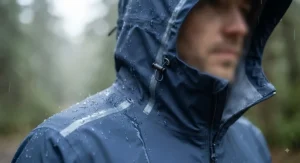
Rather than a generic recommendation, here’s how three realistic buyer profiles map onto this lineup, since the “best” cheap rain jacket genuinely depends on how and where you’ll wear it.
The college student on a $15-a-week clothing budget, walking between classes in unpredictable weather: the Frogg Toggs Ultra-Lite2 or the Amazon Essentials Waterproof Packable Rain Jacket both make sense here, since the priority is low upfront cost and something that survives being stuffed into a backpack between classes, not technical performance on a mountain trail.
The daily bike commuter riding 20-30 minutes each way through city traffic and unpredictable drizzle: the Wantdo Lightweight Rain Jacket is the stronger match, thanks to its storm flap over the main zipper and the curved hood brim designed specifically to keep rain out of your eyes while your head is down and moving.
The weekend hiker doing 5-10 mile day hikes a few times a month, budget-conscious but tired of getting soaked on the trail: the Little Donkey Andy Waterproof Rain Jacket covers most of that need affordably, but if the budget genuinely stretches, the Marmot PreCip Eco Rain Jacket‘s pit zips and proven breathability make climbs and descents dramatically more comfortable, since you’re generating real body heat on the move rather than just standing in rain.
How to Choose a Budget Rain Jacket
If you only remember one section from this guide, make it this one — these seven steps cover nearly every mistake that leads to a disappointing purchase.
- Confirm it’s actually waterproof, not just water-resistant. Look for the word “waterproof” specifically in the listing, ideally paired with a hydrostatic head rating or “seam-sealed” language, rather than vague phrases like “water repellent.”
- Check for taped or sealed seams. Needle holes from stitching are a leak point on any jacket; sealed seams close that gap, and it’s one of the fastest ways to separate a real rain jacket from a fashion raincoat.
- Match breathability to your activity level. If you’ll be sweating — biking, hiking, brisk walking — prioritize a jacket with pit zips or mesh lining, like the Marmot PreCip Eco Rain Jacket or Little Donkey Andy Waterproof Rain Jacket, over a purely non-breathable shell.
- Read the pocket and cuff details, not just the price. Zippered pockets, adjustable cuffs, and a cinchable hem all directly affect how much wind-driven rain gets in around the edges.
- Weigh packability against durability. Ultralight fabrics like the one in the Frogg Toggs Ultra-Lite2 pack smaller but tear more easily; a slightly heavier shell like the Columbia Glennaker Lake II trades some packability for longevity.
- Look for a hood with real adjustment, not just a drawstring. Two-point cord locks or a stiffened brim make a measurable difference in wind and rain visibility versus a single loose drawstring.
- Read the aggregated review sentiment specifically for “heavy rain” or “downpour.” Star ratings alone hide a lot; search the review text for how a jacket performs specifically in sustained, hard rain, since that’s where cheap jackets most often separate from each other.
Rain Jacket Under $50 Worth Buying: Our Value Picks
Narrowing strictly to jackets that stay under the $50 mark even at full price, three stand out as genuinely worth buying rather than just cheap for cheapness’s sake.
| Jacket | Typical Price Range | Value Verdict |
|---|---|---|
| Frogg Toggs Ultra-Lite2 | Under $30 | Best raw value; buy for occasional use |
| Amazon Essentials Waterproof Packable | $25-$35 range | Best all-around safety pick under $50 |
| 33,000ft Packable Rain Shell Jacket | $25-$35 range | Solid backup layer, thinner review history |
The pattern here is consistent: every jacket that comfortably stays under $50 sacrifices something — either fabric durability, breathability, or independent review depth — to hit that price point, and none of them are lying about being waterproof, exactly. What’s honest to say is that “under $50” and “worth buying” aren’t mutually exclusive, but they narrow your options to jackets built for occasional, light-to-moderate rain exposure rather than all-day, all-weather use.
✨ Ready to stop guessing at checkout? Compare current prices on any of these picks before the weather forecast changes on you.
Affordable Waterproof Jacket Amazon Review: What Reviewers Actually Say
Aggregated across the seven jackets in this guide, a few patterns emerge consistently in genuine Amazon customer feedback, and they’re worth calling out directly rather than burying in the individual product sections above. First, sizing complaints outnumber waterproofing complaints across nearly every budget brand here — buyers more often report a jacket running large, small, or oddly cut than they report it actually leaking. Second, the specific failure point reviewers flag most often isn’t the main fabric panel; it’s the main zipper and, secondarily, the seams around the shoulders and underarms — a pattern that lines up with how laminates, coatings, and seam construction actually work on any waterproof/breathable shell, budget or premium.
Third — and this is the part most affordable waterproof jacket amazon review roundups skip — genuine praise clusters around value-for-money framing rather than best-in-class performance claims. Reviewers of budget jackets rarely claim a $30 shell outperforms a $150 one; they consistently frame their satisfaction as “for the price, this is excellent,” which is a meaningfully different and more honest bar than the marketing copy on the listing itself implies.
Value Rain Jacket Ranking: How We Scored Each Pick
Ranking these seven strictly on value — waterproofing performance, durability, and features relative to price — rather than absolute quality, the order shifts slightly from the budget-to-premium list above.
- Amazon Essentials Waterproof Packable Rain Jacket — best overall value; safest bet-to-price ratio
- Frogg Toggs Ultra-Lite2 — best value for occasional/emergency use specifically
- Little Donkey Andy Waterproof Rain Jacket — best value for hikers and travelers
- Marmot PreCip Eco Rain Jacket — best value if your budget can flex above $50
- Wantdo Lightweight Rain Jacket — strong value for commuters specifically
- Columbia Glennaker Lake II — best value on sale, weaker at full price
- 33,000ft Packable Rain Shell Jacket — decent value, held back by thin review data
This ranking rewards jackets that deliver consistent, well-documented performance relative to what you pay, rather than jackets that are simply the cheapest in absolute dollar terms. Notice that the absolute cheapest jacket on this list — the Frogg Toggs Ultra-Lite2 — ranks second, not first, specifically because its narrow use case (occasional, gentle use) caps how much value it can deliver for buyers who need a daily-driver jacket instead.

Budget Waterproof Shell vs Rain Jacket: What’s the Difference
These terms get used interchangeably in product listings, but there’s a real distinction worth understanding before you buy a budget waterproof shell instead of a traditional rain jacket.
| Feature | Budget Waterproof Shell | Traditional Rain Jacket |
|---|---|---|
| Construction | Minimalist, often single-layer | Often includes lining or mesh |
| Weight | Lighter (5-9 oz typical) | Heavier (9-14 oz typical) |
| Best For | Layering over other clothing | Standalone daily wear |
A “shell,” strictly speaking, describes a jacket designed to be worn as an outer layer over other clothing rather than on its own — that’s the entire design philosophy behind something like the Frogg Toggs Ultra-Lite2, which sacrifices interior comfort features specifically because it assumes you’re layering underneath it. A traditional rain jacket like the Columbia Glennaker Lake II, by contrast, is built to be worn comfortably against a t-shirt on its own, with a bit more structure and lining to make that possible. Neither approach is objectively better — the right choice depends entirely on whether you’re buying a standalone jacket or an emergency layer to throw over an existing outfit.
Cheap vs Expensive Rain Jacket: Is the Upgrade Worth It?
This is the question underneath most of this guide, so let’s answer it directly rather than dancing around it. A cheap rain jacket that actually works — genuinely waterproof, seam-sealed, from a brand with real review history — will keep you dry in light-to-moderate rain for casual, occasional use just as reliably as a $150+ technical shell. Where the gap opens up is under three specific conditions: sustained heavy rain over multiple hours, active exertion that generates real body heat and sweat, and long-term durability across dozens of wash cycles and years of use.
Comparing the Frogg Toggs Ultra-Lite2 at the bottom of this list against the Marmot PreCip Eco Rain Jacket at the top makes the trade-off concrete: you’re paying roughly three to four times more for a 2.5-layer breathable membrane, mechanical pit-zip ventilation, and a manufacturer track record spanning decades instead of a single product cycle. For a commuter who wears rain gear a dozen times a year for a fifteen-minute walk, that premium buys very little practical benefit. For a hiker logging weekly miles in variable weather, that same premium buys real comfort and jacket longevity that will actually save money over a multi-year horizon, since you won’t be replacing a torn or delaminated budget shell every season.
The honest verdict: don’t upgrade because a higher price feels safer. Upgrade specifically when your actual use case — frequency, exertion level, and rain intensity — outgrows what a genuinely well-reviewed budget jacket can deliver.
Common Mistakes When Buying a Cheap Rain Jacket
Even with solid research, a few specific pitfalls trip up budget rain jacket shoppers again and again.
Buying based on price alone without checking for sealed seams is the single most expensive mistake, since an unsealed budget jacket will leak at every stitch line regardless of how waterproof the main fabric panel is. A close second is ignoring sizing charts in favor of “usual size,” especially with international brands like Wantdo, where cut and sizing can diverge meaningfully from U.S. norms — Amazon buyer Q&As for exactly this reason regularly include shoppers asking sizing questions before they order. Buyers also frequently skip checking whether a listing specifies “waterproof” versus “water-resistant,” treating the two as synonyms when they describe genuinely different performance tiers.
Another common misstep is assuming a bigger, more recognizable brand name automatically means better waterproofing — as the Columbia Glennaker Lake II reviews above illustrate honestly, brand recognition correlates with manufacturing consistency and customer support, not necessarily with superior water resistance at this specific price point. Finally, many buyers skip reading review text in favor of scanning star ratings, missing the recurring, specific feedback patterns — zipper leaks, sleeve wetting, oversized hoods — that only show up when you actually read what reviewers wrote.
Features That Actually Matter (And Those That Don’t)
Marketing copy on budget rain jacket listings loves to list features, but not all of them affect real-world performance equally. Sealed or taped seams matter enormously — this is the single biggest predictor of whether a jacket leaks, full stop. An adjustable hood with two-point cord locks matters a lot in genuinely wind-driven rain, since a loose hood simply funnels water onto your face. Pit zips matter significantly if you’ll be exerting yourself, as seen with the Marmot PreCip Eco Rain Jacket, but are largely irrelevant for someone who only wears their jacket standing at a bus stop.
What matters far less than listings imply: exact denier counts and fabric weight numbers, which sound technical but don’t reliably predict waterproofness on their own; “wind resistant up to X mph” claims, since nearly any genuinely waterproof jacket is automatically windproof as a byproduct of its construction; and multiple color options, which affect nothing about performance despite often being the most prominently featured listing detail. The spec sheet won’t tell you this, but reviewers note that a jacket’s actual seam quality and zipper reliability predict satisfaction far more consistently than any single headline spec.
Long-Term Cost & Maintenance
Thinking in cost-per-wear rather than upfront price changes the calculus on several of these jackets. A Frogg Toggs Ultra-Lite2 at roughly $25, worn a dozen times a year for two years before the fabric shows wear, works out to a little over a dollar per wear — genuinely hard to beat, provided you’re not asking it to survive daily commuting abuse. A Marmot PreCip Eco Rain Jacket at roughly $100, worn fifty times a year across a five-year lifespan thanks to its more durable 2.5-layer construction and reproofable DWR finish, lands in a similar cost-per-wear range despite the much higher sticker price — the total cost of ownership evens out because the more expensive jacket simply lasts longer and gets used more.
The maintenance side matters just as much as the math. Budget jackets relying on a coated or DWR-treated fabric need periodic reproofing to maintain performance, which costs a small amount in wash-in treatment every year or two of regular use — skip it, and you’ll likely be replacing the jacket sooner than its fabric would otherwise require. Jackets with permanently waterproof, non-woven fabric like the Frogg Toggs Ultra-Lite2 skip that maintenance step entirely, which is a genuine long-term cost advantage even though the upfront fabric is less durable overall.
Safety, Regulations & Reading Waterproof Ratings Correctly
Getting caught in cold rain without adequate protection isn’t just uncomfortable — it’s a genuine safety issue. Wind combined with wet clothing dramatically accelerates heat loss from the body, and prolonged exposure in cold, wet, windy conditions is a well-documented pathway to hypothermia, particularly in temperatures that don’t feel dangerously cold on their own. The National Weather Service’s guidance on cold-weather hypothermia risk is worth a look if you’re planning extended time outdoors in genuinely wet, cold conditions rather than a quick walk between buildings.
On the label-reading side, waterproof ratings are typically expressed in millimeters via a hydrostatic head test, measuring how many millimeters of standing water a fabric can withstand before leaking. None of the budget jackets in this guide publish detailed hydrostatic head numbers, which is itself useful information — brands that do publish that number, like the Marmot PreCip Eco Rain Jacket‘s NanoPro Eco membrane, are generally more confident in independently verifiable performance, while budget brands skipping that spec are leaning more heavily on the general terms “waterproof” and “breathable” without a hard number to back it up.

Frequently Asked Questions
❓ Is a cheap rain jacket actually waterproof, or just water-resistant?
❓ What's the difference between a rain jacket and a windbreaker?
❓ How much should I spend on a budget rain jacket?
❓ Can I wash a waterproof rain jacket in a regular washing machine?
❓ Do cheap rain jackets work for heavy, sustained rain?
Conclusion
A cheap rain jacket that actually works isn’t about finding a miracle product at a suspiciously low price — it’s about matching real specs and genuine, verifiable review sentiment to how you’ll actually use the jacket. For occasional, light exposure, the Frogg Toggs Ultra-Lite2 and Amazon Essentials Waterproof Packable Rain Jacket both deliver honest, no-surprises protection well under $50. For travelers and light hikers, the Little Donkey Andy Waterproof Rain Jacket adds meaningful breathability worth the modest upcharge. Commuters and cyclists get the most out of the Wantdo Lightweight Rain Jacket‘s storm-flap and hood design, while brand-loyal shoppers will find real, if imperfect, value in the Columbia Glennaker Lake II — especially on sale.
If your budget can genuinely stretch past the strict “cheap” threshold, the Marmot PreCip Eco Rain Jacket is the one jacket on this list built to handle real exertion and sustained rain rather than just surviving it. None of these seven are a scam, and none of them are miracle gear — they’re honest tools, priced honestly, that do exactly what their specs and reviews say they’ll do. Match the jacket to your actual weather and your actual use, and you’ll stay dry without overpaying for it.
✨ Don’t Miss These Exclusive Deals!
🔍 Take your rainy-day routine to the next level with these carefully selected jackets. Click on any highlighted pick above to check current pricing and availability before the next forecast catches you off guard.
Recommended for You
- How Should a Rain Jacket Fit? 7 Tested Picks & Sizing Tips (2026)
- Raincoat Material Comparison 2026: 7 Fabrics Ranked & Tested
- Plus Size Rain Jacket Women: 7 Real Picks That Fit in 2026
Disclaimer: This article contains affiliate links. As an Amazon Associate, I earn from qualifying purchases. If you purchase products through these links, we may earn a small commission at no additional cost to you.
✨ Found this helpful? Share it with your friends! 💬🤗
