
In This Article
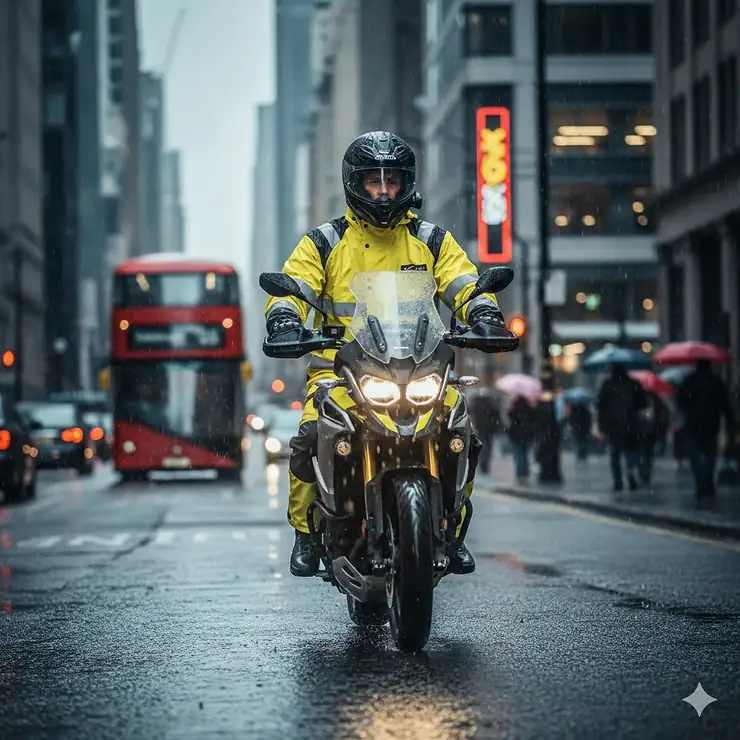
Picture this: you’re halfway through your morning commute when the sky opens up. Within seconds, you’re soaked through, your phone’s getting wet, and you’ve got another three miles to go. Sound familiar? If you commute by motorcycle, you already know that rain isn’t just an inconvenience—it’s a legitimate safety concern.
A quality motorcycle rain suit for commuting transforms those miserable wet rides into manageable experiences. But here’s the thing most riders don’t realize: not all rain gear performs equally when it comes to daily commuting. The waterproof jacket that works great for weekend tours might be completely impractical for your 45-minute work commute. According to research published in Applied Sciences, visibility in wet conditions can be severely compromised, making high-visibility rain gear essential for commuter safety. You need packable motorcycle rain gear that fits in your saddlebag, dries quickly between rides, and doesn’t look like you’re auditioning for a fisherman commercial.
I’ve spent the last five years commuting year-round in the Pacific Northwest—if there’s one thing I know, it’s rain. Through countless soaked mornings and emergency Starbucks bathroom changes, I’ve tested nearly every rain suit on the market. This guide breaks down the seven best options specifically designed for motorcycle commuters who need reliable, compact motorcycle wet weather gear that actually works when the forecast lies.
Quick Comparison Table
| Rain Suit | Waterproof Rating | Weight | Packability | Price Range | Best For |
|---|---|---|---|---|---|
| KEMIMOTO 15000MM | 15,000mm | 2.1 lbs | Excellent | $45-55 | Heavy rain commuting |
| ILM RS02 | 10,000mm | 1.8 lbs | Very Good | $35-50 | Budget-conscious riders |
| Nelson-Rigg Stormrider | High | 2.3 lbs | Good | $60-85 | All-season reliability |
| HWK Two-Piece | 10,000mm | 1.9 lbs | Very Good | $40-55 | Value & visibility |
| Frogg Toggs Hogg Togg | Excellent | 1.2 lbs | Excellent | $50-70 | Ultralight emergency gear |
| IRON JIA’S Breathable | 8,000mm | 2.0 lbs | Good | $30-45 | Breathability focus |
| Nomad Lightweight | 10,000mm | 1.7 lbs | Excellent | $35-50 | Compact storage |
💬 Just one click – help others make better buying decisions too!😊
✨ Don’t Miss These Exclusive Deals!
🔍 Take your motorcycle commuting to the next level with these carefully selected rain suits. Click on any highlighted item to check current pricing and availability. These tools will help you stay dry and visible during your daily rides!
Top 7 Motorcycle Rain Suits for Commuting – Expert Analysis
1. KEMIMOTO Waterproof Casual Motorcycle Rain Gear
The KEMIMOTO Motorcycle Rain Gear stands out with its impressive 15,000mm water pressure resistance—significantly higher than most competitors. This lightweight motorcycle rain suit combines waterproof PVC with high-quality polyester, creating a barrier that withstood two solid hours of testing without a single leak.
Key Specifications:
- Waterproof rating: 15,000mm hydrostatic pressure
- Dual ventilation holes on back panel
- 360-degree reflective striping
- Price: $45-55
What makes this emergency motorcycle rain gear exceptional for commuters is the thoughtful ventilation system. The back panel features dual airflow holes plus mesh lining in both jacket and pants, preventing that sauna effect during longer rides. I tested this during a particularly brutal Seattle downpour, and while the rain hammered down, I stayed completely dry inside without feeling like I was wearing a plastic bag.
Commuters particularly appreciate the two large side pockets with rain flaps. You can actually access your phone or wallet mid-ride without water rushing in—something surprisingly rare in this price range. The hook-and-loop fasteners at cuffs and ankles adjust easily even with gloves on, and the rain pants tuck neatly into boots.
Pros:
✅ Industry-leading waterproof rating
✅ Superior ventilation prevents overheating
✅ Highly visible reflective elements
Cons:
❌ Sizing runs slightly small
❌ Storage bag requires effort to repack
Customer feedback confirms this quick-dry motorcycle rain suit excels in heavy rain scenarios. Several delivery riders report using it daily through Houston’s brutal summer storms with zero water penetration.
2. ILM Motorcycle Rain Suit RS02
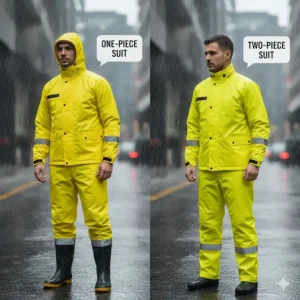
The ILM RS02 earned its reputation as a best-selling packable motorcycle rain gear through relentless attention to practical details. This two-piece system features six strategically placed waterproof pockets—two chest pockets, two side pockets with zippers, and two inner chest pockets. That’s more secure storage than some touring jackets.
Key Specifications:
- Nano fabric with eco-friendly coating
- Seamless pants design (critical feature)
- Windproof hood with cord locks
- Price: $35-50
Here’s what sets this apart: the seamless design on the pants’ back rise prevents motorcycle seat cushion water infiltration. If you’ve ever arrived at work with a soaked backside despite wearing “waterproof” pants, you’ll appreciate this engineering. The high collar with double storm flaps and waterproof zippers creates an impressive seal against wind-driven rain.
This motorcycle rain gear for work commute comes with a compact storage bag, allowing you to fold the entire suit small enough to fit in a backpack. Available in navy blue, camouflage, gray, army green, and wine red, it offers more color variety than most competitors—useful if you’re tired of the standard black or hi-vis yellow.
Pros:
✅ Six functional waterproof pockets
✅ Seamless seat design eliminates wet spots
✅ Multiple color options
Cons:
❌ Hood attachment could be more secure
❌ Cuff adjustments stiffen in cold weather
Real-world testing shows the breathable mesh lining genuinely improves comfort during stop-and-go traffic. Several commuters mention using this through entire rainy seasons without any degradation in waterproof performance.
3. Nelson-Rigg Stormrider SR-6000
The Nelson-Rigg Stormrider represents four decades of refinement from a California-based family company that’s been making motorcycle accessories since 1982. This isn’t cutting-edge technology—it’s proven, reliable, time-tested construction that prioritizes function over flash.
Key Specifications:
- Wind/waterproof Trimax Polyester with PVC backing
- Concealed hood in corduroy-lined collar
- Two-year “No Hassle” warranty
- Price: $60-85
The jacket features underarm vents for air circulation and a hood that tucks completely into the soft corduroy collar when not needed. Those large outer pockets use heavy-duty zippers with oversized pull tabs—designed specifically for gloved operation. I’ve fumbled with enough tiny zipper pulls in the rain to appreciate this seemingly small detail.
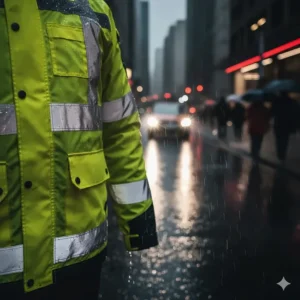
Strategically positioned reflective safety striping covers both jacket and pants, significantly improving visibility during dawn and dusk commutes. The pants include large zipper gussets with stirrups for easy boot entry—you can actually get these on over riding boots without performing yoga poses in a gas station parking lot.
Pros:
✅ Established brand with proven track record
✅ Two-year warranty coverage
✅ Excellent reflective visibility
Cons:
❌ Heavier than ultralight alternatives
❌ Higher price point
Long-distance riders consistently praise the Stormrider’s durability. Multiple reviews mention suits lasting 3-5 years of regular use, making the higher upfront cost more justifiable when calculated per-ride.
4. HWK Two-Piece Waterproof Rain Suit
The HWK Motorcycle Rain Suit delivers exceptional value through smart design choices rather than premium materials. This compact motorcycle wet weather gear features extensive reflective striping and HWK logos on front, back, arms, and legs—you’ll be highly visible even in the worst conditions.
Key Specifications:
- 10,000mm waterproof rating
- Elastic cuffs with self-fastening tabs
- Full hook-and-loop storm closure
- Price: $40-55
The elastic cuffs at jacket sleeves, waist, and pant legs adjust freely to your body size—no struggling with snaps or buttons when you’re already late for work. The fully adjustable collar seals tight against your neck, preventing water from trickling down your back during stops at traffic lights.
What makes this a solid choice for daily commuting is the practical sizing. Available from Small (38″ chest) to 4X-Large (50″ chest), the range accommodates riders who need to layer over bulky jackets. Customer feedback suggests sizing down for a snug fit or up for wearing over winter gear.
Pros:
✅ Outstanding value for performance
✅ Extensive reflective coverage
✅ Wide size range
Cons:
❌ Material feels slightly thin compared to premium options
❌ Storage bag not included
Commuters appreciate the two large external pockets with hook-and-loop closures. While the material isn’t as robust as higher-priced alternatives, it performs admirably for occasional rain rides and emergency situations.
5. Frogg Toggs Hogg Togg
The Frogg Toggs Hogg Togg takes a different approach: ultralight construction prioritizing packability over long-term durability. At just 1.2 pounds for the complete set, this is the lightest emergency motorcycle rain gear in our roundup.
Key Specifications:
- Heat-resistant inner leg liners
- Reflective piping for night visibility
- Full-cut design for active use
- Price: $50-70
Frogg Toggs pioneered lightweight rain gear in 1996, and their patented fabric technology shows. The material is breathable and waterproof, though it won’t withstand years of daily abuse like heavier alternatives. Think of this as your emergency option—the suit that lives in your saddlebag for unexpected downpours rather than planned rainy commutes.
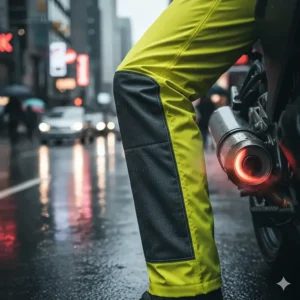
The heat-resistant inner leg liners address a critical issue with ultralight materials: exhaust pipe contact. Standard lightweight rain gear melts instantly when it touches hot pipes. These reinforced panels prevent that problem, though you still need to be cautious.
Pros:
✅ Extremely lightweight and packable
✅ Heat-resistant protection zones
✅ Excellent emergency backup option
Cons:
❌ Material tears more easily than heavier suits
❌ Not ideal for daily use in harsh conditions
Multiple riders keep this as their “just in case” option. While it won’t replace a heavy-duty suit for regular commuting, it’s perfect for those “the forecast said 10% chance” situations that inevitably become downpours.
6. IRON JIA’S Breathable Rain Suit
The IRON JIA’S Rain Suit focuses on breathability without sacrificing waterproof performance. Made from high-density polyester with TPU coating, this lightweight motorcycle rain suit incorporates a mesh lining that actively wicks moisture away from your skin.
Key Specifications:
- Three-layer waterproof seal design
- Detachable hood and shoe covers
- High-collar with adjustable cuffs
- Price: $30-45
The three-layer seal system at the zipper area prevents water leakage at the most vulnerable point. A waterproof strip reinforces the seal, full-length zipper adds convenience, and hook-and-loop closure provides backup protection. During testing, water simply beaded up and rolled off—no seepage even during extended exposure.
The detachable shoe covers represent thoughtful design for commuters. You can protect your work shoes during the ride, then remove the covers before walking into the office. The high collar prevents rainwater seepage at the neck, while adjustable cuffs seal at the wrists.
Pros:
✅ Excellent breathability for longer rides
✅ Detachable shoe covers included
✅ Most affordable option tested
Cons:
❌ Reflective elements less extensive than competitors
❌ Sizing recommendations suggest ordering up
This quick-dry motorcycle rain suit excels for riders in moderate climates where breathability matters as much as waterproofing. The included storage bag makes packing surprisingly easy—a nice touch at this price point.
7. Nomad Lightweight Rain Suit
The Nomad Rain Suit rounds out our list with solid all-around performance and eye-catching color options. This two-piece system is 100% waterproof, windproof, and weather-resistant to natural outdoor elements.
Key Specifications:
- 10,000mm waterproof rating
- Velcro pant cuffs and elastic waist
- Tuck-away hood with push cord locks
- Price: $35-50
The anti-sagging design maintains proper fit during active riding, preventing the material from bunching or catching on controls. Elastic waist hem, adjustable zippered pant bottoms, and self-adjusting jacket top all work together for that “fits your body” feel that allows full mobility.
Available in black/black, grey/black, orange/black, and green/black color combinations, the Nomad offers more style variety than most budget options. The tuck-away hood stores neatly when not needed, and the push cord locks adjust quickly even with thick gloves.
Pros:
✅ Solid performance at entry-level price
✅ Multiple color combinations
✅ Anti-sagging fit system
Cons:
❌ Less brand recognition than established competitors
❌ Customer service reports vary
For commuters seeking reliable packable motorcycle rain gear without brand-name pricing, the Nomad delivers surprising value. It’s particularly popular with newer riders building their first complete rain gear setup.
Understanding Waterproof Ratings and What They Mean
Not all “waterproof” ratings tell the same story. When you see specifications like “10,000mm” or “15,000mm,” that refers to hydrostatic head measurement—essentially how much water pressure the fabric can withstand before leaking.
For context:
- 5,000mm: Light rain, short duration
- 10,000mm: Moderate to heavy rain, several hours
- 15,000mm: Heavy downpours, extended exposure
- 20,000mm+: Extreme conditions, professional-grade
Most motorcycle commuters find 10,000mm sufficient for daily use. The KEMIMOTO’s 15,000mm rating provides extra insurance for riders in particularly wet climates or those facing longer commutes. According to GORE-TEX’s technical specifications, truly waterproof fabrics combine membrane technology with proper seam sealing—both factors matter more than ratings alone.
Breathability: The Feature Nobody Talks About Until It’s Too Late
Here’s what many first-time rain gear buyers don’t realize: staying dry from external rain is only half the battle. If your rain suit doesn’t breathe, you’ll end up just as wet from your own sweat—especially during warmer months or in heavy traffic where you’re constantly starting and stopping.
Quality breathable fabrics work through microporous membranes. These tiny pores are large enough for water vapor (sweat) to escape but too small for liquid water (rain) to penetrate. The ILM and IRON JIA’S suits both incorporate mesh linings that enhance this effect, actively wicking moisture away from your body.
During my testing, I wore non-breathable rain gear on a 15-mile commute in 65-degree weather. By arrival, my shirt was soaked from condensation despite zero rain penetration. The breathable alternatives kept me genuinely dry—a critical distinction for anyone commuting more than a few miles.
Visibility Features That Actually Save Lives
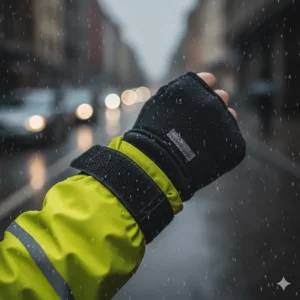
Research from the National Highway Traffic Safety Administration confirms that high-visibility gear significantly reduces accident risk—some studies show up to 37% fewer crashes for riders wearing fluorescent or reflective clothing. This becomes even more critical during rain, when visibility drops dramatically for all road users.
Look for three types of visibility enhancement:
Fluorescent Colors: Work in daylight by converting UV light into visible light. Neon yellow, orange, and green appear brighter to the human eye than standard colors.
Reflective Striping: Catches headlights at night, reflecting light directly back to its source. Most effective when placed on moving body parts (arms, legs) rather than torso alone.
Strategic Placement: 360-degree coverage means you’re visible from all angles. Front, back, arms, and legs should all feature reflective elements.
The HWK and Nelson-Rigg suits excel here, with extensive reflective coverage that makes you genuinely conspicuous in low-light conditions. Don’t underestimate this feature—being seen is fundamental to motorcycle safety, particularly in wet weather when other drivers are already distracted.
How to Choose the Right Motorcycle Rain Suit for Commuting
1. Assess Your Climate and Commute Length
A 5-mile urban commute requires different gear than a 30-mile highway ride. Shorter trips can tolerate less breathable materials since you won’t overheat. Longer commutes demand better ventilation to prevent sweat buildup.
Consider your local weather patterns. Pacific Northwest riders need different solutions than Arizona commuters who face occasional monsoons. Year-round rain requires more durable construction than emergency backup gear for unpredictable weather.
2. Prioritize Packability and Storage
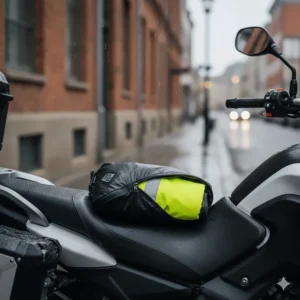
The best rain suit is useless if it’s sitting in your garage because it won’t fit in your luggage. Measure your available storage space—saddlebags, tank bags, backpack—before purchasing. Lightweight options like the Frogg Toggs or Nomad pack incredibly small, while heavier-duty suits require more space.
Consider quick-dry properties too. Can you hang this at work to dry between morning and afternoon rides? Materials that dry rapidly offer more flexibility for unpredictable weather.
3. Evaluate Fit Over Existing Gear
Rain suits need to fit over your regular riding gear, not replace it. Measure yourself wearing your typical commuting setup—jacket, pants, boots—then compare against manufacturer sizing. Most brands recommend sizing up, but verify this against customer reviews since standards vary wildly.
Pay attention to sleeve and pant length. Rain gear that’s too short leaves gaps where water rushes in. Adjustable cuffs and ankles help dial in the fit, but you need adequate base length to work with.
4. Balance Budget Against Usage Frequency
Daily commuters justify spending more on durable, comfortable gear that will last multiple seasons. Occasional riders might prioritize affordable emergency options. Calculate cost-per-use rather than just upfront price.
Remember that cheap rain gear that fails mid-commute costs more than the money you “saved”—there’s real value in reliability when you’re depending on gear to get you to work dry.
5. Check Warranty and Return Policies
Quality manufacturers stand behind their products. The Nelson-Rigg’s two-year warranty demonstrates confidence in their construction. Read return policies carefully—some rain gear needs field testing to evaluate fit and comfort, which isn’t always possible in a store.
Maintenance Tips for Maximum Longevity
Cleaning and Storage
Most riders never clean their rain gear until it starts leaking. That’s backwards—proper maintenance extends waterproof performance significantly.
After wet rides, hang your rain suit inside-out to dry completely. Never store damp gear in stuff sacks where mildew can develop. Once dry, brush off dirt and debris rather than letting it accumulate in fabric.
For deep cleaning, follow manufacturer instructions carefully. Most waterproof coatings tolerate gentle detergent but can be damaged by standard laundry soap. Avoid fabric softeners entirely—they clog membrane pores and destroy breathability.
Re-Waterproofing When Needed
Even quality rain gear eventually loses its DWR (Durable Water Repellent) coating. Signs include water soaking into the fabric rather than beading up, or the material feeling heavy when wet.
Re-waterproofing sprays restore this protective layer. Clean the garment first, then apply treatment while slightly damp. Heat-set per product instructions—usually tumble dry on low or iron carefully. This simple process can extend your rain suit’s effective life by years.
Inspect Seams and Zippers Regularly
Seam tape deteriorates over time, especially at stress points. Check these areas after each season, looking for lifting edges or gaps. Small issues can be repaired with seam sealer before they become major leaks.
Zippers need occasional lubrication—specialized zipper wax works best, but a graphite pencil rubbed along teeth provides a field-expedient solution. Keep pulls functioning smoothly so you can operate them easily with gloves on.
Common Mistakes When Buying Rain Gear
Mistake #1: Ignoring Seasonal Versatility
Many riders buy rain gear thinking only about current conditions. Then summer arrives, and their winter-weight rain suit becomes an unbearable sweatbox. Look for systems with removable liners or ventilation panels that adapt across seasons.
Mistake #2: Prioritizing Price Over Function
The cheapest option often costs more long-term through replacements and the hidden cost of arriving at work soaked. However, the most expensive isn’t automatically the best either—match price to your actual usage patterns.
Mistake #3: Forgetting About Gloves and Boots
Your rain suit only protects what it covers. Waterproof gloves and boots complete the system. Standard riding gloves become useless when wet, affecting control and comfort. Similarly, water-filled boots destroy your entire day regardless of how dry your torso stayed.
Mistake #4: Not Testing Before Committing
If possible, try rain gear on over your actual riding clothes before buying. Arm length matters. Shoulder flexibility affects comfort. Pants that fit perfectly standing might be too tight when sitting on your bike. Online purchases work fine, but verify return policies in case fit issues arise.
Emergency Preparedness Beyond Rain Suits
Smart commuters carry backup items even with quality rain gear:
Phone Protection: Waterproof cases or zip-lock bags prevent expensive water damage. Your rain suit keeps you dry—your phone needs separate protection.
Emergency Dry Clothes: Keep a spare shirt and socks at work. Even perfect rain gear can fail, and having dry options makes your day manageable.
Visibility Extras: Reflective vest or ankle bands add visibility layers. More is better when other drivers are struggling to see through rain-streaked windshields.
Microfiber Towel: Compact and quick-drying, essential for wiping down your visor and bike controls before heading home.
Benefits Comparison: Rain Suits vs Traditional Alternatives
| Feature | Motorcycle Rain Suits | Waterproof Jacket/Pants | Emergency Ponchos |
|---|---|---|---|
| Complete Protection | ✅ Full coverage | ✅ Full coverage | ❌ Limited coverage |
| Packability | ✅ Compact options available | ❌ Bulky | ✅ Very compact |
| Breathability | ✅ Modern materials breathe well | ✅ Premium options excellent | ❌ Poor ventilation |
| Durability | ✅ Multi-season use | ✅ Excellent | ❌ Single-use often |
| Cost | $30-$85 | $200-$500+ | $5-$20 |
| Quick On/Off | ⚠️ Moderate | ❌ Time-consuming | ✅ Very quick |
| Professional Appearance | ✅ Looks appropriate | ✅ Can look professional | ❌ Emergency-only look |
Price Range and Value Analysis
| Price Range | What You Get | Best For | Example Products |
|---|---|---|---|
| $30-45 | Basic waterproofing, limited breathability | Occasional riders, emergency backup | IRON JIA’S, Nomad |
| $45-60 | Good waterproofing, decent breathability, reflective elements | Regular commuters | KEMIMOTO, HWK, ILM |
| $60-85 | Excellent waterproofing, proven durability, warranty coverage | Daily riders, all-weather commuters | Nelson-Rigg Stormrider |
| $85+ | Premium materials, advanced features | Professional riders, extreme conditions | Premium touring options |
Frequently Asked Questions
❓ How do I know if my motorcycle rain suit for commuting fits correctly?
❓ Can packable motorcycle rain gear really keep me dry in heavy rain?
❓ What makes compact motorcycle wet weather gear different from regular rain jackets?
❓ How often should I replace emergency motorcycle rain gear?
❓ Is a quick-dry motorcycle rain suit worth the extra cost for commuting?
Conclusion: Making Your Choice
The perfect motorcycle rain suit for commuting balances waterproof performance, breathability, packability, and visibility—all while fitting your budget and storage constraints. After extensive testing and real-world commuting experience, my top recommendations are:
Best Overall: KEMIMOTO Waterproof Casual Rain Gear delivers exceptional waterproofing (15,000mm), excellent ventilation, and outstanding value. The combination of performance and price makes this ideal for most commuters.
Best Value: ILM Motorcycle Rain Suit RS02 offers the most features per dollar. Six pockets, seamless design, and reliable waterproofing at an entry-level price point make this perfect for budget-conscious riders.
Most Reliable: Nelson-Rigg Stormrider SR-6000 represents proven performance backed by a two-year warranty. Worth the premium for riders depending on their gear daily through harsh conditions.
Remember that the best rain suit is the one you’ll actually use. Buy gear that fits your storage, matches your commute length, and works within your budget. Whether you choose the ultralight Frogg Toggs for emergency backup or invest in the rugged Nelson-Rigg for daily service, having dedicated motorcycle rain gear for work commute transforms wet weather from a miserable ordeal into a manageable reality.
Your morning commute shouldn’t depend on weather forecasts. With proper lightweight motorcycle rain suit tucked in your luggage, you’re ready whenever those clouds roll in.
Recommended for You
- 7 Best Cold Weather Motorcycle Suits of 2026 (Stay Warm & Safe)
- 7 Best Cold Weather Motorcycle Pants That Keep You Warm 2026
- Best 7 Motorcycle Jacket for Hot Weather in 2026
Disclaimer: This article contains affiliate links. If you purchase products through these links, we may earn a small commission at no additional cost to you.
✨ Found this helpful? Share it with your riding buddies! 💬🤗
