
In This Article
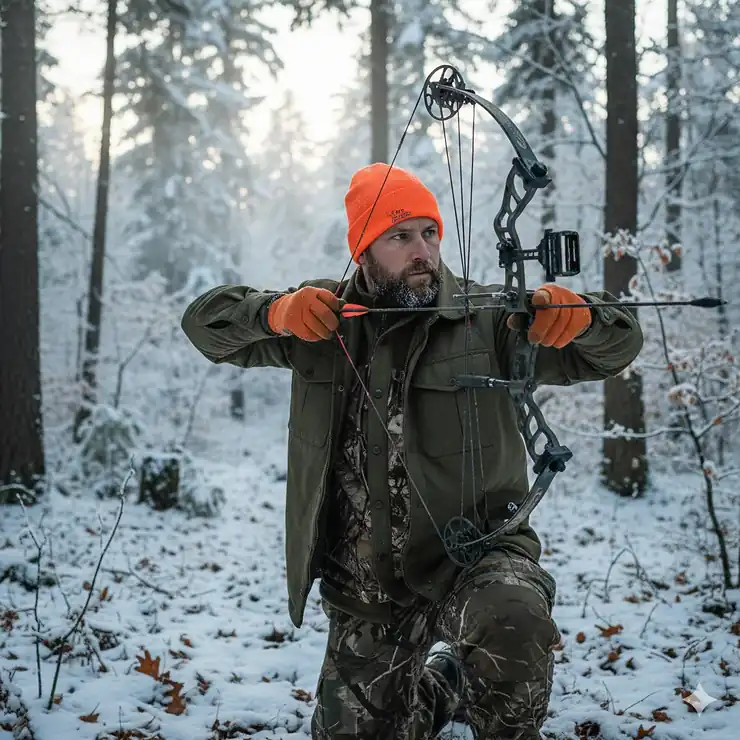
Picture this: you’re in your tree stand before dawn, temperatures hovering around 15°F, and that trophy buck finally steps into view. But your hands are shaking so badly from the cold that you can’t steady your shot. Sound familiar? I’ve been there, and I can tell you from bitter experience that cold weather hunting shirts aren’t just about comfort—they’re about performance, safety, and actually filling your tag.
Here’s what most hunters get wrong: they either overdress and sweat themselves into hypothermia, or they cheap out on their base layer and freeze before the action even starts. After testing dozens of cold weather hunting shirts across multiple seasons in conditions ranging from Colorado mountains to Wisconsin tree stands, I’ve learned that the right shirt makes the difference between a successful hunt and an early trip back to the truck.
cold weather hunting shirts serve as your foundation layer—the critical barrier between your skin and the elements. They manage moisture, trap heat, and keep you comfortable during those long sits when deer movement is at its peak. Whether you’re bow hunting in November or rifle hunting during late December, your base layer determines whether you can stay out long enough to see the mature bucks moving.
In this guide, I’ll walk you through everything you need to know about selecting cold weather hunting shirts that actually work in real hunting conditions. We’ll cover materials, weights, fit considerations, and review seven products that have earned their place in serious hunters’ packs.
Quick Comparison Table
| Product | Material | Weight | Price Range | Best For | Rating |
|---|---|---|---|---|---|
| SITKA Core Merino 120 | 87% Merino Wool | Lightweight (120g) | $119 | Active hunts, layering | ⭐⭐⭐⭐⭐ |
| Under Armour ColdGear Grid Mock | Polyester/Elastane | Midweight | $35-50 | Budget-conscious, high activity | ⭐⭐⭐⭐ |
| First Lite Wick Quarter Zip | 65% Merino/33% Nylon | Ultralight (150g) | $90-110 | Early season, versatile | ⭐⭐⭐⭐½ |
| First Lite Kiln Crew | 250g Merino-X | Midweight | $120-140 | All-around performance | ⭐⭐⭐⭐⭐ |
| KUIU ULTRA Merino 120 | 70% Merino/30% Nylon | Lightweight (120g) | $89 | Western hunts, active stalking | ⭐⭐⭐⭐⭐ |
| First Lite Furnace | High Merino content | Heavyweight (350g) | $180 | Extreme cold, tree stand | ⭐⭐⭐⭐½ |
| NEW VIEW Hunting Jacket | Polyester/PP Cotton | Insulated | $60-80 | Budget hunters, casual use | ⭐⭐⭐½ |
💬 Just one click – help others make better buying decisions too!😊
Top 7 Cold Weather Hunting Shirts: Expert Analysis
1. SITKA Core Merino 120 Base Layer
The SITKA Core Merino 120 represents the sweet spot for hunters who need a versatile base layer that performs across multiple seasons. This shirt features 87% merino wool blended with nylon and spandex for durability and stretch. The 120-gram weight makes it perfect for active hunts where you’re hiking to your spot, yet it layers beautifully under heavier mid-layers when temperatures plummet.
What sets this shirt apart is its simplicity—no zippers, no fuss, just pure performance. The fabric feels luxurious against your skin, wicks moisture exceptionally well, and manages odor naturally thanks to the high merino content. I’ve worn mine for four consecutive days during a Colorado turkey hunt in variable spring weather (lows around 20°F, highs hitting mid-60s), and it never needed washing thanks to merino’s natural antimicrobial properties.
Key Specifications:
- Material: 87% Merino Wool, 13% Nylon/Spandex blend
- Weight: 120 grams per square meter (lightweight)
- Price: $119
Customer Feedback: Hunters consistently praise this base layer’s comfort and temperature regulation. One reviewer noted wearing it for an entire four-day hunt without discomfort, from freezing nights to warm afternoons. The lack of zippers means no cold spots, though some hunters prefer quarter-zips for ventilation control.
✅ Pros:
- Exceptional moisture-wicking and odor control
- Comfortable for multi-day wear
- Versatile across temperature ranges
❌ Cons:
- Higher price point than synthetic alternatives
- No ventilation zipper for quick cooling
2. Under Armour ColdGear Grid Mock Base Layer
The Under Armour ColdGear Grid Mock delivers impressive cold weather performance at a fraction of the cost of premium merino options. This polyester-based base layer features UA’s signature grid interior that traps warm air while allowing moisture to escape. The mock neck adds extra protection without the bulk of a full collar, and the four-way stretch construction means you’ll never feel restricted when drawing your bow or shouldering your rifle.
For hunters who generate a lot of body heat during active pursuits, this synthetic option outperforms even premium merino in terms of quick-drying capability. After sweating during a morning hike to your stand, the ColdGear dries remarkably fast, preventing that dangerous chill when you settle in for a long sit. The price point makes it accessible for hunters building their first serious layering system or those who need multiple base layers for extended trips.
Key Specifications:
- Material: Polyester with brushed grid interior
- Construction: 4-way stretch with moisture transport
- Price: $35-50
Customer Feedback: Budget-conscious hunters love the value proposition here. With over 100,000 orders in recent months, it’s clear this base layer resonates with the hunting community. Users report excellent performance in temperatures from 20-40°F, particularly during high-output activities.
✅ Pros:
- Excellent value for money
- Fast-drying synthetic construction
- Good breathability during active hunts
❌ Cons:
- Requires more frequent washing than merino
- Some hunters find it less comfortable against skin
3. First Lite Wick Quarter Zip
The First Lite Wick Quarter Zip targets the sweet spot between early-season versatility and late-season layering capability. This ultralight shirt combines 65% merino wool with 37.5-activated nylon technology that actively responds to body temperature changes. The strategic mesh vent panels maximize airflow during active periods, while the quarter-zip lets you dump heat quickly when needed.
At just 9 ounces for a size large, this shirt essentially disappears on your body. The modified raglan sleeves prevent pack strap interference—a thoughtful detail that makes a real difference during long backcountry hunts. The 150-gram Aerowool fabric strikes an ideal balance, providing enough warmth for cool mornings while remaining breathable enough for midday temperature spikes.
Key Specifications:
- Material: 65% Merino Wool, 33% 37.5 Nylon, 2% Spandex
- Weight: 150g Ultralight, 9oz (size large)
- Price: $90-110
Customer Feedback: Hunters appreciate this as a do-it-all base layer. Works standalone in early season and layers perfectly for colder hunts. The thumb loops and flatlock seams get specific praise for preventing chafing during long hunts.
✅ Pros:
- Extremely lightweight and packable
- Excellent moisture management with 37.5 technology
- Quarter-zip provides ventilation control
❌ Cons:
- May be too light for extreme cold as standalone
- Athletic fit may feel snug for some hunters
4. First Lite Kiln Long Sleeve Crew
The First Lite Kiln Long Sleeve Crew is the successor to First Lite’s legendary Chama series, and it improves on an already excellent design. This 250-gram Merino-X shirt represents the goldilocks zone for serious hunters—warm enough for frigid sits, breathable enough for active stalking, and tough enough to withstand demanding backcountry conditions.
What makes this shirt special is the Merino-X fabric construction that adds structure and tear resistance without sacrificing the natural benefits of merino wool. From September elk hunts to January mallard hunts, this base layer performs flawlessly. The high-loft wool construction maintains loft even when damp, a critical safety feature when hunting in wet snow or freezing rain conditions.
Key Specifications:
- Material: 250g Merino-X (improved tear resistance)
- Construction: Interlock knit with modified raglan sleeves
- Price: $120-140
Customer Feedback: This is the most versatile base layer in First Lite’s lineup according to user reviews. Pennsylvania hunters report shooting their first archery bucks in snow while staying warm in tree stands. The improved durability over traditional merino gets consistent praise.
✅ Pros:
- Perfect midweight for variable conditions
- Enhanced durability vs pure merino
- Works as first OR second layer
❌ Cons:
- Premium pricing
- May be warm for very active early-season hunts
5. KUIU ULTRA Merino 120 Crew Top
The KUIU ULTRA Merino 120 is my personal favorite for Western-style hunting where you hike hard in the morning and sit glass in the afternoon. The 70% merino blend with Nuyarn technology delivers exceptional durability and odor resistance. This top uses top-tier materials and construction that you can feel immediately—it’s softer than competing 120-weight options yet more durable.
The real genius here is KUIU’s attention to detail in fit and construction. The crew neck provides warmth without bulk, and the seamless construction eliminates chafing points even during 10+ mile days. When combined with KUIU’s zip-off bottoms (which let you remove base layer pants without taking off boots), you have a complete system for Western hunters facing dramatic temperature swings.
Key Specifications:
- Material: 70% Merino Wool with Nuyarn technology
- Weight: 120g lightweight construction
- Price: $89
Customer Feedback: GearJunkie testing teams have used this extensively and call it “pretty much perfect” for next-to-skin comfort. The combination of quick-drying performance and natural odor resistance makes it ideal for multi-day hunts.
✅ Pros:
- Exceptional comfort and softness
- Great price for premium merino
- Pairs perfectly with zip-off bottoms
❌ Cons:
- Lightweight may require layering in extreme cold
- Simple design lacks features like hood or zipper
6. First Lite Furnace Base Layer
When temperatures drop into single digits and you’re committed to a long sit in a tree stand or ground blind, the First Lite Furnace Base Layer is your best friend. At 350 grams per square meter, this is the warmest shirt in this roundup—and it feels every bit the heavyweight champion. The fleece-backed interior creates incredible warmth without excessive bulk, and the high merino content means it stays warm even if you sweat.
This isn’t the shirt for active hunting—it’s purpose-built for stationary late-season pursuits where movement is minimal and cold is maximum. The soft fleecy layer feels amazing against your skin on bitter cold mornings, and the moisture-wicking properties ensure you don’t get clammy during the hike to your stand before settling in.
Key Specifications:
- Material: High merino content (350g weight)
- Construction: Fleece-backed interior for maximum warmth
- Price: $180 (top), $130 (bottoms)
Customer Feedback: Hunters describe these as “toasty goodness” for extreme cold sits. Too warm for active hunting even in cold conditions, but perfect for those days when you need maximum insulation for minimal movement.
✅ Pros:
- Maximum warmth for extreme conditions
- Soft, comfortable fleece interior
- Stays warm even when damp
❌ Cons:
- Expensive investment
- Too warm for active pursuits
- Heavyweight isn’t versatile across seasons
7. NEW VIEW Insulated Hunting Jacket
The NEW VIEW Insulated Hunting Jacket takes a different approach than traditional base layers—it’s a complete insulated outer layer designed specifically for cold weather deer and duck hunting. Made from durable polyester with water-resistant softshell exterior and fleece lining, this jacket features PP cotton insulation that provides serious warmth for budget-conscious hunters.
What makes this jacket stand out is the upgraded quiet material with silent fabric and noiseless zippers—critical features for bow hunters who need to draw without alerting game. The patented camo patterns (tree, leaf, and reed styles) help you blend into various hunting environments. While not technically a base layer, it deserves mention as an affordable all-in-one solution for hunters who prefer simplicity over complex layering systems.
Key Specifications:
- Material: Polyester with PP cotton insulation
- Features: Water-resistant, windproof, fleece-lined
- Price: $60-80
Customer Feedback: Hunters praise the value and warmth, though some note it’s quite thick and better suited as an outer layer than part of a layering system. The quiet material and good camo patterns get consistent positive mentions.
✅ Pros:
- Excellent value for complete package
- Quiet operation for bow hunting
- Good insulation for the price
❌ Cons:
- Not a true base layer (more of outer layer)
- Bulkier than premium options
- Less versatile across conditions
✨ Don’t Miss These Exclusive Deals!
🔍 Take your cold weather hunting to the next level with these carefully selected products. Click on any highlighted item to check current pricing and availability. These cold weather hunting shirts will help you stay comfortable during those critical dawn and dusk hunting hours when trophy animals are moving!
What Are Cold Weather Hunting Shirts? Understanding the Foundation Layer
cold weather hunting shirts are specialized base layers designed to be worn directly against your skin during hunting in frigid conditions. These shirts regulate body temperature by wicking moisture away from skin while trapping insulating air, preventing dangerous heat loss that can lead to hypothermia in temperatures below 40°F. Quality hunting base layers use materials like merino wool or advanced synthetics that dry quickly, resist odors, and maintain warmth even when damp.
The science behind cold weather hunting shirts is fascinating. Your body constantly generates heat, but in cold conditions, you lose this heat faster than you can produce it—especially when moisture from sweat accumulates on your skin. This is where the dangers of hypothermia become very real for hunters spending hours outdoors. According to the CDC, hypothermia can occur even at temperatures above 40°F if you become wet and cold.
Think of your base layer as the foundation of a house—get it wrong, and everything built on top fails. cold weather hunting shirts create a microclimate next to your skin that manages moisture through a process called “wicking.” Modern technical fabrics pull sweat away from your body and move it to the outer surface where it can evaporate, keeping you dry even during strenuous activity like hiking to your stand.
The key difference between regular cold weather clothing and hunting-specific base layers is scent control and noise reduction. Deer have incredible senses, and standard athletic base layers often use synthetic materials that hold odors and make rustling sounds. Hunting base layers prioritize silent fabrics and natural odor resistance (in the case of merino wool) or antimicrobial treatments (for synthetics) to keep you undetected.
Materials Matter: Merino Wool vs Synthetic Fabrics
The Merino Wool Advantage
Merino wool has become the gold standard for cold weather hunting shirts, and for good reason. This superfine natural fiber comes from merino sheep and offers properties that synthetic materials struggle to match. The fiber structure naturally wicks moisture away from skin while the crimp in the fibers creates tiny air pockets that trap heat. Even better, merino wool can absorb up to 30% of its weight in moisture before feeling wet—critical when you’re sweating during a morning hike.
The odor resistance of merino wool is nearly magical for hunters. Unlike synthetic fibers where bacteria thrive and create smell, merino’s natural lanolin coating has antimicrobial properties that inhibit bacterial growth. I’ve personally worn the same merino base layer for five consecutive days during backcountry elk hunts, and it never developed that sour smell synthetic shirts get after one hard day.
Temperature regulation with merino is unmatched. The fiber breathes naturally, releasing excess heat when you’re active and retaining warmth when you’re still. This adaptability means you can wear the same merino shirt from a 60°F September morning to a 20°F November dawn, adjusting your outer layers accordingly. The only downside? Premium merino base layers cost $90-180, though they last for years with proper care.
Synthetic Performance Fabrics
Modern synthetic base layers have come a long way from the clammy polyester of decades past. Today’s engineered fabrics like polyester blends, grid fleece interiors, and advanced constructions rival merino in many aspects—and surpass it in others. The biggest advantage synthetics offer is faster drying time, often 3-5 times quicker than merino when you sweat.
Durability is another win for synthetics. While merino can develop holes from abrasion or snags, polyester-based base layers withstand rough treatment better. They’re also significantly more affordable, with quality options like the Under Armour ColdGear starting around $35-50. For hunters on a budget or those who need multiple base layers, synthetics deliver impressive performance without breaking the bank.
The challenge with synthetics is odor control. Even with antimicrobial treatments, synthetic base layers start smelling after a day or two of hard hunting. This matters less for day hunts where you’re washing clothes nightly, but for extended backcountry trips, the odor buildup can be problematic. Additionally, some hunters find synthetics less comfortable against bare skin, though this varies by product and personal preference.
Blended Fabrics: Best of Both Worlds
Many premium hunting shirts now use blended fabrics that combine merino’s natural benefits with synthetic durability. The First Lite Wick line, for example, blends 65% merino wool with 33% nylon and 2% spandex. These blends dry faster than pure merino, last longer, and often cost less than 100% merino options while maintaining most of the odor resistance and comfort.
The KUIU ULTRA line uses 70% merino with specialized Nuyarn technology that wraps merino around a nylon core. This construction maintains the comfort and odor control of merino while significantly boosting durability. For most hunters, these blends represent the sweet spot—you get the benefits of natural fibers without sacrificing the practical advantages of synthetics.
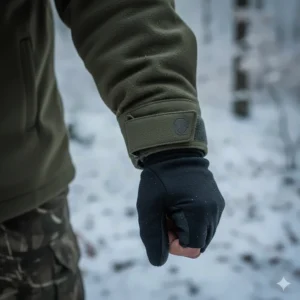
Understanding Base Layer Weights for Different Hunting Conditions
Lightweight (120-150g): The Versatile Foundation
Lightweight base layers weighing 120-150 grams per square meter serve as the Swiss Army knife of hunting shirts. These thin, form-fitting layers work beautifully for active early-season hunts when temperatures hover in the 40-60°F range. They’re also the perfect first layer in a multi-layer system for late-season hunts, sliding effortlessly under midweight fleece and insulated jackets without creating bulk.
The beauty of lightweight base layers lies in their adaptability. During Western backcountry hunts where you might hike at dawn in 30°F temperatures, then glass in 65°F afternoon sun, a 120g merino shirt lets you shed outer layers without overheating. The SITKA Core Merino 120 and KUIU ULTRA Merino 120 exemplify this category—thin enough to barely feel on your body, yet substantial enough to provide meaningful warmth and moisture management.
One mistake hunters make is assuming lightweight means insufficient. In reality, when combined with proper mid-layers and shells, a quality lightweight base layer performs admirably even in single-digit temperatures. The key is understanding it’s part of a system, not a standalone solution for extreme cold.
Midweight (200-300g): The All-Season Workhorse
Midweight base layers occupy the goldilocks zone for most hunting scenarios across North America. Weighing 200-300 grams per square meter, these shirts provide substantial warmth while maintaining breathability for moderate activity levels. The First Lite Kiln series at 250g and similar offerings from other premium brands deliver the versatility most hunters need for September through January hunting.
What makes midweight layers special is their ability to function as either a standalone top on cool days or as part of a layering system in bitter cold. During early November deer season when morning temps are 25°F and afternoon temps hit 50°F, a quality midweight base layer with a light fleece and windproof shell covers you for the entire day. Simply adjust your outer layers as temperatures change.
The thickness of midweight layers does mean slightly less packability compared to lightweight options. However, the added warmth often eliminates the need for extra mid-layers, potentially reducing overall system weight. For hunters who want to buy one versatile base layer that handles 90% of their hunting situations, midweight is the answer.
Heavyweight (350g+): Extreme Cold Specialists
Heavyweight base layers exceeding 350 grams per square meter are purpose-built tools for specific scenarios: late-season tree stand hunting, waterfowl hunting in frigid conditions, or any situation where you’ll remain relatively stationary in bitter cold. The First Lite Furnace at 350g represents this category’s high-water mark, delivering maximum insulation when movement is minimal.
These shirts feel noticeably thicker and warmer from the moment you put them on. The fleece-backed interiors common in heavyweight base layers create a cozy microclimate that makes 10°F morning sits bearable. However, this warmth becomes a liability during any moderate activity—hiking even a quarter mile to your stand will leave you sweating unless you strip down to a lighter layer first.
Smart hunters using heavyweight base layers employ a strategy: hike to your location in a lightweight or no base layer, then add the heavyweight piece once you’ve settled in and your heart rate has normalized. This prevents the dangerous sweat accumulation that can lead to hypothermia during long, cold sits. For spot-and-stalk hunting or any active pursuit, heavyweight base layers are simply too warm.
How to Choose Cold Weather Hunting Shirts: 7 Essential Factors
1. Match Weight to Activity Level
Your hunting style should dictate base layer weight more than outside temperature alone. Active hunters who cover miles stalking mule deer or hiking to remote elk basins need lightweight or midweight options that breathe well during exertion. Stationary hunters in tree stands or ground blinds can leverage heavyweight layers since they’re not generating heat through movement.
Consider a typical late-season whitetail hunt: you’ll hike to your stand in darkness (high activity), sit for several hours (low activity), then hike back (high activity again). This scenario calls for a lightweight base layer during movement with the option to add insulating layers once stationary. Alternatively, pack a heavyweight base layer in your pack and change into it after arriving at your stand location.
2. Prioritize Proper Fit
Base layers must fit snugly against your skin without being restrictive. The “next-to-skin” fit ensures efficient moisture wicking—loose base layers leave air gaps that prevent proper function. However, too-tight base layers restrict blood flow and movement, both problematic for hunters who need to draw bows or shoulder rifles smoothly.
When trying on cold weather hunting shirts, perform hunting-specific movements: draw an imaginary bow, twist at the waist, raise your arms overhead. The shirt should move with you seamlessly. Pay special attention to sleeve length—shirts that are too short expose wrists to cold air, while excessively long sleeves bunch up inside gloves. Raglan sleeve construction helps prevent binding when wearing packs.
3. Consider Scent Control Needs
For deer and elk hunting where scent control is critical, natural merino wool offers unmatched odor resistance. The antimicrobial properties of wool allow you to hunt multiple days without washing, reducing human scent in the field. Some synthetic base layers now incorporate treatments like Polygiene or Silvadur that inhibit bacterial growth, though these treatments fade over time and with repeated washing.
Waterfowl hunters or those hunting species with less-developed olfactory senses can prioritize other factors over scent control. However, most serious whitetail hunters consider scent control non-negotiable, making merino-based cold weather hunting shirts worth the premium price.
4. Evaluate Temperature Range
Cold tolerance varies dramatically between individuals based on metabolism, body composition, and acclimatization. A shirt that keeps me warm at 20°F might leave you shivering or overheating. Start by identifying the coldest temperature you typically hunt in, then select a base layer weight that handles that scenario with appropriate mid and outer layers.
Remember that wind dramatically affects perceived temperature. A 30°F day with 20 mph winds feels like 15°F due to wind chill. Cold weather hunting shirts don’t block wind—that’s your shell layer’s job—but they must maintain warmth even as wind strips heat from your outer layers. Quality base layers continue insulating even in breezy conditions.
5. Plan for Moisture Management
Moisture is your enemy in cold weather, whether from external precipitation or internal perspiration. Your cold weather hunting shirt must wick sweat away from skin efficiently to prevent dangerous cooling when you stop moving. Look for fabrics that dry quickly if you do end up sweating—this is where synthetics excel over pure merino.
For hunts in wet snow, freezing rain, or humid conditions, consider how your base layer performs when damp. Merino wool maintains about 80% of its insulating value when wet, while synthetic fibers maintain nearly 100%. However, synthetics feel clammy against wet skin, while merino stays relatively comfortable. There’s no perfect answer—just tradeoffs based on expected conditions.
6. Check Construction Quality
Examine seam construction carefully—flatlock seams lie flat against skin and won’t chafe during long hunts, while bulky seams create pressure points under pack straps. Quality cold weather hunting shirts use seamless construction in high-friction areas like underarms and sides. Reinforced stitching at stress points extends lifespan.
Look for features that enhance hunting performance: articulated elbows for better range of motion, longer back panels to prevent exposure when sitting, and thumb loops that keep sleeves in place inside jackets. These details separate hunting-specific base layers from athletic wear that might use similar fabrics but lacks hunting-oriented design.
7. Consider Long-Term Value
Premium cold weather hunting shirts cost $90-180 but should last 5-10 years with proper care. Cheaper options at $30-50 might need replacement after 1-2 seasons of hard use. Calculate cost-per-wear rather than just upfront price. A $120 merino shirt worn 30 times per season over five years costs just $0.80 per use—incredible value for comfort and performance.
Additionally, quality base layers retain value in the used market. Brands like SITKA, First Lite, and KUIU have strong followings, and gently used pieces sell for 50-70% of retail price. This resale value softens the blow of premium pricing and allows you to upgrade or change sizes with minimal loss.
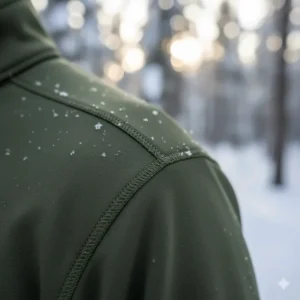
Layering Systems: Building the Perfect Cold Weather Setup
The Three-Layer System Explained
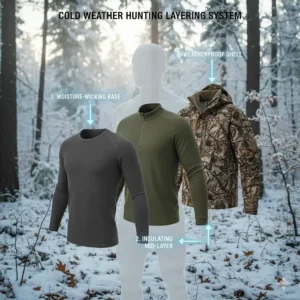
Successful cold weather hunting relies on a proven three-layer approach: base layer (moisture management), mid layer (insulation), and outer layer (weather protection). Your cold weather hunting shirt serves as the critical foundation. Get this layer right, and the entire system functions beautifully. Get it wrong, and no amount of expensive jackets will keep you comfortable.
The base layer’s job is simple but crucial: move moisture away from your skin while providing the first level of insulation. When you’re hiking to your stand, sweating heavily, and generating excess heat, your base layer prevents that moisture from accumulating next to your skin. Once you stop moving and your body cools, a wet base layer becomes a refrigeration system, stripping heat at an alarming rate.
This is exactly why cold weather safety is so critical according to NOAA. Wet clothing dramatically increases heat loss, and hypothermia can occur even at temperatures above freezing. Your base layer is your first line of defense against this dangerous scenario.
Base Layer + Mid Layer Combinations
For temperatures between 20-40°F with moderate activity, pair a lightweight (120g) base layer with a fleece mid-layer weighing 200-300 grams. This combination provides ample warmth without creating bulk that restricts movement. The breathability of both layers working together allows excess heat to escape during exertion while retaining warmth during stationary periods.
When temperatures drop below 20°F or you’re planning long sits with minimal movement, step up to a midweight (250g) base layer paired with a heavier fleece or insulated mid-layer. Some hunters add a lightweight down or synthetic insulated jacket as a third warming layer between the fleece and shell. This provides serious warmth for single-digit sits without the restriction of a heavy parka.
The beauty of proper layering is adjustability. Start your morning hike with just your base layer, add your fleece mid-layer once you’re settled, and throw on an insulated jacket if temperatures continue dropping. You can fine-tune your comfort level throughout the day as conditions and activity levels change.
Strategic Layering for Different Hunting Styles
Tree stand hunters face unique challenges since they’re largely stationary for hours in exposed positions. Start with a midweight or heavyweight base layer, add substantial mid-layer insulation, and top with a windproof shell. Many serious tree stand hunters keep an extra insulated jacket in their stand to add when temperatures plummet after sunrise.
Spot-and-stalk hunters need the opposite approach. Use a lightweight base layer that breathes exceptionally well, minimal mid-layer insulation for the initial hike, and a packable windshell that goes on during glassing breaks. Carry an ultralight down jacket for emergencies or extended glassing sessions. The name of the game is shedding heat during movement while having options for warmth when stationary.
Waterfowl hunters must factor in water exposure and wind. Start with a midweight base layer for warmth, add fleece mid-layers, and top with waterproof outerwear. The combination of cold water, wind, and minimal movement makes waterfowl hunting one of the most thermally challenging pursuits. Don’t cheap out on your base layer—it’s working overtime in these conditions.
Common Mistakes Hunters Make With Base Layers
Wearing Cotton (The Killer Fabric)
Cotton kills in cold weather—this isn’t hyperbole, it’s a documented fact in wilderness medicine. Cotton absorbs moisture readily but dries slowly, creating a heat-sinking effect that can lead to hypothermia. Yet I still see hunters wearing cotton t-shirts or long underwear under their hunting clothes, usually because “that’s what I’ve always worn” or “it was cheap.”
When cotton gets wet (from sweat or external moisture), it loses virtually all insulating value. The wet fibers conduct heat away from your body 25 times faster than dry fibers. In cold conditions, this heat loss can drop your core temperature dangerously fast. Save cotton for summer hunting—in cold weather, it’s genuinely dangerous.
Choosing Based on Price Alone
I understand budget constraints—hunting is expensive. However, your base layer is one piece of gear where cutting corners to save $50-75 is genuinely penny-wise and pound-foolish. A quality cold weather hunting shirt that keeps you comfortable for 8-hour sits will see far more use than that fancy new rangefinder. Prioritize your base layer investment.
Consider that a $40 synthetic shirt might last two hard seasons and require washing after every use, while a $120 merino shirt lasts five+ seasons and can be worn multiple days between washes. The premium option actually costs less per use over its lifetime while delivering superior performance. Factor in the value of comfort during hundreds of hunting hours.
Oversizing for “Extra Layers”
Some hunters buy base layers a size too large thinking this allows room for layering. This defeats the entire purpose of a base layer. Proper base layers must fit snugly against skin to wick moisture effectively. Loose base layers leave air gaps that trap moisture and reduce insulation efficiency. The “extra room” you create actually makes you colder.
If you need room for layering, size up your mid and outer layers instead. Your base layer should fit like a second skin—snug but not restrictive. Can you pinch significant fabric away from your torso? The base layer is too large. When you extend your arms, do the sleeves ride up excessively? Also too large. Proper fit is critical for proper function.
Ignoring Extremities
Hunters obsess over torso warmth via base layers but neglect hands, feet, and head where heat loss is dramatic. Your circulatory system prioritizes keeping your core warm, which means blood flow to extremities decreases in cold conditions. No amount of perfect base layering on your torso prevents frozen fingers or toes if you skimp on extremity protection.
Quality merino wool or synthetic gloves, socks, and caps complete your base layer system. Look for gloves with articulated fingers that maintain dexterity, socks with cushioning in heel and toe areas, and caps that cover your ears completely. Many hunters benefit from liner gloves under heavier gloves, providing warmth without sacrificing trigger finger sensitivity.
Care and Maintenance for Long-Lasting Performance
Washing Merino Wool Base Layers
Merino wool’s odor resistance means you can wear it multiple days between washes, but eventually, it needs cleaning. Always use wool-specific detergent or gentle detergent without enzymes or bleach—these chemicals damage wool fibers. Wash in cold water on the gentlest cycle your machine offers, or hand wash for maximum longevity.
Never put merino base layers in the dryer. The heat causes shrinkage and can felt the wool, ruining the garment. Instead, gently squeeze out excess water (don’t wring), lay flat on a towel, and roll the towel to remove more moisture. Then lay flat to dry on a mesh drying rack or clean towel away from direct heat or sunlight. Properly cared for merino lasts for years.
Between washes, air your merino base layers thoroughly. Hang them in fresh air overnight after each hunt—merino’s natural antimicrobial properties will neutralize odors without washing. If you’re on a multi-day hunt, turn them inside out and hang in your tent or truck cab. This simple airing extends the time between required washes significantly.
Caring for Synthetic Base Layers
Synthetic fabrics are more forgiving than merino in terms of care. Wash in cold or warm water with standard detergent. They can tolerate machine drying on low heat, though air drying extends their lifespan and maintains elasticity. The main concern with synthetics is preventing odor buildup that occurs when bacteria colonize the fiber.
Special sports detergents like Sport Suds or WIN Detergent work exceptionally well for synthetic hunting clothes. These formulas are designed to remove body oils and odor-causing bacteria that standard detergents miss. Occasionally wash synthetic base layers with baking soda added to the wash cycle—this helps neutralize trapped odors that resist normal washing.
Antimicrobial treatments on synthetic base layers fade with repeated washing. Some manufacturers recommend using Polygiene AfterWash spray every 10-15 washes to restore odor resistance. Whether this is worth the expense depends on how much you value scent control. For waterfowl hunting, probably unnecessary. For whitetail hunting over scrapes, potentially worth it.
Storage and Longevity Tips
Store clean, dry base layers in a cool, dark place. Avoid compressing wool base layers for extended periods—this can damage the crimp in the fibers that provides insulation. Fold them loosely or hang on wide hangers. For off-season storage, consider breathable cotton storage bags with cedar blocks to deter moths (which can damage wool).
Check your base layers regularly for small holes or tears. Merino wool can be darned to repair holes using wool thread, extending the garment’s life significantly. Synthetic base layers can be repaired with needle and thread or fabric patches on the inside. Many hunting companies offer repair services for their premium base layers—take advantage of these to maximize your investment.
Expect a quality base layer to last 5-10 years with proper care and regular hunting use. Signs it’s time to replace: fabric has thinned noticeably, elastic is shot and garment fits loosely, persistent odors won’t wash out, or moisture-wicking performance has degraded. When one of your trusted base layers reaches end of life, relegate it to backup duty or casual outdoor use rather than primary hunting.
Understanding Moisture-Wicking Technology
How Wicking Works: The Science
Moisture-wicking is frequently mentioned but rarely explained. Here’s what actually happens: Technical fabrics use either capillary action (pulling moisture through tiny spaces between fibers) or hydrophobic/hydrophilic fiber combinations (fibers that repel moisture on one side and attract it on the other) to move sweat away from your skin to the outer surface where it evaporates.
Merino wool achieves wicking through its unique fiber structure. Each wool fiber has scales that open and close in response to temperature and moisture, actively pulling moisture away from your skin and releasing it to the air. Additionally, merino fibers can absorb moisture vapor (not liquid) within the fiber structure itself, which is why wool stays comfortable even when carrying significant moisture.
Synthetic fabrics rely primarily on capillary action and hydrophobic treatments. The fabric is engineered with microscopic channels that physically pull moisture away from your skin. Some advanced synthetics like 37.5 Technology use active particles that accelerate vapor transportation, literally speeding up the rate at which liquid sweat becomes water vapor and escapes the fabric.
Why This Matters for Hunters
Effective moisture management isn’t about comfort alone—it’s about maintaining core temperature and preventing hypothermia. When you sweat during the hike to your tree stand, that moisture must go somewhere. If it stays against your skin, evaporative cooling will chill you dangerously once you stop moving and your body heat production drops.
A quality cold weather hunting shirt wicks that sweat away so efficiently that your skin stays relatively dry even during hard exertion. Once you arrive at your stand and your breathing normalizes, you might feel slightly damp on the outer surface of your base layer, but your skin itself is dry. This dry skin makes all the difference in maintaining comfortable warmth during long, cold sits.
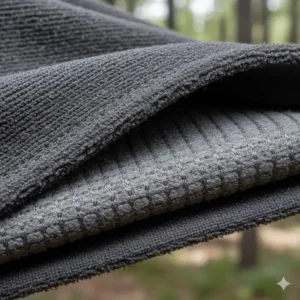
Comparison: Cold Weather Hunting Shirts vs Traditional Long Underwear
| Feature | Hunting-Specific Base Layers | Traditional Long Underwear |
|---|---|---|
| Odor Control | Natural (merino) or treated (synthetic) | Minimal or none |
| Noise Level | Silent fabrics designed for stealth | Often rustles with movement |
| Cut & Fit | Articulated for hunting movements | Basic athletic fit |
| Camo Options | Multiple patterns available | Usually solid colors |
| Moisture Wicking | Advanced technical fabrics | Varies widely by brand |
| Price Range | $80-180 premium options | $30-60 typical |
| Durability | Reinforced at stress points | Standard construction |
This comparison reveals why serious hunters invest in specialized base layers rather than using standard thermal underwear. While traditional long johns provide warmth, they lack the scent control, quiet operation, and technical performance required for hunting close to game animals. The premium you pay for hunting-specific cold weather hunting shirts delivers tangible benefits in the field.
Regional Considerations: Matching Base Layers to Your Hunt
Northern Deer Hunting (Minnesota, Wisconsin, Michigan)
Late-season deer hunting in the upper Midwest means dealing with single-digit temperatures, significant snow, and long sits in tree stands or blinds. Hunters here need midweight or heavyweight base layers as their foundation, with substantial mid-layer insulation and windproof shells. The First Lite Furnace or similar 350g options make sense for the coldest sits, while 250g midweight layers work well for most of the season when paired with proper outer layers.
The key challenge in these regions is moisture from snow combined with extreme cold. Merino’s ability to maintain warmth when damp proves invaluable. Additionally, hunters here benefit from full-body base layer coverage including heavyweight bottoms, not just tops. Don’t forget that heat rises—cold comes from the ground up when you’re in a tree stand, so insulating your legs is just as critical as your torso.
Western Mountain Hunting (Colorado, Montana, Wyoming)
Elk, mule deer, and mountain goat hunters face dramatic elevation changes and temperature swings. A September morning might start at 25°F, warm to 70°F by afternoon, then plummet to 15°F at night. This variability demands versatile base layers, making lightweight (120g) or ultralight (150g) options ideal. The KUIU ULTRA Merino 120 and SITKA Core Merino 120 excel here—light enough to avoid overheating during steep climbs, yet effective as the first layer in a system that handles bitter high-country cold.
Western hunters benefit from the quick-dry properties of blended fabrics or synthetics since you’ll work up significant sweat during ascents. The ability to add and remove layers throughout the day is critical, which is why packable mid-layers paired with an efficient base layer create the perfect system. Many Western hunters carry multiple base layers—wearing a lightweight option during active portions and swapping to midweight once they locate game and settle in for observation.
Southern Deer Hunting (Texas, Oklahoma, Georgia)
Southern hunters might assume cold weather hunting shirts are unnecessary, but late-season hunts and overnight sits in December and January can be surprisingly chilly. Morning temperatures in the 20s and 30s, combined with wind across open fields, create conditions that require proper base layering. However, lightweight (120g) options usually suffice since extreme cold is rare and days often warm significantly by mid-morning.
The challenge in the South is often humidity rather than dry cold. This moisture in the air affects how cold temperatures feel and how effectively your body regulates temperature. Merino wool or moisture-wicking synthetics become even more important in humid conditions since you want maximum vapor transfer away from skin. A quality lightweight base layer paired with a light fleece and windproof vest covers most Southern hunting scenarios.
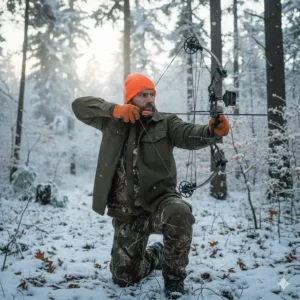
Frequently Asked Questions
❓ What temperature do I need cold weather hunting shirts for?
❓ Can I wear regular athletic base layers for hunting?
❓ How many cold weather hunting shirts do I need?
❓ Should I size up in cold weather hunting shirts for layering?
❓ How do I prevent my cold weather hunting shirt from smelling?
Conclusion: Investing in Comfort and Safety
After testing countless cold weather hunting shirts across thousands of hours in the field, from the mountains of Colorado to the oak flats of Wisconsin, I’ve learned that your base layer investment pays dividends every single hunt. Whether you choose the premium performance of SITKA’s Core Merino 120, the budget-friendly reliability of Under Armour ColdGear, or the all-around excellence of First Lite’s Kiln series, you’re making a decision that affects your comfort, safety, and ultimately your success in the field.
The right cold weather hunting shirt disappears on your body—you forget you’re wearing it because it’s working so seamlessly to regulate temperature and manage moisture. The wrong one makes itself known constantly through discomfort, overheating, or that miserable clammy feeling when sweat accumulates. Don’t let inadequate base layers be the reason you head back to the truck early, missing that golden hour when mature bucks are moving.
Remember that cold weather safety isn’t just about comfort—it’s about preventing serious health emergencies. Hypothermia and frostbite are real dangers for hunters spending extended time outdoors, and your base layer is your first line of defense. Invest wisely, layer properly, and you’ll spend more productive time in the field across every season.
Your hunting clothes are tools, just like your rifle or bow. Just as you wouldn’t hunt with a rusty, unreliable weapon, don’t hunt with inadequate clothing that compromises your performance. Build your cold weather system around a quality base layer, and you’ll wonder how you ever hunted without it.
Recommended for You
- 7 Best Cold Weather Bibs for 2025 (Expert Tested & Reviewed)
- 7 Best Cold Weather Hunting Clothes That Beat Freezing Temps (2025)
- 7 Best Cold Weather Hunting Jackets 2025 (Expert-Tested & Reviewed)
Disclaimer: This article contains affiliate links. If you purchase products through these links, we may earn a small commission at no additional cost to you.
✨ Found this helpful? Share it with your friends! 💬🤗
