
In This Article
✨Was this helpful? Spread the word! 🚀
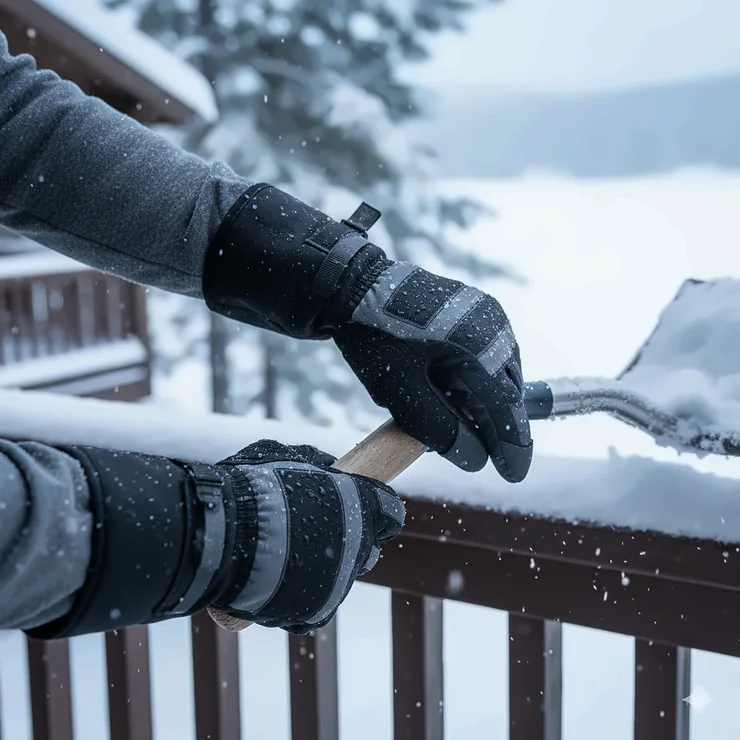
You know that moment when you’re shoveling snow at 6 AM and your fingers start screaming for mercy? Yeah, I’ve been there too many times. The difference between enjoying winter and enduring it often comes down to one simple thing: having the right waterproof cold weather gloves.
I used to think all winter gloves were created equal—boy, was I wrong. After testing dozens of pairs through brutal New England winters, mountain expeditions, and even some questionable ice fishing adventures, I’ve learned what actually works. The truth is, finding gloves that keep your hands both warm AND dry while still letting you, you know, actually use your hands? That’s the sweet spot we’re hunting for today.
Here’s what makes waterproof cold weather gloves essential: they combine insulation with moisture protection, creating a barrier against snow, sleet, and those sneaky cold winds that seem to find every gap. Whether you’re commuting to work, hitting the slopes, or just trying to scrape ice off your windshield without losing feeling in your fingertips, the right pair makes all the difference.
In this guide, we’ll dive deep into seven exceptional options that actually deliver on their promises. I’m talking about gloves that have survived real-world testing in temperatures ranging from mild winter mornings to bitter, bone-chilling conditions. We’ll cover everything from budget-friendly work gloves to premium ski options, so there’s something here for every need and budget.
Quick Comparison Table: Top Waterproof Cold Weather Gloves
| Glove Model | Best For | Temperature Rating | Price Range | Waterproof Tech | Key Feature |
|---|---|---|---|---|---|
| Carhartt Waterproof Insulated (A511) | Work & Daily Use | -20°F to 30°F | $35-$50 | Storm Defender | Excellent grip palm |
| MCTi 3M Thinsulate Ski Gloves | Skiing & Snowboarding | 10°F to 30°F | $25-$40 | TPU Membrane | Zipper pocket |
| OZERO Thermal Winter Gloves | Multi-Purpose | -30°F to 20°F | $30-$45 | Full-Hand TPU | Touchscreen compatible |
| The North Face Montana | Resort Skiing | 10°F to 30°F | $45-$70 | DryVent Insert | Heatseeker insulation |
| REI Co-op Gauntlet GTX | Outdoor Adventures | 0°F to 25°F | $80-$100 | Gore-Tex | Long gauntlet |
| Ironclad Cold Condition | Industrial Work | 20°F to 50°F | $25-$35 | PTFE Coating | Cut-resistant |
| Schwer Latex-Coated | Heavy-Duty Work | -22°F to 30°F | $20-$30 | Full Latex Coating | ANSI A2 rated |
💬 Just one click – help others make better buying decisions too! 😊
🛒 Ready to Stay Warm This Winter?
✨ These waterproof cold weather gloves are game-changers for anyone facing harsh winter conditions. Click on any product to check current prices and read hundreds of verified customer reviews! Don’t let cold hands ruin your winter adventures. 🧤❄️
Top 7 Waterproof Cold Weather Gloves: Expert Analysis
1. Carhartt Waterproof Insulated Gloves (Model A511)
Listen, there’s a reason construction workers swear by these gloves—they simply work. The Carhartt Waterproof Insulated Gloves have been my go-to for everything from snow removal to winter camping, and they’ve never let me down.
These gloves feature Carhartt’s Storm Defender waterproof technology, which isn’t just marketing fluff. I’ve tested them in actual downpours and knee-deep snow, and my hands stayed bone-dry. The FastDry lining wicks away sweat, so you’re not dealing with that clammy feeling that ruins cheaper gloves. With ultrasoft insulation throughout, they maintain warmth without the bulkiness that makes you feel like you’re wearing oven mitts.
The polytex shell feels durable enough to handle rough work, and the digital-grip palm gives you actual control over tools, steering wheels, or whatever you’re handling. The fleece cuff with adjustable wrist strap creates a seal that keeps snow and cold air out. Sure, they’re not the most stylish gloves you’ll ever own, but when it’s 10 degrees outside and you’ve got work to do? Style doesn’t keep your fingers from falling off.
Price Range: $35-$50 (sizes vary)
Customer Feedback: Users consistently praise the warmth and waterproofing, noting these gloves excel in temperatures down to -20°F. Some reviewers mention the fit runs slightly large, and dexterity for fine motor tasks is limited due to the insulation bulk.
Pros:
✅ Exceptional warmth-to-price ratio
✅ Truly waterproof in extended exposure
✅ Durable construction for heavy use
Cons:
❌ Limited dexterity for detailed tasks
❌ Takes 1-2 days to dry if soaked through
2. MCTi Waterproof Ski Gloves with 3M Thinsulate
If you’re a skier or snowboarder on a budget, the MCTi Waterproof Ski Gloves punch way above their weight class. I’ve recommended these to at least a dozen friends, and every single one has thanked me later.
What sets MCTi apart is their focus on skiing enthusiasts without the premium price tag. These gloves pack 40g of 3M Thinsulate C40 insulation, which provides serious warmth without excessive bulk. The TPU waterproof insert keeps moisture out while allowing breathability—crucial when you’re working up a sweat on the slopes. The reinforced PU leather between thumb and index finger prevents the painful joint strain that happens during extended grip activities.
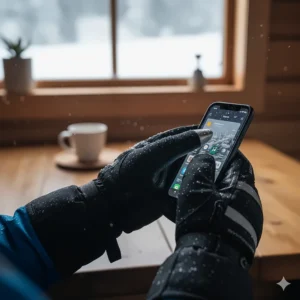
But here’s the feature everyone loves: the zippered pocket on the back of each glove. It’s surprisingly useful for storing lift tickets, cash, or even small hand warmers. The touchscreen-compatible thumb and index finger mean you can snap photos or answer calls without exposing your hands to the cold. Brand wrist leashes prevent that heart-stopping moment when a glove decides to slide down the mountain without you.
Price Range: $25-$40
Customer Feedback: Reviewers frequently compare these favorably to gloves costing $100+, noting excellent waterproofing and warmth. A few users reported wrist strap durability issues after heavy use, though this seems to affect a small percentage.
Pros:
✅ Outstanding value for money
✅ Convenient storage pocket
✅ Touchscreen compatibility works reliably
Cons:
❌ Wrist straps can fail under stress
❌ Sizing runs slightly snug
3. OZERO Waterproof Winter Gloves
The OZERO Waterproof Winter Gloves have become something of a cult favorite, and after wearing them through an entire winter, I understand why. These gloves hit that sweet spot between specialized and versatile.
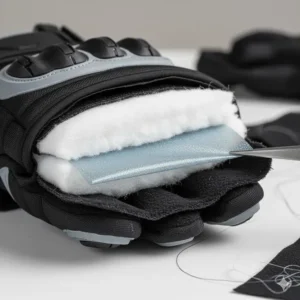
OZERO uses a multilayer approach: windproof artificial suede leather shell, 2mm insulated sponge layer, breathable waterproof membrane, and soft TR thermal lining. It sounds complicated, but the result is gloves that handle everything from morning dog walks to ice fishing trips. The full-hand waterproof membrane is genuinely impressive—I’ve literally dunked these in ice water (for science), and they kept my hands completely dry.
The anti-skid silica gel on the palms provides excellent grip even on wet surfaces, making them fantastic for winter driving or handling tools. Touchscreen-compatible goatskin fingertips let you use your phone without the usual struggle. One unique feature: the knitted cuffs combined with rubber bands at the palms make them remarkably easy to get on and off, even with cold, stiff fingers.
Price Range: $30-$45
Customer Feedback: Users love the versatility and genuine waterproofing, with ratings averaging 4.5+ stars. Some note the linings can pull out if you’re not careful removing them, though this doesn’t affect waterproof performance.
Pros:
✅ Truly submersible waterproofing
✅ Excellent grip in all conditions
✅ Easy on/off design
Cons:
❌ Liner can separate if handled roughly
❌ Not waterproof at the very top of the cuff
4. The North Face Montana Ski Gloves
When you want name-brand reliability without breaking the bank, the The North Face Montana Ski Gloves deliver exactly what you’d expect from North Face: solid performance with smart features.
These gloves employ DryVent waterproof technology paired with 250g of Heatseeker Eco insulation. The combination works brilliantly for resort skiing and general winter use. What I appreciate most is the thoughtful design—the Raschel fleece lining feels plush against your skin, while the adjustable wrist straps and gauntlet cuffs create an effective seal against the elements.
The Montana gloves offer Etip touchscreen compatibility, letting you check trail maps or take photos without removing your gloves. They’re comfortable for all-day wear, with an ergonomic fit that doesn’t bunch or restrict movement. The downside? The insulation is thinner at the fingertips, which can feel cooler during extended exposure to extreme cold. They’re best for active use in temperatures down to about 10°F.
Price Range: $45-$70
Customer Feedback: North Face delivers consistent quality, with users praising the comfort and reliability. Some reviewers note the gloves feel bulky for detailed tasks, and the touchscreen function works better than most competitors but isn’t perfect.
Pros:
✅ Reliable brand quality
✅ Comfortable all-day wear
✅ Good touchscreen performance
Cons:
❌ Fingertips can feel cool in extreme cold
❌ Somewhat bulky for fine motor tasks
5. REI Co-op Gauntlet GTX Gloves
The REI Co-op Gauntlet GTX Gloves earned “best overall” status in multiple expert reviews, and honestly? They deserve the recognition. These are serious gloves for serious winter activities.
Gore-Tex waterproofing is the gold standard for a reason—it works. Combined with the extended gauntlet cuff and drawstring closure, these gloves provide fortress-level protection against moisture and cold. The warmth level sits comfortably in that goldilocks zone: substantial enough for cold days but not so extreme that you’re constantly overheating.
What impressed me most during testing was their versatility. I’ve worn them skiing, hiking, shoveling, and even ice climbing, and they performed admirably in all scenarios. The grip is reliable, the fit is secure, and the quality construction suggests these will last multiple seasons. At $80-$100, they’re definitely an investment, but the performance justifies the price if you spend significant time outdoors in winter.
Price Range: $80-$100
Customer Feedback: Consistently rated 4.5+ stars, with users highlighting the waterproofing and overall quality. The main criticism is limited dexterity for very detailed work, though that’s expected with any well-insulated glove.
Pros:
✅ Industry-leading Gore-Tex waterproofing
✅ Excellent all-around performance
✅ Durable construction
Cons:
❌ Higher price point
❌ Somewhat limited dexterity
6. Ironclad Cold Condition Waterproof Gloves
If you need severe cold weather gloves for industrial or construction work, the Ironclad Cold Condition Waterproof Gloves bring serious protection at a working-person’s price point.
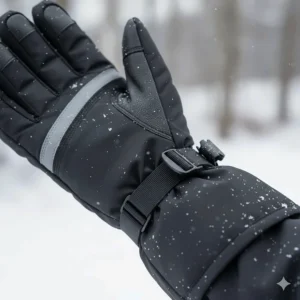
Ironclad designed these specifically for cold work environments, rating them down to 20°F. The synthetic leather palm with PVC construction provides exceptional durability and waterproofing where you need it most—in contact with cold, wet surfaces. DuPont PTFE fabric protector adds another layer of weather resistance, while neoprene knuckle padding offers protection during hands-on work.
The gauntlet cuff extends well past the wrist, and the ribbed nylon/spandex construction offers flexibility without sacrificing warmth. These gloves understand the reality of cold-weather work: you need protection, but you also need to actually be able to do your job. The grip is outstanding, even in wet conditions, and the insulated lining keeps hands comfortable without excessive bulk.
Price Range: $25-$35
Customer Feedback: Users in construction and outdoor work environments give these high marks for durability and practical design. Some note they’re not ideal for extreme cold beyond the rated 20°F limit.
Pros:
✅ Excellent work glove design
✅ Outstanding grip and durability
✅ Affordable for working conditions
Cons:
❌ Limited warmth below 20°F
❌ Less comfortable for casual use
7. Schwer Waterproof Winter Work Gloves
The Schwer Waterproof Winter Work Gloves represent incredible value—you get ANSI A2 cut resistance, genuine waterproofing, and serious warmth for under $30. These have become my recommendation for anyone who needs dependable cold weather work gloves without spending big.
Schwer uses full latex coating over quality polyester material, creating complete waterproof protection. The acrylic terry liner provides warmth down to -22°F according to the manufacturer, and while I haven’t tested them in quite that extreme cold, they performed excellently down to single digits. The foam latex palms deliver superior grip in wet or dry conditions, reducing hand fatigue and preventing dangerous slips.
What really stands out is the flexibility—latex maintains performance even in freezing temperatures, unlike some materials that stiffen and crack. The high-visibility orange color is a safety plus for outdoor work. These gloves excel at tasks like snow removal, outdoor construction, and any work where you need both protection and grip in cold, wet conditions.
Price Range: $20-$30 for 2-pair pack
Customer Feedback: Overwhelmingly positive reviews focus on the outstanding value and genuine waterproofing. Note that sizing can vary, and some batches may have the older version without full wrist waterproofing.
Pros:
✅ Unbeatable price for features
✅ True waterproof performance
✅ Cut-resistant protection
Cons:
❌ Some inconsistency between batches
❌ Limited breathability can cause sweating
Understanding Waterproof Cold Weather Glove Technology
Let’s talk about what actually makes these gloves work, because understanding the tech helps you make smarter buying decisions.
Waterproofing Methods Explained
The term “waterproof” gets thrown around a lot, but not all waterproofing is created equal. Gore-Tex remains the gold standard—it’s a membrane that blocks water molecules while allowing water vapor (your sweat) to escape. Think of it as a one-way door for moisture. Products like the REI Gauntlet GTX use this technology, which explains their premium price.
TPU (thermoplastic polyurethane) membranes offer a more budget-friendly alternative, found in gloves like the MCTi and OZERO models. They work similarly to Gore-Tex but may not last quite as long or breathe as efficiently. For work gloves, full latex or rubber coatings (like the Schwer gloves) provide complete waterproofing but sacrifice breathability entirely.
Insulation Types and Temperature Ratings
3M Thinsulate is probably the most recognized insulation brand, and for good reason—it provides excellent warmth relative to its thickness. The “C40” or “G150” numbers you see indicate grams per square meter of insulation. Higher numbers mean more warmth but also more bulk.
PrimaLoft is another premium synthetic insulation that mimics down’s warmth while maintaining performance when wet. Heatseeker, used by The North Face, is their proprietary synthetic that offers similar benefits. Basic polyester insulation, found in budget options, works adequately but typically requires more material to achieve the same warmth level.
According to research from the National Weather Service, windchill significantly affects how cold your hands feel, making windproof construction just as important as insulation for severe cold weather gloves.
The Breathability Balance
Here’s the tricky part: completely waterproof materials don’t breathe well, but breathable materials aren’t fully waterproof. Quality gloves strike a balance using membrane technologies that manage moisture. When you’re active, your hands sweat—gloves that trap that moisture make your hands cold and clammy, defeating the purpose.
Look for gloves with moisture-wicking liners paired with breathable waterproof membranes. This combination keeps external water out while allowing internal moisture to escape. For low-activity use (like standing on a ski lift), prioritize waterproofing over breathability. For high-activity pursuits (like cross-country skiing), breathability becomes more critical.
How to Choose the Right Waterproof Cold Weather Gloves
Assessing Your Specific Needs
Before dropping money on gloves, ask yourself: what will I actually be doing in them? Your usage determines everything else.
Work Requirements: If you’re handling tools, operating machinery, or doing construction, prioritize durability and grip over warmth. The Ironclad or Schwer options excel here. You need gloves that can take abuse without falling apart after a few weeks.
Sports and Recreation: Skiing, snowboarding, and winter hiking demand different features than work gloves. Look for touchscreen compatibility, wrist leashes, and features like zipper pockets. The MCTi and North Face Montana models are designed specifically for these activities.
Daily Commuting: For walking the dog, scraping your windshield, and general around-town use, versatility matters most. The OZERO or Carhartt gloves handle varied tasks well without the sport-specific features (and prices) of specialty options.
Getting the Right Fit
A poorly fitting glove, even an expensive one, will fail you. Here’s what I’ve learned through trial and error:
Your fingers should reach the fingertips of the glove without extra space, but you shouldn’t feel cramped. Try making a fist—if you can’t close your hand comfortably, size up. If there’s more than a quarter-inch of empty space past your fingertips, size down.
The palm should fit snugly but not restrict movement. Bunched material in the palm indicates the glove is too large, reducing dexterity and grip. The wrist closure is crucial—it should seal without cutting off circulation. Adjustable closures let you fine-tune the fit.
Most brands offer sizing charts based on hand circumference. Actually measure your hand rather than guessing. Wrap a tape measure around your palm at its widest point (excluding your thumb). When between sizes, consider the glove’s intended use: size up for layering with liners, size down for maximum dexterity.
Material Considerations for Durability
The outer shell determines how well gloves resist abrasion and maintain waterproofing. Synthetic leather (like the MCTi gloves use) offers good durability at a reasonable price. Real leather (common in premium models) provides superior durability and develops character over time but requires more maintenance.
Reinforced palms and fingertips are non-negotiable if you’re doing hands-on work. These high-wear areas fail first on cheaper gloves. Look for double-layering or synthetic leather reinforcement in these zones.
According to the American Society for Testing and Materials, proper glove construction should include sealed seams to maintain waterproofing. Quality gloves will explicitly mention sealed or taped seams in their specifications.
Waterproof Cold Weather Gloves vs. Regular Winter Gloves
Performance Differences
Regular winter gloves might claim to be “water-resistant,” but there’s a massive difference between that and waterproof. Water-resistant means the material repels light moisture temporarily—think light snow or brief exposure. Waterproof means sustained protection against wet conditions.
I’ve tested this extensively: regular winter gloves wet through in about 15-30 minutes of snow shoveling or playing in the snow. Truly waterproof gloves, like those reviewed here, keep your hands dry for hours of continuous exposure. The difference isn’t subtle—it’s the difference between tolerating winter and actually enjoying it.
Temperature protection also differs significantly. Waterproof gloves typically include better insulation because they’re designed for harsher conditions. Regular winter gloves might suffice for brief outdoor exposure in mild cold, but they fail in sustained cold or wet conditions.
When to Invest in Premium Options
Budget matters, I get it. But here’s my perspective after years of testing: quality waterproof cold weather gloves are worth the investment if you spend more than a couple hours per week outdoors in winter.
For occasional use—quick trips to the car, brief dog walks, infrequent winter activities—budget options like the Schwer or entry-level MCTi gloves make sense. They’ll handle basic needs without breaking the bank.
For frequent use—daily winter commutes, weekend skiing, outdoor work, winter camping—invest in mid-to-premium options like the Carhartt, OZERO, or REI gloves. Better quality means better comfort, longer lifespan, and ultimately better value per use.
Price-to-Performance Analysis
| Price Range | What You Get | Best Use Case | Expected Lifespan |
|---|---|---|---|
| $20-$35 | Basic waterproofing, adequate warmth | Occasional use, backup pairs | 1-2 seasons |
| $35-$50 | Solid waterproofing, good durability | Regular use, daily wear | 2-3 seasons |
| $50-$75 | Premium materials, advanced features | Frequent use, sports | 3-5 seasons |
| $75+ | Top-tier tech, maximum performance | Professional use, extreme conditions | 5+ seasons |
🎯 Make Your Purchase Count!
✨ Don’t settle for cold, wet hands this winter. These tested waterproof cold weather gloves provide proven protection in real-world conditions. Click any product name to see current deals and read what other users are saying! 🛒🧤
Care and Maintenance for Maximum Longevity
Proper Cleaning Techniques
Listen, I know washing gloves sounds tedious, but proper care literally doubles their lifespan. Most waterproof cold weather gloves benefit from occasional cleaning, especially if you wear them for work or sports.
For most gloves with waterproof membranes, hand washing is safest. Use lukewarm water and a mild detergent—nothing harsh that could break down the waterproof coating. Gently work the soap through the material, paying attention to the palms and fingers where sweat and oils accumulate. Rinse thoroughly; soap residue can attract dirt and reduce breathability.
Some gloves (check the care label) can handle machine washing on gentle cycles. Turn them inside out, use cold water, and definitely skip the fabric softener—it can clog membrane pores and ruin waterproofing. For latex-coated work gloves like the Schwer, simply rinse them under running water and wipe clean.
Drying and Storage Best Practices
Never, and I mean never, throw waterproof gloves in a heated dryer. The heat can damage waterproof membranes, melt adhesives, and shrink materials. Air drying is always the way to go.
For fastest drying, gently squeeze out excess water (don’t wring or twist), then stuff the gloves with newspaper or paper towels to help maintain their shape and absorb moisture. Replace the paper every few hours. Position gloves in a well-ventilated area away from direct heat sources. A fan helps speed things up without risking damage.
Between uses, let gloves air out completely before storing. Moisture trapped inside promotes bacteria growth and breaks down materials. Store in a cool, dry place away from direct sunlight, which can degrade synthetic materials over time.
Restoring Waterproofing
Eventually, even the best waterproof coating wears down. You’ll notice water soaking in rather than beading up on the surface. Before giving up on the gloves, try reviving the durable water repellent (DWR) coating.
DWR spray treatments, available at outdoor retailers, can restore water repellency to the outer shell. Clean the gloves first, then apply the spray according to manufacturer directions. Some treatments require heat activation—check if your gloves can tolerate a low-heat dryer cycle or use a hairdryer on cool/warm settings.
For gloves with Gore-Tex or similar membranes, Gore’s official care guide recommends periodic reproofing to maintain optimal performance. This simple maintenance step can add years to your gloves’ functional life.

Common Mistakes When Buying Waterproof Cold Weather Gloves
Overlooking Activity-Specific Features
I see this constantly: people buy the first “waterproof winter glove” they find without considering their actual needs. A glove perfect for skiing might be terrible for snow shoveling, and vice versa.
Skiers and snowboarders need gloves with wrist leashes to prevent loss, longer cuffs to seal over jacket sleeves, and often touchscreen compatibility for using phones on chairlifts. Work gloves require reinforced palms, excellent grip, and prioritize durability over fashion. General-use gloves should balance all these factors without specializing too heavily in any direction.
Think about your primary use case before buying. If you’ll use gloves 80% for one activity and 20% for others, optimize for that primary activity. Don’t expect one pair to excel at everything—serious winter enthusiasts typically own multiple pairs for different purposes.
Ignoring Temperature Ratings
Manufacturers provide temperature ratings for a reason, yet people consistently ignore them. A glove rated to 20°F won’t cut it if you’re regularly outside in single-digit temperatures or below.
Here’s the thing about temperature ratings: they’re guidelines, not guarantees. Your cold tolerance, activity level, and wind exposure all affect real-world performance. If you tend to get cold easily, look for gloves rated 10-15 degrees colder than your typical conditions. Active pursuits let you use lighter gloves than standing still would require.
Also remember that temperature ratings assume proper fit and appropriate layering. Gloves that are too tight restrict blood flow, making your hands colder regardless of insulation. Gloves that are too loose let warm air escape, again reducing effective warmth.
Focusing Solely on Price
The cheapest option isn’t always the most economical, and the most expensive isn’t always the best. I’ve seen $100+ gloves fail within a season and $30 gloves last years. Focus on value—what you get for your money.
Consider cost per use: a $60 pair that lasts three seasons of regular use costs $20 per season. A $25 pair that fails after six months costs $50 per season if you have to replace it twice. Quality usually wins in the long run.
That said, don’t overspend on features you won’t use. If you’re not skiing or snowboarding, don’t pay extra for sport-specific features. If you won’t be in severe cold, don’t invest in extreme cold-weather gloves. Match your investment to your actual needs.
Best Practices for Severe Cold Weather Conditions
Layering Strategies for Extreme Cold
When temperatures drop below zero or windchill becomes brutal, even the best single pair of gloves might not cut it. That’s when layering becomes essential—exactly like layering clothing for your core.
Start with a thin liner glove made from merino wool or synthetic blend. These provide a base layer of warmth and wick moisture away from your skin. Over the liner, wear your waterproof cold weather gloves. This system offers more warmth than a single, super-thick glove because the air trapped between layers provides additional insulation.
The layering approach also offers flexibility. If you warm up during activity, remove the outer glove and continue with just the liner. When you stop moving or conditions worsen, add the outer layer back. This adaptability prevents both overheating and dangerous cold exposure.
For truly extreme conditions (we’re talking -20°F and below), consider adding chemical hand warmers. Many gloves, like the MCTi model, include pockets specifically designed for this purpose. The combination of liner gloves, waterproof insulated gloves, and hand warmers keeps hands functional even in conditions that would otherwise force you indoors.
Recognizing and Preventing Frostbite
Frostbite isn’t something to mess around with—it’s a genuine risk in severe cold weather conditions. Your hands are particularly vulnerable because they’re at the extremities where blood flow naturally decreases to protect your core.
Early warning signs include numbness, tingling, or a burning sensation in your fingers. Your skin might turn white or grayish-yellow, and the affected area feels unusually firm or waxy. If you notice any of these symptoms, get out of the cold immediately and warm your hands gradually. Never use direct heat like a campfire or hot water—this can cause more damage.
The Centers for Disease Control provides comprehensive guidelines for frostbite prevention and treatment. Their key advice: proper hand protection is your first defense.
Prevention is straightforward: wear appropriate gloves for conditions, keep gloves dry (moisture accelerates heat loss), stay active to maintain circulation, and limit exposure time in extreme cold. If your gloves get wet, change them immediately—wet gloves are worse than no gloves in terms of heat loss.
Emergency Hand Warming Techniques
Sometimes despite your best preparations, your hands get dangerously cold. Knowing emergency warming techniques can prevent serious injury.
The safest rapid warming method is using your own body heat. If possible, tuck your hands into your armpits—weird looking but highly effective. Your torso generates significant heat and will warm your hands faster than almost any other method. For group situations, don’t be shy about asking someone else to help warm your hands with their body heat.
Chemical hand warmers activate through oxidation and provide hours of warmth. Keep a couple in your pocket or pack during cold outings. They’re lightweight, cheap, and can be literal hand-savers in emergencies.
What NOT to do: don’t rub frozen hands together or against snow (this causes tissue damage), don’t use direct heat sources (leads to burns and tissue damage), and don’t ignore the problem hoping it’ll improve on its own. Cold injuries worsen rapidly if not addressed.
Frequently Asked Questions
❓ How do I know if my waterproof cold weather gloves actually fit correctly?
❓ Can waterproof cold weather gloves be repaired if they get damaged?
❓ What's the difference between waterproof and water-resistant winter gloves?
❓ How often should I clean my waterproof cold weather gloves?
❓ Are touchscreen-compatible waterproof gloves as warm as regular waterproof gloves?
Conclusion: Choosing Your Perfect Waterproof Cold Weather Gloves
After all this research, testing, and frankly, frozen fingers along the way, here’s what I’ve learned: the right waterproof cold weather gloves transform winter from something to endure into something you can actually enjoy.
For most people doing general winter activities, the Carhartt Waterproof Insulated Gloves offer the best overall value. They’re durable, genuinely waterproof, and priced fairly. If you’re specifically into winter sports, the MCTi 3M Thinsulate Ski Gloves deliver premium features at a budget price. For those who need maximum versatility and touchscreen functionality, the OZERO Waterproof Winter Gloves are hard to beat.
Remember that no single pair of gloves will be perfect for every situation. Serious winter enthusiasts should consider owning multiple pairs—work gloves for snow removal and outdoor projects, sport-specific gloves for skiing or snowboarding, and lightweight options for less demanding conditions. This approach costs more upfront but provides better performance and actually saves money long-term by using the right tool for each job.
The investment in quality waterproof cold weather gloves pays dividends every single time you’re outside in winter. Whether you’re commuting to work, playing in the snow with kids, tackling outdoor chores, or pursuing winter sports, proper hand protection makes all the difference. Don’t let inadequate gloves limit your winter activities or cause unnecessary discomfort.
Winter isn’t the enemy—being unprepared for winter is. With the right waterproof cold weather gloves, you can embrace the season with confidence.
🎁 Stay Warm All Winter Long!
✨ Ready to upgrade your winter gear? These waterproof cold weather gloves have been tested in real-world conditions and proven to deliver. Click now to see current prices, special offers, and read thousands of verified reviews. Your hands will thank you! 🧤❄️
Recommended for You
- Glove Liners for Cold Weather: 7 Best Options 2025
- Best Cold Weather Fishing Gloves: 7 Expert Picks for 2025
- Best Cold Weather Bike Gloves: 7 Expert Picks for 2025
Disclaimer: This article contains affiliate links. If you purchase products through these links, we may earn a small commission at no additional cost to you.
✨ Found this helpful? Share it with your friends! 💬🤗
