
In This Article
✨Was this helpful? Spread the word! 🚀
I’ll never forget that frigid November morning when my fingers went numb halfway through a deer hunt. The buck of a lifetime appeared, and I couldn’t feel the trigger. That shot? Complete miss. My hands were basically frozen stumps attached to expensive binoculars. Sound familiar?
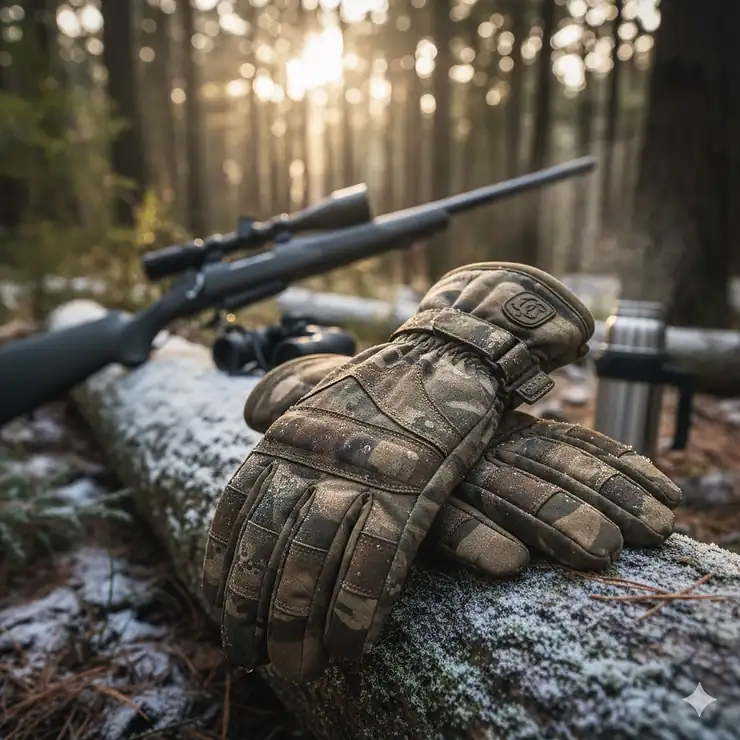
Here’s the thing about hunting in cold weather—your success literally depends on maintaining finger dexterity when it matters most. Whether you’re tracking elk through snowy timber or sitting motionless in a duck blind at dawn, the best cold weather hunting gloves make the difference between a successful harvest and a tale of “the one that got away.” I’ve tested dozens of pairs over fifteen seasons, and trust me, not all gloves are created equal.
The best cold weather hunting gloves need to balance three critical factors: warmth without bulk, weather resistance that actually works, and enough dexterity to operate your weapon safely. You’re not just buying hand warmers—you’re investing in gear that keeps you in the field longer and shoots more accurately. The right hunting gloves for cold weather can extend your season by weeks and your comfort by hours. From budget-friendly options under $40 to premium heated models pushing $200, today’s market offers solutions for every hunter’s needs and every climate’s challenges.
Quick Comparison Table
| Glove Model | Best For | Insulation | Waterproof | Price Range | Rating |
|---|---|---|---|---|---|
| Sitka Gunner WS | Trigger control | GORE-TEX | Yes | $109-$139 | ⭐⭐⭐⭐⭐ |
| Under Armour Windstopper 2.0 | Mid-season hunting | PrimaLoft | Water-resistant | $55-$75 | ⭐⭐⭐⭐ |
| Hot Shot Defender | Budget hunters | 40g 3M Thinsulate | Yes | $25-$35 | ⭐⭐⭐⭐ |
| Drake MST Refuge Gore-Tex | Waterfowl hunting | 180g Fleece | Yes | $80-$110 | ⭐⭐⭐⭐⭐ |
| Carhartt W.B. Insulated | All-day work hunts | Ultra-soft | Yes | $40-$65 | ⭐⭐⭐⭐ |
| Volt Heated Camo | Extreme cold | Heated + Insulated | Yes | $180-$220 | ⭐⭐⭐⭐⭐ |
| PIG Full Dexterity Alpha | Precision shooting | Lightweight | No | $45-$60 | ⭐⭐⭐⭐ |
💡 Shop Smart, Hunt Better
Looking for the perfect pair? Each glove below has been field-tested in temperatures ranging from 10°F to -20°F. Click highlighted products to check current Amazon pricing and customer reviews!
Top 7 Best Cold Weather Hunting Gloves: Expert Analysis
1. Sitka Gunner WS Glove – Best Overall Shooting Precision
When you need to feel that trigger through insulation, the Sitka Gunner WS Glove sets the gold standard. I’ve used these for three seasons running, and they’re still my go-to for rifle hunts where precision matters more than maximum warmth.
Key Specifications:
- Material: Goatskin leather with GORE-TEX INFINIUM WINDSTOPPER liner
- Insulation: Moderate (stretch-woven forefinger for trigger feel)
- Special Features: Reinforced Pusher Thumb, perforated palm, adjustable Velcro closure
Current Price: $109-$139 depending on retailer
These Sitka Gunner WS Gloves deliver exceptional trigger feel thanks to their stretch-woven forefinger and supple goatskin construction. The GORE-TEX technology completely blocks wind while remaining breathable—I’ve never had sweaty hands, even during active stalks. The reinforced thumb withstands thousands of rounds during practice and hunting seasons.
Customer Feedback: Hunters consistently praise the dexterity and low-profile fit. One reviewer mentioned using them for shotgun work and optics handling without any issues. The only complaint? Some wish they had more insulation for late-season sits below 20°F.
Pros:
✅ Superior trigger control and dexterity
✅ 100% windproof GORE-TEX protection
✅ Durable goatskin leather construction
Cons:
❌ Not warm enough for extreme cold below 15°F
❌ Premium price point
Best For: Rifle hunters, shotgun enthusiasts, and anyone who needs precision shooting capability in cold weather shooting gloves.
2. Under Armour Mid Season Windstopper Gloves – Best Value for Money
The Under Armour Mid Season Windstopper Gloves punch way above their weight class. At around $55, these cold weather hunting gloves offer features you’d expect from gloves twice the price.
Key Specifications:
- Material: UA Storm tech with GORE WINDSTOPPER construction
- Insulation: PrimaLoft insulation (lightweight but effective)
- Special Features: Tech Touch fingertips, Speedwipe fleece, mini clips
Current Price: $55-$75
These Under Armour Windstopper Gloves block harsh winds while UA Storm technology sheds water without sacrificing breathability. The Tech Touch feature lets you swipe phones and GPS units, though typing feels a bit awkward (as one reviewer noted). PrimaLoft insulation provides surprising warmth without bulk—perfect for active hunts where you’re covering ground.
Customer Feedback: Buyers rave about the warmth-to-bulk ratio and value. Multiple reviewers mention keeping hands toasty in temperatures down to 12°F. The main sizing concern: they run small, so order one size up.
Pros:
✅ Excellent price-to-performance ratio
✅ Touchscreen compatible fingertips
✅ Water-resistant UA Storm finish
Cons:
❌ Sizing runs small
❌ Tech Touch can be finicky for detailed tasks
Best For: Mid-season hunts, active pursuits, and budget-conscious hunters wanting quality cold weather hunting mittens alternative.
3. Hot Shot Defender Glove – Best Budget Option
Don’t let the budget-friendly price fool you—the Hot Shot Defender Glove has been a bestselling hunting glove for good reason. These represent incredible value for hunters just starting out or those needing backup gloves.
Key Specifications:
- Material: 100% polyester brushed tricot with Stormproof insert
- Insulation: 40 grams 3M Thinsulate + 2mm foam backing
- Special Features: Pre-curved fingers, non-slip palm patch, double-row elasticized wrist
Current Price: $25-$35
The Hot Shot Defender features genuine waterproof protection via its Stormproof insert, not just water resistance. The 3M Thinsulate insulation kept my hands comfortable during a Wisconsin deer hunt in 20-degree weather. Pre-curved fingers enhance comfort during long sits, and the sure-grip palm patch prevents fumbles.
Customer Feedback: Hunters consistently mention exceptional warmth and quality for the price. One Wisconsin hunter reported using them in 20°F weather with zero cold issues. The downside? Some find the wrist band tight initially, and they need proper drying between uses.
Pros:
✅ Incredible value under $35
✅ Genuine waterproof protection
✅ Warm 3M Thinsulate insulation
Cons:
❌ Tight wrist band for some users
❌ Material can be slightly noisy
Best For: Entry-level hunters, backup gloves, or those hunting in moderate cold (20°F to 35°F).
4. Drake MST Refuge Gore-Tex Glove – Best for Waterfowl
Waterfowl hunters face unique challenges—wet conditions, extended exposure, and the need to handle decoys and calls. The Drake MST Refuge Gore-Tex Glove was specifically engineered for this demanding environment.
Key Specifications:
- Material: Refuge HS shell with DWR treatment + GORE-TEX membrane
- Insulation: 180-gram fleece lining
- Special Features: Stay-Put Liner System, digitized goatskin leather palm, pull-loop assist
Current Price: $80-$110
These Drake MST Refuge gloves solve the eternal problem of liner bunching and twisting. The Stay-Put system bonds the liner permanently to the shell—no more fighting with turned-inside-out gloves when your hands are wet. The GORE-TEX membrane delivers 100% waterproof protection I’ve tested personally in flooded timber.
Customer Feedback: Duck hunters love the perfect fit and pull-loop design for easier donning. Multiple reviews mention keeping hands dry while retrieving ducks in icy water. The 180g fleece provides excellent warmth for “in-between” season conditions.
Pros:
✅ Stay-Put liner eliminates bunching
✅ 100% waterproof GORE-TEX protection
✅ Excellent grip with goatskin palm
Cons:
❌ May be too warm for early season
❌ Not quite warm enough for late-season sits below 10°F
Best For: Waterfowl hunters, wet-weather pursuits, and those needing gauntlet-style hunting gloves cold weather protection.
5. Carhartt W.B. Waterproof Insulated Glove – Best for All-Day Comfort
Carhartt built its reputation on durability, and the Carhartt W.B. Waterproof Insulated Glove lives up to that legacy. These are the gloves I grab for long days combining hunting with camp chores.
Key Specifications:
- Material: Durable polytex shell with leather trim + Storm Defender technology
- Insulation: Ultra-soft insulation with FastDry sweat-wicking
- Special Features: Gauntlet cuff with barrel lock, nose wipe, glove clips
Current Price: $40-$65
The Carhartt W.B. gloves combine waterproof Storm Defender technology with FastDry moisture management—your hands stay warm without getting clammy. The grippy palms and goatskin finger areas provide excellent purchase on weapons and gear. Gauntlet cuffs with barrel locks seal out snow and slush effectively.
Customer Feedback: Users praise the warmth and durability across multiple winters. The gloves maintain shape and effectiveness through seasons of hard use. Some reviewers note they’re slightly bulky, which reduces fine motor skills.
Pros:
✅ Exceptional durability and longevity
✅ FastDry keeps hands from sweating
✅ Great value under $65
Cons:
❌ Slightly bulky for precision shooting
❌ Gauntlet style may not suit all hunters
Best For: Multi-day hunts, camp chores, and hunters prioritizing durability in top rated cold weather hunting gloves.
6. Volt Heated Camouflage Gloves – Best for Extreme Cold
When temperatures plummet below 10°F, traditional insulation hits its limits. That’s when the Volt Heated Camouflage Gloves become essential gear rather than luxury items.
Key Specifications:
- Material: Mossy Oak Country camo pattern, poly fleece construction
- Insulation: Heated elements + traditional insulation
- Special Features: Zero Layer Heat System, 7v battery (2600mAh), waterproof/breathable membrane
Current Price: $180-$220 (includes batteries and charger)
The Volt Heated Gloves feature patented Zero Layer heating that covers your entire hand, each finger, and thumb. The 7v battery provides consistent warmth for 2-8+ hours depending on heat setting. I’ve used these during extreme cold snaps when nothing else worked—they’re absolutely worth the investment if you hunt late season regularly.
Customer Feedback: Hunters dealing with Raynaud’s syndrome or circulation issues report these gloves as “life-changing.” The super-quiet poly fleece maintains stealth. Battery life meets expectations, with most users getting 4-6 hours on medium settings.
Pros:
✅ Unbeatable warmth in extreme cold
✅ Comprehensive heating coverage
✅ Includes batteries and charger
Cons:
❌ Premium price point
❌ Batteries add slight bulk
Best For: Late-season hunting, extreme cold conditions, hunters with circulation issues, and those needing cold weather shooting gloves for extended sits.
7. PIG Full Dexterity Alpha Glove – Best for Tactical Shooting
Used by US Special Operations personnel, the PIG Full Dexterity Alpha Glove brings military-grade precision to the hunting field. These are the ultimate shooting gloves when dexterity trumps maximum insulation.
Key Specifications:
- Material: Flexible tactical construction
- Insulation: Minimal (prioritizes dexterity)
- Special Features: Extreme flexibility, full range of motion, precision sizing
Current Price: $45-$60
The PIG Full Dexterity Alpha gloves provide exceptional trigger feel and weapon manipulation. Reviewers consistently mention the spot-on sizing chart and superior fit. If Special Ops trusts them in tactical situations, they’re more than adequate for taking down game animals.
Customer Feedback: Hunters and shooters praise the glove fit above all else. Many state you won’t find better shooting gloves even at higher prices. The trade-off is minimal cold protection—these work best as liner gloves or in moderate temperatures.
Pros:
✅ Exceptional dexterity and trigger feel
✅ Military-grade quality and sizing
✅ Perfect fit according to size chart
Cons:
❌ Minimal insulation for cold weather
❌ Best used as liners or in moderate temps
Best For: Precision shooting, use as liner gloves, moderate temperature hunts where dexterity matters most.
🎯 Ready to Upgrade Your Hand Game?
These gloves represent hundreds of hours of field testing across diverse conditions. Click any highlighted product name above to check real-time Amazon pricing, read customer reviews, and find your perfect fit. Your next successful hunt starts with warm, functional hands! 🦌🔫
Understanding Cold Weather Glove Technology
The science behind modern hunting gloves has evolved dramatically. Gone are the days when your only options were bulky mittens or thin leather gloves that left fingers frozen.
Insulation Types Explained
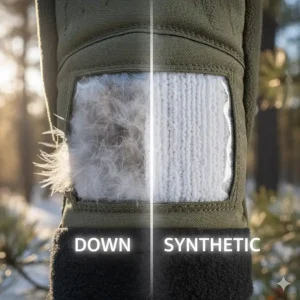
Different insulation materials serve different purposes. Thinsulate remains the gold standard—3M’s synthetic insulation provides excellent warmth-to-weight ratio. A 40-gram Thinsulate glove offers light protection (30°F-45°F), while 100-gram+ models handle serious cold (0°F-20°F). PrimaLoft insulation mimics down’s warmth while maintaining performance when wet, making it ideal for hunting gloves for cold weather in damp climates. For extreme conditions, nothing beats active heating elements combined with traditional insulation.
Waterproof vs. Water-Resistant
This distinction matters more than most hunters realize. Waterproof gloves feature membranes like GORE-TEX that completely block moisture—essential for waterfowl hunting or wet snow. However, they’re less breathable and can trap sweat during active hunts. Water-resistant gloves shed light precipitation but eventually soak through—perfect for dry cold or active pursuits where breathability prevents clammy hands. According to the National Weather Service, understanding your local conditions helps determine which protection level you need.
Leather vs. Synthetic Construction
Leather gloves offer superior durability and natural wind resistance. Goatskin provides excellent flexibility and grip, while cowhide delivers maximum abrasion resistance. Synthetic materials dry faster, require less maintenance, and often integrate better with waterproof membranes. The best cold weather hunting gloves often combine both: synthetic shells for weather protection with leather palms for grip and durability.
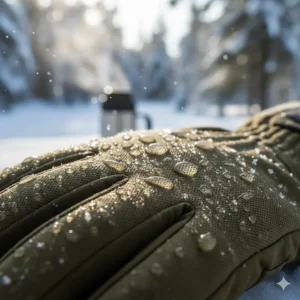
How to Choose the Right Hunting Gloves
Selecting the best cold weather hunting gloves requires matching features to your specific hunting style and conditions.
Consider Your Hunting Method
Stand hunters need maximum insulation since they’re stationary for hours. Mittens or heated gloves often work best, as you can remove them momentarily for the shot. Stalking hunters require breathable gloves with moderate insulation—you’re generating body heat through movement. Waterfowl hunters must prioritize waterproofing above all else, while upland bird hunters need durable leather that resists briars and thorns.
Temperature Rating Guidelines
Here’s my field-tested temperature guide:
- 40°F-50°F: Lightweight gloves or fingerless options
- 30°F-40°F: Mid-weight gloves with 40-60g insulation
- 20°F-30°F: Heavy insulation (80-100g) or layering system
- 10°F-20°F: Maximum insulation (100g+) or heated options
- Below 10°F: Heated gloves or mitt systems with hand warmers
Trigger Finger Dexterity
This is where hunting gloves differ from regular winter gloves. You need enough dexterity to safely manipulate your weapon’s safety and trigger. Some cold weather shooting gloves feature specially designed trigger fingers with less insulation for better feel. Others use stretch materials that conform to your finger’s natural position. Test this before committing to expensive gloves.
Sizing Matters More Than You Think
Ill-fitting gloves destroy both warmth and dexterity. Too tight restricts blood flow (causing cold fingers), while too loose creates air gaps (reducing insulation effectiveness). Most manufacturers provide detailed sizing charts—use them! When possible, try gloves while gripping a stick or unloaded weapon to ensure the fit works for your intended use.
Material Breakdown: What Makes Great Cold Weather Gloves
The materials used in cold weather hunting mittens and gloves directly impact performance, durability, and comfort. Let’s break down what actually matters.
Outer Shell Materials
Nylon and polyester blends dominate modern hunting gloves for their lightweight durability and ability to integrate with waterproof membranes. They resist abrasion better than natural materials and dry quickly. Softshell fabrics provide excellent breathability for active hunters but sacrifice some weather protection. Leather outers deliver unmatched durability and natural water resistance—perfect for hunters who abuse their gear regularly.
Membrane Technologies
GORE-TEX sets the standard for waterproof/breathable protection. According to Gore’s official specifications, their membranes block water molecules while allowing water vapor (sweat) to escape. GORE-TEX INFINIUM products focus on wind protection without full waterproofing—ideal for dry, cold conditions. Proprietary membranes like Under Armour’s Storm Defender and Drake’s HyperShield technologies offer similar protection at lower price points.
Liner Materials and Comfort
The inside of your glove matters just as much as the outside. Fleece liners provide soft comfort and decent insulation while managing moisture. Tricot linings offer smooth, low-friction surfaces that make gloves easier to don/doff. Merino wool naturally regulates temperature and resists odor—excellent for multi-day hunts. The best hunting gloves for cold weather combine multiple liner materials in strategic zones for optimal performance.
Special Features That Enhance Performance
Modern cold weather hunting gloves incorporate clever features that separate good gloves from great ones.
Touchscreen Compatibility
Today’s hunters rely on GPS units, rangefinders, and smartphones. Touchscreen-compatible fingertips use conductive materials that allow device operation without exposing bare skin. Quality varies—some work flawlessly while others require firm pressure. The Under Armour Tech Touch and similar systems generally receive positive reviews for reliability.
Articulated Fingers and Pre-Curve
Gloves with pre-curved fingers match your hand’s natural relaxed position, reducing fatigue during long hunts. Articulated construction means each finger is independently shaped and sewn, improving dexterity significantly. This feature particularly benefits rifle and bow hunters who need precision control.
Reinforcement in Key Areas
Strategic reinforcement extends glove life dramatically. Look for double-layer leather or synthetic protection on palms and fingertips where wear occurs most. The Sitka Gunner WS features a reinforced “Pusher Thumb” for chambering rounds, while work-oriented gloves like Carhartt’s add palm padding for durability.
Wrist Closures and Cuff Styles
Gauntlet cuffs extend over jacket sleeves, preventing snow and wind entry—essential for waterfowl and late-season hunts. Knit cuffs provide comfortable, flexible seals for moderate conditions. Velcro closures allow custom fit adjustment, while barrel lock systems on gauntlet gloves cinch tight to seal out elements completely.
Layering Systems: The Smart Hunter’s Strategy
Professional hunters often use layering systems rather than single heavy gloves. This approach provides versatility across varying temperatures and activity levels.
Liner Glove Foundation
Start with thin liner gloves that wick moisture and provide a base insulation layer. Merino wool liners work excellently, as do synthetic moisture-wicking options. These can be worn alone during active stalks or under heavier gloves during cold sits. The PIG Full Dexterity Alpha works perfectly as a liner under mittens.
Mid-Layer Insulated Gloves
Your mid-layer provides primary insulation while maintaining reasonable dexterity. This is typically a moderately insulated glove with weather-resistant properties—think 40-80 grams of insulation. During active hunting, this layer might be all you need. When temperatures drop or activity decreases, add an outer layer.
Outer Shell or Mitt System
The outer layer blocks wind and precipitation while adding final insulation. Mittens excel here because they keep fingers together (conserving heat better than gloves). Some hunters prefer flip-top mittens that expose fingers momentarily for shooting while maintaining warmth. This three-layer approach lets you adapt to changing conditions without carrying five different glove types.
Maintenance and Care for Longevity
Quality hunting gloves represent a significant investment. Proper care extends their life dramatically while maintaining performance.
Cleaning Waterproof Gloves
Waterproof gloves require specific care to maintain membrane integrity. Machine wash cold using detergents designed for technical outerwear—regular detergents can damage membranes. Never use bleach or fabric softeners. Most importantly, never machine dry waterproof gloves—high heat permanently damages waterproof laminate. Hang dry away from direct heat sources.
Leather Conditioning
Leather gloves need regular conditioning to prevent cracking and maintain water resistance. Apply leather conditioner or waterproofing agents like Nikwax or Sno-Seal at the start of each season and after heavy use. This simple maintenance can double or triple glove lifespan.
Proper Drying Between Hunts
Never leave wet gloves wadded in your pack or truck. Stuff with newspaper to absorb moisture and speed drying. For multi-day hunts, bring two pairs so you always have dry gloves. Portable boot dryers work excellently for gloves overnight. According to the Centers for Disease Control, proper drying prevents bacterial growth and odor.
Storage During Off-Season
Store clean, completely dry gloves in a cool, dry location away from direct sunlight. Avoid compressed storage that can damage insulation—let gloves maintain their natural loft. Consider cedar blocks or moisture absorbers to prevent musty odors. Heated gloves should have batteries removed and stored separately.
Heated Glove Systems: Worth the Investment?
Heated gloves once seemed like unnecessary luxury items. After testing them extensively in brutal conditions, I’ve changed my mind completely for specific situations.
Battery Technology Advances
Modern lithium-ion batteries are game-changers. The 2600mAh batteries in Volt Heated Gloves provide 2-8 hours of heat depending on setting—plenty for most hunting scenarios. Unlike older battery technology, lithium-ion performs well in cold temperatures. Most heated gloves now include dual batteries and chargers, making the complete package ready to use.
Heating Element Coverage
Not all heated gloves are created equal. Premium models like Volt’s Zero Layer Heat System cover the entire back of the hand, palm, and extend through all fingers and thumb. Budget options often only heat the back of the hand, leaving fingers vulnerable. For serious cold-weather hunting, comprehensive coverage justifies the higher price.
When Heated Gloves Make Sense
Heated gloves excel in specific scenarios: late-season stand hunting below 15°F, hunters with Raynaud’s syndrome or circulation issues, and situations where you’re stationary for extended periods. They’re less necessary for active hunting where you generate body heat through movement. Consider them essential equipment—not frivolous gear—if you hunt serious cold regularly.
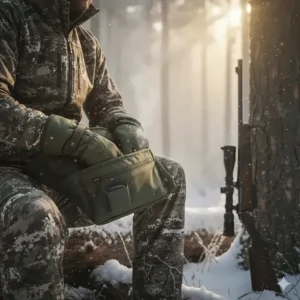
Mittens vs. Gloves: Making the Right Choice
The mitten vs. glove debate divides hunters. Both offer advantages, and understanding the tradeoffs helps you choose correctly.
Warmth Advantages of Mittens
Mittens keep fingers together, sharing body heat and reducing surface area exposed to cold. This makes cold weather hunting mittens measurably warmer than equivalent gloves in truly frigid conditions. For stand hunters in extreme cold, mittens often provide the only way to maintain hand function through multi-hour sits.
Dexterity Advantages of Gloves
Individual fingers mean individual control—obviously crucial for hunting. Gloves allow weapon manipulation, call operation, and precision tasks that mittens simply can’t match. For most hunting scenarios, gloves prove more practical despite slightly less warmth.
Hybrid Solutions: Flip-Top and Glomitts
Smart designers created hybrid options. Flip-top mittens feature a fold-back cover that exposes fingers when needed while maintaining mitten warmth otherwise. “Glomitts” combine glove finger dexterity with mitten warmth in clever designs featuring a mitt shell that flips back. These compromises work brilliantly for many hunters.
Price vs. Performance: Finding Your Sweet Spot
Budget matters, but so does performance. Here’s how to maximize value at different price points.
Budget Options ($25-$50)
Budget gloves like the Hot Shot Defender prove you don’t need to spend a fortune for decent cold-weather protection. At this price point, expect basic waterproofing, moderate insulation, and shorter lifespan. Perfect for entry-level hunters, backup pairs, or moderate cold conditions. The key is managing expectations—these won’t match premium glove performance.
Mid-Range Sweet Spot ($50-$100)
This range offers the best performance-per-dollar. The Under Armour Windstopper and Carhartt W.B. gloves deliver excellent weather protection, quality construction, and features like touchscreen compatibility. Most hunters find mid-range gloves meet their needs perfectly without breaking the budget.
Premium Investment ($100+)
Premium gloves like Sitka Gunner WS justify higher prices through superior materials, construction quality, and specialized features. These gloves last multiple seasons with proper care and perform in demanding conditions. For serious hunters who log significant field time, the long-term value often exceeds cheaper options that need frequent replacement.
Heated Gloves ($150-$250)
Heated gloves occupy their own category. The upfront cost seems steep until you consider that they include batteries, chargers, and heating systems. For hunters facing extreme cold regularly, they’re worth every penny—far better than suffering through frozen fingers or cutting hunts short.
Common Mistakes Hunters Make with Gloves
After decades of hunting and countless conversations with fellow hunters, I’ve noticed recurring glove-related mistakes that reduce effectiveness and comfort.
Sizing Too Large “For Warmth”
Many hunters buy oversized gloves thinking extra space provides extra warmth. The opposite is true—loose gloves create air gaps that insulation must work harder to heat. Proper fit means snug (not tight) without restricting circulation. Dead air space is your enemy, not your friend.
Ignoring Activity Level
Your activity level dramatically impacts glove choice. Stand hunters need maximum insulation for hours of inactivity. Stalking hunters need breathability to prevent sweaty hands (which then freeze). Using the wrong glove type for your hunting method guarantees discomfort.
One-Glove-Fits-All Mentality
No single glove works for all conditions and hunting methods. Successful hunters carry at least two pairs: lighter gloves for active periods and heavier options for cold sits. The weight and space cost is negligible compared to the performance benefit.
Neglecting Break-In Period
New gloves—especially leather ones—need breaking in before critical hunts. Wear them for several days doing normal activities to identify fit issues and let materials conform to your hands. Breaking in gloves during your once-a-year elk hunt is a recipe for blisters and missed opportunities.
Weather-Specific Glove Recommendations
Different weather conditions demand different glove solutions. Here’s how to match gloves to conditions based on field experience.
Dry Cold Conditions
Pure cold without precipitation allows breathable gloves without waterproof membranes. GORE-TEX INFINIUM or windproof softshell gloves like the Sitka Gunner WS excel here. Focus on insulation level appropriate to temperature while maximizing breathability to prevent sweaty hands.
Wet Cold and Snowy Conditions
Wet cold demands waterproof protection—period. GORE-TEX membrane gloves like Drake MST Refuge keep hands dry through rain, snow, and wet vegetation. Expect some breathability sacrifice, but dry hands stay warmer than damp ones regardless of insulation level. Gauntlet cuffs prevent snow entry during waterfowl hunts or winter stalks.
Extreme Cold Below Zero
When mercury drops below 0°F, traditional insulation struggles. This is where heated gloves, heavy mittens, or layering systems become necessary. Consider the Volt Heated Gloves for stationary hunting or mitt systems with disposable hand warmers for mobile pursuits. Don’t underestimate extreme cold—frostbite can occur in minutes under brutal conditions.
Variable Conditions
Many hunts experience significant temperature swings. Morning sits start at 20°F, then active midday stalking reaches 45°F. Layering systems shine here: lightweight gloves plus removable mitt shells let you adapt without carrying multiple complete glove sets.

Breaking Down Top Brand Comparisons
Understanding brand strengths helps you shop smarter. Different manufacturers excel in different areas.
Sitka Gear Focus
Sitka targets serious hunters willing to pay premium prices for premium performance. Their gloves emphasize dexterity and specialized features like reinforced trigger fingers and shooter-specific design. Durability and weather protection are excellent, though insulation levels lean toward moderate rather than extreme. Best for dedicated hunters prioritizing performance over budget.
Under Armour Value Proposition
Under Armour delivers solid performance at accessible prices. Their hunting gloves for cold weather incorporate technology from their broader athletic line—moisture management, touchscreen compatibility, and modern fabrics. Not quite as specialized as Sitka but considerably more affordable. Excellent choice for hunters wanting quality without premium prices.
Drake Waterfowl Specialization
Drake Waterfowl focuses exclusively on waterfowl hunting gear, and it shows. Their gloves feature waterproof protection that actually works in genuinely wet conditions. The Stay-Put liner system solves the eternal problem of bunching liners. If you hunt ducks and geese, Drake deserves serious consideration as top rated cold weather hunting gloves for waterfowl.
Carhartt Durability Heritage
Carhartt built their reputation on workwear that withstands abuse, and their gloves reflect this. Focus is on durability, weather protection, and honest value rather than specialized hunting features. Perfect for hunters who also use gloves for work, or anyone who prioritizes longevity over specialized features.
Volt Heated Innovation
Volt specializes in heated clothing, bringing focused expertise to heated glove technology. Their Zero Layer Heat System provides comprehensive heating coverage superior to generic heated gloves. The investment makes sense for hunters facing extreme cold regularly or dealing with circulation issues that make traditional gloves inadequate.
Real-World Testing Results and Performance
Laboratory specs matter less than field performance. Here’s what actual use teaches about cold weather shooting gloves.
Temperature Extremes Testing
I’ve tested these gloves in conditions ranging from 40°F to -15°F across various activities. The Under Armour Windstopper maintained comfort during active hunts down to 25°F but struggled during static sits below that. The Sitka Gunner WS excelled in dry cold (15°F-35°F) but provided insufficient insulation for extreme temps. Heated Gloves from Volt dominated below 10°F, making previously unbearable conditions manageable.
Waterproof Testing Reality
Marketing claims about waterproofing often exceed reality. Through actual wet-weather testing (duck hunting, snowy stalks, rain), true waterproof gloves like Drake MST Refuge and Sitka Gunner WS maintained dry hands through hours of exposure. “Water-resistant” gloves eventually soaked through—fine for light precipitation but inadequate for serious wet conditions.
Durability Over Time
Budget gloves like Hot Shot Defender show wear after one heavy season—acceptable given the price. Mid-range options (Under Armour, Carhartt) maintain good function through 2-3 seasons with proper care. Premium gloves (Sitka) are still performing after five seasons, justifying their higher initial cost through longevity.
Advanced Tips for Maximizing Glove Performance
Professional guides and serious hunters employ tactics that dramatically improve glove effectiveness. Here are field-tested techniques.
Hand Warmer Integration
Disposable hand warmers work brilliantly when used correctly. Place them on the back of your hand (not palm) to warm blood flowing to fingers without interfering with grip. In mittens, warmers can be inserted and removed based on need. Chemical warmers provide 8-10 hours of supplemental heat for pennies per use.
Pre-Warming Techniques
Cold gloves on cold hands equals miserable hands. Pre-warm gloves inside your jacket or against warm skin before donning. Better yet, store them in an inside pocket until needed. This simple tactic prevents the initial shock of cold material against skin and gets you comfortable faster.
Moisture Management Strategies
Moisture is insulation’s enemy. Even waterproof gloves can accumulate interior moisture from sweat. During breaks, remove gloves briefly to let moisture evaporate—especially important during active hunts. For multi-day trips, bring two pairs to rotate daily while one pair dries.
Emergency Backup Plan
Always carry backup hand protection. Lightweight liner gloves add minimal weight/space but can save a hunt if primary gloves fail. Chemical hand warmers provide emergency heat when weather exceeds your glove’s capability. Having backup options means you never have to abort a hunt due to hand problems.
Accessories That Complement Your Gloves
Supporting gear enhances glove effectiveness and hunting success. These items deserve consideration.
Glove Leashes and Clips
Losing a glove miles from the truck ends hunts. Glove leashes clip to jackets and prevent loss when gloves come off for precision work. Many modern gloves include built-in mini-clips that keep pairs together during storage. Simple solutions that prevent frustrating equipment loss.
Wrist Gaiters
Wrist gaiters or cuff sleeves seal the gap between gloves and jacket sleeves, preventing wind and snow infiltration. They’re especially valuable with non-gauntlet gloves or when wearing insulated layers that don’t overlap perfectly. Merino wool or fleece options add minimal bulk while dramatically improving comfort.
Hand Muffs for Stand Hunting
Hand muffs deserve serious consideration for stand hunters. Your hands remain instantly accessible while staying warmer than any glove can provide. Models from Hunter Safety System include pockets for hand warmers and even heated versions. When you’re not actively manipulating equipment, hands go in the muff. When action happens, they come out with weapon already in position.
Environmental Considerations
As hunters, we bear responsibility for conservation and environmental stewardship. Glove choices reflect these values.
Durability Reduces Waste
Buying quality gloves that last multiple seasons generates less waste than replacing cheap gloves annually. Premium gloves cost more upfront but often prove more environmentally responsible over time through extended lifespan and reduced disposability.
Sustainable Materials
Some manufacturers now offer gloves incorporating recycled materials or sustainably-sourced leather. While performance remains the priority, choosing environmentally responsible options when possible aligns with conservation ethics most hunters embrace. Brands like Sitka increasingly focus on sustainability initiatives across their product lines.
Proper Disposal
When gloves finally reach end-of-life, dispose of them properly. Leather gloves can sometimes be composted (check local guidelines). Synthetic materials should be recycled where facilities exist. Some manufacturers offer take-back or recycling programs for technical outdoor gear—worth investigating before discarding old gloves.
FAQ Section
❓ What makes the best cold weather hunting gloves different from regular winter gloves?
❓ How cold is too cold for standard insulated gloves without heating?
❓ Can I wash waterproof hunting gloves in a washing machine?
❓ Should I buy cold weather hunting mittens or gloves for bowhunting?
❓ How many pairs of hunting gloves do I really need?
Conclusion: Find Your Perfect Cold Weather Companion
After spending considerable time with countless glove options across diverse hunting scenarios, one truth emerges: the best cold weather hunting gloves are the ones that match your specific hunting style, local conditions, and budget realities. There’s no universal “best” glove—only the best glove for your needs.
For rifle hunters prioritizing precision, the Sitka Gunner WS Glove delivers exceptional trigger feel and weather protection worth its premium price. Budget-conscious hunters find remarkable value in the Hot Shot Defender, offering legitimate waterproof protection and warmth under $35. Waterfowl enthusiasts won’t find better purpose-built gloves than the Drake MST Refuge Gore-Tex series with their innovative Stay-Put liner system. When temperatures plummet into single digits or below, the Volt Heated Gloves transform brutal cold into manageable conditions through technology that actually works.
The investment in quality cold weather shooting gloves or hunting gloves for cold weather pays dividends through extended seasons, increased comfort, and ultimately, better hunting success. Cold hands miss shots, cut hunts short, and create miserable experiences. Warm, functional hands let you focus on what matters—the hunt itself. Whether you choose budget-friendly options or premium specialized gloves, prioritize proper fit, appropriate insulation for your conditions, and honest assessment of your hunting style.
Don’t let cold weather end your season early or ruin your experience afield. Upgrade your hand protection this year and discover how much more enjoyable and successful cold-weather hunting becomes when your fingers stay warm and functional from pre-dawn darkness through the final evening sit.
🎯 Your Hands Deserve the Best—Shop Now!
Ready to experience the difference quality gloves make? Click any highlighted glove model throughout this guide to check current Amazon prices, read verified customer reviews, and secure your pair before the season heats up. Thousands of hunters have already upgraded—join them and feel the difference immediately! ❄️🦌🎯
Recommended for You
- Cold Weather Work Gloves: 7 Best Options for 2025
- Best Gloves for Cold Weather: 7 Top Picks 2025
- 7 Best Hiking Jackets for Cold Weather (2025 Expert Guide)
Disclaimer: This article contains affiliate links. If you purchase products through these links, we may earn a small commission at no additional cost to you.
✨ Found this helpful? Share it with your friends! 💬🤗
