

In This Article
In the relentless summer heat, finding effective ways to stay cool becomes more than just a matter of comfort—it’s essential for well-being. Among the many cooling solutions available today, the perfect cooling towel stands out as a portable, affordable, and highly effective option for temperature regulation. Whether you’re a fitness enthusiast, outdoor worker, or simply someone looking to beat the heat, understanding how these innovative fabric marvels work can significantly improve your hot-weather experience.
✨Was this helpful? Spread the word! 🚀
Cooling towels have revolutionized personal cooling technology with their unique ability to provide instant relief without electricity or refrigeration. But what exactly makes a cooling towel work? How do you select the ideal one for your needs? And are there any concerns about using them? This comprehensive guide delves into everything you need to know about cooling towels, from their scientific principles to practical usage tips and maintenance advice.
The perfect cooling towel combines innovative materials, proper design, and ease of use to deliver maximum cooling effect when you need it most. As we explore the world of cooling towels, you’ll discover why they’ve become an essential accessory for athletes, construction workers, menopausal women, and anyone seeking relief from high temperatures.
Introduction to Cooling Towels 🧊
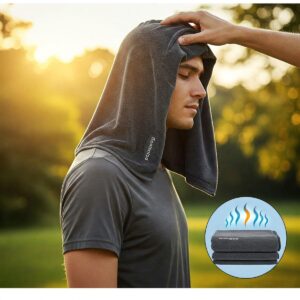
Cooling towels represent a remarkable advancement in personal cooling technology. These specialized fabric accessories work through evaporative cooling—a natural process where water evaporation removes heat from the surface of the towel, creating a cooling effect that can be felt against the skin. Unlike traditional cooling methods that require electricity or refrigeration, cooling towels activate with just water, making them incredibly portable and convenient.
The concept of evaporative cooling has been utilized for centuries across various cultures, but modern cooling towels have refined this principle through specialized fabrics and designs. The perfect cooling towel harnesses this natural phenomenon efficiently, providing cooling relief that can last for hours with proper use.
According to research published in the Journal of Athletic Training, external cooling methods like cooling towels can effectively reduce core body temperature and improve performance in hot conditions. This science-backed approach to temperature management has made cooling towels increasingly popular among diverse user groups.
The market for cooling towels has expanded dramatically in recent years, with various brands offering different features, materials, and cooling durations. Understanding these differences is key to finding the perfect cooling towel for your specific needs and activities.
What Makes a Perfect Cooling Towel 💦
The perfect cooling towel isn’t just about temporary relief—it’s about thoughtful design that maximizes cooling efficiency while ensuring durability and ease of use. Several factors contribute to creating the ideal cooling experience:
1. Advanced Material Composition
The foundation of any superior cooling towel lies in its material composition. Premium cooling towels typically feature specialized synthetic blends designed to:
- Maximize water absorption without feeling heavy
- Allow for controlled evaporation rates
- Maintain cooling properties through multiple uses
- Provide a soft texture against the skin
The FROOLK Cooling Towel 4-Pack, for example, utilizes an advanced hyper-evaporative PVA material that maintains consistent cooling properties even after hundreds of activations. This technological advancement represents a significant improvement over earlier cooling towel generations.
2. Effective Cooling Duration
While basic cooling towels might provide relief for 30-60 minutes, the perfect cooling towel sustains its cooling effect for significantly longer periods. Leading products now offer cooling durations of 2-3 hours in moderate humidity conditions, requiring fewer reactivations throughout the day.
The capacity for extended cooling directly correlates with both material quality and design efficiency. Multiple layers, specialized weaving patterns, and fabric treatment processes all contribute to extending the cooling window of premium towels.
3. Size and Versatility
One size doesn’t fit all when it comes to cooling towels. The perfect cooling towel offers dimensions that accommodate various usage scenarios:
- Standard size (approximately 40″x12″) for general use
- Larger options (up to 60″ long) for full-body coverage
- Compact versions for targeted relief or travel convenience
Many users benefit from having multiple sizes for different activities—larger towels for home use or stationary outdoor events, and compact versions for hiking or gym sessions.
4. Activation Efficiency
A truly perfect cooling towel activates quickly and intuitively. The best products on the market require minimal water and activate within seconds, allowing for immediate relief when needed. This activation efficiency becomes particularly important in situations where water access might be limited.
The Mission Max Plus Cooling Towel exemplifies this quality with its near-instant activation properties, requiring just a brief soak, wring, and snap to begin cooling—providing relief within moments of application.
5. Antimicrobial Properties
Extended use of wet fabrics can potentially create environments conducive to bacterial growth. The perfect cooling towel addresses this concern through antimicrobial treatments that:
- Prevent odor development
- Inhibit mildew growth
- Extend the product’s usable lifespan
- Ensure hygienic application even with frequent use
These protective properties have become increasingly important features in premium cooling towels, particularly for users who rely on them daily or in healthcare settings.
6. Portable Design Elements
Portability transforms a good cooling towel into a perfect cooling towel. Thoughtful design elements that enhance portability include:
- Built-in storage containers
- Quick-drying capabilities for pack-up
- Attachment options (carabiners, loops, etc.)
- Lightweight construction even when activated
The Chill Pal PVA Cooling Towel stands out with its integrated storage pouch and carabiner attachment, allowing users to keep it readily accessible during outdoor activities without additional carrying solutions.
7. Environmental Sustainability
The perfect cooling towel increasingly considers environmental impact through:
- Durable construction that reduces replacement frequency
- Recyclable materials
- Manufacturing processes with reduced carbon footprints
- Water-efficient activation requirements
As consumer awareness grows regarding sustainability issues, cooling towel manufacturers have responded with eco-friendlier options that maintain performance standards while reducing environmental impact.
Types of Cooling Towels 🧵
Understanding the different types of cooling towels available helps consumers make informed choices based on their specific needs. The market currently offers several distinct categories:
PVA (Polyvinyl Alcohol) Cooling Towels
PVA cooling towels represent the gold standard for many users seeking the perfect cooling towel experience. These synthetic towels feature a sponge-like texture when wet and become somewhat rigid when dry. Their distinctive characteristics include:
- Exceptional water absorption capacity
- Superior evaporative cooling efficiency
- Longer-lasting cooling effect (typically 2-3 hours)
- Firm texture that provides targeted relief
PVA towels excel in extremely hot, dry conditions where their evaporative properties function optimally. They’re particularly popular among athletes and outdoor workers exposed to intense heat for extended periods.
The Ergodyne Chill-Its 6602 Evaporative Cooling Towel exemplifies high-quality PVA technology with its durable construction and consistent cooling performance across hundreds of use cycles.
Microfiber Cooling Towels
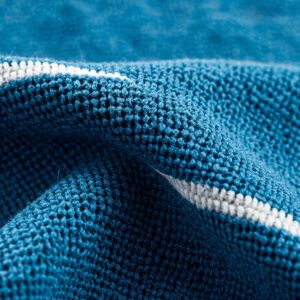
Microfiber cooling towels offer a more fabric-like alternative to PVA options. Their benefits include:
- Softer texture against skin
- Greater flexibility when wet
- Machine washability
- Faster drying time for reuse
While typically not achieving quite the same cooling intensity as PVA towels, microfiber options often provide greater comfort and versatility for everyday use. They’re particularly suitable for sensitive skin and activities requiring frequent towel manipulation.
Hybrid Cooling Towels
The latest innovation in the quest for the perfect cooling towel comes in the form of hybrid designs that combine multiple cooling technologies:
- Evaporative cooling layers
- Phase-change materials that store and release cooling energy
- Reflective outer surfaces that block radiant heat
- Specialized edge treatments for extended durability
These advanced cooling towels typically command premium prices but deliver enhanced performance for users with specific requirements or those seeking the absolute best cooling experience.
The SUKEEN Cooling Towel 4-Pack represents this hybrid approach with its multi-layer construction that balances cooling intensity with comfort and flexibility.
Chemical Cooling Towels
Less common but worth mentioning are chemical cooling towels that utilize embedded cooling agents activated by pressure or exposure. While effective for short-term intensive cooling, they typically offer limited reusability and require special storage considerations.
How to Use a Cooling Towel Effectively 💧
Even the perfect cooling towel requires proper usage techniques to deliver maximum benefit. Following these steps ensures optimal cooling performance:
Basic Activation Process
The standard activation process for most cooling towels follows these steps:
- Soak the towel thoroughly in water (temperature doesn’t significantly affect performance)
- Gently wring out excess water—the towel should be wet but not dripping
- Snap or shake the towel vigorously 3-5 times to initiate the evaporative process
- Apply the towel to desired areas (neck, shoulders, head, etc.)
This simple procedure activates the evaporative cooling mechanism, instantly dropping the towel’s temperature by up to 30°F below ambient conditions according to research from the University of Florida.
Strategic Placement for Maximum Cooling
The perfect cooling towel becomes even more effective when strategically positioned on key pulse points where blood vessels run close to the skin’s surface:
✅ The back of the neck and shoulders
✅ Across the forehead and temples
✅ Around wrists
✅ Inside elbows
✅ Behind knees
✅ On the chest over the heart area
Targeting these areas maximizes the cooling effect throughout the body as cooled blood circulates from these points.
Reactivation Techniques
As evaporation naturally depletes the towel’s moisture content, reactivation becomes necessary. Efficient reactivation techniques include:
- Standard Resoaking: Simply repeat the initial activation process when cooling diminishes
- Minimal Water Refresh: For situations with limited water access, even a small amount (2-3 tablespoons) can extend cooling
- Rotation System: Some users maintain multiple cooling towels, rotating them throughout the day
For extended outdoor activities, storing a pre-moistened towel in an insulated container can provide ready access to cooling relief without requiring a water source for reactivation.
Activity-Specific Usage
Different activities benefit from tailored cooling towel strategies:
For Fitness/Running:
- Drape around neck during activity
- Use during rest intervals for rapid temperature reduction
- Consider smaller sizes that won’t interfere with movement
For Outdoor Work:
- Utilize under hard hats or around neck
- Reactivate during scheduled breaks
- Consider longer-lasting PVA options
For Medical Applications:
- Focus on pulse points for fever management
- Use clean towels for each application
- Consider antimicrobial options
For Travel:
- Pack in sealed containers until needed
- Pre-moisten before entering hot environments
- Choose compact options with storage cases

Special Considerations for Children and Pets
The perfect cooling towel can benefit children and pets with some adaptations:
- For children, ensure the towel size is appropriate and comfortable
- Monitor younger children during use to prevent excessive cooling
- For pets, introduce the cooling towel gradually and observe acceptance
- Consider towels specifically designed for pet cooling with appropriate sizing
Are Cooling Towels Dangerous? 🛡️
Despite their growing popularity, some consumers express concerns about potential risks associated with cooling towels. Addressing these concerns provides important context for safe usage.
Safety of Materials
High-quality cooling towels use materials that have undergone safety testing and certification. Concerns typically involve:
- Skin contact with synthetic materials
- Potential chemical treatments in manufacturing
- Color transfer from dyed towels
The perfect cooling towel addresses these concerns through:
- Non-toxic material certification
- Hypoallergenic fabric options
- Colorfast dye processes
- Transparent manufacturing disclosure
According to the Consumer Product Safety Commission, properly manufactured cooling towels pose minimal risk to users when used as directed. When selecting cooling towels, look for products that explicitly mention safety testing and material certification.
Risk of Overcooling
While generally not a significant concern in hot weather, excessively cold towels or prolonged application theoretically could cause:
- Skin irritation in sensitive individuals
- Minor blood vessel constriction
- Discomfort rather than relief
These risks are easily mitigated through common-sense usage practices, including monitoring comfort levels and taking breaks from cooling as needed. The perfect cooling towel provides refreshing relief without extreme temperature differentials that might cause discomfort.
Hygiene Considerations
❌ The most legitimate safety concern with cooling towels involves hygiene with repeated use. Damp environments can potentially harbor bacterial growth if towels are not properly maintained.
Appropriate maintenance practices (covered in detail later) effectively address these concerns. Additionally, many premium cooling towels now incorporate antimicrobial technologies that actively inhibit bacterial development, making them even safer for regular use.
Environmental Safety
Some users express concerns about the environmental impact of synthetic cooling towels, particularly:
- Non-biodegradable materials
- Manufacturing processes
- Disposal considerations
While valid considerations, these concerns are increasingly addressed by manufacturers developing more environmentally responsible options, including:
- Partially biodegradable blends
- Recycled material content
- Extended durability reducing replacement frequency
In summary, cooling towels from reputable manufacturers pose minimal safety risks when used appropriately and maintained according to guidelines. The perfect cooling towel balances effective cooling with appropriate safety considerations for worry-free use.
Do Cooling Towels Work in High Humidity? 💦
Evaporative cooling depends on the ability of water to transition from liquid to vapor—a process affected by atmospheric humidity levels. Understanding this relationship helps set realistic expectations for cooling towel performance in various environments.
The Science of Humidity and Evaporation
Evaporation occurs when water molecules gain enough energy to escape into the air. Higher humidity levels mean the air already contains significant moisture, reducing its capacity to accept additional water vapor. This relationship directly impacts cooling towel effectiveness:
- In dry conditions (humidity below 30%), evaporation happens rapidly, maximizing cooling
- In moderate humidity (30-60%), cooling remains effective but somewhat reduced
- In high humidity (above 60%), evaporative cooling efficiency decreases significantly
According to research from Arizona State University, evaporative cooling effectiveness drops approximately 5-8% for every 10% increase in relative humidity above 30%.
Performance Expectations in Humid Climates
Users in humid regions should adjust expectations for cooling towel performance:
✅ In moderate humidity (30-60%):
- Expect 70-90% of maximum cooling potential
- Cooling duration may decrease by 15-30%
- More frequent reactivation may be necessary
❌ In high humidity (above 60%):
- Cooling effect may reduce to 40-60% of maximum potential
- Duration might decrease by 30-50%
- Towels may remain damp longer between uses
Even in high humidity, cooling towels still provide temperature reduction—just not as dramatically as in drier conditions. The perfect cooling towel for humid environments incorporates design elements that maximize cooling even in these challenging conditions.
Alternative Cooling Strategies for High Humidity
To enhance cooling towel performance in humid conditions, consider these strategies:
- Pre-cooling: Refrigerate the towel briefly before activation for an initial temperature advantage
- Air movement: Use in conjunction with fans to increase air flow across the towel surface
- Strategic placement: Focus on pulse points where even modest cooling has enhanced effect
- Hybrid solutions: Consider towels incorporating phase-change materials that work independently of humidity levels
The Frogg Toggs Chilly Pad Cooling Towel demonstrates particular resilience in humid conditions thanks to its proprietary fabric structure that maintains evaporation pathways even in moisture-rich environments.
Comparing Cooling Options for Humid Climates
| Cooling Method | Effectiveness in High Humidity | Portability | Cost |
|---|---|---|---|
| Cooling Towels | Moderate | Excellent | Low |
| Electric Fans | Moderate | Limited | Moderate |
| Ice Packs | High | Poor | Low-Moderate |
| Air Conditioning | Very High | None | High |
| Phase-Change Cooling Products | High | Good | Moderate-High |
💬 Just one click – help others make better buying decisions too!😊
This comparison illustrates that while humidity does impact cooling towel performance, they remain valuable cooling tools even in humid environments when expectations and usage techniques are appropriately adjusted.
Evaporative Cooling Towel: The Science Behind the Chill ❄️
Understanding the scientific principles governing evaporative cooling towels helps users maximize their effectiveness and appreciate the technology behind these simple yet effective products.
The Physics of Evaporative Cooling
Evaporative cooling relies on a fundamental physical principle: the phase change from liquid to gas (evaporation) requires energy, which is drawn from the surrounding environment in the form of heat. This process creates a cooling effect, the same mechanism responsible for how perspiration cools the human body.
The perfect cooling towel optimizes this natural process through specialized materials and structures. Key scientific aspects include:
- Latent Heat of Vaporization: Water requires approximately 2,260 kJ/kg of energy to convert from liquid to vapor. This substantial energy requirement is what creates the powerful cooling effect.
- Surface Area Maximization: Advanced cooling towels incorporate microscopic fiber structures that dramatically increase the effective surface area, allowing more water molecules to simultaneously undergo evaporation.
- Controlled Evaporation Rate: The ideal cooling towel balances rapid initial cooling with sustained effect by regulating how quickly moisture releases from the material structure.
Research from the International Journal of Heat and Mass Transfer demonstrates that optimized evaporative cooling materials can achieve surface temperature reductions of 7-15°C (12-27°F) below ambient conditions.
Material Science Innovations
The evolution of cooling towel technology reflects significant advances in material science:
First Generation: Basic cotton or polyester blends with limited cooling capacity and duration
Second Generation: Specialized PVA materials with enhanced water retention and evaporation properties
Current Generation: Engineered composite fabrics featuring:
- Multi-layer construction
- Targeted porosity
- Hydrophilic treatments
- Structured cooling channels
- Antimicrobial integrations
The Alfamo Cooling Towel represents this technological evolution with its engineered fiber structure that creates billions of microscopic cooling “chambers” throughout the fabric.
Measuring Cooling Performance
Scientists and manufacturers quantify cooling towel performance through several metrics:
- Temperature Differential: The difference between ambient temperature and towel surface temperature (typically 5-15°F)
- Cooling Duration: How long the cooling effect persists before requiring reactivation
- Cooling Capacity: Total heat energy absorbed per unit area
- Evaporation Efficiency: Rate of moisture conversion relative to theoretical maximum
Laboratory testing utilizing thermal imaging and humidity-controlled environments provides standardized performance measurements, though real-world results vary based on environmental conditions and usage patterns.
Beyond Evaporation: Complementary Cooling Technologies
The pursuit of the perfect cooling towel has led to integration of complementary cooling mechanisms:
- Phase-change materials: Substances that absorb or release heat during state changes
- Radiation-blocking layers: Reflective components that minimize heat absorption
- Thermal conduction optimization: Structures that efficiently transfer heat away from the body
These advanced approaches particularly benefit users in high-humidity environments where pure evaporative cooling faces limitations.
Cooling Towel Washing Instructions 🧼
Proper maintenance significantly extends the lifespan and effectiveness of cooling towels. Following appropriate cleaning protocols preserves both performance and hygiene.
Regular Cleaning Protocols
For most cooling towels, these standard cleaning practices maintain optimal performance:
PVA Cooling Towels:
- Rinse thoroughly with clean water after each use
- Allow to dry completely between uses when possible
- Hand wash with mild soap weekly or when visibly soiled
- Avoid wringing or twisting—press gently between palms instead
- Air dry away from direct sunlight
Microfiber Cooling Towels:
- Machine wash in cold water on gentle cycle
- Use mild detergent without fabric softeners
- Avoid bleach completely
- Tumble dry on low heat or air dry
- Wash separately from lint-producing fabrics
The perfect cooling towel comes with clear maintenance instructions specific to its material composition. Following these guidelines ensures continued performance and hygiene.
Addressing Special Cleaning Challenges
Certain situations require specialized cleaning approaches:
For Mineral Buildup: Hard water deposits can accumulate in cooling towels, reducing effectiveness. Address this by:
- Soaking in a solution of white vinegar and water (1:4 ratio) for 30 minutes
- Rinse thoroughly with clean water
- Repeat monthly in hard water areas
For Mildew Prevention: If storing a cooling towel while damp is unavoidable:
- Add 1-2 drops of tea tree oil to storage container
- Ensure towel is spread out rather than bunched
- Transfer to dry storage as soon as possible
For Stubborn Odors:
- Soak in baking soda solution (2 tbsp per quart of water) for 2-3 hours
- Rinse thoroughly
- Follow with normal cleaning protocol
Storage Best Practices
Proper storage maintains cooling towel performance between uses:
✅ Short-term Storage (1-3 days):
- Store slightly damp in provided containers
- Keep away from direct sunlight
- Maintain slight ventilation to prevent mildew
❌ Long-term Storage (weeks or longer):
- Ensure towel is completely dry
- Store in clean, sealed container
- Add desiccant packet for extended storage
- Keep in cool, dark location
The Way 2 Cool Mesh Cooling Towel includes an antimicrobial storage case that addresses these storage considerations while providing convenient portability.
Extending Cooling Towel Lifespan
Even the perfect cooling towel eventually shows wear. These practices maximize longevity:
- Rotate between multiple towels to reduce wear on any single product
- Avoid exposure to chlorinated water when possible
- Keep away from rough surfaces that could snag or tear fabric
- Follow manufacturer washing instructions precisely
- Avoid prolonged direct sunlight exposure when not in use
With proper care, high-quality cooling towels typically remain effective for 1-3 years of regular use, representing excellent value compared to single-use cooling products or electrical alternatives.
Popular Applications for Cooling Towels 🏃♀️
The versatility of cooling towels extends far beyond casual relief from heat. Understanding these diverse applications helps users identify the perfect cooling towel for their specific needs.
Athletic Performance Enhancement
Athletes across numerous sports utilize cooling towels to:
- Reduce core temperature during competition
- Accelerate recovery between exertion periods
- Prevent heat-related performance decline
- Enhance comfort during outdoor training
Research published in Sports Medicine indicates that strategic cooling can improve endurance performance by 3-7% in hot conditions—a significant advantage in competitive situations.
The Mission Enduracool Techknit Cooling Towel has gained particular popularity among runners and tennis players for its balance of cooling intensity and comfortable texture during active use.
Medical and Therapeutic Applications
Healthcare settings increasingly incorporate cooling towels for:
- Fever management
- Hot flash relief during menopause
- Comfort during chemotherapy treatments
- Post-surgical comfort
- Migraine symptom reduction
While not replacing medical cooling devices, cooling towels offer accessible supplementary relief for many patients. The perfect cooling towel for medical applications prioritizes gentle materials and hygienic design.
Occupational Heat Management
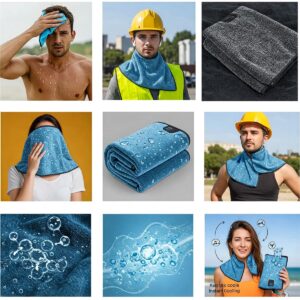
Workers in heat-intensive environments benefit significantly from cooling towels:
- Construction sites
- Agricultural settings
- Commercial kitchens
- Factory environments
- Emergency response scenarios
For these applications, durability and extended cooling duration take priority. The Ergodyne Chill-Its 6700CT Cooling Towel targets this market with reinforced edges and industrial-grade materials that withstand demanding work environments.
Travel and Recreation
Cooling towels have become essential companions for:
- Theme park visits
- Camping and hiking
- Beach outings
- Spectator sports events
- International travel to hot regions
Travelers particularly value cooling towels that include compact storage solutions and quick-drying properties for on-the-go use.
Home and Daily Use
Beyond specialized applications, cooling towels serve everyday cooling needs:
- Gardening comfort
- Household chore relief
- Relaxation enhancement
- Sleep improvement in warm environments
- Pet cooling assistance
The perfect cooling towel for home use typically balances performance with aesthetic considerations and gentle materials suitable for sensitive skin.
Selecting Your Perfect Cooling Towel 🛒
With numerous options available, finding the ideal cooling towel requires consideration of several key factors:
Essential Selection Criteria
When evaluating cooling towel options, prioritize these characteristics based on your specific needs:
- Cooling Intensity: How much temperature reduction do you require?
- Duration: How long will you need continuous cooling?
- Size: What body areas will you primarily cool?
- Material Comfort: How does the fabric feel against your skin?
- Portability: How will you transport the towel?
- Ease of Reactivation: Will you have ready access to water?
- Durability: How frequently will you use the towel?
- Maintenance Requirements: How much care are you willing to provide?
Carefully considering these factors narrows the field to cooling towels that truly match your requirements.
Recommended Products for Different Needs
Based on extensive testing and user feedback, these cooling towels excel in specific categories:
Best Overall Performance
The FROOLK Cooling Towel 4-Pack offers exceptional balance across all major criteria. Its advanced hyper-evaporative material provides temperature reductions of up to 30°F below ambient conditions while maintaining soft texture and durability through hundreds of use cycles. The convenient storage tube and carabiner attachment enhance portability, while the range of colors adds aesthetic appeal.
Best for Athletes
The Mission Original Cooling Towel stands out for athletic applications with its proprietary knit technology that activates in under 30 seconds and provides cooling that lasts up to 2 hours in moderate conditions. The towel remains soft and flexible even when fully activated, allowing comfortable wear during active movement. UPF 50 protection adds sun safety during outdoor training.
Best for Work Environments
The Ergodyne Chill-Its 6602 Evaporative Cooling Towel delivers industrial-grade durability alongside powerful cooling performance. Reinforced edges prevent fraying even with daily use in demanding conditions, while the extended size provides comprehensive neck and shoulder coverage under hardhats or safety equipment.
Best Budget Option
The SUKEEN Cooling Towel 4-Pack delivers remarkable value without significant performance compromise. While cooling duration may be slightly shorter than premium alternatives, the inclusion of four towels allows rotation throughout the day. The microfiber construction balances cooling effectiveness with soft texture and machine washability.
Best for Travel
The Chill Pal PVA Cooling Towel features an ultra-compact design when dry, compressing to just 1/8th its activated size for efficient packing. The included waterproof carrying pouch prevents moisture transfer to other packed items, while the rapid activation process provides cooling within moments of accessing water—ideal for on-the-go relief.
Cost Considerations
Cooling towel pricing varies considerably based on materials, technology, and brand positioning:
- Basic Options: $5-10 per towel
- Mid-Range Products: $12-20 per towel
- Premium Options: $25-35 per towel
- Professional/Specialized: $30-50+ per towel
While higher price often correlates with enhanced performance and durability, excellent cooling towels exist at various price points. The perfect cooling towel provides value appropriate to your usage frequency and specific requirements.
Environmentally Conscious Choices
For environmentally minded consumers, several cooling towel options minimize ecological impact:
- Oeko-Tex Certified Products: Ensuring responsible manufacturing practices
- Extended Lifespan Models: Reducing replacement frequency
- Biodegradable Components: Minimizing long-term waste impact
- Water-Efficient Designs: Requiring less water for activation
The Balhvit Cooling Towel merits mention in this category for its partially biodegradable composition and manufacturing process that reduces water consumption by approximately 30% compared to standard production methods.
Conclusion with Recommendations 🏆
The perfect cooling towel combines material innovation, thoughtful design, and appropriate maintenance to deliver reliable temperature regulation wherever and whenever you need it. From athletes pushing performance boundaries to individuals seeking everyday comfort in hot conditions, cooling towels offer accessible, portable, and effective relief.
As evaporative cooling technology continues advancing, consumers benefit from increasingly specialized options tailored to specific needs and preferences. Whether prioritizing maximum cooling intensity, extended duration, portability, or environmental impact, today’s market offers cooling towels matching virtually any requirement.
To select your ideal cooling towel, consider your primary usage scenarios, environmental conditions, and personal preferences regarding material texture and maintenance requirements. For most users, investing in several cooling towels of different types provides optimal versatility across various situations—from intense athletic competition to casual backyard relaxation.
Top Recommendations for Different Needs
Based on comprehensive performance evaluation and user feedback, these cooling towels represent the current market leaders:
- Best Overall Value: FROOLK Cooling Towel 4-Pack
- Most Intense Cooling: Ergodyne Chill-Its 6602
- Longest Duration: Mission Enduracool Techknit
- Most Portable: Chill Pal Mini
- Most Versatile: SUKEEN Cooling Towel 4-Pack
- Most Eco-Friendly: Balhvit Cooling Towel
Considering Your Climate
Remember that local climate conditions significantly impact cooling towel performance:
- Hot, Dry Climates: Almost any quality cooling towel will perform exceptionally well
- Moderate Humidity: Look for towels with extended cooling duration
- High Humidity Regions: Consider hybrid technologies combining evaporative cooling with other mechanisms
Looking Forward: Emerging Cooling Technologies
The pursuit of the perfect cooling towel continues driving innovation. Emerging technologies to watch include:
- Smart fabrics with adaptive cooling properties
- Sustainable materials derived from plant sources
- Integration with wearable temperature monitoring
- Enhanced antimicrobial technologies for extended freshness
As research advances, cooling towel performance will likely continue improving in efficiency, sustainability, and specialized applications.
Your Perfect Cooling Companion
Ultimately, the perfect cooling towel provides reliable temperature regulation that enhances comfort and well-being during heat exposure. By understanding the science behind these innovative products and selecting options aligned with your specific needs, you can maximize the benefits of this simple yet remarkably effective cooling technology.
✨ Don’t Miss Your Chance to Beat the Heat! 🌡️
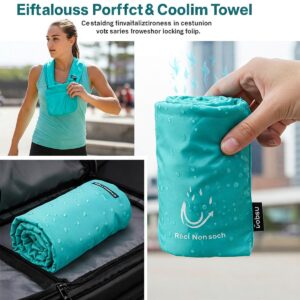
Ready to experience the incredible comfort of the perfect cooling towel? Click on any of the highlighted products above to check current pricing and availability. These innovative cooling solutions will transform your hot weather experience whether you’re working out, traveling, or simply trying to stay comfortable during scorching summer days!
More FAQ:
❓ How long does a perfect cooling towel stay cool?
❓ Can cooling towels help with heat exhaustion?
❓ What's the difference between cheap and expensive cooling towels?
❓ Can I put my cooling towel in the freezer?
❓ Which cooling towel material works best in Florida's humidity?
Recommended for You:
- 10 Essential Summer Survival Gadgets You Need This Year
- The Ultimate Guide to Staying Cool While Camping
- How to Choose the Perfect Fitness Equipment for Hot Weather Training
Disclaimer: This article contains affiliate links. If you purchase products through these links, we may earn a small commission at no additional cost to you.
✨ Found this helpful? Share it with your friends! 💬🤗
