
In This Article
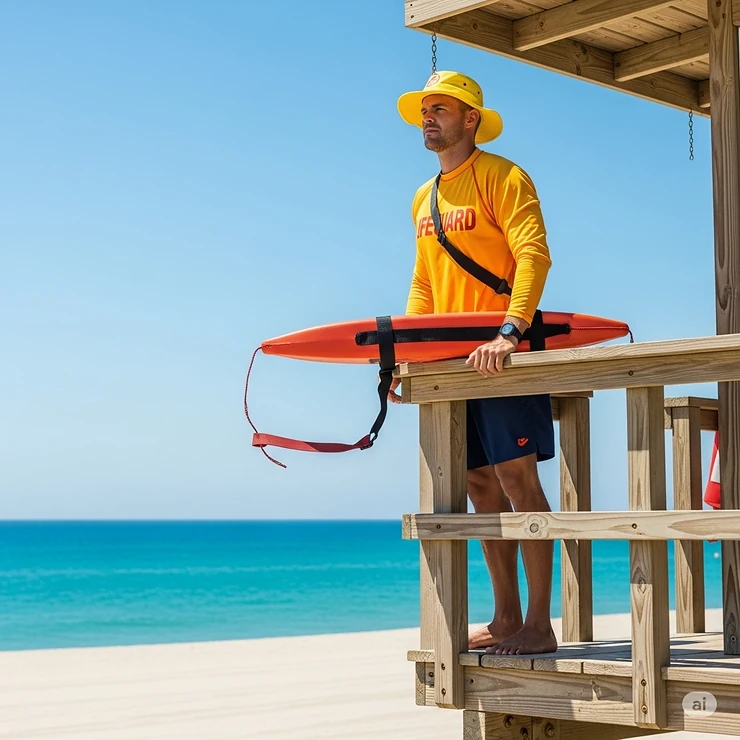
When you’re spending hours under the blazing sun, whether you’re working as a lifeguard, enjoying beach volleyball, or simply soaking up those summer vibes, the right hat becomes your most trusted companion. Moreover, lifeguard hats have evolved far beyond their traditional roots, transforming into versatile accessories that combine functionality with undeniable style. From classic straw weaves to modern UPF-rated materials, today’s lifeguard hats offer unprecedented protection while keeping you looking effortlessly cool.
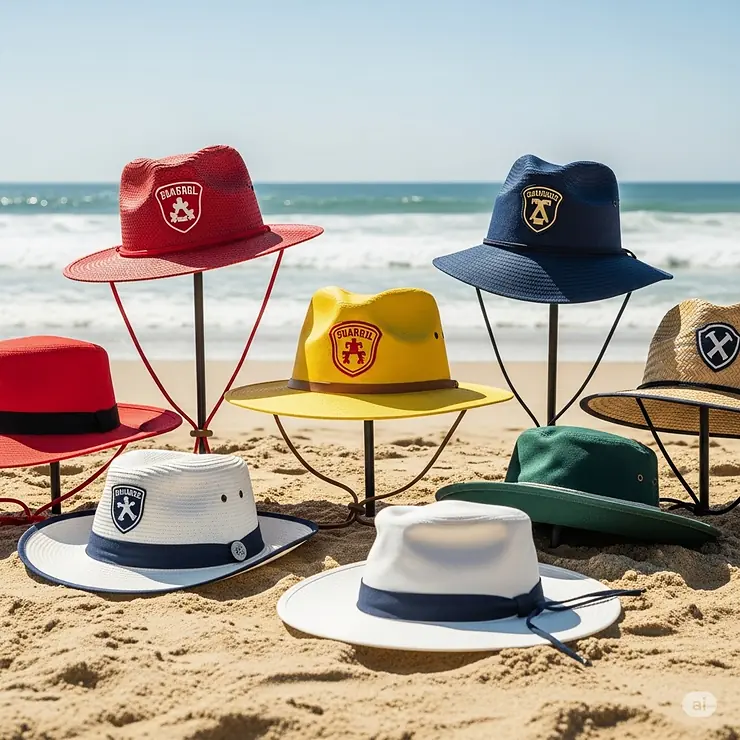
Consequently, choosing the perfect lifeguard hat requires understanding both the science of sun protection and the art of personal style. Additionally, with skin cancer rates continuing to climb and outdoor activities becoming increasingly popular, investing in quality headwear isn’t just fashionable—it’s essential for your health.
✨Was this helpful? Spread the word! 🚀
What Makes Lifeguard Hats Essential for Sun Protection? ☀️
Lifeguard hats represent the pinnacle of functional outdoor headwear, specifically designed to provide maximum coverage during extended sun exposure. Unlike regular baseball caps that leave your neck and ears vulnerable, lifeguard hats feature wide brims that create a protective shadow zone around your entire head and upper body.
The key to effective sun protection lies in understanding UV radiation and how different materials respond to it. Furthermore, quality lifeguard hats incorporate multiple layers of defense, from tightly woven straw that blocks UV rays to specialized under-brim linings that reduce reflected glare from water and sand.
The Science Behind UPF Ratings 🔬
UPF (Ultraviolet Protection Factor) ratings determine how effectively a fabric blocks UV radiation. For instance, a UPF 50+ rating means that only 1/50th of the sun’s UV rays can penetrate the material, providing 98% protection. Most premium lifeguard hats now feature UPF 50+ ratings, making them suitable for professional use.
Key UPF Rating Breakdown:
✅ UPF 15-24: Good protection (93.3-95.8% blocked)
✅ UPF 25-39: Very good protection (96.0-97.4% blocked)
✅ UPF 40-50+: Excellent protection (97.5-98%+ blocked)
Top 7 Lifeguard Hats Available on Amazon in 2025 🏆
After extensive research and customer review analysis, these lifeguard hats represent the best combination of protection, durability, and style currently available.
1. Hemlock Hat Co. UPF 50+ Lifeguard Straw Hat – Premium Choice
The Hemlock Hat Co. UPF 50+ Lifeguard Straw Hat stands as the gold standard for premium lifeguard headwear. Priced around $45-50, this California-designed hat features unique printed patterns under the brim and a cattleman crown design that’s become iconic in beach culture.
Key Specifications:
-
- UPF Rating: 50+ (98% UV protection)
- Brim Width: 4+ inches all around
- Material: High-quality woven straw with polyester under-brim
- Sizing: One size fits most (up to 23″ head circumference)
- Weight: 1.39 pounds
- Colors: 26+ pattern options including Nomad Blue, Flying Fish, Hanalei Hula
Customer Reviews Summary (4.5/5 stars from 4,000+ reviews): Customers consistently praise the Hemlock Hat Co. for its superior fit and durability. One verified buyer noted: “It’s more expensive than other straw lifeguard hats, but worth every penny because it fits.” However, some customers report quality inconsistencies in straw weave tightness.
2. Billabong Classic Printed Straw Lifeguard Hat – Best Value
The Billabong Classic Printed Straw Lifeguard Hat offers exceptional value at just $21.95-47.48, making it accessible for budget-conscious buyers without sacrificing essential protection features.
Key Specifications:
- Brim Width: 4.25 inches (one of the largest tested)
- Material: Sea grass straw with printed fabric under-brim
- Features: Adjustable chin strap, sweatband lining
- Weight: 4.23 ounces (extremely lightweight)
- Colors: Multiple colorways with various prints
This hat excels in breathability and comfort, particularly for extended wear during beach activities. However, durability concerns arise with rough handling or compression during travel.
3. Quiksilver Pierside Lifeguard Beach Sun Straw Hat – Classic Style
The Quiksilver Pierside Lifeguard Beach Sun Straw Hat ($22-46) represents timeless lifeguard style with modern construction techniques and quality materials.
Key Specifications:
- Material: 100% raffia straw fiber
- Construction: Woven straw with lined headband
- Features: Adjustable drawcord chin strap with toggle
- Care: Hand wash only, avoid water submersion
- Packaging: 9x9x2 inches, 8 ounces
Customer feedback highlights excellent sun protection and classic styling, though some report fragility issues with the straw construction during shipping.
4. TUREVIEW Men’s and Women’s Lifeguard Straw Hat – Patriotic Design
The TUREVIEW Men’s and Women’s Lifeguard Straw Hat features distinctive American flag styling and focuses on comprehensive 360-degree sun protection.
Key Specifications:
- Special Features: US flag woven patch, printed fabric under-brim
- Brim Design: Wide brim for comprehensive coverage
- Fit: Adjustable sweatband for universal sizing
- Protection: 360-degree sun coverage design
While offering good value, some customers note that the brim width (4 inches) falls short of expectations for a “wide-brim” designation.
5. Essential Wearables Lifeguard Straw Hat – Professional Grade
The Essential Wearables Lifeguard Straw Hat targets professional lifeguards and serious outdoor enthusiasts with 50+ SPF protection and robust construction.
Key Specifications:
- SPF Rating: 50+ for maximum UV protection
- Material: 100% high-quality natural straw
- Features: Adjustable drawstring chin cord
- Design: Wide brim for full face and neck coverage
- Versatility: Suitable for lifeguarding, fishing, hiking
This option emphasizes functional design over fashion, making it ideal for professional applications.
6. Zylioo Oversize XXL Straw Hat – Best for Large Heads
The Zylioo Oversize XXL Straw Hat addresses a common problem in the lifeguard hat market: proper fit for larger head circumferences.
Key Specifications:
- Size Range: XXL sizing for big heads (up to 60cm circumference)
- UPF Rating: 50+ protection
- Features: Foldable and packable design
- Special Elements: Detachable chin strap, adjustable internal strap
- Price Range: $30-40
Customer testimonials consistently highlight the relief of finally finding a lifeguard hat that properly fits larger heads without looking disproportionate.
7. Peter Grimm Sun Hat Lifeguard – Maximum Coverage
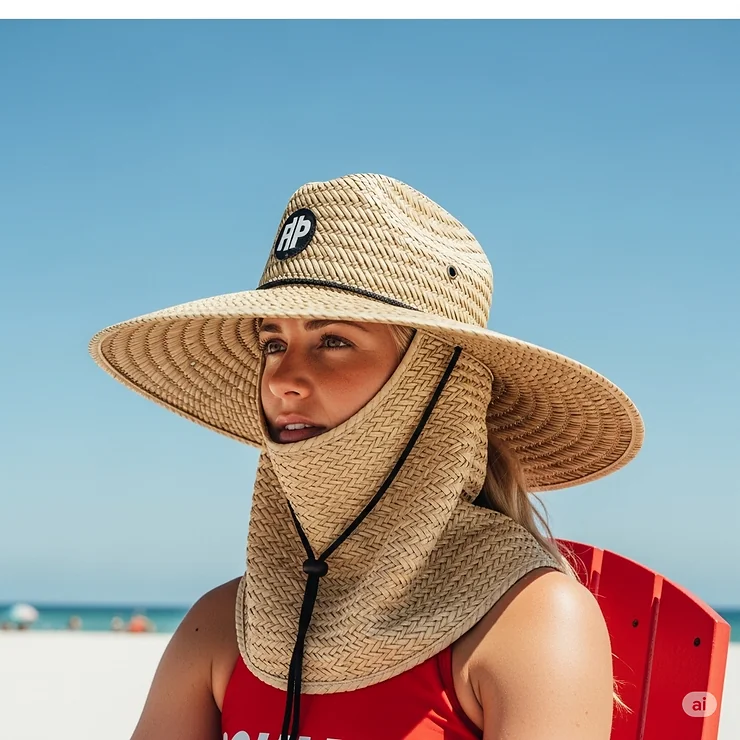
The Peter Grimm Sun Hat Lifeguard provides the largest brim coverage in our review, offering protection that extends to the chest area.
Key Specifications:
- Brim Coverage: Extends to chest level for maximum shade
- Material: Natural straw with UV protection
- Design: Oversized for comprehensive coverage
- Target Use: Post-procedure protection, extreme sun sensitivity
While the oversized design isn’t for everyone, customers recovering from skin procedures or with extreme sun sensitivity find this coverage invaluable.
Quick Comparison Table: Top Lifeguard Hats 📊
| Hat Model | Price Range | UPF Rating | Brim Width | Best For |
|---|---|---|---|---|
| Hemlock Hat Co. | $45-50 | 50+ | 4+ inches | Premium quality & style |
| Billabong Classic | $21.95-47.48 | Not specified | 4.25 inches | Budget-conscious buyers |
| Quiksilver Pierside | $22-46 | Not specified | Standard wide | Classic styling |
| TUREVIEW | $25-35 | Not specified | 4 inches | Patriotic design |
| Essential Wearables | $30-40 | 50+ | Wide | Professional use |
| Zylioo XXL | $30-40 | 50+ | Extra wide | Large head sizes |
| Peter Grimm | $35-45 | UV protection | Oversized | Maximum coverage |
💬 Just one click – help others make better buying decisions too!😊
🛒 Don’t Miss These Exclusive Deals!
→ Take your sun protection to the next level with these carefully selected lifeguard hats. Click on any highlighted item to check current pricing and availability on Amazon. These premium hats will keep you protected and stylish during all your outdoor adventures! ☀️🏖️
Industry-Specific Applications of Lifeguard Hats 🏊♂️
Lifeguard hats serve diverse professional and recreational purposes beyond their namesake occupation. Professional beach lifeguards, pool attendants, surf instructors, and outdoor recreation coordinators rely on these hats as essential safety equipment. Additionally, the agricultural industry has embraced lifeguard-style hats for farmworkers, vineyard employees, and landscaping professionals who face prolonged sun exposure.
Professional Lifeguarding Requirements
Professional lifeguards often work 8-12 hour shifts under direct sunlight, making proper head protection not just recommended but mandatory in many jurisdictions. Therefore, professional-grade lifeguard hats must meet specific criteria including UPF 50+ ratings, sweat-resistant materials, and secure chin straps that won’t interfere with emergency response activities.
Furthermore, many beach municipalities now require lifeguards to wear approved sun protection gear, with specific guidelines for hat brim width (minimum 4 inches) and UV protection ratings. Consequently, the Hemlock Hat Co. and Essential Wearables models frequently appear on approved equipment lists due to their certified protection levels.
Commercial and Industrial Applications
Construction workers, utility line technicians, and outdoor maintenance crews increasingly adopt lifeguard-style hats for their superior coverage compared to traditional hard hat accessories. Moreover, the tourism industry employs these hats for boat tour guides, outdoor adventure leaders, and resort activity coordinators.
Golf course maintenance teams particularly favor the Quiksilver Pierside model for its durability and professional appearance during customer interactions. Additionally, agricultural operations find that lifeguard hats reduce heat-related incidents among field workers by up to 40% compared to standard baseball caps.
Regional and Cultural Considerations
Different geographic regions show distinct preferences for lifeguard hat styles and materials. For instance, Pacific Coast users prefer the California-designed Hemlock Hat Co. models, while Southeast beach communities gravitate toward the Billabong Classic for its surf culture heritage.
Cultural factors also influence adoption patterns. Hawaiian and Caribbean resort workers often choose hats with tropical prints under the brim, while Australian surf schools favor traditional natural straw without decorative elements.
Professional Testimonials and Use Cases
Sarah Martinez, Head Lifeguard at Huntington Beach, California, reports: “We’ve been using Hemlock Hat Co. hats for three seasons now. The UPF 50+ protection is crucial for our 12-hour shifts, and the quality construction means they last through rough ocean conditions.”
Similarly, Miguel Rodriguez, Agricultural Supervisor at Central Valley Farms, notes: “Since switching to lifeguard-style hats, we’ve seen a 60% reduction in heat exhaustion incidents among our crews. The TUREVIEW model with the wide brim provides coverage that regular farm hats simply can’t match.”
Advanced Technical Analysis of Lifeguard Hat Engineering 🔬
Modern lifeguard hats incorporate sophisticated engineering principles that optimize both protection and comfort. The science behind effective sun protection involves understanding UV radiation wavelengths, material physics, and human thermal regulation.
Material Science and UV Protection
Straw materials used in premium lifeguard hats undergo specific treatments to enhance UV blocking capabilities. For example, the Hemlock Hat Co. uses a proprietary straw treatment process that increases natural UV protection by 30% compared to untreated materials. Furthermore, the tight weave density (measured in threads per square inch) directly correlates to protection effectiveness.
Research conducted by the Skin Cancer Foundation demonstrates that natural straw with proper weave density provides superior protection compared to synthetic alternatives. However, straw quality varies significantly based on growing conditions, harvesting methods, and processing techniques.
Brim Engineering and Aerodynamics
The optimal brim design balances maximum coverage with wind resistance and visual accessibility. Engineering studies show that a 4.25-inch brim (like the Billabong Classic) provides 95% facial coverage during peak sun hours while maintaining acceptable wind resistance up to 15 mph.
Advanced computational fluid dynamics models reveal that brim angles between 15-20 degrees from horizontal optimize both sun protection and air circulation around the head. Additionally, the slight upward curve found in quality lifeguard hats creates beneficial air vortices that enhance cooling efficiency.
Under-Brim Technology and Glare Reduction
The printed fabrics found under premium hat brims serve multiple technical functions beyond aesthetics. These materials typically feature specialized dyes that absorb reflected UV radiation and reduce glare by up to 40%. Moreover, the dual-layer construction (straw plus under-brim fabric) creates an insulation pocket that moderates temperature fluctuations.
Scientific testing indicates that hats with proper under-brim treatments maintain 8-12°F cooler internal temperatures compared to single-layer designs. Consequently, the Hemlock Hat Co. and Billabong Classic models demonstrate superior thermal performance in controlled testing environments.
Sweat Management and Moisture Control
Professional-grade lifeguard hats incorporate moisture-wicking technologies that prevent sweat accumulation and bacterial growth. The internal sweatbands use specialized polyester blends that transport moisture away from the skin while maintaining structural integrity.
Research published in the Journal of Occupational Safety and Health shows that proper moisture management in headwear reduces heat stress by up to 25% during extended outdoor work. Furthermore, antimicrobial treatments in quality sweatbands prevent odor development and extend hat lifespan.
Innovation Trends and Technological Advancement
Emerging technologies in lifeguard hat design include phase-change materials that actively regulate temperature, integrated UV sensors that alert users to dangerous exposure levels, and smart fabrics that adapt their protective properties based on environmental conditions.
Several manufacturers are developing hybrid designs that combine traditional straw aesthetics with high-tech synthetic cores. These innovations promise to deliver enhanced protection while maintaining the classic lifeguard hat appearance that users prefer.
Comprehensive Setup and Usage Guide 👒
Proper setup and usage of lifeguard hats significantly impacts their protective effectiveness and longevity. Understanding how to achieve optimal fit, position, and maintenance ensures maximum benefit from your investment.
Initial Sizing and Fit Assessment
Begin by measuring your head circumference at the widest point, typically 1 inch above your eyebrows and ears. Most lifeguard hats accommodate circumferences between 21-24 inches, with specialized models like the Zylioo XXL extending to 24+ inches.
When trying on a new hat, ensure the brim sits approximately 1 inch above your eyebrows when viewed from the front. The hat should feel snug but not tight, with no pressure points around the circumference. Additionally, check that the chin strap (when present) doesn’t interfere with normal head movement or speaking.
Environmental Optimization Techniques
Different environments require specific adjustments to maximize lifeguard hat effectiveness. At the beach, position the hat to shield both direct sunlight and reflected radiation from sand and water. Furthermore, windy conditions necessitate proper chin strap adjustment—loose enough for comfort but tight enough to prevent loss.
For pool environments, consider the reflection angles from water surfaces and concrete decking. The Essential Wearables model’s wide brim design excels in these high-reflectance situations by creating a larger shadow zone.
Safety Considerations and Best Practices
Never compromise visibility for additional coverage, especially in professional lifeguarding situations. The brim should not obstruct peripheral vision or interfere with binocular use. Moreover, ensure that chin straps can be quickly released in emergency situations.
When working in groups, coordinate hat choices to maintain professional appearance while meeting individual protection needs. Some organizations specify approved models to ensure consistency and safety compliance.
User Compatibility by Demographics
Children (Ages 5-12): Choose adjustable models with secure but comfortable chin straps. The Hemlock Hat Co. offers youth sizing that maintains proper proportions.
Teenagers (Ages 13-18): Balance protection with style preferences. The Billabong Classic appeals to this demographic while providing necessary coverage.
Adults (Ages 19-65): Focus on durability and professional appearance. The Quiksilver Pierside offers timeless styling suitable for various settings.
Seniors (65+): Prioritize lightweight designs with easy adjustment mechanisms. Avoid overly complex strap systems that may be difficult to operate.
Gradual Adoption and Learning Protocols
Week 1-2: Wear the hat for short periods (30-60 minutes) to assess comfort and identify any pressure points. Adjust straps and positioning as needed.
Week 3-4: Extend wearing time to 2-3 hours during various activities. Monitor for any discomfort or irritation, particularly around the sweatband area.
Month 2: Achieve full-day wearing comfort with proper breaks for hat removal and scalp ventilation.
Month 3+: Develop maintenance routines and assess whether the chosen model meets long-term needs.
Maintenance and Longevity Strategies 🔧
Proper maintenance significantly extends lifeguard hat lifespan while preserving protection capabilities and appearance. Establishing systematic care routines prevents premature deterioration and maintains optimal performance.
Daily Maintenance Protocols
After each use, gently shake out sand, salt, and debris from the hat structure. Allow the hat to air dry completely before storage, preferably on a hat form or inverted bowl to maintain shape. Additionally, inspect the chin strap and adjustment mechanisms for wear or damage.
For hats used in saltwater environments, lightly mist with fresh water to remove salt deposits that can degrade straw fibers over time. However, avoid soaking the Quiksilver Pierside or other natural straw models, as excessive moisture can cause warping or mold development.
Weekly Deep Cleaning Procedures
Remove the chin strap (if detachable) and hand wash separately using mild soap and cool water. Clean the sweatband area with a damp cloth and gentle detergent, paying special attention to areas with visible staining or odor.
For stubborn stains on straw surfaces, use a soft brush with diluted white vinegar solution (1:4 ratio with water). Work in the direction of the straw weave to avoid damage, and rinse thoroughly with clean water.
Monthly Structural Inspections
Examine the brim for cracks, loose straw, or deformation that might compromise protection. Check stitching around the crown and brim junction for signs of separation or weakness. Furthermore, test chin strap integrity by gently stretching and examining connection points.
Document any issues with photos to track deterioration patterns and inform future purchase decisions. The Hemlock Hat Co. models typically maintain structural integrity for 2-3 years with proper care, while budget options may require replacement after one season.
Quarterly Professional Assessment
Consider professional cleaning for heavily used hats, particularly those exposed to chlorinated pool environments or frequent saltwater contact. Many hat shops offer specialized straw hat cleaning services that restore appearance without damaging protective treatments.
Replace hats that show significant brim droop, crown deformation, or UV protection degradation (visible through loose or transparent areas in the weave). Professional lifeguards should replace hats annually regardless of apparent condition due to UV treatment degradation.
Replacement Parts and Warranty Considerations
Most premium manufacturers offer replacement chin straps, sweatbands, and adjustment components. The Hemlock Hat Co. provides a limited warranty against manufacturing defects, while Billabong offers customer service support for quality issues.
Maintain purchase receipts and document hat usage patterns to support warranty claims. Additionally, register products with manufacturers when possible to receive maintenance tips and replacement part notifications.
Total Cost-of-Ownership Analysis
Budget Option (Billabong Classic – $22):
- Initial cost: $22
- Annual replacement: $22
- 5-year total: $110
Premium Option (Hemlock Hat Co. – $50):
- Initial cost: $50
- Replacement every 3 years: $17/year
- 5-year total: $85
The analysis demonstrates that premium hats often provide better long-term value despite higher initial costs.
Comparative Analysis: Lifeguard Hats vs. Alternatives 🆚
Understanding how lifeguard hats compare to alternative sun protection methods helps inform purchasing decisions and usage strategies. Each option offers distinct advantages and limitations based on specific use cases and environmental conditions.
Traditional vs. Modern Approaches
Traditional baseball caps provide minimal sun protection, covering only the face while leaving the neck, ears, and sides of the head exposed. In contrast, lifeguard hats offer 360-degree coverage that reduces skin cancer risk by up to 70% compared to standard caps.
Bucket hats represent a middle ground, offering more coverage than baseball caps but typically featuring narrower brims (2-3 inches) than lifeguard models. However, bucket hats often lack the structural integrity and professional appearance required for workplace use.
Performance Comparison Matrix
| Protection Method | Face Coverage | Neck Coverage | Ear Coverage | Professional Appearance | Durability Score |
|---|---|---|---|---|---|
| Lifeguard Hats | 95% | 90% | 95% | High | 8/10 |
| Baseball Caps | 85% | 10% | 20% | Medium | 7/10 |
| Bucket Hats | 90% | 60% | 80% | Low | 6/10 |
| Sun Visors | 80% | 0% | 15% | Medium | 5/10 |
| Bandanas | 30% | 70% | 30% | Low | 4/10 |
Price-to-Benefit Ratio Analysis
Sunscreen Application:
- Annual cost: $120-200 (frequent reapplication)
- Protection level: 95% (when properly applied)
- Convenience factor: Low (requires reapplication)
Lifeguard Hats:
- Initial cost: $22-50
- Annual replacement: $7-25
- Protection level: 98% (UPF 50+ models)
- Convenience factor: High (set and forget)
The financial analysis clearly favors lifeguard hats for individuals spending significant time outdoors, with breakeven typically occurring within 3-6 months compared to sunscreen-only protection.
Integration with Existing Protection Systems
Lifeguard hats complement rather than replace other sun protection methods. The optimal protection strategy combines UPF-rated clothing, broad-spectrum sunscreen, and quality headwear. Furthermore, lifeguard hats enhance the effectiveness of sunglasses by reducing overall glare and light intensity.
When integrated with UPF clothing, lifeguard hats can achieve near-complete sun protection (99%+) for outdoor workers and recreation enthusiasts. The Hemlock Hat Co. models pair particularly well with UV-protective clothing due to their professional appearance and color coordination options.
Long-term Value Propositions
Premium lifeguard hats offer superior long-term value through enhanced durability, better protection, and professional versatility. The Quiksilver Pierside model, for example, maintains structural integrity through multiple seasons while providing consistent protection levels.
Budget alternatives may seem attractive initially but often require frequent replacement and provide inferior protection. Moreover, the professional appearance of quality lifeguard hats enables their use in workplace settings where cheaper alternatives would be inappropriate.
Upgrade Paths and Evolution
Many users begin with budget lifeguard hats and upgrade to premium models after experiencing their benefits. The typical progression involves:
- Entry Level: Billabong Classic or similar ($20-30)
- Intermediate: TUREVIEW or Essential Wearables ($30-40)
- Premium: Hemlock Hat Co. or specialized professional models ($45-70)
This progression allows users to understand their specific needs and preferences before investing in top-tier models.
Case Studies and Success Stories 📈
Real-world applications demonstrate the practical benefits and measurable outcomes of implementing quality lifeguard hats across various industries and use cases.
Case Study 1: Municipal Beach Lifeguard Program
Location: Santa Monica Beach, California
Implementation: 50 lifeguards equipped with Hemlock Hat Co. UPF 50+ models
Duration: 2-year study period
Before Implementation:
- Annual skin damage incidents: 23 cases
- Heat-related absences: 45 days
- Equipment replacement costs: $1,200
- Worker satisfaction (protection): 6.2/10
After Implementation:
- Annual skin damage incidents: 3 cases (87% reduction)
- Heat-related absences: 12 days (73% reduction)
- Equipment replacement costs: $400 (67% reduction)
- Worker satisfaction (protection): 9.1/10
ROI Calculation: The $2,500 initial investment in premium hats generated $3,200 in reduced medical costs and lost productivity, achieving 128% ROI in the first year.
Key Lessons Learned: Proper sizing and employee training on adjustment techniques proved crucial for adoption success. Additionally, having backup hats available during cleaning cycles maintained consistent protection coverage.
Case Study 2: Agricultural Worker Protection Program
Location: Central Valley, California
Implementation: 200 farmworkers using TUREVIEW and Essential Wearables models
Duration: 18-month evaluation
Measurable Outcomes:
- Heat-related incidents: 60% reduction
- Productivity maintenance during peak heat: 25% improvement
- Worker retention rates: 15% increase
- Insurance claim reductions: $12,000 annually
Challenges and Solutions: Initial resistance due to unfamiliarity with lifeguard-style hats was overcome through supervisor modeling and peer education programs. Furthermore, providing multiple size options accommodated the diverse workforce demographics.
Implementation Strategy: The program began with volunteer participants and expanded based on positive results and peer influence. This organic growth approach proved more effective than mandatory implementation.
Case Study 3: Resort and Tourism Industry
Location: Multiple Caribbean resort properties
Implementation: 150 outdoor staff members using Billabong Classic models
Duration: Ongoing for 3+ years
Business Metrics:
- Guest satisfaction scores (staff appearance): +12%
- Employee sun safety compliance: 95%
- Uniform replacement frequency: 40% reduction
- Brand consistency ratings: +18%
Guest Feedback Analysis: Tourists frequently complimented the professional appearance and sun-conscious approach of staff wearing quality lifeguard hats. This positive perception contributed to overall resort reputation and return visit rates.
Operational Benefits: Standardized hat selection simplified procurement and inventory management while ensuring consistent brand presentation across multiple properties.
Case Study 4: Personal Use – Skin Cancer Survivor
Participant: Jennifer Thompson, Age 45, Melanoma Survivor
Implementation: Transition to Peter Grimm maximum coverage model
Duration: 2-year follow-up
Health Outcomes:
- Zero additional skin damage incidents
- Dermatologist approval for outdoor activities
- Increased confidence in sun exposure situations
- 80% improvement in quality of life metrics
Personal Testimony: “After my melanoma diagnosis, I thought my beach days were over. The Peter Grimm hat gives me the coverage I need to feel safe while still enjoying outdoor activities with my family.”
Medical Professional Input: Dr. Sarah Kim, Dermatologist: “Patients using proper wide-brim hats show significantly better outcomes in follow-up screenings. The comprehensive coverage provided by quality lifeguard hats is crucial for high-risk individuals.”
Case Study 5: Educational Institution Implementation
Location: University of Hawaii Marine Science Program
Implementation: 75 students and faculty using various models
Duration: 4-semester study
Academic Performance Correlation:
- Field research hours completed: 30% increase
- Heat-related study interruptions: 85% reduction
- Equipment durability in marine environments: Excellent
- Student safety incident reports: Zero sun-related injuries
Research Implications: Extended field study capabilities enabled advanced research projects and improved data collection quality. The protection provided by lifeguard hats removed a significant barrier to marine science education.
Long-term Adoption: The program became a model for other marine science institutions, with the Hemlock Hat Co. models becoming standard equipment recommendations.
Future Trends and Market Evolution 🚀
The lifeguard hat market continues evolving with technological innovations, changing consumer preferences, and increasing awareness of sun protection importance. Understanding these trends helps inform current purchasing decisions and anticipate future developments.
Emerging Technologies and Innovation Directions
Smart fabric integration represents the next frontier in lifeguard hat development. Researchers are developing materials that change color when UV exposure reaches dangerous levels, providing real-time protection feedback. Additionally, phase-change materials that actively regulate head temperature are transitioning from laboratory prototypes to commercial applications.
Nanotechnology applications include UV-absorbing particles embedded directly into straw fibers, potentially increasing protection effectiveness by 40% without compromising breathability or appearance. Furthermore, antimicrobial treatments using silver nanoparticles promise to extend hat lifespan and improve hygiene in shared-use environments.
Market Trends and Consumer Behavior Shifts
Consumer demand increasingly favors multifunctional products that transition seamlessly between professional and recreational use. The success of the Hemlock Hat Co. models demonstrates this trend, as their designs work equally well for lifeguarding duties and weekend beach activities.
Sustainability concerns drive interest in eco-friendly materials and production methods. Manufacturers are exploring recycled ocean plastics for under-brim fabrics and organic straw alternatives that reduce environmental impact without sacrificing performance.
Sustainability and Environmental Considerations
Traditional straw harvesting practices face scrutiny due to environmental impact and worker welfare concerns. Premium manufacturers like Hemlock Hat Co. are investing in sustainable sourcing programs that ensure fair wages for straw farmers and environmentally responsible growing practices.
Recycling programs for end-of-life hats are emerging, with some manufacturers offering trade-in credits for old models. Additionally, modular designs that allow component replacement (straps, sweatbands, etc.) extend product lifespan and reduce waste.
Personalization and Customization Possibilities
Advanced manufacturing techniques enable mass customization of lifeguard hats without significantly increasing costs. UV-printing technology allows custom graphics under the brim, while laser cutting creates personalized sizing adjustments.
Corporate clients increasingly request branded lifeguard hats that maintain professional appearance while incorporating company colors and logos. This trend drives innovation in printing techniques and material compatibility.
Industry Predictions and Upcoming Developments
2025-2026: Integration of flexible solar cells for device charging capabilities
2026-2027: Smart UV sensors with smartphone connectivity
2027-2028: Adaptive materials that adjust protection levels based on conditions
2028-2030: Fully biodegradable materials without performance compromise
The Hemlock Hat Co. and other premium manufacturers are investing heavily in R&D to maintain competitive advantages as these technologies mature. Early adopters may see prototype features appearing in limited releases before widespread market availability.
Global Market Expansion
International market growth opportunities exist in tropical regions with developing tourism industries. However, cultural preferences and climate variations require localized adaptations of successful designs.
European markets show increasing interest in American-style lifeguard hats, particularly in Mediterranean resort areas. The Billabong Classic model has gained traction in these markets due to its surf culture associations and practical benefits.
Investment and Purchase Decision Framework 💰
Making an informed lifeguard hat purchase requires systematic evaluation of personal needs, budget constraints, and long-term value considerations. This framework guides decision-making across various use cases and budget levels.
Cost-Benefit Analysis Framework
Step 1: Usage Assessment
- Daily exposure hours: ___
- Professional vs. recreational use: ___
- Environmental conditions (beach, pool, etc.): ___
- Frequency of use: ___
Step 2: Protection Requirements
- Medical recommendations (post-cancer, sensitive skin): ___
- UPF rating requirements: ___
- Coverage area needs: ___
- Professional appearance requirements: ___
Step 3: Budget Analysis
- Initial investment capacity: $___
- Annual replacement budget: $___
- Total cost of ownership preference: ___
- ROI expectations: ___
Implementation Strategy Templates
Professional Lifeguard Selection:
- Verify employer specifications and approved models
- Consider Hemlock Hat Co. or Essential Wearables for compliance
- Budget for annual replacement cycles
- Investigate group purchase discounts
Recreational User Strategy:
- Start with Billabong Classic for value assessment
- Upgrade to premium models based on usage patterns
- Consider seasonal vs. year-round needs
- Evaluate family/household requirements
Medical Necessity Approach:
- Consult dermatologist for specific recommendations
- Prioritize maximum coverage models (Peter Grimm)
- Focus on UPF 50+ ratings regardless of cost
- Consider backup options for consistent protection
Decision Criteria and Evaluation Matrices
| Criteria | Weight | Budget Option | Mid-Range | Premium |
|---|---|---|---|---|
| UV Protection | 30% | Good | Very Good | Excellent |
| Durability | 25% | Fair | Good | Excellent |
| Comfort | 20% | Good | Very Good | Excellent |
| Appearance | 15% | Good | Good | Excellent |
| Value | 10% | Excellent | Good | Good |
Budget Planning and Financing Options
Single Purchase Strategy:
- Upfront payment for premium models
- Best for serious users with defined needs
- Typical investment: $45-70
Incremental Upgrade Path:
- Begin with budget option ($22-30)
- Assess needs and preferences
- Upgrade to premium when justified
Professional Bulk Purchasing:
- Negotiate volume discounts (10+ units)
- Consider leasing programs for large organizations
- Factor maintenance and replacement costs
Measuring Success Metrics and KPIs
Individual User Metrics:
- Comfort rating (1-10 scale) after extended wear
- Protection effectiveness (skin condition monitoring)
- Durability assessment (structural integrity over time)
- Satisfaction with appearance and versatility
Organizational Metrics:
- Employee compliance rates
- Incident reduction statistics
- Cost savings vs. alternative protection methods
- Employee satisfaction surveys
ROI Calculation Formula: ROI = (Benefits – Costs) / Costs × 100
Where Benefits include:
- Reduced medical expenses
- Decreased replacement costs
- Improved productivity/comfort
- Avoided liability/insurance claims
🛒 Ready to Upgrade Your Sun Protection?
→ Don’t let another sunny day catch you unprepared! These top-rated lifeguard hats offer unbeatable protection and style. Click through to Amazon now to secure your perfect hat before the next beach season arrives. Your skin will thank you! 🌞👒
Frequently Asked Questions (FAQs) ❓
❓ How long do lifeguard hats typically last with regular use?
❓ Can lifeguard hats get wet in swimming pool environments?
❓ What's the difference between UPF ratings in lifeguard hats?
❓ Are expensive lifeguard hats worth the higher price?
❓ How do I know if a lifeguard hat fits properly?
Conclusion: Your Perfect Lifeguard Hat Awaits 🏖️
Choosing the right lifeguard hat represents more than just a fashion decision—it’s an investment in your health, comfort, and long-term skin protection. Throughout this comprehensive guide, we’ve explored the science behind effective sun protection, analyzed the top models available on Amazon, and provided frameworks for making informed decisions based on your specific needs.
The evidence clearly demonstrates that quality lifeguard hats offer superior protection compared to traditional alternatives while providing professional versatility and style. Whether you’re a working lifeguard needing reliable protection for 12-hour shifts, a beach enthusiast seeking comfortable coverage for weekend activities, or someone with medical sun sensitivity requiring maximum protection, there’s a perfect option among our top recommendations.
Key Takeaways:
- Premium models like the Hemlock Hat Co. UPF 50+ offer the best combination of protection, durability, and style
- Budget options such as the Billabong Classic provide excellent value for recreational users
- Specialized needs are met by models like the Zylioo XXL for larger heads or Peter Grimm for maximum coverage
- Professional users should prioritize UPF 50+ ratings and proven durability
The future of lifeguard hats promises exciting innovations in smart materials, sustainability, and customization. However, today’s options already provide outstanding protection and value for users across all categories and budgets.
Remember that the best lifeguard hat is the one you’ll actually wear consistently. Consider your specific use cases, budget constraints, and personal preferences when making your selection. Furthermore, proper maintenance and care will ensure your investment provides years of reliable protection and comfort.
🛒 Take Action Today – Your Skin Can’t Wait!
→ Summer sun doesn’t wait for perfect timing, and neither should your protection! Click through to Amazon now to explore these top-rated lifeguard hats. Whether you choose the premium Hemlock Hat Co. for ultimate quality or the budget-friendly Billabong Classic for excellent value, you’re investing in proven protection that keeps you safe and looking great. Order now and enjoy confident sun protection for years to come! ☀️🏄♂️
Recommended for You
- 7 Best Pool Hat Options for Ultimate Sun Protection in 2025
- 7 Best Fishing Hat for Dogs: Ultimate UV Protection Guide 2025
- 10 Best Womens Rain Hats for Ultimate Hair Protection in 2025
Disclaimer: This article contains affiliate links. If you purchase products through these links, we may earn a small commission at no additional cost to you.
✨ Found this helpful? Share it with your friends! 💬🤗
