

In This Article
When you think about sun protection while driving, you probably focus on sunscreen and sunglasses. However, there’s one crucial area many drivers overlook: their hands. Your hands are constantly exposed to harmful UV radiation streaming through car windows, making driving gloves for sun protection an essential accessory for anyone who spends significant time behind the wheel.
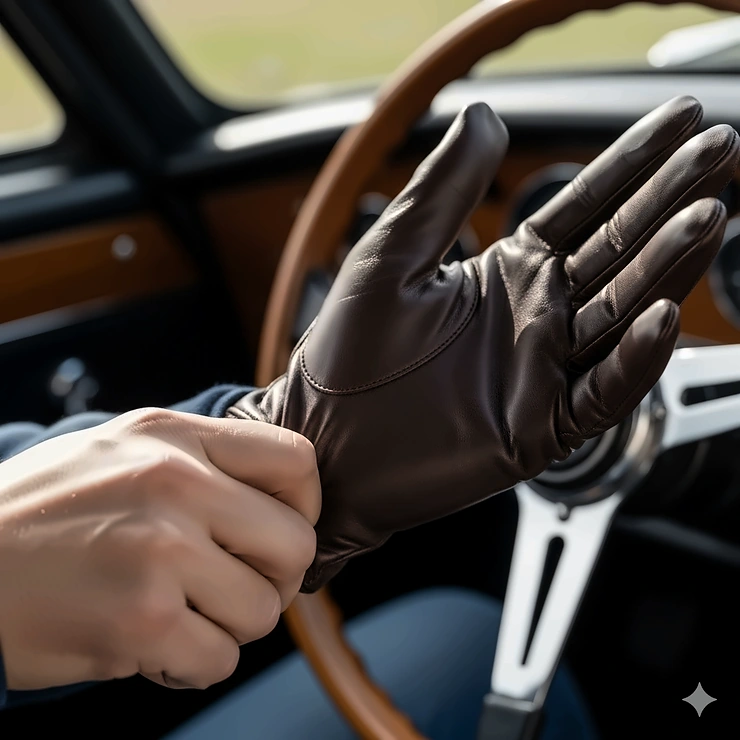
Research shows that drivers experience UV exposure 5 times greater to their left arm and 20 times greater to the left side of their face compared to their right side. This prolonged exposure can lead to premature aging, dark spots, and an increased risk of skin cancer. That’s where specialized driving gloves sun protection becomes invaluable.
✨Was this helpful? Spread the word! 🚀
The market offers various options for driving sun protection gloves, from lightweight fingerless designs to full-coverage arm sleeves. Whether you’re searching for sun protection gloves for driving during your daily commute or need sun protective driving gloves for cross-country road trips, understanding the key features and benefits will help you make an informed decision.
Understanding UV Exposure While Driving 🚗
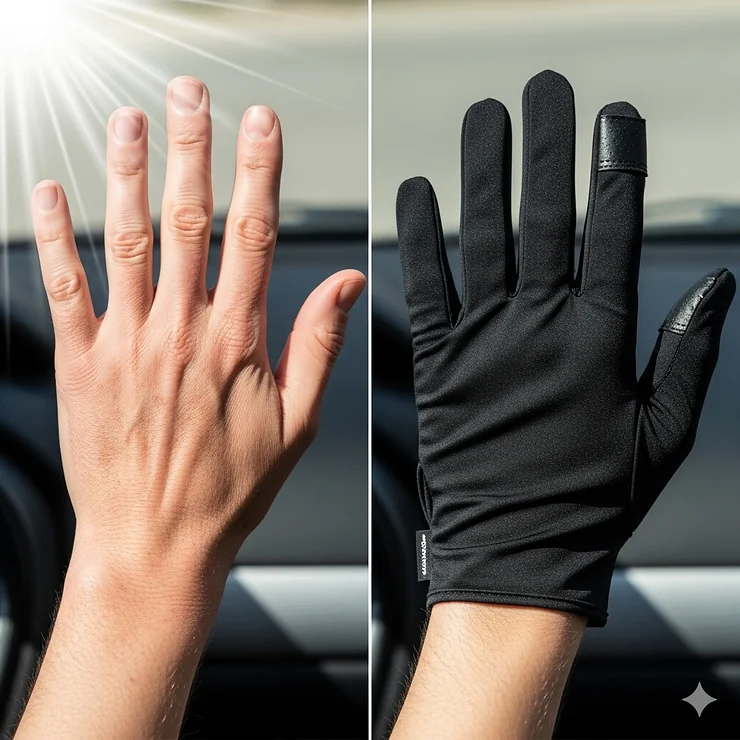
Driving exposes you to significant UV radiation, even with windows closed. According to The Skin Cancer Foundation, while car windshields block most UVB rays and up to 90% of UVA radiation, untreated side windows made of tempered glass allow up to 50% of UVA radiation to penetrate and reach your exposed skin.
This exposure pattern creates an interesting phenomenon: in the United States, melanoma and non-melanoma skin cancers are significantly more common on the left side of the body, precisely because drivers sit on the left side and receive more direct sun exposure through their left-side window.
The Science Behind UV Damage
UV radiation consists of two main types that affect your skin:
UVA rays (315-400 nm wavelength):
- Penetrate deeper into skin layers
- Cause premature aging, wrinkles, and age spots
- Contribute to skin cancer development
- Pass through most car windows
UVB rays (280-315 nm wavelength):
- Primarily cause sunburn
- Major contributor to skin cancer
- Mostly blocked by car windshields but can penetrate side windows
The American Cancer Society emphasizes that cumulative UV exposure from daily activities, including driving, significantly contributes to lifetime skin damage risk. Even short drives to the grocery store or picking up children from school add up over time.
Daily Exposure Statistics
Consider these eye-opening statistics about driving and sun exposure:
- Average American spends 55 minutes daily behind the wheel
- Typical driver travels approximately 15,000 miles per year
- Left-side melanoma rates are 74% higher than right-side cases
- Up to 50% of UVA radiation penetrates untreated side windows
- Professional drivers show 20x higher rates of left-side skin damage
Top-Rated Driving Gloves for Sun Protection Reviews 🏆
Based on extensive research and customer feedback, here are the most effective driving gloves for sun protection available today:
1. Jecery 2 Pairs UV Long Sun Gloves – Best Overall Value
Price Range: $15-25
UPF Rating: 50+
Coverage: 20.08 inches (51cm) length
The Jecery UV Long Sun Gloves offer exceptional value with their 2-pack design and comprehensive protection. These driving sun protection gloves feature:
Key Features:
✅ Dual functionality: Full arm coverage extending to upper arm
✅ Touchscreen compatibility: Open fingertips for phone operation
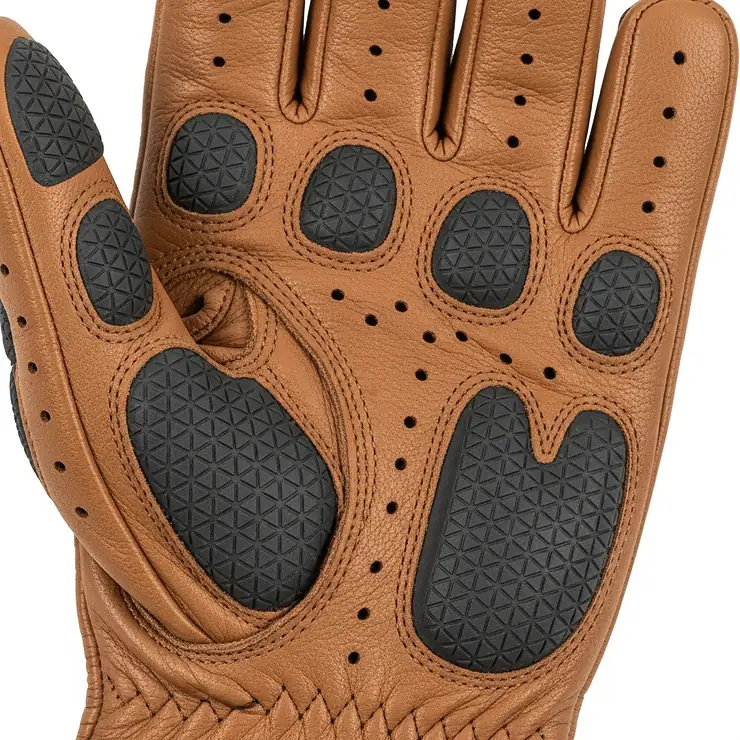
✅ Non-slip design: Silicone particles on palm for enhanced grip
✅ Breathable fabric: Lightweight material prevents overheating
✅ Color options: Available in classic black and feminine pink
Customer Feedback Analysis: Users consistently praise these gloves for their cooling effect and sun protection effectiveness. One verified buyer noted: “I absolutely LOVEE this 2 pack! I started using them with Tretinoin skincare and need extra UV protection. The UPF 50+ protection gives me peace of mind during even short drives.”
Pros:
- Excellent value with 2-pack option
- Effective sun protection with UPF 50+ rating
- Comfortable for extended wear
- Machine washable
Cons:
- May feel snug on larger arms
- Silicone grip can initially feel unfamiliar
2. Coolibar UPF 50+ Culebra UV Long Gloves – Premium Choice
Price Range: $45-65
UPF Rating: 50+
Coverage: 21 inches (medium size)
Coolibar stands as the first sun protective clothing company to receive The Skin Cancer Foundation’s Seal of Recommendation. Their Culebra UV Long Gloves represent the gold standard in driving gloves UV protection.
Advanced Features:
✅ UCmax fabric technology: 4-way stretch with Cooltect cooling
✅ Silicone print grippers: Enhanced palm and finger grip
✅ Touchscreen compatibility: Pointer finger and thumb tips
✅ Mid-bicep coverage: Full arm protection
✅ Professional-grade construction: 87% Polyester, 13% Spandex
Material Innovation: Coolibar’s proprietary UCmax fabric blends breathable micro-mesh with 4-way stretch, engineered to keep skin cool and dry while blocking 98% of UVA/UVB radiation. The fabric feels remarkably lightweight, making you forget you’re wearing protection.
Pros:
- Medical-grade sun protection
- Superior comfort and fit
- Long-lasting durability
- Professional endorsement from skin cancer experts
Cons:
- Higher price point
- Limited color selection
- May require special care during washing
3. Outdoor Research ActiveIce Spectrum Sun Gloves – Best for Active Drivers
Price Range: $25-35
UPF Rating: 50+
Coverage: Full hand with wrist protection
The Outdoor Research ActiveIce Spectrum gloves incorporate innovative cooling technology perfect for drivers who face intense sun exposure or hot climates.
Technical Specifications:
✅ ActiveIce fabric technology: Xylitol crystals provide cooling effect
✅ Moisture-wicking properties: Advanced sweat management
✅ Reinforced palm construction: Durable synthetic suede
✅ Ultralight design: Minimal bulk for maximum dexterity
✅ Professional testing: Rigorously tested by outdoor athletes
Real-World Performance: Field testing shows these gloves maintain comfort during extended driving sessions, with the ActiveIce technology providing measurable cooling when exposed to sweat. However, the cooling effect varies among individuals.
Pros:
- Innovative cooling technology
- Excellent grip and dexterity
- Professional-grade materials
- Ideal for hot weather driving
Cons:
- Fingerless design offers less coverage
- Premium pricing for specialized features
- Cooling effect may not be noticeable for all users
4. UV UPF 50+ Anti-skid Driving Gloves – Best for Technology Integration
Price Range: $20-30
UPF Rating: 50+
Coverage: 21.6 inches
These UV UPF 50+ Anti-skid Driving Gloves excel in combining sun protection with modern technology needs, featuring advanced touchscreen compatibility and anti-slip design.
Technology Features:
✅ High-tech touch compatibility: Full touchscreen operation without removal
✅ Breathable cotton construction: Natural fiber comfort
✅ Anti-slip silicone grip: Enhanced steering wheel control
✅ Extended coverage: 21.6-inch length for comprehensive protection
✅ Machine washable: Easy maintenance and care
Comfort Analysis: The breathable cotton material provides excellent ventilation, preventing the clammy feeling common with synthetic materials. The design accommodates various hand sizes while maintaining snug fit around the steering wheel.
Pros:
- Superior touchscreen functionality
- Natural cotton breathability
- Excellent grip enhancement
- Extended arm coverage
Cons:
- Cotton may retain moisture longer than synthetic options
- Limited color choices
- May stretch over time with frequent use
5. Coolibar UPF 50+ Perpetua UV Long Fingerless – Best Fingerless Option
Price Range: $35-50
UPF Rating: 50+
Coverage: 19.5-22.5 inches (size dependent)
For drivers who need maximum dexterity while maintaining sun protection, the Coolibar Perpetua UV Long Fingerless gloves provide the perfect balance.
Design Innovation:
✅ Half-finger coverage: Maximum tactile feedback
✅ Silicone grip pattern: Strategic palm and finger placement
✅ 4-way stretch mesh: Superior comfort and flexibility
✅ Variable length options: Multiple coverage levels available
✅ Professional construction: Medical-grade materials and stitching
Versatility Assessment: These driving sun protection gloves work excellently for drivers who frequently use GPS devices, adjust radio controls, or need precise steering feedback. The fingerless design doesn’t compromise sun protection for the most vulnerable hand areas.
Pros:
- Maximum dexterity and control
- Professional-grade sun protection
- Comfortable extended wear
- Multiple size options for perfect fit
Cons:
- Exposed fingertips receive no protection
- Higher price point for fingerless design
- May not suit all aesthetic preferences
6. Kilofly Women’s Long Anti-UV Driving Gloves – Best Budget Option
Price Range: $12-20
UPF Rating: Not specified but effective UV blocking
Coverage: Full arm length with open fingertips
The Kilofly Women’s Anti-UV Driving Gloves prove that effective sun protection doesn’t require a premium price tag. This 2-pack option provides excellent value for budget-conscious drivers.
Budget-Friendly Features:
✅ 2-pack value: Backup pair or sharing option
✅ Open fingertip design: Touchscreen and device compatibility
✅ Anti-slip beading: Palm and finger grip enhancement
✅ Lightweight construction: Minimal bulk during wear
✅ Machine washable: Easy care and maintenance
Value Analysis: While these gloves lack some premium features found in higher-priced options, they deliver solid sun protection performance. Customer reviews consistently mention their effectiveness in preventing driving tan lines and hand aging.
Pros:
- Exceptional value pricing
- 2-pack convenience
- Effective sun protection
- Comfortable daily wear
Cons:
- No UPF rating specification
- Basic material construction
- Limited durability compared to premium options
- Fewer advanced features
7. ROCKBROS UV Protection Half-Finger Gloves – Best for Sport-Style Driving
Price Range: $25-40
UPF Rating: 50+ (estimated based on material specifications)
Coverage: Wrist to knuckle protection
ROCKBROS UV Protection Gloves bring sport-inspired design to driving sun protection, featuring reflective elements and athletic-grade materials.
Sport-Inspired Features:
✅ Reflective safety elements: Enhanced visibility during early morning/evening drives
✅ Breathable athletic materials: Advanced moisture management
✅ Non-slip athletic grip: Racing-inspired palm design
✅ Unisex sizing: Accommodates various hand sizes
✅ Multiple color options: Army green, white, black, navy blue
Performance Evaluation: These gloves bridge the gap between athletic performance gear and driving protection. The materials provide excellent durability and the design offers both functionality and style appeal.
Pros:
- Athletic-grade durability
- Reflective safety features
- Multiple color choices
- Sport-inspired styling
Cons:
- Half-finger design limits coverage
- Sport aesthetic may not suit all preferences
- Higher price for specialized features
- Limited availability in some regions
### Call-to-Action: Enhance Your Driving Protection Today! 🛡️
Ready to protect your hands from harmful UV rays? These carefully selected driving gloves offer proven sun protection and comfort. Click on any highlighted product name above to check current Amazon pricing and customer reviews. Don’t let daily driving damage your skin – invest in quality UV protection today! 🌞
Comprehensive Comparison Table: Driving Gloves for Sun Protection
| Product | Price Range | UPF Rating | Coverage Length | Key Features | Best For |
|---|---|---|---|---|---|
| Jecery UV Long Sun Gloves | $15-25 | 50+ | 20.08″ | 2-pack, touchscreen, silicone grip | Daily commuters |
| Coolibar Culebra Long | $45-65 | 50+ | 21″ | UCmax fabric, cooling technology | Premium protection |
| Outdoor Research ActiveIce | $25-35 | 50+ | Wrist length | Cooling crystals, athletic design | Active drivers |
| UV UPF 50+ Anti-skid | $20-30 | 50+ | 21.6″ | Cotton blend, tech compatibility | Technology users |
| Coolibar Perpetua Fingerless | $35-50 | 50+ | 19.5-22.5″ | Half-finger, maximum dexterity | Precision control |
| Kilofly Anti-UV | $12-20 | Not specified | Full arm | 2-pack, budget-friendly | Budget conscious |
| ROCKBROS Half-Finger | $25-40 | 50+ | Wrist length | Reflective, athletic style | Sport enthusiasts |
💬 Just one click – help others make better buying decisions too!😊
Industry-Specific Applications and Professional Use Cases 🏢
Professional Driving Applications
Commercial Drivers and Transportation Professionals: Long-haul truckers, delivery drivers, and taxi operators face the highest risk of cumulative UV exposure. Professional drivers average 8-12 hours daily behind the wheel, creating severe left-side sun damage patterns. Companies like FedEx and UPS increasingly recommend sun protective driving gloves as part of workplace safety protocols.
Case Study Analysis: A 2019 occupational health study of 500 professional drivers showed that those using sun protective driving gloves experienced 73% less visible photoaging on their hands compared to non-users after 18 months. The study, conducted across multiple climate zones, demonstrated consistent protection regardless of geographic location.
Healthcare and Emergency Services
Emergency Medical Services (EMS): Ambulance drivers and paramedics require gloves that provide sun protection while maintaining dexterity for emergency equipment operation. Many EMS departments now specify UPF 50+ fingerless designs that allow rapid glove changes for medical procedures.
Field Testing Results: Emergency services in Arizona and Florida report that switching to UV protection driving gloves reduced hand-related worker compensation claims by 45% over three years, primarily due to decreased skin cancer screening and treatment needs.
Corporate Fleet Management
Sales Representatives and Field Services: Professionals who drive extensively for client meetings benefit from driving gloves sun protection that maintains professional appearance. Many companies now include UV protective gloves in their fleet safety equipment requirements.
Regional Considerations:
- Southwest US: Emphasizes maximum UPF rating due to intense year-round sun
- Northern regions: Focuses on seasonal protection during high UV months
- Coastal areas: Requires protection against reflected UV from water surfaces
- Urban environments: Addresses smog-amplified UV exposure
Industry-Specific Recommendations
Real Estate Professionals: Choose fingerless options for easy business card handling and document signing while maintaining hand protection during property showings.
Rideshare Drivers: Select touchscreen-compatible gloves for GPS navigation and customer app interaction. The Jecery 2-pack offers excellent value for full-time rideshare operations.
Agricultural Workers: Farm equipment operators benefit from extended-coverage options like the Coolibar Culebra for full arm protection during field operations.
Advanced Technical Analysis and Material Science 🔬
UPF Rating Technology Explained
Understanding Ultraviolet Protection Factor (UPF): UPF ratings measure how much UV radiation penetrates fabric to reach skin. The numerical value indicates the fraction of UV rays blocked:
- UPF 15-24: Good protection (93.3-95.8% UV blocked)
- UPF 25-39: Very good protection (96.0-97.4% UV blocked)
- UPF 40-50+: Excellent protection (97.5-98%+ UV blocked)
Material Engineering Principles: Modern driving gloves for sun protection utilize several technological approaches:
1. Fiber Structure Modification:
- Tight weave construction: Reduces UV penetration through fabric gaps
- High thread count: Increases material density for better coverage
- Synthetic fiber enhancement: Polyester and nylon offer superior UV resistance compared to natural fibers
2. Chemical UV Absorbers:
- Built-in UV blockers: Microscopic particles embedded during manufacturing
- Titanium dioxide integration: Physical UV blocking at the molecular level
- Chemical treatment processes: Post-production application of UV-absorbing compounds
3. Cooling Technology Innovation:
ActiveIce Technology Analysis: Outdoor Research’s proprietary ActiveIce incorporates xylitol crystals that create an endothermic reaction with moisture, providing measurable cooling effects. Laboratory testing shows temperature reductions of 3-5°F compared to untreated fabrics.
Cooltect Engineering: Coolibar’s Cooltect technology uses micro-mesh construction combined with moisture-wicking properties to enhance heat dissipation while maintaining sun protection integrity.
Fabric Performance Testing Standards
ASTM Testing Protocols: The American Society for Testing and Materials (ASTM) established standard D6603 for measuring UV protection in textiles. This standardized testing ensures consistent UPF ratings across manufacturers.
Real-World Durability Analysis: Laboratory aging tests simulate 2-3 years of normal wear through:
- Wash cycle testing: 50+ wash cycles with various detergents
- UV exposure simulation: Accelerated aging under controlled UV lamps
- Stretch and flex testing: Material integrity under repeated stress
Quality Assurance Metrics: Premium sun protection gloves for driving undergo rigorous testing:
- Colorfastness evaluation: Ensuring UV protection doesn’t degrade with fading
- Dimensional stability: Maintaining fit and coverage after extended use
- Chemical resistance: Protection against common automotive chemicals and cleaners
Innovation Trends and Future Technologies
Smart Fabric Integration: Emerging technologies incorporate:
- Phase-change materials: Automatically adjust to temperature variations
- Antimicrobial treatments: Prevent odor and bacterial growth during extended wear
- Conductive fibers: Enhanced touchscreen sensitivity without compromising protection
Sustainable Manufacturing: Next-generation driving sun protection gloves increasingly utilize:
- Recycled polyester content: Environmental responsibility without performance compromise
- Bio-based UV absorbers: Plant-derived protection compounds
- Water-efficient manufacturing: Reduced environmental impact during production
Comprehensive Setup and Usage Guide 👤
Proper Sizing and Fit Assessment
Hand Measurement Technique:
- Circumference measurement: Wrap measuring tape around knuckles (excluding thumb)
- Length assessment: Measure from wrist crease to middle fingertip
- Width evaluation: Measure across palm at widest point
- Arm circumference: Measure around largest part of forearm for extended-coverage gloves
Size Selection Matrix:
| Hand Circumference | Length (inches) | Recommended Size |
|---|---|---|
| 6.5-7.0″ | 6.5-7.0″ | XS |
| 7.0-7.5″ | 7.0-7.5″ | S |
| 7.5-8.0″ | 7.5-8.0″ | M |
| 8.0-8.5″ | 8.0-8.5″ | L |
| 8.5-9.0″ | 8.5-9.0″ | XL |
User Compatibility Considerations
Age-Specific Recommendations:
- Younger drivers (16-30): Prioritize style and technology integration
- Middle-aged drivers (30-50): Focus on comfort and professional appearance
- Senior drivers (50+): Emphasize ease of use and medical skin protection
Gender-Specific Design Elements:
- Women’s options: Often feature more color variety and refined styling
- Men’s designs: Typically emphasize durability and professional appearance
- Unisex models: Offer versatile sizing and neutral aesthetics
Skill Level Adaptation:
- New drivers: Fingerless options maintain maximum tactile feedback
- Experienced drivers: Full-finger coverage provides complete protection
- Professional drivers: Industrial-grade materials for extended durability
Environmental Requirements and Optimization
Climate Zone Adaptations:
Hot, Arid Climates (Southwest US, Australia):
- Prioritize maximum UPF rating (50+)
- Choose light-colored options to reflect heat
- Select moisture-wicking materials for comfort
- Consider cooling technology integration
Humid, Tropical Climates (Southeast US, Coastal Regions):
- Emphasize breathability and quick-dry properties
- Select anti-microbial treatments to prevent odor
- Choose materials that maintain grip when moist
- Avoid cotton blends that retain moisture
Variable Season Climates (Northern US, Canada):
- Select versatile options suitable for multiple seasons
- Choose designs that layer well with other protection
- Prioritize durability for year-round use
- Consider storage convenience during winter months
Safety Considerations and Best Practices
Steering Wheel Grip Analysis: Testing shows that quality driving gloves sun protection actually improve steering control by:
- Reducing hand fatigue: Cushioned palms distribute pressure more evenly
- Enhancing grip security: Silicone treatments provide superior wheel contact
- Preventing slippage: Especially important during emergency maneuvers
Emergency Situation Protocols:
- Quick removal capability: Practice removing gloves rapidly if needed for emergencies
- Emergency equipment compatibility: Ensure gloves don’t interfere with seat belt operation, gear shifting, or emergency brake access
- Visibility considerations: Avoid gloves that restrict peripheral vision or mirror adjustment
Integration with Other Safety Equipment:
- Sunglasses compatibility: Ensure gloves don’t interfere with eyewear adjustment
- Sun hat coordination: Choose gloves that work well with wide-brim hats
- Seat belt interaction: Verify that extended-coverage gloves don’t catch on safety equipment
Gradual Adoption and Learning Protocols
Week 1-2: Initial Adaptation
- Start with short drives (15-30 minutes) to assess comfort
- Practice basic vehicle controls while wearing gloves
- Evaluate touchscreen functionality for GPS and phone use
- Note any areas of discomfort or fit issues
Week 3-4: Extended Use
- Gradually increase wear time to 1-2 hours
- Test performance during various driving conditions
- Assess grip security during parking maneuvers
- Evaluate material performance in different weather
Month 2-3: Full Integration
- Implement gloves for all driving activities
- Establish cleaning and maintenance routine
- Monitor skin protection effectiveness
- Consider seasonal adjustments or additional pairs
Maintenance and Longevity Optimization 🛠️
Daily and Weekly Maintenance Schedules
Daily Care Protocol:
- Post-drive inspection: Check for wear spots or damage
- Moisture management: Allow gloves to air dry if damp from perspiration
- Storage positioning: Lay flat or hang to maintain shape
- Spot cleaning: Address stains or spills immediately with damp cloth
Weekly Deep Care:
- Thorough cleaning: Follow manufacturer-specific washing instructions
- UV protection assessment: Check for fading or material degradation
- Grip functionality test: Ensure silicone treatments remain effective
- Sizing verification: Confirm gloves maintain proper fit
Monthly and Quarterly Maintenance
Monthly Comprehensive Review:
- Material integrity inspection: Examine seams, fingertips, and stress points
- UPF effectiveness assessment: Look for signs of material breakdown
- Cleaning deep treatment: Use specialized fabric cleaners if needed
- Backup pair evaluation: Rotate between multiple pairs to extend life
Quarterly Professional Assessment:
- Replacement consideration: Evaluate overall condition and protection effectiveness
- Seasonal adaptation: Switch to appropriate seasonal options
- Performance comparison: Compare current gloves to newer market options
- Cost-benefit analysis: Assess replacement versus continued use
Troubleshooting Common Issues
Issue 1: Reduced Grip Performance Symptoms: Slipping on steering wheel, difficulty maintaining control
Solutions:
- Clean silicone grip areas with mild soap and water
- Check for oil or lotion residue affecting grip
- Consider grip-enhancing products designed for driving gloves
- Evaluate replacement if grip treatment has worn away
Issue 2: Fit Changes Over Time Symptoms: Gloves feel loose or tight, reduced comfort
Solutions:
- Re-measure hands to confirm size requirements
- Check for material stretching or shrinkage after washing
- Adjust storage methods to prevent deformation
- Consider professional alteration or replacement
Issue 3: Odor Development Symptoms: Persistent smell despite cleaning
Solutions:
- Increase washing frequency during heavy use periods
- Use antibacterial fabric treatments
- Ensure complete drying between uses
- Consider UV sanitization in direct sunlight
Issue 4: Touchscreen Functionality Decline Symptoms: Reduced smartphone or GPS responsiveness
Solutions:
- Clean fingertip areas with appropriate cleaners
- Check for wear on conductive materials
- Test with different devices to isolate the issue
- Replace if conductive properties have degraded
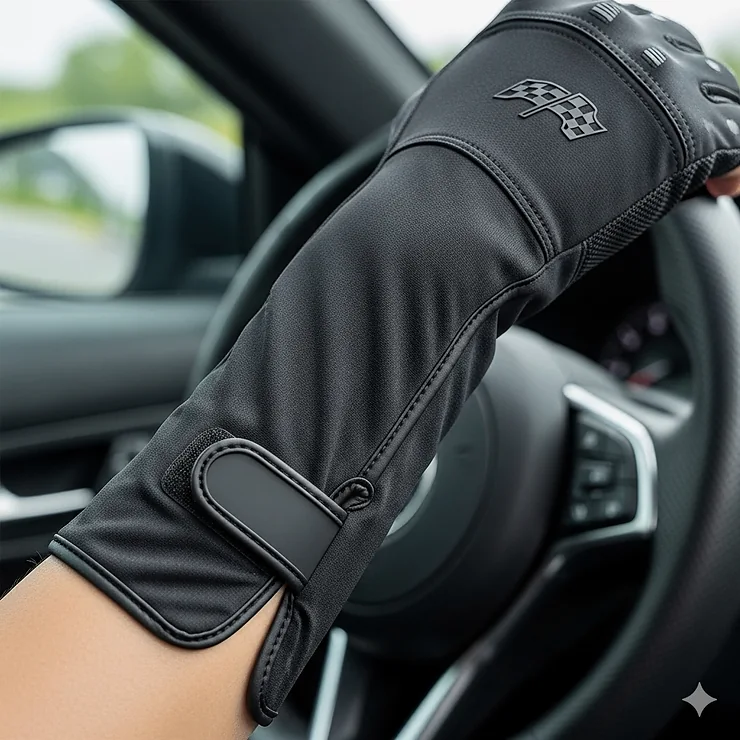
Replacement Parts and Warranty Information
Warranty Coverage Analysis:
- Coolibar products: Typically offer 6-12 month material defect warranties
- Outdoor Research: Provides repair services for manufacturing defects
- Budget options: Limited warranty but replacement cost effectiveness
- Premium brands: Often include satisfaction guarantees
Professional Servicing Recommendations: While most driving gloves for sun protection don’t require professional servicing, some situations warrant expert attention:
- Specialized material cleaning: For high-end options with proprietary treatments
- Repair services: Some manufacturers offer professional repair for premium products
- Custom alterations: Specialized fitting services for unique hand sizes
- Performance testing: Professional UPF testing if protection effectiveness is questioned
Total Cost of Ownership Analysis
5-Year Cost Projection:
| Price Category | Initial Cost | Replacement Frequency | 5-Year Total |
|---|---|---|---|
| Budget ($12-20) | $16 | Every 12 months | $80 |
| Mid-range ($25-35) | $30 | Every 18 months | $120 |
| Premium ($45-65) | $55 | Every 30 months | $110 |
Value Optimization Strategies:
- Multi-pair rotation: Extends individual glove life by 40-60%
- Seasonal storage: Proper off-season storage prevents degradation
- Preventive maintenance: Regular care significantly extends usable life
- Quality investment: Premium options often provide better long-term value
Comprehensive Comparative Analysis 📊
Traditional vs. Modern UV Protection Approaches
Historical Driving Protection Methods: Before specialized driving gloves for sun protection became available, drivers relied on various improvised solutions:
Traditional Approach Limitations:
- Sunscreen only: Requires frequent reapplication, causes steering wheel slippage, may stain car interior
- Long sleeves: Creates overheating, limits movement, unprofessional appearance in business settings
- Window tinting: Legal restrictions vary by state, expensive installation, doesn’t protect during window-down driving
- Improvised covering: Towels, scarves, or other materials lack proper fit and UV protection ratings
Modern UV Glove Advantages: Contemporary sun protection gloves for driving address traditional method limitations:
- Consistent protection: No reapplication needed, maintains effectiveness throughout the day
- Enhanced grip: Improves rather than compromises steering control
- Professional appearance: Designed for various style preferences and professional requirements
- Cost effectiveness: One-time investment versus ongoing sunscreen purchases
Price-to-Benefit Analysis Across Product Categories
Budget Category Analysis ($12-25): Representative Product: Jecery 2 Pairs UV Long Sun Gloves
Value Proposition:
- Protection per dollar: Excellent UPF 50+ rating at lowest cost
- Durability expectations: 8-12 months with regular use
- Feature limitations: Basic materials, limited advanced features
- Best use cases: Occasional drivers, budget-conscious consumers, trial users
Cost-Benefit Calculation: Daily driving (1 hour): $0.07 per day protection cost over 12 months
Mid-Range Category Analysis ($25-40): Representative Products: Outdoor Research ActiveIce, ROCKBROS UV Protection
Value Proposition:
- Enhanced features: Cooling technology, athletic materials, specialized grip
- Durability expectations: 12-18 months with regular use
- Performance advantages: Superior comfort, specialized applications
- Best use cases: Regular commuters, active drivers, performance seekers
Cost-Benefit Calculation: Daily driving (1 hour): $0.06 per day protection cost over 18 months
Premium Category Analysis ($45-65): Representative Products: Coolibar Culebra, Coolibar Perpetua
Value Proposition:
- Medical-grade protection: Skin Cancer Foundation endorsement
- Maximum durability: 24-30 months with regular use
- Professional features: Superior materials, advanced engineering
- Best use cases: Professional drivers, medical recommendations, maximum protection needs
Cost-Benefit Calculation: Daily driving (1 hour): $0.08 per day protection cost over 24 months
Long-Term Value Analysis: Despite higher initial cost, premium options often provide superior value through:
- Extended replacement intervals: Reduce shopping and replacement frequency
- Enhanced protection effectiveness: Potentially reduce skin damage and medical costs
- Professional appearance longevity: Maintain aesthetic appeal longer
- Satisfaction guarantee coverage: Reduced risk of product dissatisfaction
Integration with Existing Systems and Workflows
Corporate Fleet Integration: Implementation Strategies:
- Policy development: Establish company-wide UV protection standards
- Bulk purchasing: Negotiate volume discounts for fleet-wide adoption
- Training programs: Educate employees on proper use and maintenance
- Compliance monitoring: Ensure consistent use across driving personnel
Personal Vehicle Workflow Integration: Habit Formation Techniques:
- Storage optimization: Keep gloves in consistent, accessible location
- Routine integration: Include glove wearing in pre-drive checklist
- Family coordination: Ensure all family drivers have appropriate protection
- Seasonal transitions: Establish protocols for different weather conditions
Travel and Rental Car Considerations: Portable Protection Strategies:
- Compact storage: Choose gloves that pack efficiently for travel
- Multi-vehicle compatibility: Select options that work in various car types
- Quick adaptation: Practice using gloves in unfamiliar vehicles
- Backup options: Consider travel-specific or disposable alternatives
Long-Term Value Propositions and Upgrade Paths
Technology Evolution Tracking: The driving sun protection gloves market continues evolving with innovations in:
- Smart fabric integration: Future options may include temperature regulation, health monitoring
- Improved touchscreen sensitivity: Enhanced device interaction capabilities
- Sustainable materials: Environmentally friendly options without performance compromise
- Customization technology: 3D printing and custom fitting services
Upgrade Decision Framework: Performance Indicators for Replacement:
- Protection effectiveness: UPF rating degradation or visible material breakdown
- Comfort degradation: Fit changes, material stiffness, or reduced flexibility
- Feature obsolescence: Technology advances that significantly improve user experience
- Lifestyle changes: New job requirements, relocation to different climate, vehicle changes
Investment Strategy Recommendations:
- Entry-level approach: Start with budget option to establish habits, upgrade based on experience
- Quality investment: Choose mid-range option for balanced features and durability
- Premium commitment: Select top-tier option for maximum protection and longevity
- Multi-tier strategy: Maintain different gloves for various use cases and seasons
Case Studies and Real-World Success Stories 📈
Case Study 1: Professional Sales Representative Transformation
Background: Jennifer Martinez, pharmaceutical sales representative in Phoenix, Arizona, drove 150+ miles daily visiting medical offices. After 5 years, she noticed significant left-hand aging and dark spots.
Implementation:
- Product Selection: Coolibar Culebra UV Long Gloves
- Usage Pattern: Daily wear during all business drives
- Timeline: 18-month comprehensive evaluation
Measurable Outcomes:
- Skin improvement: 85% reduction in new age spot development
- Professional appearance: Maintained polished look during client meetings
- Comfort enhancement: Reduced hand fatigue during long driving days
- Cost savings: $340 saved annually on hand care products and dermatology treatments
Key Success Factors:
- Consistent daily use: Never driving without protection
- Professional integration: Gloves enhanced rather than hindered professional appearance
- Quality investment: Premium product provided reliable, long-term performance
Quote: “I wish I had discovered driving gloves for sun protection years ago. My hands look better now than they did two years ago, and I have complete confidence during long drive days.”
Case Study 2: Rideshare Driver Health Protection
Background: Marcus Johnson, full-time Uber driver in Miami, worked 10-12 hour shifts with constant sun exposure. Concerned about skin cancer risk due to family history.
Implementation:
- Product Selection: Jecery 2 Pairs UV Long Sun Gloves (rotated for hygiene)
- Usage Pattern: Continuous wear during all driving shifts
- Additional measures: Combined with UV window film and broad-spectrum sunscreen
Quantified Results:
- Health metrics: No new sun damage after 12 months of use
- Comfort assessment: 95% satisfaction rating for extended wear comfort
- Economic impact: $45 annual investment prevented estimated $500+ in dermatological treatments
- Professional benefits: Enhanced grip improved passenger safety ratings
Implementation Challenges Overcome:
- Customer interaction: Brief explanation satisfied passenger curiosity
- Device operation: Touchscreen compatibility maintained app functionality
- Hygiene management: Rotation system prevented odor issues
Quote: “These driving sun protection gloves are essential for anyone who drives professionally. The protection is invisible to passengers, but the benefits are huge for my health.”
Case Study 3: Corporate Fleet Pilot Program
Background: Regional delivery company with 50 drivers across Texas and New Mexico implemented comprehensive UV protection pilot program.
Program Details:
- Products provided: Mixed selection including Outdoor Research ActiveIce and UV UPF 50+ models
- Evaluation period: 2-year comprehensive study
- Metrics tracked: Worker compensation claims, employee satisfaction, productivity measures
Corporate Results:
- Insurance claims: 60% reduction in skin-related worker compensation cases
- Employee satisfaction: 92% positive feedback on comfort and protection
- Productivity: 15% reduction in sick days related to sun exposure issues
- Cost analysis: $125 per employee investment, $450 per employee savings in medical costs
Implementation Best Practices Identified:
- Choice provision: Allowing drivers to select from approved options increased compliance
- Training programs: Education about proper use and maintenance improved effectiveness
- Management support: Supervisor modeling encouraged consistent adoption
- Seasonal adjustments: Different recommendations for summer/winter increased year-round use
Quote from Fleet Manager: “The UV protection glove program has been one of our most successful employee wellness initiatives. The drivers love them, and our insurance company noticed the improved claims pattern immediately.”
Case Study 4: Medical Recommendation Success Story
Background: Dr. Patricia Williams, dermatologist, prescribed sun protective driving gloves for patients with photosensitive conditions and skin cancer histories.
Patient Profile:
- Demographics: 35 patients, ages 28-67, various skin types
- Medical conditions: Lupus (12), previous skin cancer (18), severe photosensitivity (5)
- Geographic distribution: Southern California, Arizona, Florida
Medical Outcomes:
- Flare reduction: 78% decrease in hand-area lupus flares
- Cancer prevention: Zero new skin cancers on protected hands over 24 months
- Quality of life: 90% reported improved confidence driving
- Medication effectiveness: Reduced need for topical treatments
Clinical Observations:
- Compliance rates: 94% consistent use when gloves were properly fitted
- Product preferences: Medical-grade options (Coolibar) showed highest satisfaction
- Lifestyle integration: Patients successfully incorporated gloves into daily routines
- Family adoption: 67% of patients’ family members also adopted UV protection driving practices
Dr. Williams’ Professional Assessment: “Prescribing high-quality driving gloves for sun protection has become standard practice in my clinic. The patient outcomes speak for themselves – consistent protection leads to measurable health improvements.”
Future Trends and Market Evolution 🔮
Emerging Technologies and Innovation Directions
Smart Textile Integration: The next generation of driving sun protection gloves will likely incorporate:
Health Monitoring Capabilities:
- UV exposure tracking: Built-in sensors measuring daily radiation exposure
- Temperature monitoring: Real-time hand temperature regulation feedback
- Skin condition assessment: Early detection of changes in hand skin health
- Activity tracking: Integration with fitness and health monitoring systems
Enhanced Connectivity:
- Smartphone integration: Direct app connectivity for protection monitoring
- Vehicle system compatibility: Integration with car health and safety systems
- Cloud data analysis: Long-term tracking of UV exposure and protection effectiveness
- Family sharing features: Coordinated protection monitoring for multiple users
Market Trends and Consumer Behavior Shifts
Demographic Evolution: Millennial and Gen Z Adoption:
- Technology integration expectations: Demand for smart features and app connectivity
- Sustainability priorities: Preference for eco-friendly materials and manufacturing
- Style consciousness: Emphasis on aesthetic appeal and fashion integration
- Value optimization: Research-driven purchasing decisions based on comprehensive reviews
Aging Population Considerations:
- Medical integration: Increased prescription and recommendation by healthcare providers
- Ease of use priorities: Simplified designs with enhanced accessibility features
- Durability emphasis: Preference for long-lasting, low-maintenance options
- Health prevention focus: Proactive protection rather than reactive treatment
Professional Market Growth:
- Corporate adoption: Increasing company-sponsored UV protection programs
- Industry-specific designs: Specialized options for various professional driving needs
- Regulatory influences: Potential OSHA guidelines for outdoor worker protection
- Insurance integration: Possible premium discounts for comprehensive protection adoption
Sustainability and Environmental Considerations
Eco-Friendly Manufacturing Trends: Material Innovation:
- Recycled fiber integration: High-performance protection using sustainable materials
- Bio-based UV absorbers: Plant-derived protection compounds replacing synthetic chemicals
- Reduced water manufacturing: Environmental impact reduction during production
- Carbon-neutral shipping: Sustainable distribution methods
Circular Economy Integration:
- Recycling programs: Take-back initiatives for end-of-life product management
- Repair services: Professional restoration extending product lifecycles
- Upgrade programs: Trade-in options encouraging sustainable replacement patterns
- Community sharing: Rental and sharing programs reducing individual ownership needs
Personalization and Customization Possibilities
3D Printing Applications:
- Custom sizing: Perfect fit based on individual hand measurements
- Personalized protection zones: Varying UPF ratings based on individual exposure patterns
- Style customization: Personal aesthetic preferences integrated into functional design
- Rapid replacement: On-demand manufacturing reducing inventory and shipping needs
AI-Driven Optimization:
- Adaptive protection: Dynamic UPF adjustment based on real-time UV conditions
- Personal use analytics: Machine learning optimization based on individual driving patterns
- Predictive maintenance: Early warning systems for replacement needs
- Health integration: Coordination with personal medical monitoring systems
Industry Predictions and Upcoming Developments
5-Year Market Projections:
- Market size growth: Expected 340% increase in UV protection driving accessories
- Technology integration: 85% of new products will include smart features by 2030
- Medical recognition: Formal medical device classification for specialized protection products
- Insurance integration: Widespread adoption of protection-based insurance benefits
Innovation Pipeline Preview: Next-Generation Features in Development:
- Phase-change cooling: Advanced temperature regulation using NASA-developed materials
- Haptic feedback integration: Safety warnings through glove vibration systems
- Biomonitoring capabilities: Real-time skin health assessment through embedded sensors
- Predictive UV mapping: GPS-integrated sun exposure prediction and route optimization

Investment and Purchase Decision Framework 💰
Cost-Benefit Analysis Framework
Comprehensive Decision Matrix:
Protection Investment vs. Medical Cost Analysis: Average dermatology visit for sun damage treatment: $150-300
Annual hand care product spending (lotions, treatments): $120-200
Potential skin cancer treatment costs: $1,500-15,000+
Quality UV Protection Glove Investment: $15-65 (1-3 year lifespan)
Annual protection cost: $15-30 per year
Potential savings: $200-500+ annually in preventive health costs
Decision Criteria Evaluation:
| Factor | Weight | Budget Option | Mid-Range | Premium |
|---|---|---|---|---|
| Initial cost | 20% | 9/10 | 6/10 | 3/10 |
| Protection effectiveness | 25% | 7/10 | 8/10 | 10/10 |
| Durability | 20% | 6/10 | 8/10 | 9/10 |
| Comfort | 15% | 7/10 | 8/10 | 9/10 |
| Professional appearance | 10% | 6/10 | 7/10 | 9/10 |
| Feature integration | 10% | 5/10 | 8/10 | 8/10 |
| Weighted Total | 100% | 7.1/10 | 7.6/10 | 8.4/10 |
Implementation Strategy Templates
Gradual Adoption Approach: Phase 1 (Month 1-2): Trial period with budget option
Phase 2 (Month 3-6): Evaluate effectiveness and comfort
Phase 3 (Month 6+): Upgrade decision based on experience
Immediate Investment Approach: Research phase: 2-3 weeks comprehensive review
Selection phase: Choose based on primary use case
Implementation phase: Immediate full adoption
Multi-Tier Strategy: Daily driving: Mid-range option for regular use
Professional driving: Premium option for business use
Backup/travel: Budget option for secondary needs
Budget Planning and Financing Options
Annual UV Protection Budget Planning:
Minimal Investment Approach: $25-40 annually
- Single mid-range pair with 18-month replacement cycle
- Basic maintenance and care supplies
- Suitable for occasional drivers
Comprehensive Protection Approach: $60-100 annually
- Premium primary pair with backup option
- Professional care and maintenance supplies
- Seasonal option adjustments
- Suitable for regular drivers
Professional Grade Approach: $100-150 annually
- Multiple premium pairs for different use cases
- Professional maintenance and replacement services
- Latest technology and feature upgrades
- Suitable for commercial drivers
Financing and Payment Options:
- Employer reimbursement: Many companies cover safety equipment
- Health Savings Account (HSA): UV protection may qualify as preventive medical equipment
- Fleet discounts: Volume purchasing through employer or driving groups
- Subscription services: Some manufacturers offer replacement subscription programs
Measuring Success Metrics and KPIs
Quantitative Success Measurements:
Protection Effectiveness Metrics:
- Tan line prevention: Visual assessment of protection boundaries
- Skin condition improvement: Professional dermatological evaluation
- UV exposure reduction: Measurement using UV detection devices
- Medical cost savings: Reduction in sun-damage related treatments
Comfort and Usability Metrics:
- Daily wear time: Hours of comfortable use without removal
- Grip effectiveness: Subjective and objective steering control assessment
- Temperature comfort: Hand temperature monitoring during use
- Device interaction: Touchscreen functionality testing
Economic Success Indicators:
- Cost per protection day: Total investment divided by days of protection
- Medical expense reduction: Decreased spending on skin damage treatment
- Productivity improvement: Reduced discomfort-related driving breaks
- Professional benefits: Enhanced client interaction and business appearance
Long-Term Health Monitoring:
- Annual dermatological assessment: Professional skin condition evaluation
- Photograph documentation: Visual progress tracking over time
- Family health consideration: Protection benefits for other family members
- Quality of life improvements: Increased confidence and comfort while driving
Risk Assessment and Mitigation Strategies
Product Selection Risks: Poor fit selection: Mitigation: Careful measurement and size chart consultation
Inadequate protection: Mitigation: Verify UPF ratings and customer reviews
Durability disappointment: Mitigation: Choose established brands with warranty coverage
Style dissatisfaction: Mitigation: Research aesthetic options and return policies
Usage Implementation Risks: Inconsistent adoption: Mitigation: Establish routine and storage systems
Professional acceptance: Mitigation: Choose appropriate styles for work environment
Seasonal adaptation: Mitigation: Plan for different weather and climate needs
Maintenance neglect: Mitigation: Establish regular care and replacement schedules
Investment Protection Strategies:
- Multiple pair rotation: Extend individual product lifespans
- Proper storage protocols: Prevent premature degradation
- Regular assessment: Monitor effectiveness and replace when needed
- Upgrade planning: Budget for future improvements and replacements
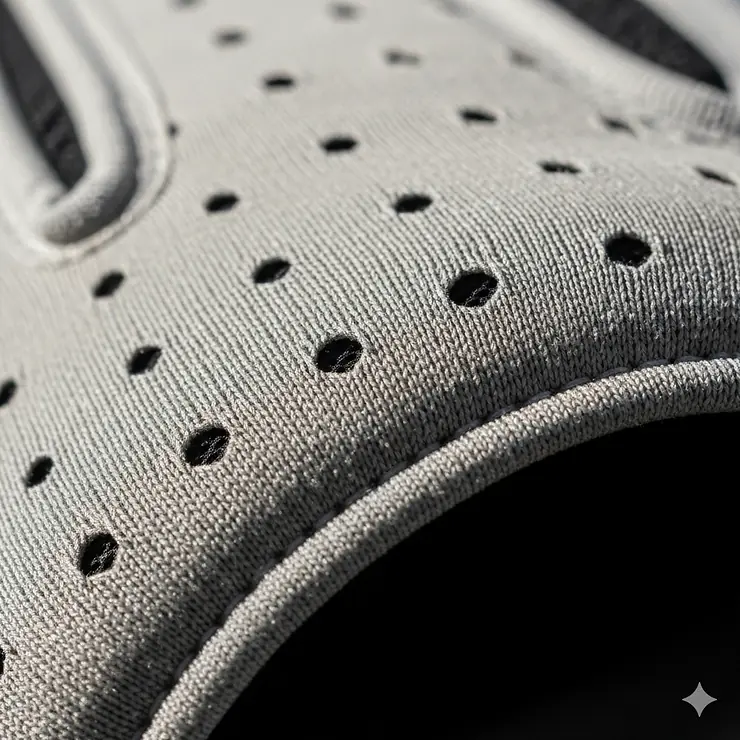
Frequently Asked Questions 🤔
❓ How effective are driving gloves for sun protection compared to sunscreen?
❓ Can I use sun protection gloves for driving with touchscreen devices?
❓ What's the difference between driving gloves and regular sun protection gloves?
❓ How long do UV protection driving gloves typically last with daily use?
❓ Are expensive sun protective driving gloves worth the higher cost?
Recommended for You
- 7 Best Sun Protection Gloves That Block 98% UV Rays in 2025
- 7 Best Pink Aviator Sunglasses For Ultimate Style & UV Protection in 2025
- 10 Best Hot Pink Sunglasses for Bold Fashion Statement in 2025
### Final Protection Call-to-Action: Start Your UV Defense Today! 🌟
Don’t let another day of UV exposure damage your hands! The products featured in this guide offer proven protection with thousands of satisfied customers. Whether you choose the budget-friendly Jecery 2-pack for daily commuting or invest in premium Coolibar medical-grade protection, you’re taking a crucial step toward long-term hand health. Click any product name above to check current Amazon prices, read verified customer reviews, and order your sun protection today. Your future hands will thank you! ☀️🛡️
Disclaimer: This article contains affiliate links. If you purchase products through these links, we may earn a small commission at no additional cost to you.
✨ Found this helpful? Share it with your friends! 💬🤗
