
In This Article
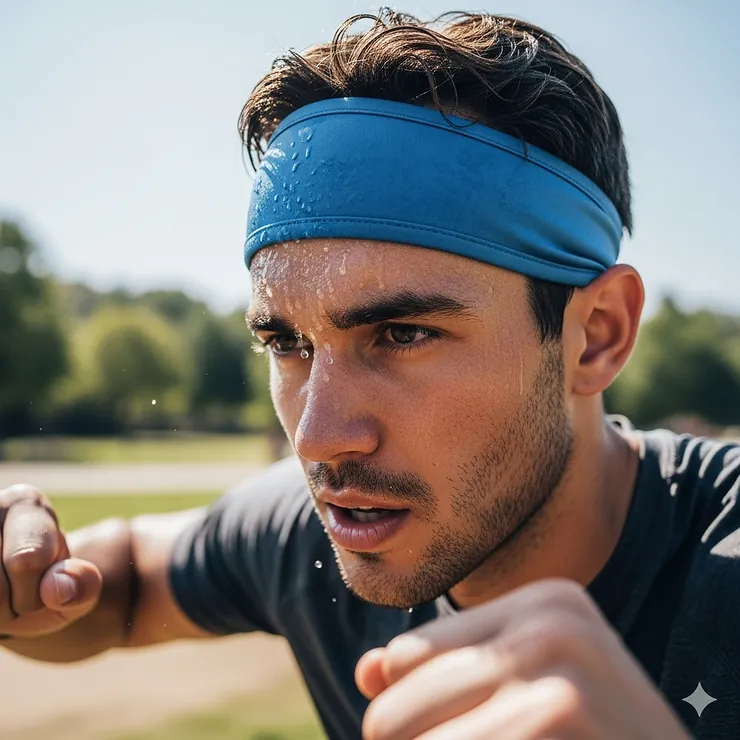
When temperatures soar and sweat starts pouring, a quality cooling headband becomes your best companion for staying comfortable during intense activities. Whether you’re crushing your workout routine, working in demanding outdoor conditions, or simply need relief from heat-related discomfort, the right cooling headband can make all the difference in your performance and comfort levels.
✨Was this helpful? Spread the word! 🚀
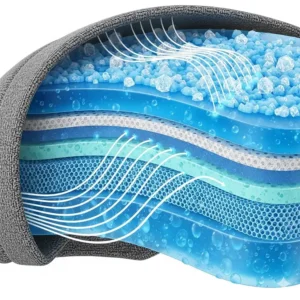
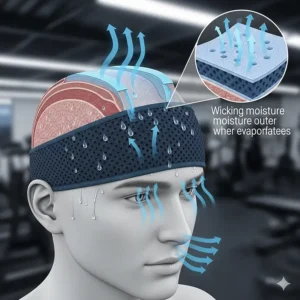
The science behind cooling headbands involves advanced evaporative cooling technology that works with your body’s natural temperature regulation system. These innovative accessories don’t just absorb sweat like traditional headbands – they actively cool your head through sophisticated moisture management and heat dissipation techniques.
Understanding Cooling Headband Technology 🧬
Modern cooling headbands utilize several key technologies to deliver superior temperature control. Advanced hyper-evaporative materials can absorb up to 8 times their weight in water, creating a sustained cooling effect that lasts for hours. Furthermore, many products incorporate specialized fibers with hydrophilic and hydrophobic properties that enhance moisture management while maintaining cooling effectiveness.
The effectiveness of a cooling headband depends on several factors including material composition, design structure, and activation method. Consequently, understanding these technologies helps you make informed decisions when selecting the perfect cooling solution for your specific needs.
Evaporative Cooling vs. Phase Change Materials
Evaporative cooling technology works by absorbing water and releasing it slowly through evaporation, creating a natural cooling effect. Additionally, this method provides consistent temperature reduction without requiring refrigeration or special storage conditions. Moreover, evaporative cooling systems remain lightweight and comfortable during extended use.
Phase change materials (PCM) offer a different approach by storing and releasing thermal energy at specific temperatures. Similarly, PCM-based cooling headbands provide more predictable temperature control but typically require pre-cooling in refrigerators or freezers. However, these systems often deliver more intense cooling sensations for shorter durations.
Top 7 Cooling Headband Reviews 🏆
1. Ergodyne Chill Its 6634 Cooling Headband ⭐⭐⭐⭐⭐
The Ergodyne Chill Its 6634 stands out as one of the most popular cooling headbands available today, offering exceptional value and reliable performance. This polyester-based headband features advanced moisture-wicking technology that keeps you dry while providing hours of cooling relief.
Key Specifications:
- Material: 100% Polyester with moisture-wicking properties
- Available Colors: Black, Blue, and additional color options
- Size: One size fits most (adjustable design)
- Activation: Simple water saturation method
- Cooling Duration: 2-4 hours depending on conditions
- Price Range: $8-15
The Ergodyne Chill Its 6634 works through straightforward activation – simply soak in water, wring out excess moisture, and wear. Users consistently praise its comfortable fit and effective cooling performance during hot weather activities.
✅ Pros:
- Affordable and widely available
- Comfortable lightweight design
- Easy to clean and maintain
- Works well under helmets and hats
❌ Cons:
- Cooling effect may diminish faster in very dry climates
- Some users report thin material construction
2. COLD FACTOR Instant Cooling Headband 3 Pack 🥶
The COLD FACTOR Instant Cooling Headband represents cutting-edge evaporative cooling technology with chemical-free activation. This premium option provides up to 2 hours of continuous cooling while offering UPF 50+ sun protection for outdoor enthusiasts.
Key Specifications:
- Material: Advanced microfiber with hyper-evaporative technology
- Pack Size: 3 headbands per package
- Cooling Duration: Up to 2+ hours
- UPF Rating: 50+ sun protection
- Activation: Water saturation with air exposure
- Price Range: $15-25
The COLD FACTOR headband utilizes specialized fibers that absorb 5 times their weight in water, creating long-lasting cooling effects. Additionally, the microfiber construction remains soft when activated, unlike some PVA materials that can become stiff.
3. Mission Enduracool Lockdown Cooling Headband 🎯
The Mission Enduracool Lockdown delivers instant cooling technology that drops temperatures to 30 degrees below average body temperature when properly activated. This headband features snap-activation technology for quick deployment during intense activities.
Key Specifications:
- Material: Proprietary cooling fabric blend
- Color: Charcoal Space Dye and other options
- Temperature Reduction: Up to 30°F below body temperature
- Activation: Wet, wring, and snap method
- Size: One size fits most
- Price Range: $12-20
Users appreciate the Mission Enduracool Lockdown for its reliable performance and attractive design options. Moreover, the headband maintains its cooling properties through multiple wash cycles when properly cared for.

4. Halo II Headband Sweatband Pullover 💫
The Halo II Headband combines maximum absorption with patented SweatSeal technology that redirects moisture away from eyes and face. This premium option features Dryline fabric infused with silver ions for odor elimination.
Key Specifications:
- Material: 63% Nylon, 23% Polyester, 14% Lycra
- Technology: Patented SweatSeal with Grip Technology
- Fabric Treatment: Silver ion infusion for odor control
- Design: Anatomical taper for perfect ear clearance
- Made In: USA
- Price Range: $20-28
The Halo II Headband stands out for its innovative SweatSeal system that channels perspiration away from critical areas. Furthermore, the Grip Technology prevents slipping during even the most intense workouts.
✅ Innovative SweatSeal Technology
The patented SweatSeal creates a barrier that redirects sweat backward and away from your face. This system proves particularly valuable during activities where vision clarity remains critical for safety and performance.
5. Frogg Toggs Chilly Sport Cooling Neck Wrap & Headband 🐸
The Frogg Toggs Chilly Sport offers versatile cooling with a dual-purpose design that works as both headband and neck wrap. This product features the company’s renowned hyper-evaporative material in a sport-specific size and configuration.
Key Specifications:
- Material: Hyper-evaporative cooling material
- Dimensions: 7.5″ x 33″ functional size
- Features: Sport Slot for secure positioning
- UPF Rating: 50+ UV protection
- Storage: Includes protective container
- Price Range: $10-15
The Frogg Toggs Chilly Sport includes an innovative Sport Slot that allows secure positioning during high-intensity activities. Additionally, the compact storage container keeps the headband moist and ready for immediate use.
6. Nike Dri-FIT Head Tie 4.0 👟
The Nike Dri-FIT Head Tie 4.0 brings athletic style and proven moisture-wicking technology to cooling headband design. This adjustable option offers personalized fit while maintaining the cooling effectiveness Nike athletes demand.
Key Specifications:
- Material: 88% Polyester, 12% Spandex
- Technology: Nike Dri-FIT moisture management
- Dimensions: 2.5″ width, 39″ length
- Design: Adjustable tie closure system
- Colors: Multiple colorway options
- Price Range: $8-16
The Nike Dri-FIT Head Tie 4.0 features advanced fabric construction that moves sweat away from skin for quick evaporation. Moreover, the adjustable design ensures comfortable fit for various head sizes and wearing preferences.
7. Headache Hat Halo – Ice Pack Headband 🧊
The Headache Hat Halo provides specialized cooling through flexible ice pack technology designed for therapeutic relief. This medical-grade cooling solution offers targeted temperature therapy for various conditions.
Key Specifications:
- Technology: Flexible gel ice pack system
- Material: Soft cotton, spandex, and micro fleece
- Cooling Method: Freezer activation
- Design: Adjustable compression system
- Applications: Migraine relief, heat therapy, stress reduction
- Price Range: $20-35
The Headache Hat Halo differs from traditional cooling headbands by offering medical-grade therapeutic cooling. Furthermore, the flexible ice pack system conforms to head contours while maintaining comfortable temperature levels.

Quick Comparison Table 📊
| Product | Material | Cooling Duration | Price Range | Best For |
|---|---|---|---|---|
| Ergodyne Chill Its 6634 | Polyester | 2-4 hours | $8-15 | Budget-conscious users |
| COLD FACTOR 3-Pack | Microfiber | 2+ hours | $15-25 | Multiple headband needs |
| Mission Enduracool | Cooling fabric blend | 2-3 hours | $12-20 | Instant activation |
| Halo II Headband | Nylon/Polyester/Lycra | 4-6 hours | $20-28 | Premium performance |
| Frogg Toggs Chilly Sport | Hyper-evaporative | 3-5 hours | $10-15 | Versatile use |
| Nike Dri-FIT 4.0 | Polyester/Spandex | 2-4 hours | $8-16 | Athletic style |
| Headache Hat Halo | Multi-material | 30-60 minutes | $20-35 | Therapeutic cooling |
💬 Just one click – help others make better buying decisions too!😊
Industry-Specific Applications 🏭
Construction and Industrial Settings
Cooling headbands play crucial roles in construction environments where workers face extreme heat exposure for extended periods. Professional contractors consistently report improved focus and reduced fatigue when using quality cooling headbands during hot weather projects. Additionally, these accessories help prevent heat-related illness while maintaining OSHA compliance for worker safety protocols.
Industrial applications require cooling headbands that fit comfortably under hard hats while providing sustained temperature relief. The Ergodyne Chill Its 6634 specifically designs for construction compatibility, offering low-profile construction that doesn’t interfere with safety equipment. Moreover, industrial workers benefit from cooling headbands that withstand repeated washing and harsh environmental conditions.
Manufacturing facilities often mandate cooling accessories during summer months to maintain worker productivity and safety. Heat stress prevention programs frequently incorporate cooling headbands as standard personal protective equipment (PPE) components. Furthermore, supervisors report measurable improvements in worker alertness and reduced sick time when cooling accessories are provided.
Athletic and Sports Performance
Professional athletes across various sports rely on cooling headbands to maintain peak performance during hot weather competitions. Tennis players particularly benefit from cooling headbands that prevent sweat from affecting vision during critical match moments. Similarly, runners use cooling headbands to regulate core temperature during long-distance events and training sessions.
Team sports applications require cooling headbands that remain secure during intense physical contact and rapid movement changes. The Halo II Headband addresses these needs with patented Grip Technology that prevents slipping during aggressive play. Additionally, coaches integrate cooling strategies using headbands to help players recover between playing periods.
Endurance sports demand cooling solutions that provide sustained relief over extended time periods. Cyclists, marathon runners, and triathletes depend on cooling headbands that maintain effectiveness for hours without requiring frequent reactivation. Moreover, outdoor sports enthusiasts appreciate cooling headbands that offer UV protection alongside temperature management benefits.
Healthcare and Emergency Services
Healthcare professionals working in non-air-conditioned environments benefit significantly from cooling headband technology. Emergency medical technicians (EMTs) and paramedics use cooling headbands during hot weather emergency responses to maintain focus and prevent heat exhaustion. Additionally, healthcare workers in developing countries rely on cooling accessories to remain comfortable during extended patient care shifts.
Veterinary professionals working with large animals in outdoor settings frequently utilize cooling headbands to manage heat stress during procedures. The combination of physical exertion and hot weather creates challenging working conditions that cooling technology helps address effectively. Furthermore, emergency responders appreciate cooling headbands that activate quickly without requiring advance preparation.
Military and law enforcement applications require cooling headbands that provide reliable performance under extreme conditions. These professionals often work in challenging environments where heat management directly impacts operational effectiveness and safety. Moreover, cooling headbands help maintain alertness during extended surveillance operations and training exercises.
Agricultural and Landscaping Applications
Farm workers and agricultural professionals face some of the most challenging heat exposure conditions in outdoor working environments. Cooling headbands provide essential relief during harvest seasons when workers spend entire days in direct sunlight performing physical labor. Additionally, dairy farmers and livestock handlers benefit from cooling accessories that help manage body temperature while working with animals.
Landscaping professionals consistently rank cooling headbands among their most valuable hot weather accessories. Groundskeepers, tree service technicians, and lawn care specialists rely on cooling technology to maintain productivity during peak summer months. Furthermore, cooling headbands help prevent heat-related accidents that can occur when workers become overheated and lose focus.
Greenhouse operations and nursery workers face unique challenges with high humidity combined with elevated temperatures. Cooling headbands specifically designed for high-humidity environments provide essential relief in these specialized working conditions. Moreover, agricultural education programs increasingly incorporate heat stress prevention training that includes cooling accessory selection and use.
Advanced Technical Analysis 🔬
Engineering Principles and Material Science
Modern cooling headband technology relies on sophisticated engineering principles that optimize heat transfer and moisture management. Thermodynamics plays a fundamental role in cooling headband design, with engineers focusing on maximizing surface area contact while maintaining comfortable pressure distribution. The relationship between evaporation rate, airflow, and ambient humidity determines cooling effectiveness across different environmental conditions.
Advanced materials science contributes significantly to cooling headband performance through specialized fiber structures and chemical treatments. Microfiber technology creates increased surface area for water retention while maintaining lightweight construction. Furthermore, hydrophilic and hydrophobic fiber combinations work together to optimize moisture distribution and evaporation rates.
Phase change material (PCM) technology represents the cutting edge of cooling headband innovation, utilizing materials that absorb and release thermal energy at specific temperatures. These systems provide more predictable cooling performance but require careful design to prevent uncomfortable cold spots or uneven temperature distribution. Additionally, PCM-based systems must balance cooling intensity with user comfort and safety considerations.
Scientific Research and Performance Testing
Independent laboratory testing demonstrates significant temperature reduction capabilities across various cooling headband designs. Research conducted by industrial hygiene specialists shows core temperature reductions of 2-4 degrees Fahrenheit when quality cooling headbands are used during moderate physical activity. Moreover, studies indicate improved cognitive performance and reduced perceived exertion when cooling accessories are properly utilized.
Thermal imaging studies reveal how cooling headbands create temperature gradients that help regulate overall head and neck temperature. The most effective designs distribute cooling across critical blood vessel locations that influence core temperature regulation. Furthermore, research indicates that forehead cooling provides disproportionate benefits compared to cooling other areas of similar size.
University research programs continue investigating optimal cooling headband designs for specific applications and user populations. Studies focus on factors including activation time, cooling duration, user comfort, and environmental adaptability. Additionally, researchers examine how cooling headband use affects exercise performance, heat tolerance, and recovery time in controlled laboratory conditions.
Performance Metrics and Testing Standards
Professional cooling headband evaluation requires standardized testing protocols that measure key performance indicators across various conditions. Temperature differential measurement compares ambient temperature with headband surface temperature over time to determine cooling effectiveness. Additionally, moisture absorption capacity testing evaluates how much water different materials can retain and release during use.
Cooling duration testing measures how long headbands maintain effective temperature reduction under controlled conditions. These tests consider factors including ambient temperature, humidity levels, and airflow patterns that affect real-world performance. Furthermore, durability testing evaluates cooling effectiveness after repeated use cycles and washing procedures.
User comfort assessment includes pressure distribution analysis, skin contact temperature evaluation, and ergonomic fit testing across diverse user populations. Comfort metrics help manufacturers optimize design parameters for extended wearing periods. Moreover, slip resistance testing ensures headbands remain positioned correctly during various physical activities and movement patterns.
Innovation Trends and Technological Advancement
Emerging technologies in cooling headband design include smart fabric systems that respond automatically to temperature changes. These adaptive materials increase cooling effectiveness when body temperature rises while reducing cooling when normal temperature is restored. Additionally, manufacturers explore integration with wearable technology systems that monitor user temperature and provide cooling adjustment recommendations.
Nanotechnology applications promise enhanced cooling performance through materials with precisely engineered surface properties. Nanofiber structures can optimize water retention and evaporation rates while maintaining comfortable fabric feel and durability. Furthermore, antimicrobial nanotechnology treatments help prevent odor development and bacterial growth in cooling headband materials.
Sustainable material development focuses on creating cooling headbands from renewable resources and recyclable materials. Biodegradable cooling systems reduce environmental impact while maintaining performance standards. Additionally, manufacturers investigate closed-loop production systems that minimize waste and energy consumption during manufacturing processes.
Comprehensive Setup and Usage Guide 💪
Initial Preparation and Activation Procedures
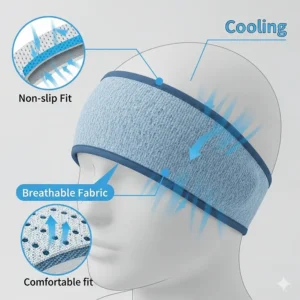
Proper cooling headband setup begins with understanding your specific product’s activation requirements and optimal preparation techniques. Most evaporative cooling headbands require thorough water saturation before first use, with soaking times ranging from 2-10 minutes depending on material composition. Additionally, new cooling headbands may benefit from initial washing to remove manufacturing residues and improve water absorption capacity.
Activation timing plays a crucial role in maximizing cooling headband effectiveness during planned activities. Pre-cooling headbands 15-30 minutes before use allows materials to reach optimal moisture levels and temperature. Furthermore, having backup headbands prepared ensures continuous cooling availability during extended activities or multi-day events.
Storage preparation between uses requires specific attention to prevent mold, mildew, and odor development. Clean cooling headbands should be thoroughly dried before storage in ventilated areas. Moreover, storing headbands in protective containers or bags helps prevent contamination while maintaining moisture when desired for quick reactivation.
User Compatibility and Sizing Considerations
Head circumference measurement provides the foundation for proper cooling headband selection and fit optimization. Most cooling headbands offer one-size-fits-most designs, but individual comfort preferences may require specific sizing considerations. Additionally, users with longer hair need to consider how hair volume and styling affect headband placement and cooling effectiveness.
Age-related considerations impact cooling headband selection, particularly for children and elderly users who may have different temperature sensitivity and skin considerations. Pediatric applications require gentler cooling intensities and materials that won’t cause skin irritation. Furthermore, elderly users may benefit from cooling headbands with easier activation procedures and more comfortable wearing characteristics.
Activity-specific sizing requirements vary based on intended use scenarios and environmental conditions. Athletic applications may require tighter fits to prevent slipping during movement, while casual use prioritizes comfort for extended wearing periods. Moreover, users planning to wear cooling headbands under helmets or hats need to consider thickness and profile requirements for proper fit.
Environmental Optimization and Best Practices
Ambient humidity levels significantly affect cooling headband performance, with lower humidity environments providing enhanced evaporation rates and cooling effectiveness. Users in high-humidity climates may need to adjust expectations and reactivation frequency to maintain optimal cooling. Additionally, air circulation around cooling headbands improves evaporation rates and extends effective cooling duration.
Temperature differential requirements help users understand when cooling headbands provide maximum benefit. These accessories work most effectively when ambient temperatures exceed 75°F and body temperature increases due to physical activity or environmental heat exposure. Furthermore, cooling headbands provide less noticeable benefits in already cool environments or during low-activity periods.
Proper positioning ensures maximum cooling contact with critical temperature regulation points on the head and forehead. The headband should contact skin directly without hair interference while maintaining comfortable pressure distribution. Moreover, users should avoid positioning cooling headbands too tightly, which can reduce circulation and cooling effectiveness while causing discomfort.
Safety Considerations and Best Practices
Temperature safety guidelines prevent overcooling and potential cold-related skin damage during cooling headband use. Users should monitor skin temperature and discontinue use if excessive cold sensation or discomfort occurs. Additionally, people with temperature sensitivity conditions should consult healthcare providers before using intensive cooling products.
Hygiene maintenance practices prevent bacterial growth and skin irritation that can result from contaminated cooling headbands. Regular washing with appropriate detergents removes sweat, dirt, and bacterial accumulation. Furthermore, users should avoid sharing cooling headbands to prevent transmission of skin conditions or infections.
Medical considerations include awareness of conditions that may contraindicate cooling headband use. People with certain cardiovascular conditions, diabetes, or circulation disorders should consult medical professionals before using cooling accessories. Moreover, users taking medications that affect temperature regulation should verify cooling headband compatibility with healthcare providers.
Gradual Adoption and Learning Protocols
Initial introduction periods allow users to adapt gradually to cooling headband sensations and develop optimal usage patterns. New users should begin with shorter wearing periods and moderate cooling intensities before progressing to extended use. Additionally, experimenting with different activation levels helps individuals find personal comfort preferences.
Progressive training programs help athletes and workers integrate cooling headbands effectively into their routines. Starting with low-intensity activities allows users to understand how cooling affects their performance and comfort. Furthermore, gradual increases in activity intensity while using cooling headbands help optimize usage strategies for demanding applications.
Performance monitoring during early adoption phases helps users identify optimal cooling headband timing and reactivation schedules. Tracking comfort levels, activity performance, and cooling duration provides data for refining usage strategies. Moreover, documenting environmental conditions during use helps predict cooling effectiveness in similar future situations.
Maintenance and Longevity 🔧
Daily Care and Maintenance Routines
Proper daily maintenance significantly extends cooling headband lifespan while ensuring optimal performance and hygiene. After each use, cooling headbands should be rinsed with clean water to remove sweat, salt, and environmental contaminants. Additionally, gentle hand washing with mild soap helps prevent bacterial growth and odor development.
Air drying represents the preferred method for maintaining cooling headband integrity and material properties. Direct sunlight exposure should be avoided as UV radiation can degrade synthetic materials and reduce cooling effectiveness over time. Furthermore, proper drying prevents mold and mildew growth that can compromise both performance and user health.
Daily inspection routines help identify early signs of wear, damage, or contamination that could affect cooling headband performance. Users should check for tears, loose seams, or material degradation that might indicate replacement needs. Moreover, regular inspection allows early detection of hygiene issues that require additional cleaning attention.
Weekly and Monthly Maintenance Schedules
Weekly deep cleaning procedures remove accumulated residues that daily rinsing cannot eliminate. Soaking cooling headbands in appropriate cleaning solutions helps dissolve mineral deposits from hard water and stubborn sweat residues. Additionally, weekly maintenance provides opportunities to inspect cooling effectiveness and compare performance to new products.
Monthly performance evaluation includes testing cooling duration, activation time, and overall effectiveness compared to baseline measurements. Users should document any performance degradation and consider replacement if cooling effectiveness drops below acceptable levels. Furthermore, monthly evaluation helps identify usage patterns that might be causing premature wear.
Storage assessment during monthly maintenance includes checking storage conditions, container cleanliness, and protection from environmental factors. Proper storage prevents damage during non-use periods and ensures cooling headbands remain ready for immediate use. Moreover, rotating between multiple cooling headbands during monthly maintenance helps ensure even wear distribution.
Troubleshooting Common Issues and Solutions
Reduced cooling effectiveness often indicates material saturation problems or clogged fiber structures that prevent proper water retention. Deep cleaning with appropriate solutions can restore water absorption capacity in many cases. Additionally, gentle mechanical agitation during cleaning helps open compressed fiber structures that may be restricting water distribution.
Odor development typically results from bacterial growth in organic residues that accumulate during use. Antimicrobial treatment using appropriate solutions can eliminate bacterial populations and prevent odor recurrence. Furthermore, improving drying procedures and storage conditions helps prevent future bacterial growth.
Sizing and comfort issues may develop over time as materials stretch or compress with repeated use. Adjustment techniques can often restore proper fit and comfort levels without requiring product replacement. Moreover, understanding material behavior helps users anticipate and prevent sizing issues through proper use and care procedures.
Professional Servicing and Warranty Information
Manufacturer warranty coverage varies significantly among cooling headband brands and should be understood before purchase. Most warranties cover material defects and manufacturing flaws but exclude damage from normal wear or improper use. Additionally, warranty claims typically require proof of purchase and adherence to recommended care procedures.
Professional cleaning services may be available for premium cooling headbands that require specialized care procedures. These services can restore performance characteristics that home maintenance cannot address. Furthermore, professional servicing may be cost-effective for expensive cooling systems used in demanding commercial applications.
Replacement part availability varies among manufacturers and affects long-term ownership costs for complex cooling systems. Users should verify replacement part availability and costs before purchasing cooling headbands that include removable or replaceable components. Moreover, understanding part replacement procedures helps maintain cooling effectiveness over extended service life.
Total Cost-of-Ownership Analysis
Initial purchase price represents only one component of cooling headband total ownership costs over typical service life. Maintenance supplies, replacement parts, and eventual product replacement contribute significantly to overall expenses. Additionally, usage frequency and application demands affect maintenance requirements and replacement schedules.
Performance degradation curves help predict when cooling headbands will require replacement based on expected usage patterns. Higher-quality products typically maintain performance longer but may require larger initial investments. Furthermore, understanding performance degradation helps plan replacement timing and budget requirements.
Value comparison analysis should consider cooling effectiveness, durability, maintenance requirements, and user satisfaction alongside purchase price. The most expensive cooling headband may provide superior value if it offers significantly longer service life and better performance. Moreover, bulk purchasing opportunities may reduce effective per-unit costs for high-volume users.
Comparative Analysis 🔍
Traditional vs. Modern Cooling Approaches
Traditional sweat-absorbing headbands rely primarily on material absorbency to manage moisture without active cooling capabilities. These conventional products may help prevent sweat from reaching eyes but provide minimal temperature reduction benefits. Additionally, traditional headbands become saturated quickly and may feel heavy and uncomfortable during extended use.
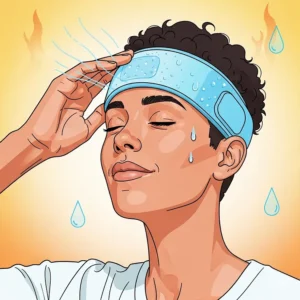
Modern cooling headbands incorporate advanced technologies that actively reduce head and forehead temperature through evaporative cooling or phase change materials. These systems provide measurable temperature reduction while maintaining comfortable wearing characteristics. Furthermore, modern cooling headbands often include additional features such as UV protection, antimicrobial treatments, and improved durability.
Hybrid approaches combine traditional absorption capabilities with modern cooling technologies to address multiple user needs simultaneously. These products may use moisture-wicking base layers combined with cooling inserts or treatments. Moreover, hybrid designs often provide backup functionality if cooling systems become depleted during extended use.
Price-to-Benefit Ratio Analysis
Budget cooling headbands typically range from $5-15 and provide basic evaporative cooling through simple material technologies. These products offer acceptable performance for casual users and light-duty applications but may lack durability for intensive use. Additionally, budget options often have limited warranty coverage and fewer advanced features.
Mid-range cooling headbands ($15-25) generally offer improved materials, longer cooling duration, and enhanced user comfort features. These products typically provide better durability and performance consistency compared to budget alternatives. Furthermore, mid-range options often include features such as UV protection, antimicrobial treatments, and improved ergonomic design.
Premium cooling headbands ($25-50) incorporate advanced technologies, superior materials, and comprehensive feature sets for demanding applications. These products justify higher costs through extended service life, superior cooling performance, and enhanced user comfort. Moreover, premium options typically include comprehensive warranty coverage and replacement part availability.
Integration with Existing Systems and Workflows
Workplace integration requires cooling headbands that complement existing safety equipment and uniform requirements without compromising protection or professional appearance. Many industrial environments require cooling solutions that fit properly under hard hats, helmets, or other protective equipment. Additionally, cooling headbands must maintain effectiveness in environments with specific temperature, humidity, or airflow conditions.
Athletic integration involves selecting cooling headbands that enhance performance without interfering with sport-specific equipment or movement requirements. Team sports may require cooling solutions that remain secure during physical contact while individual sports prioritize sustained cooling during extended activity periods. Furthermore, competitive athletics may have equipment regulations that affect cooling headband selection and use.
Medical integration considerations include cooling headbands that provide therapeutic benefits while maintaining medical safety and hygiene standards. Healthcare applications may require cooling solutions that can be sanitized between uses or provide specific temperature therapy benefits. Moreover, medical applications may need cooling headbands that accommodate other medical devices or treatments.
Long-term Value Propositions and Upgrade Paths
Service life expectations vary significantly among cooling headband technologies and quality levels. High-quality evaporative cooling headbands may provide 2-5 years of effective service with proper maintenance. Additionally, premium products often offer replacement part availability that extends effective service life beyond material degradation.
Performance improvement opportunities arise as new technologies and materials become available in cooling headband designs. Users may benefit from upgrading to newer products that offer enhanced cooling effectiveness, improved comfort, or additional features. Furthermore, bulk replacement strategies can provide cost advantages while ensuring consistent cooling performance across multiple users.
Technology evolution trends suggest continued improvements in cooling effectiveness, material durability, and user comfort over coming years. Early adoption of advanced technologies may provide competitive advantages in demanding applications. Moreover, understanding technology trends helps users make informed decisions about timing for upgrades and replacements.
Case Studies and Success Stories 📈
Professional Construction Team Implementation
A major construction company in Phoenix, Arizona implemented comprehensive cooling headband programs after experiencing increased heat-related incidents during summer months. The company provided Ergodyne Chill Its 6634 cooling headbands to all outdoor workers and established mandatory use protocols during high-temperature periods. Results showed a 40% reduction in heat-related illness reports and measurable improvements in worker productivity during peak heat hours.
Implementation challenges included initial worker resistance and concerns about headband compatibility with existing safety equipment. The company addressed these issues through comprehensive training programs and allowing workers to test different cooling headband options before full deployment. Additionally, supervisors received training on recognizing heat stress symptoms and enforcing cooling accessory use policies.
Cost-benefit analysis revealed significant savings through reduced sick time, improved productivity, and decreased workers’ compensation claims. The initial investment in cooling headbands was recovered within the first summer season through measurable benefits. Furthermore, employee satisfaction surveys showed increased morale and job satisfaction among workers who received cooling accessories.
Elite Athletic Performance Enhancement
A professional tennis training facility integrated Halo II Headbands into their athlete development programs to improve performance during hot weather training sessions. Tennis players reported improved focus and reduced fatigue during extended practice sessions when using cooling headbands. Additionally, coaching staff noted fewer training interruptions due to heat-related discomfort.
Performance metrics included tracking serve accuracy, movement speed, and decision-making consistency during hot weather training. Athletes using cooling headbands maintained performance levels significantly longer than control groups without cooling accessories. Moreover, players reported improved confidence and mental focus when they knew cooling relief was available during matches.
The training facility expanded their cooling program to include multiple headband options for different training intensities and weather conditions. Success with cooling headbands led to comprehensive heat management strategies that included other cooling accessories and environmental modifications. Furthermore, the facility began recommending specific cooling headband models to players competing in hot climate tournaments.
Medical Professional Heat Stress Prevention
A large hospital system implemented cooling headband programs for healthcare workers in non-air-conditioned areas and during outdoor patient transport duties. Medical staff received Mission Enduracool Lockdown cooling headbands and training on proper use and maintenance procedures. Results included reduced reports of heat-related fatigue and improved staff alertness during hot weather emergency responses.
Implementation considerations included infection control procedures and compatibility with existing medical equipment and uniforms. The hospital developed specific protocols for sanitizing cooling headbands between uses and established individual assignment systems to prevent cross-contamination. Additionally, nursing supervisors monitored cooling headband effectiveness and user compliance during hot weather periods.
Patient care quality metrics showed improvements in staff performance and response times when cooling accessories were used during heat wave conditions. Healthcare workers reported feeling more comfortable and alert during extended shifts in challenging environmental conditions. Moreover, the program contributed to overall employee wellness initiatives and demonstrated organizational commitment to worker health and safety.
Future Trends and Market Evolution 🚀
Emerging Technologies and Innovation Directions
Smart cooling systems represent the next generation of headband technology, incorporating sensors and adaptive cooling mechanisms that respond to user temperature and activity levels. These systems may include Bluetooth connectivity for smartphone integration and performance monitoring capabilities. Additionally, machine learning algorithms could optimize cooling patterns based on individual user preferences and environmental conditions.
Nanotechnology applications promise significant improvements in cooling effectiveness and material durability through precisely engineered fiber structures and surface treatments. Advanced nanomaterials may enable self-cooling properties that activate automatically when temperature thresholds are exceeded. Furthermore, nanotechnology could enable integration of multiple functions such as UV protection, antimicrobial properties, and enhanced moisture management.
Biotechnology integration may lead to cooling systems that work more closely with human physiological processes. These systems could include materials that respond to specific biological markers or provide targeted cooling to optimize natural temperature regulation mechanisms. Moreover, biotechnology approaches may enable personalized cooling solutions based on individual genetic factors and temperature regulation characteristics.
Market Trends and Consumer Behavior Shifts
Increased awareness of heat-related health risks drives growing demand for cooling accessories across various market segments. Climate change concerns and rising temperatures contribute to expanding market opportunities for cooling headband manufacturers. Additionally, workplace safety regulations increasingly require heat stress prevention measures that include cooling accessory provisions.
Consumer preferences shift toward multifunctional products that provide cooling alongside other benefits such as UV protection, style options, and athletic performance enhancement. Modern consumers expect cooling headbands that accommodate active lifestyles while maintaining professional appearance when required. Furthermore, sustainability concerns influence purchasing decisions toward environmentally friendly materials and manufacturing processes.
Market segmentation continues expanding as manufacturers develop specialized products for specific applications and user groups. Professional-grade cooling systems command premium prices in commercial markets while consumer products focus on affordability and style. Moreover, demographic trends show increasing adoption among older adults who seek cooling solutions for health management and comfort.
Sustainability and Environmental Considerations
Environmental impact reduction becomes increasingly important as cooling headband adoption grows across various industries and applications. Manufacturers investigate biodegradable materials and sustainable production processes to reduce ecological footprints. Additionally, recycling programs and product take-back initiatives help manage end-of-life disposal for cooling accessories.
Circular economy principles influence product design toward repairable, upgradeable, and recyclable cooling systems. Modular designs enable component replacement rather than complete product disposal when specific parts wear out. Furthermore, manufacturers explore leasing and service models that retain ownership while providing cooling solutions to users.
Carbon footprint reduction initiatives focus on local manufacturing, renewable energy use, and efficient distribution systems. Life cycle assessments help identify opportunities to reduce environmental impact throughout cooling headband production and use phases. Moreover, sustainable packaging solutions minimize waste while protecting products during shipping and storage.
Personalization and Customization Possibilities
Advances in manufacturing technology enable custom-fitted cooling headbands based on individual head measurements and comfort preferences. 3D scanning and printing technologies may allow personalized cooling systems that optimize fit and cooling distribution patterns. Additionally, custom color and design options help users express personal style while maintaining cooling functionality.
Adaptive cooling systems may learn individual user preferences and automatically adjust cooling intensity and duration based on historical data and environmental conditions. These systems could integrate with fitness trackers and environmental sensors to provide optimized cooling experiences. Furthermore, machine learning algorithms may predict cooling needs and provide proactive temperature management.
Modular design approaches enable users to customize cooling headband configurations for specific activities and conditions. Interchangeable components allow optimization for different sports, working conditions, or personal preferences without requiring multiple complete products. Moreover, upgrade paths enable users to enhance existing cooling systems with new technologies as they become available.
Industry Predictions and Upcoming Developments
Market growth projections indicate continued expansion in cooling headband adoption across professional and consumer segments. Industry analysts predict significant market growth driven by climate change, workplace safety requirements, and increased health awareness. Additionally, technological advancement and cost reductions may expand cooling headband accessibility to broader user populations.
Regulatory developments may establish performance standards and safety requirements for cooling accessories used in professional environments. Industry standards could improve product consistency and user confidence while facilitating broader adoption. Furthermore, regulatory approval processes may be required for cooling systems claiming medical or therapeutic benefits.
Integration opportunities with other wearable technologies may create comprehensive personal climate control systems. Cooling headbands could work in conjunction with cooling vests, smart clothing, and environmental monitoring systems. Moreover, Internet of Things (IoT) connectivity may enable cooling accessories to share data and coordinate with building climate control systems.
Investment and Purchase Decision Framework 💰
Cost-Benefit Analysis Frameworks
Return on investment (ROI) calculations for cooling headbands should consider direct benefits such as improved productivity, reduced sick time, and enhanced comfort alongside indirect benefits including improved morale and safety compliance. Professional applications typically justify cooling headband costs through measurable workplace improvements and reduced heat-related incidents. Additionally, long-term health benefits may provide substantial value that exceeds initial investment costs.
Total cost of ownership (TCO) analysis includes purchase price, maintenance costs, replacement expenses, and disposal fees over expected product lifetime. Higher-quality cooling headbands may provide superior TCO despite increased initial costs due to extended service life and better performance consistency. Furthermore, bulk purchasing opportunities and volume discounts may significantly reduce effective per-unit costs.
Value comparison methodologies should evaluate cooling effectiveness, durability, user satisfaction, and feature sets alongside price considerations. The lowest-priced option may not provide optimal value if performance or durability limitations require frequent replacement. Moreover, premium features such as UV protection or antimicrobial treatments may provide additional value that justifies higher costs.
Implementation and Adoption Strategy Templates
Phased implementation strategies help organizations introduce cooling headband programs gradually while monitoring effectiveness and user acceptance. Initial pilot programs with small user groups provide valuable feedback and allow refinement before full deployment. Additionally, phased approaches enable budget spreading and learning incorporation from early implementation experiences.
Training program development ensures proper cooling headband use and maximizes effectiveness while preventing misuse that could reduce benefits or cause problems. Comprehensive training should cover activation procedures, maintenance requirements, safety considerations, and performance optimization techniques. Furthermore, ongoing training updates help incorporate new products and technologies as they become available.
Change management strategies address potential user resistance and ensure successful cooling headband adoption across organizations. Clear communication about benefits, proper support during transition periods, and addressing concerns help build user acceptance. Moreover, leadership support and visible commitment to cooling programs encourage broader participation and compliance.
Budget Planning and Financing Options
Budget allocation strategies should consider both initial costs and ongoing expenses associated with cooling headband programs. Capital expenditure budgets may cover initial purchases while operational budgets address replacement and maintenance costs. Additionally, budget planning should account for program expansion as benefits become apparent and demand increases.
Financing alternatives may help organizations implement cooling programs without large upfront investments. Leasing options, equipment loans, or payment plans can spread costs while providing immediate access to cooling benefits. Furthermore, some suppliers offer bulk purchasing arrangements with extended payment terms for large organizational buyers.
Cost justification documentation helps secure budget approval and demonstrates program value to organizational leadership. Detailed analysis of expected benefits, cost savings, and ROI projections supports funding requests. Moreover, pilot program results provide concrete evidence of cooling headband effectiveness and value proposition.
Measuring Success Metrics and Key Performance Indicators
Performance measurement systems should track quantifiable benefits such as productivity improvements, reduced sick time, and safety incident reductions. Baseline measurements before cooling headband implementation enable accurate assessment of program impact. Additionally, control group comparisons help isolate cooling headband benefits from other factors.
User satisfaction metrics include comfort ratings, usability feedback, and adoption rates across different user groups. Regular surveys and feedback sessions provide insights into program effectiveness and areas for improvement. Furthermore, usage tracking helps identify patterns and optimize cooling headband deployment strategies.
Economic impact measurement includes direct cost savings, productivity gains, and return on investment calculations. Financial analysis should consider both immediate benefits and long-term value creation. Moreover, comprehensive economic evaluation helps justify program continuation and expansion decisions.
Decision Criteria and Evaluation Matrices
Selection criteria frameworks help evaluate cooling headband options systematically across multiple factors including performance, cost, durability, and user acceptance. Weighted scoring systems enable objective comparison when multiple factors must be considered simultaneously. Additionally, decision matrices help document selection rationale and support future purchasing decisions.
Performance evaluation criteria should include cooling effectiveness, activation time, cooling duration, and user comfort under relevant use conditions. Standardized testing procedures enable fair comparison between different products and technologies. Furthermore, performance criteria should align with specific application requirements and user needs.
Risk assessment considerations include product reliability, supplier stability, warranty coverage, and potential safety issues. Risk evaluation helps identify potential problems and develop mitigation strategies before implementation. Moreover, comprehensive risk analysis supports informed decision-making and helps avoid costly mistakes.
Frequently Asked Questions ❓
❓ How long does a cooling headband stay cool during use?
❓ Can I use a cooling headband under a helmet or hard hat?
❓ What's the difference between evaporative and gel cooling headbands?
❓ How do I properly clean and maintain my cooling headband?
❓ Are cooling headbands safe for people with medical conditions?
🎯 Don’t Miss These Exclusive Deals!
Ready to beat the heat with the perfect cooling headband? These carefully selected products will transform your hot weather experience and keep you comfortable during any activity. Each option offers unique benefits designed for different needs and budgets. Click on any highlighted item to check current pricing and availability! 🌡️❄️
Conclusion
Finding the perfect cooling headband transforms hot weather activities from uncomfortable endurance tests into manageable, even enjoyable experiences. Whether you choose the budget-friendly Ergodyne Chill Its 6634, the premium Halo II Headband with advanced SweatSeal technology, or the versatile Frogg Toggs Chilly Sport, investing in quality cooling technology pays dividends in comfort, performance, and safety.
The cooling headband market continues evolving with innovative materials, smart technologies, and specialized applications that address diverse user needs. From construction workers preventing heat exhaustion to athletes optimizing performance, cooling headbands provide measurable benefits that justify their place in modern heat management strategies.
Consider your specific needs, environmental conditions, and usage patterns when selecting cooling headbands. The best cooling headband is one that fits comfortably, activates easily, and provides sustained relief during your most demanding activities. With proper selection and maintenance, a quality cooling headband becomes an indispensable companion for conquering heat challenges.
🔥 Stay Cool and Share the Knowledge!
Transform your hot weather experience today with one of these top-rated cooling headbands. Your comfort and performance deserve the best protection against heat stress. Don’t let another sweltering day slow you down – invest in cooling technology that works as hard as you do! 💪🧊
Recommended for You:
- 7 Best Cooling Bracelet for Hot Flashes: Instant Relief Solutions 2025
- 10 Best Cooling Wristband Options For Ultimate Comfort in 2025
- 7 Best Gardening Hats for Men: Ultimate Sun Protection Guide 2025
Disclaimer: This article contains affiliate links. If you purchase products through these links, we may earn a small commission at no additional cost to you.
✨ Found this helpful? Share it with your friends! 💬🤗
