
In This Article
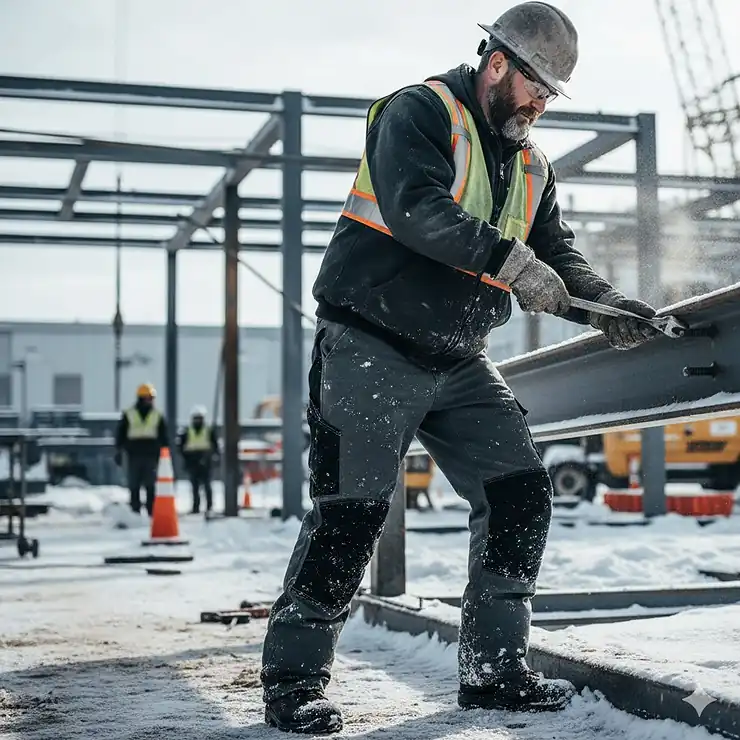
When temperatures plummet and you’re still expected to show up and get the job done, regular work pants just won’t cut it. I’ve spent countless freezing mornings learning this lesson the hard way—standing on construction sites with numb legs, wondering why I thought my regular canvas work pants would suffice in 20-degree weather.
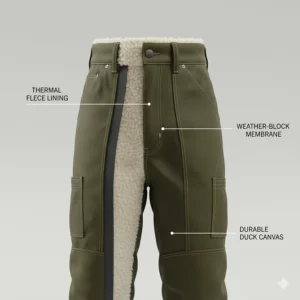
Cold weather work pants are specifically engineered to protect workers from extreme temperatures while maintaining the durability and functionality required for demanding jobs. Unlike regular winter pants, work pants for cold weather must balance thermal insulation with freedom of movement, all while standing up to the rigors of construction sites, outdoor maintenance, warehouses, and other challenging work environments.
The right pair of insulated work pants can mean the difference between productive workdays and potential cold stress injuries. According to the Occupational Safety and Health Administration (OSHA), workers exposed to cold environments are at risk of hypothermia, frostbite, and other serious conditions. Proper protective equipment, including best cold weather work pants with adequate insulation, is essential for worker safety in temperatures below freezing.
Whether you’re working construction in the Midwest winter, maintaining outdoor equipment in Alaska, or simply need reliable protection during early morning shifts, understanding what makes quality cold weather work pants is crucial. Let me walk you through everything you need to know, from insulation types to fabric technologies, so you can make an informed decision that keeps you warm and productive all winter long.
Quick Comparison Table
| Product Name | Insulation | Temperature Rating | Price Range | Best For |
|---|---|---|---|---|
| Carhartt Loose Fit Washed Duck | 3M Thinsulate | -40°F | $80-$120 | Extreme cold |
| RefrigiWear PolarForce | 500g insulation | -40°F | $90-$130 | Professional freezer work |
| Wrangler RIGGS Lined Ranger | Flannel + Thinsulate | 0°F to 20°F | $50-$70 | Budget-conscious workers |
| Dickies Flame-Resistant | Quilted lining | 10°F to 30°F | $60-$85 | Electrical/welding jobs |
| RefrigiWear Softshell | 400g + silver lining | -20°F | $75-$110 | Active outdoor work |
| Arctix Insulated Cargo | 85g ThermaTech | -20°F to 35°F | $35-$55 | Light-duty winter tasks |
| Wrangler Authentics Fleece-Lined | Fleece lining | 20°F to 40°F | $30-$45 | Mild winter conditions |
💬 Just one click – help others make better buying decisions too! 😊
✨ Don’t Miss These Exclusive Deals!
🔍 Take your winter workwear to the next level with these carefully selected products. Click on any highlighted item to check current pricing and availability. These pants will help you stay warm and productive through the harshest winter conditions!
Top 7 Cold Weather Work Pants: Expert Analysis
1. Carhartt Loose Fit Washed Duck Insulated Pant (OR5471-M)
When it comes to extreme cold protection, the Carhartt Loose Fit Washed Duck Insulated Pant stands as the gold standard. This isn’t just marketing hype—Carhartt’s Level 4 Extreme Warmth rating means these pants are engineered for conditions where other gear simply fails.
Key Specifications:
- 3M Thinsulate featherless insulation for warmth without bulk
- 12oz washed duck canvas exterior for durability
- Ankle-to-thigh leg zips for easy on/off over boots
- Multiple utility pockets with reinforced openings
Price Range: $80-$120
The magic behind these pants lies in 3M Thinsulate technology, which provides 1.5 times the warmth of down at equal thickness. The quilted lining makes getting dressed easier, while the heavyweight duck canvas exterior laughs at abrasions that would tear lesser pants apart. Customers consistently report staying comfortable in temperatures as low as -40°F, though you’ll want quality base layers underneath for those extreme conditions.
✅ Pros:
- Extreme temperature protection down to -40°F
- Durable duck canvas resists tears and abrasions
- Full-length leg zips make boot changes effortless
❌ Cons:
- Higher price point than budget options
- Runs large—many recommend sizing down
Customer Feedback: Users praise the generous fit that accommodates layers underneath, though some note you might need suspenders for the perfect fit. Construction workers and outdoor professionals consistently rate these as their go-to for the coldest workdays.
2. RefrigiWear PolarForce Water-Resistant Insulated Pants
For professionals working in freezer environments or extreme outdoor conditions, the RefrigiWear PolarForce pants deliver specialized protection that goes beyond typical work pants for cold weather.
Key Specifications:
- Over 500g of polyester insulation
- Tricot-laminated silver lining reflects body heat
- Performance-Flex reinforcement at knees
- Water-resistant 100% polyester shell
Price Range: $90-$130
RefrigiWear has built their reputation on outfitting workers in commercial freezers and refrigerated warehouses, where temperatures regularly drop to -40°F. The silver lining technology is particularly clever—it reflects escaping body heat back toward you, creating an extra layer of thermal protection. The above-knee leg zippers with storm flaps make these surprisingly easy to get on and off despite their heavy-duty construction.
✅ Pros:
- Superior insulation for extended cold exposure
- Multiple cargo pockets keep tools accessible
- Reinforced heel patches prevent wear from boots
❌ Cons:
- Bulky design limits mobility for some tasks
- Premium pricing reflects professional-grade construction
Customer Feedback: Warehouse workers and cold storage professionals report these pants perform exactly as advertised, with many noting they can work full shifts in sub-zero temperatures without additional layers.
3. Wrangler RIGGS Workwear Lined Ranger Pant
The Wrangler RIGGS Lined Ranger represents the sweet spot between affordability and performance for workers who need reliable cold protection without breaking the bank.
Key Specifications:
- 3.75oz brushed cotton flannel lining with Thinsulate
- 10oz 100% cotton ripstop fabric
- Room2Move action gusset crotch
- Reinforced knees and seams
Price Range: $50-$70
Wrangler’s RIGGS Workwear line is specifically designed for tradespeople, and it shows in the thoughtful details. The relaxed fit through seat, thigh, and knee provides unrestricted movement whether you’re climbing, kneeling, or reaching. The combination of flannel lining and Thinsulate insulation keeps you warm in temperatures ranging from 0°F to 20°F—perfect for most winter work environments outside of extreme cold regions.
✅ Pros:
- Excellent value for performance delivered
- Durable ripstop construction resists tears
- Multiple pockets including reinforced tape measure clip
❌ Cons:
- Not suitable for extreme cold below 0°F
- Cotton exterior less water-resistant than synthetic options
Customer Feedback: Construction workers and electricians appreciate the practical pocket layout and durability, noting these pants hold up well to daily wear even in demanding conditions.
4. Dickies Flame-Resistant Insulated Pant
For workers in electrical, welding, or other hazardous environments, the Dickies Flame-Resistant Insulated Pant offers a unique combination of thermal protection and safety compliance.
Key Specifications:
- UL-certified NFPA 2112 flame-resistant
- 11.5oz 100% cotton duck fabric
- 10.5oz ultra-soft quilted lining
- Brown duck color resists visible wear
Price Range: $60-$85
Safety regulations in many industries require flame-resistant clothing, which typically means sacrificing warmth. Dickies solved this problem by engineering pants that meet stringent NFPA 2112 standards while still providing meaningful insulation. The quilted lining keeps you comfortable in temperatures from 10°F to 30°F, making these ideal for outdoor utility work, pipeline maintenance, or any job requiring both warmth and flame resistance.
✅ Pros:
- Meets NFPA 2112 safety certification
- Soft quilted lining prevents bulky feeling
- Durable construction built for demanding work
❌ Cons:
- Limited temperature range compared to premium options
- Fewer pockets than some competitors
Customer Feedback: Utility workers and welders report these pants deliver essential protection without the stiffness or discomfort often associated with FR clothing, though some wish for more insulation in extreme cold.
5. RefrigiWear Insulated Softshell Pants
The RefrigiWear Softshell pants excel for workers who need to stay mobile while fighting off bitter cold. The softshell design provides flexibility that traditional heavily-insulated pants can’t match.
Key Specifications:
- Over 400g insulating power
- Silver twill reflective lining for heat retention
- Comfort stretch microfiber shell
- Wind-tight, water-repellent polyurethane membrane
Price Range: $75-$110
What sets these apart is the balance of warmth and mobility. The stretch microfiber shell moves with you, while the breathable membrane prevents the clammy feeling that comes from trapped sweat. The scuff-resistant knee patches are positioned based on real-world wear patterns, showing RefrigiWear’s understanding of how workers actually use their gear. According to thermal insulation principles, the multiple-layer design with trapped air creates effective barriers against heat loss.
✅ Pros:
- Excellent range of motion for active work
- Reflective lining technology boosts warmth
- Above-knee zippers accommodate various boot styles
❌ Cons:
- Not ideal for stationary work in extreme cold
- Higher price than basic insulated pants
Customer Feedback: Outdoor maintenance workers and delivery drivers particularly appreciate how these pants handle varied activity levels, staying comfortable whether moving around or taking occasional breaks.
6. Arctix Insulated Cargo Pants
The Arctix Insulated Cargo Pants prove you don’t need to spend a fortune to get reliable cold weather protection. These budget-friendly pants punch well above their weight class.
Key Specifications:
- 85g ThermaTech insulation
- ThermaLock W/R + W/P 3000mm coating
- 600 Denier Ballistic reinforced wear areas
- Full side zips for easy boot access
Price Range: $35-$55
Arctix has perfected the art of delivering essential features without unnecessary bells and whistles. The ThermaTech insulation keeps you warm from -20°F to 35°F depending on activity level, while the DWR (Durable Water Repellent) finish sheds light rain and snow. Boot gaiters with grippers create a seal at the ankles, preventing snow and cold air from creeping up your legs—a detail often overlooked in budget gear.
✅ Pros:
- Outstanding value for money
- Adjustable waist ensures good fit
- Cargo pockets provide useful storage
❌ Cons:
- Lighter insulation limits extreme cold use
- Less durable than premium brands over time
Customer Feedback: Budget-conscious workers praise these pants for occasional cold weather use, with many reporting they’re perfect for tasks like snow shoveling, outdoor setup work, or moderate winter conditions.
7. Wrangler Authentics Fleece-Lined Cargo Pant
For workers in milder winter climates or those needing versatile pants that transition from work to casual wear, the Wrangler Authentics Fleece-Lined Cargo Pant delivers comfortable warmth without the bulk of heavy-duty insulation.
Key Specifications:
- Soft polyester fleece lining
- Stretch twill exterior for mobility
- Six-pocket design with cargo flaps
- Hollywood waistband for belt support
Price Range: $30-$45
These pants represent the lightest option in our lineup, but that’s exactly the point. Not every winter day requires extreme insulation, and for temperatures between 20°F and 40°F, this fleece-lined design provides just enough warmth without making you overheat during active work. The stretch twill fabric maintains a professional appearance while allowing unrestricted movement.
✅ Pros:
- Affordable entry into cold weather workwear
- Versatile enough for work and casual use
- Comfortable fleece won’t add bulk
❌ Cons:
- Limited protection in temperatures below 20°F
- Less rugged than dedicated work pants
Customer Feedback: Warehouse workers, delivery drivers, and maintenance staff appreciate these as go-to pants for moderate winter conditions, noting they’re warm enough for most winter days without the commitment of heavy insulation.
Understanding Cold Weather Work Pants Technology
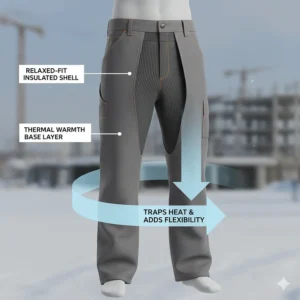
The difference between shivering through your shift and staying comfortably warm comes down to understanding how cold weather work pants actually function. Modern insulated work pants aren’t just thick—they’re engineered systems designed to trap heat, shed moisture, and withstand abuse.
Insulation Types Explained
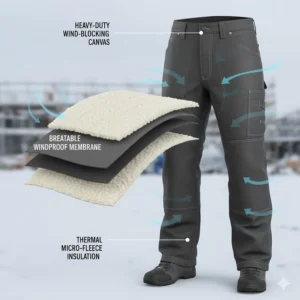
Synthetic Insulation like 3M Thinsulate or ThermaTech uses fine polyester fibers to trap air in tiny pockets. The genius lies in the fiber density—more fibers mean more air pockets and better warmth without added bulk. These materials continue insulating even when wet, making them ideal for work environments where you might encounter snow, rain, or perspiration.
Natural Insulation such as down offers exceptional warmth-to-weight ratios, but it’s rarely used in work pants because it loses insulating properties when wet and can’t handle the abrasion of job sites. However, fleece lining—a synthetic alternative—provides good warmth, excellent moisture-wicking, and durability at an affordable price point.
Hybrid Systems combine multiple insulation layers. For instance, some premium pants use fleece near the body for comfort and moisture management, synthetic insulation in the middle for warmth, and a wind-resistant shell on the outside for protection.
Shell Fabrics and Weather Resistance
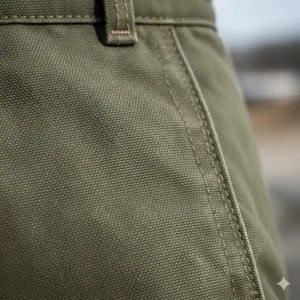
The outer fabric of best cold weather work pants serves multiple purposes beyond just holding insulation in place. Canvas duck and ripstop fabrics offer superior tear resistance—critical when you’re kneeling on concrete, crawling under equipment, or working around sharp objects. Water-resistant coatings like DWR (Durable Water Repellent) cause water to bead up and roll off rather than soaking through, keeping the insulation dry and effective.
Wind resistance is often overlooked but crucial. Wind can strip away body heat remarkably fast—a phenomenon OSHA addresses in their cold stress guidelines. Tightly woven fabrics or specialized membranes create barriers that prevent cold air from penetrating while still allowing moisture vapor to escape.
The Science of Layering
Professional cold weather workers understand that your pants are just one component of a thermal system. Base layers wick moisture away from skin, insulated pants provide the bulk of warmth, and your outer work pants protect against wind and abrasion. This three-layer approach, based on principles of thermal insulation, maximizes warmth while minimizing bulk and maintaining mobility.
Critical Features to Look For
Insulation Weight and Temperature Ratings
Manufacturers typically rate insulation in grams per square meter. Here’s what different weights mean for real-world use:
80-100g: Light insulation suitable for 30°F to 50°F, ideal for active work or milder climates
200-300g: Medium insulation for 0°F to 30°F, good for most winter work conditions
400g+: Heavy insulation for -20°F to 0°F, necessary for extreme cold or stationary work
500g+: Extreme insulation for -40°F and below, required for freezer work or Arctic conditions
Remember that activity level dramatically affects how much insulation you need. Workers moving constantly generate significant body heat and may overheat in heavy insulation, while those operating equipment or doing stationary tasks need maximum warmth.
Mobility and Fit Considerations
The best cold weather work pants balance warmth with movement. Look for features like:
Articulated Knees: Pre-shaped knee areas that conform to your natural leg position when kneeling or squatting, reducing fabric bunching and improving comfort.
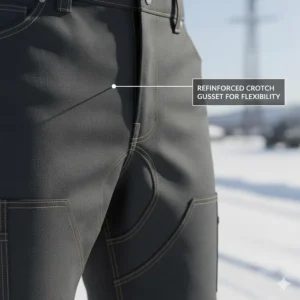
Gusseted Crotch: Extra fabric in the crotch area allows full range of motion whether climbing ladders, getting in and out of vehicles, or working in awkward positions.
Stretch Panels: Strategic placement of flexible fabrics at stress points maintains mobility without compromising insulation elsewhere.
Room for Layers: Proper fit means enough space for base layers underneath without the pants becoming baggy. Many workers size up one size from their regular pants to accommodate thermal underwear.
Durability Where It Counts
Work pants take a beating, and cold weather versions need extra reinforcement:
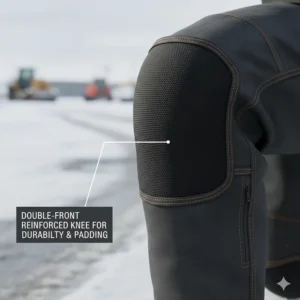
Reinforced Knees: Double or triple-layer fabric, sometimes with abrasion-resistant materials like Cordura, protects against wear from kneeling.
Scuff Guards: Extra material at the hem and ankle prevents damage from boot contact and ground abrasion.
Bar-Tacked Stress Points: Reinforced stitching at pocket corners, zippers, and seams prevents tearing at high-stress areas.
Quality Hardware: Metal zippers, heavy-duty snaps, and reinforced button holes ensure fasteners don’t fail when you need them most.
How to Choose Cold Weather Work Pants for Your Job
1. Assess Your Temperature Requirements
Start by researching typical winter temperatures in your work area. If you’re in Minnesota or North Dakota, you’ll need more insulation than someone working in Virginia or Oregon. However, don’t just look at average temperatures—consider wind chill, which can make 20°F feel like -10°F or colder.
2. Consider Your Activity Level
High-intensity work like construction framing, roofing, or landscaping generates body heat. You might be comfortable with lighter insulation (100-200g) to prevent overheating. Conversely, workers operating equipment, doing security patrols, or performing inspections need heavier insulation (300-400g+) since they’re generating less heat.
3. Evaluate Job-Specific Hazards
Electricians and welders need flame-resistant options. Workers in wet environments should prioritize water-resistant shells. Construction workers need maximum abrasion resistance. Match the pants’ protection features to your specific workplace hazards.
4. Factor in Fit and Mobility
Try on pants while wearing the base layers you’ll use on the job. Perform work-simulating movements—squat, kneel, reach overhead, climb stairs. The pants should move with you without binding or restricting. If you can’t try them on in person, check return policies carefully.
5. Set a Realistic Budget
Quality cold weather work pants range from $30 to $150+. While premium options offer better materials and construction, excellent mid-range choices exist. Consider cost per wear—pants that last three winters at $100 are cheaper than $40 pants that fail after one season.
6. Read Real User Reviews
Customer reviews reveal how pants perform in actual work conditions. Look for reviewers with similar jobs and climates to yours. Pay attention to comments about sizing, durability, and temperature performance rather than just star ratings.
7. Check Warranty and Return Policies
Quality manufacturers stand behind their products with warranties or satisfaction guarantees. This not only protects your investment but also signals the company’s confidence in their gear’s performance.
Common Mistakes When Buying Cold Weather Work Pants
Sizing Too Small
The most common error is buying your regular pants size without accounting for layers. Cold weather work pants should accommodate thermal underwear or long johns underneath. When in doubt, size up—you can always wear a belt, but you can’t stretch pants that are too tight.
Prioritizing Price Over Performance
Cheap pants that don’t keep you warm or fall apart after a few weeks are no bargain. Calculate cost per wear over the season. A $90 pair that lasts three winters and keeps you comfortable costs less than three $40 pairs that fail.
Ignoring Care Instructions
Insulated pants with technical fabrics require proper care. Using fabric softener can damage water-resistant coatings. High heat drying can melt synthetic insulations. Follow manufacturer guidelines to maintain performance and extend lifespan.
Overlooking Pocket Placement
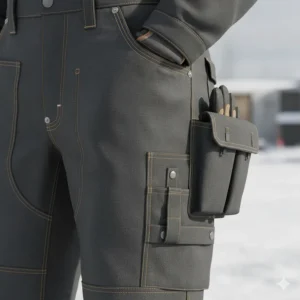
Work pants need functional pockets. Ensure pockets are positioned for easy access to your most-used tools and gear. Cargo pockets should be deep enough to actually carry items without them falling out when you bend or kneel.
Maintenance Tips for Cold Weather Work Pants
Proper Washing Techniques
Most insulated work pants are machine washable, but techniques matter:
Frequency: Wash only when necessary to extend lifespan. Spot clean minor dirt and stains between full washes.
Detergent: Use mild detergent without fabric softener. Fabric softeners coat fibers and reduce insulation effectiveness and water-resistant properties.
Temperature: Wash in cold or warm water (never hot) to prevent insulation clumping and fabric shrinkage.
Cycle: Use gentle or normal cycle. Heavy-duty cycles can stress seams and damage technical fabrics.
Drying Best Practices
Air Drying: Hang pants in a well-ventilated area for gentlest treatment. This method takes longer but maximizes lifespan.
Machine Drying: If using a dryer, select low to medium heat. High heat can melt synthetic insulations and damage water-resistant coatings.
Tumble Dry with Tennis Balls: For pants with down or synthetic fill, add clean tennis balls to the dryer. They help break up insulation clumps and restore loft.
Restoring Water Resistance
Water-resistant coatings wear off over time. Refresh them with DWR spray treatments available at outdoor retailers. Clean pants first, then apply spray according to product directions. Heat activation (either machine drying or ironing on low through a cloth) helps the treatment bond to fabric.
Storage Between Seasons
Clean Before Storing: Always wash pants before long-term storage. Dirt and oils can degrade fabrics and attract pests.
Hang Rather Than Fold: Hanging prevents permanent creases and allows insulation to maintain loft.
Cool, Dry Location: Avoid hot attics or damp basements. Stable temperatures and low humidity preserve materials best.
Avoid Compression: Don’t stuff pants in tight spaces. Compressed insulation loses its ability to trap air and provide warmth.
Safety Considerations for Cold Weather Work
Working in cold conditions presents serious health risks beyond just discomfort. The Occupational Safety and Health Administration (OSHA) emphasizes that employers must protect workers from cold stress, which can lead to hypothermia, frostbite, and other dangerous conditions.
Recognizing Cold Stress Symptoms
Early Warning Signs:
- Shivering (body’s attempt to generate heat)
- Numbness in extremities
- Reduced dexterity and coordination
- Fatigue and confusion
Serious Symptoms Requiring Immediate Action:
- Cessation of shivering (body no longer generating heat)
- Slurred speech or mumbling
- Slow, shallow breathing
- Weak pulse
- Loss of consciousness
Beyond Pants: Complete Cold Protection
While quality work pants for cold weather form the foundation, comprehensive protection requires attention to your entire body. Insulated, waterproof boots prevent trench foot and frostbite. Insulated gloves maintain hand dexterity for safe tool operation. Hats or balaclavas prevent significant heat loss through the head.
Work Practice Recommendations
Schedule heavy work for warmest parts of the day when possible. Take frequent warm-up breaks in heated areas. Stay hydrated—dehydration occurs in cold weather just as in heat. Monitor yourself and coworkers for cold stress symptoms. Use the buddy system to watch for signs that someone might not recognize in themselves.
Comparing Cold Weather Work Pants vs Regular Winter Pants
| Feature | Work Pants for Cold Weather | Regular Winter Pants |
|---|---|---|
| Durability | Reinforced knees, heavy-duty fabric, bar-tacked seams | Standard construction, lighter fabrics |
| Abrasion Resistance | High (canvas, ripstop, reinforced areas) | Low to moderate |
| Pocket Design | Cargo pockets, tool loops, reinforced edges | Basic pockets, often decorative |
| Fit | Room for movement, layers, tool belts | Fashion-oriented fit |
| Safety Features | Optional FR ratings, reflective trim | None typically |
| Weather Protection | Water-resistant, wind-tight, DWR coatings | Variable, often less effective |
| Intended Use | 8+ hour workdays in demanding conditions | Casual outdoor activities |
| Price Range | $30-$150 | $20-$100 |
The key difference lies in engineering. Regular winter pants prioritize appearance and occasional use. Best cold weather work pants are designed for daily abuse, extended wear, and serious weather protection. You’re not just paying for warmth—you’re investing in durability, functionality, and safety features that regular winter pants simply don’t provide.
Budget vs Premium: Making the Right Investment
Entry-Level Options ($30-$50)
Budget cold weather work pants like the Wrangler Authentics Fleece-Lined or Arctix Insulated Cargo work well for:
- Occasional cold weather work
- Mild winter climates (20°F to 40°F)
- Workers who primarily work indoors with brief outdoor exposure
- Those starting in trades and building their gear collection
These pants deliver basic insulation and weather protection without premium features. Expect 1-2 seasons of heavy use before replacement becomes necessary.
Mid-Range Choices ($50-$90)
Options like the Wrangler RIGGS Lined Ranger and Dickies Flame-Resistant offer the best value for most workers:
- Balanced warmth and durability
- Additional features like reinforced knees and tool pockets
- Suitable for 0°F to 30°F temperatures
- 2-3 seasons of regular use with proper care
This price range typically represents the sweet spot where quality construction meets reasonable pricing.
Premium Selection ($90-$150+)
High-end pants such as the Carhartt Extreme Warmth and RefrigiWear PolarForce justify their cost through:
- Extreme temperature protection (-40°F and below)
- Professional-grade materials and construction
- Specialized features like Performance-Flex and silver lining technology
- 3-5+ seasons of heavy-duty use
For workers in extreme climates or demanding professions, premium pants aren’t a luxury—they’re essential safety equipment that pays for itself through longevity and performance.
Cold Weather Work Pants for Specific Industries
Construction and Outdoor Trades
Construction workers need maximum abrasion resistance and mobility. Carhartt Washed Duck or Wrangler RIGGS pants with reinforced knees and durable canvas handle daily kneeling, crawling, and tool contact. Cargo pockets keep essentials accessible without requiring trips back to the truck.
Utilities and Energy Sector
Electrical and gas utility workers often require flame-resistant options. The Dickies Flame-Resistant Insulated Pant meets NFPA 2112 standards while providing necessary warmth for outdoor repairs and maintenance. Reflective trim options increase visibility during roadside work.
Warehousing and Cold Storage
Warehouse workers in refrigerated facilities need serious insulation without sacrificing mobility. RefrigiWear Softshell pants excel here, offering 400g insulation with stretch that allows constant movement between loading, picking, and stocking tasks.
Transportation and Delivery
Drivers alternate between warm vehicle cabs and cold loading areas, requiring versatile pants that won’t overheat during driving. Medium-weight options like Arctix Cargo or Wrangler Fleece-Lined provide enough warmth for outdoor loading without becoming uncomfortable in heated cabs.
Landscaping and Snow Removal
These workers face wet conditions alongside cold. Water-resistant shells with DWR coatings prevent snow and slush from soaking through. Full side zippers make it easy to get pants on over boots at the start of long days.
Frequently Asked Questions
❓ What temperature rating do I need for cold weather work pants?
❓ Can cold weather work pants be machine washed?
❓ How do I know if my work pants are warm enough?
❓ What's the difference between fleece-lined and insulated work pants?
❓ Are expensive cold weather work pants worth it?
Conclusion: Finding Your Perfect Cold Weather Work Pants
Choosing the right cold weather work pants isn’t just about staying warm—it’s about staying safe, comfortable, and productive through an entire winter season. Whether you’re facing the brutal cold of North Dakota construction sites or the moderate chill of Virginia mornings, there’s a perfect pair of insulated work pants engineered for your specific needs.
For extreme cold workers, the Carhartt Loose Fit Washed Duck and RefrigiWear PolarForce deliver professional-grade protection that’s literally designed for the harshest environments on Earth. Mid-range options like the Wrangler RIGGS Lined Ranger provide excellent value for workers in moderate winter climates. Budget-conscious workers will find the Arctix Insulated Cargo and Wrangler Authentics Fleece-Lined offer surprising capability at accessible prices.
Remember that the best cold weather work pants for you depend on your specific situation. Consider your climate, job requirements, activity level, and budget. Don’t hesitate to invest in quality gear—your comfort, safety, and productivity are worth it. Cold stress is a serious workplace hazard that proper protective equipment prevents.
As you gear up for winter work, remember that pants are just one component of cold weather protection. Combine quality insulated work pants with appropriate base layers, insulated boots, gloves, and head protection for comprehensive warmth. Stay aware of cold stress symptoms in yourself and coworkers, and follow OSHA guidelines for cold weather work safety.
Winter doesn’t have to mean miserable workdays. With the right cold weather work pants, you can face freezing temperatures with confidence, knowing you’re protected by modern insulation technology and durable construction designed specifically for working professionals. Stay warm out there, and may your winter workdays be productive and comfortable.
Recommended for You
- Best Cold Weather Coveralls 2026: 7 Top Picks (Expert Review)
- 7 Best Cold Weather Work Boots 2026: Expert Reviews & Guide
- 7 Best Cold Weather Fishing Clothes 2026 That Actually Work
Disclaimer: This article contains affiliate links. If you purchase products through these links, we may earn a small commission at no additional cost to you.
✨ Found this helpful? Share it with your friends! 💬🤗
