
In This Article
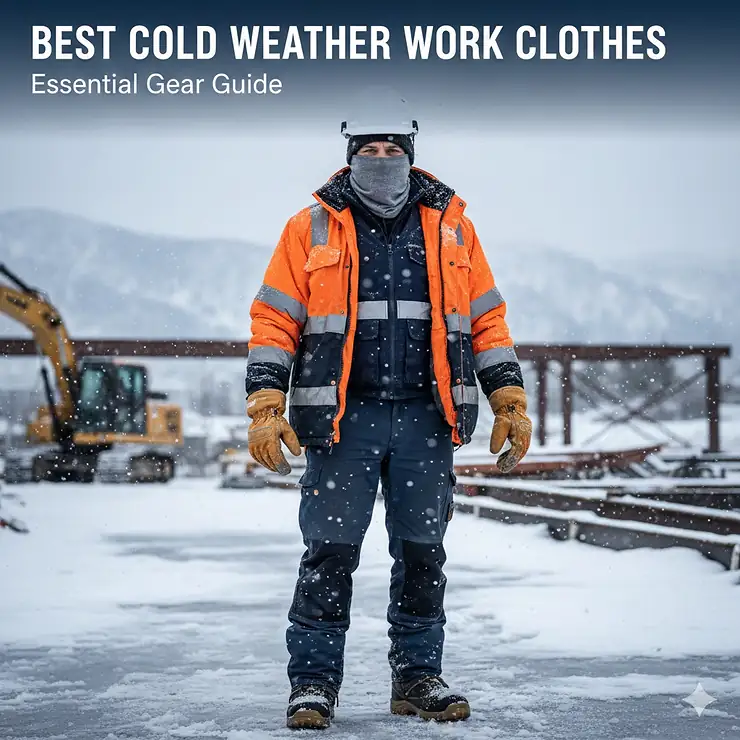
Have you ever tried working outside when your fingers felt like icicles and your core temperature dropped so low you couldn’t think straight? I have, and it’s miserable. Whether you’re working construction in sub-zero temperatures, managing a warehouse freezer, or handling outdoor maintenance during winter months, having the right cold weather work clothes isn’t just about comfort—it’s about safety and productivity.
The brutal truth is that improper cold weather gear can lead to serious health issues. According to OSHA guidelines, cold stress conditions can occur even at temperatures near freezing, especially when combined with wind chill and moisture. Workers exposed to cold environments risk frostbite, hypothermia, and trench foot if they don’t have adequate protection.
In 2026, cold weather work clothes have evolved significantly. Modern materials like 3M Thinsulate insulation, WarmPlus graphene lining, and moisture-wicking base layers provide warmth without the bulk that used to slow workers down. The challenge? Finding gear that balances protection, mobility, durability, and value. After researching dozens of products and analyzing customer feedback from thousands of workers, I’ve identified the seven best options that’ll keep you warm and productive all winter long.
Quick Comparison Table
| Product | Temperature Rating | Insulation Type | Price Range | Best For |
|---|---|---|---|---|
| RefrigiWear Extreme Hooded Jacket | -60°F | 600g + 200g AirBlaze | $200-$280 | Extreme cold/freezer work |
| Carhartt Duck Insulated Active Jacket | Below 0°F | 80g Thinsulate | $120-$150 | General outdoor work |
| Dickies Premium Insulated Coveralls | 0-20°F | Medium-weight quilted | $80-$110 | Full-body protection |
| Milwaukee M12 Heated Jacket | Adjustable heat | Battery-powered | $180-$250 | Temperature control needed |
| Berne Heritage Duck Hooded Jacket | 10-25°F | Heavyweight quilted | $90-$130 | Value-conscious buyers |
| Carhartt Insulated Bib Overalls | Below 0°F | 80g Thinsulate | $130-$165 | Lower body protection |
| Under Armour ColdGear Base 3.0 | -10 to 20°F | Moisture-wicking | $45-$70 | Base layer system |
💬 Just one click – help others make better buying decisions too! 😊
Top 7 Cold Weather Work Clothes: Expert Analysis
1. RefrigiWear Extreme Hooded Insulated Jacket (Model 8750)
When you need to work in conditions that would send most people running for cover, this jacket has your back. RefrigiWear’s flagship Extreme Hooded Jacket is engineered for workers in freezer warehouses and arctic-like outdoor conditions.
Key Specifications:
- Comfort rating down to -60°F (-51°C)
- 600g insulation + 200g AirBlaze polyester insulation
- WarmPlus graphene lining (heats 4x faster than traditional linings)
- Performance-Flex stretch fabric at shoulders
- Multiple storage options (8 pockets total)
Price: $200-$280 depending on size and color options
The secret weapon here is the WarmPlus graphene lining that absorbs your body heat and reflects it back to you. When I researched customer reviews, workers consistently mentioned being able to remove layers underneath because the jacket provided so much warmth. One freezer warehouse employee noted working comfortably for 8-hour shifts at -30°F.
✅ Pros:
- Exceptional warmth without excessive bulk
- Zippered underarm vents prevent overheating
- Detachable hood improves peripheral vision
- Water-repellent and wind-tight finish
❌ Cons:
- Higher price point than competitors
- Heavier weight may feel restrictive for some users
Customer Feedback: Users praise the jacket’s ability to keep them warm in extreme conditions, though some note the initial stiffness that breaks in after several uses.
2. Carhartt Loose Fit Washed Duck Insulated Active Jacket (J140)
Carhartt has been outfitting American workers since 1889, and their Duck Insulated Active Jacket represents over a century of refinement. This is the jacket you see on construction sites across the country—and for good reason.
Key Specifications:
- 12-ounce 100% ringspun cotton duck
- 80g 3M Thinsulate featherless insulation
- Cordura-reinforced sleeve hems
- Triple-stitched main seams
- Full-zip front with attached hood
Price: $120-$150
What makes this jacket special is the balance between durability and warmth. The ring-spun cotton duck exterior handles abrasion from tools, lumber, and rough surfaces, while the Thinsulate insulation provides reliable warmth without adding bulk. The internal rib-knit storm cuffs are a game-changer for keeping cold air out.
✅ Pros:
- Legendary Carhartt durability
- Good range of motion with elbow pleats
- Multiple pockets for tools and gear
- Available in extended sizes
❌ Cons:
- Can feel stiff when brand new
- Not suitable for extreme cold below 0°F
Customer Feedback: With over 20,000 units sold in the past month on Amazon, users consistently rate this 4.5+ stars, appreciating the quality-to-price ratio.
3. Dickies Premium Insulated Duck Coveralls (TV239)
Sometimes you need full-body protection, and that’s where Dickies Premium Insulated Coveralls shine. These aren’t your grandfather’s coveralls—they feature modern construction with thoughtful details that make a difference during long workdays.
Key Specifications:
- 10-ounce rigid duck with DWR finish
- Quilted polyester taffeta lining
- Bi-swing back for mobility
- Zip-to-waist design with elastic waist inserts
- Triple-needle stitched throughout
Price: $80-$110
The durable water repellent (DWR) finish provides high-performance protection from wind, rain, and snow. I particularly appreciate the zip-to-waist feature—it makes bathroom breaks and temperature regulation much easier than traditional coveralls. The bi-swing back design ensures you can bend, reach, and climb without feeling restricted.
✅ Pros:
- Excellent value for money
- Easy on/off with full-length zippers
- Good mobility features
- Reinforced at stress points
❌ Cons:
- Sizing can run inconsistent (check reviews for your specific size)
- Insulation lighter than some competitors
Customer Feedback: Users praise the warmth and quality, though several mention the importance of ordering the correct size—some report the “short” version actually being standard length.
4. Milwaukee M12 Heated Jacket Kit
Technology meets tradition with the Milwaukee M12 Heated Jacket. Powered by rechargeable M12 REDLITHIUM batteries, this jacket lets you control your warmth level with the push of a button.
Key Specifications:
- Carbon fiber heating elements in chest, back, and hand pockets
- Three heat settings via LED controller
- ToughShell Stretch Polyester (5x longer life than previous versions)
- Wind and water-resistant
- Includes M12 battery and charger
Price: $180-$250 (with kit)
This is perfect for workers who experience varying activity levels throughout the day. Shoveling snow? Turn the heat down. Standing guard duty? Crank it up to high. The carbon fiber heating elements warm up in seconds, and a single M12 battery provides 6+ hours of heat on low settings.
✅ Pros:
- Adjustable warmth on demand
- Built-in USB port for charging devices
- Washer and dryer safe
- Compatible with Milwaukee’s extensive M12 battery system
❌ Cons:
- Requires battery charging/management
- Higher initial investment
- Jacket alone (without battery) costs less but requires separate battery purchase
Customer Feedback: Construction workers and outdoor security personnel rave about the instant warmth and the ability to work comfortably without bulky layers.
5. Berne Heritage Duck Hooded Active Work Jacket (HJ51)
If you’re looking for solid protection without breaking the bank, Berne Heritage Duck Hooded Jacket delivers exceptional value. Since 1915, Berne has been outfitting hardworking Americans from their Indiana headquarters.
Key Specifications:
- 10-ounce 100% cotton duck shell
- Heavyweight insulation quilted to polyester brushed tricot
- Three-piece insulated hood with drawstring
- Pleated elbows and action back
- Heavy-duty brass front zipper
Price: $90-$130
The triple-needle stitching and brass zipper speak to the quality construction, while the pleated elbows provide the range of motion needed for demanding work. The knit storm cuffs and waistband seal out drafts effectively.
✅ Pros:
- Outstanding value for money
- Good insulation for moderate cold
- Multiple interior and exterior pockets
- One-year warranty from manufacturer
❌ Cons:
- Not rated for extreme cold
- Can feel bulky under arms initially
Customer Feedback: Over 2,000 purchased in the past month, with users highlighting the warmth and durability at an affordable price point.
6. Carhartt Loose Fit Washed Duck Insulated Bib Overall (OR4031-M)
Your upper body isn’t the only part that needs protection. The Carhartt Insulated Bib Overalls provide crucial warmth for your legs and core, making them essential for workers who spend extended periods outdoors or in unheated spaces.
Key Specifications:
- 12-ounce 100% ringspun washed cotton duck
- 80g 3M Thinsulate featherless insulation through legs
- Reinforced kick panels
- Updated longer double knee design
- Compatible with Carhartt knee pads
Price: $130-$165
These bibs represent an update to Carhartt’s legendary R27 model, incorporating feedback from their Carhartt Crew community. The quilted nylon with Thinsulate insulation keeps your legs warm without restricting movement, and the reinforced kick panels protect against wear from boots and kneeling.
✅ Pros:
- Exceptional leg warmth
- Adjustable elastic suspenders
- Knee pad compatible
- Triple-stitched for durability
❌ Cons:
- Bib straps may be longer than expected
- Requires proper sizing attention
Customer Feedback: Workers consistently rate these 4.5+ stars, with many noting they’re “possibly the best Carhartt purchase” they’ve made. The warmth and quality exceed expectations.
7. Under Armour ColdGear Base 3.0 Crew
The foundation of any cold weather work clothes system is a quality base layer. Under Armour’s ColdGear Base 3.0 provides the moisture management and warmth retention that makes everything else work better.
Key Specifications:
- Dual-layer fabric (smooth exterior, brushed interior)
- 4-way stretch construction
- Moisture-wicking technology
- Flatlock seams prevent chafing
- Designed for moderate activity in very cold weather
Price: $45-$70
This base layer works by trapping air in the brushed grid interior while wicking moisture away from your skin. The result? You stay dry, warm, and comfortable even during high-activity work. The 4-way stretch means you can bend, reach, and move without restriction.
✅ Pros:
- Excellent moisture management
- Comfortable against skin
- Versatile for layering
- Machine washable
❌ Cons:
- Must be sized correctly (compression fit)
- Requires proper layering for extreme cold
Customer Feedback: Users appreciate the warmth-to-weight ratio and the fact that the fabric doesn’t trap sweat like cotton base layers do.
Understanding Cold Weather Work Clothes Technology
Modern cold weather work clothes incorporate several advanced technologies that our grandparents never had access to. Understanding these innovations helps you make smarter buying decisions.
Insulation Types Explained
3M Thinsulate: This synthetic insulation provides exceptional warmth relative to its thickness. Thinsulate fibers are about 10 times smaller than other synthetic fibers, allowing them to trap more air in less space. For work clothes, this means warmth without bulk—you can move freely while staying protected.
Down vs. Synthetic: While down provides superior warmth-to-weight ratios, it loses insulating properties when wet. That’s why most work clothes use synthetic insulation—it maintains warmth even in damp conditions and dries faster.
Graphene-Enhanced Linings: Newer technologies like RefrigiWear’s WarmPlus use graphene particles to enhance heat retention. Graphene conducts heat extremely efficiently, absorbing body warmth and reflecting it back toward your skin. This technology heats up four times faster than traditional linings.
Fabric Shell Materials
Cotton Duck Canvas: The gold standard for work clothes, duck canvas combines durability with breathability. The tight weave resists wind while allowing moisture vapor to escape. It’s also naturally fire-resistant to sparks and embers.
Ripstop Nylon: Often used in outer layers, ripstop patterns prevent small tears from spreading. This is crucial for work environments with sharp objects or rough surfaces.
Softshell Materials: Modern softshell fabrics combine the wind/water resistance of hardshells with the breathability of fleece. They stretch with your movements and typically feel less “crinkly” than traditional waterproof materials.
Moisture Management Systems
The enemy of warmth isn’t just cold—it’s moisture. Your body produces sweat even in cold environments, and if that moisture stays trapped against your skin, it dramatically increases heat loss.
Quality base layers use hydrophobic (water-repelling) fibers that move moisture away from your skin to the fabric’s outer surface where it can evaporate. This process, called “wicking,” keeps you dry and maintains your insulation’s effectiveness.
The Science of Layering for Work
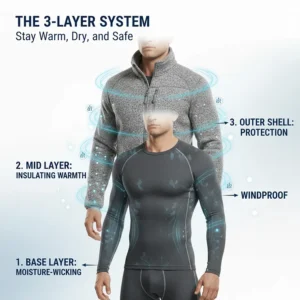
OSHA recommends wearing at least three layers of loose-fitting clothing when working in cold environments. Here’s why this system works and how to do it right.
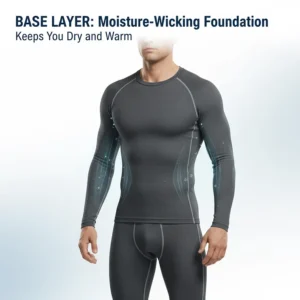
Base Layer (Moisture Management)
Your innermost layer should fit snugly and be made from moisture-wicking synthetic materials or merino wool. Avoid cotton—it absorbs moisture and holds it against your skin, increasing your risk of cold stress. Products like the Under Armour ColdGear Base 3.0 excel in this role.
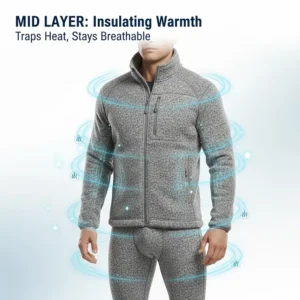
Mid Layer (Insulation)
This layer provides the bulk of your warmth by trapping air. Fleece, wool, or lightweight insulated jackets work well. The key is selecting materials that maintain loft (thickness) even when compressed. In many work situations, a quality insulated jacket like the Carhartt Duck Insulated Active Jacket serves as both mid and outer layer.
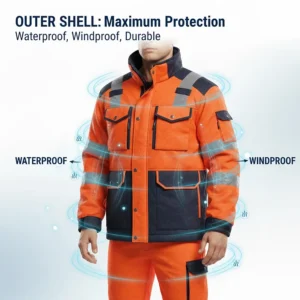
Outer Layer (Protection)
Your outer shell protects against wind, water, and abrasion. For work clothes, this needs to be tough enough to handle the job site while still allowing moisture vapor to escape. Duck canvas, nylon, and treated polyester fabrics are common choices.
The beauty of layering is adaptability. As you warm up from physical activity, you can remove a layer. When you stop moving, add a layer back on. This prevents the sweat buildup that compromises insulation.
Temperature Ratings: What They Really Mean
You’ll notice products advertised with various temperature ratings. Understanding what these mean helps you choose appropriate gear.
Comfort Ratings vs. Survival Ratings
A jacket rated to -60°F doesn’t mean you’ll be comfortable standing still in -60°F weather for hours. These ratings typically assume moderate activity levels and proper layering. The RefrigiWear Extreme jacket’s -60°F rating means it’s designed to keep you comfortable during work activities in extremely cold environments, not just barely alive.
Activity Level Matters
Your body generates heat through movement. A jacket rated for 0°F during high activity might only be comfortable to 20°F when standing still. Consider your actual work conditions when evaluating temperature ratings.
Wind Chill Factor
According to NOAA’s wind chill calculations, wind speed dramatically affects how cold you feel. At 40°F with 35 mph winds, the wind chill temperature drops to 28°F. Your clothing needs to be wind-tight to maintain its rated performance.
How to Choose the Right Cold Weather Work Clothes
Selecting the perfect cold weather work clothes requires considering several factors beyond just temperature ratings.
1. Assess Your Work Environment
Indoor cold storage: Workers in freezers need maximum insulation like the RefrigiWear Extreme jacket, as they experience constant extreme cold with minimal activity to generate body heat.
Outdoor construction: Variable conditions require versatile gear. Layerable systems with moderate insulation work best, as activity levels and sun exposure change throughout the day.
Outdoor maintenance: Jobs involving both active work and stationary periods benefit from heated jackets like the Milwaukee M12 system, allowing temperature adjustment on demand.
2. Consider Mobility Requirements
Warehouse work requires frequent bending and reaching—look for features like bi-swing backs and stretch panels. Construction workers climbing ladders need unrestricted shoulder movement. Carhartt and Berne both incorporate action backs and pleated elbows specifically for this.
3. Evaluate Durability Needs
Jobs involving rough surfaces, sharp objects, or heavy tools demand reinforced fabrics. Look for Cordura reinforcements, triple-needle stitching, and reinforced stress points. Dickies and Carhartt excel in this category.
4. Match Insulation to Activity Level
High activity workers (snow removal, construction) need less insulation to avoid overheating. Low activity workers (security, inspections) need maximum insulation. The Milwaukee heated system offers the most flexibility here.
5. Budget Considerations
Quality cold weather work clothes are an investment in your health and safety. That said, you don’t always need top-tier products. The Berne Heritage jacket offers excellent protection at nearly half the price of premium options, making it perfect for occasional cold weather work.
Safety Standards and OSHA Guidelines
Understanding workplace cold weather safety requirements helps you make informed choices and protect your health.
OSHA Cold Stress Prevention
While OSHA doesn’t have a specific standard for cold weather work, the OSH Act of 1970 requires employers to provide workplaces free from recognized hazards. According to OSHA’s winter weather guidelines, employers should:
- Monitor weather conditions and adjust work schedules when possible
- Train workers to recognize cold stress symptoms
- Provide engineering controls like wind breaks and radiant heaters
- Allow frequent warm-up breaks
- Ensure workers use proper PPE
Recognizing Cold Stress Symptoms
Workers should know the warning signs of cold-related illnesses:
Hypothermia symptoms: Shivering, fatigue, confusion, slurred speech, loss of coordination
Frostbite symptoms: Numbness, waxy or pale appearance of skin, firm or hard skin texture
Trench foot: Reddening skin, swelling, numbness, blisters
If you or a coworker experiences these symptoms, seek medical attention immediately and move to a warm environment.
Employer Responsibilities
According to OSHA guidance, employers should provide appropriate cold weather gear when required for job safety. While ordinary clothing like winter coats and gloves aren’t typically required PPE, employers often provide them voluntarily or require workers to have them.
Maintenance and Care Tips
Proper maintenance extends the life of your cold weather work clothes and maintains their protective properties.
Cleaning Insulated Workwear
Most insulated jackets and coveralls can be machine washed, but check the care label. Use cold water on gentle cycle with mild detergent. Avoid bleach, which weakens fabrics and can damage water-repellent coatings. Tumble dry on low heat and remove promptly to prevent wrinkling.
Maintaining Water Repellency
Duck canvas and treated fabrics lose their water-repellent properties over time. Reapply DWR treatments annually or when you notice water soaking in rather than beading up. Products like Nikwax or Granger’s restore water repellency without affecting breathability.
Storage Considerations
Store clean, dry work clothes in a cool, ventilated area. Avoid compressing insulated items for extended periods, as this can damage the insulation’s loft. Hang jackets and coveralls rather than stuffing them in storage containers.
Repairing Damage Promptly
Small tears become big problems. Repair minor damage with duck canvas patches or heavy-duty thread before it spreads. Many manufacturers offer repair services for their products—Carhartt, for example, will repair or replace defective items.
Additional Cold Weather Work Gear Essentials
Cold weather work clothes are just part of a complete protection system. Don’t overlook these crucial accessories.
Head and Neck Protection
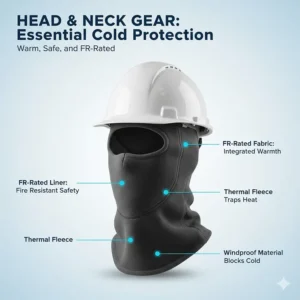
Up to 40% of body heat escapes through your head in cold conditions. Insulated beanies, balaclavas, or hard hat liners (like the Occunomix Sherpa liner) are essential. Look for materials that maintain warmth when damp.
Hand Protection
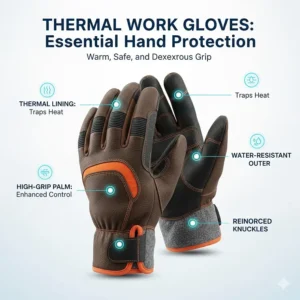
Dexterity matters for most jobs, but so does warmth. Consider a layered approach: thin liner gloves under insulated work gloves allow you to remove the outer layer for detailed tasks without completely exposing your hands.
Foot Protection
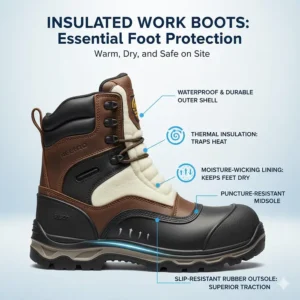
Insulated, waterproof boots with good traction prevent cold stress in your feet and reduce slip/fall risks. Look for boots rated to at least -25°F for serious cold weather work. Thick wool or synthetic socks (not cotton) complete the system.
Face Protection
Neck gaiters or face masks protect against windburn and cold air inhalation. Some workers prefer balaclavas that provide full head and face coverage under hard hats.
Industry-Specific Recommendations
Different industries have unique requirements for cold weather work clothes.
Construction and Trades
Visibility matters on construction sites. Consider high-visibility versions of insulated jackets and coveralls. RefrigiWear offers HiVis options in their Extreme line. Reinforced knees and tool pockets are essential features.
Warehousing and Cold Storage
Freezer workers need maximum insulation with good mobility. RefrigiWear specializes in this market with comfort ratings down to -60°F. Anti-slip boot soles prevent falls on icy surfaces inside freezers.
Outdoor Maintenance and Landscaping
Variable activity levels require adaptable clothing. The Milwaukee heated system excels here, or choose moderate insulation with good breathability. Waterproofing is crucial for snow removal and winter maintenance tasks.
Transportation and Delivery
Drivers alternate between heated cabs and outdoor exposure. Easy on/off designs like the Dickies coveralls with zip-to-waist features make frequent transitions practical. Consider jackets you can wear while driving without bulk interfering with seatbelts.
Common Mistakes to Avoid
Learning from others’ mistakes saves money and discomfort. Here are pitfalls to avoid when selecting cold weather work clothes.
Mistake 1: Choosing Cotton Base Layers
Cotton feels comfortable initially but turns into a cold, damp misery once you start sweating. Always choose synthetic or wool base layers for moisture management.
Mistake 2: Buying Too Tight
Restrictive clothing reduces blood circulation and actually makes you colder. Proper fit allows for layering and doesn’t bind at shoulders, waist, or thighs. Check sizing charts carefully—work clothes often run different from regular clothing.
Mistake 3: Ignoring Mobility Features
The warmest jacket in the world won’t help if you can’t do your job while wearing it. Prioritize features like action backs, stretch panels, and articulated elbows.
Mistake 4: Skimping on Quality for Price
Cheap work clothes wear out faster, provide poor protection, and ultimately cost more through replacement. Invest in quality from reputable brands like Carhartt, Dickies, or RefrigiWear.
Mistake 5: Overlooking Breathability
Waterproof sounds great until you’re soaked from the inside by your own sweat. Look for water-resistant or water-repellent materials with breathability, not completely sealed waterproof shells (unless you’re working in rain).
Real-World Comparisons: Budget vs. Premium
Is spending extra for premium cold weather work clothes worth it? Let’s compare the actual differences.
Budget Option: Berne Heritage Jacket ($90-$130)
What you get: Solid insulation, cotton duck durability, basic features
What you sacrifice: Advanced insulation technology, lighter weight, extended temperature ratings
Best for: Occasional cold weather work, budget-conscious buyers, moderate cold conditions
Premium Option: RefrigiWear Extreme ($200-$280)
What you get: Graphene lining technology, extreme cold rating (-60°F), multiple advanced features
What you sacrifice: Budget flexibility
Best for: Daily extreme cold exposure, professional freezer workers, maximum protection needs
The Verdict
For most general outdoor work in typical winter conditions (0°F to 30°F), mid-range options like Carhartt and Dickies provide the best value. Workers in extreme conditions (freezer warehouses, Arctic climates) benefit from the advanced technology in premium products. Occasional users can save money with budget options without compromising safety.
Frequently Asked Questions
❓ How cold can you work outside safely with proper cold weather work clothes?
❓ What's better for work clothes cold weather protection: one thick jacket or multiple layers?
❓ Can heated jackets replace traditional extreme cold weather work clothing?
❓ How long should quality cold weather work clothes last?
❓ Are expensive extreme cold weather work gear brands really worth the extra cost?
Conclusion: Making Your Cold Weather Work Clothes Decision
Choosing the right cold weather work clothes comes down to matching your specific needs with appropriate features and budget. The seven products reviewed here represent the best options across different price points, temperature ratings, and work environments in 2026.
For extreme cold workers, the RefrigiWear Extreme Hooded Jacket sets the standard with its -60°F rating and advanced graphene technology. Construction and outdoor workers will find the Carhartt Duck Insulated Active Jacket offers the perfect balance of durability, warmth, and mobility. Budget-conscious buyers shouldn’t overlook the Berne Heritage Jacket, which delivers solid protection at nearly half the premium price.
Remember that cold weather work clothes function as a system. Combine a quality insulated jacket with proper base layers like the Under Armour ColdGear Base 3.0, appropriate pants or bibs, and don’t forget head, hand, and foot protection. Follow OSHA’s guidelines for recognizing and preventing cold stress, take regular warm-up breaks, and monitor yourself and coworkers for symptoms.
Your body is your most important tool. Protecting it with quality cold weather work clothes isn’t just smart—it’s essential for staying healthy, productive, and safe throughout the winter months. Choose wisely, layer properly, and stay warm out there.
✨ Don’t Miss These Exclusive Deals!
🔍 Take your winter work comfort to the next level with these carefully selected products. Click on any highlighted item to check current pricing and availability on Amazon. These proven cold weather work clothes will help you stay warm, safe, and productive all season long!
Recommended for You
- 7 Best Cold Weather Work Pants for 2026
- Best Cold Weather Coveralls 2026: 7 Top Picks (Expert Review)
- 7 Best Cold Weather Work Boots 2026: Expert Reviews & Guide
Disclaimer: This article contains affiliate links. If you purchase products through these links, we may earn a small commission at no additional cost to you.
✨ Found this helpful? Share it with your friends! 💬🤗
