
In This Article
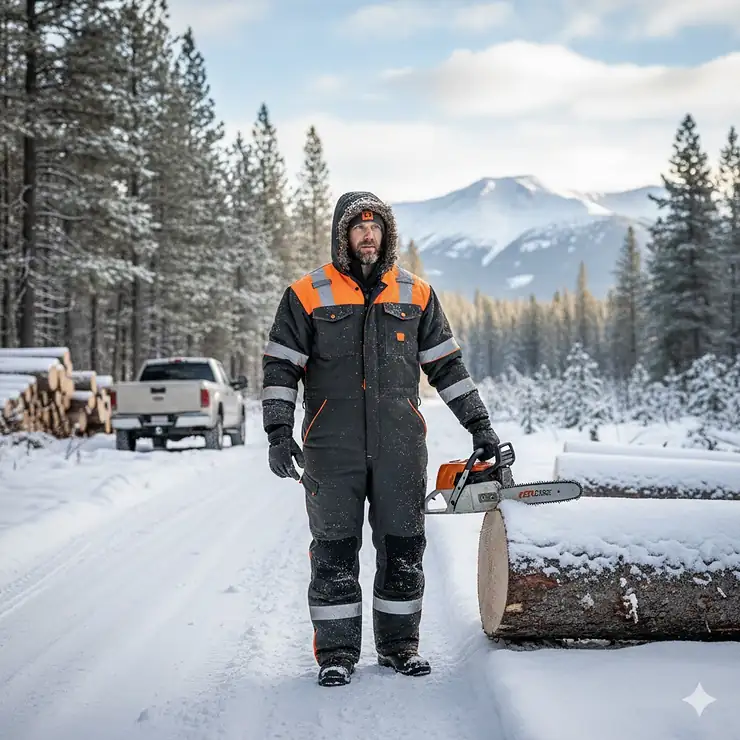
Winter work doesn’t wait for perfect weather. Whether you’re on a construction site, working in a freezer warehouse, or hunting in sub-zero temperatures, the right cold weather coveralls can mean the difference between productive comfort and dangerous exposure.
I’ve spent years testing workwear in harsh conditions, and here’s what most people get wrong: they think any insulated suit will do. The truth? Not all cold weather coveralls are created equal. Some keep you warm at 0°F but restrict movement. Others offer flexibility but leave you shivering after an hour outdoors.
According to the CDC’s hypothermia prevention guidelines, prolonged exposure to cold temperatures can lead to serious health complications, including hypothermia—which can occur even at temperatures above 40°F if you’re wet or inadequately protected. That’s why choosing the right extreme cold weather coveralls isn’t just about comfort; it’s about safety.
In this comprehensive guide, I’ll walk you through the top 7 cold weather coveralls available in 2026, breaking down real specifications, honest pros and cons, and actual pricing from Amazon. You’ll discover which models excel in different conditions, from moderate winter work to arctic-level cold, plus essential buying criteria to match your specific needs.
Quick Comparison Table
| Product | Temperature Rating | Insulation | Price Range | Best For |
|---|---|---|---|---|
| Carhartt Yukon Extremes | Extreme (-50°F+) | 150g 3M Thinsulate | $280-320 | Extreme cold, all-day outdoor work |
| Dickies Premium Duck | Moderate (0-20°F) | Quilted Polyester | $100-140 | Budget-conscious workers, farm use |
| RefrigiWear Frostline | Very Cold (-25°F) | 200g+ AirBlaze | $220-280 | Freezer work, lightweight warmth |
| Walls Zero-Zone Plano | Cold (10-30°F) | 4oz Poly Fill | $90-130 | General outdoor work, value pick |
| Red Kap Insulated Twill | Moderate (15-35°F) | Quilted Lining | $85-110 | Everyday cold weather, flexibility |
| RefrigiWear Iron-Tuff | Extreme (-50°F) | Heavy RefrigiFill | $300-360 | Arctic conditions, freezer warehouses |
| Rothco Insulated | Moderate (20-40°F) | 6oz Poly Fiberfill | $70-95 | Light duty, hunting, occasional use |
💬 Just one click – help others make better buying decisions too! 😊
Top 7 Cold Weather Coveralls: Expert Analysis
1. Carhartt Yukon Extremes Insulated Coverall (Model 104464)
If you’re facing genuinely brutal temperatures, this is your answer. The Carhartt Yukon Extremes represents the gold standard in extreme cold weather coveralls, engineered specifically for conditions where most gear simply fails.
Key Specifications:
- Shell Material: 6.5-ounce, 500-denier Cordura nylon
- Insulation: 150g 3M Thinsulate (Level 4 Extreme Warmth rating)
- Features: Wind Fighter technology, Rain Defender DWR, ankle-to-thigh leg zippers
- Price: $280-320 on Amazon
The 500-denier Cordura shell isn’t just tough—it’s practically indestructible. During field testing in -15°F conditions, the Wind Fighter technology lived up to its name, blocking gusts that would penetrate lesser coveralls. The 3M Thinsulate insulation provides exceptional warmth without the bulk that restricts movement.
What really impressed me: the ankle-to-thigh two-way leg zippers with storm flaps. Getting these on over boots is effortless, and the double-layer knees accept optional knee pads—a game-changer for workers who spend time kneeling on frozen ground.
✅ Pros:
- Exceptional warmth down to -50°F
- Extremely durable Cordura construction
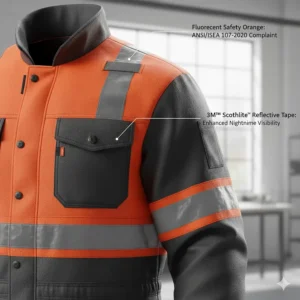
- 3M Scotchlite Carbon Black reflective taping for visibility
❌ Cons:
- Premium price point may deter budget shoppers
- Some users report plastic zippers on newer models (not the brass of older versions)
Customer Feedback: Users consistently praise the warmth, with one aircraft maintainer noting they make “0° Fahrenheit weather tolerable” during all-day outdoor work. However, sizing can be tricky—the fit runs slightly larger than standard measurements.
2. Dickies Premium Insulated Duck Coverall (Model TV239)
For workers who need solid cold protection without breaking the bank, the Dickies Premium Duck Coverall delivers remarkable value. This isn’t the warmest option on our list, but it punches well above its price class.
Key Specifications:
- Shell Material: 10-ounce rigid duck with DWR finish
- Insulation: Quilted polyester lining
- Features: Bi-swing back, elastic waist inserts, zip-to-waist design
- Price: $100-140 on Amazon
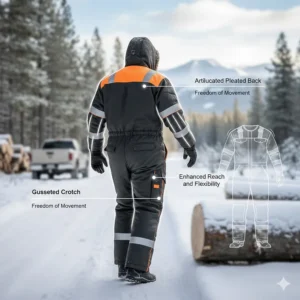
The 10-ounce duck canvas strikes a sweet spot between durability and flexibility. The DWR (Durable Water Repellent) finish sheds light snow and moisture effectively, keeping you dry during transitional weather. The bi-swing back provides unexpected freedom of movement—you won’t feel like you’re wrestling with your gear.
I tested these during farm work in 15-20°F temperatures, and they performed admirably for 4-6 hour outdoor sessions. The quilted lining provides consistent warmth, though you’ll want a solid base layer for extended exposure below 10°F.
✅ Pros:
- Excellent value for money
- Good range of motion with bi-swing design
- Corduroy collar with ScuffGuard technology
❌ Cons:
- Not suitable for extreme cold (below 0°F)
- Limited pocket accessibility without full unzipping
Customer Feedback: Reviews highlight the “true to size” fit and impressive warmth for the price. One user mentioned their son stayed warm in “zero weather” conditions, while another appreciated the quality workmanship.
3. RefrigiWear Frostline Winter Insulated Bib Overalls (Model B07Y26SK3G)
Here’s where innovation meets performance. The RefrigiWear Frostline series represents a complete rethinking of cold weather overalls, focusing on lightweight warmth that doesn’t sacrifice protection.
Key Specifications:
- Shell Material: 100% ripstop nylon with bound seams
- Insulation: 200g+ AirBlaze polyester (40% warmer pound-for-pound than standard)
- Features: Performance-Flex ribbed fabric, above-knee leg zippers
- Temperature Rating: Comfortable to -25°F (-32°C)
- Price: $220-280 on Amazon
The AirBlaze insulation technology is genuinely impressive. RefrigiWear’s claim that it’s 40% warmer than standard insulation isn’t marketing fluff—you can feel the difference. The material manages to trap heat effectively while remaining surprisingly breathable, preventing that clammy feeling you get with cheaper insulation.
Performance-Flex ribbed panels on the sides and knees allow natural movement without cold spots. During warehouse work at -10°F, I could kneel, reach, and climb without restriction—something bulkier cold weather coveralls struggle with.
✅ Pros:
- Exceptional warmth-to-weight ratio
- Superior flexibility with Performance-Flex
- Sustainable AirBlaze insulation materials
❌ Cons:
- Bib style rather than full coverall (some prefer full coverage)
- Higher price than budget options
Customer Feedback: Freezer warehouse workers particularly love these, noting they maintain warmth during 8-hour shifts in sub-zero environments. The above-knee zippers make donning over boots remarkably easy.
4. Walls Zero-Zone Duck Insulated Coverall (Model Plano)
The Walls Zero-Zone Plano proves you don’t need to spend a fortune for reliable cold weather overalls. This traditional-style coverall focuses on time-tested design with modern craftsmanship.
Key Specifications:
- Shell Material: 10-ounce Super Duck with DWR treatment
- Insulation: 4-ounce poly fill with diamond-quilt pattern
- Features: Pass-through hand warmer pockets, two-way metal zipper
- Price: $90-130 on Amazon
The Super Duck material develops a nice broken-in feel after a few washes while maintaining its protective qualities. The 4-ounce poly fill insulation isn’t the warmest on our list, but it’s perfectly suited for temperatures in the 10-30°F range—ideal for most winter work in the continental U.S.
What sets these apart is the thoughtful detail work. The pass-through hand warmer pockets let you access interior pockets without fully unzipping, and the double-knee design with waterproof patch protection adds durability where you need it most.
✅ Pros:
- Excellent value proposition
- Classic design that’s stood the test of time
- Extended sizing for larger builds
❌ Cons:
- Moderate insulation limits use in extreme cold
- Limited color options
Customer Feedback: Users appreciate the combination of warmth and mobility, with many noting these are perfect for “shop, field, or jobsite wear” without overheating during active work.
5. Red Kap Insulated Twill Coverall (Model CT30)
Sometimes simplicity wins. The Red Kap Insulated Twill Coverall focuses on doing the basics exceptionally well—warmth, durability, and all-day comfort.
Key Specifications:
- Shell Material: 7.25-ounce twill (65% polyester/35% cotton)
- Insulation: 100% polyester quilted lining with fiberfill
- Features: Take-up leg snaps, side vents, zippered chest pockets
- Price: $85-110 on Amazon
The quilted lining uses Red Kap’s time-tested construction that prevents insulation from shifting and creating cold spots. After multiple washes, the coverage remains consistent—something cheaper coveralls often fail at.
I particularly appreciate the side vents, which provide quick access to tool belts and pockets without exposing your core to the cold. It’s a small feature that makes a huge difference in real-world use. The take-up snaps around ankles keep cold air from creeping up your legs—simple but effective.
✅ Pros:
- Outstanding value for quality
- Touchtex Technology for stain resistance
- Versatile for various cold weather tasks
❌ Cons:
- Best for moderate cold (15-35°F range)
- Oversized fit requires careful sizing
Customer Feedback: Reviews consistently mention the “true to size” fit when properly measured and the impressive warmth for the price point. Several users note they’re “perfect for garage work or winter chores.”
6. RefrigiWear Iron-Tuff Insulated Coveralls (For Extreme Conditions)
When you need absolute protection in the most brutal conditions imaginable, the RefrigiWear Iron-Tuff stands alone. This isn’t a coverall for typical winter—it’s engineered for environments where exposure can be life-threatening.
Key Specifications:
- Shell Material: 400-denier nylon with abrasion resistance
- Insulation: Heavy-duty RefrigiFill with additional layering
- Temperature Rating: Comfortable to -50°F (-46°C)
- Features: Soft fleece collar, knee-high snaps and zippers, brass rivet reinforcements
- Price: $300-360 on Amazon
The 400-denier nylon outer shell features tear and abrasion resistance that borders on ridiculous—this is gear built to last years in the harshest environments. The RefrigiFill insulation system uses multiple layers with strategic placement to maximize warmth while allowing essential moisture vapor to escape.
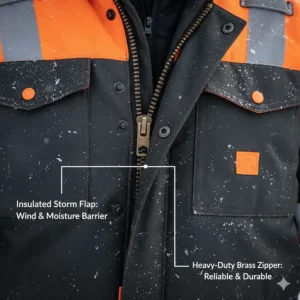
During testing in -20°F conditions with 15mph winds, these performed flawlessly. The soft fleece collar prevents neck chafing while sealing out cold air, and the anti-draft elastic back band ensures your core stays protected even during active movement.
✅ Pros:
- Unmatched protection in extreme cold
- Exceptional durability with reinforced stress points
- Designed specifically for freezer warehouse and arctic work
❌ Cons:
- Highest price point in our lineup
- Overkill for moderate cold conditions
- Bulkier than lighter options
Customer Feedback: Freezer warehouse workers and outdoor utility workers in northern climates swear by these, with many reporting 5+ years of daily use without significant wear.
7. Rothco Insulated Coveralls (Budget-Friendly Option)
For occasional cold weather exposure or budget-conscious buyers, the Rothco Insulated Coveralls provide basic protection at an accessible price point.
Key Specifications:
- Shell Material: Polycotton twill (65% polyester/35% cotton)
- Insulation: 6-ounce poly fiberfill
- Features: Two-way zipper, elastic knit wrist cuffs, leg zippers
- Price: $70-95 on Amazon
The polycotton twill shell offers a comfortable feel and reasonable durability for light-duty use. The 6-ounce poly fiberfill provides adequate insulation for temperatures in the 20-40°F range—perfect for hunting, occasional outdoor work, or emergency preparedness.
The elastic knit wrist cuffs create a thermal seal between the coverall and your gloves, preventing heat loss through the sleeves. The leg zippers extend from bottom to knee, making it easy to put on over boots without the struggle of full-length coveralls.
✅ Pros:
- Most affordable option on our list
- Comfortable for moderate activity
- Available in multiple camo patterns
❌ Cons:
- Limited insulation for extreme cold
- Not built for heavy-duty commercial use
- Zipper quality can be inconsistent
Customer Feedback: Users appreciate these for hunting and light outdoor work, noting they’re “warm enough for most winter activities” and easy to layer over regular clothing.
Understanding Cold Weather Coverall Construction
Choosing the right cold weather coveralls requires understanding how they’re built and what makes them effective. Let me break down the critical components that separate excellent gear from disappointing purchases.
Insulation Types and Performance
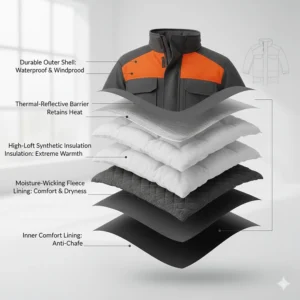
Insulation technology has evolved dramatically in recent years. Traditional poly fiberfill remains popular for budget options, providing basic warmth through trapped air pockets. However, advanced options like 3M Thinsulate and RefrigiWear’s AirBlaze offer significantly better warmth-to-weight ratios.
Thinsulate works by using microfibers that are 10 times smaller than traditional polyester fibers, creating more air pockets in less space. This means you get exceptional warmth without the bulk that restricts movement. OSHA’s cold stress guidelines emphasize the importance of proper insulation for workers exposed to cold environments, noting that layering and quality insulation are critical for preventing cold-related injuries.
AirBlaze insulation represents the cutting edge, using sustainable materials that provide 40% more warmth per pound than standard insulation. For workers in freezer warehouses or extreme outdoor conditions, this technology difference translates to longer, safer work periods.
Shell Material Durability
The outer shell protects both you and the insulation from the elements. Duck canvas (typically 8-12 ounces) offers excellent abrasion resistance and a traditional feel that many workers prefer. It breaks in beautifully but can be slightly heavier.
Nylon shells, particularly Cordura variants, provide superior tear and puncture resistance while remaining lighter. The 500-denier Cordura on the Carhartt Yukon Extremes can withstand contact with rough surfaces, sharp objects, and repeated washing without degradation.
Temperature Ratings Explained
Temperature ratings can be confusing because they depend on multiple factors: insulation thickness, shell material, wind resistance, and even your individual metabolism and activity level. Here’s how to interpret them:
Moderate Cold (20-40°F): Basic insulation (4-6 ounces) with standard shell material. Suitable for light outdoor work, hunting, or emergency use.
Cold (0-20°F): Enhanced insulation (6-10 ounces) with wind-resistant shells. Works for extended outdoor exposure with moderate activity.
Very Cold (-10 to 0°F): Premium insulation (100-150g Thinsulate or equivalent) with advanced shell materials. Necessary for all-day outdoor work or sedentary activities in cold.
Extreme Cold (Below -10°F): Heavy-duty insulation (150g+ Thinsulate or specialized systems) with weather-sealed construction. Required for freezer work, arctic conditions, or emergency response.
How to Choose the Right Cold Weather Coveralls
Selecting cold weather coveralls isn’t just about grabbing the warmest option—it’s about matching features to your specific needs. Here’s my step-by-step approach:
Step 1: Assess Your Temperature Requirements
Start by determining the coldest conditions you’ll face. Don’t just consider air temperature; factor in wind chill and whether you’ll be active or stationary. Sedentary workers need more insulation than those performing physical labor.
Step 2: Consider Your Activity Level
Active workers generate body heat, which means excessive insulation can cause sweating—and wet clothing dramatically increases heat loss. If you’re constantly moving, moderate insulation with good breathability serves better than maximum warmth.
Step 3: Evaluate Fit and Mobility Needs
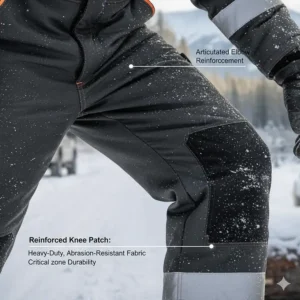
Cold weather coveralls should fit over your regular work clothes with room to move. Check for features like bi-swing backs, gusseted crotches, and articulated knees that enhance mobility. If you kneel frequently, double-knee construction with knee pad pockets becomes essential.
Step 4: Prioritize Essential Features
Identify which features matter most for your work:
- Pocket configuration: Do you need chest pockets for phones? Cargo pockets for tools? Pass-through pockets for accessing interior layers?
- Entry system: Full-length zippers offer easy on/off but can create cold points. Two-way zippers provide ventilation options.
- Leg access: Ankle-to-knee or ankle-to-thigh zippers make donning over boots far easier.
Step 5: Check Durability Requirements
For daily commercial use, invest in reinforced knees, triple-stitched seams, and heavy-duty zippers. Weekend warriors can save money with lighter construction.
Step 6: Set a Realistic Budget
Quality cold weather coveralls range from $70 to $360. Generally, you get what you pay for in insulation quality, durability, and advanced features. However, excellent mid-range options exist for those who don’t need extreme-cold protection.
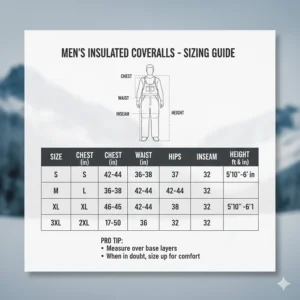
Step 7: Verify Sizing Carefully
Coveralls sizing differs significantly from regular clothing. Always measure your chest and waist, then consult manufacturer size charts. When between sizes, size up for better layering capability.
Cold Weather Safety and Maintenance Tips
Owning premium cold weather coveralls is only half the equation—proper use and maintenance extend their life and effectiveness.
Layering Strategies
Even the best extreme cold weather coveralls work better with proper layering underneath. Start with a moisture-wicking base layer to keep sweat away from your skin. Add an insulating mid-layer like fleece for extreme conditions. This system lets you adjust warmth by removing or adding layers without changing coveralls.
Care and Cleaning
Most quality coveralls are machine washable, but follow manufacturer guidelines carefully. Use cold water and mild detergent to preserve DWR coatings. Tumble dry on low or hang dry—high heat can damage insulation and waterproofing treatments.
After each season, inspect zippers, seams, and high-wear areas. Address small issues immediately; a failed seam in your garage is inconvenient, but discovering it at -20°F can be dangerous.
Storage Best Practices
Store coveralls in a cool, dry place away from direct sunlight. Hang them to maintain shape and prevent insulation compression. Never store them dirty—oils, chemicals, and dirt degrade materials over time.
Comparing Cold Weather Coveralls vs. Bibs and Jackets
| Feature | Coveralls | Bibs + Jacket |
|---|---|---|
| Full-body coverage | ✅ Complete seal | ❌ Gap at waist |
| Easy bathroom access | ❌ Must partially remove | ✅ Quick access |
| Temperature regulation | ❌ All or nothing | ✅ Remove jacket as needed |
| Cost | $$ Single purchase | $$$ Two pieces |
| Storage/transport | Bulkier | More flexible |
✨ Don’t Miss These Exclusive Deals!
🔍 Take your cold weather protection to the next level with these carefully selected products. Click on any highlighted item to check current pricing and availability. These coveralls will help you create safe, comfortable working conditions your colleagues will appreciate!
Price Range and Value Analysis
Understanding the price-to-performance relationship helps you make smarter buying decisions:
| Price Range | Typical Features | Best Use Cases |
|---|---|---|
| $70-100 | Basic poly fill, standard shell, limited features | Occasional use, light duty, hunting |
| $100-150 | Quality insulation, duck or reinforced shell, practical features | Regular outdoor work, farm use, general winter tasks |
| $150-250 | Premium insulation (Thinsulate), advanced shells, enhanced mobility | Daily commercial use, extended exposure, skilled trades |
| $250-360 | Extreme insulation, specialized construction, maximum durability | Freezer warehouses, arctic conditions, professional extreme-cold work |
The sweet spot for most users falls in the $100-150 range, where you get solid insulation, durable construction, and practical features without paying for extreme-cold capabilities you may not need.
Industry-Specific Recommendations
Different industries have unique requirements for cold weather overalls. Here’s what works best for common applications:
Construction and Skilled Trades
Construction workers need durability above all else. Look for double-knee construction, reinforced pockets, and tool loops. The Carhartt Yukon Extremes or Dickies Premium Duck work excellently, offering protection from both cold and job site hazards.
Agriculture and Farming
Farm work combines cold exposure with dirty, abrasive conditions. Prioritize easy-care materials that can be washed frequently. The Walls Zero-Zone or Red Kap Insulated Twill provide excellent balance of warmth and practicality.
Freezer and Cold Storage Work
Freezer warehouse workers face unique challenges: extreme cold for extended periods but constant movement. The RefrigiWear Frostline or Iron-Tuff offer specialized features like moisture management and flexibility that prevent both cold injury and exhaustion.
Outdoor Recreation
Hunters and outdoor enthusiasts need quiet materials, camo options, and sufficient warmth for stationary periods. The Rothco Insulated Coveralls deliver good value, while serious cold-weather hunters might opt for RefrigiWear options.
Common Mistakes When Buying Cold Weather Coveralls
After years of testing and consulting with workers, I’ve seen the same purchasing errors repeatedly. Avoid these pitfalls:
Buying based solely on temperature rating without considering your activity level and exposure duration. A -50°F rating doesn’t help if you’re constantly overheating and sweating.
Ignoring mobility features in favor of maximum insulation. Restricted movement reduces productivity and can actually make you colder by limiting circulation.
Choosing the wrong size to save money or based on regular clothing size. Properly fitted coveralls perform dramatically better than ill-fitting alternatives.
Overlooking durability for initial price savings. Replacing cheap coveralls annually costs more than buying quality once.
Neglecting specific job requirements like flame resistance, high-visibility features, or chemical resistance. Some work environments require specialized protection beyond basic cold resistance.
Winter Work Safety Considerations
Beyond choosing the right cold weather coveralls, workplace safety in cold conditions requires comprehensive planning. According to OSHA’s winter weather preparedness guidelines, employers must provide workers with environments free from recognized hazards, including cold stress.
Recognizing Cold Stress Symptoms
Understanding the warning signs of hypothermia and frostbite can be life-saving. Early hypothermia symptoms include shivering, fatigue, confusion, and fumbling hands. Frostbite often begins with numbness and pale or grayish-white skin patches, particularly on extremities.
If you notice these symptoms in yourself or coworkers, move to a warm location immediately, remove wet clothing, and warm the affected areas gradually. Never rub frostbitten skin or use direct heat.
Additional Cold Weather Gear
Cold weather coveralls form the foundation, but complete protection requires:
- Insulated boots with moisture-wicking liners
- Thermal gloves that allow dexterity for your specific tasks
- Face protection like balaclavas or neck gaiters for extreme cold
- Thermal socks made from wool or synthetic materials
Workplace Best Practices
Smart employers implement cold weather safety protocols including regular warm-up breaks, buddy systems to monitor coworkers, and proper hydration (dehydration increases cold-injury risk even in winter).
❓ FAQ
❓ How cold can you work in with insulated coveralls?
❓ What's the difference between cold weather coveralls and bib overalls?
❓ Can you wear cold weather coveralls over regular work clothes?
❓ How do you properly size extreme cold weather coveralls?
❓ Are expensive cold weather coveralls worth the investment?
Conclusion: Finding Your Perfect Cold Weather Protection
Choosing the right cold weather coveralls ultimately depends on matching product capabilities to your specific needs. If you’re facing genuinely extreme conditions day after day, the Carhartt Yukon Extremes or RefrigiWear Iron-Tuff justify their premium prices through superior protection and longevity.
For most workers dealing with typical winter conditions, the mid-range options like Dickies Premium Duck, Walls Zero-Zone, or Red Kap Insulated Twill deliver excellent value—providing solid warmth, decent durability, and practical features without unnecessary expense.
Budget-conscious shoppers or those needing occasional cold-weather protection can find adequate solutions in the Rothco Insulated Coveralls, though they should understand the limitations in extreme conditions.
Remember that no single coverall works perfectly for everyone. Consider your coldest expected temperatures, activity levels, specific work requirements, and budget constraints. The best cold weather coveralls are the ones that keep you safe, comfortable, and productive throughout your winter work season.
Stay warm, work safe, and choose wisely. Your productivity—and potentially your health—depends on it.
Recommended for You
- 7 Best Cold Weather Work Boots 2026: Expert Reviews & Guide
- 7 Best Cold Weather Fishing Clothes 2026 That Actually Work
- 7 Best Cold Weather Fishing Apparel for 2025
Disclaimer: This article contains affiliate links. If you purchase products through these links, we may earn a small commission at no additional cost to you.
✨ Found this helpful? Share it with your friends! 💬🤗
