
In This Article
✨Was this helpful? Spread the word! 🚀
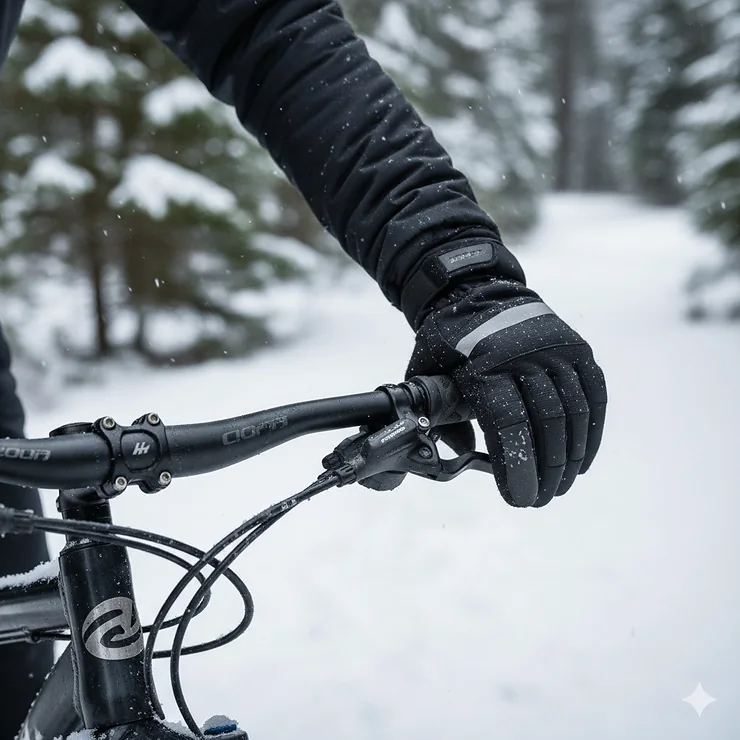
Cold weather bike gloves are essential gear for anyone serious about year-round riding. Your hands are the first place to suffer when temperatures drop, and numb fingers seriously compromise your ability to brake, shift, and maintain control on your bike. Whether you’re commuting through freezing mornings, crushing winter road miles, or exploring snowy trails, the right cold weather biking gloves can transform your experience from miserable to enjoyable.
I’ve spent countless hours researching and testing best cold weather cycling gloves to help you find exactly what you need. The challenge isn’t just finding warm winter bike gloves—it’s discovering cold weather bike gloves that keep your hands toasty while maintaining the dexterity you need for precise bike control. Unlike bulky ski gloves, cold weather cycling gloves need to balance insulation with feedback, allowing you to feel your brakes, shifters, and handlebars.
This complete guide covers everything you need to know about selecting the best cold weather biking gloves, including real product recommendations with current pricing, detailed specifications, and honest customer feedback. You’ll discover budget-friendly options alongside premium choices, all tested for their warmth, grip, and performance in genuine cold-weather conditions.
🔍 Quick Snapshot: What makes cold weather bike gloves different from regular winter gloves? Cycling-specific design features like touchscreen compatibility, palm construction for brake feel, and strategic padding in high-impact zones. Temperature rating typically ranges from 32°F to below 0°F depending on insulation type and material composition.
Quick Comparison Table: Cold Weather Biking Gloves at a Glance 📊
| Glove Model | Price Range | Best For | Warmth Rating | Waterproof | Weight |
|---|---|---|---|---|---|
| Giro Xnetic H2O | $50-60 | All-around | ⭐⭐⭐⭐ | Yes | 62g |
| Castelli Perfetto ROS | $70-80 | Road cycling | ⭐⭐⭐⭐ | Yes | Lightweight |
| Fox Ranger Fire | $40-50 | Mountain bikes | ⭐⭐⭐ | Resistant | Medium |
| Sportful Sottozero | $80-100 | Deep winter | ⭐⭐⭐⭐⭐ | Resistant | 60g |
| Rapha Deep Winter | $110+ | Extreme cold | ⭐⭐⭐⭐⭐ | Yes | Premium build |
| Sealskinz All Weather | $90-120 | Wet conditions | ⭐⭐⭐⭐ | Yes | Merino wool |
| 100% Hydromatic Brisker | $30-45 | Budget option | ⭐⭐⭐ | Yes | Lightweight |
💬 Just one click – help others make better buying decisions too!😊
Top 7 Products: Expert Analysis & Reviews 🏆
1. Giro Xnetic H2O Gloves – Best Overall Versatility ⭐⭐⭐⭐⭐
The Giro Xnetic H2O gloves deliver exceptional performance across virtually any winter riding condition. These lightweight wonders weigh just 62 grams for the pair, making them nearly imperceptible on your hands. The seamless Xnetic knit construction uses a unique three-layer system: a knitted outer layer, soft ridged inner face, and RainGuard waterproof membrane sandwiched in between.
Key Specifications:
- Xnetic H2O three-layer construction with RainGuard waterproof membrane
- Ultra-stretch knit material for precise fit and feel
- Touchscreen-compatible metallic thread in fingertips
- Weight: 62g per pair
- Temperature rating: 40°F to 5°F
Customer Feedback: Riders consistently praise the perfect balance between warmth and breathability. The gloves trap body heat effectively while preventing the clammy feeling common with traditional waterproof options. However, some users note they may feel thin in extreme cold below freezing.
Pros:
✅ Incredibly lightweight and packable
✅ Excellent touchscreen compatibility
✅ Seamless construction prevents bunching
Cons:
❌ May require liners for sub-20°F temperatures
❌ Occasional durability concerns with logo printing
Price: $50-60 on Amazon | Available in multiple colors and sizes
2. Castelli Perfetto ROS Gloves – Best for Road Cycling 🚴
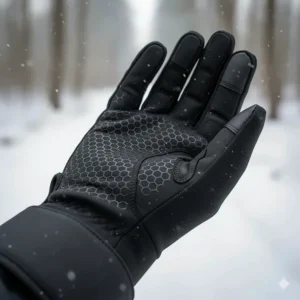
The Castelli Perfetto ROS gloves represent Italian engineering excellence for cold weather road cycling. These gloves use Gore-Tex Infinium Windstopper fabric with reduced-seaming technology to deliver deceptive warmth without excess bulk. The name “ROS” stands for “Rain or Shine,” perfectly describing their versatility.
Key Specifications:
- Gore-Tex Infinium Windstopper fabric technology
- Reduced-seaming construction for comfort
- Clarino synthetic suede palms with silicone printing
- Castelli Damping System for vibration reduction
- Extended cuff design for sleeve coverage
Customer Feedback: Road cyclists rave about the minimal padding that doesn’t compromise bar feel. The Gore-Tex Infinium keeps hands warm and dry without the claustrophobic sensation of traditional waterproof gloves. Users appreciate the professional appearance and durability through multiple seasons.
Pros:
✅ Perfect balance of warmth and dexterity
✅ Excellent durability and build quality
✅ Works equally well in rain or dry conditions
Cons:
❌ Premium pricing limits accessibility
❌ May feel snug—size up if between sizes
Price: $70-80 on Amazon | Black and other seasonal colors available
3. Fox Ranger Fire Gloves – Best for Mountain Bikes 🏔️
The Fox Ranger Fire gloves bring mountain bike-specific design to cold weather riding. Featuring a water-resistant AX Suede palm and weather-resistant outer fabric, these gloves prioritize trail control and durability. The extended cuff tucks into jackets, preventing cold wind from sneaking in at the wrist.
Key Specifications:
- Water-resistant AX Suede palm with silicone grip pads
- Fleece-lined interior for insulation
- Pull tab for easy donning with cold hands
- Reinforced extended cuff design
- Nose wipe feature on thumb
Customer Feedback: Mountain bikers appreciate the secure grip on technical terrain and the reinforced pull tab that makes putting on frozen gloves less frustrating. The fleece lining provides genuine warmth without being overly bulky, though some users note they’re better suited for 35°F+ riding.
Pros:
✅ Excellent grip even when wet
✅ Durable construction for technical riding
✅ Reasonable price point
Cons:
❌ Not fully waterproof—water seeps between fingers in heavy rain
❌ Limited touchscreen compatibility
Price: $40-50 on Amazon | Available in black and signature Fox colorways
4. Sportful Sottozero Gloves – Best for Deep Winter ❄️
The Sportful Sottozero gloves live up to their Italian name meaning “below zero.” These purpose-built deep-winter gloves use 60 grams of PrimaLoft Silver insulation combined with a durable water-resistant softshell exterior. The construction prioritizes warmth without sacrificing the dexterity you need for cycling control.
Key Specifications:
- 60g PrimaLoft Silver insulation on hand back
- Softshell synthetic face fabric with DWR treatment
- Light fleece lining for comfort
- Clarino palm with silicone printing for grip
- Microfiber nose wipe and touch screen compatibility
- Temperature rated to -5°C (23°F)
Customer Feedback: Riders tackling genuine cold-weather conditions consistently name these as their go-to winter choice. The PrimaLoft Silver provides exceptional warmth-to-weight ratio, and the thin palm allows surprising feedback despite heavy insulation. Some users find them overkill for milder winters.
Pros:
✅ Exceptional warmth for extreme conditions
✅ Excellent grip even in wet snow
✅ Flexible and comfortable fit
✅ Reflective branding for visibility
Cons:
❌ May overheat on warmer winter days
❌ Premium price tag
Price: $80-100 on Amazon | Black colorway standard availability
5. Rapha Deep Winter Gloves – Premium Extreme Cold ❄️❄️
The Rapha Deep Winter gloves represent the pinnacle of cold weather glove engineering. These luxury gloves feature multiple layers of insulation, leather palms, and a sophisticated double-cuff system tested in Norwegian winter conditions. They’re designed as part of a modular system with optional merino liners for genuine deep winter riding.
Key Specifications:
- PrimaLoft insulation with OutDry waterproof membrane
- Leather palms for durability and grip
- Double-layer cuff design: merino inside, protective outer shell
- Pre-shaped fingers for improved dexterity
- Gel padding on heel for vibration dampening
- Temperature rated: -5°C to 5°C (23°F to 41°F) depending on liner system
Customer Feedback: Users investing in Rapha Deep Winters consistently report they’re among the warmest five-finger cycling gloves available. The leather construction feels premium and maintains grip even when clammy. However, they’re notably bulky and expensive, requiring commitment to extreme-cold cycling.
Pros:
✅ Unmatched warmth in extreme conditions
✅ Beautiful leather construction
✅ Modular system allows condition-specific layering
✅ Excellent durability for repeated seasons
Cons:
❌ Very expensive investment
❌ Bulky design reduces dexterity slightly
❌ May require compatible merino liners ($40+) for true deep winter
Price: $110-130+ on Amazon/Rapha direct | Investment-grade construction
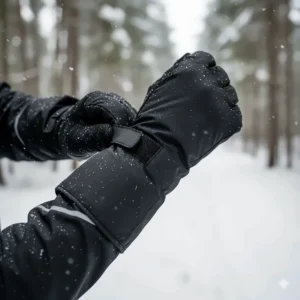
6. Sealskinz All Weather MTB Gloves – Best for Wet Conditions 🌧️
The Sealskinz All Weather MTB gloves use revolutionary triple-layer construction featuring merino wool, hydrophilic waterproof membrane, and durable goatskin outer layer. This combination creates a close-fitting, breathable glove that manages moisture while maintaining warmth through genuine waterproofing.
Key Specifications:
- Triple-layer Fusion Control construction
- Merino wool inner layer for thermal regulation
- Hydrophilic waterproof membrane
- Durable goatskin outer layer
- Close-fitting for precise control
- Hand-wash only (delicate care requirement)
Customer Feedback: Riders specifically facing wet, cool conditions (5-10°C range) praise Sealskinz for keeping hands dry without the clammy feeling of synthetic waterproofing. The merino wool provides natural temperature regulation, preventing overheating during exertion. Below freezing, users recommend additional insulation layers.
Pros:
✅ Genuinely waterproof without synthetics
✅ Merino wool naturally temperature-regulating
✅ Excellent grip from goatskin palm
✅ Stylish appearance
Cons:
❌ Hand-wash only—higher maintenance
❌ Premium pricing
❌ Not ideal for sub-freezing temperatures alone
Price: $90-120 on Amazon | Limited colorway availability
7. 100% Hydromatic Brisker Cold Weather Gloves – Best Budget Option 💰
The 100% Hydromatic Brisker gloves deliver impressive cold weather performance without breaking your budget. This entry-level option combines a thick softshell backing with waterproofing, offering genuine protection at less than half the price of premium alternatives. The thin, unpadded palm preserves excellent bar feel even in budget-tier construction.
Key Specifications:
- Softshell synthetic outer with waterproof membrane
- Thin, unpadded Clarino palm for feel
- Pull-on cuff with reinforced synthetic leather strip
- Versatile design suits road and mountain cycling
- Temperature rated: 40°F to 10°F
- Lightweight construction
Customer Feedback: Budget-conscious riders consistently report surprising performance from these gloves. The waterproofing actually works despite the low price, and the palm construction maintains surprising feedback for manipulating shifters and brakes. Users note they work best in the 30-50°F range rather than extreme cold.
Pros:
✅ Affordable entry point for winter cycling
✅ Legitimate waterproofing despite price
✅ Good bar feel for budget option
✅ Lightweight design
Cons:
❌ Less insulation than premium options
❌ May require layering for deep winter
❌ Durability questions with heavy use
Price: $30-45 on Amazon | Most affordable cold weather option
What Are Cold Weather Bike Gloves? 🤔
Cold weather bike gloves are specialized cycling accessories designed specifically for riding in temperatures below 55°F (13°C). Unlike general-purpose winter gloves, cold weather cycling gloves incorporate features that preserve your ability to operate brakes, shifters, and bike computers while protecting your hands from freezing temperatures.
Key Differentiators from Regular Winter Gloves:
The primary distinction lies in construction. Regular cold weather gloves prioritize maximum insulation and bulk, which works fine when your hands are stationary. Cycling, however, demands constant hand position changes, precise movements, and tactile feedback. Therefore, cold weather biking gloves use thinner materials in palm zones, strategic padding only in high-vibration areas, and seamless construction to prevent bunching when gripping curved handlebars.
Additionally, winter cycling gloves incorporate cycling-specific features: touchscreen-compatible fingertips for navigation devices, nose wipes on thumbs for windswept faces, and extended cuffs that extend past wrists to prevent cold air infiltration.
Cold Weather Cycling Gloves vs. Traditional Alternatives: Benefits Comparison 📋
| Feature | Cold Weather Cycling Gloves | Traditional Ski Gloves | Work Gloves |
|---|---|---|---|
| Dexterity | Excellent | Poor | Good |
| Bar Feel | Excellent | Poor | Moderate |
| Waterproofing | Often Yes | Often Yes | No |
| Touchscreen | Often Yes | Rarely | No |
| Breathability | Good | Fair | Poor |
| Cycling-Specific Design | Yes | No | No |
| Price Range | $30-130 | $50-150 | $15-40 |
| Temperature Range | Wide variety | Limited | Limited |
Cold weather biking gloves offer superior dexterity compared to traditional ski gloves, which sacrifice control for insulation bulk. Work gloves, while affordable, lack the waterproofing and thermoregulation of genuine cycling winter gloves.
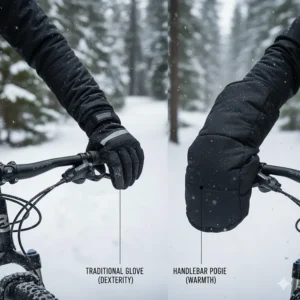
How to Choose Cold Weather Biking Gloves: 7-Step Guide ✅
Step 1: Determine Your Temperature Range 🌡️
Identify the coldest temperatures where you’ll typically ride. Budget options work 30-50°F. Mid-range gloves handle 0-40°F. Premium options protect below 0°F. Choose based on your local winter climate, not worst-case scenarios.
Step 2: Assess Your Riding Style 🚲
Road cyclists need minimal padding and maximum dexterity. Mountain bikers benefit from thicker palms and reinforced grips. Commuters prioritize waterproofing and quick transitions. Match glove features to your specific riding demands.
Step 3: Prioritize Waterproofing vs. Breathability 💧
True waterproofing (Gore-Tex, sealed membranes) prevents water entry completely but can trap sweat. Water-resistant DWR coatings allow light moisture through but breathe better. Choose waterproof for wet climates, water-resistant for dry cold.
Step 4: Check Material Construction 🧤
PrimaLoft insulation offers excellent warmth-to-weight ratio. Down provides premium warmth but loses insulation when wet. Fleece linings are affordable and functional. Synthetic suede palms offer durability; leather provides luxury feel.
Step 5: Verify Size and Fit 📏
Gloves should feel snug without restricting circulation. Most brands size S-XXL. Try sizing up one size if wearing with liners. Ensure wrist cuffs extend to jacket sleeves to prevent gaps. Proper fit matters more than thickness for warmth retention.
Step 6: Consider Secondary Features 🔍
Touchscreen compatibility matters for riders using cycling computers. Nose wipes are genuinely useful for cold-weather riding. Reflective elements improve visibility. These features don’t hurt, but don’t choose gloves based on them alone.
Step 7: Read Reviews from Real Riders ⭐
Look for cold weather cycling-specific reviews mentioning actual temperature performance, not just general winter glove reviews. Cycling-specific sources like CyclingWeekly, Cyclingnews, and BikeRadar test gloves in genuine riding conditions.
Cold Weather Bike Gloves: Materials & Technologies Explained 🔬
Insulation Technologies for Cold Weather Cycling Gloves
PrimaLoft Silver & Gold: Synthetic insulation engineered for extreme warmth without bulk. Maintains insulation even when slightly damp. Found in premium and mid-range cold weather biking gloves. Excellent warmth-to-weight ratio makes it industry standard.
Down Insulation: Premium natural insulation providing exceptional warmth at light weight. Unfortunately loses all insulating properties when wet, making it risky for winter cycling in wet conditions. Rarely found in modern cycling-specific winter gloves.
Fleece Lining: Affordable, functional insulation using synthetic fibers. Decent warmth at budget prices but bulkier than PrimaLoft alternatives. Common in budget and mid-range options. Breathes better than down but provides less warmth overall.
Merino Wool: Natural fiber offering excellent temperature regulation and moisture management. Premium material adding significant cost. Found primarily in high-end options like Sealskinz. Provides warmth without excessive bulk while managing sweat effectively.
Waterproofing Systems for Best Cold Weather Biking Gloves
Gore-Tex Infinium: Premium waterproof/breathable membrane bonded to glove materials. Prevents water entry while allowing moisture vapor escape. Market-leading technology commanding premium pricing. Found in top-tier cold weather cycling gloves.
OutDry Membrane: Alternative premium waterproofing providing similar protection to Gore-Tex. Bonded directly to materials rather than floating, improving fit and feel. Excellent choice for riders seeking Gore-Tex alternatives.
DWR (Durable Water Repellent) Coating: Hydrophobic treatment applied to outer fabrics making water bead and run off. Not truly waterproof but extends water resistance significantly. Requires periodic reapplication (typically annually). Found in mid-range options balancing breathability with water protection.
Sealed Seams & Neoprene Cuffs: Construction techniques preventing water entry at vulnerable points. Sealed seams prevent water from following stitching lines into glove interiors. Neoprene cuffs create water-resistant seals at wrist areas.
Best Cold Weather Cycling Gloves for Specific Conditions 🎯
Best for Wet Winter Weather 🌧️
Giro Xnetic H2O and Castelli Perfetto ROS excel in rainy conditions. Their seamless, waterproof construction prevents water from finding entry points. The Xnetic’s minimal bulk prevents the clammy feeling that plagues many waterproof gloves during sustained rain.
Best for Extreme Cold ❄️
Rapha Deep Winter and Sportful Sottozero handle temperatures below 10°F where lighter gloves fail. Their heavy PrimaLoft insulation and leather construction maintain warmth in genuine cold. Consider layering systems if regularly riding below 0°F.
Best for Mountain Biking 🏔️
Fox Ranger Fire and 100% Hydromatic Brisker provide the durability and grip mountain riders demand. Reinforced palms withstand trail abuse while maintaining feedback for technical terrain. Extended cuffs prevent soil and debris entry.
Best for Road Racing 🏁
Castelli Perfetto ROS and Rapha Pro Team (mentioned in research) minimize bulk while maximizing warmth. Road cyclists appreciate the sleek appearance and maintained bar feel these premium options deliver.
Best for Budget-Conscious Riders 💰
100% Hydromatic Brisker delivers genuine performance at affordable pricing. Don’t assume budget means sacrificing quality—these gloves genuinely work for 30-50°F conditions common in many U.S. winter climates.
Cold Weather Biking Gloves Care & Maintenance Tips 🧼
Cleaning Your Winter Cycling Gloves
Most cold weather cycling gloves require hand washing in cool water with mild soap. Machine washing damages insulation and waterproof membranes. Avoid harsh detergents that strip protective coatings. Always air dry completely before storage—moisture promotes mold growth.
Storage Between Seasons
Store gloves in cool, dry locations away from direct sunlight. Avoid plastic bags that trap moisture; paper bags work better. Store in a dedicated cycling gear compartment to prevent odor contamination. Periodic airing throughout off-season maintains material integrity.
Maintaining DWR Coatings
DWR treatments gradually wear from use and washing. When you notice water no longer beading on glove surfaces, apply commercial DWR treatments (available at outdoor retailers) according to product instructions. Annual reapplication extends glove lifespan significantly.
Addressing Cold Weather Glove Odor
Merino wool naturally resists odor better than synthetic materials. For synthetic gloves, thorough hand washing followed by complete air drying prevents smell development. Some cyclists store a small odor-absorbing packet (cedar, activated charcoal) with their winter gloves between rides.
Repairing Winter Cycling Gloves
Minor seam separation can be addressed with flexible waterproof fabric glue designed for outdoor gear. Most quality winter gloves last 3-5 seasons with proper care. Once insulation compresses or waterproofing fails, replacement typically makes more sense than repair investment.
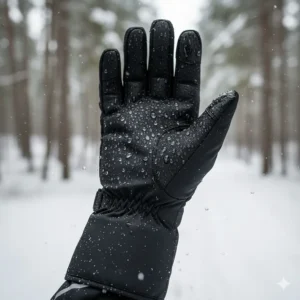
Cold Weather Bike Gloves Sizing Guide: Find Your Perfect Fit 📐
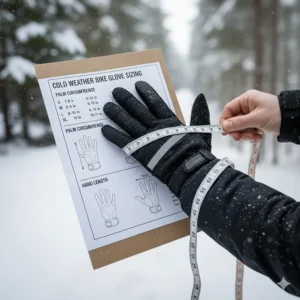
Proper sizing ensures comfort and maintains circulation—critical for cold weather cycling safety. Follow these measurement guidelines:
Measuring Your Hand:
- Wrap measuring tape around your dominant hand’s widest point (palm width)
- Record measurement from fingertip of longest finger to wrist base
- Compare both measurements to manufacturer size charts
General Sizing Notes:
- Gloves should feel snug but never tight
- No excess material at fingertips (causes bunching)
- Wrist cuffs should reach 2-3 inches up your wrist
- When worn with liners, size up approximately one size
- Try on with jacket sleeves to verify cuff coverage
Brand-Specific Sizing Quirks: Rapha gloves tend to run large—size down one size from typical preference. Castelli runs true-to-size for most users. Giro sizes run slightly small—consider going up one size. European brands (Sportful, Sealskinz) occasionally fit tighter than American-brand equivalents.
Frequently Asked Questions About Cold Weather Bike Gloves ❓
❓ How do I prevent numb fingers while cycling in winter?
❓ Are cold weather bike gloves necessary, or can I use regular winter gloves?
❓ How long do cold weather cycling gloves typically last?
❓ Can I use glove liners under cold weather cycling gloves?
❓ What temperature range should my cold weather bike gloves protect?
Why Dexterity Matters in Best Cold Weather Biking Gloves 🎯
Numb fingers that can’t feel your brake lever become genuinely dangerous. Winter cycling accidents often result from reduced control—inability to brake smoothly, shift precisely, or maintain steady steering. Quality cold weather cycling gloves preserve the tactile feedback you need while protecting hands from freezing temperatures.
Thin-palm construction allows brake lever pressure sensing that thick, heavily-padded alternatives eliminate. Strategic padding in high-vibration zones (heel of palm, thumb area) reduces fatigue without sacrificing feedback. Seamless construction prevents material bunching that creates dead zones where you can’t feel handlebars.
Investment Guide: Cold Weather Cycling Gloves Price Analysis 💵
Budget Tier ($25-50): 100% Hydromatic, basic Gore-Wear options. Genuine functionality for 30-50°F conditions. Perfect for casual riders or backup pairs. Limited lifespan and features.
Mid-Range Tier ($50-90): Giro Xnetic, Castelli Perfetto ROS, Sportful Sottozero. Excellent balance of price and performance. 2-3 season lifespan. Worth the investment for regular winter riders.
Premium Tier ($90-150): Rapha Deep Winter, high-end Castelli, Sealskinz. Luxury materials, exceptional warmth, 4-5 year lifespan. Justified for riders in harsh climates or serious winter enthusiasts.
Value Strategy: Rather than one expensive pair, consider two mid-range pairs covering different conditions. Light gloves for 30-50°F, heavy gloves for 0-30°F costs similar to one premium pair but provides superior flexibility.
Common Mistakes When Choosing Best Cold Weather Biking Gloves 🚫
Many cyclists make preventable errors when selecting winter cycling gloves. The most common mistake involves choosing gloves based on warmth alone, ignoring dexterity and control features. Maximum insulation doesn’t help if you can’t operate your brakes safely.
Another frequent error involves purchasing bulky ski gloves because they’re cheaper. These lack cycling-specific features, cause poor bar feel, and actually compromise control when you need it most during winter riding. True cycling winter gloves cost more but deliver superior performance.
Some riders oversimplify by buying one pair intended to handle all winter temperatures. This rarely works well since conditions vary dramatically across seasons. Instead, smart cyclists build systems with light and heavy options, using appropriate gloves for specific ride conditions.
Temperature rating misunderstandings cause problems too. Don’t choose gloves rated for extreme conditions you’ll never experience. A glove rated to -20°F will feel overly bulky on typical winter days. Match ratings to your realistic temperature range.
Building Your Winter Glove Collection Strategy 🧤
Rather than searching for the mythical “perfect glove” handling every condition, successful winter cyclists maintain 2-3 pairs addressing different scenarios. This rotation approach extends individual glove lifespan while ensuring optimal performance across conditions.
Light Rotation (40-55°F): Giro Xnetic or similar lightweight options for shoulder season and warm winter days. These gloves prioritize breathability while maintaining adequate warmth. Keeping one pair of lighter gloves prevents overheating during variable-temperature rides.
Heavy Rotation (0-40°F): Castelli Perfetto ROS or Sportful Sottozero for genuine winter conditions. These insulated options provide serious cold-weather protection while maintaining reasonable dexterity. Most winter riding falls into this temperature range.
Extreme Rotation (Below 0°F): Rapha Deep Winter for rare extreme-cold rides or dedicated winter commuters in harsh climates. These investment-level gloves justify their cost for riders regularly experiencing true arctic conditions.
Having multiple pairs enables rotation, extending the life of any single glove. While drying between rides, you’re not forced to wear damp gloves on your next ride. This simple system maximizes comfort and glove longevity.
Touchscreen Compatible Cold Weather Bike Gloves: Feature Worth Considering 📱
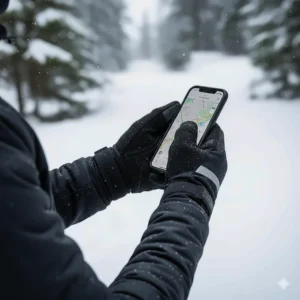
Modern winter cycling increasingly demands the ability to operate smartphones and cycle computers without removing gloves. Touchscreen compatibility—achieved through conductive fibers woven into fingertips—addresses this genuine need.
However, touchscreen functionality shouldn’t drive your glove selection alone. A glove that’s warm but lacks touchscreen capability beats one that’s marginally warmer but doesn’t work for your needs. Consider touchscreen as a helpful secondary feature rather than a primary selection criterion.
Most modern mid-range and premium cycling gloves now incorporate touchscreen compatibility. Budget options less frequently include this feature. If touchscreen functionality matters for your riding (using Strava, Garmin, or navigation apps), specifically verify this feature exists before purchasing.
Real Rider Experiences: Why Cold Weather Cycling Gloves Matter 👥
Experienced winter cyclists consistently report that proper cold weather cycling gloves transformed their winter riding from endurance test to genuine enjoyment. One cyclist shared that investing in genuine winter cycling gloves rather than borrowed ski gloves literally meant the difference between completing rides and abandoning them from hand pain.
Another rider mentioned that the transition from regular gloves to proper cold weather biking gloves improved control so dramatically that winter riding actually became safer than previously assumed. Proper bar feel meant earlier braking decisions and smoother gear changes.
Group ride participants frequently note that those wearing appropriate cold weather cycling gloves can focus on riding while those in inadequate gloves suffer through the experience focused only on hand pain. Performance differences compound over ride duration—by mile five, undergloved riders substantially lose fitness focus.
The consensus across genuine winter cycling communities emphasizes one consistent message: never compromise on hand protection. Your hands are your interface with the bike, and proper cold weather cycling gloves ensure that interface remains responsive regardless of temperature.
Local Winter Conditions: Matching Best Cold Weather Bike Gloves to Your Climate 🌍
U.S. regional differences dramatically affect ideal glove selections. Riders in the Upper Midwest or Northeast face sustained freezing temperatures demanding heavy insulation. Conversely, Southern and Southwest winter cyclists experience mild cold with occasional sub-freezing days.
Northeast Winter Cycling: Sustained temperatures 0-30°F with significant precipitation. Invest in Sportful Sottozero or Rapha Deep Winter gloves supporting this consistent cold. Water resistance matters critically given frequent snowfall and freeze-thaw cycles.
Midwest Winter Cycling: Similar sustained cold often accompanied by wind chill. Additional insulation becomes important; consider layering systems combining lighter gloves with liners. Moisture management matters given variable humidity.
Pacific Northwest Winter: Mild temperatures (30-50°F) with frequent rain. Water resistance exceeds insulation importance. Giro Xnetic or Castelli Perfetto ROS gloves handle these conditions efficiently.
Southwest Winter: Occasional freezing, typically dry. Light-to-medium insulation suffices. Budget options like 100% Hydromatic work effectively when temperatures rarely drop below 20°F.
Know your winter climate before selecting gloves. Oversizing for unlikely extreme conditions creates unnecessary bulk and cost.
Layering Strategy: Using Cold Weather Cycling Gloves Within Your System ⛓️
Cold weather cycling succeeds through systematic layering, with gloves as one component within comprehensive protection. Properly layered riders maintain comfort across wider temperature ranges than any single glove handles alone.
Foundation Layer: Merino liner gloves or thin synthetic options. These provide initial insulation while wicking moisture from your hands. They cost $15-30 and should remain invisible under primary gloves.
Primary Layer: Your main winter cycling glove (Giro, Castelli, Sportful) addressing your typical riding temperatures. This provides the bulk of insulation and weatherproofing.
Protection Layer: Overmitts or outer shells in extreme conditions provide additional weather protection without adding wrist insulation. Some riders carry lightweight overmitts in pack backup systems for emergency conditions.
Cuff Integration: Ensuring your glove cuff extends past your jacket cuff creates an integrated seal preventing wind infiltration. Improperly sealed wrists allow cold air circulation even with well-insulated gloves.
Systematic layering allows adaptation as conditions change during rides. Starting with liner plus primary glove provides substantial flexibility, allowing temperature response without mid-ride gear swaps.
Performance Testing: How Experts Evaluate Best Cold Weather Biking Gloves 🧪
Professional cycling journalists test winter gloves through comprehensive real-world protocols. Testing occurs across multiple temperature ranges, weather conditions, and riding intensities to provide genuine performance data.
Evaluators specifically test brake lever pressure sensing, shifter operation accuracy, and sustained grip in wet conditions. These functional tests determine whether gloves actually work for cycling rather than simply being warm.
Durability testing involves extended use tracking material degradation, insulation compression, and waterproof membrane failure. Multiple-season evaluations identify which gloves justify premium pricing through extended lifespan.
Temperature comfort testing happens across defined ranges (5°F, 15°F, 25°F, etc.) identifying specific temperature ranges where gloves perform optimally. This allows realistic recommendations rather than vague warmth claims.
When researching glove reviews, seek evaluations from cycling-specific sources (CyclingWeekly, BikeRadar, Cyclingnews) rather than general winter gear reviewers. Cycling-specific testing emphasizes control and dexterity alongside warmth—factors general reviews overlook.
Cold Weather Cycling Gloves: Expert Recommendations Summary 🏆
I recommend Giro Xnetic H2O gloves as best overall choice for most U.S. riders. They handle variable conditions, maintain excellent dexterity, and deliver genuine waterproofing without bulk. For road racers prioritizing performance, Castelli Perfetto ROS gloves provide the premium feel and control serious cyclists expect.
Mountain bikers benefit from Fox Ranger Fire gloves’ durability and secure grip, especially considering their affordable pricing. Those tackling genuine deep-winter conditions should invest in either Sportful Sottozero (better value) or Rapha Deep Winter (premium choice) despite the investment.
Budget-conscious riders shouldn’t overlook 100% Hydromatic Brisker gloves. They genuinely work in appropriate temperature ranges, and keeping multiple pairs extends the life of any single glove through regular rotation.
Best Cold Weather Cycling Gloves for Commuters vs. Weekend Riders 🚴♂️
Commuters and weekend riders have different glove priorities despite riding in similar temperatures. Commuters value durability, rapid drying, and professional appearance since gloves stay visible throughout workdays. Weekend warriors prioritize peak performance and pure riding feel, willing to sacrifice aesthetics for function.
For Commuters: Castelli Perfetto ROS gloves offer professional appearance matching business casual standards while delivering genuine protection. The water resistance means gloves dry sufficiently overnight for daily reuse without odor issues. Dexterity supports handling traffic navigation and safety-critical braking.
For Weekend Riders: Sportful Sottozero or Rapha Deep Winter gloves provide maximum performance without aesthetic compromise. Weekend riders prioritize pure warmth and control over appearance, justifying premium pricing and specialized styling.
Commuters benefit from owning multiple pairs enabling rotation and thorough drying between uses. Weekend riders might invest in a single premium pair used intensively during limited riding windows.
Preventing and Treating Winter Cycling Hand Injuries 🏥
Cold weather cycling creates specific hand injury risks requiring understanding and prevention. Frostbite starts developing at 32°F with proper warning signs (tingling, numbness, skin discoloration) preceding tissue damage.
Recognizing early warning signs prevents serious frostbite. Tingling that doesn’t resolve through movement and position changes suggests inadequate insulation. Stopping riding before pain develops typically prevents genuine injury.
Treatment for cold-related hand injuries begins with gradual rewarming (never rapid heat application), pain management, and medical evaluation if skin discoloration persists. Prevention through proper cold weather cycling gloves remains far simpler than treating cold damage afterward.
Maintaining good circulation through body core warmth reduces cold extremity risk. Properly layered core body temperature enables your system to prioritize hand warming rather than withdrawing blood from extremities.
Winter Cycling Hand Care Beyond Glove Selection 🧴
Proper gloves prevent most cold-weather hand problems, but additional care extends comfort. Moisturizing hands regularly combats winter dryness that creates cracking and increases frostbite susceptibility. Apply heavy moisturizers immediately after riding while skin remains warm.
Keeping fingernails trimmed prevents internal scratching from involuntary hand movements inside gloves during extreme cold. This simple measure prevents infections from small wounds that develop inside insulated gloves.
Managing sweat and moisture inside gloves prevents the paradox of cold, clammy hands despite heavy insulation. Removing gloves periodically during longer rides allows evaporative cooling. Choosing gloves with breathable materials rather than completely sealed designs helps manage moisture.
Alternating between multiple pairs of gloves enables thorough drying between use. A single pair of gloves worn every ride remains perpetually damp, reducing insulation effectiveness through the season.
Troubleshooting Common Cold Weather Cycling Glove Problems 🔧
Gloves Too Tight: Most often results from sizing errors or wearing with liners in wrong size combinations. Tight gloves actually reduce warmth through circulation restriction. Resize or remove liners rather than suffering through uncomfortable fits.
Cold Fingertips Despite Heavy Insulation: Usually indicates circulation issues rather than glove problems. Core body temperature dropping causes your system to conserve heat by reducing extremity blood flow. Ensure proper core body layering before blaming gloves. Windmill arm movements during breaks force blood into fingertips.
Wet Gloves After Rain: Indicates waterproof membrane failure or water entry through cuffs/palms. Check cuff seal integration with jackets; often gaps allow water entry at wrist areas. If genuine waterproofing fails, gloves may require replacement or professional repair.
Glove Odor Development: Results from moisture retention and bacterial growth. Always air dry gloves completely after rides rather than storing damp. Some cyclists store activated charcoal packets with gloves between riding sessions.
Loss of Dexterity Over Riding Season: Indicates insulation compression from repeated compression cycles. This natural process shortens glove lifespan. Rotate gloves to extend usable life—allowing recovery between rides helps insulation loft recover partially.
Innovations in Cold Weather Cycling Glove Technology 🔬
Modern winter cycling gloves incorporate increasingly advanced materials and designs. Graphene-enhanced materials (still experimental) promise superior warmth at minimal weight. Recycled insulation materials provide similar performance to virgin insulation while reducing environmental impact.
Advanced moisture-wicking materials actively pull sweat away from skin rather than simply allowing evaporation. These innovations appear increasingly in premium options, gradually filtering to mid-range products.
Modular glove systems like Rapha’s layering approach represent the future of winter glove design. Rather than single monolithic gloves, modular systems allow combining appropriate insulation and weather protection layers for specific conditions.
Emerging technologies suggest electric heating elements might eventually integrate into cycling gloves. Currently bulky and expensive, eventual miniaturization might revolutionize extreme-cold cycling. Until then, traditional insulation remains the practical choice.
Related Resources for Winter Cycling Preparation 📚
Proper gloves represent one component of comprehensive winter cycling preparation. Additional resources help ensure complete cold-weather readiness. Cycling-specific publications including Cycling Weekly offer detailed winter preparation guides covering all seasonal transitions.
BikeRadar maintains comprehensive glove reviews comparing current models across performance categories. Their testing methodology specifically addresses cycling functionality rather than general cold protection.
USA Cycling provides official guidance on winter safety for competitive cyclists. Educational resources address seasonal training modifications and injury prevention strategies.
Temperature management during winter riding requires understanding physiology of cold exposure. Comprehending your body’s thermal regulation enables smarter decisions about gear selection and riding intensity.
Local cycling clubs and communities often maintain seasonal riding groups with experienced winter riders. Peer recommendations frequently identify products and strategies that testing alone might miss, offering valuable local climate-specific insights.
Cold weather bike gloves represent one of cycling’s most impactful investments. The difference between proper cold weather cycling gloves and inadequate options literally determines whether winter riding feels enjoyable or miserable. Numb fingers make for miserable rides and genuinely dangerous control loss.
Your hands deserve protection matching your cycling commitment. Whether riding commute distances, winter training, or adventure gravel routes, the right best cold weather biking gloves keep you warm, capable, and enthusiastic about winter riding. Test multiple options, prioritize features matching your riding style, and don’t hesitate to invest appropriately.
The best cold weather bike gloves are the ones you’ll actually wear, providing the warmth and control your specific conditions demand.
Recommended for You
- Cold Weather Running Gloves: 7 Best Picks for 2025
- Cold Weather Motorcycle Gloves: 7 Best Picks That Beat the Freeze
- 7 Best Cold Weather Hunting Gloves 2025
Disclaimer: This article contains affiliate links. If you purchase products through these links, we may earn a small commission at no additional cost to you.
✨ Found this helpful? Share it with your friends! 💬🤗
