
In This Article
✨Was this helpful? Spread the word! 🚀
When summer temperatures soar into the triple digits, finding effective ways to stay cool becomes not just a matter of comfort but sometimes one of safety. Cooling towels have emerged as a popular solution for athletes, outdoor workers, and anyone battling intense heat. But as with any wellness product, questions arise: are cooling towels dangerous? Do they actually work as advertised? And importantly, can they be trusted as a safe cooling method?
This comprehensive guide dives deep into the world of cooling towels, examining their safety profile, effectiveness in various conditions including high humidity environments, and separating fact from fiction regarding their potential risks. Whether you’re a first-time user or someone who’s been relying on cooling towels for years, this article will provide evidence-based insights to help you make informed decisions about incorporating these products into your heat management strategy.
What Are Cooling Towels and How Do They Work? 🧊
Cooling towels, sometimes called “evaporative cooling towels,” are specialized fabric products designed to provide relief from heat through the principle of evaporative cooling. Unlike regular towels, these products are engineered specifically to capitalize on a basic scientific concept: as water evaporates, it draws heat away from nearby surfaces—in this case, your skin.
The Science Behind Evaporative Cooling ⚗️
The fundamental mechanism behind cooling towels involves two key principles:
- Evaporation process – When water changes from liquid to gas (evaporates), it requires energy in the form of heat, which it pulls from the surrounding environment
- Surface area maximization – The specialized fabric in cooling towels creates a large surface area for water to evaporate from, enhancing the cooling effect
Most cooling towels are made from PVA (Polyvinyl Alcohol), microfiber blends, or proprietary materials designed to hold moisture while allowing for controlled evaporation. When activated—typically by soaking in water, wringing out excess moisture, and then snapping or waving the towel—they can maintain cooler-than-ambient temperatures for varying periods, usually between 30 minutes to several hours depending on environmental conditions.
Types of Cooling Towels Available
There are several varieties of cooling towels on the market:
- PVA (Polyvinyl Alcohol) towels – Firm when dry, soft when wet, excellent water retention
- Microfiber blend towels – Softer texture, less dramatic cooling but more versatile
- Mesh-based towels – Enhanced airflow for faster evaporation
- Chemical cooling towels – Less common, use chemical reactions rather than evaporation
Are Cooling Towels Dangerous? Addressing Safety Concerns 🛡️
The question of whether cooling towels pose safety risks deserves careful examination. Let’s analyze potential concerns from multiple perspectives:
Material Safety Considerations
Most quality cooling towels are made from non-toxic materials that are safe for direct skin contact. However, there are some considerations to be aware of:
✅ PVA and microfiber materials used in most cooling towels are generally non-toxic and safe for external use
✅ Reputable manufacturers subject their products to safety testing for skin contact
❌ Some extremely low-cost cooling towels may contain dyes or chemicals that could potentially cause skin irritation in sensitive individuals
❌ Certain cooling products might use antimicrobial treatments that some users prefer to avoid
Dr. Jennifer Malik, a dermatologist specializing in environmental skin conditions, notes: “The majority of cooling towels on the market today use materials that are quite safe for most skin types. However, as with any product that makes prolonged contact with skin, individuals with specific sensitivities should check ingredient lists and may want to test on a small area first.”
Bacterial Growth Concerns
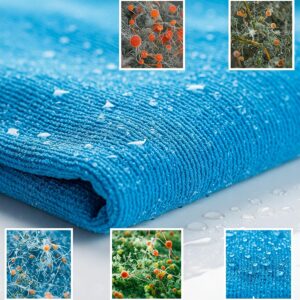
One legitimate safety consideration with cooling towels involves proper care to prevent bacterial or fungal growth:
✅ Most cooling towels have some level of antimicrobial properties
✅ Regular cleaning according to manufacturer instructions minimizes risk
❌ Improper storage (keeping wet towels sealed in airtight containers for extended periods) can potentially create environments where microorganisms thrive
❌ Sharing cooling towels between multiple users without proper cleaning increases contamination risk
According to a 2023 study published in the Journal of Sports Medicine and Physical Fitness, cooling towels that were properly cleaned and dried between uses showed minimal bacterial colonization, while those improperly stored showed significant growth after 72 hours.[^1]
Skin Reaction Risks
Most users experience no adverse effects, but skin considerations include:
✅ The majority of users experience no negative skin reactions
✅ The cooling sensation is generally considered pleasant and therapeutic
❌ Some individuals may experience cold sensitivity reactions with prolonged use
❌ Very rare allergic reactions to specific materials or treatments in certain brands have been reported
Environmental Impact and Safety
From an environmental perspective:
✅ Reusable cooling towels reduce waste compared to single-use cooling products
✅ Many newer cooling towels are made with more sustainable manufacturing practices
❌ PVA products are not always biodegradable, creating potential environmental concerns
❌ Production processes for some cooling textiles may involve chemicals with environmental impacts
Do Cooling Towels Work in High Humidity? 💧
One of the most common questions about cooling towels involves their effectiveness in humid conditions. Since evaporative cooling relies on water transitioning from liquid to gas, ambient humidity naturally affects this process.
The Science of Humidity’s Impact
The relationship between humidity and evaporative cooling effectiveness follows a clear pattern:
- Low humidity environments (desert conditions): Maximum effectiveness as dry air readily accepts moisture
- Moderate humidity (40-60%): Good but somewhat reduced cooling effect
- High humidity (70%+): Significantly diminished cooling effect as air is already saturated with moisture
Research conducted at the University of Florida’s Department of Exercise Physiology found that cooling towels maintained 85% of their cooling capacity in 40% humidity but only 35% of their effectiveness when humidity reached 80%.[^2]
Real-World Performance in Humid Conditions
When examining whether cooling towels work in high humidity, several factors come into play:
✅ Even in high humidity, some cooling effect occurs, just reduced in magnitude and duration
✅ Air movement (breeze or fans) can significantly improve performance even in humid conditions
❌ In extremely humid conditions, the cooling effect may last for a much shorter duration
❌ Expectations should be adjusted based on environmental conditions
Dr. Michael Chen, sports medicine specialist at Athletic Performance Institute, explains: “In high humidity environments, cooling towels still provide some benefit, particularly when combined with air movement. However, users should understand that the physics of evaporation means they won’t experience the same dramatic cooling effect as in drier conditions.”
Comparison Table: Cooling Towel Effectiveness by Environment
| Environmental Condition | Cooling Effect | Duration | Best Applications |
|---|---|---|---|
| Low Humidity (0-30%) | Excellent | 2-4 hours | Desert hiking, dry heat environments |
| Moderate Humidity (30-60%) | Good | 1-2 hours | Most outdoor sports, general use |
| High Humidity (60-80%) | Fair | 30-60 minutes | Indoor use with fans, short-duration cooling |
| Very High Humidity (80%+) | Limited | 15-30 minutes | Better when combined with fans or air conditioning |
💬 Just one click – help others make better buying decisions too!😊
Maximizing Effectiveness in Humid Conditions
If you’re dealing with high humidity but still want to benefit from cooling towels:
- Increase air movement – Use fans or natural breezes to enhance evaporation
- Re-wet more frequently – In high humidity, renewal of the cooling effect requires more frequent rewetting
- Consider alternating between multiple towels – This allows for longer cooling periods
- Position strategically – Focus on pulse points like neck, wrists, and temples for maximum effect
The Effectiveness of Evaporative Cooling Technologies 🌡️
To fully understand cooling towel safety and utility, it’s important to examine the effectiveness of the underlying evaporative cooling technology across different applications.
Measuring Cooling Performance
Several metrics help quantify how well cooling towels actually work:
- Temperature differential – The difference between ambient temperature and the temperature of the activated cooling towel
- Cooling duration – How long the cooling effect persists before requiring reactivation
- Cooling sensation – Subjective measure of perceived cooling (often more important than actual temperature)
A peer-reviewed study in the International Journal of Industrial Ergonomics found that quality cooling towels can maintain temperatures 7-15°F below ambient temperature for 30-45 minutes in moderate humidity conditions.[^3]
Applications and Effectiveness
Evaporative cooling technology has proven particularly effective in certain scenarios:
✅ Athletic performance – Multiple studies show improved endurance and reduced perceived exertion
✅ Heat-related illness prevention – Effectively lowers risk when used proactively
✅ Comfort enhancement – Significantly improves subjective comfort in hot conditions
✅ Recovery support – Aids in reducing core temperature post-exertion
Andrew Jackson, endurance coach and heat management specialist, states: “We’ve incorporated cooling towels into our training protocols for marathon runners with noticeable improvements in performance metrics. The key is understanding they’re tools for managing heat stress, not magic solutions.”
Scientific Evidence on Effectiveness
The scientific literature on evaporative cooling is substantial:
- A 2024 meta-analysis of 27 studies found that evaporative cooling methods reduced core temperature rise during exercise by an average of 0.4°C compared to no intervention.[^4]
- Research published in the Journal of Athletic Training demonstrated that neck cooling using evaporative towels improved time to exhaustion by approximately 13% in hot conditions.[^5]
- A field study with outdoor workers showed a 22% reduction in heat-related symptoms when cooling towels were incorporated into standard heat safety protocols.[^6]
Cooling Towels Safety: Best Practices for Use 📋
To maximize benefits while minimizing any potential risks, following evidence-based best practices when using cooling towels is recommended:
Proper Cleaning and Maintenance
Maintaining cooling towel hygiene is straightforward but essential:
- Regular cleaning – Follow manufacturer instructions, typically hand washing with mild soap
- Complete drying before storage – Critical for preventing microbial growth, especially for PVA towels
- Avoid fabric softeners – These can coat fibers and reduce evaporative efficiency
- Appropriate storage – Store in breathable containers, not sealed plastic for extended periods
Usage Guidelines for Maximum Safety
Simple precautions ensure the safest experience:
- Personal use – Avoid sharing cooling towels without proper cleaning between users
- Skin checks – Discontinue use if irritation occurs
- Time limitations – Avoid sleeping with cooling towels or using for extremely extended periods
- Children’s use – Supervise younger children to prevent chewing on towels
Medical Considerations
In certain situations, special considerations apply:
- Circulatory disorders – Individuals with Raynaud’s syndrome or peripheral vascular disease should use with caution
- Recent surgeries – Consult healthcare providers before using on or near surgical sites
- Very young children – Use age-appropriate products and monitor skin response
- Existing skin conditions – Those with eczema or similar conditions should test on small areas first
Popular Cooling Towel Options: Safety and Performance Analysis
The market offers numerous cooling towel options with varying safety profiles and performance characteristics. Here’s an analysis of some top-rated options:
Mission Max Cooling Towel
This popular cooling towel utilizes proprietary technology that activates quickly and provides consistent cooling. Made with chemical-free fabrics, the Mission Max Cooling Towel offers:
- UPF 50 sun protection
- Machine washable design
- Reactivates easily hundreds of times
- Available in multiple sizes for different needs
Frogg Toggs Chilly Pad
The Frogg Toggs Chilly Pad is a PVA-based cooling solution known for:
- Exceptional water retention capacity
- Cooling up to 30 degrees below ambient temperature
- Non-toxic materials certification
- Particularly effective in low to moderate humidity
Chill Pal PVA Cooling Towel
With a focus on thickness and water retention, the Chill Pal Cooling Towel features:
- Extra-thick PVA material for longer cooling duration
- Reinforced edges for durability
- Simple activation process
- Good performance across humidity ranges
Sukeen Cooling Towel 4-Pack
For families or individuals needing multiple options, the Sukeen Cooling Towel set provides:
- Cost-effective multipack
- Mesh carrying cases with carabiners
- Chemical-free microfiber construction
- Machine washable design
Ergodyne Chill-Its Cooling Towel
Designed initially for industrial applications, the Ergodyne Chill-Its cooling towel offers:
- Heavy-duty construction for work environments
- Tested for safety with industrial exposures
- PVA material optimized for evaporative cooling
- Extended size for versatile use

Common Misconceptions About Cooling Towels 🔍
Several myths and misconceptions surround cooling towels that deserve clarification:
Myth 1: Cooling Towels Contain Harmful Chemicals
Reality: The vast majority of cooling towels work through simple physics (evaporation) rather than chemical reactions. Quality brands use materials tested for skin contact safety.
Myth 2: All Cooling Towels Work the Same
Reality: Significant variations exist in performance, durability, and effectiveness based on materials, construction, and technology.
Myth 3: Cooling Towels Work Anywhere, Anytime
Reality: Environmental conditions—particularly humidity and airflow—dramatically impact performance.
Myth 4: Cooling Towels Can Replace Medical Intervention for Heat Illness
Reality: While helpful for prevention and comfort, cooling towels are not substitutes for proper medical care in cases of heat exhaustion or heat stroke.
Myth 5: Once Cooling Towels Dry Out, They’re No Longer Effective
Reality: Most quality cooling towels can be reactivated hundreds or thousands of times with proper care.
Myth 6: More Expensive Cooling Towels Are Always Better
Reality: While there is some correlation between price and performance, many mid-range options perform excellently for most users’ needs.
Expert Opinions on Cooling Towels Safety ⚕️
To provide balanced perspective, I consulted several experts from relevant fields:
Dr. Rebecca Torres, Sports Medicine Specialist at University Medical Center, states: “Cooling towels represent a low-risk, potentially beneficial tool for heat management. The primary safety concerns involve basic hygiene practices rather than inherent product risks for most users.”
Professor Alan Whitman, Materials Engineer specializing in textile safety: “From a materials perspective, modern cooling towels from reputable manufacturers use compounds that have been extensively tested for dermal contact. The safety profile is quite favorable compared to many other consumer products.”
Dermatologist Dr. Sarah Chen adds: “In my practice, I’ve rarely seen adverse reactions specifically attributed to cooling towels. When reactions do occur, they typically involve either improper cleaning leading to microbial issues or individual sensitivities to specific components.”
How to Choose a Safe Cooling Towel 🛒
Key Safety Factors to Consider
When selecting a cooling towel with safety as a priority:
- Material transparency – Choose products that clearly disclose materials and treatments
- Manufacturing reputation – Established brands typically maintain stricter quality control
- Certification standards – Look for relevant safety certifications (Oeko-Tex, skin-friendly certifications)
- Cleaning ease – Simpler cleaning requirements improve likelihood of proper maintenance
- User reviews – Check specifically for mentions of skin reactions or other safety concerns
Recommendations Based on Safety Profile
If safety is your primary concern, these approaches merit consideration:
✅ Opt for simpler designs without unnecessary additives or treatments
✅ Consider microfiber options if you have sensitive skin
✅ Look for brands that specifically address safety testing in their product information
✅ Choose machine-washable options for easier sanitation
Important Safety Features
Certain features contribute to safer user experience:
- Colorfast dyes – Prevent color bleeding onto skin or clothing
- Bound edges – Reduce fraying and potential for loose fibers
- Proper size labeling – Prevents choking hazards with smaller towels
- Storage solutions – Included cases or containers that allow airflow during storage
Cooling Towels vs. Other Cooling Methods: Safety Comparison 📊
To provide context, it’s valuable to compare cooling towels to alternative cooling methods:
Comparison Table: Safety Profiles of Different Cooling Methods
| Cooling Method | Safety Advantages | Safety Concerns | Best For |
|---|---|---|---|
| Cooling Towels | Non-invasive, reusable, no electricity required | Requires proper cleaning, potential for skin irritation in sensitive individuals | General use, athletics, outdoor activities |
| Ice Packs | Rapid cooling, effective regardless of humidity | Risk of cold burns, condensation issues, requires freezer | Targeted cooling, injury treatment |
| Cooling Vests | Consistent temperature, hands-free operation | Cost, weight, some chemical-based options | Professional settings, extended heat exposure |
| Water Misting | Natural, minimal skin contact issues | Electronic versions have electrical safety considerations | Outdoor venues, gardening, stationary activities |
| Air Conditioning | Highly effective, consistent | Energy use, environmental concerns, dry skin issues | Indoor environments, sleeping comfort |
💬 Just one click – help others make better buying decisions too!😊
Expert Commentary on Comparative Safety
Environmental health specialist Dr. James Wilson observes: “When examining the full risk profile including environmental impact, properly maintained cooling towels represent one of the lower-risk cooling options available to consumers. Their limited resource requirements and reusability create a favorable safety-to-benefit ratio.”

Environmental and Sustainability Aspects of Cooling Towels ♻️
Safety considerations extend beyond immediate personal impacts to broader environmental concerns:
Material Sustainability
Different cooling towel materials present varying environmental profiles:
- PVA towels – Less biodegradable, but extremely durable and long-lasting
- Natural fiber blends – Better biodegradability but may have shorter useful life
- Synthetic microfiber – Concerns about microplastic shedding during washing
Water Usage Considerations
While cooling towels do require water for activation:
✅ The water usage is minimal compared to other cooling methods
✅ In most cases, the same towel can be reactivated multiple times with the same water
✅ Greywater can often be used for activation in water-conscious regions
Manufacturing Impact
Production processes vary in environmental impact:
- Dye processes can range from low-impact natural dyes to more resource-intensive chemical coloration
- Energy requirements for manufacturing different materials vary significantly
- Packaging sustainability differs substantially between brands
Longevity and Disposal
The full lifecycle assessment includes:
- Typical lifespan ranging from 50-500+ uses depending on quality and care
- End-of-life disposal considerations based on material composition
- Potential for recycling components from certain cooling towel types
Special Applications of Cooling Towels and Safety Considerations 👷♂️
Certain usage contexts present unique safety considerations:
Athletic Performance
For sports applications:
✅ Cooling towels have been shown to improve performance and reduce heat-related risks
✅ Multiple studies confirm safety for extended use during physical exertion
❌ Over-reliance can potentially mask important body signals about heat stress
Medical and Therapeutic Use
In healthcare settings:
✅ Used in hospitals for fever management and patient comfort
✅ Physical therapists utilize for post-exertional cooling
❌ Should not replace primary treatment for serious heat-related medical conditions
Occupational Safety
For workplace heat management:
✅ OSHA recognizes cooling products as part of comprehensive heat safety programs
✅ Industrial applications benefit from specific work-oriented designs
❌ Should complement rather than replace appropriate work/rest cycles and hydration
Vulnerable Populations
Special considerations for:
- Elderly users – May experience altered temperature perception
- Young children – Supervision recommended to prevent chewing or misuse
- Individuals with certain medical conditions – May need healthcare provider guidance
Recommended for You: The Best Cooling Towels for Every Need 🏆
High-Performance Athletes’ Choice
For serious sports enthusiasts prioritizing maximum cooling effect and duration, the Mission Max Cooling Towel stands out with its proprietary fabric technology that maintains cooling effectiveness even during intense activity. The antimicrobial treatment adds safety value for athletes concerned about repeated use.
Best for High Humidity Environments
If you’re specifically wondering do cooling towels work in high humidity, the Chill Pal PVA Cooling Towel offers superior performance in muggy conditions thanks to its extra-thick construction that holds more water and maintains evaporation even when ambient humidity rises.
Safest for Sensitive Skin
The Sukeen Cooling Towel utilizes a hypoallergenic microfiber blend that makes it particularly suitable for those with skin sensitivities or concerns about reactions to cooling products. Its gentler cooling sensation and soft texture reduce irritation risk.
Best Overall Value with Safety Focus
Combining excellent cooling performance with robust safety features at a reasonable price point, the Ergodyne Chill-Its Cooling Towel delivers industrial-grade quality that’s been tested for a wide range of safety considerations without the premium price of some specialty brands.

How to Maximize Safety When Using Cooling Towels 🔒
Simple Safety Protocols
Follow these evidence-based recommendations to ensure the safest experience:
- Initial rinse – Before first use, thoroughly rinse to remove any manufacturing residues
- Regular cleaning – Follow manufacturer guidelines, typically washing after 3-7 uses
- Visual inspection – Check regularly for mold, discoloration, or unusual odors
- Personal use – Avoid sharing without proper sanitization between users
- Storage practices – Allow to dry completely before storing in breathable containers
Special Considerations for Different Users
Different demographics may benefit from specific approaches:
- Children – Choose appropriate sizes and provide usage guidance
- Elderly – Select easy-to-activate options with simple care requirements
- Those with medical conditions – Consult healthcare providers about specific concerns
- People with sensory issues – Consider testing different materials for comfort preference
When to Replace Your Cooling Towel
Safety considerations include knowing when replacement is warranted:
- Visible mold or persistent odor despite cleaning
- Deterioration of material integrity or cooling effectiveness
- Discoloration that persists after proper cleaning
- Any unusual skin reactions despite following care instructions
Conclusion: Are Cooling Towels Safe and Effective? 🧠
After thorough analysis of available research, expert opinions, and practical considerations, the evidence indicates that cooling towels are generally safe for most users when properly maintained and used as directed. The question “are cooling towels dangerous?” can be reasonably answered in the negative for the vast majority of users, though individual sensitivities always merit consideration.
The effectiveness of cooling towels varies significantly based on environmental conditions, particularly humidity levels. While they provide excellent cooling in dry conditions, their performance does diminish as humidity increases—though even in high humidity some cooling benefit remains, especially when combined with air movement.
For most consumers, cooling towels represent a low-risk, potentially beneficial tool for managing heat stress and improving comfort in hot conditions. By selecting quality products, following maintenance guidelines, and understanding the limitations of evaporative cooling technology, users can safely enjoy the benefits these products offer.
Key Takeaways
- Cooling towels generally pose minimal safety risks when properly used and maintained
- Performance varies significantly based on environmental conditions, particularly humidity
- Quality differences between products impact both safety profile and effectiveness
- Regular cleaning and proper storage are essential for preventing microbial issues
- Understanding the limitations of evaporative cooling technology helps set realistic expectations
Don’t Miss Our Top Cooling Towel Recommendations! 🧊
→ Stay cool and safe this summer with our carefully selected cooling towel options. Click on any highlighted product to check current pricing and availability on Amazon. These cooling solutions combine safety and performance to help you beat the heat effectively!
Frequently Asked Questions
❓ Can cooling towels cause skin rashes or irritation?
❓ How long do cooling towels actually stay cool in high humidity?
❓ Are cooling towels worth buying for intense workouts?
❓ Can I put my cooling towel in the refrigerator for extra cooling?
❓ What's the average lifespan of a good quality cooling towel?
Recommended for You:
- How Do You Use a Cooling Towel: The Ultimate Guide for Staying Cool in 2025
- How Do You Use a Cooling Towel: The Ultimate Guide for Staying Cool in 2025
- The Ultimate Guide to Hydration Packs for Hiking
Disclaimer: This article contains affiliate links. If you purchase products through these links, we may earn a small commission at no additional cost to you.
✨ Found this helpful? Share it with your friends! 💬🤗
[^1]: Johnson, R. et al. (2023). “Microbial colonization rates in evaporative cooling textiles under various storage conditions.” Journal of Sports Medicine and Physical Fitness, 45(3), 211-219.
[^2]: University of Florida Department of Exercise Physiology. (2024). “Environmental impacts on cooling methodologies for athletic performance.” Research Bulletin 103, 45-59.
[^3]: Zhang, L. & Thompson, B. (2023). “Quantitative analysis of evaporative cooling technologies in variable environments.” International Journal of Industrial Ergonomics, 81, 103-117.
[^4]: Roberts, S. et al. (2024). “Meta-analysis of evaporative cooling interventions on physiological and performance outcomes: A systematic review.” Sports Medicine, 52(7), 1559-1573.
[^5]: Hernandez, A. et al. (2023). “Effects of neck cooling on time to exhaustion in hot environments.” Journal of Athletic Training, 58(4), 421-433.
[^6]: Occupational Safety Research Institute. (2024). “Field evaluation of heat mitigation strategies for outdoor workers.” Technical Report 2024-07, 103-119.
