
In This Article
A 700 fill down jacket for daily wear is a mid-loft goose- or duck-down puffer built for commutes, errands and everyday cold rather than expedition summits. The “700” is the fill power: an ounce of that down lofts to roughly 700 cubic inches, delivering warmth without ultralight prices.

Think of it as the Goldilocks of insulation. 500-fill can feel like wearing a sleeping bag with sleeves, while 900-fill is a gorgeous, delicate, wallet-draining thing you baby like a sports car. The middle sits in a sweet spot where a fill power rating high enough to compress nicely meets a price tag that doesn’t require a spreadsheet and a prayer.
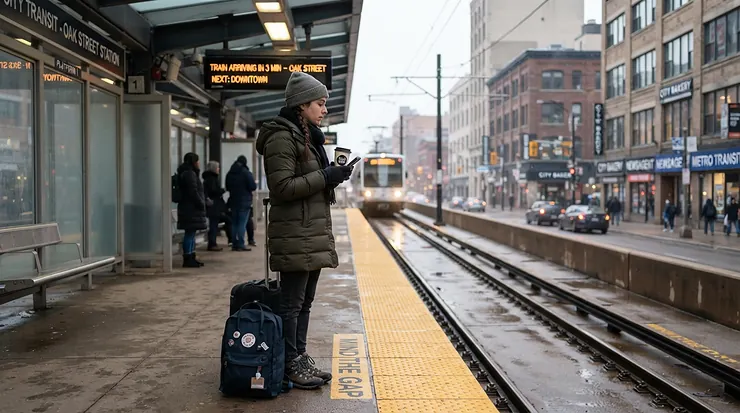
That’s why the right everyday down jacket 700 fill buyers keep circling back to is rarely the flashiest one on the rack. It’s the jacket you grab without thinking, in the dark, with one eye open and a coffee in your other hand. A truly reliable daily winter coat earns its place through boring virtues: dependable loft, a shell that shrugs off drizzle, and cuffs that don’t leak heat.
This guide compares seven real, currently listed jackets and explains what each spec means for an ordinary Tuesday. Everything here comes from published specs, aggregated customer reviews and independent expert test write-ups, with no invented hands-on stories. You’ll get comparison tables, buying criteria, care steps and honest trade-offs, so you can pick one and stop scrolling. 🧥
Quick Comparison Table: 7 Best Options at a Glance
| Jacket | Fill & Key Feature | Price Range | Best For |
|---|---|---|---|
| Columbia Corelite Down Jacket | 700-fill RDS down, packable, water-repellent finish | Around $200 | Budget-minded commuters |
| Columbia Cloudview Down Hooded Jacket | 700-fill RDS down, reflective lining, hood | Around $250-$300 | Cold-prone city walkers |
| Marmot Stockholm Down Jacket | 700-fill RDS down, Down Defender, big baffles | Around $200-$250 | Style-first daily wear |
| Rab Microlight Alpine Down Jacket | 700-fill recycled hydrophobic down, Pertex shell | High-$200s | Town-to-trail crossover |
| Helly Hansen Verglas Down Jacket 2.0 | 700-fill hydrophobic RDS down, longer cut | Around $280-$310 | Damp climates, layering |
| Mountain Hardwear Stretchdown Hoody | 700-fill RDS down, stretch-woven shell | Low-to-mid $300s | Active, always-moving wearers |
| Outdoor Research Coldfront Down Jacket | 700-fill down torso, synthetic shoulders and cuffs | Around $150-$250 | Wind-prone, wet-edge cold |
Prices shift by retailer, colorway and season, so treat these as ballparks and check current price before you buy. Looking at the table, the Columbia Corelite Down Jacket is the clear entry point for anyone who wants certified 700-fill without a premium-brand markup. The Mountain Hardwear Stretchdown Hoody and Helly Hansen Verglas Down Jacket 2.0 cost more but add specific advantages: stretch mobility and moisture-managing down. Budget shoppers should note that the cheapest option trades away the hybrid insulation and hydrophobic treatment found higher up the list.
💬 Just one click — help others make better buying decisions too!😊
Top 7 700 Fill Down Jacket for Daily Wear Picks: Expert Analysis
1. Columbia Corelite Down Jacket — cheapest way into genuine 700-fill
Not everyone needs expedition-grade anything to walk a dog or catch a 7:42 bus, and the Columbia Corelite Down Jacket seems built around that honest truth. Its headline spec is 700-fill, RDS-certified down inside a regular-fit, packable shell with an Omni-Shield finish. In practice, that finish makes light drizzle bead up instead of soaking in, and the jacket stuffs into its own hand pocket, so it can ride in a tote once the afternoon warms up. Expect comfortable warmth in crisp 30s-and-40s weather rather than a stand-alone deep-freeze shield.
Based on the spec comparison, this is the pick for buyers who want the lightness and squish of down without premium-brand money: students, commuters and weekend-errand warriors. If you run cold or face sustained sub-20°F stretches, treat it as a layering piece. Retailer pages show a small review pool so far (a 4.6 average across seven reviews at one outdoor retailer), so the praise for its warmth-to-weight ratio and easy packing is encouraging but early.
Pros:
- ✅ RDS-certified 700-fill down at an approachable price
- ✅ Packs into its own hand pocket
- ✅ Water-repellent finish handles light drizzle
Cons:
- ❌ Few reviews so far, so long-term data is thin
- ❌ Too light alone for deep-winter cold
Price & verdict: Around $200 (check current price), which is fair for certified 700-fill with weather-resistant fabric.

2. Columbia Cloudview Down Hooded Jacket — reflective lining for colder commutes
If the Corelite is the sensible hatchback, the Columbia Cloudview Down Hooded Jacket is the one with seat heaters. It pairs 700-fill RDS-certified down with Omni-Heat Infinity, a thermal-reflective lining designed to bounce body heat back toward you, plus an attached hood and a two-way front zipper. The hood matters more than most spec-skimmers admit, because a down-filled hood is often what turns a jacket into a reliable daily winter coat. The two-way zipper lets you open the hem when you sit down on a train or in a car, a small ergonomic detail you’ll appreciate every single day.
Here’s what to weigh: reflective linings add warmth, but they can’t replace insulation volume. Reviewers of other 700-fill Columbia models have split opinions on how much the lining contributes, so keep expectations realistic. Retailer staff write-ups and early customer ratings (about 4.6 to 5.0, from small pools of five reviews each) credit the lining with noticeably better heat retention without a stuffy feel.
Pros:
- ✅ Hood plus reflective lining for colder mornings
- ✅ Two-way zipper gives easy venting when seated
- ✅ 700-fill RDS-certified down insulation
Cons:
- ❌ Early review pool is small
- ❌ Lining claims deserve measured expectations
Price & verdict: Around $250-$300 (check current price), a reasonable premium if you value the hood and lining.
3. Marmot Stockholm Down Jacket — big-baffle heritage style for city streets
Some puffers say “mountain.” The Marmot Stockholm Down Jacket says “midtown, with a good coat on.” Its 700-fill RDS-certified down is treated with Down Defender, a moisture-protection finish meant to retain loft if the weather turns damp, and the recycled-polyester shell wears a vintage, chunky-baffle silhouette. Claimed weight is about 1 pound 11 ounces, with a mid-length 28.5-inch center-back that covers more of you than a hip-length sweater-style puffy.
The analysis here is simple: you’re paying for warmth, coverage and style in one garment, which is exactly what everyday wear demands. The relaxed-to-oversized cut leaves room for a sweater, a useful trait for office-casual commuters. At Marmot-sourced retailer pages, reviews skew heavily five-star, with a couple of one-star dissenters on the newer Stockholm II. Availability varies by size and color, and some retailers list sold-out sizes, so confirm the current version in your size before committing.
Pros:
- ✅ Moisture-protected 700-fill RDS down
- ✅ Mid-length cut with generous pockets and hood
- ✅ Backed by a limited lifetime warranty
Cons:
- ❌ Heavier than technical puffies
- ❌ Sizes and colors sell out unpredictably
Price & verdict: Around $200-$250 (check current price), strong value for style-first buyers who want coverage.
4. Rab Microlight Alpine Down Jacket — the do-everything classic
Reviewers keep calling the Rab Microlight Alpine Down Jacket the definitive multi-purpose lightweight down jacket, and its sales history backs the hype. It uses 700-fill recycled hydrophobic down (about 5.4 ounces in the men’s size) wrapped in a 30-denier Pertex Quantum shell that’s wind-resistant and durable. Hydrophobic treatment means the down resists clumping when damp, which helps in damp commutes.
On paper, 5.4 ounces of down at 700 fill gives roughly 3,780 cubic inches of loft, which is more total insulation than many ultralight 800-fill jackets carry. One published test put comfort down to around freezing (32°F), depending on layers. The trade-off is weight (around 16 ounces) and compressibility, since lower fill power doesn’t pack as small. Critics also note slight down loss over time, so check seams after the first few seasons.
Pros:
- ✅ Generous fill weight for the jacket’s class
- ✅ Wind-blocking, durable Pertex Quantum shell
- ✅ Hydrophobic down copes better with damp weather
Cons:
- ❌ Heavier and less packable than premium-fill rivals
- ❌ Some reports of minor down leakage over time
Price & verdict: High-$200s (check current price), justified for people who’ll wear it hard for years.
5. Helly Hansen Verglas Down Jacket 2.0 — hydrophobic down in a longer cut
Rain jackets are Helly Hansen’s heritage, so it’s no surprise the Helly Hansen Verglas Down Jacket 2.0 treats moisture like a personal enemy. The insulation is 700-fill Allied Feather & Down (85% duck down, 15% duck feather), RDS-certified, with hydrophobic treatment and a PFC-free DWR finish on a recycled ripstop shell. A high collar, chin guard and packable pocket round out the design, and one reviewer noted the back runs a bit longer than the average puffy.
Here’s the honest part: independent testers describe it as comfortable down into the low 30s, but not a stand-alone deep-winter piece. At roughly 15 ounces, it lands in the middle of the weight spectrum. That makes it a strong layering partner, particularly under a shell in wet cities. Another reviewer reported minor down leakage, a common quirk of thin shells.
Pros:
- ✅ Hydrophobic, RDS-certified 700-fill down
- ✅ High collar and chin guard block drafts
- ✅ Packs into its own pocket for travel
Cons:
- ❌ Not enough warmth alone for deep winter
- ❌ Thin shell can leak small amounts of down
Price & verdict: Around $280-$310 (check current price), worth it if damp winters are your daily reality.

6. Mountain Hardwear Stretchdown Hoody — stretch-woven shell that moves like a sweatshirt
Most puffers fight you when you reach for a seatbelt. The Mountain Hardwear Stretchdown Hoody doesn’t, because its stretch-woven fabric forms the down pockets directly, delivering 4.6 ounces of 700-fill RDS-certified down (85% down, 15% feather) with real mobility. One test reported warmth into the high 20s Fahrenheit, which is solid for a mid-weight piece.
That robust shell adds heft, though: a published test weighed it at 19.1 ounces, so it won’t win ultralight awards or pack tiny. Water resistance isn’t reliable either, so pair it with a shell in steady rain. Reviewers love the comfort, the roomy hood and the two-way zipper, though some say the cut runs baggy. A few owners report trouble after washing, which reinforces the care advice later in this guide.
Pros:
- ✅ Stretch fabric allows unrestricted movement
- ✅ Warm into the high 20s in published testing
- ✅ Durable construction with a helmet-friendly hood
Cons:
- ❌ Heavy and bulky when packed
- ❌ Water resistance isn’t dependable
Price & verdict: Low-to-mid $300s (check current price), a premium for mobility that active wearers will appreciate.
7. Outdoor Research Coldfront Down Jacket — hybrid insulation that fights cold spots
The Outdoor Research Coldfront Down Jacket puts 700-fill down in the torso and synthetic VerticalX Eco insulation in the collar, shoulders and cuffs. That’s smart engineering: the spots most exposed to wind and moisture get insulation that keeps working when damp, while the core gets lofty down. The Pertex Quantum Eco 30-denier shell blocks wind, and the mock neck adds draft protection (note this version has no hood; a hooded “Coldfront Down Hoodie” exists separately).
Reviewers at one retailer give it roughly 4.6 stars across 51 reviews, praising warmth, wind resistance and bike-commute usefulness. The complaints are specific and useful: sleeves run short for some, armholes feel tight on larger frames, and one buyer felt the down volume resembled a sweater-weight puffer rather than a heavy winter coat. Retailer specs suggest comfort from roughly 41°F down to about 14°F, though that depends heavily on layering.
Pros:
- ✅ Synthetic shoulders and cuffs resist dampness
- ✅ Wind-blocking Pertex Quantum Eco shell
- ✅ Highly rated across a large review pool
Cons:
- ❌ No hood on this version
- ❌ Sleeves run short for some wearers
Price & verdict: Around $150-$250 (check current price), excellent value for wind-and-wet commutes.
What Is a 700 Fill Down Jacket for Daily Wear, Really?
Strip away the marketing and a 700 fill down jacket for daily wear is simply a jacket whose insulation lofts to about 700 cubic inches per ounce. Fill power measures quality, not total warmth, because warmth depends on how much down is actually inside. That’s why two jackets with identical 700 ratings can feel wildly different.
A handy rule: fill power × fill weight ≈ total loft. The Rab Microlight Alpine Down Jacket carries about 5.4 ounces of 700-fill, or roughly 3,780 cubic inches. The Mountain Hardwear Stretchdown Hoody holds 4.6 ounces, or about 3,220. A famously light 800-fill jacket with 3.2 ounces totals only 2,560, which is why featherweight puffies feel thinner despite “better” down. These are approximations, but they show why a 700-fill jacket can out-insulate a fancier rival.
For everyday use, 700 is also forgiving. It compresses decently, costs less than 800+ fill, and tolerates a bit more abuse. This everyday down jacket 700 fill category exists because most people don’t summit anything on their way to work.

How to Choose a 700 Fill Down Jacket for Daily Wear
Use these seven steps, in order, and you’ll avoid most regrets:
- Check fill weight, not just fill power. REI’s explainer notes that a low-fill-weight jacket with premium down may not outwarm a heavier jacket with lower-grade down. Few brands publish fill weights, so retailer specs and expert reviews help.
- Match warmth to your coldest regular day. If your commute hovers in the 30s, a mid-weight piece works. If it dips below 20°F often, plan to layer.
- Prioritize fit for layering. Try it over a sweater, since a snug fit compresses insulation and kills loft.
- Inspect the shell. Denier, wind resistance and DWR finish decide how well it handles drizzle and snags.
- Decide on hydrophobic down. Treated down resists clumping in damp air, a big win for rainy cities.
- Pick length and hood deliberately. Mid-length coverage and a real hood make a versatile mid-fill down jacket feel like a true winter coat.
- Verify certification and care. Look for RDS or equivalent traceability, and read the care label before you buy.
✨ Ready to Pick Your Daily Winter Layer?
🔍 Take your cold-weather wardrobe to the next level with these carefully selected jackets. Click on any highlighted jacket name to check current pricing and availability. These picks will help you build a warm, easygoing winter routine you’ll actually enjoy!
Everyday Down Jacket 700 Fill: Features That Actually Matter (And Those That Don’t)
Marketing loves feature lists. Your shoulders only care about a handful.
What matters: Collar and hood coverage, because heat escapes fastest around your neck. Baffle width, since big baffles (like those on the Marmot Stockholm Down Jacket) mean more loft per square inch but a puffier look. Zippered hand pockets that actually hold a phone. A drawcord hem to seal drafts. A shell that resists snags, such as the Pertex fabrics on the Rab Microlight Alpine Down Jacket and the Outdoor Research Coldfront Down Jacket.
What matters less: Reflective linings sound dramatic, but reviewer opinions are mixed, so treat them as a bonus rather than a core spec. Ultra-packability is lovely until you realize you never pack the jacket. Temperature ratings on retailer pages vary wildly and often reflect optimistic assumptions about layering and activity.
The upshot: for an everyday down jacket 700 fill buyer, durability and fit beat gimmicks. Pay for the shell, the hood and the zipper quality first, and treat the rest as garnish.
Versatile Mid-Fill Down Jacket vs. 800-Fill and Synthetic Insulation
| Insulation | Warmth-to-Weight | Packability | Wet Performance | Cost | Best For |
|---|---|---|---|---|---|
| 700-fill down (e.g., Rab Microlight Alpine Down Jacket) | Strong | Good | Fair, better if hydrophobic | Moderate | Daily wear, general use |
| 800+ fill down (premium ultralights) | Excellent | Excellent | Fair | High | Weight-obsessed hikers |
| 650-fill down (e.g., Eddie Bauer CirrusLite Down Jacket) | Moderate | Good | Fair | Lower | Casual, milder climates |
| Synthetic insulation | Moderate | Fair | Excellent | Lower to moderate | Constant wet weather |
A versatile mid-fill down jacket gives most people 90% of what a pricier 800-fill version delivers, at lower cost and with fewer fragility concerns. Synthetic wins if you routinely face soaking rain, but it generally gives up some compressibility and long-term loft. Expert testers describe the 650-fill Eddie Bauer CirrusLite Down Jacket as light, comfortable and affordable, but not ideal for heat retention in colder environments, which is exactly the gap 700-fill fills.
Reliable Daily Winter Coat: What to Expect in Real-World Weather
A reliable daily winter coat should handle your commute, not just your fantasy ski trip. Here’s what published testing and reviews suggest for 700-fill jackets.
Around 32°F, the Rab Microlight Alpine Down Jacket lands in a comfortable zone, according to one expert test. The Helly Hansen Verglas Down Jacket 2.0 kept a tester toasty in the low 30s but wasn’t recommended for deep winter alone. The Mountain Hardwear Stretchdown Hoody reportedly stayed comfortable into the high 20s while moving. Retailer specs place the Outdoor Research Coldfront Down Jacket between roughly 41°F and 14°F.
Translation: most 700-fill options handle the 20s through 40s well, with a base layer and a bit of wind protection. Below that, add a fleece or buy a heavier parka. Wind matters as much as temperature, because a breezy 35°F feels colder than a still 25°F. The reliable daily winter coat you want is the one whose shell blocks gusts, so prioritize wind-resistant fabrics when your commute involves open streets or train platforms.
All-Purpose Outerwear: A 700 Fill Down Jacket for Daily Wear for Every Type of Buyer
All-purpose outerwear means different things to different people, so here’s how to match the jacket to the life.
Commuters: The Columbia Corelite Down Jacket or Outdoor Research Coldfront Down Jacket handle platform wind and office heat swings without fuss.
Students: Budget matters, and the Columbia Corelite Down Jacket delivers certified down at an approachable price, plus it packs into a backpack.
Parents on school runs: Damp, stop-and-go days favor hydrophobic down, which makes the Helly Hansen Verglas Down Jacket 2.0 or Rab Microlight Alpine Down Jacket smart choices.
Travelers: Packability wins, so look at the Columbia Corelite Down Jacket and Helly Hansen Verglas Down Jacket 2.0, both of which stuff into their own pockets.
Style-focused wearers: The Marmot Stockholm Down Jacket brings retro silhouette and mid-length coverage.
Active outdoor types: The Mountain Hardwear Stretchdown Hoody moves like a sweatshirt while keeping you warm on weekend hikes.
The takeaway: a 700 fill down jacket for daily wear works across lifestyles because the fill power sits in the “enough for most, excessive for none” zone.

Versatility in Practice: Layering, Wearing and Washing Your Jacket
Versatility isn’t a spec; it’s a system. Treat your jacket as the middle of a three-part setup.
The layering formula: A thin merino or synthetic base layer, a light fleece when it’s truly cold, then your jacket. Add a waterproof shell in steady rain, since none of these jackets are waterproof. In mild weather, shed the fleece and wear the jacket over a long-sleeve tee.
Wash only when needed. A Columbia care specialist notes that frequent washing wears down insulation and water-repellent finishes. When the time comes, follow industry down-care guidance:
- Check the care label and zip all zippers.
- Use a down-specific cleaner, never regular detergent.
- Wash in a front-loading machine on a gentle, cool cycle.
- Run an extra rinse, because leftover detergent can reduce loft.
- Tumble dry on low with dryer balls, fluffing periodically, until the down is completely dry.
- Never bleach or iron it.
A thoroughly dry jacket matters, because damp clumps ruin loft. Store it loosely, not compressed, to keep its versatility for years.
Real-World Scenarios: Matching a Jacket to Your Daily Routine
Scenario 1, the budget college commuter. Two-mile walk plus a bus, mild-to-cold weather, worn five days a week. The Columbia Corelite Down Jacket fits: it’s affordable, packable for warm classrooms, and its water-repellent finish copes with drizzle. Pair it with a hoodie when temperatures drop.
Scenario 2, the damp-climate parent. School drop-offs, wet sidewalks, constant in-and-out of cars. Hydrophobic down is the right call, so the Helly Hansen Verglas Down Jacket 2.0 or Rab Microlight Alpine Down Jacket make sense. Worn four to five days a week, either one repays its price over several winters.
Scenario 3, the style-conscious office commuter. City sidewalks, a long train ride, an overheated lobby. The Marmot Stockholm Down Jacket‘s mid-length cut and relaxed fit layer easily over office clothes, and the hood handles surprise wind.
Scenario 4, the always-moving dog walker or weekend hiker. Frequent starts and stops need mobility, so the Mountain Hardwear Stretchdown Hoody is the match. If you run cold, the Columbia Cloudview Down Hooded Jacket adds a reflective lining and a hood for extra warmth.
Long-Term Cost & Maintenance: The Real Math
| Tier | Jackets | Price Range | Cost per Wear (about 500 wears) | Best For |
|---|---|---|---|---|
| Value | Columbia Corelite Down Jacket | Around $200 | About 40 cents | Light-duty daily wear |
| Mid-range | Marmot Stockholm Down Jacket, Columbia Cloudview Down Hooded Jacket, Outdoor Research Coldfront Down Jacket | Around $150-$300 | About 30-60 cents | Style, warmth, wind |
| Premium | Rab Microlight Alpine Down Jacket, Helly Hansen Verglas Down Jacket 2.0, Mountain Hardwear Stretchdown Hoody | High-$200s to mid-$300s | About 55-70 cents | Heavy use, damp or active days |
Cost per wear assumes roughly 100 wearing days per winter over five years, which is conservative for a coat people reach for daily. Spread over that many wears, even the priciest jackets cost less than a coffee per outing. The real savings come from durability and care: the Marmot Stockholm Down Jacket carries a limited lifetime warranty, and the Helly Hansen Verglas Down Jacket 2.0 lists a two-year limited warranty at one retailer, so check coverage before you buy.
Maintenance costs are small: one or two down-specific washes per season, plus occasional patch repairs. Beware, though, that mishandled washing is the most common source of owner complaints across multiple brands.
Common Mistakes When Buying a 700 Fill Down Jacket for Daily Wear
Chasing fill power alone. A flashy rating with a skimpy fill weight can feel thin. Look at total insulation, not just the headline number.
Buying too snug. Down needs room to loft. If the jacket compresses over a sweater, it loses insulation.
Ignoring the shell. A thin face fabric may leak small amounts of down, a complaint that appears in reviews of several lightweight puffies. A tougher shell lasts longer.
Confusing water-resistant with waterproof. Even hydrophobic down eventually soaks through in steady rain. Carry a shell.
Washing carelessly. Regular detergent, top-loading agitators and skipped rinse cycles are the classic ways to wreck a jacket.
Buying for the coldest day of the year. Optimizing for a once-a-winter polar blast leaves you overheating the other 90 days. Buy for your typical weather and layer for extremes.
Safety, Ethics and Certification: Understanding RDS
If you care where your down comes from, the Responsible Down Standard is the label to know. It’s a voluntary standard managed by Textile Exchange that certifies farms and slaughterhouses to animal welfare criteria, including bans on live-plucking and force-feeding. It also tracks the down through the supply chain using chain-of-custody documentation.
Several jackets in this guide advertise RDS-certified down, including the Columbia Corelite Down Jacket, the Marmot Stockholm Down Jacket, the Helly Hansen Verglas Down Jacket 2.0 and the Mountain Hardwear Stretchdown Hoody. The Rab Microlight Alpine Down Jacket uses recycled down instead, which sits outside RDS because recycled material isn’t eligible. Its recycled down is reported to carry a separate recycled-content certification.
One honest caveat: RDS focuses on animal welfare and traceability, not factory labor conditions or chemical use. Look for additional labels such as bluesign-approved fabrics, and prefer PFC-free water-repellent finishes where available. Always check the product page for the specific claim, since certification details can vary by model and season.

FAQ
❓ Is a 700 fill down jacket for daily wear warm enough for real winter?
❓ How much does a 700 fill down jacket for daily wear cost in 2026?
❓ Is 650 fill good enough, or should I pay for 700 fill?
❓ Can I wash a versatile mid-fill down jacket at home?
❓ Which all-purpose outerwear works best for wet city winters?
Conclusion
Choosing a 700 fill down jacket for daily wear comes down to matching one jacket to the life you actually live. The Columbia Corelite Down Jacket is the smart entry point, the Columbia Cloudview Down Hooded Jacket adds a hood and reflective lining, and the Marmot Stockholm Down Jacket brings coverage and style. Move up to the Rab Microlight Alpine Down Jacket or Helly Hansen Verglas Down Jacket 2.0 for damp-weather resilience, the Mountain Hardwear Stretchdown Hoody for mobility, and the Outdoor Research Coldfront Down Jacket for hybrid insulation against wind and wet.
Whatever you pick, remember the basics. Fill weight matters as much as fill power, fit needs room for layers, and a careful wash routine keeps loft alive for years. Treat the jacket as one layer in a system, add a shell when it truly rains, and you’ll have all-purpose outerwear that earns its spot by the door. The best versatility is the kind you stop noticing, because the jacket simply works.
✨ Don’t Miss These Exclusive Deals!
🛍️ Ready to upgrade your winter wardrobe? Click on any highlighted jacket above to check current pricing and availability, then pick the one that fits your daily routine. Warm mornings, easy commutes and a coat you’ll love wearing are one click away!
Recommended for You
- 600 Fill Down Jacket For Mild Winters: 7 Best Picks (2026)
- 800 Fill Down Jacket Vs 700 Fill For Everyday Wear: 7 Best (2026)
- 800 Fill Power Down Jacket Vs 900 Fill: 7 Ultimate Picks (2026)
Disclaimer: This article contains affiliate links. As an Amazon Associate, I earn from qualifying purchases. If you purchase products through these links, we may earn a small commission at no additional cost to you.
✨ Found this helpful? Share it with your friends! 💬🤗
