

In This Article
Somewhere between “I’ll just wear leggings” and “I’ll stay home until October,” there’s a smarter answer: a genuinely good pair of rain pants women can rely on when the sky opens up mid-hike. Rain pants women choose for the trail have to do a strange job — stay fully waterproof, breathe enough that you don’t marinate in your own sweat, and still let you crouch, stride, and scramble without a single seam fighting back. That’s a tall order, and it’s exactly why so many people end up soaked through a “waterproof” pair that was never built for real weathe
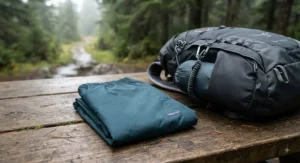
So, what is a rain pant, technically? A rain pant is a waterproof, typically seam-sealed outer layer worn over base layers or hiking clothes, built from laminated or coated fabric (often 3-layer or 2.5-layer construction) with a durable water-repellent finish. It’s the leg equivalent of a rain jacket — designed to shed water via side-zip designs, packability, and quiet trail fabric rather than just resist a light drizzle.
Below, I’ve pulled together seven real, currently available options spanning budget to alpine-grade, with honest analysis of who each one actually suits — not marketing copy repackaged. Every fact here is sourced from real product listings, spec sheets, and aggregated customer feedback, and I’ll flag clearly anywhere the review picture is thin. One quick housekeeping note: this article contains affiliate links, and as an Amazon Associate I may earn from qualifying purchases at no extra cost to you.
Quick Comparison Table
| Product | Style | Weight Category | Price Range | Best For |
|---|---|---|---|---|
| REI Co-op Trailmade Rain Pants | 2.5-layer | Budget | Under $85 | First-time buyers, casual hikers |
| Marmot PreCip Eco Pants | 2.5-layer, recycled | Budget-mid | $100–$120 | Eco-conscious day hikers |
| Black Diamond StormLine Stretch Rain Pants | 2.5-layer stretch | Mid-range | $140–$180 | Slim, athletic fit seekers |
| REI Co-op XeroCloud 3L Rain Pants | 3-layer | Mid-range | Around $159 | All-around trail performance |
| Patagonia Torrentshell 3L Pants | 3-layer | Mid-premium | $130–$150 range | Durability-focused hikers |
| Outdoor Research Aspire 3L Pants | 3-layer | Premium | $200–$220 range | Breathability in sustained rain |
| Arc’teryx Beta Pants | 3-layer GORE-TEX | Premium/alpine | Around $300 | Serious backcountry, long-term investment |
Look at that spread and one thing jumps out fast: price roughly tracks with layer count and membrane quality, but not perfectly. The REI Co-op XeroCloud 3L Rain Pants undercut the Patagonia Torrentshell 3L Pants by a meaningful margin while both use three-layer construction, which tells you brand name and finishing details (pocket design, zip length, cut) are doing a lot of the price justification. Meanwhile, budget picks like the REI Co-op Trailmade Rain Pants prove that 2.5-layer fabric, done well, still holds up for casual and moderate use — you’re not automatically undressed for the weather just because you didn’t spend $300.
☔ Ready to stop dreading the forecast? Scroll down to find your match below.
Top 7 Women’s Rain Pants: Expert Analysis
1. REI Co-op Trailmade Rain Pants — best budget all-rounder
The standout here is the price-to-feature ratio: at under $85, you’re still getting ankle zips and a real waterproof membrane, not a plastic poncho with legs. The pants use a 2.5-layer, fully seam-sealed polyester shell that delivers windproof, waterproof, and highly breathable performance, and the durable water repellent finish is made without PFAS — a detail that matters more than it used to (more on that later). Practically, the 11-inch ankle zippers allow you to get them on and off without removing your boots, and the crotch gusset and articulated knees keep your stride from feeling boxed in.
Who should care: casual and moderate hikers who need reliable rain protection without a premium price tag. Based on the spec sheet, this isn’t the pant for alpine mountaineering, but for day hikes, dog walks, and unpredictable weekend forecasts, it’s honestly hard to beat. One reviewer wore the Trailmade for five days on Patagonia’s W Trek and reported staying dry through heavy rain, snow, and wind gusts to 60 mph, which is a serious stress test for a budget pant. Aggregated review sentiment sits around 4.3 out of 5 across roughly 119 reviews — consistently positive for a pant at this price point.
Pros:
- ✅ PFAS-free DWR finish at a genuinely budget price
- ✅ Ankle zips make on/off easy over hiking boots
- ✅ Strong review consistency (4.3/5 across 119+ reviews)
Cons:
- ❌ 2.5-layer fabric can feel clammy during high-exertion climbs
- ❌ Fewer premium features like pit-zip-style ventilation
Price sits comfortably under $85, and for the value, it’s the pant I’d point a first-time buyer toward without hesitation.
2. Marmot PreCip Eco Pants — most eco-conscious lightweight layer
What stands out immediately is the sustainability angle baked into the construction, not tacked on as marketing. These pants use 100% recycled materials with a PFC-free waterproof coating and fully sealed seams, so you’re not trading protection for the greener build. In practice, that means the membrane sheds rain the same way a traditional coating would, just without the “forever chemicals” that older DWR formulas relied on.
Based on the spec comparison with other budget-tier options, the ankle zips allow for easy layering over boots, which makes this a genuinely functional trail pant rather than a fair-weather emergency layer. Who it’s for: hikers who actively prioritize PFC-free gear and want a lightweight pant that packs down small for a “just in case” spot in the pack. Reviewers describe this tier of pant as a solid mid-range performer that balances weather protection with practical features for active use, though sizing has come up as inconsistent enough that some buyers needed an exchange.
Pros:
- ✅ 100% recycled fabric with a PFC-free coating
- ✅ Fully sealed seams for genuine wet-weather reliability
- ✅ Ankle zips simplify layering over boots
Cons:
- ❌ Sizing runs inconsistent per aggregated buyer feedback
- ❌ Limited ventilation features versus pricier 3-layer options
Typically priced in the $100–$120 range, it’s a fair middle ground between the ultra-budget Trailmade and the stretch-fabric options above it.
3. Black Diamond StormLine Stretch Rain Pants — best slim, athletic fit
If you’ve specifically been hunting for slim fit rain pants women can actually move in, this is the one to look at first. The defining feature is the BD.dry waterproof/breathable/windproof fabric built to be extremely sleek and packable, while staying durable thanks to an ultra-stretchy face fabric. That stretch is the whole story here — most rain pants in this price bracket use stiff, boxy fabric that billows around your legs; this one is cut closer to the body without sacrificing waterproofing.
The gusseted seat and articulated knees mean the fit doesn’t fight you on-route, and the 1/3-length leg zips with snap-adjust hems, plus an elastic waist with internal drawcord, let you dial in a customized fit. What most buyers overlook about stretch-woven shells like this one is that the trade-off for that slimmer cut is usually a slightly lower waterproof ceiling than a rigid 3-layer laminate — worth knowing if you’re planning multi-day exposure versus a fast-moving day hike. One long-term reviewer noted the Medium fit the waist better while the Large offered a more accurate inseam length, suggesting the sizing runs slightly narrow through the body relative to length — measure both dimensions before ordering.
Pros:
- ✅ Genuinely slim, athletic cut compared to boxier rain pants
- ✅ 4-way stretch fabric moves with hiking, biking, and travel
- ✅ Adjustable snap-hem leg zips for a tailored fit
Cons:
- ❌ Sizing runs inconsistent between waist and inseam
- ❌ Slightly lower waterproof ceiling than rigid 3-layer shells
Retail typically lands in the $140–$180 range depending on the full-zip versus 1/3-zip version, making it a reasonable mid-tier splurge for anyone who’s given up on baggy rain gear.
4. REI Co-op XeroCloud 3L Rain Pants — best mid-range 3-layer performer
The standout advantage is straightforward: three-layer construction at a price point most brands reserve for 2.5-layer builds. That third layer — a protective backer bonded to the waterproof membrane — typically means better durability against pack straps and brush abrasion, plus a less “crinkly” feel against skin than laminate-only fabrics.
Here’s what the spec sheet won’t tell you outright, but the review data does: this is REI’s top-rated women’s rain pant in its own lineup, sitting at 4.5 out of 5 stars across 35 reviews — a notably strong showing for a mid-priced technical shell. Based on that consistency, it’s a safe default recommendation for someone who doesn’t want to research seven pants and just wants the one that performs reliably across conditions, from steady drizzle to a genuine downpour. Who it’s for: hikers and everyday commuters who want 3-layer performance without stepping up to $200-plus alpine gear.
Pros:
- ✅ 3-layer construction at a genuinely mid-range price
- ✅ Highest aggregated rating among REI’s own women’s rain pants (4.5/5)
- ✅ Versatile enough for trail and everyday commuting use
Cons:
- ❌ Less brand recognition than Patagonia or Arc’teryx for resale value
- ❌ Limited third-party review volume outside REI’s own site
Priced around $159, it’s arguably the best value-to-performance ratio in this whole lineup.
5. Patagonia Torrentshell 3L Pants — trusted 3-layer workhorse
The name says it all — Torrentshell is built to survive an actual torrent, not just a passing sprinkle. The pants run on Patagonia’s 3-layer waterproof/breathable H2No Performance Standard shell, engineered for a high level of comfort, performance, and long-term waterproof durability. The shell itself is recycled nylon with a tricot backer and a PFC-free DWR finish, which checks the same sustainability box as the Marmot pick above while stepping up to full 3-layer protection.
Functionally, the welted, two-way side zips run from cuffs to thighs, doubling as both boot-friendly entry points and on-trail vents, with partially elasticized, snap-tab cuffs for a secure seal at the ankle. Honest analysis here: aggregated reviewer sentiment is more mixed than you’d expect from a brand this well-regarded. One buyer found the fabric’s stiffness produced an audible crinkle they couldn’t get past, while another reported the pants held up for many hours on a cold canoe trip before eventually soaking through in sustained, very wet conditions — and noted that’s a limitation shared by nearly all breathable rain gear, not a Patagonia-specific flaw. Reviewers rate this pair around 3.2 out of 5, the softest score in this lineup, which is worth weighing against the brand premium.
Pros:
- ✅ Full 3-layer H2No shell with PFC-free DWR
- ✅ Two-way side zips double as ventilation
- ✅ Recycled nylon construction supports sustainability goals
Cons:
- ❌ Stiffer fabric feel draws complaints about noise
- ❌ Lower aggregated rating (3.2/5) than most peers here
Expect a $130–$150 price range, occasionally lower through outlet channels — reasonable for the brand, though the XeroCloud above arguably delivers more consistent satisfaction for less.
6. Outdoor Research Aspire 3L Pants — best breathability in sustained rain
Paired with its matching jacket, this set earned a “best overall” nod for a reason: breathability under real exertion. The pants use Outdoor Research’s proprietary AscentShell Dry fabric, a 3-layer material built specifically to avoid the clammy, sauna-like feeling that plagues cheaper waterproof-breathable laminates during aerobic activity like steep climbing or fast hiking.
Testing on the matching jacket found the fabric very breathable and slightly stretchy, with the line also certified carbon neutral — a genuine third-party sustainability claim rather than vague “eco-friendly” language. What most buyers overlook about breathability-focused shells like this is that the trade-off tends to be a slimmer, more athletic cut that doesn’t leave much room for bulky layering underneath, which testers specifically flagged as too slim for heavy layering on the jacket side of the set. Who it’s for: hikers and backpackers doing sustained, sweaty efforts in wet weather — think steep trail miles, not casual dog walks.
Pros:
- ✅ AscentShell Dry fabric prioritizes breathability under exertion
- ✅ Certified carbon-neutral production
- ✅ Matches the Aspire jacket for a full waterproof kit
Cons:
- ❌ Slim cut leaves little room for heavy mid-layers
- ❌ Premium price versus similarly specced competitors
Priced in the $200–$220 range, this is squarely a premium pick — justified if breathability during real exertion is your top priority.
7. Arc’teryx Beta Pants — best alpine-grade investment piece
There’s a reason this pair carries the highest price tag in the lineup: it’s built to the same standard as Arc’teryx’s mountaineering gear, not scaled down from it. The current Beta Pants (successor to the now-discontinued Beta SL) use a three-layer GORE-TEX fabric that testers describe as virtually impenetrable to the elements. That’s not a casual claim — testers subjected the fabric to direct pressurized water from a shower head and extended pooled-water tests, and found no weakness or potential leak points in either.
Based on that testing data, this is the pant for people who genuinely can’t afford a soaked layer — multi-day backpacking in unpredictable alpine weather, winter mountaineering, or anyone who’s been burned by a “waterproof” pant that wasn’t. The design carries over Arc’teryx’s usual full-length side zips and articulated knees for on-trail mobility. The catch, and it’s a real one: at roughly $300, this is nearly four times the price of the REI Trailmade, and that investment only pays off if you’re actually logging the kind of mileage and exposure that stress-tests a shell. For occasional day hikers, it’s overkill.
Pros:
- ✅ Full 3-layer GORE-TEX construction, lab-tested against leaks
- ✅ Alpine-grade durability for serious backcountry use
- ✅ Full-length side zips for boot and crampon compatibility
Cons:
- ❌ Premium price puts it out of reach for casual use
- ❌ Overkill for occasional or fair-weather hikers
At around $300, this is the “buy once, cry once” pick — the pants you stop shopping for once you own them.
Practical Usage Guide: Getting the Most From Your Rain Pants
Buying the right pair is half the equation; using it correctly is the other half, and it’s the part Amazon listings never cover. First-use tip: before the first hike, spray the exterior with a fresh DWR treatment even on a brand-new pant — factory coatings can be diminished slightly in shipping and storage, and reactivating beading behavior early prevents the fabric from “wetting out” (soaking through the outer face while the membrane underneath is technically still waterproof).
Maintenance schedule matters more than most buyers assume. Wash rain pants every 10–15 wears using a technical cleaner (never regular detergent, which coats the membrane’s pores and kills breathability), then tumble dry on low heat — the heat reactivates the DWR coating better than air drying alone. A common mistake in the first 30 days is storing rain pants stuffed at the bottom of a pack for weeks between trips; the sustained compression can crease the membrane along fold lines, and over dozens of cycles that weakens waterproofing exactly where it’s needed most. Instead, hang them loosely or store flat.
One optimization trick worth knowing: side-zip vents (like those on the Patagonia Torrentshell 3L Pants or Black Diamond StormLine Stretch Rain Pants) aren’t just for pulling pants on over boots — cracking them open a few inches during a climb dumps excess heat and moisture far faster than waiting for the fabric’s passive breathability to catch up.
Real-World Scenarios: Matching Pants to Your Adventure
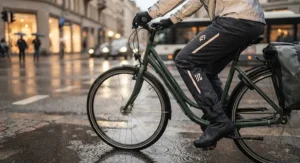
If you’re a college student commuting eight miles daily by bike through unpredictable weather, the REI Co-op Trailmade Rain Pants make the most sense — budget-friendly, ankle zips for quick on/off between classes, and durable enough for near-daily wear without the investment of a premium shell.
If you’re a weekend day hiker in a wetter climate — the Pacific Northwest, say, or coastal New England — who wants something that moves like real clothing, the Black Diamond StormLine Stretch Rain Pants solve the “boxy rain pant” problem directly, thanks to that stretch-woven construction, while staying reasonably priced.
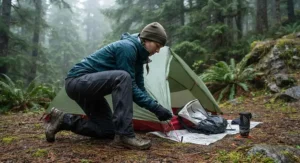
If you’re planning a multi-day backcountry trip where a soaked layer isn’t just uncomfortable but genuinely risky — alpine scrambling, shoulder-season backpacking, exposed ridgelines — the Arc’teryx Beta Pants are the scenario-appropriate investment. This is exactly the situation their lab-tested, leak-resistant 3-layer GORE-TEX construction was built for, and it’s the one case where the premium price is functionally justified rather than optional.
✨ Don’t Miss These Exclusive Deals!
🔍 Take your rainy-day gear to the next level with these carefully selected picks. Click on any highlighted item to check current pricing and availability, and stay dry no matter what the forecast throws at you.
How to Choose Rain Pants for Women
Picking the right pair comes down to a handful of decisions, not a hundred. Here’s the short version:
- Match layer count to your use case. 2.5-layer pants (like the Trailmade or PreCip Eco) are lighter and cheaper but trap more moisture inside during hard efforts; 3-layer pants (XeroCloud, Torrentshell, Aspire, Beta) breathe better and last longer against abrasion.
- Check the waterproof rating context, not just the marketing word “waterproof.” Ratings are typically expressed as a hydrostatic head measurement — the industry uses a standardized approach to measuring how waterproof a fabric is — and higher numbers generally mean better resistance to sustained pressure, like kneeling in wet grass or sitting on a damp log.
- Prioritize fit for how you’ll actually move. If you’re hiking hilly terrain, articulated knees and a gusseted crotch matter more than a slim silhouette; if you’re commuting or traveling, a slimmer, low-bulk cut like the StormLine Stretch may matter more than alpine-grade toughness.
- Look for full or partial side zips if you wear boots often. Ankle-only zips work for sneakers and light boots; full-length side zips (Beta Pants) are worth it if you’re regularly in mountaineering boots or crampons.
- Factor in your climate’s typical rain intensity, not just “does it rain here.” A misty coastal climate is a very different test than a Rocky Mountain thunderstorm — the latter calls for the higher-end 3-layer options.
- Consider PFAS-free construction if sustainability matters to you. Several picks here — the Trailmade, PreCip Eco, and Torrentshell — specifically use PFAS-free or PFC-free DWR finishes.
- Don’t buy your everyday size on faith. Sizing runs inconsistently across brands here, so check the specific brand’s size chart rather than assuming your usual number.
For hikers specifically hunting women’s waterproof hiking pants rather than a general-purpose rain layer, weight and packability move up the priority list — you’re carrying these in a pack for miles before you ever need them, so a pant that compresses small (most 2.5-layer and stretch-woven options here) earns its place even if it’s not the single most bombproof option on the list.
Slim Fit Rain Pants for Women: Finding Your Silhouette
Not every rain pant needs to fit like a tent, and the demand for slim fit rain pants women can actually wear under a normal jacket or over leggings without bulk has pushed brands toward stretch-woven fabrics instead of stiff laminates. The Black Diamond StormLine Stretch Rain Pants are the clearest example in this lineup — the 4-way stretch face fabric is what allows the closer cut, and it’s a meaningfully different experience from pulling on a boxy, crinkly shell.
Here’s the honest trade-off, based on the spec comparison across this article: slimmer, stretch-woven fits generally sacrifice a small amount of waterproof ceiling and long-term abrasion resistance compared to rigid 3-layer laminates like those on the Arc’teryx Beta Pants. That’s not a flaw so much as a design choice — you’re trading a marginal amount of extreme-weather margin for dramatically improved mobility and a fit that doesn’t look or feel like workwear. For anyone whose main complaint about past rain pants was “I felt like I was wearing a trash bag,” a slim, stretch-fit option is worth the trade.
Hardshell, Overtrousers, and Trousers: Decoding Rain Pant Categories
The terminology around this category gets confusing fast, so here’s what each term actually means in practice.
Women’s Hardshell Pants
“Hardshell” describes the fabric technology, not a specific product — it refers to a rigid, non-insulated waterproof-breathable membrane (like GORE-TEX or a proprietary equivalent) bonded to an outer face fabric, as opposed to a “softshell” that trades some waterproofing for stretch and breathability. Both the Arc’teryx Beta Pants and Outdoor Research Aspire 3L Pants fall firmly into hardshell territory — rigid, highly waterproof, built for sustained bad weather rather than everyday comfort.
Women’s Rain Overtrousers
“Overtrousers” is the term more common outside the U.S. — particularly in the UK and among European hiking brands — for pants specifically designed to be worn over existing clothing rather than as standalone bottoms. Functionally, that’s exactly what every pant in this article does: they’re sized and cut to layer over hiking pants, leggings, or base layers, with features like side zips (see the Patagonia Torrentshell 3L Pants) specifically there to make pulling them on over other clothing and footwear manageable.
Women’s Rain Trousers
This is largely a regional synonym — “trousers” versus “pants” — with no meaningful product difference in the U.S. market. If you’re searching this term, you’re looking at the same category covered throughout this guide; don’t let the wording send you down a separate, narrower search than necessary.
Rain Pants vs Waterproof Leggings: Which Do You Actually Need?
If you’ve been eyeing a waterproof legging alternative instead of a traditional rain pant, it’s worth understanding what you’re actually trading. Waterproof leggings prioritize a close, athletic fit and low bulk — great for running or light drizzle — but they typically use thinner membranes and fewer structural features (no side zips, minimal seam reinforcement), which means they perform worse in sustained, heavy rain or high-abrasion activities like bushwhacking.
| Feature | Traditional Rain Pants | Waterproof Leggings |
|---|---|---|
| Waterproof rating | Higher (2.5L–3L membranes) | Typically lower |
| Boot compatibility | Side/ankle zips common | Rarely included |
| Bulk over base layers | Designed to layer over clothing | Worn as standalone bottoms |
| Best For | Hiking, backpacking, sustained rain | Running, commuting, light drizzle |
The analysis here is simple: if your main use case is a five-minute dash between a car and a building, waterproof leggings are genuinely fine and arguably more comfortable. But if you’re hiking for hours in unpredictable mountain weather, the Black Diamond StormLine Stretch Rain Pants deliver a legging-like slim fit without giving up the structural waterproofing — pocket, zips, and membrane rating — that leggings skip to stay light. Think of it less as “which is better” and more as “which failure mode can you tolerate”: leggings fail quietly by slowly wetting through, while a proper rain pant fails much later, if at all, under the same conditions.
Common Mistakes When Buying Rain Pants for Women
The most frequent mistake is buying based on the word “waterproof” alone without checking layer count or hydrostatic rating — as the comparison above shows, that word covers everything from a $50 emergency shell to a $300 alpine-tested hardshell, and the performance gap between them is enormous. A second common mistake is ignoring sizing charts because “I know my size” — multiple products in this roundup, including the StormLine Stretch and PreCip Eco, have documented sizing inconsistencies that catch even experienced buyers off guard.
Third, buyers frequently skip ventilation features to save a few dollars, then complain about clamminess later — if you know you sweat heavily during exertion, side-zip venting isn’t a luxury, it’s function. Fourth, people often buy the heaviest, most rugged option “just in case,” when a lighter 2.5-layer pant like the Trailmade would suit 90% of their actual trips — that unnecessary weight and bulk sits unused in a pack for months. Finally, don’t skip washing and re-treating DWR coatings; a pant that’s technically still waterproof but has lost its face-fabric beading will feel soaked even when the membrane underneath is doing its job.
Safety, Regulations & Sustainability: What PFAS-Free Actually Means
You’ll notice several pants in this lineup — the Trailmade, PreCip Eco, and Torrentshell — specifically advertise PFAS-free or PFC-free construction, and that’s not just marketing language. PFAS (“forever chemicals”) have historically been used in DWR coatings because they’re extremely effective at repelling water, but they don’t break down in the environment and have drawn increasing regulatory attention; the EPA maintains ongoing guidance and research on PFAS given their persistence and potential health effects. Outdoor brands have been phasing them out over the past several years in favor of PFAS-free alternatives, which is why you’re now seeing it listed as a feature rather than assumed.
There’s a genuine safety angle here too, beyond the environmental one. Staying dry isn’t just about comfort — wet clothing is a documented risk factor for hypothermia, even in temperatures well above freezing, because wet clothing causes rapid onset of hypothermia by stripping heat from the body far faster than dry insulation does. The CDC’s winter weather guidance specifically flags removing wet clothing as a priority response to hypothermia symptoms — which underlines why a genuinely waterproof layer, not a “water-resistant” one, matters more than it might seem on a mild, rainy trail day. This is precisely the gap that separates something like the Trailmade’s fully seam-sealed construction from a basic showerproof jacket-and-pants set that only handles light mist.
FAQ
❓ Are rain pants supposed to fit loose or tight?
❓ Can I wear rain pants without a rain jacket?
❓ Do rain pants need to be washed after every use?
❓ What's the difference between 2.5-layer and 3-layer rain pants?
❓ Are cheaper rain pants actually waterproof, or just water-resistant?
Conclusion
There’s no single “best” rain pant here — there’s a best rain pant for your specific situation, and hopefully one of these seven now feels like an obvious fit. If budget and simplicity matter most, the REI Co-op Trailmade Rain Pants deliver real waterproofing without the premium price. If you want a slimmer, more athletic cut, the Black Diamond StormLine Stretch Rain Pants solve the boxy-fit problem directly. And if you’re heading into genuinely serious weather where a soaked layer isn’t an option, the Arc’teryx Beta Pants are the lab-tested, alpine-grade investment worth the higher price tag.
Whichever you choose, the underlying advice stays the same: match layer count and features to how you’ll actually use the pants, not to the most impressive spec sheet in the store. A $79.95 pant used correctly will outperform a $300 pant left in a closet because it felt like overkill to pack.
Recommended for You
- 7 Best Waterproof Rain Pants for Men in 2026
- Cheap Rain Jacket That Actually Works: 7 Picks for 2026
- How Should a Rain Jacket Fit? 7 Tested Picks & Sizing Tips (2026)
Disclaimer: This article contains affiliate links. As an Amazon Associate, I earn from qualifying purchases. If you purchase products through these links, we may earn a small commission at no additional cost to you.
✨ Found this helpful? Share it with your friends! 💬🤗
