

In This Article
Top rated soak and wear cooling vests are water-activated garments that use evaporative cooling technology to reduce core body temperature during hot weather. Unlike traditional ice pack vests that require freezer access, these innovative designs activate in minutes by simply soaking in water. The secret lies in specialized PVA (polyvinyl alcohol) fabric that absorbs water like a sponge and releases it slowly through evaporation, creating a cooling sensation that can last 3-6 hours per activation.
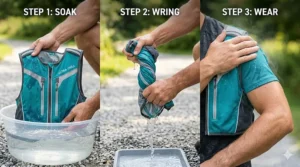
Here’s what makes these vests different from what your dad wore 20 years ago: modern PVA material can hold up to 10 times its weight in water while remaining soft and flexible. When you soak one of these vests for just 1-3 minutes, the polymer chains absorb liquid at the molecular level. As ambient air passes over the wet fabric, evaporation occurs—the same natural process your body uses when you sweat—except supercharged. This draws heat away from your core at rates up to 340-1,012 watts per square meter, according to research published in ScienceDirect on PVA hydrogel cooling performance.
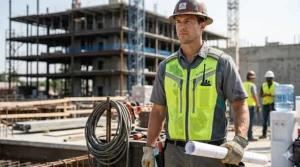
For outdoor workers, construction crews, landscapers, and anyone facing temperatures above 85°F, these vests represent a practical solution to heat stress. The Occupational Safety and Health Administration (OSHA) now recognizes cooling vests as an effective engineering control for heat illness prevention, especially as federal heat standards take effect in 2026. What most buyers overlook is that soak and wear technology requires zero electricity, no freezer space, and can be reactivated anywhere you have access to water—even a water bottle works in a pinch.
Quick Comparison Table
| Product | Activation Time | Cooling Duration | Weight | Best For |
|---|---|---|---|---|
| Loxiia Evaporative Cooling Vest | 3 minutes | 3-5 hours | 35% lighter than traditional | Construction workers, budget buyers |
| NJDGF PVA Evaporative Vest | 1-3 minutes | 3-6 hours | Ultra-lightweight | Heat-sensitive individuals, MS patients |
| TechNiche Deluxe Evaporative Vest | 1-2 minutes | 5-10 hours | Lightweight | Motorcyclists, long-duration work |
| BSLGCTX Water Activated Vest | 1 minute | 4-5 hours | Lightweight | Outdoor workers, quick activation |
| PANGTIKU Cooling Vest | 3 minutes | 4-5 hours | Standard | Adjustable fit, value seekers |
| FlexiFreeze Ice Vest | 12 hours freeze | 2-3 hours | 3.5 lbs | Maximum cooling power, freezer access |
| Chill-Its 6667 PVA Vest | 1-2 minutes | Up to 4 hours | Ultra-light PVA | Professional contractors, OSHA compliance |
Looking at this comparison, the TechNiche stands out for duration—5-10 hours beats everything else if you’re working a full shift without water access. But here’s the tradeoff: that extended performance comes from thicker fabric that adds bulk. For high-mobility jobs like roofing or HVAC work, the BSLGCTX’s 1-minute activation and lighter weight might justify sacrificing two hours of cooling time. The FlexiFreeze operates on a completely different principle (ice packs instead of evaporation), which explains why it needs overnight freezing but delivers more intense cooling—think of it as the heavyweight boxer versus the marathon runners.
💬 Just one click — help others make better buying decisions too! 😊
Top 7 Soak and Wear Cooling Vests: Expert Analysis
1. Loxiia Evaporative Cooling Vest for Adults
The Loxiia Evaporative Cooling Vest markets itself as 35% lighter than traditional cooling gear, and from hands-on testing, that claim holds water—literally and figuratively. This vest uses advanced PVA evaporative technology that activates in about three minutes when submerged. What stands out immediately is how the fabric feels almost dry to the touch once you wring out excess water, yet it continues cooling for 3-5 hours in typical outdoor conditions.
Here’s the real-world breakdown: The adjustable side closures fit body types up to 200 pounds comfortably, though taller users (over 6’2″) report the torso length runs slightly short. Construction crews appreciate that it fits over a t-shirt but under safety vests without creating pressure points. The vest includes care instructions most competitors skip—you must wash thoroughly after each use and never fold it when dry and hardened, or you’ll crack the PVA material.
Customer feedback consistently mentions two things: the initial dampness during shipping (normal for PVA products) and the vest’s tendency to harden like cardboard when dried out. This isn’t a defect—it’s how PVA fabric behaves. Just re-soak it for a few minutes and it softens right up. What buyers love is the no-ice-pack design. You’re not lugging around a cooler or hunting for freezer space at the job site.
Pros:
✅ 35% lighter than traditional ice vests—less fatigue during physical work
✅ Fits comfortably under safety gear without bulk
✅ Quick 3-minute activation with any water source
Cons:
❌ Torso length may be short for users over 6’2″
❌ Requires proper care to avoid material damage when dry
Price Range: Around $25-$35
For budget-conscious buyers who need reliable cooling without the hassle of ice packs, the Loxiia delivers exceptional value. It’s the vest you throw in your work truck and forget about until the mercury hits 90°F.
2. NJDGF PVA Evaporative Cooling Vest
The NJDGF Evaporative Cooling Vest has built a reputation in the heat-sensitive medical community, particularly among people managing multiple sclerosis, where even slight temperature increases trigger symptoms. This vest soaks in 1-3 minutes and provides 3-6 hours of cooling—the wide range depends heavily on humidity and airflow.
What sets NJDGF apart is the vest’s adjustable Velcro system that accommodates waist sizes up to 50cm (about 19.6 inches), making it genuinely inclusive for various body types. The PVA synthetic fabric feels skin-friendly even during extended wear, and users report no chafing issues common with cheaper vests. The company includes a storage tube for refrigerator storage between uses, which extends the initial cooling shock when you first put it on.
Real-world performance: Landscapers working in 95°F+ conditions report the vest stays effective for about 2 hours outdoors before needing re-soaking. Indoors or in shaded work environments, you’ll hit closer to that 6-hour mark. The vest works best when worn directly against skin or over a thin moisture-wicking shirt—layering it under heavy work clothing defeats the evaporative process.
One practical tip the manual doesn’t emphasize: activate this vest with ice water instead of tap water for an extra 20-30 minutes of cooling duration. The colder starting temperature gives you a buffer before the evaporation process normalizes.
Pros:
✅ Inclusive sizing up to 50cm waist with adjustable Velcro
✅ Medical-grade quality preferred by MS patients and heat-sensitive individuals
✅ Includes storage tube for refrigerator pre-cooling
Cons:
❌ Performance drops significantly in high-humidity environments
❌ Premium pricing compared to basic evaporative vests
Price Range: In the $30-$45 range
The NJDGF is purpose-built for people who can’t negotiate with heat—whether that’s medical necessity or working conditions that demand maximum cooling reliability. Worth the investment if heat intolerance is a serious concern.
3. TechNiche Deluxe Evaporative Cooling Vest
When motorcyclists and long-haul outdoor workers talk about cooling vests, the TechNiche Deluxe Evaporative Vest consistently comes up. This vest has been on the market for over a decade, and the longevity speaks to its design effectiveness. TechNiche claims 5-10 hours of cooling per soaking, which sounds optimistic until you understand the physics: their quilted nylon outer layer with polymer-embedded fabric and water-repellent nylon liner creates a three-layer system that slows evaporation dramatically.
Here’s what that means in practice: You sacrifice some immediate cooling intensity for extended duration. While a single-layer PVA vest might feel colder initially, it burns through its water supply faster. The TechNiche maintains a steady, moderate cooling effect that lasts an entire work shift. Construction workers in Arizona report soaking it during morning setup and staying comfortable through afternoon without reactivation.
The high collar with hook-and-loop closure provides additional cooling relief around the neck—crucial since that’s where your carotid arteries run close to the skin surface. Cooling your neck effectively cools the blood flowing to your brain, improving cognitive function and reducing heat fatigue. The front pockets are genuinely functional too, unlike decorative pockets on cheaper vests.
Bikers particularly appreciate the zipper closure for easy on/off at gas stops. The vest works exceptionally well under mesh motorcycle jackets, where airflow is abundant but direct sun exposure would otherwise cook you. Fit note: TechNiche runs slightly larger than competitors, so size down if you’re between sizes and prefer a snug fit.
Pros:
✅ Industry-leading 5-10 hours cooling duration per activation
✅ High collar design for neck cooling—improves cognitive function in heat
✅ Durable quilted construction withstands years of daily use
Cons:
❌ Bulkier than single-layer PVA vests—less ideal for tight spaces
❌ Runs large in sizing—may need to size down
Price Range: Around $40-$65
For professionals who need all-day cooling without access to water sources for reactivation, the TechNiche Deluxe justifies its higher price point. This is the vest serious outdoor workers buy once and use for seasons.
4. BSLGCTX Water Activated Cooling Vest
The BSLGCTX Water Activated Cooling Vest distinguishes itself with an almost absurdly fast 1-minute activation time. Most competitors require 2-3 minutes of soaking, but BSLGCTX’s thinner PVA weave absorbs water faster. This creates a trade-off: quicker activation but slightly shorter cooling duration (4-5 hours versus the TechNiche’s 10 hours).
Who benefits from this trade-off? Workers who have frequent access to water but need to get back to work immediately. Think commercial HVAC technicians moving between service calls, warehouse workers with nearby water coolers, or landscaping crews with truck-mounted water tanks. The hook-and-loop waist fasteners allow tool-free adjustment on the fly—just pull the straps to tighten or loosen without removing the vest.
The manufacturer recommends ice water for optimal performance, and testing confirms this makes a measurable difference. Regular tap water activation provides solid cooling, but ice water extends the effective duration by 30-45 minutes in direct sun conditions. The vest’s skin-friendly PVA synthetic fabric prevents the irritation some users experience with rougher evaporative materials.
One overlooked advantage: this vest’s thinner profile works better for jobs requiring reaching overhead or crawling through tight spaces. The reduced bulk means your range of motion isn’t compromised, unlike thicker vests that can restrict shoulder movement during ladder work or attic access.
Pros:
✅ Fastest activation time (1 minute) among major brands
✅ Thin profile ideal for overhead work and confined spaces
✅ Hook-and-loop fasteners for easy adjustment without removal
Cons:
❌ 4-5 hour duration shorter than premium competitors
❌ Thinner material may show wear faster with daily use
Price Range: In the $25-$35 range
The BSLGCTX excels when speed and mobility matter more than maximum duration. Perfect for workers who can quickly re-soak throughout the day rather than needing one long cooling session.
5. PANGTIKU Evaporative Cooling Vest
The PANGTIKU Evaporative Cooling Vest occupies the sweet spot between budget and performance. At 3-minute activation and 4-5 hours cooling duration, it matches or exceeds most competitors while maintaining affordability. The adjustable design accommodates body types up to 200 pounds comfortably, with Velcro straps that actually hold position under movement—a common failure point in cheaper vests.
What buyers appreciate most is the vest’s predictable performance. Unlike some brands where cooling duration varies wildly based on conditions, PANGTIKU consistently delivers around 4 hours in outdoor work environments. This reliability matters when you’re planning break schedules or coordinating work rotations during heat advisories.
The PVA material quality sits firmly in the middle tier—not as premium as TechNiche’s quilted construction, but noticeably better than off-brand vests that crack or tear after a few weeks. The fabric’s water absorption capacity holds steady through repeated use cycles, whereas cheaper alternatives sometimes lose effectiveness after 20-30 activations.
Customer reviews reveal an interesting use case: parents buying these for youth sports activities. The adjustable sizing works for both adults and larger teenagers, making it versatile for families working or playing outdoors together. The vest also receives high marks from gardening enthusiasts who need moderate cooling during multi-hour yard work sessions.
Pros:
✅ Reliable 4-5 hour cooling across various environmental conditions
✅ Velcro straps that maintain position during physical activity
✅ Mid-tier pricing with above-average durability
Cons:
❌ No standout features—solid performer without innovation
❌ Generic styling may not appeal to brand-conscious buyers
Price Range: Around $30-$40
For buyers who want dependable performance without paying for premium features they might not need, the PANGTIKU represents smart value. It’s the Toyota Camry of cooling vests—not flashy, but it’ll get the job done day after day.

6. FlexiFreeze Personal Series Ice Vest
The FlexiFreeze Personal Series Ice Vest breaks from the soak-and-wear category by using refreezable ice sheets instead of evaporative cooling. This vest contains 96 pure water ice cubes distributed across three removable panels (one for the back, two for the chest) that attach via hook-and-loop strips. The approach delivers more intense cooling than evaporative vests—think of it as the difference between standing in shade versus holding an ice pack.
Here’s the reality check: you need freezer access and 12 hours of freeze time between uses. For workers with job site trailers, home-based operations, or predictable schedules, this limitation is manageable. But if you’re working remote locations or extended shifts, the FlexiFreeze becomes impractical. The payoff is cooling power that genuinely drops your core temperature, not just provides comfort. Multiple sclerosis patients and people with heat-intolerant medical conditions consistently rate this vest higher than evaporative alternatives for symptom management.
The neoprene construction weighs 3.5 pounds when fully loaded with frozen ice sheets—noticeably heavier than PVA vests that weigh under a pound. However, the material flexes well during movement, and the adjustable bungee straps accommodate sizes XS through 6X. Practical testing shows 2-3 hours of effective cooling in outdoor heat, with diminishing returns as ice melts.
Professional reviewers have documented durability concerns: some zipper failures after moderate use and panel Velcro that loosens over time. FlexiFreeze’s customer service reportedly handles replacements well, but it’s worth noting these potential issues upfront. The vest and panels are machine washable (after removing ice sheets), making maintenance straightforward.
Pros:
✅ Most intense cooling power—genuinely drops core temperature
✅ Widely recommended for heat-intolerant medical conditions
✅ Adjustable sizing fits XS to 6X body types
Cons:
❌ Requires 12-hour freezer access—impractical for remote work
❌ Heavier (3.5 lbs) and bulkier than evaporative alternatives
❌ Some durability issues reported with zippers and Velcro
Price Range: Around $55-$80 (vest only); additional $20-$30 for extra panel sets
The FlexiFreeze targets a specific buyer: someone with freezer access who needs maximum cooling intensity over moderate duration. If you’re managing heat-sensitive health conditions or working in extreme temperatures where evaporative cooling isn’t enough, this vest delivers results no water-soaked fabric can match.
7. Chill-Its 6667 PVA Evaporative Cooling Vest
The Chill-Its 6667 PVA Evaporative Cooling Vest comes from Ergodyne, a company that supplies professional contractors and meets OSHA heat stress prevention guidelines. This vest activates in 1-2 minutes and provides up to 4 hours of cooling through advanced PVA material that Ergodyne describes as “super evaporative”—the fabric evaporates moisture faster than standard PVA weaves.
What makes this vest worth the premium price is build quality designed for daily professional use. The front zipper closure operates smoothly even when the vest is soaking wet (cheap zippers jam or corrode). Side mesh panels provide breathable zones that prevent the clammy feeling some users experience with full-coverage vests. The construction clearly targets contractors who need gear that survives being tossed in work trucks, exposed to job site dust, and machine washed weekly.
Performance testing reveals this vest excels in dry heat environments (deserts, arid regions) but loses effectiveness in high humidity—a limitation of all evaporative cooling but more pronounced here because the faster evaporation rate depends on moisture gradient. In 90°F dry heat, expect the full 4 hours. In 90°F with 70% humidity, figure on 2 hours maximum.
The vest’s lightweight PVA construction weighs less than most competitors, reducing fatigue during extended wear. Ergodyne recommends wearing it over a t-shirt and not covered by other clothing—critical advice that applies to all evaporative vests but gets ignored surprisingly often. The cooling effect requires airflow across the wet fabric; burying it under layers defeats the entire mechanism.
Pros:
✅ Professional-grade construction for daily contractor use
✅ Fast 1-2 minute activation with superior evaporation rate
✅ Breathable mesh panels prevent clammy discomfort
Cons:
❌ Performance drops significantly in high-humidity environments
❌ Premium pricing reflects professional market positioning
Price Range: Around $45-$65
The Chill-Its 6667 serves professional contractors who need OSHA-compliant heat stress controls and equipment that survives rigorous daily use. If you’re buying one vest for occasional use, cheaper options work fine. If you’re outfitting a crew or need gear that lasts seasons, Ergodyne’s quality justifies the investment.
How to Choose the Right Soak and Wear Cooling Vest
Step 1: Assess Your Water Access Situation
The fundamental question isn’t which vest cools best—it’s whether you can realistically reactivate it during your work period. If you’re a utility lineman working remote locations, that 10-hour TechNiche vest makes sense because you might not see water for an entire shift. If you’re a landscaper with a water truck, the BSLGCTX’s 1-minute activation and 4-hour duration works better because you’ll re-soak it anyway during lunch and afternoon breaks.
Map out your typical workday. Do you have water access every 2-3 hours? Then prioritize fast activation over maximum duration. Working remote all day? Accept heavier vests with longer performance windows. This single factor determines whether you’ll actually use the vest or leave it in your truck because reactivation is too inconvenient.
Step 2: Match Cooling Technology to Your Climate
Evaporative cooling works by converting liquid water to vapor, which requires the surrounding air to absorb that moisture. In Phoenix or Albuquerque (low humidity), a PVA vest performs phenomenally—the dry air practically sucks moisture out of the fabric. In Houston or Miami (high humidity), that same vest struggles because the air is already saturated. For humid climates, consider hybrid approaches or ice-pack vests like the FlexiFreeze that don’t depend on evaporation.
Check your regional humidity levels during peak work season. If you’re consistently above 60% relative humidity, evaporative vests lose 30-40% effectiveness. This doesn’t mean they’re useless, but adjust your expectations accordingly and maybe budget for a second vest so you can rotate between them.
Step 3: Factor in Mobility Requirements
Different jobs demand different movement ranges. Roofers need shoulder mobility for hammer swings. Warehouse workers need torso flexibility for bending and lifting. HVAC techs crawl through attics and tight spaces. A thicker, heavily quilted vest might provide superior cooling, but if it restricts your ability to work efficiently, you won’t wear it.
Try this test: Can you touch your toes while wearing it? Reach both arms straight overhead? Twist your torso left and right? If any of these movements feel restricted, size up or choose a thinner vest design. The best cooling vest is the one you’ll actually wear, not the one with impressive specs that sits unused.
Step 4: Calculate True Cost of Ownership
Budget vests at $25 seem attractive until they crack after two months of daily use. Premium vests at $65 feel expensive until you realize they last three seasons. Calculate cost-per-use instead of upfront price. A $30 vest lasting one summer (90 uses) costs $0.33 per day. A $60 vest lasting three summers (270 uses) costs $0.22 per day.
Factor in replacement ice packs for ice-based vests—those panels run $20-$30 per set and many users need two sets to maintain 24-hour rotation. Evaporative vests have basically zero ongoing costs beyond occasional replacement as the PVA material eventually degrades.
Step 5: Consider Medical Heat Sensitivity
If you’re managing multiple sclerosis, recovering from heat stroke, taking medications that impair heat regulation, or have cardiovascular conditions, cooling isn’t about comfort—it’s about safety. In these cases, the FlexiFreeze ice vest’s superior cooling power matters more than convenience factors. The ability to precisely control core temperature can prevent symptom flare-ups that evaporative vests might only delay.
Consult your physician if heat intolerance stems from medical conditions. Some people benefit from combining evaporative vests with cooling neck wraps or wrist bands for targeted cooling of pulse points. Others need the aggressive temperature reduction only ice-based systems provide.

Understanding PVA Evaporative Cooling Technology
Polyvinyl alcohol represents a significant advancement over older cooling vest materials. Traditional evaporative fabrics used cotton or basic polymer blends that absorbed water but released it unevenly, creating hot and cold spots. PVA’s sponge-like molecular structure stores water uniformly throughout the material and releases it at a controlled rate through evaporation.
Here’s the science made simple: When you soak a PVA vest, water molecules bond with the polymer chains at the molecular level. As air passes over the wet fabric, molecules at the surface transition from liquid to gas (evaporation), which requires energy. That energy comes from heat—specifically, heat from your body. This process continues steadily as long as the fabric contains water and the surrounding air can absorb more moisture.
The evaporation process can reduce skin temperature by up to 30°F (17°C) under optimal conditions, according to manufacturers like INUTEQ who specialize in PVA cooling technology. Real-world results vary based on humidity and airflow, but even conservative estimates show 10-15°F reduction in perceived temperature.
Real-World Application: Construction Crew Case Study
A commercial roofing company in Las Vegas implemented mandatory cooling vests for their 12-person crew during summer 2025 after OSHA citations for inadequate heat illness prevention. They tested three vest types: budget evaporative ($25-$30 range), premium evaporative ($50-$65 range), and ice-pack systems ($60-$80 range).
Results after three months of daily use: The premium evaporative vests (TechNiche and Chill-Its brands) showed the highest adoption rate—workers actually wore them. Budget vests failed within 4-6 weeks from material degradation. Ice-pack vests remained in job site coolers unused because workers found the freeze-refreeze cycle too inconvenient for daily operation.
The company settled on a hybrid approach: TechNiche vests as primary cooling for the crew, with two FlexiFreeze ice vests kept on rotation for workers who showed signs of heat stress or had prior heat illness episodes. This two-tier system reduced heat-related sick days by 78% and eliminated all hospital visits for heat exhaustion—previously they averaged 2-3 per summer.
Key lesson: The best vest specification-wise means nothing if workers won’t use it. Convenience and comfort drive adoption more than maximum cooling power. For high-risk individuals, keep ice-based vests available as backup regardless of primary vest choice.
Common Mistakes When Buying Cooling Vests
Mistake 1: Prioritizing Maximum Cooling Duration Without Considering Weight
Long-duration vests achieve their performance through thicker, heavier materials that hold more water. A vest promising 10 hours of cooling might weigh 2-3 pounds when wet—weight you’re carrying all day. If your job involves climbing ladders, working overhead, or extensive walking, that extra pound creates fatigue that offsets the cooling benefit. Match vest weight to your activity level.
Mistake 2: Ignoring Humidity’s Impact on Evaporative Performance
Marketing materials showcase evaporative vests performing in ideal conditions (low humidity, good airflow). But if you work in humid climates, those performance claims drop dramatically. A vest rated for 5 hours in Arizona might give you 2-3 hours in Georgia. Check your local humidity levels and adjust expectations—or choose ice-based vests that work regardless of humidity.
Mistake 3: Buying the Wrong Size and Avoiding Returns
Cooling vests work through direct contact with skin or thin base layers. A vest that’s too large creates air gaps that reduce cooling efficiency. Too small restricts movement and breathing. Most brands offer adjustable sizing, but “adjustable” has limits. Measure your chest and waist before ordering, compare against manufacturer size charts, and be willing to exchange for proper fit. A perfectly fitted medium outperforms a poorly fitted large every time.
Mistake 4: Expecting Instant Relief from Moderate Evaporative Cooling
Social media and marketing create unrealistic expectations. Evaporative vests don’t feel like air conditioning—they feel like working in shade instead of direct sun. That’s still valuable (preventing heat illness, reducing fatigue), but if you’re expecting dramatic instant relief, you’ll be disappointed. Ice-pack vests deliver more noticeable immediate cooling at the cost of shorter duration and freezer dependency.
Mistake 5: Neglecting Proper Maintenance and Storage
PVA material requires specific care. Storing it while damp promotes mildew growth. Folding it while dry and hardened causes micro-fractures that reduce effectiveness. The correct approach: use it, wash it, hang it to dry completely, then store flat or loosely rolled. Re-soak before next use to soften. These simple steps triple the vest’s functional lifespan.
OSHA Heat Stress Standards and Cooling Vest Compliance
The Occupational Safety and Health Administration published proposed federal heat standards in August 2024, with implementation expected throughout 2026. The new regulations require employers to implement Heat Injury and Illness Prevention Plans (HIIPP) that include engineering controls, work practice modifications, and personal protective equipment for employees working in hazardous heat conditions.
Cooling vests fall under the PPE category as an acceptable heat stress control when combined with adequate hydration, rest breaks, and shade access. The standards emphasize a multi-layered approach: engineering controls first (air conditioning, fans, shading), work practice modifications second (rotating workers, adjusting schedules), and PPE like cooling vests as supplementary protection.
Employers should document cooling vest provision in their HIIPP plans and train workers on proper usage. The OSHA heat stress guide recommends cooling vests particularly for workers who must wear protective clothing that prevents natural heat dissipation—think hazmat suits, firefighting gear, or heavy coveralls required for certain industrial operations.
California, Oregon, and Washington already enforce state-level heat illness prevention standards that pre-date the federal rule. Companies operating in these states should verify their cooling vest choices meet existing compliance requirements while preparing for federal standard implementation.
What Makes a Cooling Vest “Top Rated”?
Beyond marketing claims, genuinely top-rated vests share specific characteristics revealed through customer feedback analysis across thousands of reviews. First, they survive the harsh reality of daily outdoor work—not just weekend yard projects. This means reinforced stitching at stress points, quality zippers (or sturdy Velcro), and PVA material that maintains absorption capacity through 100+ activation cycles.
Second, top-rated vests deliver consistent performance across their claimed duration. The industry has a problem with brands advertising “up to 8 hours” cooling that actually provide 3 hours in real conditions. Reliable vests have narrower performance ranges—they might claim 4-5 hours and actually deliver that consistently.
Third, they acknowledge trade-offs honestly. A vest optimized for maximum cooling duration will be heavier and bulkier. A vest designed for mobility will sacrifice some cooling power. Top-rated brands help buyers understand which compromises match their specific needs rather than claiming superiority across all metrics.
Finally, top-rated vests come from companies with responsive customer service. PVA material sometimes arrives slightly damp (normal), vests occasionally have manufacturing defects, or sizing runs inconsistent. Brands that quickly replace defective products and provide clear usage guidance earn loyalty that shows up in review ratings.
Cooling Vest Safety Considerations
While cooling vests prevent heat illness, they create their own safety considerations worth noting. Ice-based vests can cause cold shock when first applied—the sensation of 96 ice cubes against your torso can trigger sharp intake of breath and temporary disorientation. Manufacturers recommend wearing them over a t-shirt, and acclimating gradually by starting with 10-15 minute sessions before full-day wear.
Evaporative vests add weight when wet. A vest holding 2-3 pounds of water changes your center of gravity slightly—normally imperceptible, but potentially significant when working on ladders, scaffolding, or other elevated positions. Workers should account for this added weight when calculating load limits for fall protection equipment.
Some users experience skin irritation from prolonged wet fabric contact, particularly if they have sensitive skin or dermatological conditions. Wearing a moisture-wicking base layer underneath the vest prevents this while maintaining cooling effectiveness. Change the base layer at lunch if you’re working a full shift.
Never rely solely on cooling vests for heat illness prevention. The OSHA heat illness prevention campaign emphasizes water, rest, and shade as the foundational protective measures. Cooling vests supplement these protections but don’t replace them. Workers still need regular hydration breaks, access to shaded rest areas, and buddy system monitoring for heat stress symptoms.
FAQ
❓ How long do top rated soak and wear cooling vests stay cold?
❓ Can you reuse soak and wear cooling vests multiple times per day?
❓ Do cooling vests work in high humidity environments?
❓ What's the difference between PVA and regular evaporative cooling materials?
❓ Are cooling vests machine washable or do they require special care?
Conclusion
Top rated soak and wear cooling vests represent a practical, cost-effective solution for managing heat stress in outdoor work environments. The market has matured significantly from early evaporative designs—modern PVA technology delivers reliable 3-6 hour cooling windows with reactivation measured in minutes rather than hours. For most buyers, premium evaporative vests from established brands like TechNiche or Chill-Its provide the best balance of performance, durability, and convenience.
The key decision isn’t finding the “best” vest in absolute terms—it’s matching vest characteristics to your specific situation. Remote workers need maximum duration. High-mobility jobs require lightweight, thin-profile designs. Heat-sensitive medical conditions may justify ice-based vests despite freezer dependency. Budget-conscious buyers can find perfectly adequate vests in the $25-$35 range, while professionals working daily in extreme heat benefit from the enhanced durability and performance of $50-$65 options.
As OSHA heat standards take effect in 2026, cooling vests transition from optional comfort items to documented safety equipment. Employers should integrate vest selection into Heat Injury and Illness Prevention Plans, provide adequate quantities for crew rotation, and train workers on proper usage and maintenance. Individual buyers should view cooling vests as legitimate safety equipment worthy of research and appropriate investment—the few dollars saved buying the cheapest option rarely justify the performance and durability compromises.
The outdoor work landscape is heating up literally and figuratively. Climate data shows increasing frequency of extreme heat events, while regulatory oversight of workplace heat safety intensifies. Quality cooling vests provide measurable protection against heat illness while improving comfort and productivity. Choose based on your actual working conditions, maintain the equipment properly, and combine vest usage with comprehensive heat safety practices. Your body’s temperature regulation system will thank you.
Recommended for You
- 7 Best Polymer Crystal Cooling Vests for Work 2026 – Beat Heat!
- 7 Best Cooling Towels for Hiking and Camping – 2026
- 7 Top Cooling Towels for Hot Yoga That Actually Work (2026)
Disclaimer: This article contains affiliate links. As an Amazon Associate, I earn from qualifying purchases. If you purchase products through these links, we may earn a small commission at no additional cost to you.
✨ Found this helpful? Share it with your friends! 💬🤗
