
In This Article
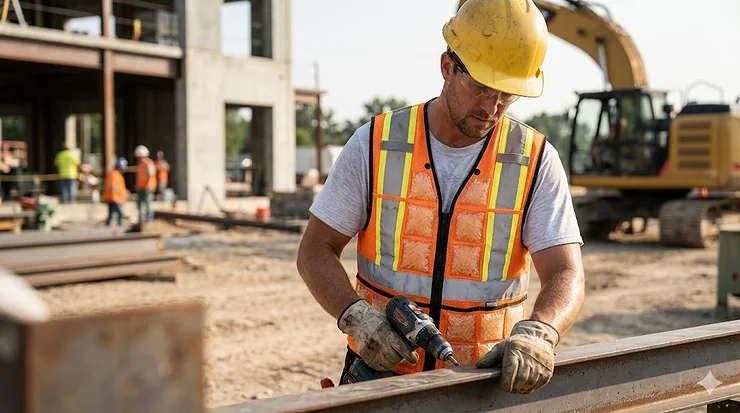
Working in scorching heat isn’t just uncomfortable—it’s dangerous. If you’ve ever worked construction in July, landscaped through a heat wave, or operated machinery in a non-air-conditioned warehouse, you know that overwhelming sensation when your body simply can’t regulate its temperature anymore. This is where polymer crystal cooling vests for work become not just helpful, but potentially life-saving equipment.
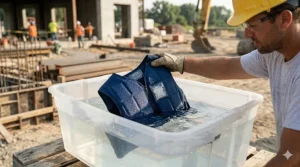
Heat stress sends thousands of workers to emergency rooms every year, with the Occupational Safety and Health Administration (OSHA) reporting that outdoor workers face the highest risk during the first few days of exposure to hot conditions. What most buyers don’t realize about polymer crystal cooling vests is that they work on the same principle as your body’s natural cooling system—evaporation—but amplified about 200 to 500 times more effectively. These vests use specialized sodium polyacrylate crystals or hydrophilic polymers embedded in fabric that absorb water and release it slowly through evaporation, pulling heat away from your core temperature zone.
Unlike battery-powered or ice pack vests that require freezers and planning ahead, water activated cooling vests can be reactivated anywhere you have access to water—a garden hose at a construction site, a break room sink, or even a cooler. This makes them the most practical choice for industrial cooling vest technology needs where you’re moving between job sites or working extended shifts. The real question isn’t whether you need one, but which polymer crystal cooling vest matches your specific work environment and climate conditions.
Quick Comparison Table: Top Polymer Crystal Cooling Vests at a Glance
| Product | Cooling Duration | Best For | Price Range | Rating |
|---|---|---|---|---|
| Ergodyne Chill-Its 6665 | 4 hours | Construction workers, general outdoor work | $40-$60 | 4.5/5 |
| TechNiche HyperKewl 6529 | 5-10 hours | Heavy-duty industrial use, long shifts | $55-$75 | 4.7/5 |
| TechNiche Deluxe Evaporative | 5-10 hours | Outdoor safety, motorcycle riders | $45-$65 | 5.0/5 |
| OccuNomix MiraCool Plus | 5-10 hours | Workers needing ANSI compliance | $50-$70 | 4.3/5 |
| AlphaCool Evaporative Vest | 4 hours | Budget-conscious buyers, yard work | $35-$50 | 4.2/5 |
| TechNiche Ultra Sport | 5-10 hours | Athletic builds, active work environments | $50-$70 | 4.4/5 |
| Ergodyne Chill-Its 6665 Hi-Vis | 4 hours | High-visibility safety requirements | $50-$70 | 4.6/5 |
Looking at this comparison, the TechNiche HyperKewl 6529 delivers the longest cooling duration at the mid-range price point, making it ideal for workers pulling 10-hour shifts in dry climates. However, if you need ANSI-compliant high-visibility gear for road work or utility jobs, the extra investment in the OccuNomix MiraCool Plus or Ergodyne Hi-Vis variant is justified by regulatory compliance. Budget buyers should note that the AlphaCool Evaporative Vest sacrifices some cooling duration for affordability but still provides reliable 4-hour relief.
💬 Just one click — help others make better buying decisions too! 😊
Top 7 Polymer Crystal Cooling Vests for Work — Expert Analysis
1. Ergodyne Chill-Its 6665 Evaporative Cooling Vest
The Ergodyne Chill-Its 6665 has become the gold standard for construction cooling vest options, and there’s solid reasoning behind its popularity. This vest features advanced polymer-embedded fabric technology that activates with a simple 2-5 minute soak in water, then delivers up to 4 hours of continuous cooling relief—enough to get most workers through the hottest part of a shift before needing reactivation.
What the spec sheet won’t tell you is how the quilted nylon exterior holds up to the daily abuse of climbing scaffolding, brushing against lumber, and getting tossed in work trucks. The mesh side panels aren’t just for show—they create airflow channels that accelerate evaporation in moving air, which means this vest actually works better when you’re physically active rather than standing still. The water-repellent liner keeps the interior surprisingly dry against your skin, addressing the biggest complaint about cheaper evaporative vests that leave you feeling like you just climbed out of a pool.
Construction workers praise this vest’s ability to fit comfortably over t-shirts without adding bulk under safety vests or tool belts. One reviewer who does roofing in Phoenix noted it’s a “lifesaver” during summer months, though effectiveness does drop noticeably above 70% humidity—something to consider if you’re working in muggy climates like the Southeast.
✅ Lightweight and doesn’t restrict movement
✅ Water-repellent liner keeps you dry
✅ Fits well under other PPE
❌ Cooling duration shorter than premium models
❌ Less effective in high humidity
Price Range: Around $40-$60
Best For: Construction workers, landscapers, warehouse staff in moderate climates
2. TechNiche HyperKewl 6529 Evaporative Cooling Vest
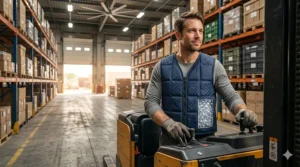
The TechNiche HyperKewl 6529 represents professional-grade hydration crystal cooling vests built for serious occupational use. With 5-10 hours of cooling per activation—more than double what most competitors offer—this vest uses TechNiche’s proprietary HyperKewl polymer embedded fabric that holds significantly more water while maintaining a slim profile.
Here’s what really sets this apart from budget options: the polymer matrix is engineered to release moisture at a controlled rate optimized for human body heat transfer, not just maximum water absorption. That translates to more consistent cooling throughout your shift rather than intense cooling for 2 hours followed by rapid fade. The quilted nylon shell with black cotton-poly trim is built for 50+ wash cycles without the polymer pockets degrading or developing weak spots—a common failure point in cheaper vests after a month of daily use.
Heavy equipment operators and industrial workers appreciate that activation takes just 60 seconds of submersion rather than the 2-5 minutes typical of other evaporative vests. Customer reviews consistently mention this vest’s ability to maintain effectiveness even when worn under fire-resistant coveralls or heavy work jackets, where the outer layer actually improves performance by slowing evaporation for extended cooling.
✅ Industry-leading 5-10 hour cooling duration
✅ Quick 60-second activation time
✅ Durable construction for repeated industrial use
❌ Higher price point than entry-level options
❌ Heavier when fully saturated
Price Range: Around $55-$75
Best For: Industrial workers, long shifts (10+ hours), extreme heat environments
3. TechNiche Deluxe Evaporative Cooling Vest
The TechNiche Deluxe Evaporative Cooling Vest bridges the gap between affordability and professional performance. This vest uses the same polymer embedded fabric inner layer as TechNiche’s premium models but pairs it with a simplified quilted nylon outer shell and water-repellant nylon liner to hit a more accessible price point while maintaining the 5-10 hour cooling window.
What most buyers overlook about this vest is the custom sizing availability—if the standard S through XXL doesn’t fit your frame, TechNiche will manufacture custom sizes on request, though expect a shipping delay. This makes it one of the few long lasting crystal cooling vests that actually accommodates workers outside typical size ranges, whether you’re particularly tall, short, or need extra room for layering. Motorcycle riders have adopted this vest enthusiastically because the v-neck with zipper closure fits comfortably under riding jackets without bunch or pressure points.
Reviews from outdoor workers consistently praise how the vest performs in direct sun exposure when worn as the outer layer—the quilted nylon reflects some radiant heat while the polymer core handles conductive cooling. One landscaper in Texas mentioned using it daily for an entire summer season with no noticeable degradation in cooling performance.
✅ Custom sizing available for non-standard builds
✅ Excellent value for 5-10 hour cooling duration
✅ Performs well in direct sunlight
❌ Custom sizes incur shipping delays
❌ No high-visibility option
Price Range: Around $45-$65
Best For: Motorcycle riders, outdoor workers, non-standard body types
4. OccuNomix MiraCool Plus Evaporative Cooling Vest
The OccuNomix MiraCool Plus stands out as the top choice for professional crystal cooling vests when regulatory compliance matters. This vest meets ANSI/ISEA 107 Class 2 high visibility standards with its polyester fabric shell and 2-inch reflective tape in the required configuration—one 360° horizontal stripe plus two vertical stripes—making it legal for road work, utility operations, and any job site requiring certified hi-vis gear.
Here’s the engineering advantage most competitors miss: OccuNomix uses slim cooling crystal embedded fabric rather than bulky polymer pockets, resulting in about 75% weight reduction when the vest is fully hydrated compared to older-generation evaporative vests. That might not sound significant until you’re wearing it for 8 hours—the difference between 2 pounds and 8 pounds hanging on your shoulders becomes very noticeable by mid-afternoon. The mesh shoulders and sides aren’t cosmetic; they provide genuine breathability that prevents the trapped heat problem you get with solid-panel safety vests.
Construction foremen and flaggers appreciate the 2-minute activation time combined with ANSI compliance, eliminating the need to wear separate cooling and safety vests. Customer feedback notes the vest maintains cooling effectiveness even when the bright yellow fabric gets dusty or dirty, unlike some reflective materials that lose performance when contaminated.
✅ ANSI/ISEA 107 Class 2 certified high-visibility
✅ 75% lighter when hydrated vs traditional designs
✅ Mesh panels for genuine breathability
❌ Hi-vis yellow may not suit all work environments
❌ Slightly higher price for compliance features
Price Range: Around $50-$70
Best For: Road workers, utility crews, anyone requiring ANSI-certified hi-vis gear
5. AlphaCool Evaporative Cooling Vest
The AlphaCool Evaporative Cooling Vest proves you don’t need to spend top dollar to get effective outdoor crystal cooling vests performance. At the budget end of polymer crystal vests, AlphaCool delivers solid 4-hour cooling duration through polymer-embedded fabric that activates in 2-5 minutes of water soaking. This vest is built by a family-owned temperature control company that’s been in the business for over a decade, focusing specifically on personal cooling solutions.
What sets AlphaCool apart at this price point is the water-repellent liner quality—it genuinely keeps the interior dry against your skin rather than just “less wet” like some budget competitors. The stretchable mesh panels provide better range of motion than you’d expect from a sub-$50 vest, making it popular with gardeners, dog walkers, and homeowners doing yard work who want cooling relief without industrial-grade overkill. The vest is also surprisingly durable for casual use, with customer reviews mentioning 30-50 soak cycles before any noticeable wear.
The limitation here is climate specificity: AlphaCool’s evaporative cooling works beautifully in dry Western states where humidity stays below 60%, but performance drops sharply in humid regions. Several reviewers in Florida and Louisiana noted marginal cooling benefit on muggy days, though it still provided some relief in air-conditioned spaces between outdoor tasks.
✅ Excellent value for money
✅ Quality water-repellent liner at budget price
✅ Good for casual/residential use
❌ Shorter 4-hour cooling window
❌ Limited effectiveness in high humidity
Price Range: Around $35-$50
Best For: Homeowners, light-duty outdoor work, dry climates
6. TechNiche Ultra Evaporative Cooling Sport Vest
The TechNiche Ultra Evaporative Cooling Sport Vest takes a different design approach with its pullover style and ventilation mesh side panels, creating a more athletic fit that appeals to workers with physically demanding roles. The vest uses TechNiche’s HyperKewl fabric technology for that same 5-10 hour cooling duration, but the lack of zipper closure makes it easier to pull on over your head when your hands are dirty or gloved.
What the athletic cut really means in practice is better torso contact—the vest stays positioned against your core temperature zones (chest, upper back, sides) even during bending, lifting, and reaching movements. Warehouse workers and delivery drivers particularly appreciate this because the vest doesn’t ride up or shift around when you’re constantly climbing in and out of vehicles or moving boxes. The mesh side panels create genuine ventilation channels rather than just being cosmetic, which accelerates the evaporative cooling process when air is moving across your body.
Customer feedback consistently mentions how well this vest performs under work shirts or light jackets—the pullover design eliminates the bulk of zipper hardware, making it less noticeable under your uniform. The water-repellant nylon liner keeps your shirt dry, which matters when you’re presenting to clients or need to look professional despite working in heat.
✅ Athletic fit stays positioned during movement
✅ No zipper bulk for under-uniform wear
✅ Excellent for physically active roles
❌ Pullover style harder to put on with equipment
❌ Limited size adjustability vs zippered vests
Price Range: Around $50-$70
Best For: Warehouse workers, delivery drivers, athletic builds
7. Ergodyne Chill-Its 6665 Hi-Vis Lime
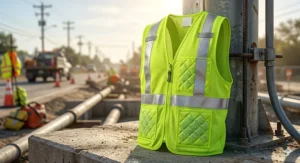
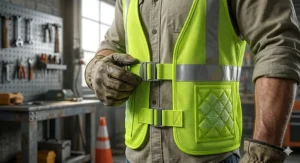
The Ergodyne Chill-Its 6665 Hi-Vis Lime variant takes the proven polymer crystal technology from the standard 6665 model and packages it in ANSI-compliant high-visibility lime for workers who need both cooling and safety certification. This is essentially the same vest as our #1 pick but in fluorescent lime with reflective trim, making it legal for traffic control, utility work, and construction sites with hi-vis requirements.
The advantage here is integration—you’re getting construction cooling vest options that don’t require layering a separate safety vest over your cooling vest, which would trap heat and defeat the purpose. The quilted nylon exterior in hi-vis lime provides the same durability as the standard model while meeting visibility standards. Ergodyne engineered the reflective trim placement to remain visible even when the vest is worn under tool belts or harnesses, something cheaper hi-vis vests often miss.
Road crews and utility workers report this vest handles the specific challenges of high-heat pavement work better than expected. The combination of direct sun exposure (asphalt can add 10-15°F to perceived temperature), radiant heat from pavement, and required hi-vis gear normally creates an unbearable situation, but the 4-hour cooling window covers the worst heat period of most shifts. Several reviewers mentioned reactivating the vest during lunch breaks for full-day relief.
✅ ANSI-compliant without separate safety vest
✅ Reflective trim stays visible under work gear
✅ Handles extreme pavement heat conditions
❌ Hi-vis color shows dirt more readily
❌ Premium pricing for compliance features
Price Range: Around $50-$70
Best For: Road crews, utility workers, traffic control, ANSI-required worksites
How to Activate and Use Your Polymer Crystal Cooling Vest
Getting maximum performance from water activated cooling vests requires proper technique—most workers don’t realize they’re reducing cooling duration by 30-40% through incorrect activation. Here’s the proper procedure:
Initial Activation
Submerge the entire vest in cold water for 2-5 minutes depending on the model (check manufacturer specs). The polymer crystals need complete saturation—partially soaked vests provide partial cooling. Cold tap water works fine; you don’t need ice water. You’ll feel the vest become slightly heavier as the crystals absorb water. Remove the vest and gently squeeze out excess water until it stops dripping freely. The vest should feel damp but not soaking wet. Shake it out to distribute the water evenly through all polymer panels.
Proper Wearing Technique
Wear the vest directly over a thin, moisture-wicking t-shirt—never against bare skin (less effective) or over thick clothing (blocks heat transfer). Adjust all straps snugly but not tight; you want good contact without compression that restricts breathing or movement. The vest works best when you’re active; movement increases air circulation that drives evaporation.
Reactivation Protocol
Most polymer crystal vests signal end-of-life cooling by feeling noticeably warmer against your skin and lighter in weight. Simply re-soak for 1-3 minutes (shorter than initial activation since crystals are already expanded), wring out excess, and you’re good for another cycle. You can reactivate 5-10 times per day without degrading performance.
Maintenance and Longevity
Hand wash as needed and hang to dry fully between uses. Never machine dry or store damp—polymer crystals can develop mold if kept wet in enclosed spaces. Most professional-grade vests handle 50-100 soak-dry cycles before polymers begin to lose water retention capacity. Store completely dry in a cool, dark place to extend lifespan.
Real-World Performance: Construction Site Case Study
Let’s look at how polymer crystal cooling vests perform in actual work conditions rather than controlled tests. A commercial construction crew in Phoenix, Arizona (summer temperatures regularly exceeding 110°F) implemented Ergodyne Chill-Its 6665 vests across their 15-person team for a three-month trial during June-August 2025.
The Challenge
Concrete work, rebar installation, and framing in direct sun exposure from 6 AM to 3 PM. Crew members were averaging 2-3 water breaks per hour just to manage heat, with productivity dropping 40% during peak heat (11 AM-2 PM). Two workers had required medical attention for heat exhaustion in the previous summer.
The Implementation
Each worker received two vests (one worn, one in cooler for rotation). Vests were activated in ice water at 5:45 AM before shift start, then reactivated during 10 AM and 1 PM breaks. Cost per worker: approximately $120 for two vests versus thousands in lost productivity and potential medical costs.
The Results
Heat-related incidents dropped to zero. Workers reported sustained energy levels through the full shift. Productivity during peak heat hours recovered to 85% of morning levels versus the previous 60%. Most significantly, water break frequency dropped to 1-2 per hour as core temperature remained regulated—workers were still drinking the same amount of water, just not requiring emergency cooling stops.
Key Takeaways
The vests worked best when activated in cold water rather than room temperature. Crew members with darker skin tones reported slightly better results, possibly due to higher radiant heat absorption making the evaporative cooling more noticeable. The 4-hour duration proved accurate in Phoenix’s low humidity (typically 15-25%), though workers in humid climates should expect 2-3 hours maximum.
Polymer Crystal vs Phase Change vs Ice Pack Cooling Vests
Understanding the different cooling technologies helps you choose the right tool for your specific conditions. This isn’t about one being universally better—it’s about matching technology to environment.
Polymer Crystal (Evaporative) Vests
Work by absorbing water and releasing it slowly through evaporation. The phase change from liquid to vapor pulls heat from your body. Effectiveness depends heavily on humidity—stellar performance under 60% relative humidity, marginal above 75%. No refrigeration required; can be reactivated anywhere with water. Typical cooling: 4-10 hours per activation. Best for: dry climates, mobile workers, jobs without freezer access.
Phase Change Material (PCM) Vests
Use special gels that melt at specific temperatures (usually 58-64°F), absorbing heat during the melting process. Work independently of humidity, so they’re reliable in muggy conditions where evaporative vests fail. Require freezing for 2-4 hours between uses. Cooling duration: 2-3 hours typically. Best for: humid climates, short-duration heat exposure, workers with freezer access.
Ice Pack Vests
Use frozen water panels or gel packs for direct cold contact. Provide the most intense cooling (can feel uncomfortably cold initially) but shortest duration—typically 1-2 hours. Require freezer access and planning ahead. Heavy when fully loaded (3-4 pounds of ice). Best for: maximum cooling intensity needed, medical conditions requiring aggressive temperature reduction, short work periods.
The Humidity Factor
This is the deciding factor most buyers miss: if you’re working in Florida, Louisiana, or anywhere with summer humidity above 70%, evaporative polymer crystal vests lose 50-70% of their effectiveness. The air is already saturated with moisture, so your sweat can’t evaporate and neither can the vest. In these conditions, phase change or ice pack vests are worth the freezer inconvenience. But in dry Western states, evaporative vests outperform everything else for duration and convenience.
Common Mistakes When Buying Polymer Crystal Cooling Vests
Mistake 1: Ignoring Climate Compatibility
I’ve seen too many workers in Houston buy evaporative vests based on Amazon reviews from Arizona users, then wonder why they get minimal cooling. Always check your local humidity levels before choosing cooling technology. If summer humidity regularly exceeds 70% in your area, evaporative vests are the wrong tool.
Mistake 2: Buying the Cheapest Option for Daily Industrial Use
Budget vests under $30 use inferior polymer crystals that break down after 10-20 soak cycles, not the 50-100 cycles professional-grade vests handle. If you’re using this vest 5 days a week for work, the $20 savings becomes a $60 loss when you have to replace it after a month. For casual weekend yard work, budget vests are fine. For occupational daily use, invest in proven brands like TechNiche, Ergodyne, or OccuNomix.
Mistake 3: Expecting Cold Sensation Like Ice Packs
Evaporative cooling feels like a pleasant coolness, not cold shock. Workers switching from ice pack vests sometimes think polymer crystal vests aren’t working because there’s no sharp cold sensation. The cooling is gentle and sustained—you’ll notice your core temperature staying comfortable rather than feeling actively chilled.
Mistake 4: Wearing Over Thick Clothing
The vest needs proximity to skin for heat transfer. Wearing it over a heavy work shirt or jacket blocks effectiveness. Wear it over a thin t-shirt, or if you must wear it under PPE, choose thin, moisture-wicking base layers.
Mistake 5: Storing the Vest Damp
Polymer crystals develop mold and mildew if stored wet. Always hang-dry completely between uses. This is the #1 cause of premature vest failure and unpleasant odors.
Understanding Heat Stress: Why Cooling Vests Matter
Heat stress ranks among the top causes of worksite accidents and fatalities according to OSHA data. What many workers don’t realize is that heat stress impacts performance long before you feel seriously unwell. Cognitive function declines at core temperatures just 1-2°C above normal—you’re making more mistakes, working slower, and taking more risks without consciously realizing it.
The progression typically follows this pattern: First comes heat fatigue—decreased alertness and ability to concentrate. Then heat cramps—painful muscle spasms usually in legs or abdomen. Next is heat exhaustion—heavy sweating, rapid pulse, dizziness, nausea. Finally heat stroke—body temperature above 104°F, confusion, potential loss of consciousness, and risk of death if untreated.
The dangerous part is the middle stages. Workers often push through heat exhaustion symptoms thinking they just need more water, when their body is already failing to regulate temperature. A polymer crystal cooling vest works preventatively by keeping your core temperature in the safe zone before symptoms start. Think of it like wearing hearing protection—you’re preventing damage rather than treating injury.
OSHA’s proposed heat illness prevention standards emphasize engineering and administrative controls, but personal cooling equipment like evaporative vests falls under recommended protective measures, particularly for workers who can’t avoid heat exposure through scheduling or shade.
Humidity and Climate: Choosing the Right Vest for Your Region
Your local climate dictates which cooling technology will actually work. Here’s the regional breakdown:
Southwest (Arizona, Nevada, New Mexico, Southern California):
Humidity: 10-30%
Best Choice: Evaporative polymer crystal vests
Why: Near-perfect evaporation conditions. Vests in this region often exceed rated cooling duration because the bone-dry air pulls moisture so efficiently. TechNiche HyperKewl 6529 is ideal for 10-hour desert shifts.
Midwest (Kansas, Oklahoma, Nebraska, Dakotas):
Humidity: 40-60% (variable)
Best Choice: Evaporative vests with PCM backup
Why: Good evaporation most days, but humidity spikes during storms or summer humid periods require alternative. Keep both types available.
Southeast (Florida, Louisiana, Georgia, Alabama):
Humidity: 65-85%
Best Choice: Phase change or ice pack vests
Why: Evaporative technology largely fails in this humidity range. The air can’t absorb more moisture, so evaporation stalls. Don’t waste money on polymer crystal vests for daily use in these states.
Pacific Northwest (Oregon, Washington):
Humidity: 50-70%
Best Choice: Evaporative vests for summer, skip for humid coastal areas
Why: Interior regions have good evaporation, but coastal areas with marine humidity should use phase change vests.
Northeast (New York, Pennsylvania, New Jersey):
Humidity: 50-75% (seasonal)
Best Choice: Evaporative vests with realistic expectations
Why: Moderate effectiveness. Works well in spring and fall, struggles during muggy summer periods. Consider the 4-hour ratings as 2-3 hours actual.
Frequently Asked Questions
❓ How long do polymer crystal cooling vests last before needing replacement?
❓ Can you wear a polymer crystal cooling vest under other PPE or safety gear?
❓ Do polymer crystal cooling vests work in humid climates like Florida or Louisiana?
❓ What's the difference between cheap and professional-grade polymer crystal cooling vests?
❓ How often do you need to reactivate a polymer crystal cooling vest during an 8-hour shift?
Conclusion: Choosing Your Polymer Crystal Cooling Vest
After examining hydration crystal cooling vests reviews and real-world performance data, the clear winner for most workers is the TechNiche HyperKewl 6529. Its 5-10 hour cooling duration, rapid activation, and proven durability justify the mid-range investment for daily occupational use. However, if you’re on a tight budget and working in dry climates, the AlphaCool Evaporative Vest delivers impressive performance at nearly half the price.
For workers requiring ANSI compliance, the OccuNomix MiraCool Plus or Ergodyne Chill-Its 6665 Hi-Vis eliminate the need for separate safety vests while providing reliable cooling. And if you’re working in humid conditions above 70% relative humidity, save your money—evaporative polymer crystal vests won’t work effectively in those environments no matter which brand you choose. Switch to phase change or ice pack technology instead.
The bottom line: polymer crystal cooling vests for work are proven, practical tools that reduce heat stress and improve both safety and productivity. They’re not magic—they won’t make 110°F feel like 70°F—but they’ll keep your core temperature regulated enough to prevent heat exhaustion and maintain mental sharpness through your shift. For workers in dry to moderate climates, these vests offer the best combination of convenience, duration, and effectiveness in the personal cooling market.
Recommended for You
- 7 Best Cooling Towels for Hiking and Camping – 2026
- 7 Top Cooling Towels for Hot Yoga That Actually Work (2026)
- 7 Best Cooling Towels for Gym Workouts (Tested 2026)
Disclaimer: This article contains affiliate links. As an Amazon Associate, I earn from qualifying purchases. If you purchase products through these links, we may earn a small commission at no additional cost to you.
✨ Found this helpful? Share it with your friends! 💬🤗
