
In This Article
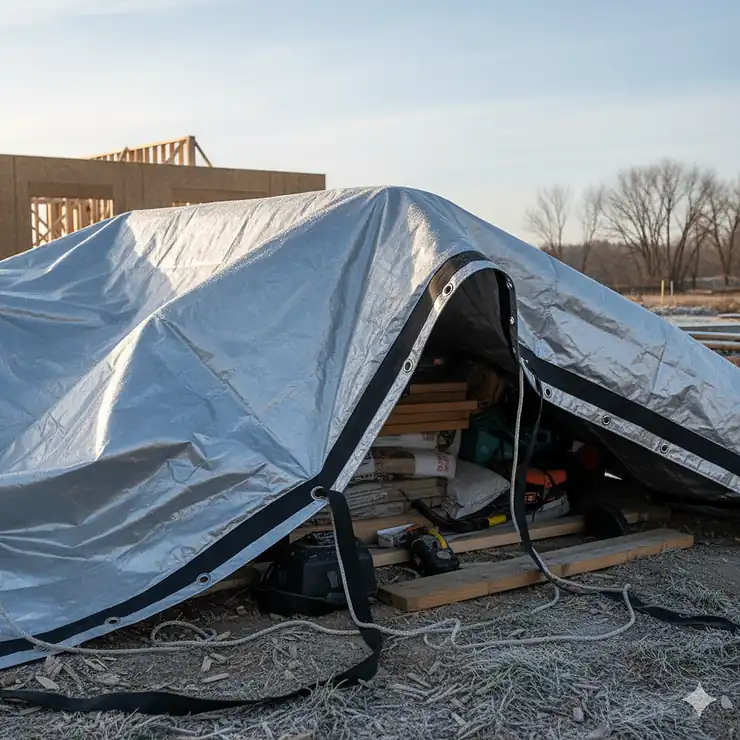
When harsh weather threatens your projects, equipment, or outdoor adventures, having the right insulated tarps can mean the difference between success and costly setbacks. These specialized protective covers combine thermal insulation with weather resistance to create an essential barrier against the elements. Whether you’re managing a construction site in freezing temperatures, curing concrete in challenging conditions, or preparing for emergency situations, understanding what makes insulated tarps effective will help you make informed decisions that protect your investments.
✨Was this helpful? Spread the word! 🚀
The market for insulated tarps has evolved significantly in recent years, with manufacturers developing increasingly sophisticated materials and construction techniques. From basic foam-insulated covers to advanced multi-layer systems with impressive R-values, today’s options offer unprecedented protection and versatility. Professional contractors, outdoor enthusiasts, and emergency preparedness experts have come to rely on these thermal barriers for applications ranging from concrete curing to emergency shelter construction.
Understanding the nuances of insulated tarp technology, materials, and applications becomes crucial when selecting the right solution for your specific needs. This comprehensive guide examines seven top-rated insulated tarps currently available on Amazon, analyzing their specifications, performance characteristics, and real-world applications to help you identify the perfect match for your requirements.
What Makes Insulated Tarps Essential for Modern Applications
Insulated tarps represent a significant advancement over traditional tarpaulins, incorporating thermal barrier technology that maintains temperature stability in challenging environments. The fundamental principle behind these specialized covers involves creating layers of insulation that slow heat transfer, whether preventing heat loss in cold conditions or blocking excessive heat absorption in hot climates.
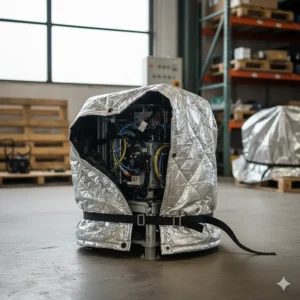
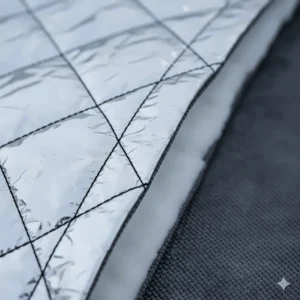
The construction typically involves multiple layers: an exterior weather-resistant shell, insulating core material (often closed-cell foam or reflective barriers), and sometimes an interior finish designed for specific applications. This multi-layer approach creates an effective thermal envelope that can maintain temperature differentials of 20-40 degrees Fahrenheit between interior and exterior environments, depending on the tarp’s design and insulation thickness.
Professional applications have driven much of the innovation in insulated tarp technology. Construction crews working with concrete during winter months require materials that maintain optimal curing temperatures, while agricultural operations need protection for equipment and livestock during extreme weather events. Emergency response teams depend on these tarps for rapid shelter deployment, and outdoor recreation enthusiasts use them for enhanced camping comfort and safety.
Advanced Material Technologies in Modern Insulated Tarps
The materials science behind contemporary insulated tarps showcases remarkable engineering advances. Closed-cell foam insulation provides excellent thermal resistance while maintaining structural integrity under compression. Reflective barrier systems, often incorporating aerospace-grade metallized films, can reflect up to 97% of radiant heat energy, making them incredibly effective in both hot and cold conditions.
Polyethylene and vinyl outer shells receive special treatments for UV resistance, tear strength, and flexibility across temperature ranges. Some premium models incorporate ripstop reinforcement patterns that prevent small punctures from propagating into larger tears. The grommets and reinforcement systems use corrosion-resistant materials like brass or stainless steel, ensuring long-term reliability even in harsh industrial environments.
Industry-Specific Applications and Professional Use Cases
Construction Industry Applications
Construction professionals rely heavily on insulated tarps for concrete curing applications, particularly during cold weather when maintaining proper hydration temperatures becomes critical. The Portland Cement Association emphasizes that concrete curing process generates heat through chemical reactions, but external cold can halt this process, leading to weak, frost-damaged concrete that may require costly replacement.
Modern insulated concrete blankets provide R-values ranging from R-3.3 to R-7.7, allowing contractors to maintain optimal curing temperatures even when ambient temperatures drop below freezing. These specialized tarps typically feature reinforced hems, strategically placed grommets for secure anchoring, and materials that resist the alkaline environment of fresh concrete.
Scaffolding enclosures represent another crucial application, where insulated tarps create temporary climate-controlled environments for construction activities. Workers can continue productive work in harsh weather conditions, while the controlled environment prevents moisture infiltration that could compromise materials or create safety hazards. The thermal barrier properties reduce heating costs significantly compared to traditional canvas or plastic enclosures.
Roofing contractors use insulated tarps for emergency weatherproofing when storms damage buildings before permanent repairs can be completed. The insulation properties help maintain interior temperatures, reducing energy costs for property owners while preventing secondary damage from temperature fluctuations and condensation.
Agricultural and Livestock Applications
Farmers and ranchers utilize insulated tarps for equipment protection, livestock shelters, and crop protection applications. Equipment storage requires materials that prevent condensation buildup while maintaining stable temperatures that protect hydraulic systems, engines, and electronic components from freeze-thaw cycles.
Livestock shelters benefit enormously from insulated tarp systems that provide wind protection while maintaining thermal comfort for animals. The breathable properties of some insulated materials allow moisture control while retaining heat, creating healthier environments that reduce stress on animals during extreme weather events.
Greenhouse operations employ insulated tarps as temporary covers during severe weather, supplemental insulation during winter months, and emergency protection systems when permanent structures require maintenance. The ability to quickly deploy large insulated covers can save entire crops from unexpected temperature drops.
Emergency Response and Disaster Recovery
Emergency management agencies maintain stockpiles of insulated tarps for rapid deployment during natural disasters. According to FEMA’s disaster preparedness guidelines, these materials serve multiple functions: emergency shelter construction, equipment protection, supply storage, and temporary facility creation. The versatility and effectiveness of modern insulated tarps make them essential components of disaster response logistics.
Search and rescue operations rely on insulated tarps for creating warming shelters, protecting sensitive equipment, and establishing base camps in harsh environments. The lightweight yet durable construction allows teams to carry substantial protective capability without excessive weight penalties.
Humanitarian relief efforts use insulated tarps extensively for refugee camp construction, emergency medical facilities, and supply protection in challenging climates. The thermal protection properties help maintain livable conditions while the weather resistance ensures reliable performance across diverse geographic and climatic conditions.

Top 7 Insulated Tarps: Comprehensive Product Analysis
1. TarpsNow Insulated Tarp/Concrete Cement Blanket
The TarpsNow Insulated Tarp stands out as a professional-grade solution designed specifically for construction applications. This 12′ x 25′ model features 3/16″ PE foam insulation with an impressive R-3.3 value when used with proper air pockets, making it exceptionally effective for concrete curing and general thermal protection.
Key Specifications:
- Dimensions: 12′ x 25′ (actual size slightly smaller)
- Insulation: 3/16″ PE foam with R-3.3 value
- Material: Woven reinforced polyethylene skin
- Grommets: Aluminum, spaced every 36″
- Weight: Approximately 25 pounds
- Price Range: $89-$129
The reinforced polyethylene skin provides excellent durability against construction site hazards while maintaining flexibility across temperature ranges. The aluminum grommets resist corrosion and provide secure anchor points for various fastening systems. Professional contractors appreciate the consistent thermal performance and reliability in demanding applications.
Customer reviews highlight the tarp’s effectiveness in maintaining concrete curing temperatures during winter construction projects. One contractor reported successful concrete pours in temperatures as low as 15°F, with the insulated tarp maintaining sufficient hydration heat for proper curing.
2. Covers & All Insulated Tarps
The Covers & All Insulated Tarps offer customizable solutions for commercial and industrial applications. Available in multiple sizes up to 20′ x 50′, these tarps feature 18 oz PVC construction with integrated insulation layers designed for long-term outdoor use.
Key Specifications:
- Multiple size options (up to 20′ x 50′)
- Material: 18 oz PVC-coated fabric
- Features: Heat-welded seams, UV resistance
- Warranty: 1-year manufacturer warranty
- Applications: Building wraps, temperature control, warehouse applications
- Price Range: $199-$599 depending on size
The heat-welded seam construction eliminates potential failure points common in sewn tarps, while the heavy-duty PVC coating provides superior weather resistance. The integrated insulation system maintains effectiveness even after extended exposure to UV radiation and temperature cycling.
Industrial users particularly value the custom sizing options, allowing precise fit for specific equipment or building applications. The professional-grade construction withstands the demanding requirements of commercial environments while providing consistent thermal performance.
3. Industrial Grade 5WUE9 Insulated Tarp
The Industrial Grade 5WUE9 represents a specialized solution for heavy-duty applications requiring maximum durability. This 12x20ft polyethylene model incorporates advanced insulation technology designed for challenging industrial environments.
Key Specifications:
- Dimensions: 12′ x 20′
- Material: Heavy-duty polyethylene construction
- Insulation: Multi-layer foam system
- Features: Reinforced edges, industrial-grade grommets
- Weight: Approximately 35 pounds
- Current Status: Limited availability on Amazon
While currently showing limited availability, this model has established a reputation among industrial users for exceptional durability and thermal performance. The multi-layer insulation system provides effective temperature control across a wide range of applications, from equipment protection to temporary enclosure construction.
4. Arcturus Heavy Duty Survival Blanket
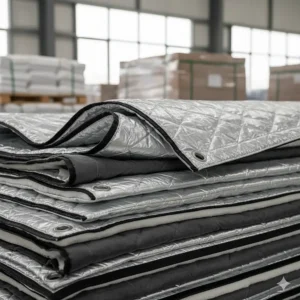
The Arcturus Heavy Duty Survival Blanket bridges the gap between emergency equipment and professional insulated tarps. Available in standard 60″ x 82″ and XL 8.5′ x 12′ sizes, this innovative design reflects 90% of body heat while providing waterproof protection.
Key Specifications:
- Standard size: 60″ x 82″ (5′ x 7′)
- XL size: 8.5′ x 12′
- Weight: 1.4 lbs (standard), 4+ lbs (XL)
- Heat reflection: 90% of radiated body heat
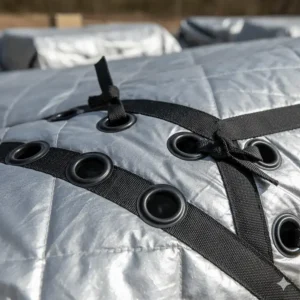
- Features: Reinforced grommets, carry bag included
- Price Range: $29-$69
The Arcturus design incorporates a unique three-layer construction: waterproof polypropylene exterior, aluminum reflective interior, and reinforced edge system. The aluminum side reflects radiant heat effectively, while the polypropylene layers provide wind and water protection.
Outdoor enthusiasts particularly appreciate the dual-purpose design that functions as both emergency blanket and tactical tarp. The reinforced grommet system allows secure installation as shelter or ground cover, while the reflective properties provide signaling capability in emergency situations.
5. TarpsNow R5.11 Concrete Curing Blankets
The TarpsNow R5.11 Concrete Curing Blankets represent the premium tier of professional concrete protection. These American-made blankets feature advanced insulation technology with an impressive R-5.11 rating, making them ideal for challenging cold-weather construction projects.
Key Specifications:
- Available sizes: 6′ x 25′ and 12′ x 25′
- R-Value: 5.11 (superior insulation performance)
- Material: 6 mil woven reinforced polyethylene
- Insulation: Cell foam, bubble, and reflective layers
- Color: Black top/silver bottom for optimal heat management
- Price: $4,990 for 50-blanket pack
The sophisticated insulation system combines multiple thermal barrier technologies: closed-cell foam for conductive heat transfer reduction, bubble layers for additional air gap insulation, and reflective barriers for radiant heat control. This comprehensive approach delivers exceptional thermal performance in the most demanding applications.
Construction professionals working on large-scale projects particularly value the bulk packaging options and consistent quality. The black upper surface absorbs solar energy during daylight hours, while the silver lower surface reflects heat back toward the concrete, maximizing thermal efficiency.
6. Tarp Supply Inc. 12 Mil Poly Insulated Tarps
Tarp Supply Inc. offers a comprehensive range of insulated poly tarps from 3′ x 12′ up to 12′ x 25′, providing solutions for diverse applications. The 12 mil polyethylene construction incorporates closed-cell foam insulation designed for superior weather resistance and thermal performance.
Key Specifications:
- Size range: 3′ x 12′ to 12′ x 25′
- Material: 12 mil polyethylene with foam insulation
- Features: Reinforced webbing, rust-resistant grommets
- Custom sizes: Available upon request
- Shipping: 2-6 business days
- Warranty: 30-day return policy
The closed-cell foam insulation provides excellent thermal resistance while remaining lightweight enough for easy handling and installation. The rust-resistant grommet system ensures long-term reliability, while the reinforced webbing adds structural strength at critical stress points.
Contractors appreciate the size variety that allows matching tarp dimensions to specific project requirements without excess material that could create wind loading issues. The prompt shipping and return policy provide confidence for time-sensitive projects.
7. RedSwing Heavy Duty Survival Blanket
The RedSwing Heavy Duty Survival Blanket offers an affordable entry point into insulated tarp technology while maintaining essential performance characteristics. This multipurpose design functions as emergency tarp, ground cover, or thermal blanket for outdoor activities.
Key Specifications:
- Size: Approximately 5′ x 7′
- Features: Reflective aluminum layer, waterproof construction
- Color: Green exterior/orange reflective interior
- Weight: Under 2 pounds
- Applications: Camping, emergency preparedness, outdoor activities
- Price Range: $15-$25
The dual-color design provides tactical advantages: the green exterior offers natural camouflage while the bright orange interior serves as emergency signaling. The reflective aluminum layer provides effective heat retention, while the waterproof construction ensures reliable weather protection.
Budget-conscious users find this model provides excellent value for emergency preparedness kits, vehicle emergency supplies, and occasional outdoor use. While not designed for heavy-duty commercial applications, it delivers reliable performance for personal and light professional use.
💬 Just one click – help others make better buying decisions too!😊
Advanced Technical Analysis and Material Science
Engineering Principles Behind Thermal Insulation
Understanding the physics of heat transfer helps optimize insulated tarp selection and deployment. Heat moves through three primary mechanisms: conduction (direct contact), convection (air movement), and radiation (electromagnetic energy). Effective insulated tarps address all three heat transfer modes through sophisticated material combinations and construction techniques.
Conductive heat transfer occurs when materials with different temperatures contact each other directly. Insulated tarps combat this through low-conductivity materials like closed-cell foam, which contains countless tiny air pockets that interrupt thermal pathways. The thermal conductivity of quality foam insulation can be as low as 0.02 BTU per hour per square foot per degree Fahrenheit, compared to 0.17 for solid polyethylene.
Convective heat transfer happens when moving air carries thermal energy away from surfaces. Multi-layer tarp construction creates dead air spaces that minimize convective losses, while tight seams and proper installation eliminate air infiltration that would compromise thermal performance.
Radiant heat transfer involves electromagnetic energy transmission that can occur across vacuum spaces. Metallized reflective barriers incorporated into premium insulated tarps can reflect 95-97% of radiant energy, dramatically reducing heat loss or gain depending on installation orientation.
Material Durability and Performance Testing
Professional-grade insulated tarps undergo extensive testing to verify performance claims and durability characteristics. According to the American Society for Testing and Materials (ASTM), standard test protocols include tensile strength measurement, tear resistance evaluation, thermal cycling stress testing, and UV degradation assessment.
Tensile strength testing determines how much force materials can withstand before failure. Quality insulated tarps typically demonstrate tensile strengths exceeding 200 pounds per inch width, with premium models reaching 400+ pounds per inch. This strength ensures reliable performance under high wind loads and installation stresses.
Tear resistance measures how materials respond to puncture and propagation forces. The best insulated tarps incorporate ripstop reinforcement patterns that contain damage, preventing small punctures from becoming large tears. Some models achieve tear resistance ratings exceeding 50 pounds, sufficient for demanding industrial applications.
Thermal cycling tests subject materials to repeated heating and cooling cycles that simulate years of outdoor exposure. Quality materials maintain flexibility and insulation properties through hundreds of freeze-thaw cycles, ensuring reliable long-term performance.
UV degradation testing exposes materials to accelerated sunlight equivalent to decades of outdoor exposure. Premium insulated tarps maintain structural integrity and thermal performance through 5000+ hours of UV exposure, corresponding to 15-20 years of typical outdoor use.
Innovation Trends and Emerging Technologies
The insulated tarp industry continues evolving with new materials and manufacturing techniques that enhance performance while reducing costs. Smart materials that change properties based on environmental conditions represent one exciting development direction.
Phase change materials (PCMs) store and release thermal energy as they transition between solid and liquid states. Incorporating PCMs into insulated tarps could provide automatic temperature regulation, maintaining optimal conditions without external energy input.
Aerogel insulation, originally developed for aerospace applications, offers exceptional thermal resistance in extremely thin layers. While currently expensive, manufacturing advances may make aerogel-insulated tarps viable for specialized applications requiring minimal thickness with maximum insulation.
Recyclable and biodegradable materials address environmental concerns while maintaining performance standards. New polymer formulations provide weather resistance and durability while enabling end-of-life recycling or composting.
Comprehensive Setup and Usage Guide
Pre-Installation Planning and Site Assessment
Successful insulated tarp deployment begins with thorough site assessment and planning. Environmental factors, installation requirements, and performance objectives must align with tarp specifications to achieve optimal results.
Wind exposure analysis determines anchoring requirements and influences tarp selection. Sites with sustained winds exceeding 25 mph require heavy-duty grommets, reinforced edges, and robust anchoring systems. The tarp’s weight and flexibility characteristics affect wind loading, with heavier materials generally providing better stability but requiring stronger support structures.
Temperature differential planning involves calculating expected performance based on ambient conditions, desired interior temperatures, and tarp thermal characteristics. A tarp with R-3.3 insulation can maintain approximately 15-20°F temperature differential under moderate wind conditions, while premium R-7.7 models may achieve 30-40°F differentials in protected environments.
Moisture management considerations include ventilation requirements, condensation prevention, and drainage planning. Completely sealed enclosures may require active ventilation to prevent moisture buildup, while partially open configurations balance thermal retention with moisture control.
Professional Installation Techniques
Proper installation maximizes insulated tarp performance while ensuring safety and longevity. Professional techniques developed through years of field experience provide reliable deployment methods for various applications.
Foundation preparation creates stable anchor points and proper support for the tarp system. Concrete applications require smooth surfaces free of sharp projections that could puncture the material. Temporary installations may use sandbags, water barrels, or specialized weights to provide anchoring without permanent modifications.
Tensioning systems distribute loads evenly across the tarp structure while maintaining proper thermal envelope integrity. Over-tensioning can stretch materials beyond design limits, while insufficient tension creates wind loading issues and thermal leakage. Professional installers use systematic tensioning sequences that achieve optimal results.
Seam sealing and overlap management eliminate thermal bridges and air infiltration paths. Critical areas include grommet interfaces, material overlaps, and penetration points for utilities or equipment. Professional-grade sealing compounds and techniques ensure long-term weather resistance.
Monitoring and adjustment protocols maintain optimal performance throughout the installation period. Temperature monitoring helps verify thermal performance, while visual inspections identify potential issues before they compromise system integrity.
Safety Considerations and Best Practices
Insulated tarp installation and use involve various safety considerations that require careful attention. Electrical hazards, structural loading, and weather-related risks demand comprehensive safety planning and implementation.
Electrical safety becomes critical when tarps contact or approach overhead power lines. Conductive materials in some insulated tarps create electrocution hazards, requiring minimum clearance distances and special installation procedures near electrical equipment.
Structural loading analysis ensures that support systems can handle combined dead loads (tarp weight), live loads (wind, snow), and dynamic loads (installation forces). Overloading can cause catastrophic failure with serious safety consequences.
Weather monitoring helps identify installation windows and operating limits. High winds, lightning, and severe weather can create dangerous conditions for both installation crews and completed installations.
Fall protection systems become necessary when installing large tarps on elevated structures. Proper harnesses, anchor points, and rescue procedures protect workers during installation and maintenance activities.
Maintenance and Longevity Optimization
Routine Inspection and Maintenance Schedules
Proactive maintenance extends insulated tarp service life while maintaining optimal performance. Systematic inspection schedules identify potential issues before they become major problems, protecting investments and ensuring continued thermal effectiveness.
Daily visual inspections during active use focus on obvious damage, loose fasteners, and performance indicators. Construction crews should check for punctures, tears, or grommet separation that could compromise weather protection or thermal performance. Temperature monitoring verifies that the system maintains expected thermal differentials.
Weekly detailed inspections examine all fasteners, seams, and stress concentration areas. Grommet condition requires particular attention, as these components experience high localized stresses. Loose or damaged grommets should receive immediate attention to prevent propagation of damage.
Monthly comprehensive assessments include complete tarp removal for thorough examination. Cleaning requirements vary by application, but removing accumulated dirt, concrete dust, or other contaminants extends material life and maintains thermal performance.
Seasonal maintenance involves complete system evaluation, cleaning, proper storage preparation, and preventive repairs. This comprehensive approach ensures maximum service life and reliable performance when the tarp returns to service.
Common Issues and Troubleshooting Solutions
Understanding typical problems and their solutions enables quick resolution of issues that could otherwise compromise project schedules or safety. Professional experience has identified common failure modes and effective remediation techniques.
Grommet failure often results from excessive loading, corrosion, or installation errors. Symptoms include loose or missing grommets, torn material around grommet locations, or separation of grommet components. Repairs may involve grommet replacement, material patching, or stress redistribution through additional anchor points.
Thermal performance degradation can stem from air infiltration, insulation compression, or material deterioration. Diagnostic techniques include thermal imaging to identify heat loss patterns and systematic temperature monitoring to quantify performance changes. Solutions may involve seam resealing, insulation replacement, or installation modifications.
Material tearing typically begins at stress concentration points like grommets, corners, or contact areas with sharp objects. Small tears can be repaired with appropriate patch materials and adhesives, while larger damage may require professional repair or replacement. Prevention through careful installation and use practices proves more effective than repairs.
Water infiltration compromises both thermal performance and material longevity. Sources include damaged seams, failed fasteners, or inadequate overlap areas. Systematic leak detection helps identify problem areas, while proper sealing compounds and techniques provide effective repairs.
Storage and Handling Best Practices
Proper storage and handling protect insulated tarps during inactive periods while preparing them for effective future use. Professional storage techniques prevent damage and degradation that could compromise performance or require premature replacement.
Cleaning procedures remove contaminants that could cause long-term damage or performance degradation. Construction applications may leave concrete residue, chemical exposure, or abrasive materials that require specific cleaning approaches. Gentle cleaning with appropriate solvents removes most contaminants without damaging the base materials.
Drying requirements ensure that stored tarps remain free of moisture that could promote mold, mildew, or material degradation. Complete drying may require several days in suitable conditions, particularly for large tarps or those with thick insulation layers.
Folding techniques minimize stress concentration and prevent permanent creases that could become failure initiation points. Professional storage often uses rolling methods that distribute bending stresses more evenly than folding. Large tarps may require special handling equipment to avoid damage during storage preparation.
Storage environment control protects materials from temperature extremes, UV exposure, and chemical contamination. Climate-controlled storage provides optimal conditions, but proper covering and ventilation can provide adequate protection in less controlled environments.
Comparative Analysis and Market Evaluation
Performance Metrics and Testing Standards
Understanding performance metrics enables informed comparisons between different insulated tarp options. Industry standards provide consistent measurement methods, while real-world testing validates manufacturer claims and identifies practical performance characteristics.
Thermal resistance (R-value) provides the fundamental metric for insulation effectiveness. Higher R-values indicate better thermal resistance, but installation factors significantly influence actual performance. Properly installed R-3.3 insulation may outperform poorly installed R-7.7 materials in real-world applications.
Durability ratings encompass multiple factors including tear strength, UV resistance, and thermal cycling performance. Comprehensive durability assessment requires examining all relevant factors rather than focusing on single specifications that may not reflect overall performance.
Weather resistance testing evaluates performance under simulated extreme conditions including high winds, temperature extremes, and moisture exposure. Laboratory testing provides controlled conditions for consistent comparisons, while field testing validates performance under actual use conditions.
Cost-effectiveness analysis balances initial purchase price against expected service life and performance characteristics. Premium tarps with higher initial costs may provide better value through extended service life and superior performance, while budget options may suit applications with lower performance requirements or limited service life expectations.
Traditional vs. Modern Insulated Tarp Technologies
The evolution from basic canvas and plastic covers to sophisticated multi-layer insulated systems represents significant technological advancement. Understanding these differences helps appreciate the capabilities of modern materials while identifying appropriate applications for different technology levels.
Traditional materials like canvas provided basic weather protection with limited thermal control. Canvas tarps offered durability and breathability but lacked effective insulation properties. Their natural fiber construction provided reasonable tear resistance but susceptibility to moisture damage and UV degradation.
Early synthetic tarps improved weather resistance through polyethylene and vinyl materials but initially provided minimal thermal control. These materials offered better moisture resistance than canvas while maintaining reasonable durability, but thermal performance remained limited.
Modern multi-layer systems combine advanced materials to address multiple performance requirements simultaneously. Sophisticated constructions integrate thermal barriers, weather resistance, and structural durability in single products that exceed the capabilities of earlier technologies.
Future developments may incorporate smart materials that automatically adjust properties based on environmental conditions, providing optimal performance across varying conditions without manual intervention.
Integration with Existing Systems and Equipment
Successful insulated tarp implementation often requires integration with existing equipment, structures, and procedures. Understanding compatibility requirements and integration options helps optimize system performance while minimizing disruption to established operations.
Structural mounting systems must accommodate tarp loads while providing secure attachment points. Existing buildings may require reinforcement or modification to handle additional loads from large insulated tarps, particularly in high-wind conditions.
Utility integration involves routing power, water, or communication lines through or around tarp systems without compromising thermal performance or weather resistance. Professional installations may require special penetration sealing and thermal bridge management.
Equipment compatibility ensures that machinery and tools can operate effectively within insulated enclosures. Ventilation requirements, access provisions, and workspace layout may require modification to accommodate thermal envelope constraints.
Workflow integration minimizes disruption to established procedures while maximizing thermal protection benefits. Successful implementations balance thermal performance with operational efficiency to achieve overall project objectives.
Case Studies and Real-World Success Stories
Large-Scale Construction Project Implementation
A major infrastructure project in Minneapolis required concrete placement during severe winter weather with ambient temperatures reaching -15°F. Traditional methods would have halted construction for months, creating significant schedule and cost impacts.
The construction team implemented a comprehensive insulated tarp system using TarpsNow R5.11 Concrete Curing Blankets combined with temporary heating. The installation covered over 50,000 square feet of concrete placement area with multiple layers of thermal protection.
Temperature monitoring throughout the curing process demonstrated that the insulated tarp system maintained optimal concrete temperatures despite extreme ambient conditions. The successful concrete placement saved an estimated $2.3 million in schedule delays and alternative heating costs.
Project managers reported that the thermal protection system enabled continuous construction operations that would have been impossible with traditional methods. Worker comfort and safety improved significantly within the heated enclosures, while fuel consumption for supplemental heating dropped by 60% compared to previous winter projects.
Emergency Response and Disaster Recovery
Hurricane damage in Louisiana created immediate needs for emergency shelter and equipment protection during recovery operations. Local emergency management deployed multiple Arcturus Heavy Duty Survival Blankets for rapid shelter construction and equipment protection.
The thermal reflective properties proved particularly valuable for maintaining comfortable temperatures in temporary shelters without external heating. Families displaced by the storm reported significantly improved comfort compared to traditional emergency shelters.
Recovery crews used the same tarps for protecting sensitive electronic equipment and emergency supplies from weather exposure. The waterproof construction and thermal protection prevented equipment failures that could have compromised recovery operations.
Total deployment time for emergency shelters averaged under 30 minutes per unit, enabling rapid response to changing conditions. The versatility of the insulated tarps allowed single products to serve multiple functions as needs evolved during the recovery process.
Agricultural Equipment Protection
A Minnesota farming operation needed reliable equipment protection for valuable machinery stored outdoors during harsh winter conditions. Traditional tarps provided basic weather protection but failed to prevent freeze-related damage to hydraulic systems and engines.
Implementation of Tarp Supply Inc. 12 Mil Poly Insulated Tarps created controlled environments that maintained equipment above freezing temperatures through thermal mass and solar gain during winter months. The investment in insulated protection paid for itself during the first winter through reduced maintenance costs and improved equipment reliability.
Fuel consumption for equipment warm-up procedures dropped by 40% due to higher starting temperatures. Hydraulic system problems that previously required expensive winter repairs virtually eliminated with proper thermal protection.
The farming operation expanded their insulated tarp usage to include greenhouse supplementation and livestock shelter applications. The versatility and effectiveness of the thermal protection systems provided value across multiple agricultural applications.
Future Trends and Market Evolution
Emerging Technologies and Innovation Directions
The insulated tarp industry continues evolving with new materials and technologies that promise enhanced performance, reduced environmental impact, and expanded application possibilities. Understanding these trends helps anticipate future options while making informed current decisions.
Smart materials incorporating sensors and responsive elements may enable automatic adjustment of thermal properties based on environmental conditions. Temperature-sensitive materials could optimize insulation characteristics without manual intervention, providing ideal performance across varying conditions.
Sustainable materials development addresses environmental concerns while maintaining performance requirements. Bio-based polymers and recyclable insulation materials could reduce environmental impact without compromising thermal effectiveness or durability.
Advanced manufacturing techniques may enable custom-configured insulated tarps for specific applications. Digital design and automated production could provide precisely sized and configured thermal protection systems optimized for particular use cases.
Integration with renewable energy systems could provide active thermal management capabilities. Solar panels incorporated into tarp surfaces might power heating elements or ventilation systems, creating self-sufficient thermal protection systems.
Market Trends and Consumer Behavior Shifts
Growing awareness of energy efficiency and environmental impact drives increased interest in thermal protection solutions across multiple industries. Construction regulations increasingly emphasize energy efficiency, creating market drivers for effective insulation solutions.
Professional contractors demonstrate increasing sophistication in thermal protection selection and implementation. Educational programs and industry training develop expertise that enables more effective use of advanced materials and techniques.
Emergency preparedness awareness continues expanding among both individual consumers and institutional users. Climate change impacts and recent disaster experiences drive demand for reliable emergency protection systems.
Cost-effectiveness focus balances initial investment against long-term value, with professionals increasingly recognizing that premium materials often provide better total cost of ownership through extended service life and superior performance.
Sustainability and Environmental Considerations
Environmental impact assessment becomes increasingly important in material selection and application decisions. The Environmental Protection Agency (EPA) encourages life cycle analysis to evaluate total environmental impact from production through disposal, enabling more informed choices.
Recyclability and end-of-life management influence purchasing decisions as organizations implement comprehensive sustainability programs. Materials that can be recycled or safely disposed of provide advantages in environmentally conscious applications.
Energy efficiency benefits of thermal protection systems contribute to overall sustainability goals. Reduced heating and cooling requirements translate to lower energy consumption and reduced carbon footprint for projects and facilities.
Local sourcing and manufacturing considerations may influence selection decisions as organizations prioritize supply chain sustainability and regional economic development.

Investment and Purchase Decision Framework
Cost-Benefit Analysis Methodologies
Effective insulated tarp selection requires systematic evaluation of costs and benefits across the complete product lifecycle. Professional analysis techniques provide objective frameworks for comparing options and optimizing investment decisions.
Initial purchase cost represents only one component of total cost of ownership. Service life, maintenance requirements, and performance characteristics significantly influence total investment value. Premium products with higher initial costs often provide better long-term value through extended service life and superior performance.
Operational cost impact includes heating/cooling savings, improved productivity, and reduced weather-related delays. Thermal protection systems can reduce energy costs by 30-50% in appropriate applications while enabling continued operations during adverse weather conditions.
Risk mitigation value quantifies protection against weather-related losses, equipment damage, and schedule delays. Insurance cost reductions may partially offset investment costs while providing additional financial benefits.
Productivity improvements from enhanced working conditions and extended operating seasons create value that may exceed direct cost savings. Comfortable working environments improve safety and efficiency while extended seasons increase revenue opportunities.
Implementation Strategy and Planning
Successful insulated tarp implementation requires comprehensive planning that addresses technical requirements, operational constraints, and financial considerations. Systematic approaches optimize results while minimizing disruption and risk.
Phased implementation may provide advantages for large-scale applications by enabling learning and optimization before full deployment. Pilot projects validate performance assumptions while developing operational expertise and procedures.
Training and education requirements ensure that personnel understand proper installation, use, and maintenance procedures. Effective training programs maximize product performance while extending service life through proper handling and care.
Support infrastructure may require development to optimize insulated tarp effectiveness. Storage facilities, handling equipment, and maintenance capabilities support successful long-term implementation.
Performance monitoring systems enable continuous optimization and early identification of issues. Temperature logging, visual inspection protocols, and user feedback provide data for ongoing improvements.
Decision Criteria and Evaluation Matrices
Systematic evaluation frameworks help organize complex decisions involving multiple products, applications, and performance requirements. Professional decision-making tools provide structure for objective comparisons and optimal selections.
Performance requirements define minimum acceptable characteristics for thermal resistance, weather protection, and durability. Clear specification of requirements enables objective evaluation and comparison of candidate products.
Application constraints include size limitations, weight restrictions, and compatibility requirements with existing systems. Understanding constraints early in the selection process eliminates inappropriate options and focuses evaluation efforts.
Budget considerations encompass initial purchase costs, ongoing maintenance expenses, and lifecycle replacement planning. Comprehensive budget analysis enables informed decisions about appropriate performance and quality levels.
Vendor evaluation includes factors like product support, warranty coverage, and delivery reliability. Strong vendor relationships provide advantages through technical support, training, and problem resolution assistance.

Frequently Asked Questions
❓ How effective are insulated tarps for concrete curing in cold weather?
❓ What's the typical lifespan of commercial insulated tarps?
❓ Can insulated tarps reduce heating costs for temporary enclosures?
❓ How do I determine the right size insulated tarp for my application?
❓ What maintenance do insulated tarps require during long-term installations?
🎯 Transform Your Projects with Professional-Grade Protection! ⚡
The right insulated tarp can make the difference between project success and costly weather-related setbacks. Whether you’re managing concrete curing, equipment protection, or emergency preparedness, investing in quality thermal protection delivers measurable returns through reduced energy costs, extended operating seasons, and enhanced safety.
Professional contractors, agricultural operators, and emergency responders have discovered that premium insulated tarps provide exceptional value through superior performance and extended service life. The advanced materials and construction techniques available today offer unprecedented capabilities for thermal protection across diverse applications.
Consider your specific requirements carefully, evaluate options systematically, and invest in quality products that will deliver reliable performance when you need it most. The comprehensive analysis provided here gives you the foundation for informed decisions that optimize both immediate results and long-term value.
Recommended for You:
- 7 Best Tarp for Trailer Options That Protect Your Cargo in 2025
- Ultimate Bike Tarp Guide: 7 Best Waterproof Covers For Your Bicycle in 2025
- 7 Best Tarp for Tent Options That Will Transform Your Camping Experience in 2025
Disclaimer: This article contains affiliate links. If you purchase products through these links, we may earn a small commission at no additional cost to you.
✨ Found this helpful? Share it with your friends! 💬🤗
